MAIKONG-Professional iridology camera iriscope Manufacturer and supplier


What Is a Proper Eye Iridology?
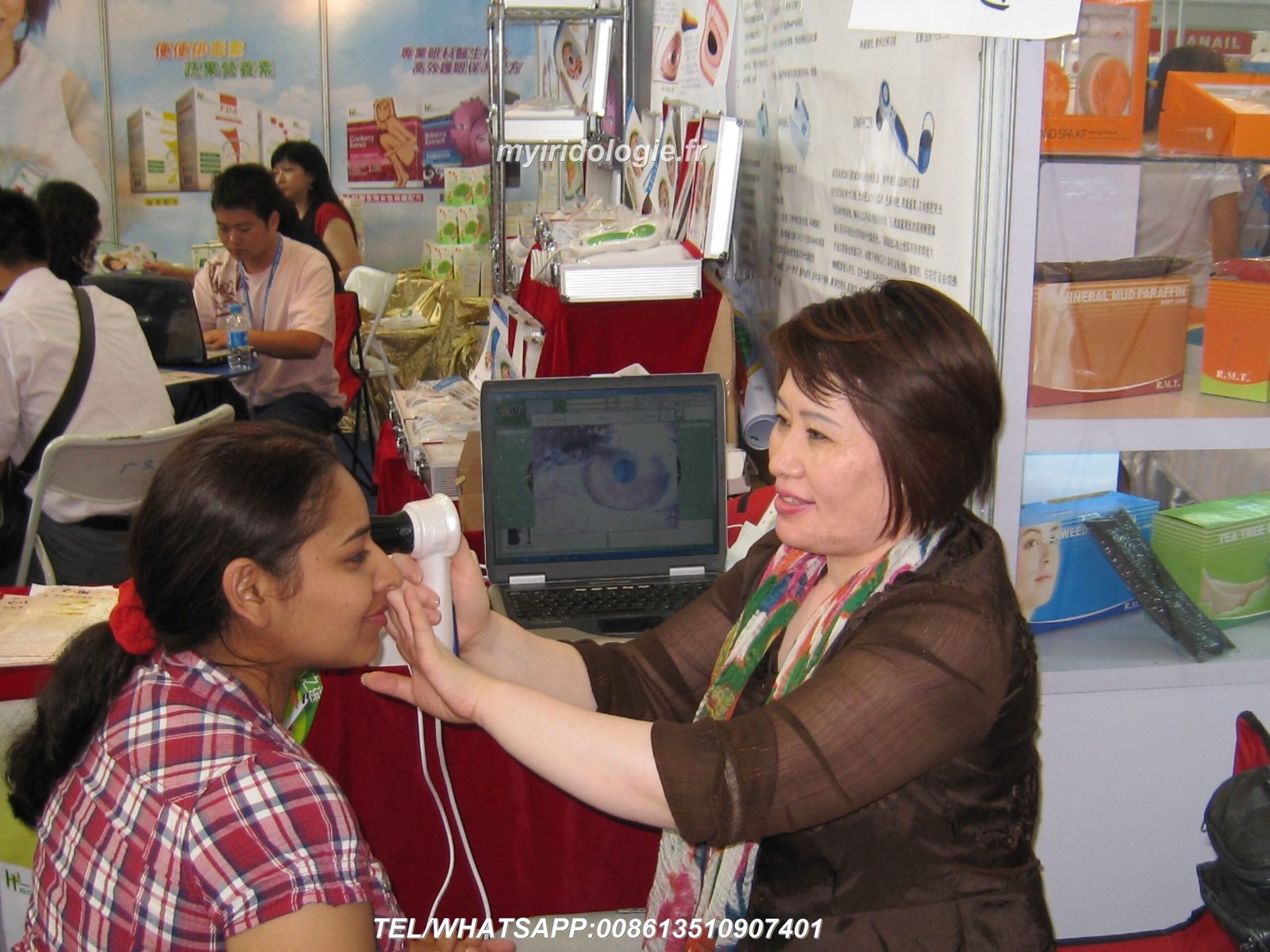

A proper eye iridology is a systematic, non-invasive assessment of the patterns, pigmentations, and structural fibers of the ocular iris to observe constitutional wellness markers. This practice serves exclusively as an educational reference for holistic lifestyle management, providing insight into inherent bodily tendencies rather than detecting specific medical pathologies. Responsible evaluations never replace clinical medicine, laboratory diagnostics, or conventional ophthalmic examinations.
Determining the validity of an iris assessment depends on consistent optical capture, calibrated lighting, and adherence to established constitutional charting systems. Practitioners operating within defined non-diagnostic boundaries allow individuals to explore wellness tendencies without overreaching into disease diagnosis.

What Does a Proper Eye Iridology Mean?
Understanding what constitutes a proper eye iridology requires distinguishing between empirical tissue observation and unfounded clinical claims. The practice examines the visible stroma, pupil border, and autonomic nerve wreath to identify tissue density variations and natural pigment concentrations. Historical systems pioneered by figures such as Ignaz von Peczely and later organized in the United States established foundational maps correlating iris topography with general regions of the human body.
Modern applications of Iridology view these markers as genetic predispositions and functional constitutional balances rather than active disease states. An ethical practitioner approaches the iris as a reflection of vitality reserves and tissue resilience rather than an organ-by-organ diagnostic monitor. By framing the evaluation around holistic health history, hydration habits, and nutritional balance, the process delivers educational context without confusing the client about medical health problems.
Iris analysis is strictly intended for wellness education and lifestyle assessment. It does not diagnose, treat, prevent, or cure any medical condition, and it cannot substitute for licensed medical examinations or emergency healthcare.
A legitimate iris reading acknowledges that ocular structures remain relatively stable throughout adult life, reflecting constitutional patterns rather than day-to-day metabolic swings. Recognizing this structural stability prevents the misinterpretation of natural pigments as acute internal injuries or infections.

Controlled lighting illuminates the fine radial fibers of the iris stroma without creating obscuring surface reflections.
The Steps in a Proper Eye Iridology Process
A structured evaluation follows sequential steps that prioritize subject comfort, image repeatability, and ethical communication. Conducting a proper eye iridology involves disciplined documentation rather than speculative visual scanning.
- Informed Context and Intake: The practitioner discusses lifestyle patterns, daily stress, digestive routines, and overall vitality goals while clearly stating the non-diagnostic scope of the evaluation.
- Optical Positioning and Calibrated Lighting: The subject stabilizes their gaze on a fixed focal point while specialized LED lights illuminate lateral angles of the iris without pupil constriction artifacts.
- High-Resolution Digital Image Acquisition: Specialized macro optics capture steady, unblurred images of both the right and left eyes, focusing on the pupillary zone, collarette, and ciliary zone.
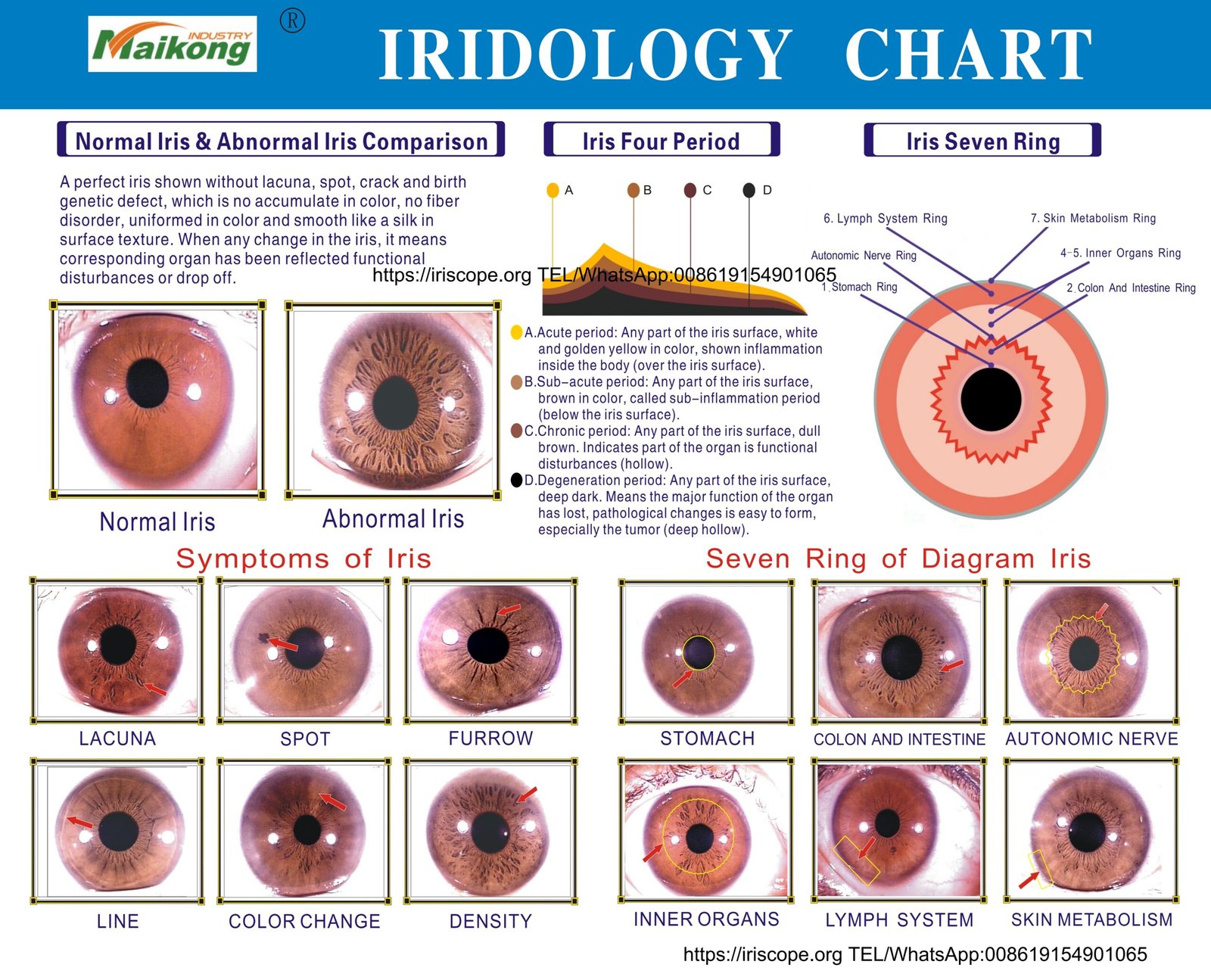
- Systematic Grid and Chart Orientation: The captured images are oriented against an established Iridology Chart to categorize fiber arrangements and concentric sector rings systematically.
- Collaborative Educational Dialogue: The practitioner reviews observable patterns with the subject, highlighting constitutional habits, lifestyle pacing, and responsible dietary self-care.
Skipping intake conversations or relying on rushed, blurry photographs compromises the entire assessment. High-standard workflows maintain documented records across multiple visits to compare constitutional patterns over time without asserting sudden physical transformations.
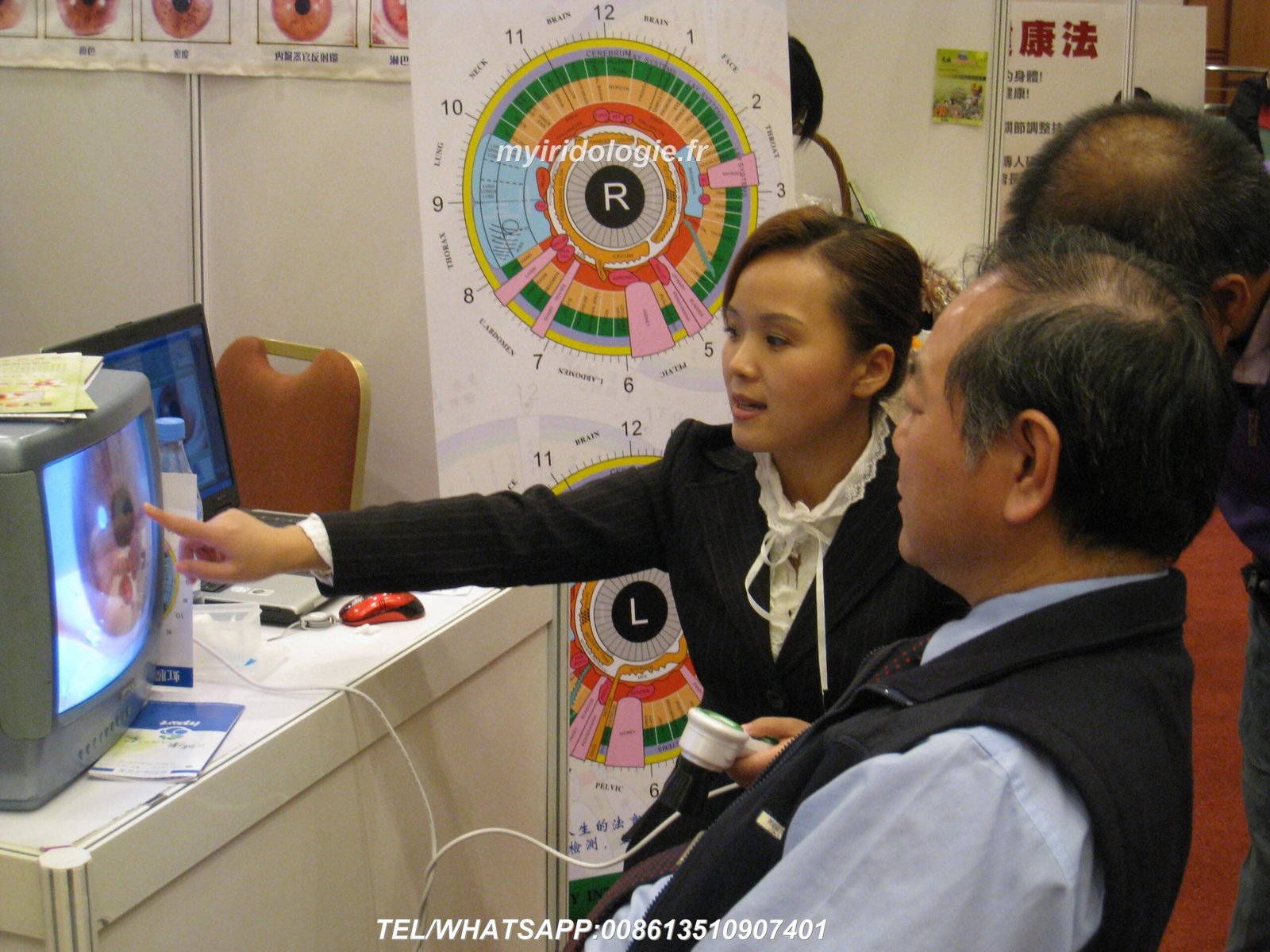
Reviewing digital records side by side supports methodical observation of iris fiber arrangements over time.
What a Proper Iris Image Should Show
Accurate evaluation depends heavily on optical fidelity because subtle fiber shifts and pigment variations require precise visual separation. Using a dedicated iridology camera delivers the optical resolution, depth of field, and balanced color reproduction needed for reliable analysis.
Illumination Balance
Side-angle dual LED sources reveal crypts and trabecular depth without producing blinding cornea reflections over the pupillary zone.
Focal Depth and Resolution
Sensors with high pixel fidelity and multi-coated glass optics resolve individual stromal fibers from the pupillary boundary to the outer scleral border.
Consumer smartphones and ambient handheld cameras frequently introduce barrel distortion, unnatural color shifts, and severe pupil constriction. A calibrated optical setup maintains natural pupil sizing in darkened conditions, preserving the visibility of the inner pupillary zone and autonomic collarette. When glare obscures sectors of the stroma, responsible practitioners adjust the angle and re-capture rather than guessing the obscured structure.
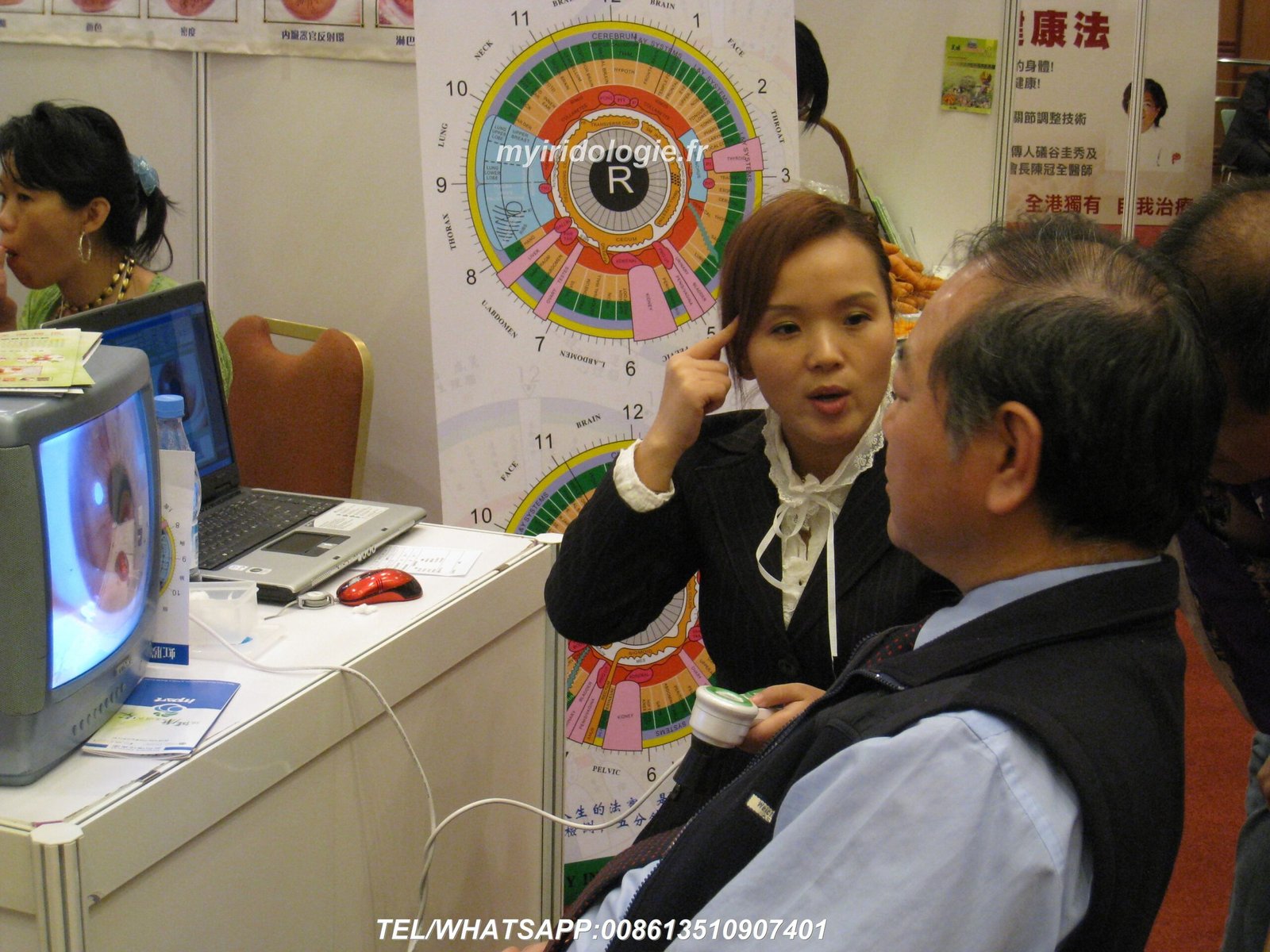
Adjustable lighting handles illuminate the iris contours while minimizing reflective hot spots on the cornea.
What Iridology Can and Cannot Tell You
Maintaining clear boundaries separates authentic holistic wellness coaching from deceptive health claims. The traditions formalized by practitioners like Bernard Jensen Iridology emphasized inherent bodily strengths and areas needing lifestyle support, not specific pathology identification.
Observable Wellness Insights
- Inherent constitutional resilience and tissue density markers
- Accumulation tendencies of natural cellular metabolic byproducts
- Autonomic nerve wreath tone indicating systemic lifestyle stress adaptations
- General digestive and assimilation reflex balance markers
Clear Diagnostic Limitations
- Cannot detect active infectious diseases or specific pathogenic microbes
- Cannot confirm internal neoplasms, tumors, or malignant cell growth
- Cannot identify specific surgical history, broken bones, or pharmaceutical presence
- Cannot substitute for blood chemistry panels or clinical physical exams
When an iridologist observes structural crypts, radial furrows, or localized pigment patches, these denote constitutional zones of lower resistance rather than active organ failure. Responsible analysts explicitly state these boundaries, guiding individuals toward primary medical doctors whenever unexplained physical symptoms appear.
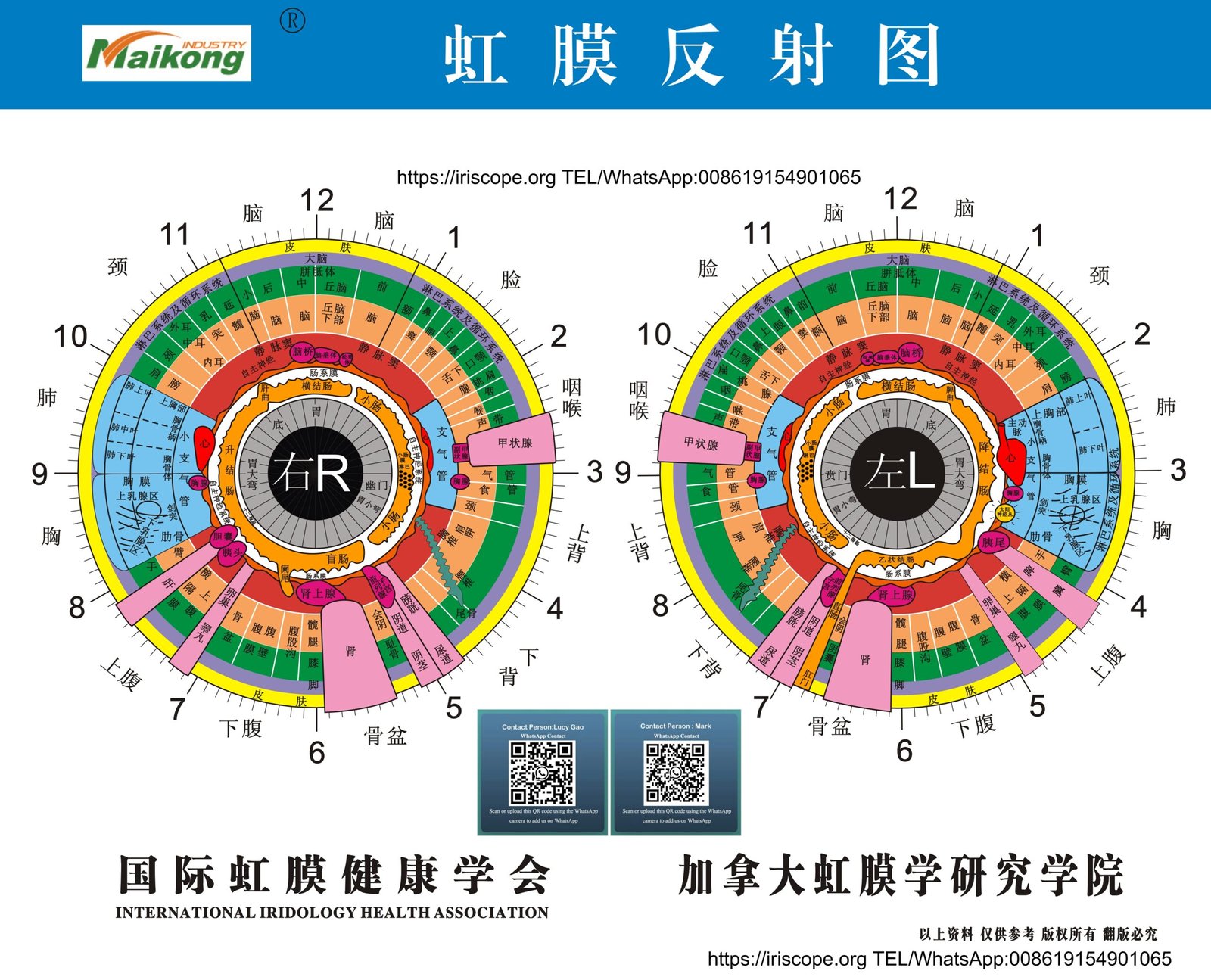
Reference charts provide educational context for tissue zones without serving as clinical diagnostic templates.
A Practical Checklist for Verifying a Proper Eye Iridology
Discerning clients and wellness directors evaluate practitioner competence through measurable operational standards. Confirming appropriate credentials, such as recognized Iridology Certification, provides assurance of ethical training and standardized assessment protocols.
- Verification of Written Disclaimers: The practitioner provides written disclosures stating the evaluation is purely educational and non-medical before taking photos.
- Use of Professional Optical Systems: Imaging is conducted using dedicated macro optical systems rather than low-resolution smartphone cameras with direct flashes.
- Transparent Chart Alignment: Observations reference standardized iris topographies, showing the client exact structural locations without mystical terminology.
- Absence of Alarmist Language: The session avoids alarming statements, fatalistic predictions, or urgent demands to purchase high-priced cure packages.
- Encouragement of Conventional Healthcare: The practitioner actively supports routine medical examinations, preventive screenings, and standard blood work.
A legitimate practitioner invites questions regarding their methodology and welcomes collaboration with the client’s broader integrative healthcare team. Transparent documentation allows clients to review their iris images at home without pressure to accept speculative assertions.
Open review of captured imagery allows clients to observe their inherent constitutional structures transparently.
Common Mistakes That Make an Iridology Reading Unreliable
Poor technique, exaggerated claims, and flawed optical environments undermine the credibility of an iris assessment. For instance, misidentifying normal circular contraction furrows as serious neurological conditions misinterprets general Stress Rings in Eyes, which primarily reflect autonomic tone and lifestyle stress adaptions.
Reliable Methodological Practices
- Documenting both eyes to compare bilateral symmetry and lateral organ zones
- Recording identical lighting levels and pupil diameters during follow-up reviews
- Maintaining neutral, descriptive language when noting pigment variations
Unreliable Reading Flaws
- Using high-flash smartphone photography that produces severe corneal glare
- Claiming that iris pigmentation changes overnight after a single detox cleanse
- Diagnosing specific medical illnesses or prescribing pharmaceutical alternatives
Corneal light reflexes often mimic structural lacunae or lymphatic rosaries when evaluated by untrained observers. Ensuring proper angle lighting and mechanical stability removes visual artifacts that could lead to mistaken conclusions.

Mechanical chin rests and focal stabilizers eliminate camera shake, reducing optical distortion during capture.
How an Iridology Camera and Software Support Documentation
Digital technology provides standardization for constitutional wellness records through specialized sensor hardware and archival software. Modern digital systems utilize specialized optical processors and multi-layer coated lenses to document stromal textures faithfully across repeated client visits.
Practitioners utilize specialized Iridology Software to catalog digital files, overlay anatomical charts, and track constitutional stability over extended periods. Hardware options engineered by MAIKONG incorporate high-resolution CCD sensors, integrated focus dials, and calibrated white balance controllers to maintain visual fidelity without manual distortion.
| Specification Item | System Parameter | Operational Notes |
| Camera Resolution | 12.00 Mega Pixels | Delivers high-resolution structural detail of fine stromal fibers |
| Optical Sensor | DSP Processor | Stabilizes exposure and provides automatic white balance control |
| Design Life | 5 to 10 Years | Standard expected electronic lifespan under routine office handling |
| Warranty Terms | Factory Coverage | One year coverage with factory repair; confirm written order terms |
| Operating Systems | Windows and Mac | Supports Windows 2000 through 11 and compatible macOS versions |
Hardware and software tools streamline record organization for wellness centers and educational academies without altering the core scope of practice. These digital records provide an objective baseline for lifestyle dialogue, ensuring observations remain grounded in actual visual evidence.

High-resolution camera wands connect via USB to interface directly with client documentation databases.
Questions to Ask Before Choosing an Iridology Practitioner
Selecting an iridologist requires assessing their educational background, professional transparency, and respect for legal health boundaries. Inquiring about specific operational methods helps establish whether a consultation will provide constructive lifestyle education or deceptive medical claims.
Ask the practitioner: What specific chart system do you use, how do you store my high-resolution images, and how do your observations integrate with guidance from my primary care physician?
Prioritize practitioners who explain that the iris reflects constitutional tendencies rather than dynamic medical diagnoses. Those who readily share their digital image captures and invite open discussion demonstrate professional transparency. Individuals seeking verified equipment or practitioner resources can explore options to Contact US for technical documentation and verified factory insights.

Professional wellness centers emphasize clear ethical disclosures and organized consultation environments.
Frequently Asked Questions
Can a proper eye iridology detect specific diseases or medical conditions?
No, iris analysis cannot identify, diagnose, or confirm specific diseases, infections, or internal pathologies. It serves exclusively as an educational tool to observe constitutional tissue tendencies, lifestyle stress marks, and vitality balance.
How does an iridology reading differ from a comprehensive eye exam?
A clinical eye examination performed by an optometrist or ophthalmologist evaluates visual acuity, intraocular pressure, and ocular pathology to diagnose eye diseases. An iris reading does not check vision or eye health, focusing solely on constitutional wellness tendencies.
Do iris colors and fiber patterns change rapidly over time?
The primary structural fibers and base pigmentation of the adult iris remain largely stable throughout a person’s life. Claims of radical, rapid structural changes following short-term dietary programs or cleanses typically reflect altered camera exposure or lighting differences rather than biological shifts.
What should someone do to prepare for an eye iridology appointment?
Individuals should remove contact lenses before the examination to prevent optical distortion and reflections on the corneal surface. Bringing notes on general lifestyle habits, sleep routines, and daily nutrition helps facilitate a constructive educational conversation.
What equipment is needed to capture reliable iris images?
Reliable evaluations require a dedicated macro camera system with adjustable side-angled LED lighting to illuminate the iris without corneal glare. Calibrated optical lenses ensure proper focal depth across the entire surface of the iris stroma.
Maintaining Perspective on Eye Iridology
A conscientious iris assessment offers personal insights into constitutional wellness tendencies when practiced with transparent limits and scientific humility. By relying on high-resolution imaging, clear ethical disclaimers, and responsible lifestyle guidance, the practice supports personal health awareness without compromising clinical safety. Individuals exploring integrative wellness should always coordinate their lifestyle observations with comprehensive medical care from licensed healthcare professionals.
Equip Your Wellness Practice with Reliable Optical Technology
Connect with MAIKONG factory representatives to review professional iriscope hardware specifications, software compatibility options, and regional dealership opportunities.
Address:Factory Building II, Jinshanlong Industrial Park, No.1, Xintang Village, Kratong Community, Fucheng Street, Longhua District shenzhen, 518000 GD,China
TEL:0086-0755-888-56563
Person to contact:Mark Luo
email:lucy@iriscope.org
Whatsapp/phone:0086-191-5490-1065
Copyright (c) 2004-2034 www.iriscope.org All Rights Reserved.