MAIKONG-Professional iridology camera iriscope Manufacturer and supplier


Accredited Iridology Courses Australia: How to Verify Training and Certification
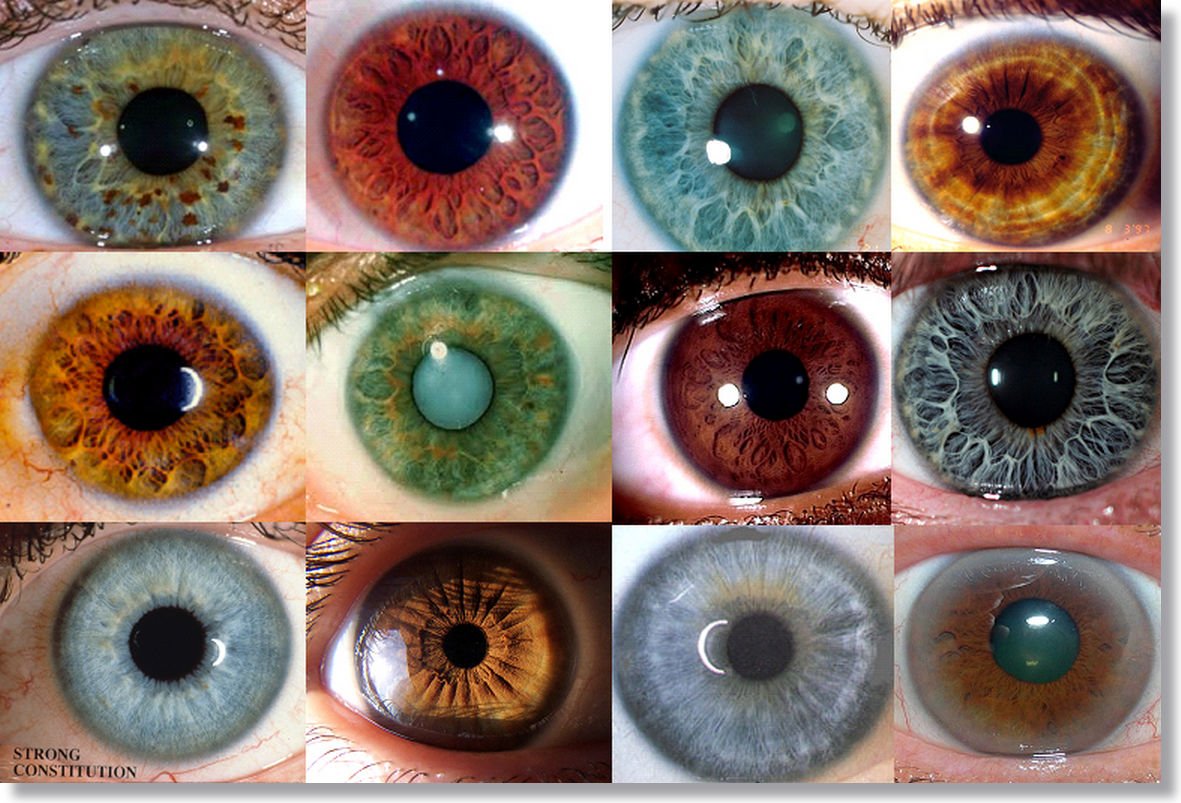
Prospective students evaluating accredited iridology courses australia must look beyond promotional slogans to determine whether a program holds independent recognition, private association approval, or formal vocational status. Genuine evaluation requires verifying the specific legal name of the education provider, confirming the exact registering body, and reviewing whether the curriculum delivers formal competency assessments rather than unmonitored attendance hours. All interpretive iris analysis taught in these programs serves exclusively for educational reference and lifestyle self-reflection, carrying no legal authorization to diagnose, treat, or cure medical conditions.
Selecting an appropriate course depends on the learner’s existing background, geographic location, and professional goals within complementary health disciplines. Careful review of curriculum transparently outlines assessment standards, instructor qualifications, and whether the awarded credential carries weight with recognized industry bodies.
What Does Accreditation Mean for Accredited Iridology Courses Australia?
In educational publishing, the term accreditation often describes distinct levels of regulatory oversight and organizational approval. Learners should differentiate between national qualification frameworks regulated by governmental education authorities and internal program endorsements granted by private natural therapy associations.
The table below summarizes how common educational classifications function across independent vocational and wellness sectors.
| Recognition Type | Authorizing Body | Verification Method | Educational Scope |
| Vocational | Government Register | National Database | Structured units with regulated outcome assessments |
| Professional | Industry Guild | Association Registry | Membership eligibility and approved continuing education points |
| Institutional | Private School | Provider Records | Internal verification of class attendance and module completion |
| Informal | Workshop Host | Signed Document | Short-format exposure without formal competency testing |
Accreditation, Recognition, Registration, and Certification Are Not the Same
Registration indicates that a training facility appears on an official registry, whereas accreditation refers to independent validation of educational quality against set standards. Professional recognition generally means that a private association accepts course hours toward membership criteria. A certificate represents the physical document issued upon finishing study, which may reflect unassessed participation rather than measured competence.
How to Verify an Australian Iridology Course Before Enrolling
Prospective learners must conduct independent due diligence before submitting non-refundable registration fees or tuition payments. Confirming institutional details directly with external directories prevents reliance on unsubstantiated advertising claims.
| Verification Point | Inquiry to Provider | Primary Check | Practical Confirmation |
| Entity Identity | Legal Business Name | Registry Check | Confirm active registration on national business registries |
| Accreditation Body | Named Approver | External Search | Locate the provider on the endorsing organization’s website |
| Curriculum Scope | Program Syllabus | Syllabus Review | Verify theory hours, practical workshops, and assignments |
| Instructor Profile | Teacher Credentials | Background Check | Evaluate verifiable clinical experience and teaching history |
| Student Rights | Withdrawal Policy | Written Policy | Read formal refund schedules and complaints resolution procedures |
Institutions operating legitimate educational tracks publish syllabus details, assessment rubrics, and trainer backgrounds openly. Written confirmation of these points protects students from unexpected policy changes during study.
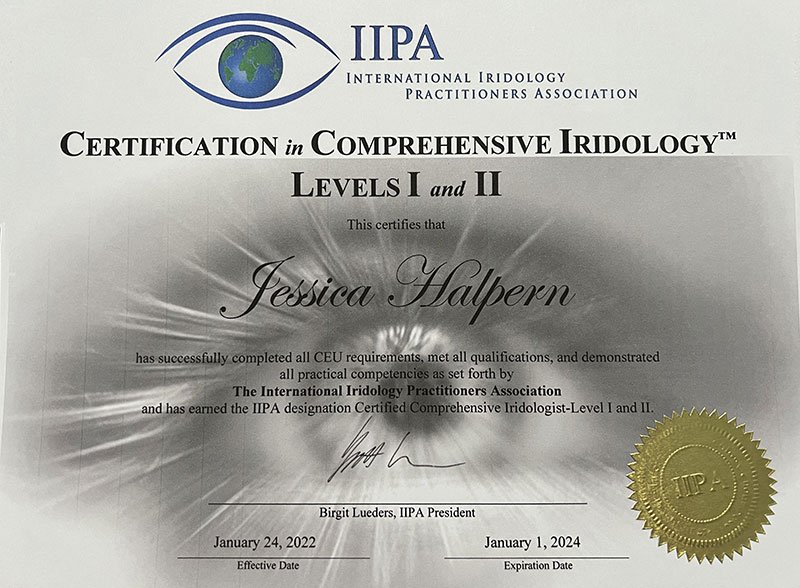
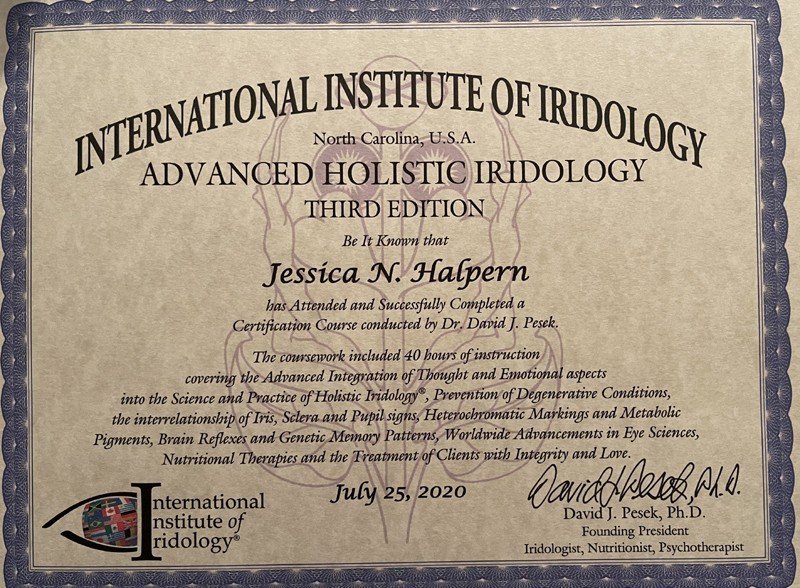
Questions to Ask Providers of Accredited Iridology Courses Australia
Direct communication with admissions representatives reveals administrative transparency and academic structure. Learners should record all official responses in writing prior to signing enrollment contracts.
- Which specific organization or register lists this course as accredited or approved?
- Can students independently verify the institution on an official publicly accessible directory?
- Does the awarded credential require formal examinations and practical case evaluations?
- What exact qualification title appears on the graduation certificate?
- How many supervised practical hours are completed under direct instructor evaluation?
- What formal qualifications and documented experience do course tutors hold?
- Does this credential satisfy continuing education requirements for existing natural health associations?
- What privacy standards govern student records and any iris photography collected during classes?
Clarifying these aspects early helps students identify programs that adhere to sound educational principles. Transparent schools provide specific documentation without evasive sales language.
Common Warning Signs of Unsupported Accreditation Claims
Students must remain watchful when encountering marketing materials that blur the line between educational study and medical authorization. Misleading representations compromise the integrity of educational pursuits.
Avoid programs advertising vague international accreditation without identifying a legitimate, searchable oversight organization. Be cautious of schools claiming that iris observation replaces laboratory tests, provides medical diagnosis, or qualifies graduates to prescribe therapeutic treatments.
Further red flags include absence of an assessment rubric, aggressive enrollment countdowns, and non-disclosure of instructor qualifications. Legitimate education never guarantees specific client income levels or clinical outcomes.
Programs claiming that digital observation software automatically identifies pathology make misleading statements. Analytical tools are educational reference aids and cannot replace professional medical diagnosis.
Choosing the Right Learning Route
Students enter study from diverse personal and career backgrounds, requiring educational pathways that match their preparation. Selecting the appropriate format supports systematic skill development.
Independent Study
Introductory modules provide historical overviews and constitutional concepts for self-guided learners. These formats build foundational literacy without practical supervision.
Hybrid Programs
Combined programs offer online theoretical lectures paired with in-person practical workshops. Supervised review helps learners practice optical positioning and systematic observation.
Continuing Education
Practitioners in holistic disciplines integrate iris study to expand qualitative client consultations. These specialized tracks emphasize methodical documentation and observation of Iridology Reading methods.
Regardless of the format chosen, studying constitutional iris traits serves as an educational framework for wellness observation. Training does not confer physician-level diagnostic privileges.
What Students May Need for Practical Learning
Developing competence in iris observation requires clear reference charts, dependable optics, and systematic record systems. Practical training relies heavily on clear visualization of structural patterns.
Standardized learning environments utilize calibrated illumination and reliable optical tools to document iris structural density without causing patient ocular discomfort.
Foundational reference materials commonly incorporate an Iridology Chart to familiarize learners with regional reflex topography. Practical exercises involve comparing pupil dynamics, structural fibers, and pigment variations across sample case archives.
Instructors frequently demonstrate evaluation protocols using a dedicated iriscope to display magnified details on classroom displays. Clear imaging allows students to study structural landmarks collaboratively during training exercises.
Where MAIKONG Equipment Fits Into Training
Educational institutions and clinical training centers require durable hardware and stable software to support visual instruction. MAIKONG operates as an established manufacturer producing demonstration devices and optical observation instruments for educational environments.
| Equipment Parameter | Manufacturer Specification | System Requirement | Factory Provision |
| Service Lifespan | Designed for 5 to 10 years | Standard Maintenance | Original factory construction |
| Warranty Terms | One Year Coverage | Non-Human Damage | Return to factory servicing |
| Windows Platform | XP, Vista, 7, 8, 10, 11 | 32-bit and 64-bit | Dedicated driver installation |
| Apple Platform | macOS Compatibility | Mojave to Sequoia | Native macOS system support |
| Unsupported OS | Android, Linux, Unix | Not Compatible | No native package provided |
Classroom workstations benefit from proprietary Iridology Software designed to archive case studies, display comparative historical captures, and demonstrate constitutional reflex zones. These software features assist visual teaching and educational record management; they do not carry medical device clearance or clinical diagnostic authority.
Educational directors seeking customized training hardware or bulk demonstration tools can consult Contact representatives to evaluate OEM hardware options and multi-language system compatibility.
Frequently Asked Questions
Are there accredited iridology courses in Australia?
Independent private associations and complementary health colleges offer recognized training modules, but students must independently verify current status on national educational registries. Accreditation classifications differ widely between private professional recognition and formal vocational frameworks.
How can I verify whether an iridology course is genuinely accredited?
Inquire directly with the institution for their legal entity name and the specific external body granting accreditation. Check that independent registry database to confirm current, active standing before enrolling.
Is a certificate of completion the same as accreditation?
A certificate of completion only proves that a student attended the designated lecture hours. Accreditation represents external institutional evaluation of academic standards and curriculum competency.
Can an iridology course qualify someone to diagnose disease?
No iridology training program authorizes graduates to diagnose, treat, or cure medical diseases. Iris observation functions solely for health awareness and educational lifestyle support.
Is online iridology training sufficient for practical learning?
Online courses provide adequate theoretical instruction on constitutional reflex models and history. Comprehensive learning requires practical, hands-on practice with optical imaging equipment and experienced instructor feedback.
What equipment is useful for learning iridology?
Students benefit from clear topological reflex charts, magnifying hand lights, and high-resolution digital cameras for recording observation images. Structured data management software helps organize comparative student practice files.
Does MAIKONG provide accredited iridology training in Australia?
MAIKONG is an equipment and software manufacturer, not an Australian training academy or accreditation authority. The factory supplies demonstration devices and software tools to independent schools and practitioners worldwide.
Can MAIKONG equipment be used by training schools?
Training centers use MAIKONG optical systems and display software to illustrate iris structures during practical classroom demonstrations. Equipment packages offer reliable image capture suitable for student laboratory exercises.
What should international students verify before enrolling in an Australian course?
International students should confirm whether the course hours and certification receive recognition from wellness associations in their home jurisdiction. They should also verify technical prerequisites, time zone delivery, and remote assessment standards.
Summary of Educational Verification
Prospective students exploring accredited iridology courses australia achieve educational success by verifying registry credentials, evaluating curriculum rigor, and demanding transparent assessment standards. Thorough due diligence ensures that chosen programs provide sound foundational knowledge without unsupported medical assertions. Instructors and academy administrators seeking reliable demonstration hardware can contact MAIKONG to discuss educational classroom equipment configurations.
Address:Factory Building II, Jinshanlong Industrial Park, No.1, Xintang Village, Kratong Community, Fucheng Street, Longhua District shenzhen, 518000 GD,China
TEL:0086-0755-888-56563
Person to contact:Mark Luo
email:lucy@iriscope.org
Whatsapp/phone:0086-191-5490-1065
Copyright (c) 2004-2034 www.iriscope.org All Rights Reserved.