MAIKONG-Professional iridology camera iriscope Manufacturer and supplier


AF-S DX Micro NIKKOR 40mm f/2.8G Iridology: What It Is and What to Verify

The term af s dx micro nikkor 40mm f 2 8g iridology describes pairing a standard Nikon DX-format close-up macro lens with a compatible digital camera body to capture detailed photographs of the human iris. This combination is not a dedicated medical device or an integrated ocular scanner, but rather a general-purpose photographic setup adapted for close subject inspection. Iris observation and structural imaging serve strictly for educational evaluation and personal wellness tracking, never for medical diagnosis or clinical disease detection.
Determining whether this optical configuration delivers practical results depends on working distance, supplemental illumination, camera sensor compatibility, and software integration. Because iris analysis requires uniform lighting without uncomfortable glare or pupil constriction, practitioners must evaluate how a standard photographic lens handles the physical realities of ocular assessment.
What Does “AF-S DX Micro NIKKOR 40mm f/2.8G Iridology” Mean?
The phrase refers to the practice of mounting Nikon’s compact 40mm macro lens onto an APS-C crop-sensor DSLR body to take magnified pictures of the iris. In optical terminology, Nikon labels its macro lenses as “Micro,” indicating the capability to achieve life-size reproduction of a subject directly onto the image sensor.
When adapted for Iridology, the goal is recording the distinct patterns, crypts, and color variations of the ocular stroma. However, the optical design was engineered for commercial, nature, and general tabletop macro use rather than ophthalmic or constitutional iris inspection.
Iris images captured through photographic macro equipment are intended exclusively for constitutional wellness assessment and lifestyle guidance. These visual records provide educational insight into general vitality but cannot identify clinical conditions or substitute for qualified medical care.
Is the AF-S DX Micro NIKKOR 40mm f/2.8G Designed for Iridology?


The AF-S DX Micro NIKKOR 40mm f/2.8G is a consumer-grade photographic lens created for general close-up photography, not specialized ocular imaging. While it offers high optical sharpness and flat-field focus across the frame, it lacks built-in illumination channels calibrated specifically for human eye comfort.
A specialized camera engineered for iris capture integrates specialized lighting diodes, physical eye rests, and dedicated analysis software. By contrast, adapting a standalone camera lens requires external lighting brackets, manual distance regulation, and separate filing systems.
Standalone 40mm Macro Lens
- Requires external diffused flash or continuous lighting arrays
- Short working distance places the front lens element close to the face
- Operates independently of specialized iris charting software
- Demands manual framing and variable subject stabilization
Dedicated Iris Imaging Hardware
- Built-in calibrated LED illumination arrays with polarized filters
- Fixed focal distance with integrated mechanical facial rests
- Direct integration with client records and constitutional charts
- Standardized capture settings for consistent follow-up evaluations
What Must Be Checked Before Using This Lens for Iris Imaging?
Evaluating this optical hardware for iris photography requires reviewing several mechanical and operational parameters before attempting subject sessions. Overlooking these optical limits often leads to blurred captures, harsh corneal reflections, or subject discomfort during assessment.
Practitioners must systematically verify camera body fit, focal clearances, and illumination balance before relying on standalone photographic hardware.
- Confirm camera body compatibility, as the DX designation covers Nikon F-mount APS-C digital bodies while mirrorless bodies require dedicated bayonet adapters.
- Measure the front working distance at full magnification, noting that the lens barrel extends forward and places the front glass very close to the subject’s eyebrow and eyelashes.
- Arrange dual-point diffused side lighting to illuminate the iris stroma without casting direct flash glare across the pupillary margin.
- Select stable support equipment, such as an adjustable mechanical chin rest or a geared optical rail, to eliminate hand tremor during manual focus adjustment.
- Establish a structured image file workflow to store uncompressed raw files alongside standard reference charts for constitutional review.
Standalone Macro Lens vs. Complete Iridology Camera
Understanding the operational differences between individual camera components and an integrated iridology camera helps wellness practitioners choose appropriate tools. While an interchangeable lens provides optical flexibility for standard photography, a complete system focuses exclusively on rapid, standardized ocular assessment.
The following table outlines how a standalone 40mm macro setup compares with an integrated iriscope system across key operational categories.
| Feature | Macro Lens Setup | Dedicated Iriscope | Operational Significance |
| Lighting Source | External Add-on | Integrated LED | Integrated diodes deliver balanced illumination across stromal fibers without harsh hotspots. |
| Working Distance | Extremely Close | Fixed Distance | Fixed spacers maintain subject comfort while keeping focus consistent between visits. |
| Software Link | Manual Import | Direct USB Sync | Direct capture transfers iris frames directly into client management databases. |
| Stabilization | Tripod Needed | Contoured Hood | Ergonomic eye rests stabilize the ocular field and prevent motion blur during capture. |
Where MAIKONG Equipment May Fit
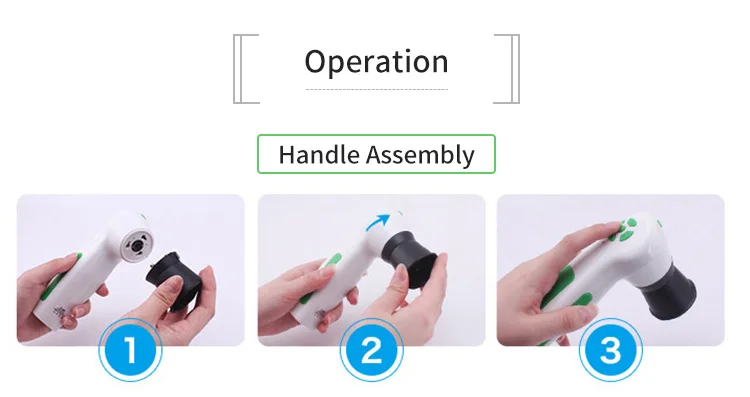
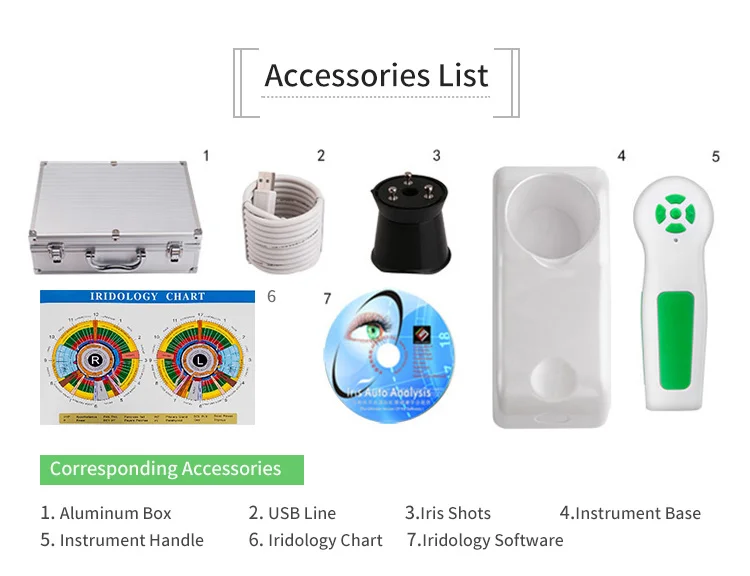
Practitioners seeking structured workflows often transition from standalone photographic lenses to purpose-built systems manufactured by MAIKONG. An integrated iriscope combines specialized optics, multi-point cool illumination, and dedicated client management interfaces within a single instrument.
Purpose-built systems minimize setup time by pairing high-resolution sensors directly with proprietary Iridology Software. This software environment supports comparative evaluations across multiple appointments while overlaying standardized reference templates, such as an educational Iridology Chart.
Dedicated System Strengths
- Cool spectrum LED illumination prevents pupil constriction during imaging sessions.
- USB connection transfers images straight into client management directories.
- Integrated digital overlays streamline constitutional education and lifestyle consultations.
Operational Considerations
- Specialized hardware cannot double as a walk-around outdoor camera lens.
- Requires a compatible computer workstation during active client consultations.
- System software updates require routine administrative backups for client databases.
Practical Verification Checklist for Iris Photography Setups
Before investing in an interchangeable macro lens or an integrated iris workstation, practitioners should confirm that their equipment satisfies practical inspection criteria. Reliable iris documentation requires consistent magnification, stable positioning, and glare control across both eyes.
Review the essential requirements below to verify that a planned imaging configuration supports repeatable assessment sessions.
- Verify optical reproduction ratio to confirm the setup captures the entire iris diameter with crisp stromal fiber resolution.
- Test cross-polarization or angled side lighting to minimize white reflection artifacts over critical pupillary zones.
- Check physical lens clearance to avoid crowding the subject’s face or triggering reflexive blinking during focus adjustment.
- Confirm software compatibility with client management computers running modern operating systems.
- Establish consistent white balance settings to maintain accurate fiber color reproduction across successive visits.
Frequently Asked Questions About AF-S DX Micro NIKKOR 40mm f/2.8G Iridology
Can the Nikon 40mm macro lens achieve 1:1 magnification for iris capture?
The lens achieves a 1:1 reproduction ratio natively without extension tubes. However, achieving life-size magnification requires placing the front lens element very close to the subject, which can obstruct supplemental light and cause subject apprehension.
Does a standard DSLR macro lens include specialized iridology software?
Interchangeable photographic lenses do not include iris analysis software or client tracking databases. Users must purchase separate educational overlay software or manually file raw captures into third-party storage folders.
Is external illumination necessary when using this lens for eye photography?
External diffused illumination is necessary because camera flash units produce intense reflections and pupil constriction. Balanced, angled cool lighting exposes stromal trabeculae without causing discomfort or reflective glare across the pupil.
Can iris images taken with this lens diagnose internal physical diseases?
Iris photographs serve exclusively for constitutional wellness assessment and educational review. Visual iris records cannot detect, diagnose, or treat physical diseases, and they never replace clinical consultations with medical physicians.
Conclusion and Next Steps


Adapting the af s dx micro nikkor 40mm f 2 8g iridology configuration offers sharp optical performance, but requires careful management of working distance, supplemental lighting, and file organization. For practitioners requiring streamlined client management and standardized illumination, purpose-built iriscope systems provide an integrated alternative. Selecting the right setup depends on balancing equipment versatility against the practical demands of routine wellness consultations.
Explore Professional Iris Imaging Solutions
Consult with MAIKONG specialists to discuss dedicated iriscope hardware, software integration, or regional distribution opportunities.
Address:Factory Building II, Jinshanlong Industrial Park, No.1, Xintang Village, Kratong Community, Fucheng Street, Longhua District shenzhen, 518000 GD,China
TEL:0086-0755-888-56563
Person to contact:Mark Luo
email:lucy@iriscope.org
Whatsapp/phone:0086-191-5490-1065
Copyright (c) 2004-2034 www.iriscope.org All Rights Reserved.