MAIKONG-Professional iridology camera iriscope Manufacturer and supplier


African American Iridologist: Definition, Scope, and How to Choose One


What Does African American Iridologist Mean?
The term describes a practitioner who identifies as African American and practices Iridology, an alternative wellness modality centered on iris assessment. In the United States, individuals seeking a practitioner from this background often look for shared cultural understanding, familiarity with traditional African American dietary habits, or historical connections to herbalism and community-based healing arts.
Cultural identity can foster rapport and mutual trust during health coaching conversations, especially when discussing dietary traditions and lifestyle stresses. However, cultural background alone provides no indication of formal training, analytical competence, or statutory authority. Every client must evaluate individual qualifications, practical boundaries, and business ethics independently of personal heritage.
Verifiable professional registries do not categorize practitioners by ethnic background, making direct inquiry necessary when clients seek specific cultural representation. Public records, professional associations, and direct interviews represent the only reliable methods for verifying a practitioner’s training and scope of service.
Iridology evaluations serve strictly for self-reflection and lifestyle education. An assessment from an african american iridologist does not constitute medical advice, a physician examination, or clinical diagnosis.
Practitioners often integrate historical wellness concepts, including traditional plant knowledge and natural living philosophies popularized by figures such as Bernard Jensen. A legitimate professional always presents these frameworks as complementary lifestyle tools rather than alternatives to licensed medicine.
What Does an Iridologist Do?
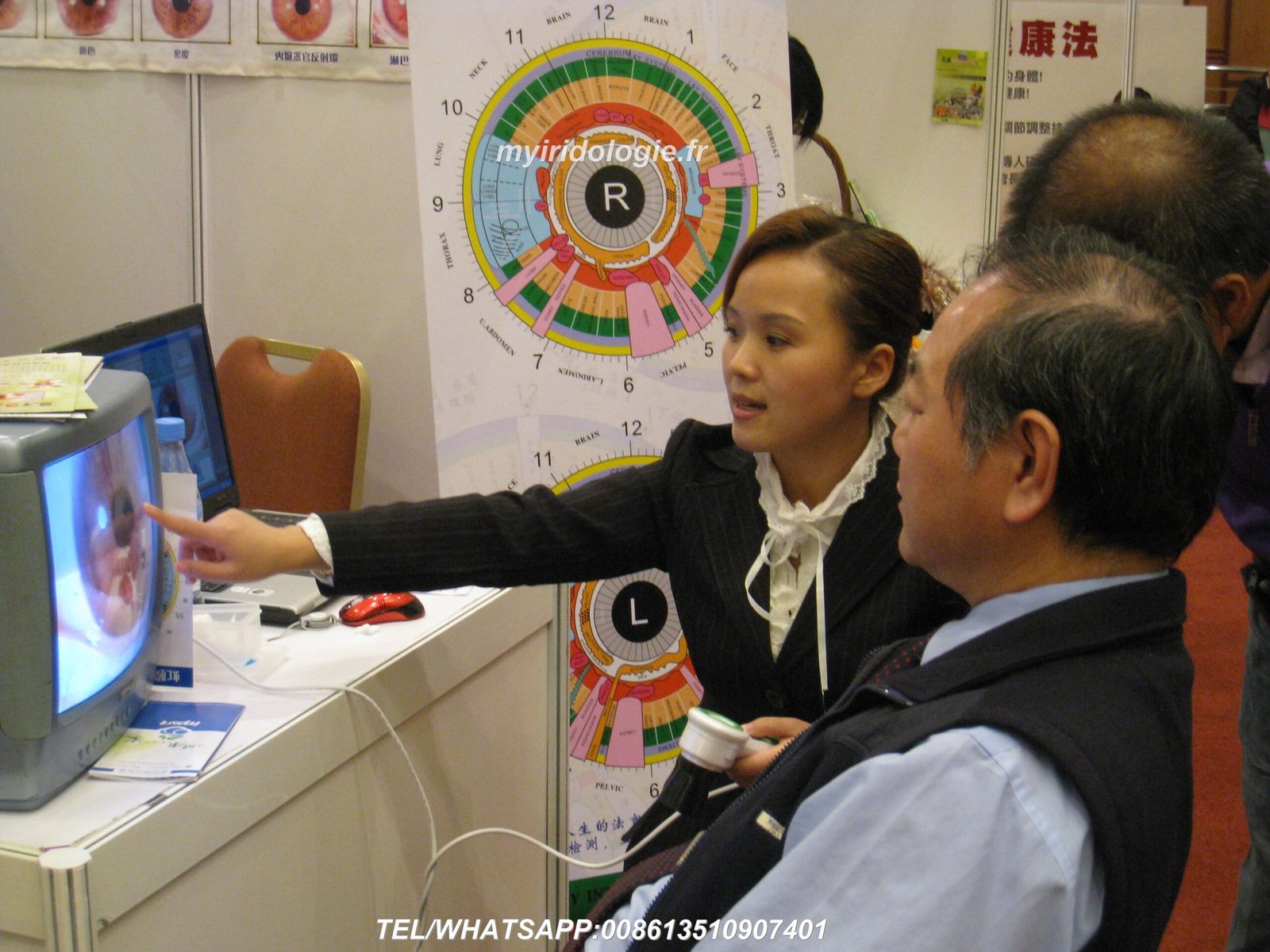
An iridology practitioner observes the structure, coloration, and markings of the iris using specialized magnification instruments and an Iridology Chart. During an Iridology Reading, the practitioner compares iris sectors against reference maps to discuss general constitutional tendencies, vitality, and digestive lifestyle factors.
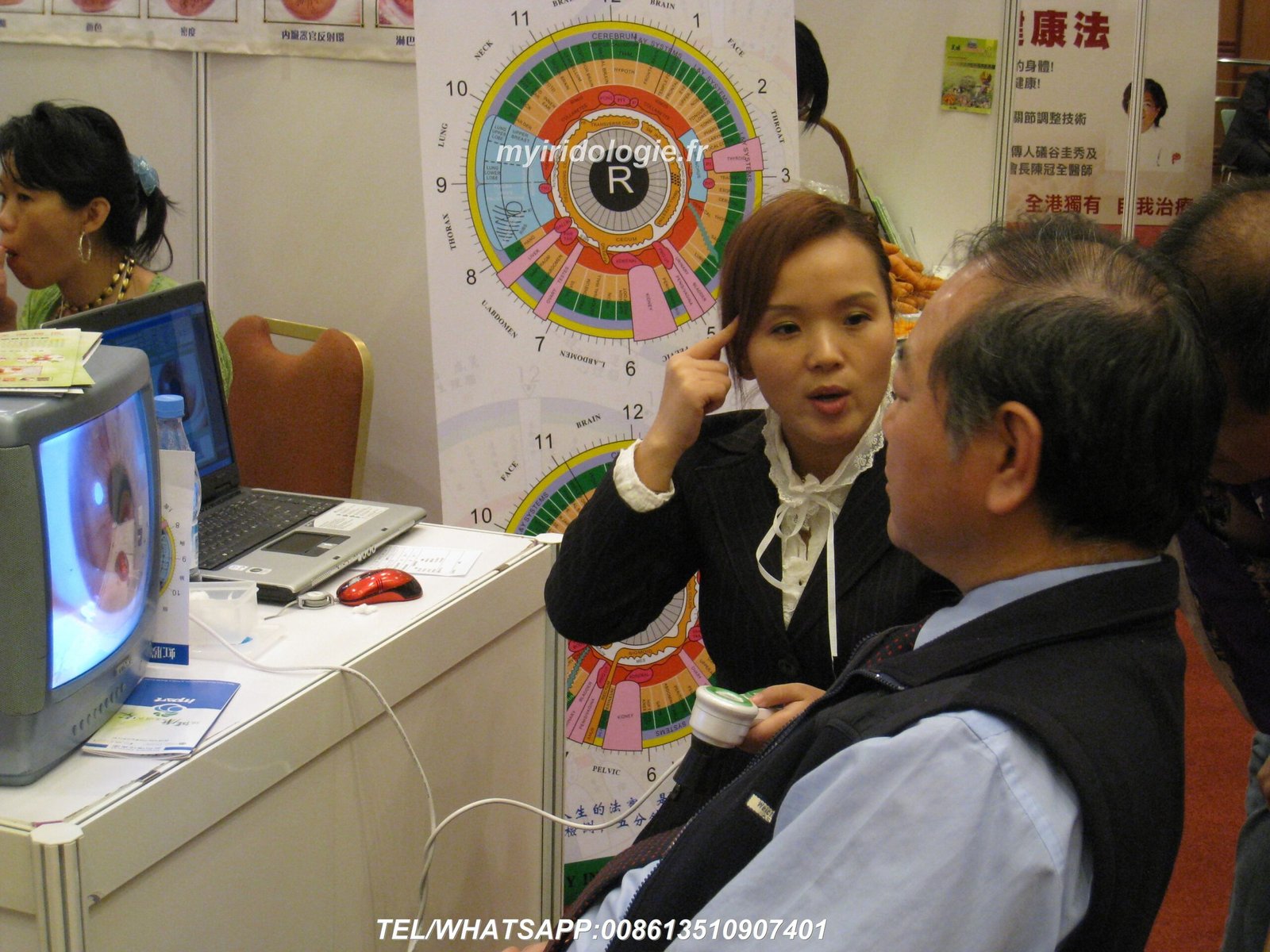

Practitioners commonly explore constitutional variations through Iridology Color Analysis or examine pupil margins for signs often referred to historically as Stress Rings. These terms reflect conceptual wellness categories rather than physiological eye diseases, neurological disorders, or internal organ pathology.
A clear boundary separates complementary wellness coaching from licensed medical practice. Clients should understand exactly what an iridological session offers before scheduling an evaluation.
Complementary Iridology Scope
- Reviews iris fiber density and pigment distribution for wellness education.
- Discusses nutrition, water intake, stress habits, and general physical vitality.
- Encourages collaboration with licensed primary care physicians for medical concerns.
Licensed Healthcare Scope
- Performs clinical diagnostic examinations of tissues, blood, and internal organs.
- Diagnoses acute and chronic medical diseases using validated clinical methods.
- Prescribes pharmaceutical treatments, medical therapies, and surgical interventions.
Whenever an assessment touches upon systemic symptoms, unexplained pain, or metabolic shifts, ethical practitioners emphasize that educational readings cannot substitute for thorough medical evaluations conducted by licensed physicians.
How to Evaluate an African American Iridologist
Choosing an iridology consultant requires systematic verification of qualifications, clear communication habits, and adherence to legal limitations. Consumers must never assume competence based on website claims, social media visibility, or shared personal background.
Reputable practitioners operate with complete transparency regarding fees, record management, client consent, and the non-medical nature of their services. The following evaluation steps help consumers assess whether a consultant maintains appropriate professional standards.
- Request documentation of completed coursework and verifiable Iridology Certification from established alternative health schools.
- Confirm that the practitioner requires written informed consent stating that iridology does not diagnose or cure disease.
- Review written privacy policies regarding the storage, sharing, and transmission of eye photographs and personal contact details.
- Assess whether the consultant explains iris features with modesty, acknowledging the scientific limits and uncertainty of iris interpretations.
- Verify that the practitioner maintains open relationships with primary care doctors and makes referrals when medical symptoms appear.
Before confirming an appointment, clients benefit from asking targeted questions to clarify expectations. Essential questions include:
What formal curriculum did you complete, and how many years have you practiced educational iris analysis? Do your written reports explicitly differentiate educational wellness observations from clinical health findings? Are dietary supplement recommendations optional, or does the session require product purchases?
A professional african american iridologist welcomes direct questions, provides straightforward answers, and respects the client’s autonomy to make independent healthcare choices alongside licensed medical advisors.
Red Flags to Watch For
Consumers must remain alert to predatory practices, exaggerated claims, and deceptive business models within the alternative health field. Recognizing unethical behavior protects both financial resources and physical health.

Practitioners who misuse clinical terminology such as Iridology Iris Diagnosis to claim they can detect cancers, cardiovascular blockage, diabetes, or infectious illnesses cross dangerous ethical boundaries. No credible scientific research validates the iris as an accurate map for medical disease diagnosis.
Avoid any practitioner who advises discontinuing prescribed medical treatments, promises to cure chronic illnesses, or claims regulatory authorization equivalent to medical licensing. Immediate physician consultation is mandatory for medical symptoms.
High-pressure sales tactics represent another significant warning sign. If a practitioner insists that recovery depends exclusively on proprietary dietary supplements, herbal blends, or costly cleansing regimens sold directly from their office, clients should step away.
Legitimate holistic health advocates focus on balanced lifestyle habits, stress reduction, and dietary improvement while encouraging clients to maintain consistent communication with their medical healthcare providers.
How Iris-Imaging Equipment May Be Used Responsibly
Modern practitioners document iris observations using digital imaging tools rather than simple pocket magnifiers. Devices such as a dedicated iridology camera or an illuminated iriscope allow practitioners and clients to review clear iris photographs together on a computer monitor.

These optical instruments function strictly as observation and documentation aids. An iris camera does not scan for diseases, calculate biological abnormalities, or deliver clinical diagnostic conclusions. High-resolution captures simply help consultants track surface pigment shifts and structural patterns for educational wellness records over time.
Practitioners often utilize specialized Iridology Software to catalog images, overlay digital analysis grids, and archive client profiles. Technical specifications published by equipment manufacturer MAIKONG outline the hardware and operating system parameters utilized by wellness professionals.
| Component Specification | Parameter Detail | Operational Scope |
| Optical Sensor | 12.00 Mega Pixels | Captures high-resolution macro surface photographs for educational iris review. |
| Illumination System | Integrated Lens LEDs | Provides balanced cool illumination around the target field during capture. |
| Windows Support | XP, 7, 8, 10, 11 | Maintains compatibility across 32-bit and 64-bit consumer operating systems. |
| Apple macOS Support | 10.14 through 15 | Operates on supported macOS systems including Apple Silicon processor environments. |
| Language Packages | 16 Listed Languages | Includes English, Spanish, French, Portuguese, German, Chinese, and others. |
| Manufacturer Warranty | Terms Require Confirmation | Factory documentation cites 1 year or 13 months; verify terms before purchase. |
Hardware accessories typically include a 30X magnification iris lens, a protective storage box, a USB interface cable, and analysis software drivers. Linux, Android, and Unix platforms remain unsupported according to manufacturer documentation.
Practitioners must remember that high-resolution photographs never replace a comprehensive ophthalmic examination conducted by an optometrist or ophthalmologist to assess internal eye pressure, retinal integrity, or vision health.
Frequently Asked Questions
What is an African American iridologist?
An african american iridologist is an alternative wellness consultant of African American descent who examines the iris to discuss constitutional tendencies and healthy living habits. This professional works in wellness education and does not provide medical disease diagnosis.
Is an African American iridologist a medical doctor?
Iridologists in the United States are generally not medical doctors unless they have independently completed accredited medical school and hold a valid state medical license. Most practice as non-licensed holistic health educators, herbalists, or nutrition consultants.
How can someone verify an iridologist’s training?
Clients can ask to inspect diplomas and certificates from recognized alternative wellness institutions and professional associations. Direct inquiries should clarify the hours of practical study completed, the curriculum followed, and the non-diagnostic scope of the practice.
Can an iridology reading diagnose a disease?
An iridology assessment cannot diagnose any medical disease, infection, or anatomical defect. Scientific evaluations show that iris analysis lacks diagnostic validity, meaning all findings must remain strictly educational.
What should a client ask before an appointment?
A client should ask about session costs, practitioner educational credentials, the non-medical nature of the consultation, and privacy standards regarding photographic data. Clarifying whether product purchases are mandatory helps avoid unexpected financial pressure.
Can an iriscope replace an eye examination?
An iriscope cannot replace a formal medical eye examination. Optometrists and ophthalmologists examine the retina, optic nerve, visual acuity, and intraocular pressure, which non-medical iris cameras are neither designed nor authorized to evaluate.
How can a practitioner use iris-imaging equipment responsibly?
A practitioner uses imaging equipment responsibly by presenting photographs solely as educational tools for lifestyle discussion. Ethical practitioners avoid diagnostic terminology, obtain signed consent, and direct clients to medical doctors for any health concerns.
Summary and Professional Equipment Considerations
Consulting an african american iridologist can offer meaningful cultural connection and holistic lifestyle encouragement when approached with realistic expectations. Iridology remains an educational wellness aid that never substitutes for formal medical diagnosis, laboratory testing, or physician-directed clinical treatment.
Professional Iris Imaging Equipment and Partnership Inquiries
Wellness clinic directors, natural health educators, and prospective regional distributors seeking reliable optical imaging instruments can explore professional equipment options directly with factory representatives.
Address:Factory Building II, Jinshanlong Industrial Park, No.1, Xintang Village, Kratong Community, Fucheng Street, Longhua District shenzhen, 518000 GD,China
TEL:0086-0755-888-56563
Person to contact:Mark Luo
email:lucy@iriscope.org
Whatsapp/phone:0086-191-5490-1065
Copyright (c) 2004-2034 www.iriscope.org All Rights Reserved.