MAIKONG-Professional iridology camera iriscope Manufacturer and supplier


Iridology Certification: How to Choose a Training Route and Verify Credentials

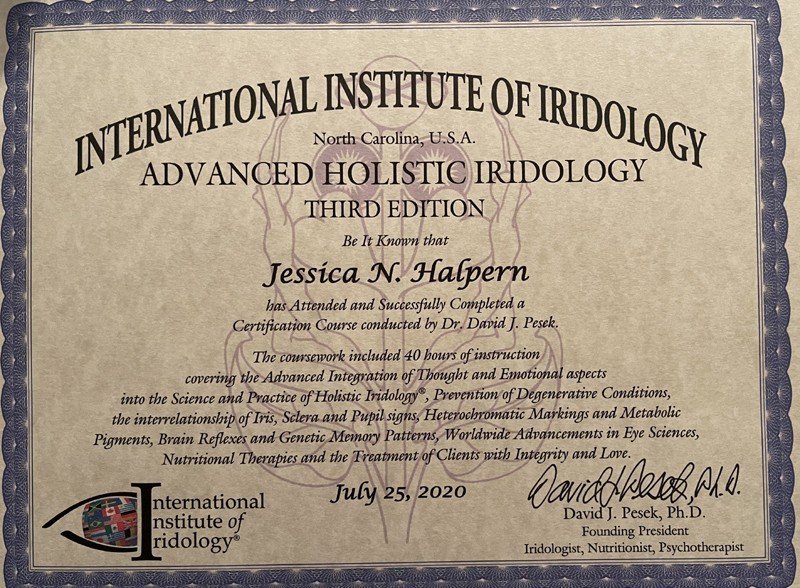
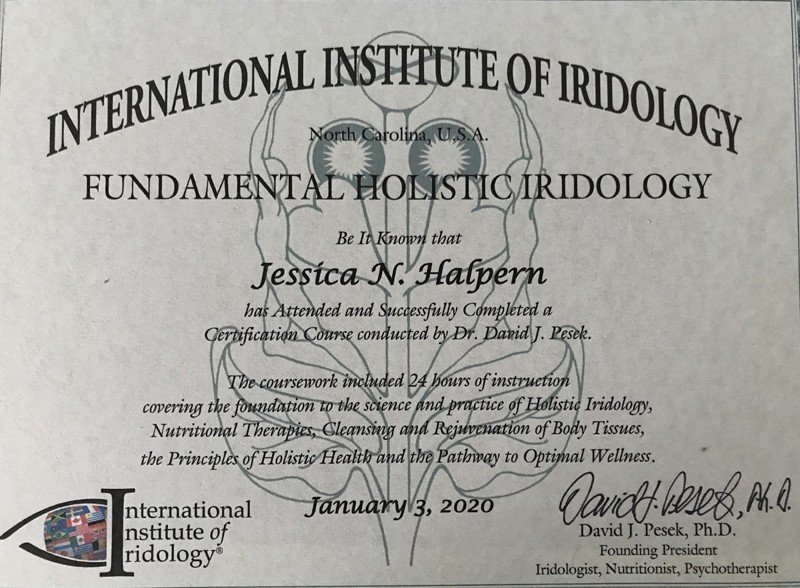
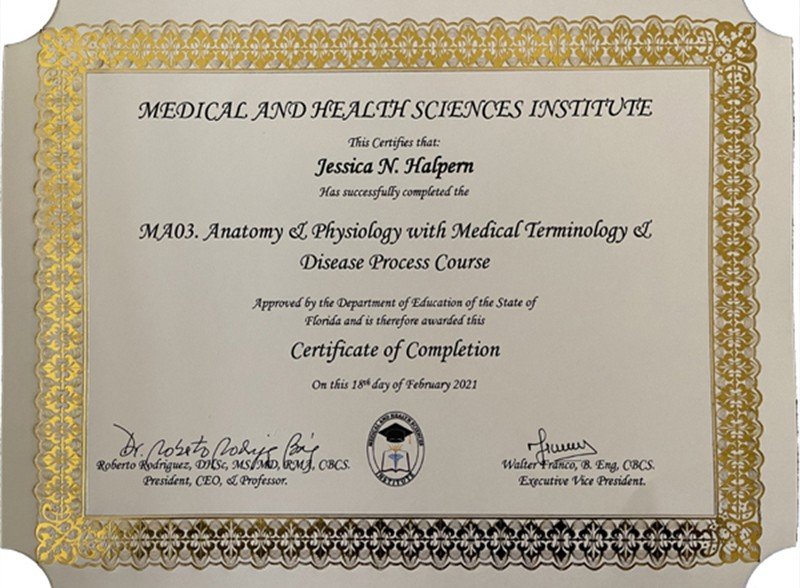
An iridology certification verifies that a student has completed a defined course of study in evaluating structural patterns, pigmentations, and reflex zones in the human iris. In the United States, this certificate demonstrates educational attainment through an independent private institution rather than a state-sanctioned medical license or clinical qualification. Training programs teach students how to identify constitutional tendencies for lifestyle and wellness support, operating strictly outside conventional medical diagnosis.
Selecting an appropriate program depends on the depth of the curriculum, the transparency of the instructing organization, and the balance between theoretical study and supervised image analysis. Learners must differentiate between basic attendance certificates and structured credentials that require comprehensive examinations and practical case evaluations.


What an Iridology Credential Represents Legally and Educationally
An iridology certificate confirms that an individual has studied specific charting models, constitutional iris signs, and holistic health concepts under a particular instructor or institute. It does not confer authority to perform medical evaluations, prescribe pharmaceutical treatments, or replace conventional medical consultations. Independent certificates operate under non-licensed wellness guidance frameworks across most US jurisdictions.
Graduates use their knowledge in private wellness practices, nutritional counseling, or personal education to support client vitality. Understanding the exact boundary between non-invasive constitutional analysis and clinical healthcare protects both the practitioner and the client from unrealistic expectations.
This information is provided for health-management and educational reference only. It is not a substitute for professional medical diagnosis, treatment, or advice.
When reviewing any prospective course, verify that the issuing academy outlines transparent practice scopes in compliance with regional wellness laws. Reputable institutions clarify that an Iridology Certification serves educational and wellness goals rather than clinical diagnostic licensing.
Available Educational Routes to an Iridologist Certification
Prospective students can pursue different educational formats based on their schedule, budget, and learning preferences. Training institutions typically structure programs across in-person seminars, distance learning, or hybrid instructional designs.
Hands-on workshops allow students to observe live iris structures under optical illumination, while digital formats provide flexibility for self-paced study. Evaluating the strengths of each route helps learners select a program aligned with their practical objectives.
In-Person Workshops
- Direct instructor oversight during real-time eye observation
- Immediate feedback on magnification and light placement
- Structured class hours with scheduled group interaction
- Higher travel expenses and fixed calendar schedules
Distance Learning Formats
- Flexible self-paced completion of theoretical modules
- Access to extensive digital image libraries for review
- Lower administrative costs with zero travel requirements
- Requires self-discipline to complete practical assignments
Regardless of the format chosen, pursuing an iridologist certification requires dedicated practice reviewing hundreds of distinct iris photographs. Strong foundational training balances historical mapping theories with clear documentation ethics.
How to Evaluate an Online Iridology Certification
Digital education has expanded access to international charting methodologies and natural wellness coursework. An iridology certification online enables students to study constitutional iridology without relocating or interrupting current professional commitments.
Course quality varies substantially across independent online academies, making careful vetting essential before paying tuition fees. Reliable digital courses provide structured student support, responsive instructors, and rigorous review processes for student submissions.
- Curriculum depth: The syllabus covers foundational embryology, eye anatomy, autonomic nerve wreath dynamics, and pupil reactions.
- Instructor background: The teaching faculty lists verifiable experience in constitutional iris analysis and holistic education.
- Supervised assessments: Students submit independent case studies with instructor grading rather than automated multiple-choice tests alone.
- Academic transparency: The school publishes clear contact details, registration standards, student support channels, and refund guidelines.
High-quality distance programs incorporate supervised practical modules to bridge the gap between theoretical reading and practical observation. Prospective students can check program curricula against established natural health benchmarks through structured Training resources.

Core Subjects in Constitutional Iris Assessment Curriculums
Comprehensive training programs organize iris study around structural integrity, pigmentation variations, and systemic reflexes. Students learn to observe variations in the iris stroma, identifying genetic resiliency indicators rather than acute pathology.
Most American and European methodologies organize their primary teaching around topographical chart layouts. These charts map specific areas of the body to concentric rings and radial sectors across both eyes.
Constitutional Analysis
Focuses on fiber density, foundational eye color categories, and hereditary stroma patterns that suggest constitutional tendencies.
Topographical Mapping
Applies established systems like the Bernard Jensen Iridology chart to locate reflex zones corresponding to various body systems.
Pupillary Dynamics
Examines pupillary margins, inner border structures, and autonomic nerve wreath contours for balance indicators.
Mastering chart orientation requires extensive study of both eyes because each iris reflects corresponding anatomical sides. Students reference a standardized Iridology Chart to maintain uniform documentation across observations.
Practical Observation Skills and Student Assessments
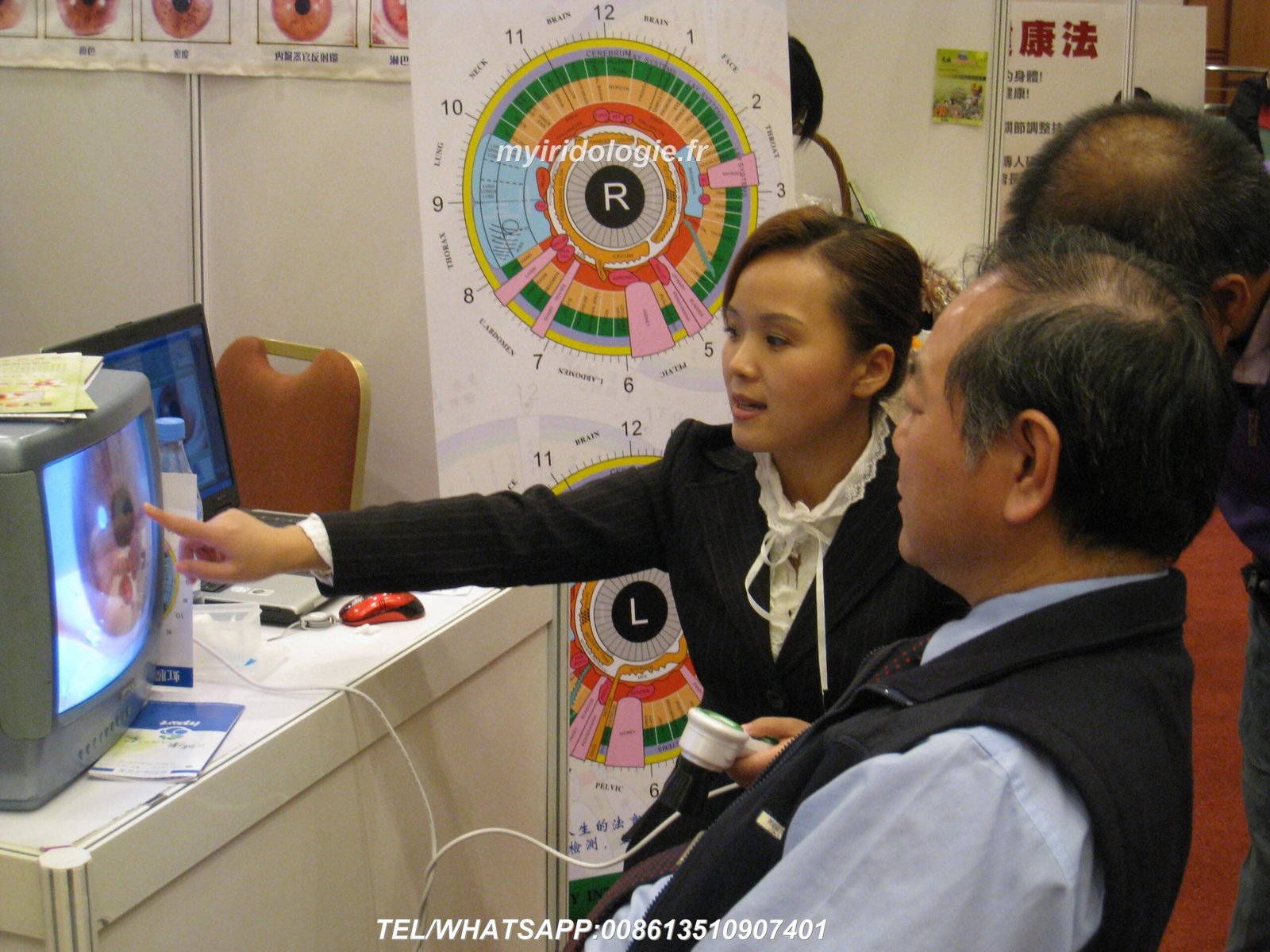
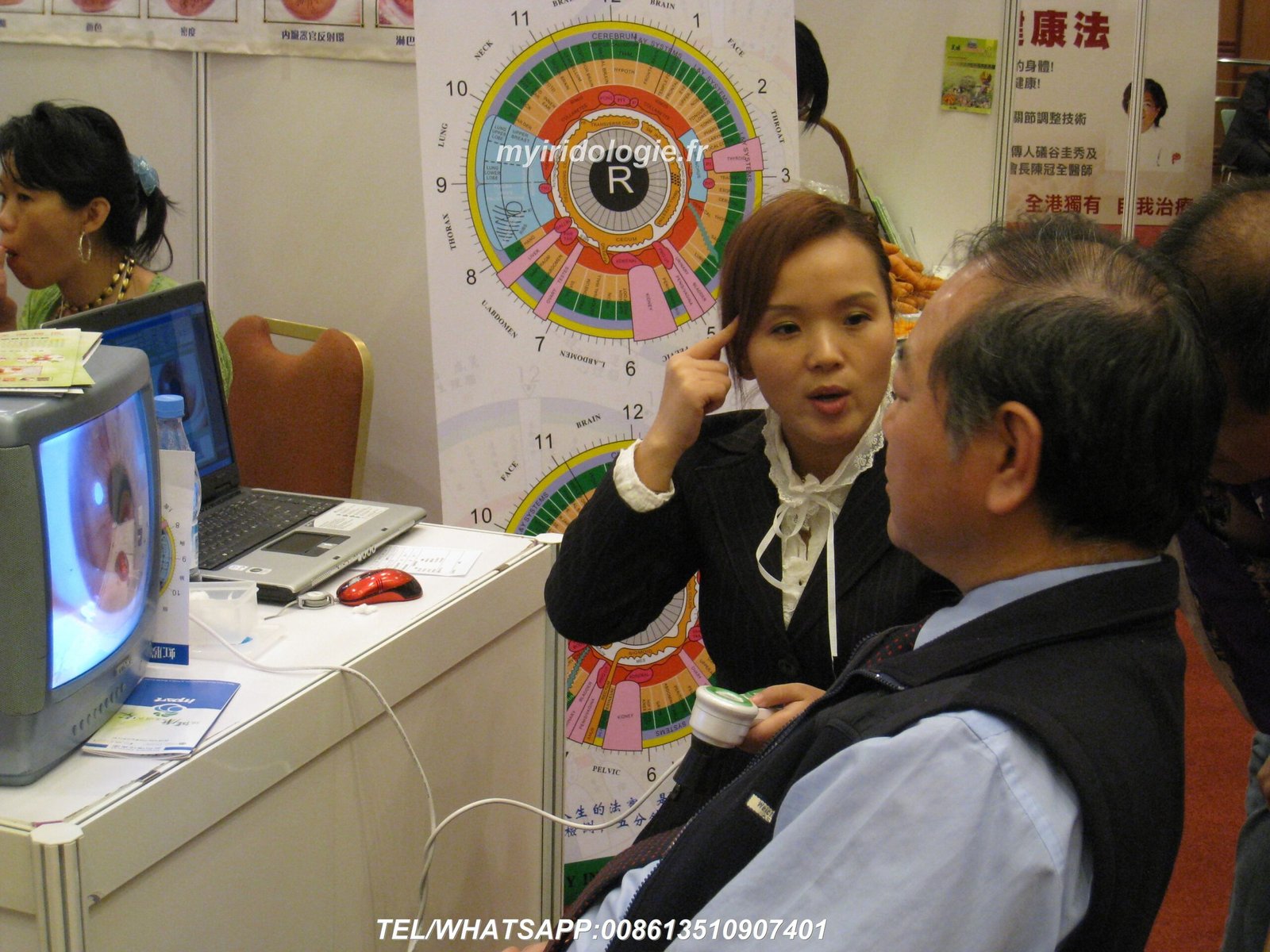
Developing practical competency requires analyzing actual eyes rather than relying exclusively on textbook diagrams. Programs of merit require students to produce dozens of documented case studies, testing their ability to note markings without making clinical diagnoses.
Student assessments should measure observational precision, standardized terminology, and ethical communication standards. Interpreting findings requires clear communication that honors the non-diagnostic nature of the discipline.

Rigorous Assessment Methods
- Manual submission of annotated case studies using standardized sector terms
- Instructor review of student lighting technique and image focus accuracy
- Oral examinations covering ethical boundaries and non-clinical communication
Weak Assessment Methods
- Automated multiple-choice quizzes without practical case analysis
- Certificates issued immediately upon payment without evaluation
- Encouraging students to claim disease detection or medical prognosis
Refining observational technique through regular supervised practice helps practitioners provide consistent educational feedback. When documenting findings during an Iridology Reading, students learn to describe signs objectively without assigning speculative disease labels.
Demonstration Tools in Iridology Education and Practice
Accurate observation demands specialized optical magnification and balanced illumination. Handheld magnifying loupes with penlights provide introductory utility, but educational institutions increasingly rely on digital optical instruments.
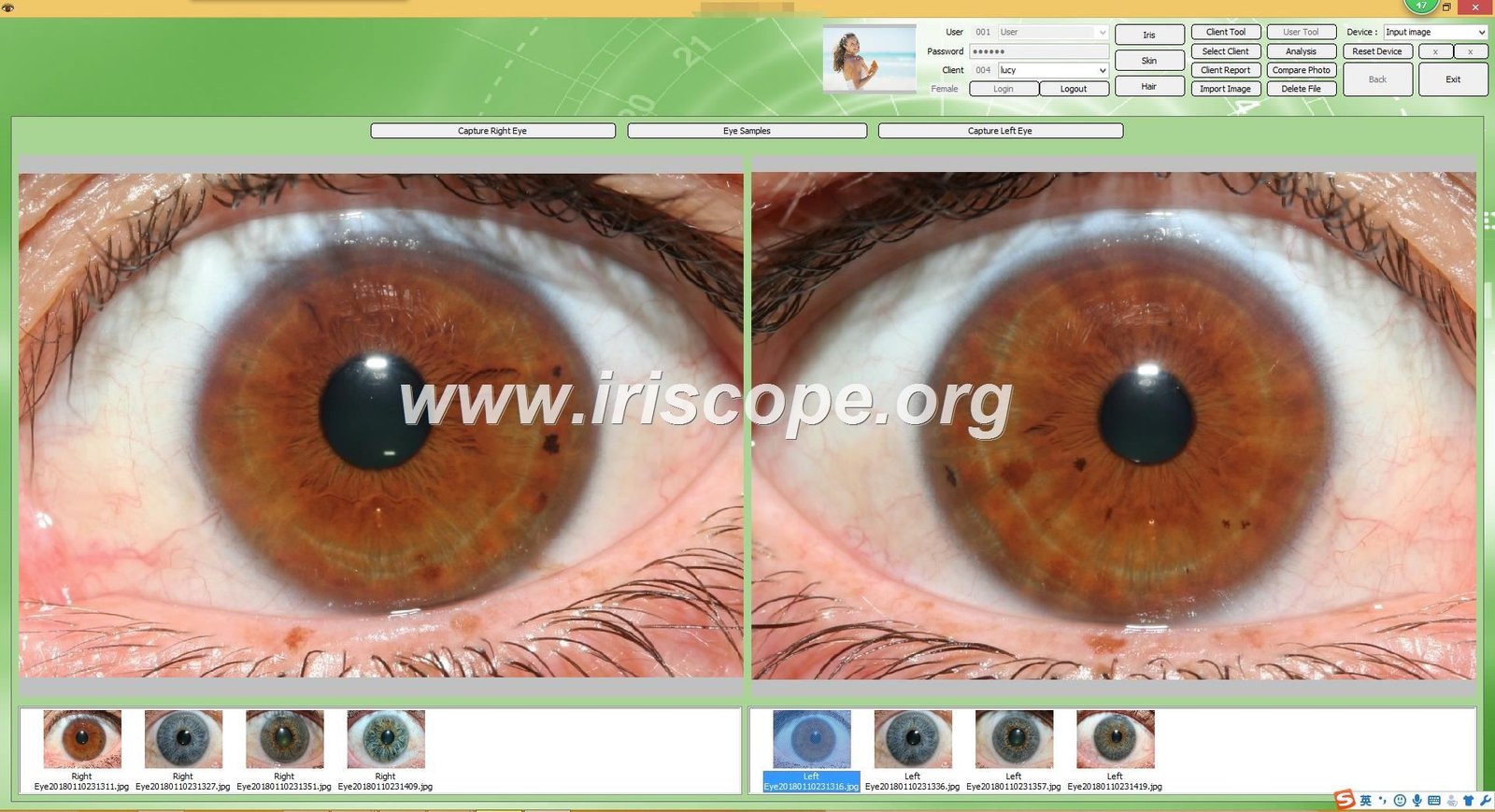
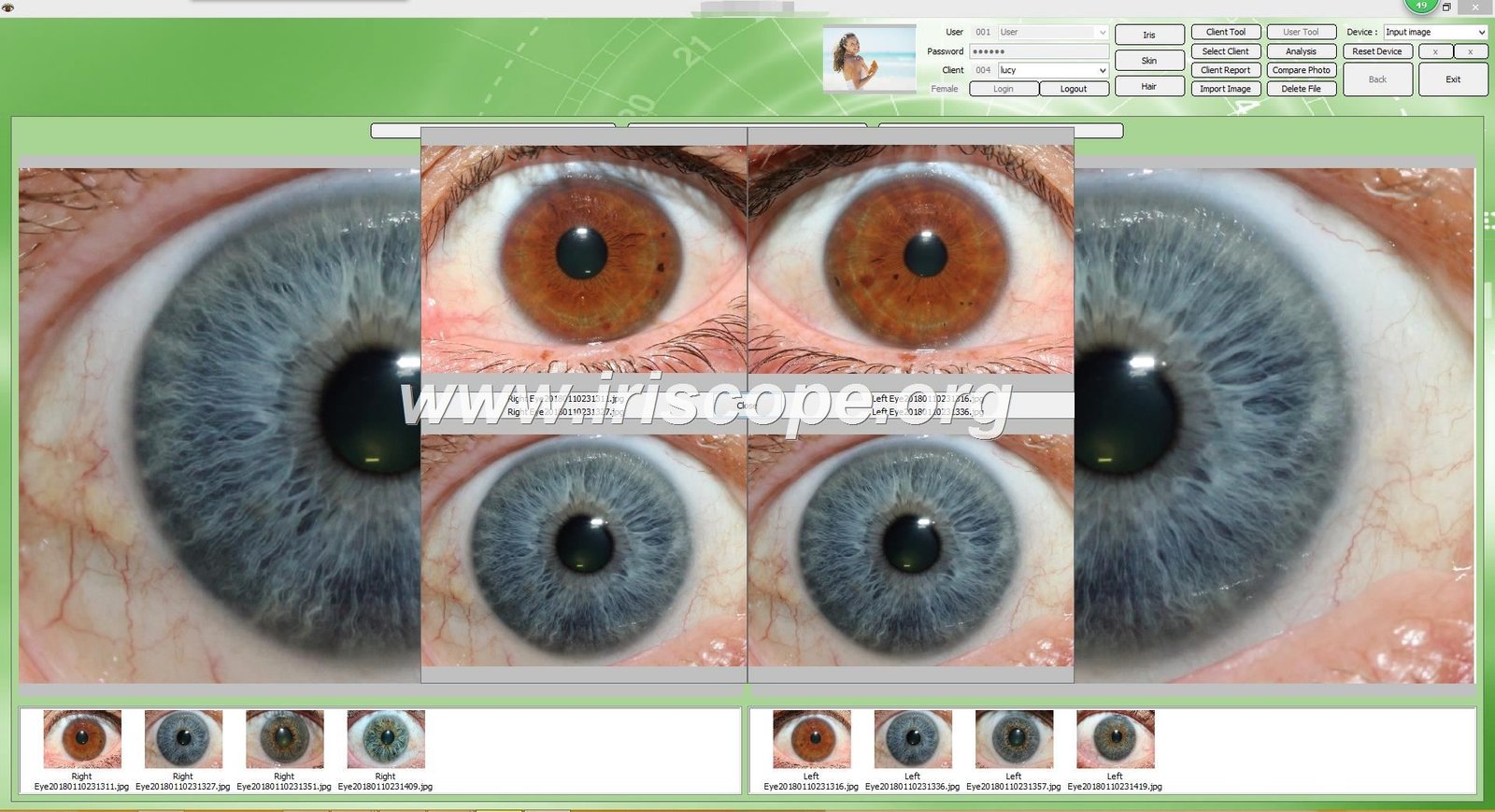
Digital cameras built specifically for eye capture allow instructors and students to document stroma details on computer displays. High-resolution imagery supports side-by-side comparison over time, creating an archive for longitudinal wellness monitoring.
Educational equipment serves exclusively for documentation, magnification, and instructional visualization. Digital capture devices do not provide automated medical diagnoses or clinical validation.
Using a dedicated iriscope allows students to illuminate the eye from lateral angles, minimizing reflective glare on the cornea. Capturing stable images through a specialized Iris Camera enables clear review of fiber density and pupillary margins.
Technical Specifications for MAIKONG Educational Equipment
MAIKONG manufactures optical imaging systems designed to assist educators, students, and wellness practitioners with digital iris documentation. The following factory-provided technical details outline the physical and operational characteristics of the GY-9822U educational capture unit.
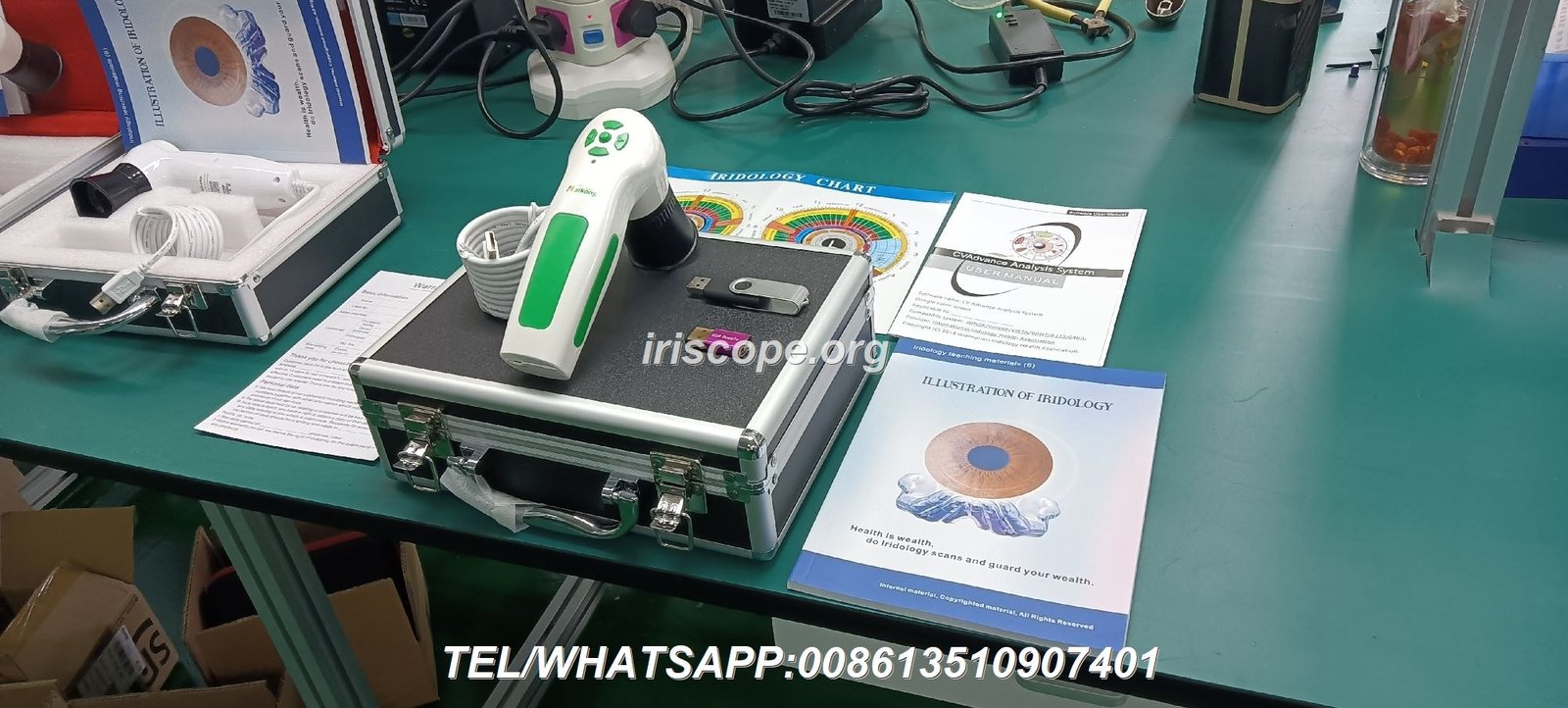
| Specification | Parameter | Application Details |
| Resolution | 12.0 Megapixels | Provides high-definition image capture for student case analysis. |
| Lens System | 30X Iris Lens | Delivers optical magnification with an imported protective coated layer. |
| Illumination | Surrounding LEDs | Provides balanced lighting around the lens with adjustable brightness. |
| Power Source | USB Direct | Draws power directly from computer ports without external plugs. |
| Service Life | 5 to 10 Years | Estimated operational lifespan under regular maintenance conditions. |
| Quality Systems | ISO9000 and CE | Factory production follows documented ISO9000 quality procedures. |
Regarding warranty coverage, factory documentation contains varying terms: one section specifies a one-year warranty for non-human damage, while another references thirteen months from purchase. Prospective buyers should confirm current warranty terms with the manufacturer before ordering an educational iridology camera. Equipment operates in conjunction with proprietary Iridology Software to organize student image files.
Software Systems for Iris Documentation and Analysis
Modern training schools rely on imaging software to store client profiles, archive high-resolution photographs, and demonstrate analytical overlays. MAIKONG software provides digital grid overlays that assist learners in mapping constitutional markings against standard anatomical reference points.
The platform supports 17 user languages, including English, Spanish, French, Italian, German, Portuguese, Russian, Polish, Czech, Bulgarian, Malay, Korean, Japanese, Persian, Simplified Chinese, and Traditional Chinese. Operating system compatibility spans Windows 2000, XP, Vista, 7, 8, 10, and 11 (32-bit and 64-bit), alongside Apple macOS from 10.14 through macOS 15, while Linux systems are not supported.
- Client management: Stores client profiles, demographic notes, historical images, and observational session records securely.
- Comparative reports: Places photographs taken at different dates side by side to track lifestyle adjustments.
- Educational tools: Includes reference charts, texture analysis overlays, and 3D visual models for instructional demonstration.
- System security: Operates via a dedicated 4GB installation USB key alongside a metal hardware encryption dongle.
The manufacturer notes options for OEM and ODM customization, including custom branding, language integration, and interface tailoring for training academies. For technical inquiries regarding software installations, schools can contact the company via Contact US channels to verify hardware requirements.
Pre-Enrollment Verification Framework for Students
Investing in an educational course requires thorough evaluation to ensure the curriculum provides legitimate educational value. Students should examine course credentials carefully to avoid institutions making ungrounded claims of clinical accreditation.
Independent accreditation from private holistic associations indicates internal peer review, but it does not represent state medical board sanction. Follow this systematic process before enrolling in any training institution.

- Confirm school identity: Check that the school lists a physical address, verified contact numbers, and established administrative contacts.
- Examine syllabus depth: Ensure the coursework covers anatomy, tissue structure, observation techniques, and comprehensive ethical guidelines.
- Review instructor credentials: Verify that course instructors have years of documented practical experience in natural wellness education.
- Scrutinize credential wording: Avoid programs that claim to offer medical licensing or legally protected diagnostic credentials.
- Inspect refund and completion policies: Read financial policies, grading criteria, and time limits on student support before submitting payment.
Verifying each factor protects learners from purchasing superficial certificates that carry minimal educational rigor. A legitimate Certification reflects hours of study, hands-on review, and commitment to client education.
Frequently Asked Questions
Is an iridology certification recognized as a medical license in the US?
No, an iridology certificate is not a medical license and does not permit holders to diagnose or treat medical diseases. It serves as proof of non-clinical educational training in constitutional iris assessment within complementary health fields.
Can you complete an online iridology certification with valid practical experience?
Completing an online iridology certification provides comprehensive theoretical knowledge if the program includes supervised case reviews. High-caliber distance courses require students to submit detailed pupil observations and real iris photographs for faculty grading.
How does an iridology online certification evaluate pupil and stroma signs?
An iridology online certification evaluates student competence through high-resolution digital image submissions and annotated mapping assignments. Instructors assess the student’s ability to locate reflex sectors correctly without relying on speculative health claims.
What equipment is recommended for students during their training?
Students generally begin with a five-to-ten-power handheld optical magnifier and a penlight for manual observation. Advanced learners and educational institutions often upgrade to a digital iriscope with adjustable LED lighting for precise image storage.
What should you verify before paying tuition for an iridologist credential?
Verify the school’s physical contact details, instructor qualifications, syllabus depth, practical grading standards, and refund policies. Ensure the provider makes transparent educational claims rather than promising unverified clinical authority.
Selecting the Right Educational Path
Achieving a meaningful qualification in iris assessment requires choosing an institution that values anatomical grounding, disciplined observation, and non-diagnostic communication. Prioritizing curriculum transparency over quick completion certificates helps practitioners develop reliable skills for client wellness guidance.
Equipping Educational Programs and Practice Spaces
Institutions and educators seeking reliable optical demonstration equipment, iris photography systems, and multi-language documentation software can contact MAIKONG to discuss educational hardware options.
Address:Factory Building II, Jinshanlong Industrial Park, No.1, Xintang Village, Kratong Community, Fucheng Street, Longhua District shenzhen, 518000 GD,China
TEL:0086-0755-888-56563
Person to contact:Mark Luo
email:lucy@iriscope.org
Whatsapp/phone:0086-191-5490-1065
Copyright (c) 2004-2034 www.iriscope.org All Rights Reserved.