


Right Reproductive Organs Revealed: Left Iris Pelvic Zone Analysis

The left eye iridology chart contains specific zones that correspond directly to ovaries, uterus, prostate, and related reproductive structures on the body’s right side. Practitioners who master this contralateral relationship can provide clients with valuable health assessments through non-invasive iris examination. This time-tested approach continues to serve holistic health professionals across wellness centers and private practices throughout the United States.
Understanding Left Iris Reproductive Zone Mapping Fundamentals
The iridology left eye functions as a mirror reflection of right-side body organs following established contralateral principles. Bernard Jensen’s pioneering research established that specific iris sectors correlate with distinct anatomical regions. Professional practitioners reference the pelvic zone located between 4 and 8 o’clock positions on the left eye iridology map for reproductive organ assessment.


Each iris fiber, marking, and coloration pattern carries diagnostic significance when properly interpreted. The reproductive organs manifest through specific signs including lacunae, crypts, pigmentation variations, and structural aberrations. Experienced iridologists examine these markers systematically to build comprehensive health profiles for their clients.
Contralateral Correspondence in Left Iris Analysis
The left eye reveals information about right-side body structures through neural pathways connecting the brain’s optic centers. This neurological relationship means reproductive organs on the body’s right side project their health status onto the iridology map left eye. Understanding this principle proves essential for accurate diagnostic interpretation.
Right Reproductive Organs Visible in Left Iris
- Right ovary (in female anatomy)
- Right fallopian tube
- Right testis (in male anatomy)
- Right vas deferens
- Right-side uterine structures
- Right inguinal region
Key Assessment Indicators
- Fiber structure integrity
- Pigmentation abnormalities
- Lacuna depth and shape
- Crypt formations
- Color variations and intensity
- Radial furrow patterns
Professional practitioners spend considerable time mastering these correlations through dedicated study and clinical observation. The accuracy of left eye iridology chart interpretation improves significantly with experience and proper documentation of assessment findings over time.
Professional Left Iris Analysis Equipment
MAIKONG manufactures professional-grade iridology cameras with advanced imaging capabilities for precise pelvic zone documentation. Our systems support both Windows and Mac OS platforms—the world’s first truly cross-compatible iridology software solution for modern practitioners.
Pelvic Zone Topography on the Left Iris Chart
The iridology chart left eye divides the pelvic region into precise anatomical segments that correspond to specific reproductive structures. Professional analysis requires understanding exact positioning, typical marker appearances, and pathological sign recognition within these zones. This systematic approach ensures consistent assessment quality across different practitioners and clinical settings.

Right Ovary Projection Zone
Female reproductive assessment focuses primarily on the ovary projection area located at approximately 7 o’clock on the left eye iridology map. This sector reveals ovarian health through fiber patterns, coloration, and structural formations. Dark pigmentation spots may indicate chronic inflammation or functional challenges requiring attention.
Practitioners examine this region for lacunae depth, which can signal tissue weakness or predisposition to reproductive concerns. The presence of closed lacunae versus open formations provides different diagnostic information about tissue integrity and organ vitality. Regular monitoring of these markers helps track health status changes over time.
Uterine Reference Points
The right-side uterine structures project onto the iridology left eye between 5 and 6 o’clock positions. Assessment of this area includes evaluation of fiber density, radial furrow presence, and any constitutional weakness indicators. These findings complement other diagnostic information when building comprehensive reproductive health profiles.
- Fiber separation patterns indicating tissue laxity
- Pigment deposits suggesting chronic inflammation
- White coloration indicating acute processes
- Dark brown markings related to long-term conditions
- Structural deformities requiring detailed documentation
Male Reproductive Organ Zones
The left iris reveals male reproductive structures including the right testis and associated ductal systems. These areas appear in similar positions as female organs but require different interpretative frameworks. Male pattern assessment includes evaluation of fiber strength, constitutional resilience, and any markers suggesting functional compromise.

Practitioners note that male reproductive zones often display different marker types compared to female anatomy. Understanding these gender-specific presentation patterns enhances diagnostic accuracy and client communication quality. Experience with diverse client populations improves pattern recognition skills significantly.
Clinical Assessment Protocols for Left Iris Pelvic Analysis
Professional iridology practice demands systematic examination protocols that ensure comprehensive evaluation of all relevant left eye iridology chart zones. Standardized assessment procedures improve diagnostic consistency and documentation quality. Modern practitioners integrate traditional observation techniques with advanced imaging technology for optimal results.
Documentation Standards
High-quality iris photography forms the foundation of professional reproductive zone assessment. Practitioners should capture images under standardized lighting conditions using professional-grade equipment that reveals fiber detail clearly. The left iris requires particular attention to the 4-8 o’clock sector for pelvic zone documentation.
- Position client for optimal iris access and comfort
- Adjust lighting to eliminate reflections while maintaining fiber visibility
- Capture multiple images at different magnifications
- Document all notable markers with precise position notation
- Compare current images with previous assessments when available
- Store images securely with appropriate client confidentiality measures
Professional documentation enables accurate tracking of health changes across multiple sessions. This longitudinal approach proves particularly valuable for reproductive health monitoring where subtle changes may indicate significant physiological shifts requiring attention.
Marker Interpretation Framework
The iridology map left eye contains various marker types that require systematic interpretation approaches. Each formation type carries specific diagnostic implications that experienced practitioners recognize through trained observation. Building interpretation skills requires dedicated study time combined with supervised clinical experience.
Common Left Iris Pelvic Zone Markers
- Closed lacunae indicating inherited weakness
- Open lacunae suggesting acquired tissue changes
- Radial furrows showing nerve stress patterns
- Pigment accumulations marking chronic processes
- Structural deviations requiring further investigation
Assessment Priorities
- Document exact marker locations using clock positions
- Measure lacuna dimensions for tracking purposes
- Note pigment color and density variations
- Evaluate fiber integrity surrounding markers
- Compare findings with constitutional iris type
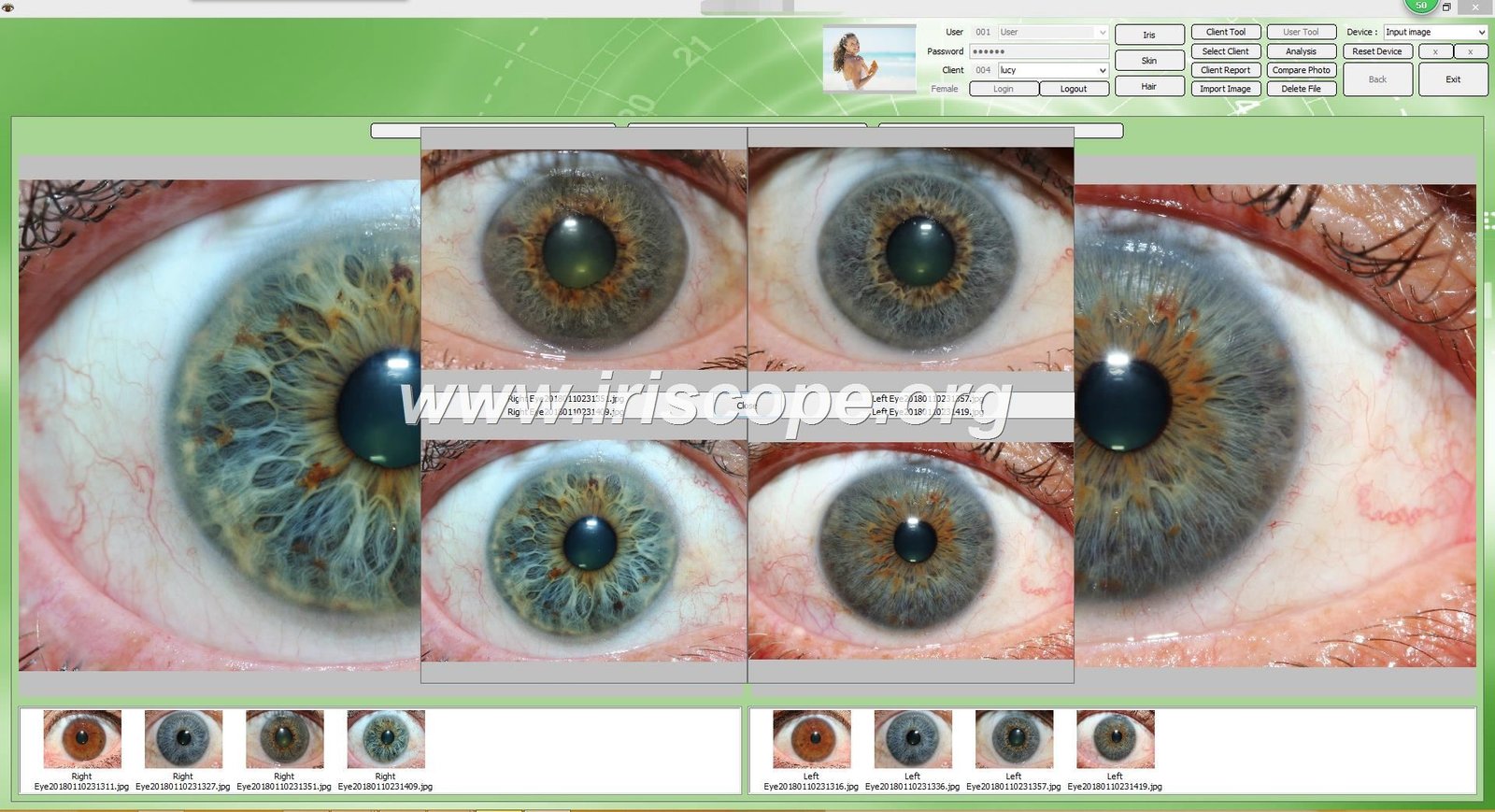
Modern iridology software assists practitioners in precise marker measurement and longitudinal comparison. MAIKONG’s advanced analysis tools support detailed zone mapping on the left eye iridology map, enabling practitioners to track subtle changes that might otherwise go unnoticed through visual observation alone.
Expert Support for Left Iris Analysis Questions
Our technical team provides comprehensive support for iridology practitioners worldwide. Connect via WhatsApp for immediate answers about left iris pelvic zone assessment, equipment operation, or software features.
Reproductive Health Correlations in Left Iris Patterns
The relationship between iridology left eye markers and reproductive health conditions has been documented extensively through clinical observation over decades. While iridology does not diagnose disease, experienced practitioners recognize patterns that correlate with various health states. This knowledge guides holistic health recommendations and appropriate referral decisions.
Inflammatory Process Indicators
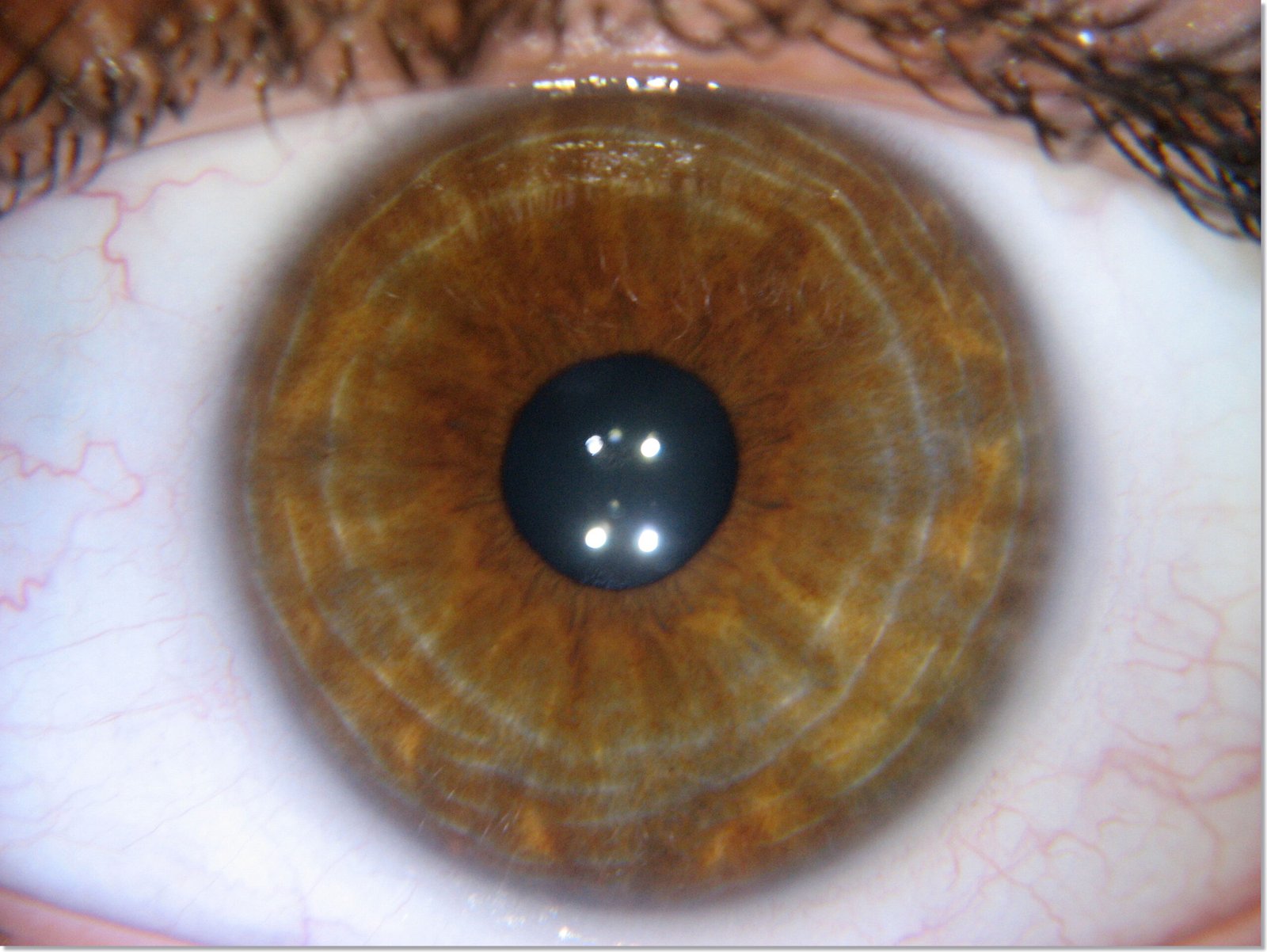
Acute inflammatory processes in reproductive organs may manifest as whitish discoloration in corresponding left eye iridology chart zones. These markers typically appear brighter than surrounding tissue and may show increased fiber separation. Chronic inflammation presents differently, often displaying darker pigmentation that develops gradually over time.
Practitioners document these findings carefully while maintaining appropriate scope of practice boundaries. Iridology serves as an assessment tool that informs holistic health planning rather than replacing conventional medical diagnosis. This complementary approach serves clients best when integrated thoughtfully with other health evaluation methods.
Constitutional Weakness Patterns
The left iris reveals inherited predispositions through constitutional markers that appear from birth. These formations indicate areas of potential weakness rather than active pathology. Understanding constitutional patterns helps practitioners provide preventive guidance tailored to individual client needs and genetic tendencies.
- Inherent fiber weakness in pelvic zones
- Constitutional lacunae indicating familial patterns
- Genetic color variations affecting specific sectors
- Structural formations present across family members
- Predictive patterns requiring proactive health measures
Functional Status Assessment
Organ function quality appears through various signs on the iridology map left eye including fiber density, color vitality, and structural integrity. Well-functioning reproductive organs typically display strong fiber patterns with good color saturation and minimal structural aberrations. Compromised function may show through fiber weakening, color changes, or increased marker presence.

This functional assessment approach helps practitioners understand current health status while identifying areas that may benefit from nutritional support, lifestyle modifications, or other holistic interventions. The non-invasive nature of iris examination makes it particularly valuable for regular health monitoring and preventive care planning.
Professional Practice Integration of Left Iris Assessment
Successful integration of left eye iridology chart analysis into holistic health practices requires systematic protocols and professional-grade equipment. Practitioners who invest in quality tools and ongoing education provide superior client value while building professional reputations based on consistent assessment quality.
Equipment Selection Considerations
Professional iridology cameras differ significantly in image quality, ease of use, and software capabilities. The best systems capture high-resolution images that reveal subtle fiber details essential for accurate pelvic zone assessment. Modern practitioners increasingly require cross-platform compatibility to accommodate diverse office technology ecosystems.
Essential Camera Features
- High-resolution sensor (minimum 12MP)
- Adjustable LED illumination
- Ergonomic patient positioning
- Rapid image capture capability
- USB connectivity for easy transfer
Critical Software Functions
- Windows AND Mac OS compatibility
- Detailed zone marking tools
- Client database management
- Report generation capabilities
- Longitudinal comparison features
Support Requirements
- Multi-language technical assistance
- Training resources and tutorials
- Software updates and maintenance
- Responsive customer service
- Warranty and repair services
Client Communication Strategies
Effective communication about left iris findings requires clarity, appropriate scope awareness, and educational focus. Practitioners should explain observations in accessible language while avoiding diagnostic claims beyond their licensure scope. This professional approach builds trust while maintaining ethical practice standards.
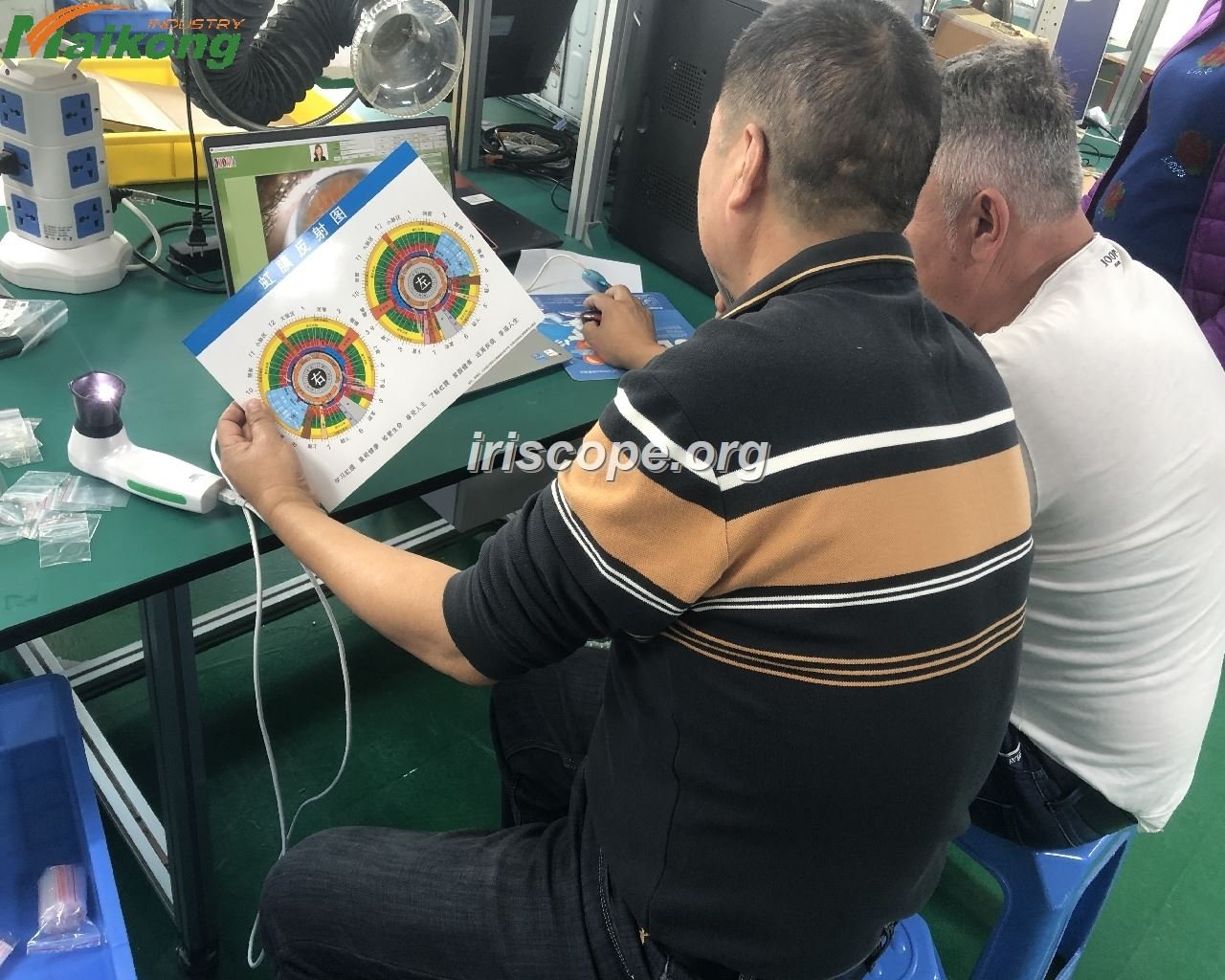
Visual aids including the iridology chart left eye help clients understand zone correlations and assessment findings. Taking time to educate clients about contralateral correspondence and marker significance enhances their engagement with holistic health recommendations. This educational investment improves compliance and outcome quality.
Partner with MAIKONG as a US Distributor
Join successful practitioners and wellness centers across America who trust MAIKONG professional iridology equipment. We offer attractive distributor terms, comprehensive technical support, and the industry’s only Mac-compatible software solution. Factory-direct pricing with 20+ years manufacturing excellence.
Advanced Interpretation Techniques for Left Iris Pelvic Zones
Mastery of iridology left eye assessment develops through continuous study and clinical application experience. Advanced practitioners recognize subtle pattern variations that less experienced observers might miss. This expertise level requires dedication to ongoing professional development and peer consultation.
Comprehensive Pattern Recognition
The left eye iridology map reveals complex interrelationships between multiple markers that together tell more complete health stories than individual signs alone. Experienced practitioners synthesize observations from pelvic zones with findings from other iris regions to build holistic understanding of client health status.

This integrative approach considers constitutional iris type, overall fiber quality, pupil characteristics, and systemic markers alongside specific pelvic zone findings. The result provides practitioners with nuanced health insights that inform personalized wellness planning and lifestyle recommendations tailored to individual client needs.
Longitudinal Assessment Protocols
Regular monitoring of left iris markers over time reveals health trajectory information impossible to obtain from single-session assessments. Practitioners who maintain systematic documentation can track subtle changes that indicate improvement or deterioration in reproductive organ function and tissue integrity.
- Establish baseline documentation with comprehensive photography
- Schedule follow-up assessments at appropriate intervals
- Compare current images with previous documentation systematically
- Note any marker changes including new formations or improvements
- Correlate observed changes with client health status and interventions
- Adjust wellness recommendations based on documented trends
This approach particularly benefits clients with reproductive health concerns who implement holistic interventions. Visible improvement in iris markers provides objective feedback that validates treatment effectiveness and motivates continued compliance with health recommendations.
Professional Excellence in Left Iris Reproductive Assessment
Mastering left iris pelvic zone analysis requires dedication to professional development, quality equipment investment, and systematic practice protocols. The iridology chart left eye provides holistic health practitioners with valuable non-invasive assessment capabilities that complement other evaluation methods when applied within appropriate scope boundaries.
Professional success in this field depends on combining traditional wisdom from pioneers like Bernard Jensen with modern technology advances that enhance observation accuracy. Practitioners who maintain high documentation standards and continuous learning mindsets provide superior client value while building respected professional reputations.

The integration of advanced iridology equipment—particularly systems offering true cross-platform compatibility—enables practitioners to maintain efficient workflows regardless of their office technology preferences. This flexibility proves increasingly important as more professionals adopt Mac-based practice management systems while requiring specialized medical software capabilities.
Reproductive health assessment through iridology left eye analysis continues serving practitioners and clients effectively when applied with appropriate training, quality equipment, and ethical practice standards. This time-tested approach maintains relevance in contemporary holistic health practice through its non-invasive nature and valuable contribution to comprehensive health evaluation protocols.
Complete Professional Iridology Solutions
MAIKONG provides everything practitioners need for professional left iris assessment including cameras, software, charts, training resources, and worldwide technical support. Direct factory pricing, OEM customization options, and proven reliability from 20+ years manufacturing experience.