


Professional health practitioners worldwide rely on precise iridology techniques to assess gland health. The left eye iridology chart maps exact locations where endocrine organs project their signatures. This knowledge empowers you to detect problems before symptoms become severe. Modern technology now makes this ancient practice more accessible than ever.
For technical guidance on identifying endocrine patterns in your practice, our team provides expert support through direct consultation. Real-time assistance helps you master the subtle distinctions between healthy and compromised gland presentations.
Understanding Left Iris Anatomy and Endocrine Mapping
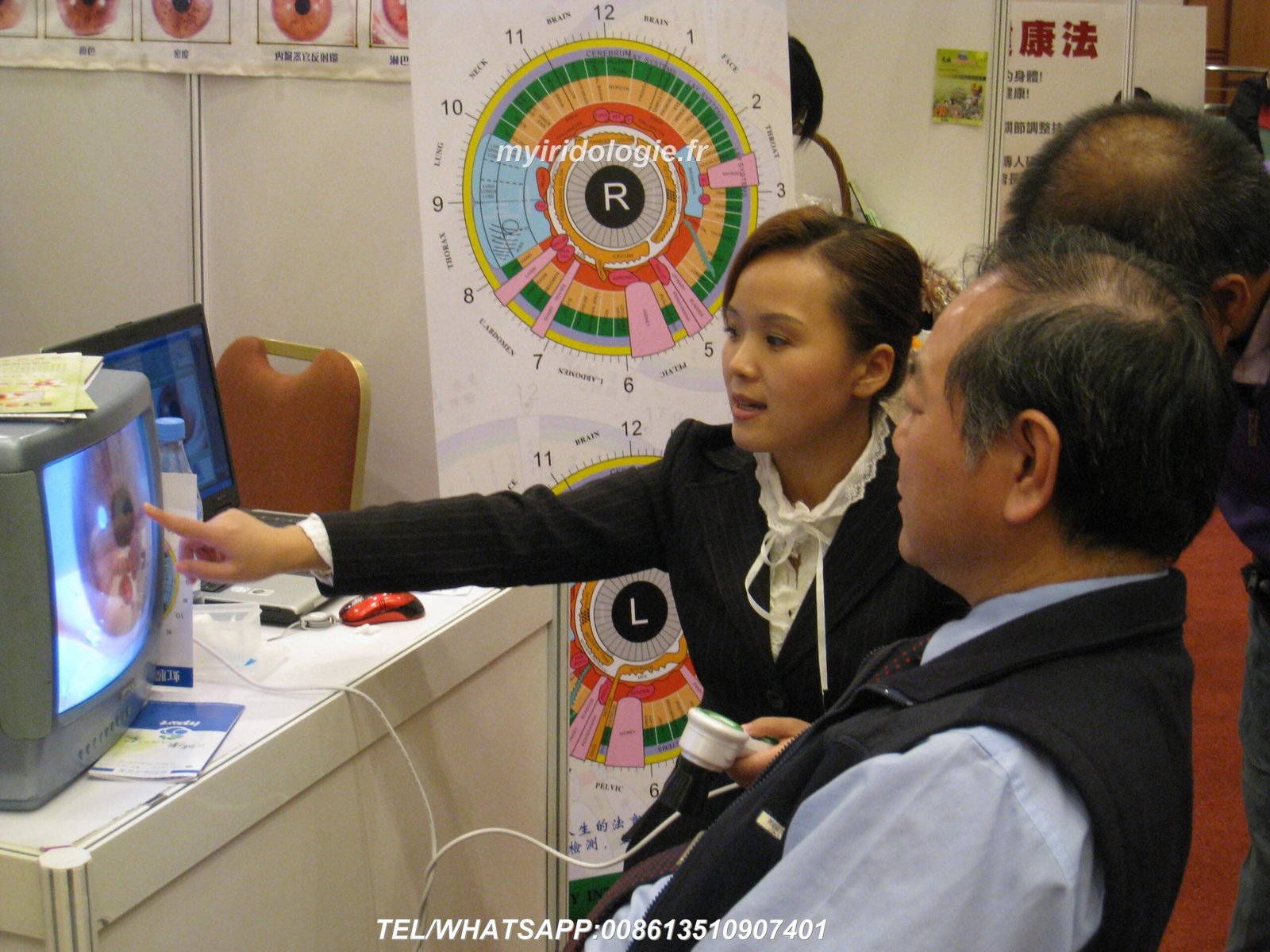
The iridology chart left eye divides the iris into precise zones. Each segment corresponds to specific body systems and organs. The left side traditionally reflects organs on the body’s left side, though some bilateral organs appear in both eyes. This systematic organization allows practitioners to navigate the iris like a detailed map.
Primary Endocrine Zones in the Left Eye Iridology Map
The adrenal glands occupy a specific position in the iridology map left eye. You’ll find these markers around the 5 o’clock position, near the iris periphery. The pancreas zone sits at approximately 7 o’clock in the left iris. Both locations require careful observation under proper lighting conditions. Magnification tools enhance accuracy when examining these small but significant areas.
Adrenal Gland Zone Characteristics
The adrenal area shows distinct texture changes when glands experience stress. Practitioners look for specific color variations and structural modifications in this region.
- Located at 5 o’clock position in left iris
- Shows darkening during chronic stress periods
- May display white radii indicating acute strain
- Texture becomes rough with prolonged dysfunction
- Adjacent zones often show sympathetic changes
Pancreas Zone Indicators
The pancreas reflection in the left eye iridology chart reveals metabolic status. Changes here correlate with blood sugar regulation challenges and digestive enzyme production.
- Positioned at 7 o’clock in iridology left eye
- Color shifts indicate functional changes
- Whitish clouds suggest inflammation potential
- Dark pigmentation may indicate chronic issues
- Lacunae patterns reveal structural weaknesses
Assessment Time Requirements
Proper endocrine evaluation through iris analysis demands sufficient observation periods. Rushing this process compromises accuracy and diagnostic value.
- Initial assessment takes 15-20 minutes minimum
- Multiple lighting angles reveal hidden patterns
- Magnification between 10x-40x proves optimal
- Documentation photography captures subtle details
- Follow-up comparisons track improvement or decline
Technology Support Benefits
Modern iridology camera systems dramatically improve diagnostic precision. High-resolution imaging captures details impossible to see with traditional methods.
- Digital zoom reveals microscopic iris features
- Image storage enables long-term tracking
- Software analysis highlights subtle changes
- Client reports become more professional
- Remote consultation becomes feasible

Color Significance in Endocrine Assessment
Color variations carry profound diagnostic meaning in left iris analysis. The baseline iris color provides a reference point. Changes from this baseline indicate shifts in gland function and overall vitality. Practitioners must understand both constitution-based coloring and acquired pigmentation patterns.
| Color Change | Location | Endocrine Indication | Typical Timeframe |
| Orange-brown patches | Adrenal zone | Chronic stress response | Develops over 6-12 months |
| White radial lines | Pancreas area | Acute inflammation | Appears within weeks |
| Dark pigmentation | Both endocrine zones | Toxic accumulation | Years of exposure |
| Yellowish discoloration | Pancreas region | Digestive enzyme deficiency | 3-6 months development |
Adrenal Gland Signs in the Left Iris
Adrenal glands control stress responses and produce essential hormones like cortisol and adrenaline. When these glands become exhausted, the left eye iridology chart reflects this dysfunction. Practitioners observe texture modifications, color shifts, and structural anomalies. These changes correlate strongly with patient symptoms of fatigue, anxiety, and poor stress tolerance.
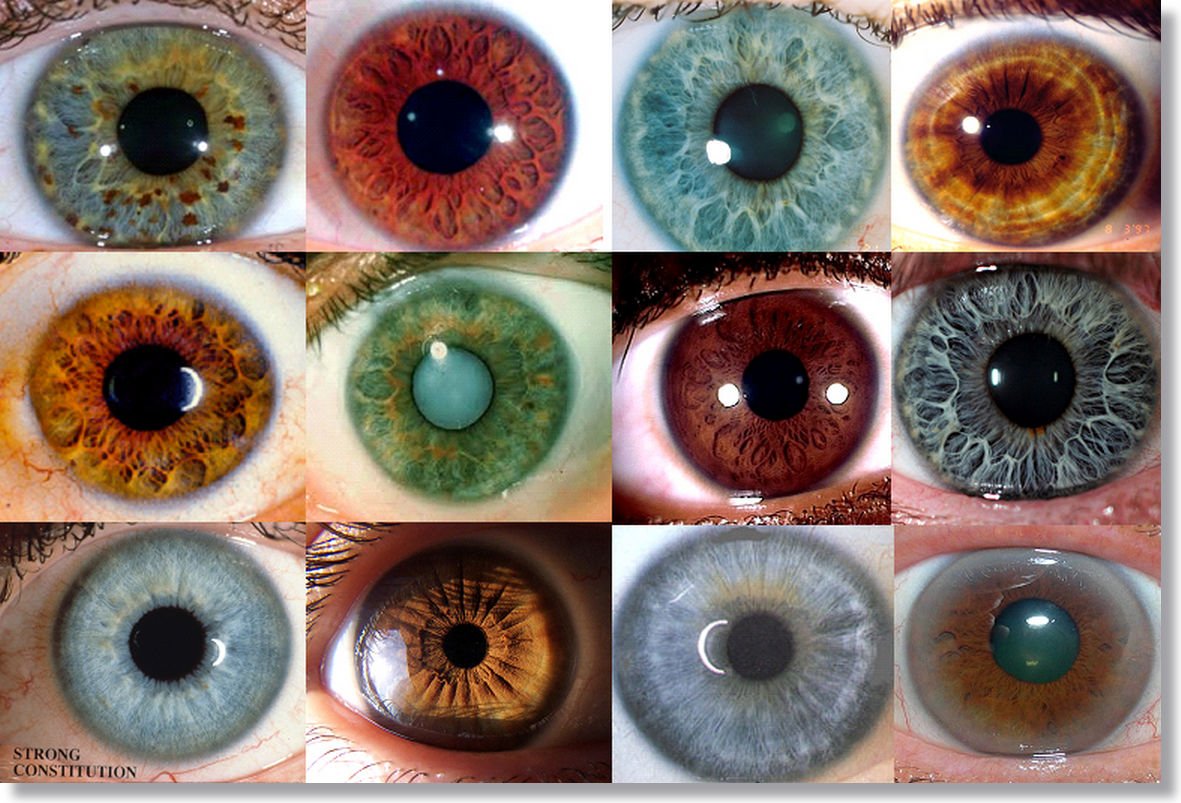
Classic Adrenal Exhaustion Patterns
The most common pattern involves darkening in the adrenal zone. This shadow effect intensifies as stress becomes chronic. The surrounding iris tissue may also show sympathetic reactions. White stress rings often accompany adrenal markers, indicating nervous system involvement. Together, these signs paint a comprehensive picture of stress impact.
- Progressive darkening from light brown to deep chocolate tones
- Rough, irregular texture replacing smooth iris surface
- Radial furrows extending from pupil toward adrenal zone
- Accompanying autonomic ring contraction near pupil border
- Possible lacunae indicating genetic predisposition to weakness
- Color heterogeneity suggesting variable gland function states
Professional iriscope equipment captures these subtle variations with precision. High-quality imaging systems reveal details that naked eye examination might miss. Digital documentation also enables objective tracking of improvement following treatment interventions.
Acute Versus Chronic Adrenal Stress
Distinguishing between acute and chronic patterns requires experience. Acute stress produces temporary changes that may reverse quickly. Chronic patterns become embedded in iris structure over extended periods. The iridology map left eye helps practitioners recognize these temporal differences. Treatment approaches vary significantly based on whether dysfunction is recent or longstanding.
Acute Stress Indicators
- Bright white radial lines appearing suddenly
- Temporary reddening from vascular congestion
- Pupil reactivity changes under varying light
- Reversible texture modifications
- Patient reports recent stressful events
Chronic Exhaustion Signs
- Permanent pigmentation changes and darkening
- Structural defects like lacunae and crypts
- Multiple overlapping stress rings
- Reduced iris elasticity and responsiveness
- Patient history reveals years of high stress

Pancreas Manifestations in Left Iris Observation
The pancreas serves dual functions as both digestive and endocrine organ. In the left iris, this zone reveals blood sugar regulation capacity and enzyme production status. Practitioners examine the 7 o’clock region carefully for signs of dysfunction. Color changes, structural defects, and texture variations all provide diagnostic clues about pancreatic health.
Blood Sugar Regulation Markers
When blood sugar control becomes problematic, the left eye iridology map shows specific patterns. White cloudiness suggests inflammatory processes affecting insulin production. Dark pigmentation may indicate chronic glucose metabolism issues. These visual cues often appear before conventional medical tests detect abnormalities. Early identification allows preventive interventions that may halt disease progression.

- Whitish clouds indicating active inflammation in insulin-producing cells
- Yellow-brown discoloration suggesting chronic metabolic stress
- Lacunae openings revealing genetic susceptibility to pancreatic weakness
- Nerve ring proximity indicating stress impact on gland function
- Vascular tortuosity near zone suggesting circulatory compromise
- Pupil reactivity abnormalities correlating with autonomic dysfunction
Advanced iridology software helps practitioners analyze these patterns systematically. Software tools can highlight subtle changes that might escape visual detection. Objective measurements enhance diagnostic accuracy and professional credibility with clients and colleagues.
Digestive Enzyme Production Assessment
The exocrine pancreas produces vital digestive enzymes. Dysfunction in this area manifests differently than endocrine problems in the iridology left eye. Practitioners look for specific texture changes that indicate enzyme deficiency. These patterns often correlate with patient complaints of bloating, gas, and poor nutrient absorption. Addressing enzyme production improves both digestive comfort and overall vitality.
Clinical Pearl: When pancreas zone abnormalities appear alongside adrenal stress markers in the same left iris, consider the stress-metabolism connection. Chronic stress directly impairs pancreatic function through multiple hormonal pathways. Comprehensive treatment addressing both systems yields superior outcomes compared to isolated interventions.
Practical Assessment Protocols for Left Iris Endocrine Evaluation
Effective endocrine assessment through iridology requires systematic methodology. Rushing the examination compromises accuracy and diagnostic value. Proper lighting, magnification, and documentation form the foundation of professional practice. Experienced practitioners develop efficient workflows that balance thoroughness with time constraints.
Essential Equipment and Setup
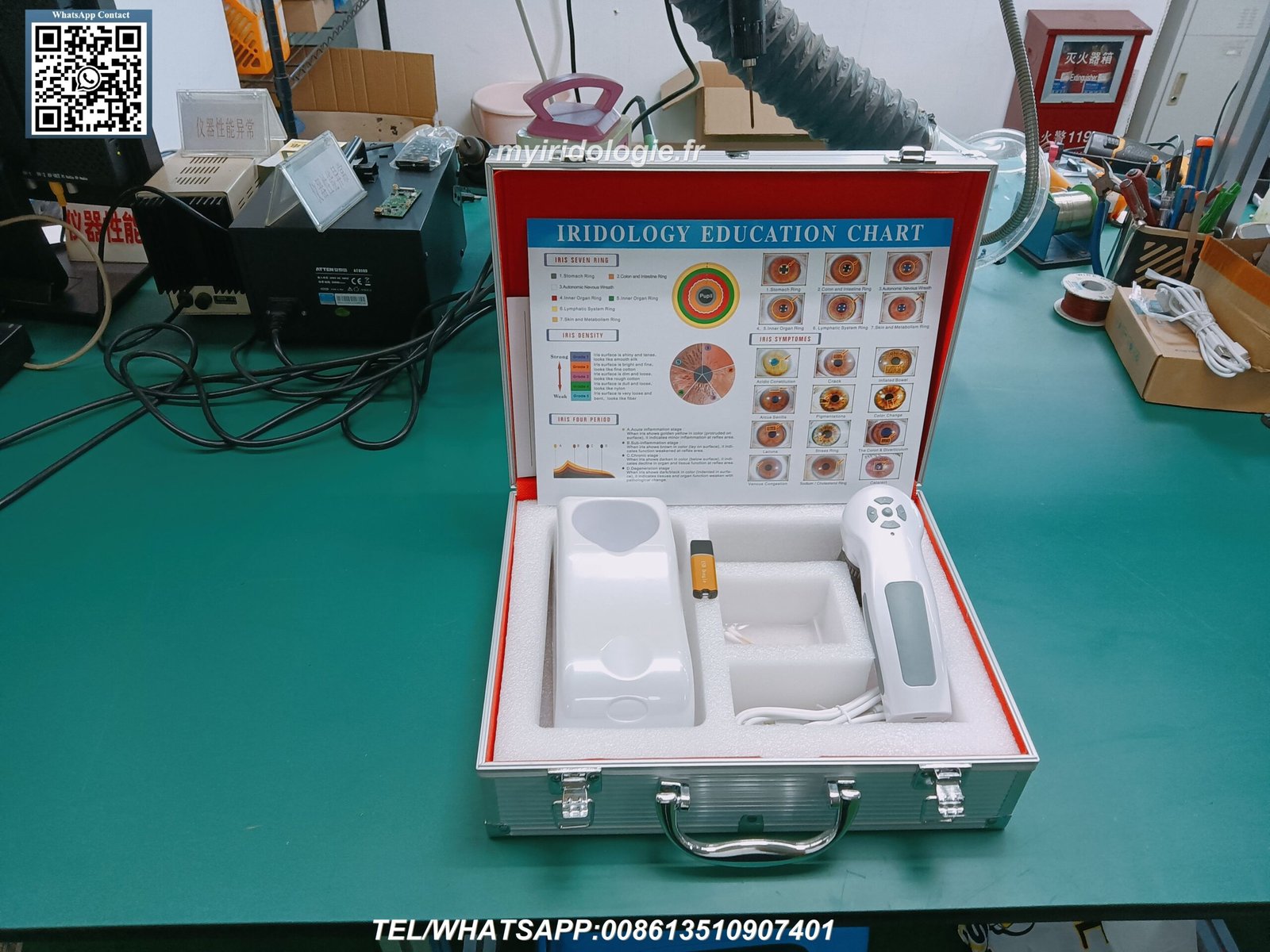
Quality equipment makes dramatic differences in diagnostic precision. Professional iridology cameras capture details impossible to observe with basic tools. The investment in proper technology pays dividends through improved client outcomes and professional reputation. Modern systems offer features that streamline practice management while enhancing diagnostic capabilities.
Basic Setup Requirements
- Magnification system minimum 10x power
- Adjustable LED lighting with color temperature control
- Stable head positioning system for patient comfort
- Digital camera with macro capability for documentation
- Reference iridology chart left eye materials
Professional System Advantages
- Up to 40x magnification reveals microscopic details
- Automated lighting adjusts for optimal iris visibility
- Software analysis highlights subtle pattern changes
- Client database stores historical images for comparison
- Windows and Mac OS compatibility ensures workflow flexibility
Common Equipment Limitations
- Insufficient magnification misses fine structural details
- Poor lighting creates shadows obscuring endocrine zones
- Manual systems increase examination time significantly
- Lack of documentation prevents objective progress tracking
- Software incompatibility disrupts practice workflows
MAIKONG manufacturing produces professional-grade equipment designed specifically for endocrine zone analysis. With over 20 years of development experience, our systems address common practitioner frustrations. The iridology software stands alone as the first platform supporting both Windows and Apple Mac OS operating systems. This compatibility ensures seamless integration into any practice environment.
Step-by-Step Examination Protocol
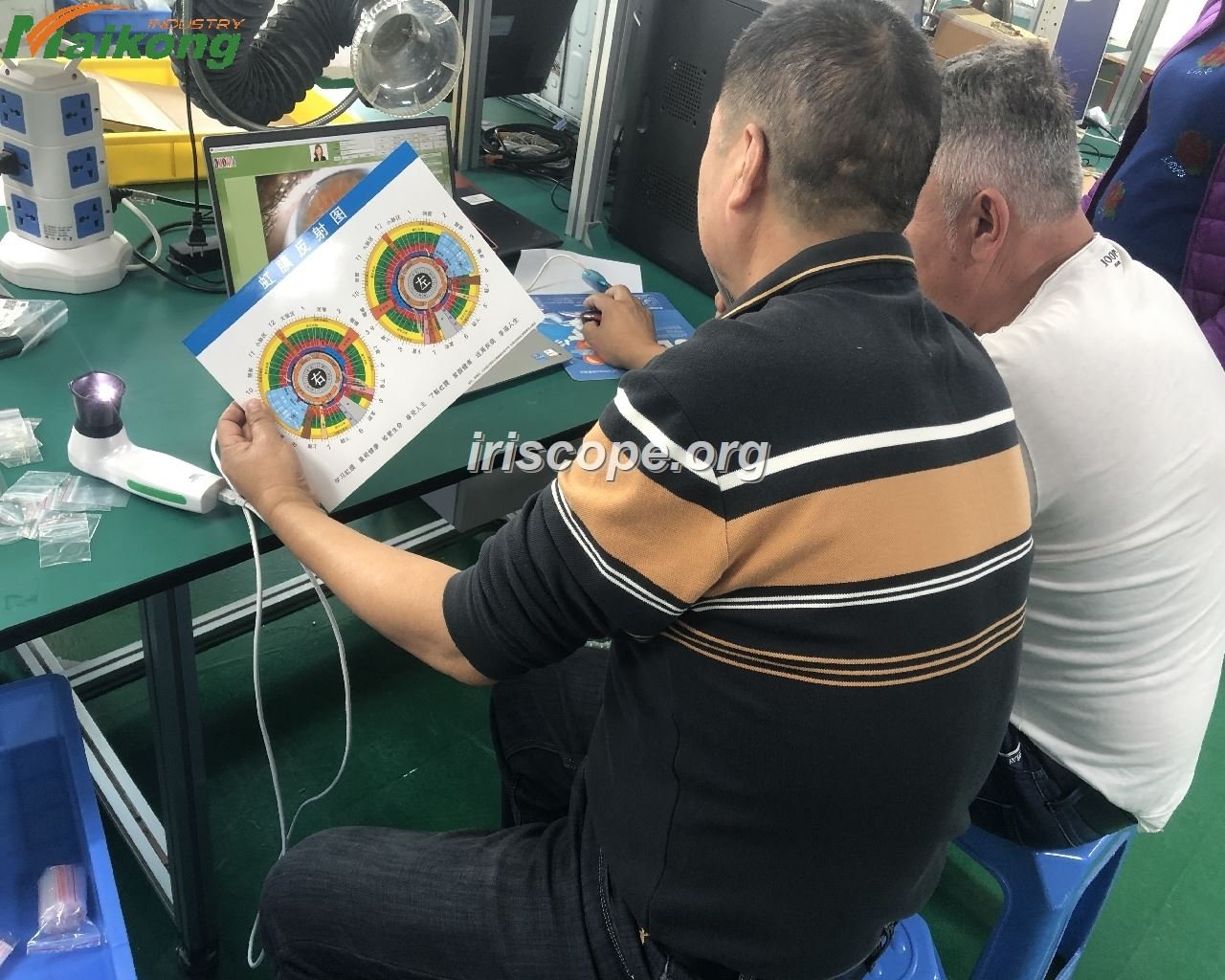
Consistency in examination technique ensures reliable results across multiple patient sessions. The following protocol represents best practices developed through extensive clinical experience. Practitioners may adapt details to their specific practice style while maintaining core principles.
- Position patient comfortably with stable head support preventing movement during examination.
- Adjust lighting to illuminate iris evenly without causing excessive pupil constriction or patient discomfort.
- Begin with overall left iris assessment noting general constitution, color, and major structural features.
- Focus specifically on adrenal zone at 5 o’clock position, documenting color, texture, and any abnormalities present.
- Examine pancreas region at 7 o’clock with equal attention to detail and systematic observation approach.
- Capture high-resolution images from multiple angles to document findings thoroughly and enable future comparison.
- Review captured images with magnification tools to identify subtle details missed during direct observation.
- Document findings systematically using standardized terminology and reference the left eye iridology chart for accuracy.
- Correlate iris findings with patient symptoms, medical history, and other assessment data for comprehensive picture.
- Schedule follow-up assessment at appropriate intervals based on severity of findings and treatment interventions implemented.

Clinical Applications and Treatment Correlations
Identifying endocrine patterns in the left iris serves little purpose without appropriate therapeutic responses. The true value emerges when practitioners connect visual findings with effective interventions. Understanding which treatments improve specific iris patterns empowers confident clinical decision-making. Patient outcomes improve dramatically when protocols target root causes revealed through careful analysis.
Adrenal Support Strategies
When the iridology map left eye reveals adrenal stress, several intervention categories prove beneficial. Nutritional support forms the foundation of adrenal recovery protocols. Adaptogenic herbs provide additional assistance for stress resilience. Lifestyle modifications addressing sleep quality and stress management techniques complete comprehensive treatment approaches. Progress monitoring through serial iris photographs documents improvement objectively.
Nutritional Interventions
Specific nutrients support adrenal gland recovery and optimal function. Deficiencies in key vitamins and minerals compromise stress response capacity. Supplementation addresses these gaps while whole food approaches provide cofactors enhancing nutrient utilization.
- Vitamin C supports cortisol production
- B-complex vitamins enhance energy metabolism
- Magnesium promotes stress tolerance
- Omega-3 fatty acids reduce inflammation
- Quality protein provides amino acid building blocks
Herbal Adaptogens
Adaptogenic herbs help organisms adapt to stress more effectively. These botanicals have centuries of traditional use now supported by modern research. Selection depends on individual constitution and specific symptom patterns observed.
- Ashwagandha for calming stress adaptation
- Rhodiola for energy and mental clarity
- Holy basil for emotional balance
- Licorice root for cortisol regulation
- Schisandra for overall resilience building
Pancreas Support Protocols
Pancreatic dysfunction requires different approaches depending on whether endocrine or exocrine function needs support. Blood sugar regulation challenges benefit from dietary modifications and specific supplements. Digestive enzyme deficiencies respond to enzyme supplementation and dietary adjustments that reduce pancreatic burden. The left eye iridology chart helps practitioners distinguish between these conditions through careful zone analysis.
| Iris Finding | Primary Concern | First-Line Intervention | Expected Timeline |
| White clouds in pancreas zone | Acute inflammation | Anti-inflammatory diet and herbs | 4-6 weeks for visible improvement |
| Dark pigmentation | Chronic blood sugar issues | Low glycemic diet and chromium | 3-6 months for iris changes |
| Yellowish discoloration | Enzyme insufficiency | Digestive enzyme supplementation | 2-4 weeks for symptom relief |
| Multiple lacunae present | Genetic weakness | Constitutional strengthening | 6-12 months for significant change |

Advanced Considerations in Left Iris Endocrine Analysis
Mastering endocrine assessment requires understanding beyond basic pattern recognition. Constitutional factors influence how gland dysfunction manifests in different individuals. The relationship between multiple body systems creates complex iris presentations. Experienced practitioners develop intuition through years of observation and correlation with patient outcomes. This advanced perspective separates competent from exceptional clinical results.
Constitutional Type Variations
Different iris constitutions display endocrine stress through varying mechanisms. Blue eyes show patterns differently than brown eyes. Mixed constitutions present unique challenges requiring modified interpretation frameworks. The left eye iridology map provides foundational guidance, but constitutional overlay adds essential context. Practitioners must account for these variations to avoid misinterpretation.

Integration with Other Body Systems
Endocrine glands never function in isolation. The nervous system, digestive organs, and detoxification pathways all interact intimately with hormonal balance. Complete iridology left eye assessment examines these relationships systematically. Practitioners notice how stress rings correlate with adrenal findings, or how lymphatic rosary patterns appear near pancreas zones. These connections reveal deeper understanding of patient health status and treatment priorities.
Professional Development Insight: Developing expertise in left iris endocrine assessment requires patience and consistent practice. Begin with clear-cut cases displaying obvious patterns. Document findings thoroughly with photographs. Follow patients through treatment to observe how iris patterns change with health improvement. This experiential learning builds confidence and diagnostic accuracy far beyond textbook knowledge alone. Consider iridology certification to formalize your skills and enhance professional credibility.

Technology Enhancement for Left Iris Practice Excellence
Modern technology transforms traditional iridology practice into precision diagnostic art. Digital imaging systems capture details imperceptible to naked eye observation. Software analysis provides objective measurements reducing subjective interpretation bias. Professional equipment investments pay dividends through improved diagnostic accuracy, enhanced client confidence, and streamlined practice workflows. The gap between basic and professional technology-equipped practices continues widening as capabilities advance.
Critical Equipment Features for Endocrine Assessment
Not all iridology cameras deliver equal performance for endocrine zone analysis. Specific technical specifications prove essential for capturing subtle adrenal and pancreas markers in the left iris. Resolution, magnification capability, lighting quality, and software integration all impact diagnostic effectiveness. Understanding these factors guides informed purchasing decisions that serve practice needs for years.
- Minimum 12-megapixel resolution captures fine iris fiber details and subtle color variations
- Variable magnification from 10x to 40x enables both overview and detailed zone examination
- LED lighting system with adjustable color temperature prevents distortion of natural iris coloring
- Software compatibility with both Windows and Mac OS ensures workflow flexibility regardless of platform
- Database functionality stores patient images with timestamps enabling objective progress documentation
- Annotation tools allow marking specific zones and findings directly on captured images
- Report generation features create professional documentation for patient records and communication
- Technical support availability ensures minimal downtime when questions or issues arise
Software Advantages in Pattern Recognition
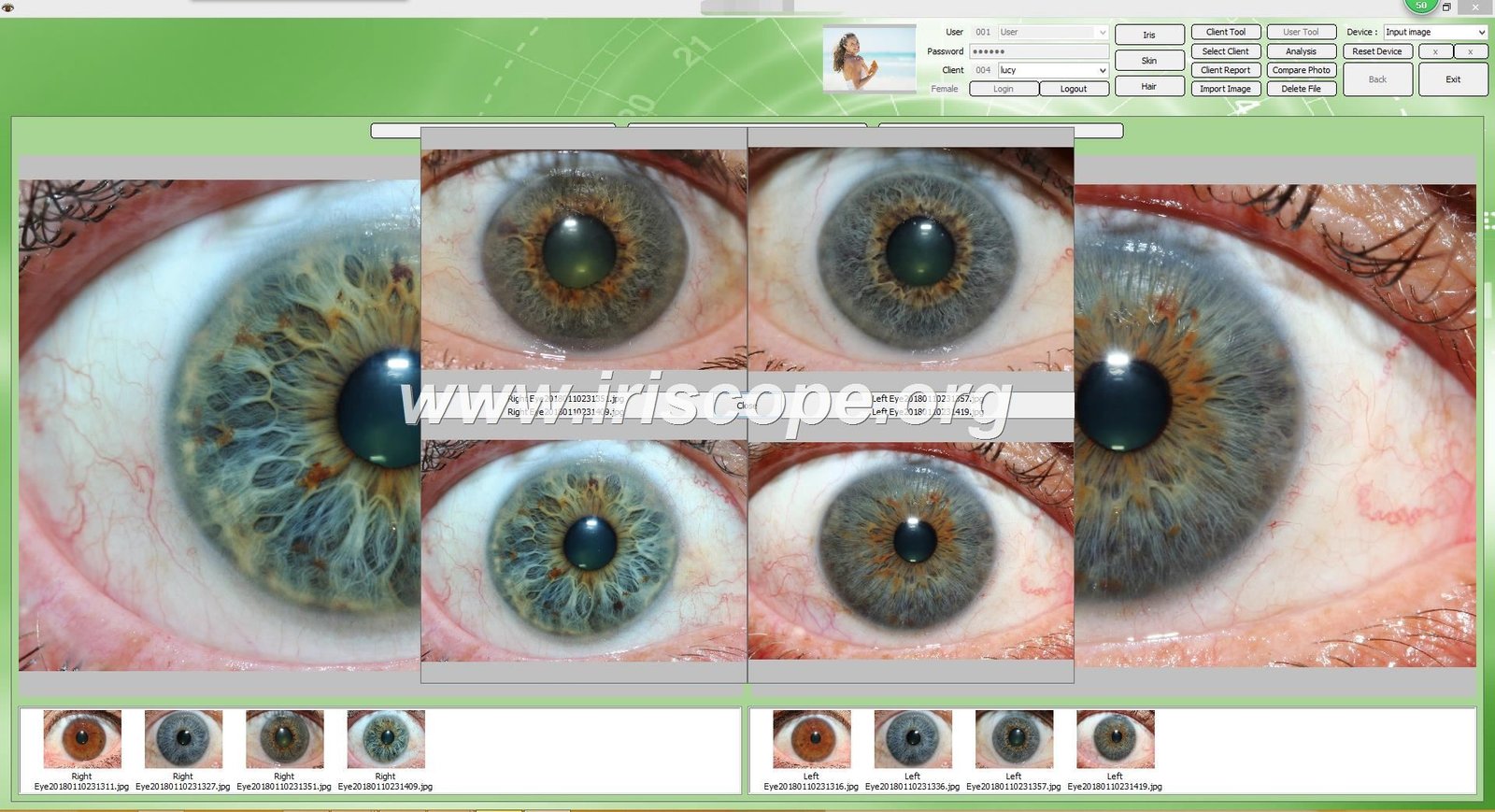
Advanced iridology software assists practitioners in multiple ways beyond simple image capture. Pattern recognition algorithms highlight subtle changes that might escape visual detection. Comparison tools overlay historical images revealing progressive changes over treatment courses. Measurement functions quantify iris features objectively, supporting evidence-based practice documentation. These capabilities elevate practice standards and professional credibility significantly.
Exclusive Technology for Serious Practitioners
MAIKONG stands as the only manufacturer globally offering iridology software fully compatible with both Windows 7/8/10/11 AND Apple Mac OS systems. This breakthrough eliminates platform limitations that restrict many practices. Our 20+ years of manufacturing experience delivers reliability, precision, and ongoing innovation. Direct factory pricing provides exceptional value while comprehensive technical support ensures your investment performs flawlessly. Professional customization options including software localization, hardware appearance modifications, and OEM arrangements support unique practice requirements and business models.
Email inquiries: Lucy@iriscope.org
Frequently Asked Questions About Left Iris Endocrine Assessment
How accurate is left iris analysis for detecting endocrine problems compared to blood tests?
Iris analysis and blood tests serve complementary rather than competing roles. Blood work measures current hormone levels with high precision at specific moments. The left eye iridology chart reveals structural patterns and constitutional tendencies that develop over longer timeframes. Practitioners often observe iris changes indicating endocrine stress before blood markers become abnormal. This early detection advantage allows preventive interventions that may avoid disease progression. Optimal practice integrates both assessment methods for comprehensive patient evaluation rather than relying exclusively on either approach.
Can improvements in endocrine function actually change the appearance of zones in the iridology left eye?
Yes, iris patterns can and do change with health status improvements, though timeframes vary by pattern type and severity. Acute inflammatory markers like white radii may resolve within weeks following successful treatment. Chronic pigmentation changes require months to show measurable improvement. Structural defects like lacunae represent permanent constitutional features that remain stable. Successful practitioners document progress through serial photography at 3-6 month intervals. These objective comparisons demonstrate treatment effectiveness far more convincingly than subjective patient reports alone. Realistic expectations about change timeframes prevent premature conclusions about intervention success or failure.
What magnification level is necessary to properly assess endocrine zones in the left iris?
Effective endocrine zone assessment requires minimum 10x magnification for general overview and pattern identification. Detailed analysis of subtle texture changes and fine pigmentation variations benefits from 20x to 40x magnification. Professional iridology camera systems typically offer variable magnification allowing practitioners to adjust based on specific examination needs. Higher magnification reveals microscopic details but reduces field of view, necessitating systematic scanning of target zones. Beginning practitioners often start with moderate magnification, increasing power as pattern recognition skills develop and specific details require closer inspection.
Do adrenal stress patterns in the iridology map left eye appear the same in all patients?
Individual variation in adrenal stress presentation proves substantial despite common underlying patterns. Constitutional factors influence how stress manifests visually in each unique iris. Blue-eyed individuals typically show white radii more prominently, while brown-eyed patients display pigmentation changes more readily. The severity and chronicity of stress also affect presentation significantly. Acute stress produces temporary, reversible changes, while chronic exhaustion embeds permanent structural modifications. Experienced practitioners develop nuanced interpretation skills that account for these constitutional and temporal variations, avoiding rigid pattern matching that oversimplifies complex presentations.
Should practitioners examine both eyes or focus exclusively on the left iris for endocrine assessment?
Comprehensive practice examines both eyes despite endocrine zones appearing primarily in the left iris according to traditional mapping. The right iris provides valuable comparative information and may show sympathetic changes reflecting systemic stress impact. Bilateral examination also reveals asymmetries that offer diagnostic clues about functional imbalances. Some contemporary practitioners find certain endocrine patterns appear in both eyes, challenging strict left-right organ mapping. Professional thoroughness dictates complete bilateral assessment regardless of which eye theoretically maps specific organs. This comprehensive approach prevents missed findings and provides richer diagnostic information supporting clinical decision-making.
How often should follow-up examinations occur when monitoring endocrine zone changes in the left iris?
Follow-up timing depends on condition severity and intervention intensity. Acute conditions showing inflammatory patterns warrant reassessment every 4-6 weeks initially. Chronic endocrine dysfunction requires longer intervals, typically 3-6 months between examinations, allowing sufficient time for meaningful pattern changes to develop. More frequent monitoring wastes resources without providing additional useful information given the relatively slow pace of iris structure modifications. Practitioners document each examination photographically using consistent technique, lighting, and magnification. This standardization enables accurate comparison across assessment periods. Patient symptom improvement often precedes visible iris changes by weeks to months, requiring realistic timeframe expectations.

Conclusion: Integrating Left Iris Analysis Into Holistic Practice
Endocrine assessment through left iris examination offers practitioners valuable diagnostic information. The adrenal and pancreas zones reveal patterns that correlate with patient symptoms and treatment responses. Mastering these techniques requires dedication to systematic observation, quality equipment investment, and ongoing skill development. The rewards include enhanced diagnostic accuracy, improved patient outcomes, and professional distinction in competitive healthcare markets.
Modern technology has transformed traditional iridology into a precision diagnostic modality. High-resolution imaging captures subtle details that previous generations could never observe. Software analysis provides objective measurements reducing interpretation variability. Professional practitioners recognize that equipment quality directly impacts practice success and patient confidence. The investment in proper technology represents investment in clinical excellence and practice growth.
Successful integration of iris analysis requires viewing it as one component within comprehensive holistic assessment. The left eye iridology chart guides observation but should never replace thorough case-taking, symptom evaluation, and appropriate testing when indicated. Practitioners who combine multiple assessment modalities develop superior diagnostic accuracy and treatment planning capabilities. This integrative approach serves patient interests while elevating professional practice standards industry-wide.
Partner With Industry-Leading Iridology Equipment Manufacturer
MAIKONG brings over 20 years of specialized experience manufacturing professional iridology equipment trusted by practitioners worldwide. Our comprehensive product line includes advanced iriscope systems, professional iridology cameras, complete iridology charts, and industry-exclusive software supporting both Windows and Mac OS platforms. Direct factory pricing, flexible OEM arrangements, comprehensive technical support, and lucrative distributor programs position MAIKONG as the ideal partner for health practitioners and business entrepreneurs in the natural health sector.
Whether you’re establishing a new practice, upgrading existing equipment, or exploring distributor opportunities in your region, MAIKONG provides solutions tailored to your specific needs. Software customization including language localization, branded interface options, and feature modifications ensure perfect fit for unique practice requirements. Hardware appearance customization allows private labeling for established brands. Competitive pricing structures and attractive margins support profitable business models for distributors and resellers.
Email: Lucy@iriscope.org | Website: https://iriscope.org
Review our factory certifications and learn more about our company at About MAIKONG. For immediate questions or technical support, our team remains available through multiple contact channels to ensure your success.
The journey toward left iris assessment mastery continues throughout professional careers. Each patient examination teaches new nuances about pattern variation and correlation with health outcomes. Practitioners who maintain curiosity, document findings systematically, and remain open to ongoing learning develop increasingly sophisticated diagnostic capabilities over decades of practice. This commitment to excellence distinguishes true masters from merely competent practitioners in any healthcare discipline.