Right Ear and Sinus Indicators: Left Iris Temporal Zone (9-10 O’Clock)
The temporal region of the left iris between 9 and 10 o’clock positions holds critical diagnostic information about right ear and sinus health. Professional iridologists recognize this zone as a window into upper respiratory wellness and auditory system integrity. Understanding these indicators empowers practitioners to provide comprehensive holistic health assessments.
 This specialized area reflects constitutional strength and acquired conditions affecting the right side of the head. Practitioners examining this zone can identify patterns suggesting chronic inflammation, structural weaknesses, or acute disturbances in the ear and sinus cavities.
Anatomical Correlation: The Left Iris and Right-Side Body Mapping
Iridology operates on the principle of contralateral representation. The left eye iridology chart corresponds to right-side body structures. This means the temporal zone of the left iris directly relates to the right ear, right sinus cavities, and associated lymphatic drainage pathways.

Why the 9-10 O’Clock Position Matters
Here’s general breakdown that I rely on understande 12-hour clock positions:
| Clock Position |
Left Eye (Reflects Left Side Body) |
Right Eye (Reflects Right Side Body) |
| 1 o’clock – 2 o’clock |
Left Neck: Reproductive organs (uterus/ovaries/testes) |
Right Face: Reproductive organs (uterus/ovaries/testes) |
| 2 o’clock – 3 o’clock |
Left Lung: Respiratory health |
Right Throat: Health joints (knees, hips, elbows, shoulders) |
| 3 o’clock – 4 o’clock |
Left Thorax: Spine health, flexibility, alignment |
Right Upper Back: Spine health, flexibility, alignment |
| 4 o’clock – 5 o’clock |
Left Upper Abdomen: Bladder, urinary system |
Right Bladder: Reflects bladder and left side urinary system |
| 5 o’clock – 6 o’clock |
Left Pelvic Area: Colon, small intestine, digestive health |
Right Pelvic Area: Colon, small intestine, digestive health |
| 6 o’clock – 7 o’clock |
Left Lower Abdomen: Right kidney (filtration, detox) |
Right Lower Abdomen: Left kidney (filtration, detox) |
| 7 o’clock – 8 o’clock |
Left Upper Abdomen: Stomach, digestive organs |
Right Upper Abdomen: Stomach, digestive organs |
| 8 o’clock – 9 o’clock |
Left Thorax: Liver, detoxification, bile production |
Right Thorax: Liver, detoxification, bile production |
| 9 o’clock – 10 o’clock |
Left Lung: Cardiovascular health, circulation |
Right Lung: Cardiovascular health, circulation |
| 10 o’clock – 11 o’clock |
Left Neck: Health joints (knees, hips, elbows) |
Right Neck: Health joints (knees, hips, elbows) |
| 11 o’clock – 12 o’clock |
Left Brain: Cognitive function, mental health |
Right Brain: Cognitive function, mental health |
| 12 o’clock – 1 o’clock |
Left Brain: Cognitive function, mental health |
Right Brain: Cognitive function, mental health |
This precise mapping allows trained iridologists to detect subtle changes that may indicate developing conditions before symptoms become severe. The fiber structure, coloration, and texture within this zone tell a story about tissue integrity and functional capacity.

Fiber Structure Analysis in the Temporal Zone
Examining the iridology chart left eye temporal region requires understanding fiber patterns. Normal fibers appear straight, evenly spaced, and uniform in color. Disruptions suggest constitutional weaknesses or acquired damage.
Normal Fiber Indicators
- Straight radial fibers extending from collarette
- Consistent spacing between fiber bundles
- Uniform coloration matching baseline iris color
- No breaks or disruptions in fiber continuity
- Clear defined borders in the temporal zone
Abnormal Fiber Patterns
- Wavy or irregular fiber trajectories
- Compressed or crowded fiber groupings
- Color variations including white, yellow, or dark spots
- Fiber breaks suggesting tissue weakness
- Crypts or lacunae indicating structural compromise
Key Diagnostic Indicators in the Left Iris Temporal Zone
Professional iridology assessment involves systematic examination of multiple iris characteristics. The left eye iridology map temporal region reveals specific signs that correspond to ear and sinus health status.
Color Variations and Their Meanings
Pigmentation changes in the 9-10 o’clock position of the iridology left eye provide valuable diagnostic clues. These variations reflect different pathological states and constitutional tendencies.

| Color Indicator |
Interpretation |
Associated Condition |
Clinical Significance |
| White markings |
Acute inflammation |
Active infection or irritation |
Recent onset ear or sinus issue |
| Yellow discoloration |
Subacute inflammation |
Ongoing drainage issues |
Chronic sinus congestion pattern |
| Brown spots |
Chronic congestion |
Long-term tissue stress |
Persistent ear or sinus weakness |
| Dark crypts |
Structural weakness |
Constitutional vulnerability |
Tendency toward recurrent issues |
| Orange hue |
Toxin accumulation |
Poor lymphatic drainage |
Need for detoxification support |
Structural Signs: Lacunae and Crypts
The iridology map left eye temporal zone may display structural defects called lacunae or crypts. These openings in the iris stroma indicate inherited or acquired tissue weakness in corresponding body areas.
Small lacunae suggest minor constitutional vulnerabilities. Larger defects indicate more significant weakness requiring attention. Their depth, shape, and surrounding fiber patterns provide additional diagnostic information about severity and chronicity.
Clinical Pearl: Multiple small lacunae in the temporal zone often correlate with a history of recurrent ear infections during childhood. This pattern suggests ongoing vulnerability requiring preventive strategies throughout life.
Nerve Ring Intersections
Stress rings (also called nerve rings or contraction furrows) crossing the temporal zone provide information about systemic stress affecting ear and sinus health. These circular rings originate from chronic tension and neurological stress patterns.
When stress rings intersect the 9-10 o’clock position, they often correlate with stress-induced Eustachian tube dysfunction and tension-related sinus pressure. Practitioners trained in Bernard Jensen iridology methods recognize these patterns as indicators for stress management interventions.

Clinical Applications for Practitioners Using Left Iris Analysis
Integrating left eye iridology chart temporal zone assessment into clinical practice enhances diagnostic precision. This approach complements conventional examination methods and guides holistic treatment strategies.
Assessment Protocol for the Temporal Zone
Systematic evaluation follows a standardized sequence ensuring no details are missed. Professional iridology camera systems capture high-resolution images for detailed analysis and documentation.
- Position patient comfortably with adequate illumination for iris examination
- Capture baseline images of both irises using standardized photography protocols
- Identify the 9-10 o’clock temporal zone on the left iris image
- Assess overall fiber density, direction, and continuity in the target zone
- Document any color variations, noting specific hues and distribution patterns
- Identify structural defects including lacunae, crypts, or radial furrows
- Note intersecting stress rings and their relationship to the temporal zone
- Compare findings with patient history of ear and sinus complaints
- Correlate iris signs with current symptoms and diagnostic test results
- Develop holistic treatment plan addressing identified constitutional weaknesses
Professional Iridology Analysis Tools
MAIKONG’s iridology software is the world’s first to support both Windows and Mac OS systems. Our complete diagnostic solution is designed for modern practitioners who demand precision, reliability, and cross-platform compatibility. With over 20 years of manufacturing expertise, we provide the tools you need for comprehensive iris analysis.
Treatment Strategies Based on Temporal Zone Findings
Iris indicators guide therapeutic interventions targeting underlying constitutional weaknesses and acute conditions. The iridology chart left eye temporal zone findings suggest specific naturopathic approaches.

For Acute Inflammation Signs
White markings indicate active inflammation requiring immediate attention. Treatment focus includes:
- Anti-inflammatory herbal protocols
- Immune system support
- Lymphatic drainage techniques
- Acute infection management
For Chronic Congestion Patterns
Brown or yellow discoloration suggests long-standing issues. Intervention strategies include:
- Mucus-reducing dietary modifications
- Sinus drainage support supplements
- Eustachian tube function exercises
- Allergen identification and elimination
For Constitutional Weakness
Lacunae indicate inherited vulnerability requiring preventive care. Approaches include:
- Constitutional strengthening protocols
- Preventive nutritional supplementation
- Tissue repair support nutrients
- Ongoing monitoring and maintenance
Case Documentation and Tracking
Professional practice requires systematic documentation of iris findings over time. Serial imaging with quality iriscope equipment tracks changes correlating with treatment progress and health status evolution.
Baseline images establish starting points for comparison. Follow-up photography at regular intervals documents improvement or deterioration. This objective tracking enhances patient compliance and validates therapeutic interventions.
Advanced Interpretation: Integrating Left Iris Findings with Whole-Body Assessment
The temporal zone does not exist in isolation. Comprehensive iridology assessment examines relationships between different iris zones and systemic health patterns. The left eye iridology map provides a complete picture when analyzed holistically.
Lymphatic Rosary and Sinus Congestion
The lymphatic rosary appears as a whitish ring in the peripheral iris zone. Its prominence in the temporal sector correlates with lymphatic congestion affecting the right side head and neck region. This finding often accompanies chronic sinus issues.
Practitioners recognize that addressing lymphatic drainage improves outcomes in patients showing both temporal zone discoloration and prominent lymphatic rosary. Treatment protocols incorporate lymphatic stimulation techniques alongside targeted sinus support.

Autonomic Nerve Wreath Position
The autonomic nerve wreath (collarette) position affects interpretation of temporal zone signs. An expanded wreath suggests parasympathetic dominance, while a contracted position indicates sympathetic nervous system predominance.
Temporal zone inflammation combined with sympathetic dominance pattern often correlates with stress-induced immune suppression affecting ear and sinus health. This combination suggests mind-body interventions alongside physical treatments.
Bilateral Comparison: Left and Right Iris Analysis
While the left iris temporal zone reveals right-side ear and sinus status, comparing with the right iris temporal zone (showing left-side structures) provides valuable information about systemic versus localized patterns.
Bilateral temporal zone involvement suggests systemic inflammation or constitutional weakness affecting both sides. Unilateral findings indicate localized issues or structural problems on one side. This distinction guides treatment strategy specificity.
Advanced Technique: Experienced iridologists using comprehensive iridology chart systems assess density differences between corresponding zones in left and right eyes. Greater density difference indicates more significant functional disparity between left and right body sides.
Professional Equipment for Left Iris Analysis Excellence
Accurate temporal zone assessment requires quality imaging equipment and analytical software. Modern iridology practice depends on technological tools that capture fine iris details and support systematic interpretation.
Essential Equipment Components
A professional iridology setup includes specialized cameras, illumination systems, and analytical software working together to produce diagnostic-quality images of the iridology left eye and all iris zones.

High-Resolution Cameras
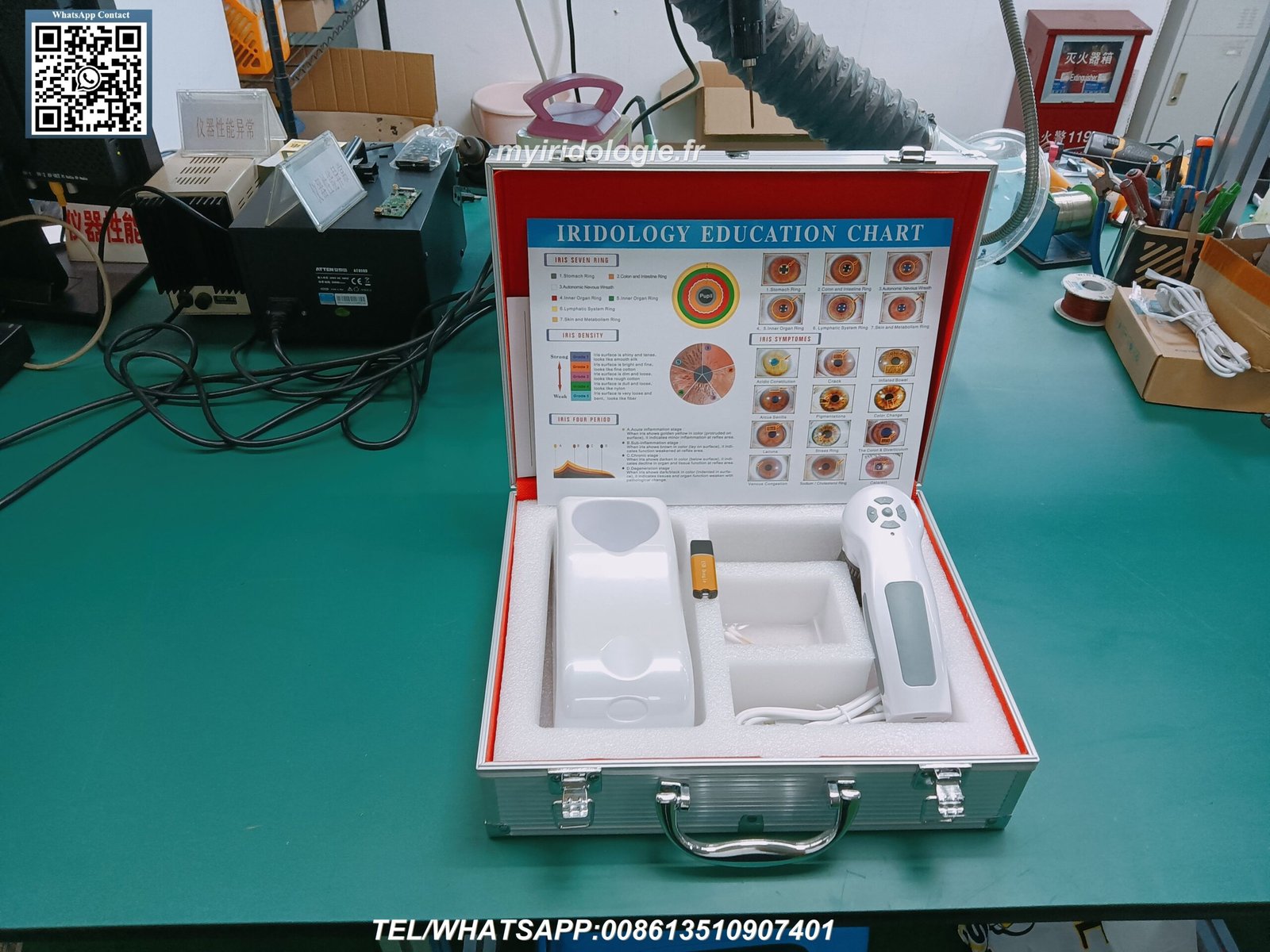
Specialized iridology cameras capture fine details essential for temporal zone analysis. Minimum 12-megapixel sensors ensure adequate resolution for fiber structure examination. Integrated LED illumination provides consistent, flicker-free lighting that reveals subtle color variations.
Cross-Platform Software
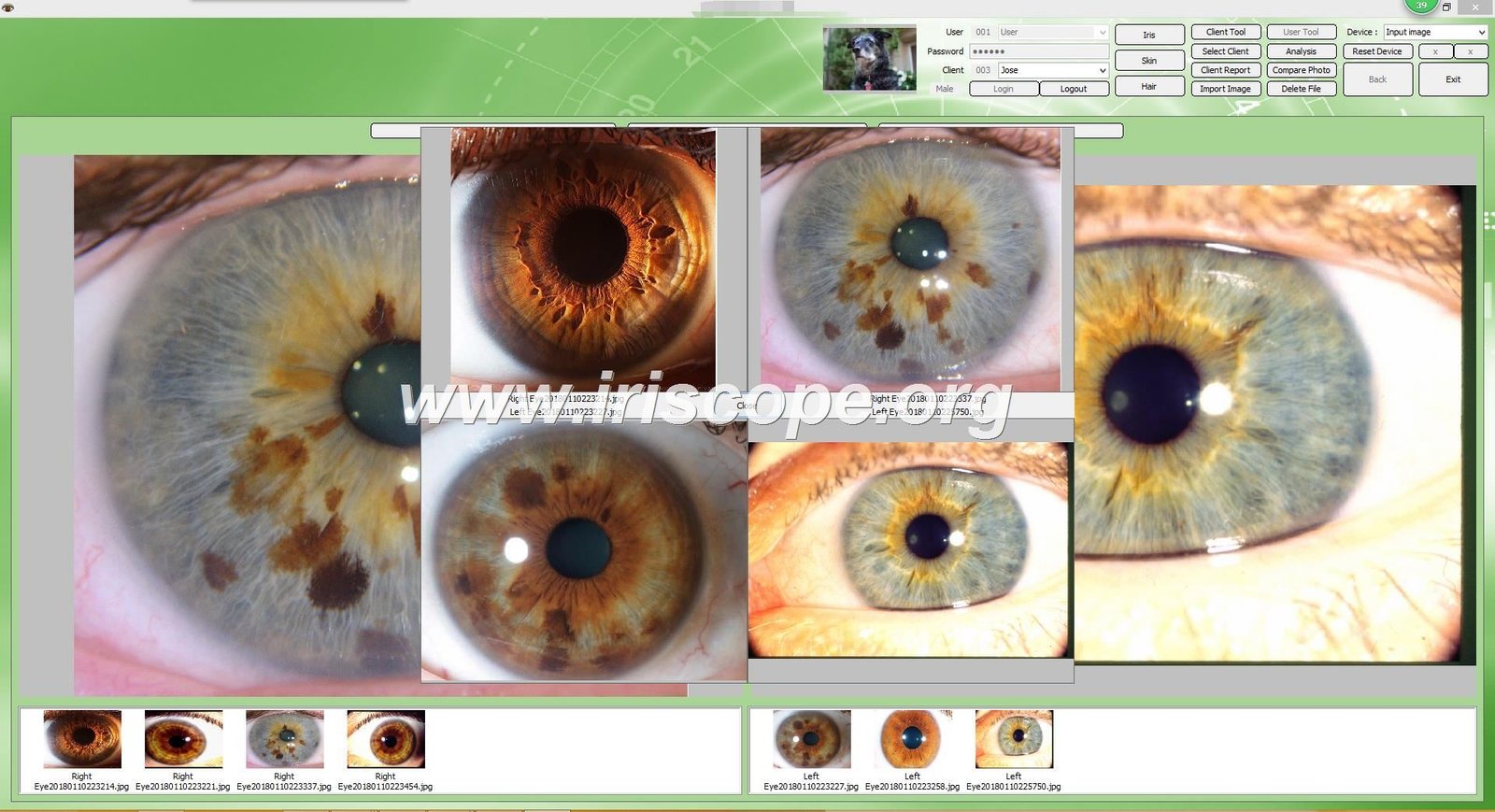
MAIKONG offers the industry’s first iridology software fully compatible with both Windows (7/8/10/11) and Apple Mac OS systems. This breakthrough eliminates platform limitations, allowing practitioners to choose their preferred operating system without sacrificing analytical capabilities.
Training Resources

Comprehensive iridology certification programs teach systematic temporal zone assessment. Ongoing education ensures practitioners stay current with interpretation methods and clinical applications. Access to detailed reference charts supports accurate analysis.
Why Mac OS Compatibility Matters
Healthcare practitioners increasingly prefer Mac systems for their reliability, security, and seamless integration with other professional tools. Traditional iridology software limited users to Windows platforms, creating workflow obstacles for Mac users.
MAIKONG’s breakthrough Mac-compatible software eliminates this barrier. Practitioners enjoy the same comprehensive analytical features regardless of operating system preference. This flexibility supports modern practice requirements without compromising functionality.
Frequently Asked Questions About Left Iris Temporal Zone Analysis
What exactly does the 9-10 o’clock position on the left iris indicate?
The temporal zone between 9 and 10 o’clock on the left iris corresponds to right-side ear and sinus structures. This includes the right external ear, middle ear chamber, Eustachian tube, maxillary sinus, frontal sinus, and associated lymphatic pathways. Iridology operates on contralateral mapping, meaning left eye zones reflect right body structures and vice versa.
How accurate is iridology for diagnosing ear and sinus problems?
Iridology serves as an assessment tool indicating constitutional tendencies and potential vulnerabilities rather than providing definitive medical diagnoses. The iridology chart left eye temporal zone reveals patterns suggesting predisposition to ear and sinus issues, chronic inflammation, or structural weakness. These findings guide holistic treatment approaches and preventive strategies. Practitioners should always correlate iris signs with patient history, symptoms, and conventional diagnostic testing for comprehensive assessment.
Can iris signs change over time with treatment?
Some iris characteristics remain stable throughout life, reflecting inherited constitutional patterns. However, acute signs like white inflammation markers can improve with successful treatment. Chronic color changes may lighten somewhat with long-term holistic interventions addressing underlying causes. Structural features like lacunae remain permanent but surrounding tissue response to strengthening protocols may improve. Serial imaging with quality iriscope equipment tracks these changes objectively over time.
Do I need special training to interpret the left eye iridology map?
Professional iridology practice requires comprehensive training through accredited certification programs. Understanding iris anatomy, systematic assessment protocols, and clinical correlation demands significant study. Practitioners should complete recognized iridology certification courses before offering professional assessments. Self-taught approaches risk misinterpretation and inappropriate recommendations. Quality education programs teach not only iris topography but also proper ethical boundaries and integration with other assessment methods.
What equipment do I need to start practicing iridology?
Professional iridology practice requires a high-resolution iridology camera (minimum 12 megapixels), specialized iris analysis software, proper illumination systems, and comprehensive reference charts. MAIKONG provides complete systems including the industry’s first Mac OS-compatible software, allowing practitioners to work on their preferred platform. Initial investment ranges depending on equipment sophistication, but quality tools are essential for accurate temporal zone assessment and professional documentation.
How does the iridology map left eye differ from the right eye map?
Both eyes follow similar zonal organization, but they mirror each other anatomically. The left eye iridology chart maps right-side body structures, while the right eye chart maps left-side structures. The temporal zone at 9-10 o’clock on the left iris shows right ear and sinus status. The same position on the right iris reveals left ear and sinus information. Some organs like the heart and stomach have more prominent representation in their respective ipsilateral eyes due to anatomical positioning.
Can stress affect the temporal zone of the left iris?
Yes, chronic stress manifests in the iris through stress rings (nerve rings) that may intersect the temporal zone. These circular furrows indicate systemic tension affecting multiple body systems including ear and sinus function. Stress compromises immune response, increases inflammation, and disrupts Eustachian tube function. Practitioners trained in stress ring interpretation recognize these patterns and recommend stress management protocols alongside targeted ear and sinus support.
What if I see concerning signs in my own left iris temporal zone?
Iris characteristics indicate constitutional tendencies rather than immediate disease. Concerning signs warrant consultation with qualified healthcare providers including naturopaths, holistic practitioners, or conventional medical specialists as appropriate. Self-diagnosis based on iris examination alone is inappropriate. Professional iridologists integrate multiple assessment methods and patient history before making recommendations. Use iris findings as motivation for proactive health management rather than sources of anxiety.
Conclusion: Mastering Left Iris Temporal Zone Assessment
The temporal zone of the left iris between 9 and 10 o’clock provides valuable insights into right ear and sinus health patterns. Professional practitioners trained in systematic assessment can identify constitutional vulnerabilities, acute inflammation, and chronic congestion patterns through careful examination of this specialized region.
Success in iridology requires quality equipment, comprehensive training, and integration with other assessment modalities. The iridology left eye temporal zone analysis enhances holistic practice when used appropriately alongside patient history, symptom assessment, and conventional diagnostic testing.
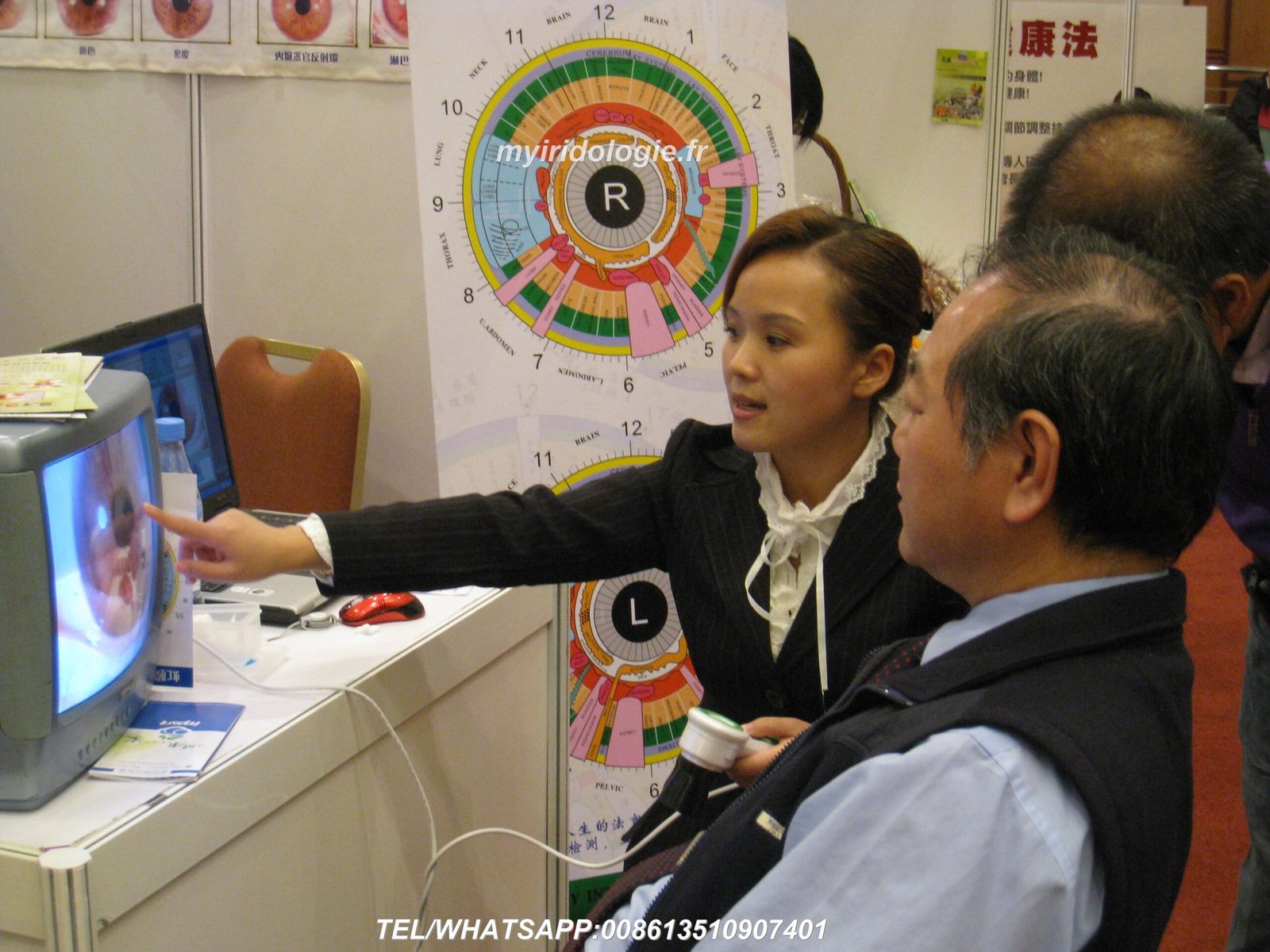
Modern technology supports this traditional practice through advanced imaging systems and analytical software. Practitioners no longer face platform limitations, thanks to breakthrough Mac OS-compatible solutions that maintain full functionality across operating systems.
Whether you’re an established practitioner seeking to deepen your diagnostic skills or a wellness entrepreneur exploring holistic assessment methods, mastering left eye iridology map interpretation opens new dimensions in patient care. The temporal zone’s connection to ear and sinus health represents just one aspect of comprehensive iris analysis that reveals the body’s constitutional blueprint.
Partner with MAIKONG: Factory-Direct Iridology Equipment
Join our network of professional distributors across the United States and beyond. Benefit from over 20 years of manufacturing expertise, competitive wholesale pricing, and comprehensive technical support in your local language. MAIKONG provides the tools modern practitioners need—from advanced iriscope systems to industry-leading Mac-compatible software. We support your success with customizable solutions, profitable margin structures, and ongoing technical assistance.
Professional iridology practice represents a growing field within integrative healthcare. As more practitioners recognize the value of constitutional assessment, demand for quality equipment and training continues expanding. Those entering this field now position themselves at the forefront of holistic diagnostic innovation.
The journey toward mastery begins with solid foundational knowledge, quality tools, and commitment to ongoing education. Understanding the iridology chart left eye temporal zone and its relationship to ear and sinus health serves as an excellent starting point for deepening your iridology expertise.


