


 This guide explains how eye color connects to body health through the practice of iridology. We cover what causes color variations in the iris, how acupressure may influence these patterns, and what different shades mean for overall wellness.You will learn the science behind iris examination, color meanings in different health conditions, and practical methods professionals use to assess wellness through eye analysis. Whether you want to understand your own eyes or use this tool in your practice, this resource provides clear answers based on decades of clinical observation.
Qué es iridología and How Does It Work
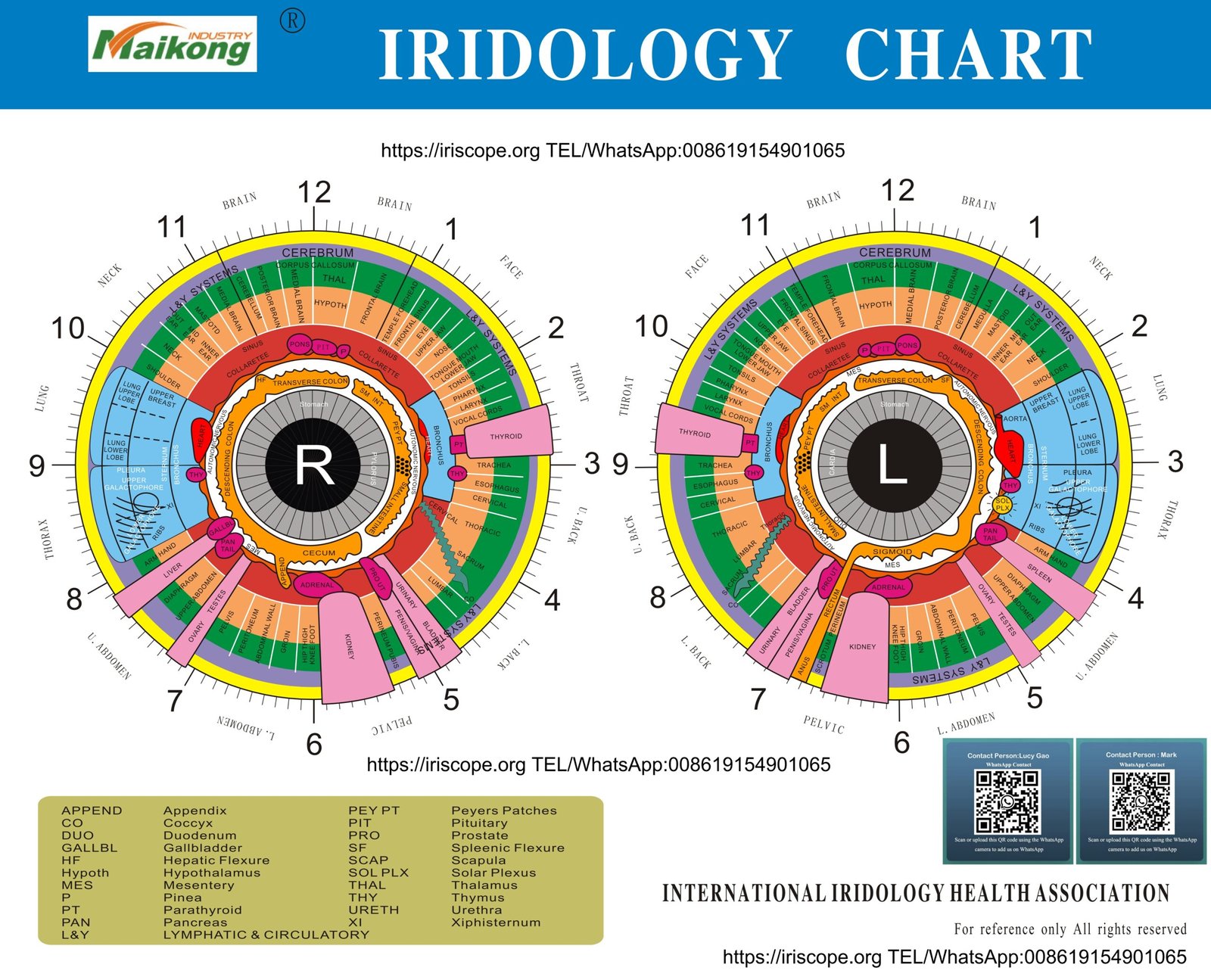
Iridology is a diagnostic tool that examines the colored part of the eye to assess health. Practitioners look at patterns, colors, and structures in the iris to identify potential issues in different parts of the body.
The iris contains thousands of nerve endings connected to every organ through the nervous system. When problems develop in the body, these connections may create visible changes in iris appearance. Different zones of the iris correspond to specific body regions.
Von Peczely, a Hungarian physician in the 1800s, created the first iris chart after observing changes in an owl’s eye following a broken leg. His work formed the foundation for modern iridology practice. Bernard Jensen later expanded this system in the United States, developing detailed charts that iridologists still use today.
The Science Behind Iris Examination
The iris develops from the same embryonic tissue as the brain. This connection means the iris reflects information about the nervous system and overall body health. Blood vessels, nerve fibers, and connective tissues in the iris respond to changes elsewhere in the body.
Iridologists examine several features during assessment. They look at iris color, density of fibers, presence of specific markings, rings around the iris, and color variations in different zones. Each finding provides clues about organ function and potential health concerns.
Physical Structures Examined
- collarín – circular ridge dividing inner and outer iris zones
- Criptas – small gaps in iris tissue indicating nerve supply
- Surcos – grooves radiating from pupil outward
- Manchas de pigmento – areas of color concentration
- Anillos de estrés – circular lines showing tension patterns
Color Indicators Assessed
- Base iris color – genetic constitution and tendencies
- Color overlays – acute or chronic condition markers
- White or yellow areas – inflammation or toxin accumulation
- Manchas oscuras – potential weakness in corresponding organs
- Orange or brown pigments – specific organ stress signals
Análisis de color de iridología: Understanding What Your Eyes Reveal
Color analysis forms the core of iridology practice. The base color of your iris indicates your constitutional type, while color changes reveal current health conditions. Understanding these color meanings helps practitioners identify areas needing attention.
Blue and Blue-Gray Iris Colors
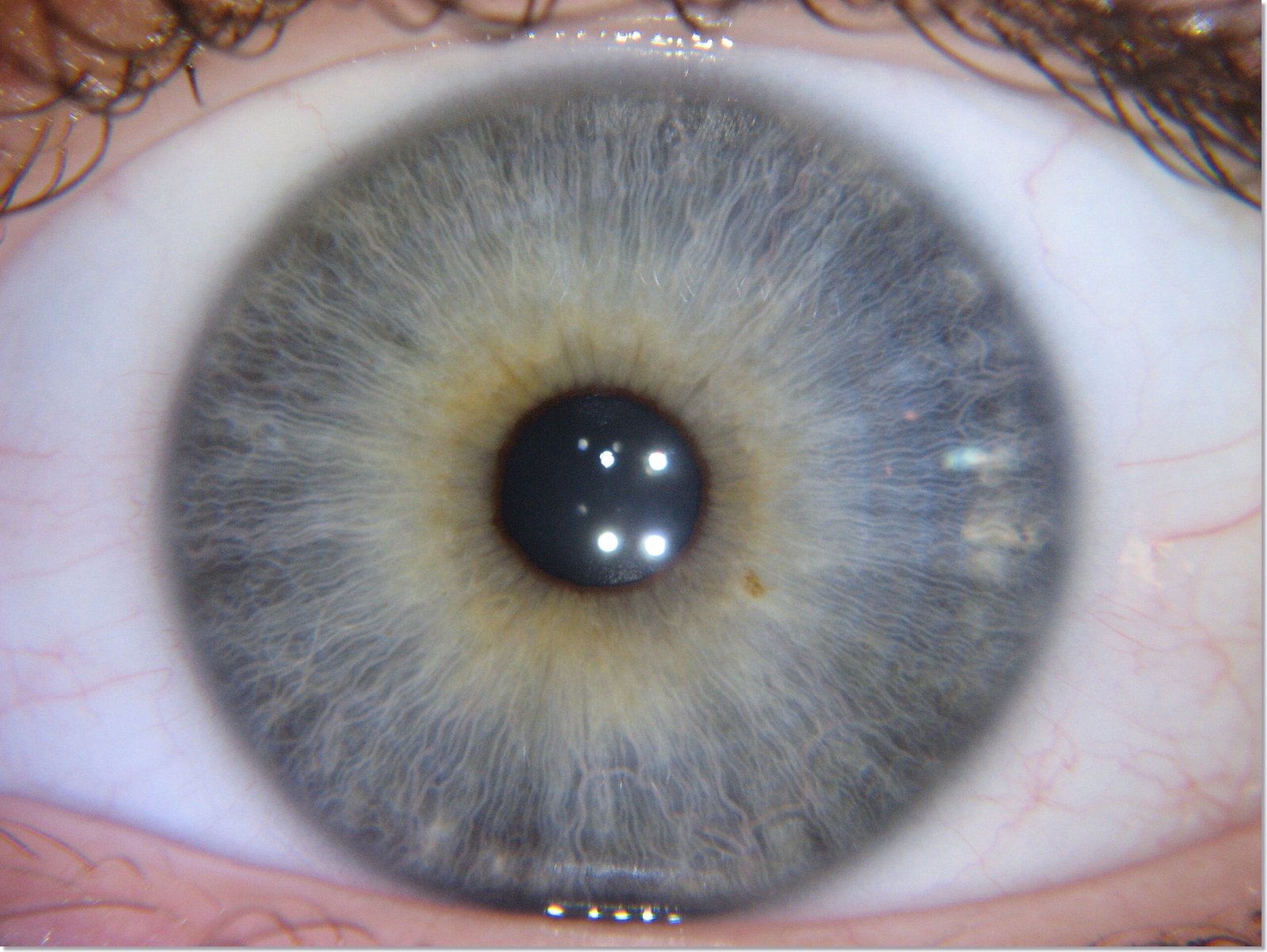
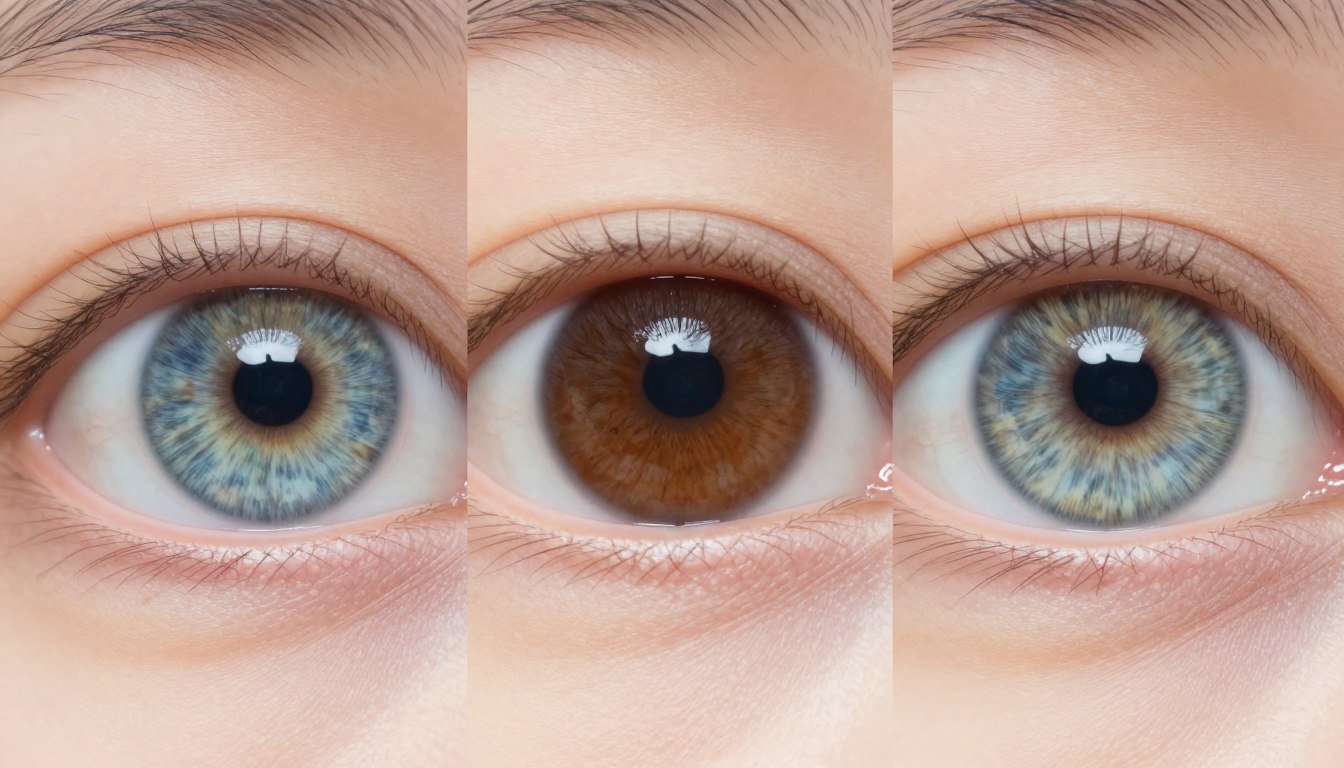
Blue eyes in iridology indicate what practitioners call a lymphatic constitution. People with blue iris typically have higher sensitivity to environmental factors. Their bodies may react more strongly to foods, allergens, and stress.
Blue iris color often shows issues related to mucous membranes, respiratory system, and lymphatic drainage. These individuals may experience more frequent upper respiratory problems, sinus congestion, or joint inflammation. The intensity of blue can vary, with darker blues suggesting different tendencies than lighter shades.
When inflammation occurs in someone with blue eyes, white or yellowish overlays may appear in specific iris zones. These lighter areas indicate acute inflammation in the corresponding body part. Practitioners track these changes to monitor condition progression.
Brown and Hazel Eye Color Meanings

Brown iris indicates what iridologists call a hematogenic constitution. This type relates to blood quality and composition. People with brown eyes typically show different health patterns than those with blue eyes.
The liver, blood sugar balance, and digestive system connect closely to brown iris types. Practitioners often observe that brown-eyed individuals experience more issues with blood composition, liver function, and metabolic processes. The depth of brown color provides additional information about these tendencies.
En iridología cambio de color de ojos ojos marrones analysis, practitioners look for color lightening or darkening in specific zones. Orange or rust-colored patches may indicate liver stress or blood toxicity. Dark brown spots can suggest areas of chronic weakness requiring support.
Green Eyes in Iridology Assessment

Iridología color de ojos verde represents a mixed constitution combining blue and brown characteristics. Green iris develops when yellow or brown pigment overlays a blue base. This combination suggests both lymphatic and hematogenic tendencies.
People with green eyes may experience health issues related to both constitution types. They might have sensitivities common to blue-eyed individuals along with digestive and liver concerns seen in brown-eyed people. This mixed pattern requires practitioners to assess both systems carefully.
The ratio of blue to yellow-brown in green eyes provides clues about which system dominates. More blue-green suggests stronger lymphatic influence, while yellow-green indicates greater hematogenic factors. Practitioners use this information to create targeted wellness plans.
Understanding Color Overlays and Changes
Beyond base eye color, iridologists examine color overlays that appear in specific iris zones. These overlays indicate acute or chronic conditions affecting particular organs or body systems.
Nota importante: Color changes in the iris happen gradually over months or years. Sudden eye color changes require immediate medical attention, as they may indicate serious conditions unrelated to the gradual patterns iridology tracks.
- White overlays suggest acute inflammation in the corresponding body area
- Yellow patches indicate chronic inflammation or toxin accumulation
- Orange in eye color iridology points to liver stress or metabolic issues
- Dark spots reveal areas of weakness or reduced nerve supply
- Red or pink areas show blood vessel congestion and circulation problems
The Connection Between Acupressure and Eye Color Change
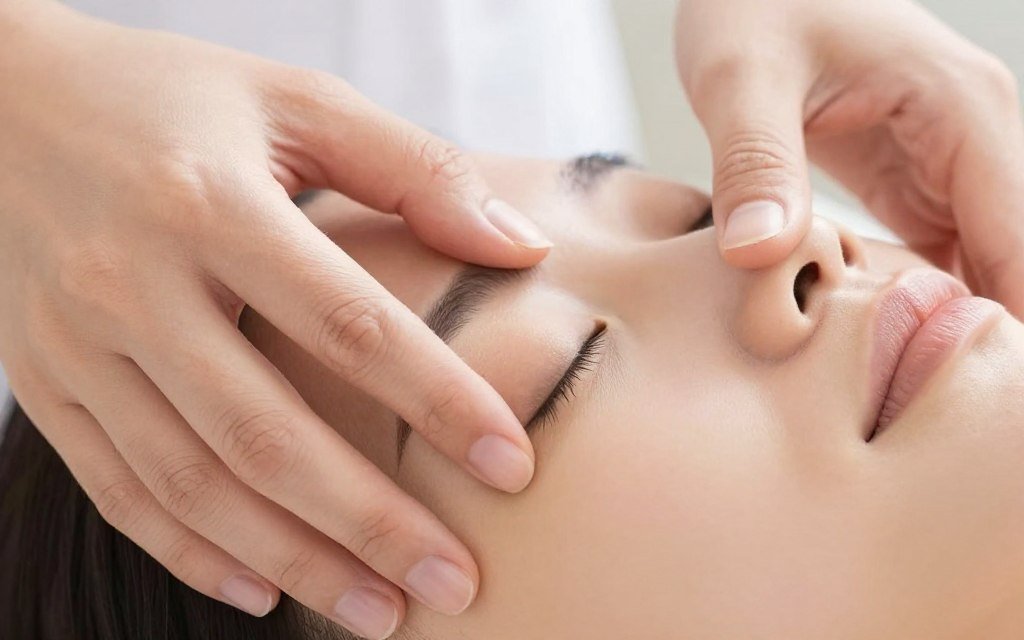
Acupressure represents an ancient healing practice that applies pressure to specific points on the body. Traditional Chinese medicine teaches that these points connect to energy pathways called meridians. Stimulating these points can influence organ function and overall health.
Several acupressure points surround the eyes and connect to organs that influence eye appearance. Practitioners who combine iridology with acupressure notice relationships between pressure point therapy and gradual iris changes over time.
How Acupressure May Influence Iris Appearance
Acupressure affects the body through several mechanisms. It improves blood circulation to treated areas, stimulates nerve pathways, reduces inflammation, and promotes lymphatic drainage. These effects can influence the factors that create visible changes in the iris.
When someone receives regular acupressure treatment, improved circulation may reduce congestion that shows as color overlays in the iris. Better lymphatic flow can decrease inflammation markers. Enhanced organ function might reduce stress indicators visible in corresponding iris zones.
The liver meridian, for instance, has points near the eyes. Regular stimulation of these points may support liver function. Over time, this could reduce the orange or yellow pigments in the iris that indicate liver stress. Similar connections exist for other organs and their corresponding eye zones.
Acupressure Points That Affect Eye Health

Key Points for Eye and Body Health
- BL1 (Jingming) – inner corner of eye, clears vision and reduces eye strain
- BL2 (Zanzhu) – inner edge of eyebrow, relieves headaches and eye problems
- GB1 (Tongziliao) – outer corner of eye, benefits vision and reduces tension
- ST1 (Chengqi) – below pupil on orbital bone, improves eye circulation
- Yintang (Third Eye) – between eyebrows, calms mind and reduces stress
- LV3 (Taichong) – top of foot, major liver point affecting eye health
Regular stimulation of these points through gentle pressure may support the organs they connect to. Practitioners often combine acupressure with lifestyle changes and nutrition to address root causes of health issues reflected in the iris.
Clinical Observations of Combined Practices
Some health practitioners who use both iridology and acupressure report observing gradual iris changes in clients receiving consistent treatment. These changes typically occur over months, not days or weeks.
A person with yellow overlays in the liver zone might see gradual fading after several months of liver-supporting acupressure, diet changes, and lifestyle modifications. Someone with white inflammation markers may notice these areas becoming less prominent as acupressure reduces underlying inflammation.
These observations remain anecdotal within alternative medicine practice. Traditional medical research has not extensively studied this connection. However, many practitioners find value in tracking iris changes as one indicator among several when assessing treatment effectiveness.
Specific Color Indicators in Professional Iridology Practice

Professional iridologists learn to recognize dozens of specific color patterns. Each pattern provides information about particular body systems. Understanding these details helps practitioners create accurate assessments.
Orange Color in Iridology Evaluación
Orange pigmentation in the iris carries specific meaning in iridology practice. When practitioners observe iridología color naranja patterns, they typically interpret this as indicating pancreatic stress, blood sugar irregularities, or digestive enzyme problems.
The orange color often appears in the pancreas zone of the iris, located in specific positions on the iris chart. This area sits in the outer ring at particular clock positions depending on which eye is being examined. Right eye and left eye have different organ mappings.
People showing orange pigmentation may benefit from dietary changes supporting blood sugar balance. Practitioners often recommend reducing refined sugars, eating regular meals with protein, and adding foods that support pancreatic function. Monitoring these iris areas over time can indicate whether interventions are working.
Yellow in Eye Color and What It Means
Iridología amarilla en color de ojos. typically indicates chronic inflammation or lymphatic congestion. Unlike the white color that suggests acute inflammation, yellow shows longer-term issues requiring sustained attention.
Yellow areas in the iris may point to toxin accumulation in the corresponding organ. The body stores toxins it cannot eliminate efficiently. These accumulations can create yellow or yellow-green overlays in specific iris zones. Practitioners use this information to recommend detoxification support and drainage pathways.
The intensity and location of yellow coloring guide treatment approaches. Pale yellow suggests mild, recent issues. Deep, saturated yellow indicates longer-standing problems requiring comprehensive intervention. Combining this color information with other iris signs creates a complete picture.
White and Light Colors in Iris Analysis
White or very light areas in the iris signal acute inflammation. This coloring appears when the body actively fights a problem in the corresponding organ or tissue. Unlike chronic indicators, white shows current, active issues.
Practitioners viewing white overlays know that immediate intervention may help. These acute markers can change relatively quickly with proper support. As inflammation resolves, the white area may fade or shift to yellow before eventually clearing.
White can also appear as specific structures called stress rings. These circular lines indicate nervous system tension and adrenal stress. Their number, depth, and completeness around the iris provide information about stress levels and nervous system health.
Consejo profesional: Color assessment works best with proper lighting and high-quality imaging. Professional iridology cameras capture fine details that standard photography misses. The equipment quality directly affects analysis accuracy.
Dark Spots and Pigmentation
Dark brown or black spots in the iris indicate areas of reduced nerve supply or chronic weakness. Bernard Jensen taught that these spots, called “defect signs,” show inherited or acquired weaknesses in corresponding body areas.
A dark spot in the heart zone doesn’t necessarily mean heart disease. It suggests that area has less resilience and may need extra support through lifestyle choices. People with these markers benefit from knowing their potential weak points and taking preventive action.
Some dark pigmentation comes from toxin deposits, particularly heavy metals. These appear as small, scattered dark flecks rather than defined spots. Practitioners may recommend specific detoxification protocols when they observe this pattern.

Iridología Jensen: Understanding Eye Color Changes Over Time

Bernard Jensen devoted his life to developing iridology in North America. His work on jensen iridology what does changing eye color mean formed the basis for how modern practitioners interpret iris changes.
Jensen’s Teachings on Color Change
Jensen observed thousands of iris photographs throughout his career. He documented how iris appearance changed as people improved their health through natural methods. His work showed that iris changes happen slowly but measurably.
According to Jensen, truly changing your base eye color remains impossible. The genetic color you’re born with stays constant. However, the overlays, shadows, and secondary colors that appear due to health conditions can change. These modifications reflect improving or declining health in specific body areas.
Jensen taught that iris changes follow specific patterns. As health improves, dark areas may lighten, white inflammatory markers fade to yellow and then clear, and overall iris fiber structure becomes more organized and visible. Declining health shows the opposite progression.
Documented Cases of Iris Changes
Jensen and his students documented many cases with before-and-after iris photographs. These case studies showed visible differences after months or years of dedicated health improvement efforts.
One common observation involved the “healing line” o “scurf rim” – a dark ring around the outer edge of the iris. This ring indicates skin and elimination problems. Jensen documented cases where this ring gradually lightened as people improved their diet and increased elimination through the skin and bowels.
Another frequent documentation involved the clearing of yellow or brown overlays in the liver and digestive zones. People who followed liver-supporting protocols and improved their digestion often showed gradual lightening of these areas over 12 to 18 months.
Realistic Expectations for Color Changes
Modern iridologists following Jensen’s work emphasize realistic expectations. Despite claims about iridología cómo cambiar el color de ojos, the practice doesn’t aim to alter your genetic iris color. Instead, it tracks health-related color changes that may occur naturally with improved wellness.
Significant iris changes typically require six months to two years of consistent health improvement efforts. Small changes may appear sooner, but dramatic transformations take time. The iris reflects long-term health patterns, not quick fixes.
- Acute white inflammation can fade within weeks to months as conditions improve
- Chronic yellow overlays typically require 6-12 months of consistent support to lighten
- Dark spots indicating inherited weakness rarely change significantly
- Stress rings may reduce in number or intensity with sustained stress management
- Overall iris clarity and fiber definition can improve with comprehensive health restoration
Practitioners photograph irises at the beginning of treatment and at intervals throughout. Comparing these images over time provides objective evidence of changes that might otherwise go unnoticed.
Iridología Cambio de color de ojos in Feline and Animal Health

Iridology principles apply beyond human health. Veterinarians and animal health practitioners use iris examination to assess pets, particularly cats and horses. Iridology eye color change feline assessment follows similar principles adapted for animal anatomy.
Feline Iris Analysis
Cats provide excellent subjects for iridology study. Their large eyes and prominent iris structures make observation relatively easy. Feline eye colors range from yellow and gold to green, blue, and copper. Each color relates to breed characteristics and health patterns.
Veterinary iridologists watch for changes in cat eye color that may indicate health problems. A cat’s iris that develops darker spots might signal liver issues or toxin exposure. Lightening or clouding of iris color can indicate developing eye problems or systemic illness.
Changes in feline iris appearance require veterinary attention. While some color shifts relate to aging, others signal treatable conditions. Early detection through iris observation can help catch problems before they become serious.
Practical Veterinary Applications
Some holistic veterinarians incorporate iris assessment into routine examinations. They photograph animal eyes during wellness visits to establish baseline images. Future comparisons help identify subtle changes that physical exams might miss.
Practitioners report that iris changes in animals often appear more quickly than in humans. A cat with kidney problems might show iris changes within weeks rather than months. This faster response may relate to animals’ shorter lifespans and different metabolic rates.
Horse owners and trainers also use basic iridology principles. Equine eyes show stress rings, color variations, and structural changes that relate to overall health. Professional equine photographers can capture detailed iris images for baseline documentation.
Importante: Iris examination in animals should never replace proper veterinary care. Use it as a complementary observation tool while ensuring your animals receive professional medical attention when needed.
Iridología Colorado and Regional Practice Variations

Different regions develop unique approaches to holistic health practices. Iridología Colorado practitioners often integrate this assessment method with other natural therapies common in the region. Colorado’s strong natural health community has fostered innovation in complementary medicine.
Regional Practice Integration
Colorado hosts numerous naturopathic clinics, wellness centers, and holistic health schools. Many of these facilities incorporate iridology into comprehensive health assessments. The practice often combines with nutrition counseling, herbal medicine, and bodywork.
Practitioners in Colorado typically take a whole-person approach. They use iridology findings as part of broader assessment rather than as standalone diagnosis. This integrated method respects both the information iris analysis provides and its limitations.
The state’s health-conscious population shows openness to alternative assessment methods. People seeking natural health solutions often request iris analysis as part of their initial consultation. This demand has encouraged practitioner training and equipment advancement.
Equipment and Technology Considerations
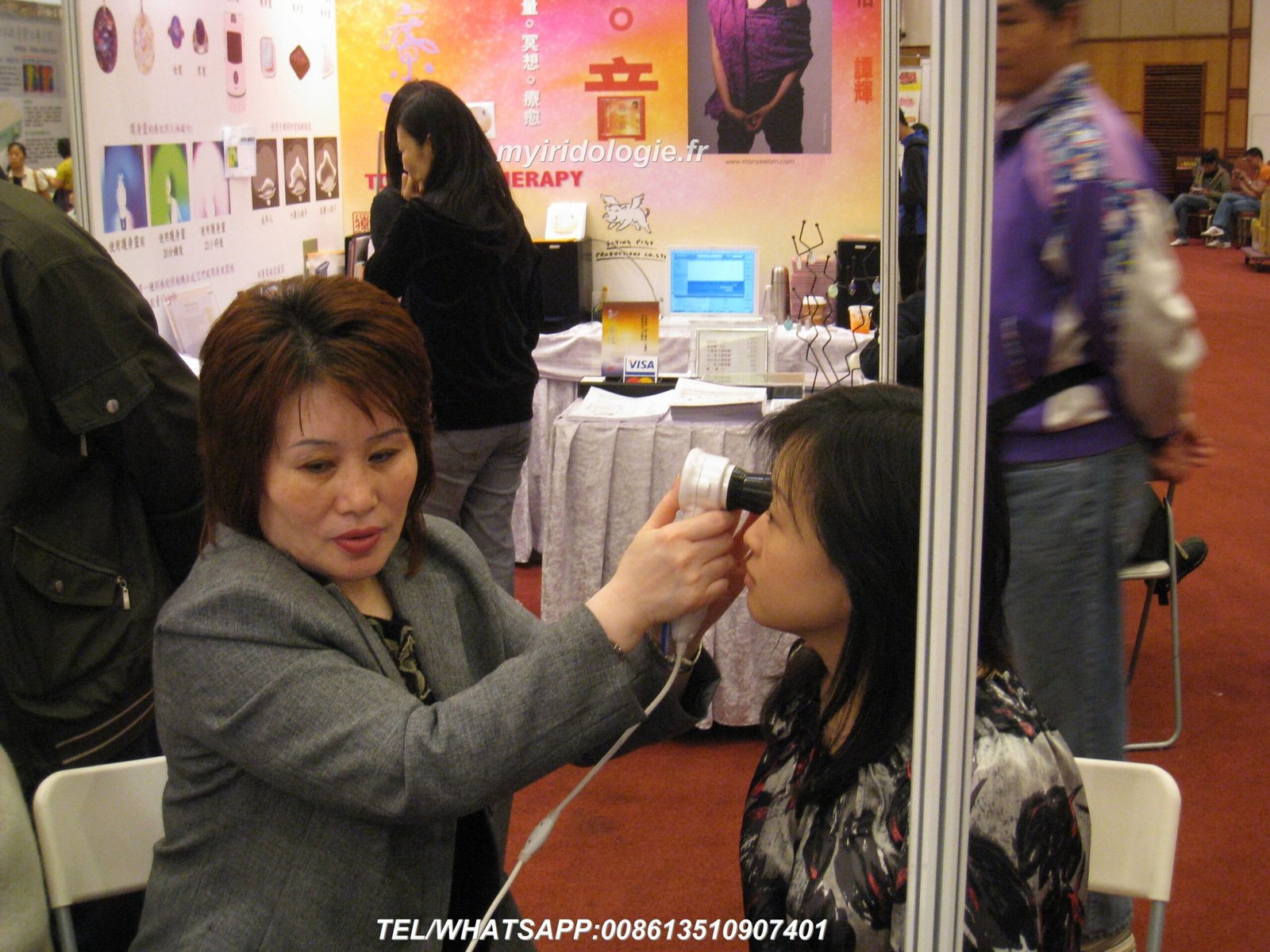
Professional iridology practice requires quality equipment that captures fine iris details. Standard cameras cannot provide the magnification and clarity needed for accurate analysis. Specialized iriscope devices and iridology cameras serve this purpose.
Modern iridology equipment includes high-resolution cameras, proper lighting systems, and analysis software. The technology has advanced significantly from the basic tools practitioners used decades ago. Digital photography allows for detailed documentation and comparison over time.
Professional practitioners need equipment that captures true iris colors without distortion. The quality of analysis depends directly on image quality. Software compatibility with both Windows and Mac operating systems increases accessibility for diverse practices.
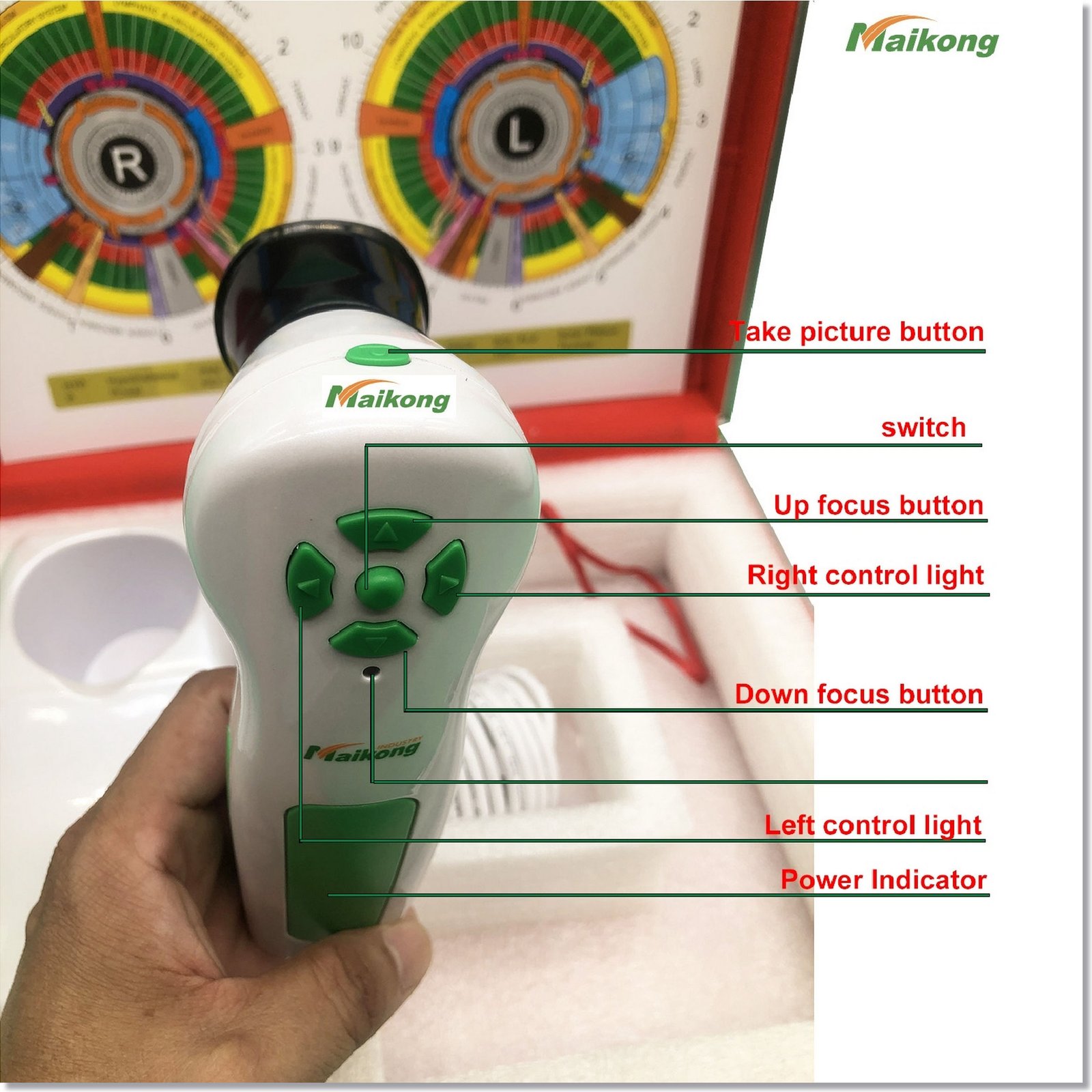
Equipment considerations matter particularly for practitioners establishing new wellness practices. Investment in reliable iridology cameras and software provides the foundation for consistent, accurate assessments. MAIKONG, as a manufacturer with over 20 years of experience, produces professional-grade iridology equipment including iriscope devices, cameras, charts, and software that supports both Windows and Mac OS systems – the first globally to offer this compatibility.
Aplicaciones prácticas de Cambio de color de iridología Análisis
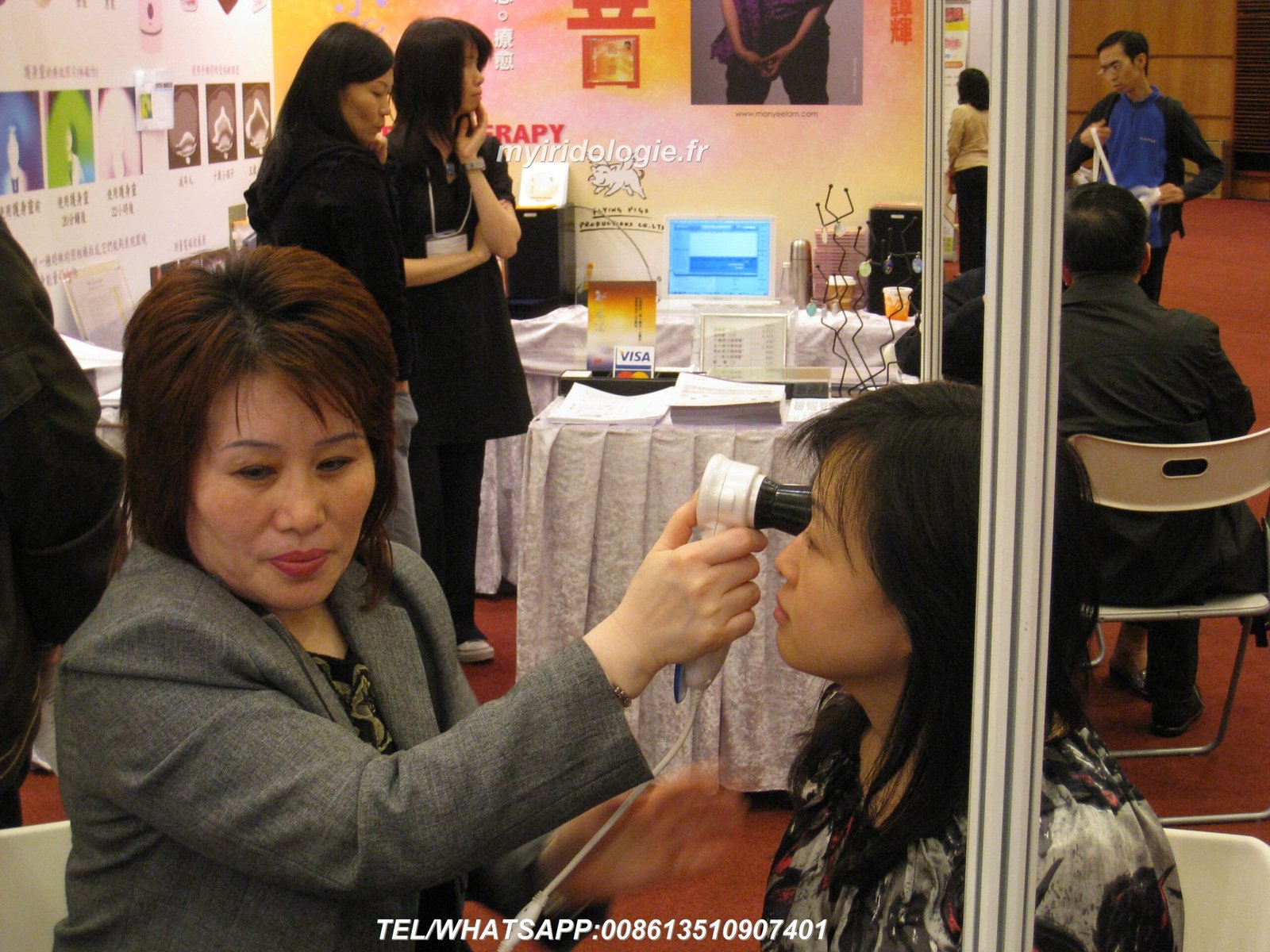
Understanding iris colors and changes provides practical benefits for health maintenance. Both practitioners and individuals can use this knowledge to make informed decisions about wellness approaches.
Para profesionales de la salud
Naturopaths, nutritionists, and holistic health providers use iridology as an assessment tool. The iris examination provides another data point alongside health history, symptoms, and other evaluations. This information helps create targeted wellness plans.
Practitioners document baseline iris appearance at the first visit. Regular follow-up photographs track changes over treatment periods. This visual documentation shows clients concrete evidence of health improvements they might not otherwise notice.
Iridology findings guide intervention choices. A client showing liver stress markers might receive liver-supporting herbs, dietary recommendations, and lifestyle modifications targeting that organ. Kidney zone problems suggest different approaches focused on urinary system support.
Integration with Treatment Plans
- Use iris assessment alongside conventional diagnostic methods, not as replacement
- Photograph irises every 3-6 months to track progress objectively
- Explain findings clearly to clients, emphasizing tendencies rather than diagnoses
- Combine iris information with symptoms, history, and other assessment tools
- Focus on root cause approaches addressing underlying patterns seen in the iris
- Document all findings and maintain organized image files for comparison
For Individuals Interested in Self-Assessment
People curious about their own eyes can learn basic iridology principles. While professional training produces the most accurate assessments, understanding fundamental concepts provides useful insights.
Look at your eyes in good, natural lighting using a magnifying mirror. Notice your base iris color, any obvious markings, the clarity of your iris fibers, and whether you see any distinct color variations in different zones. These observations can guide you toward lifestyle choices supporting your particular tendencies.
Someone with blue eyes and visible stress rings might focus extra attention on stress management and nervous system support. A person with orange pigmentation around the pancreas zone could emphasize blood sugar balance through regular meals and reduced refined sugar intake.
Limitations and Realistic Expectations
Iridology works best as part of comprehensive health assessment. It shows patterns and tendencies rather than specific diseases. The practice has limitations that honest practitioners acknowledge.
Iris examination cannot diagnose specific illnesses like diabetes, cancer, or heart disease. Medical testing remains necessary for disease diagnosis. Iridology identifies areas of weakness that may develop problems if not addressed through preventive care.
The iris reflects long-term health patterns. It won’t show acute illnesses like the flu or recent injuries. Think of it as showing your body’s underlying constitution and chronic stress patterns rather than current symptoms.
“The iris shows not what is wrong, but rather what is weak. It reveals the body’s Achilles heel – the areas most likely to develop problems without proper care.”
Supporting Eye and Whole Body Health Through Lifestyle

Regardless of your base eye color or current iris patterns, specific lifestyle choices support both eye health and the organs reflected in iris zones. These practices help address underlying issues that may show as color changes in iridology assessment.
Nutrition for Eye and Organ Health
Diet profoundly affects the health issues visible through iridology. Foods rich in specific nutrients support the organs connected to different iris zones. A comprehensive nutrition approach addresses multiple body systems simultaneously.
Antioxidants protect eye tissues from damage. Vitamins A, C, and E along with zinc support vision health directly. These same nutrients benefit the liver, immune system, and other organs that show stress patterns in the iris.
Foods for Different Constitution Types
Blue iris (lymphatic constitution) benefits from:
- Foods that reduce mucus – ginger, garlic, onions
- Lymph-supporting herbs – cleavers, red clover, calendula
- Alimentos antiinflamatorios – turmeric, omega-3 fatty acids, berries
- Hydrating vegetables – cucumber, celery, leafy greens
Brown Iris Nutritional Support
Brown iris (hematogenic constitution) benefits from:
- Liver-supporting foods – beets, artichokes, dandelion greens
- Blood-building nutrients – iron-rich foods, B vitamins, chlorophyll
- Digestive enzymes – pineapple, papaya, fermented foods
- Blood sugar balancing – protein with each meal, complex carbs, fiber
Lifestyle Practices That Show in the Iris
Several lifestyle factors directly affect iris appearance over time. Stress management, sleep quality, toxin exposure, and physical activity all influence the health patterns visible in the eye.
Chronic stress creates the stress rings that many people show in their irises. Managing stress through regular relaxation practices, adequate sleep, and balanced work-rest cycles can reduce these markers over time. The body needs consistent calm periods to repair and restore balance.
Toxin exposure shows as various color changes in the iris. Reducing exposure helps prevent further accumulation. This includes choosing organic foods when possible, using natural cleaning products, filtering drinking water, and avoiding unnecessary chemical exposures in personal care products.
Regular physical activity supports every organ system. Movement improves circulation, enhances lymphatic drainage, reduces inflammation, supports detoxification, and maintains healthy blood pressure. These benefits affect multiple iris indicators simultaneously.
Specific Support for Common Iris Findings
Different iris patterns call for targeted support. Matching lifestyle interventions to your specific iris findings creates efficient wellness strategies.
For White or Yellow Inflammation Markers
- Increase anti-inflammatory foods in your diet
- Consider herbs like turmeric, ginger, and boswellia
- Address underlying infections or chronic inflammation
- Support drainage pathways – lymphatic system, liver, kidneys
- Reduce inflammatory foods – refined sugars, processed oils, excessive alcohol
For Stress Rings and Nervous System Signs
- Prioritize quality sleep with consistent schedule
- Practice daily stress reduction – meditation, deep breathing, yoga
- Support adrenal health with adaptogenic herbs
- Balance blood sugar through regular, balanced meals
- Reduce caffeine and other stimulants
- Include B-complex vitamins and magnesium
For Orange or Liver Stress Indicators
- Support liver detoxification with milk thistle and dandelion
- Eat bitter foods that stimulate bile flow
- Reduce alcohol consumption significantly or eliminate
- Avoid unnecessary medications and supplements
- Stay well hydrated with pure water
- Include cruciferous vegetables regularly

Equipo profesional para precisión iridología Evaluación
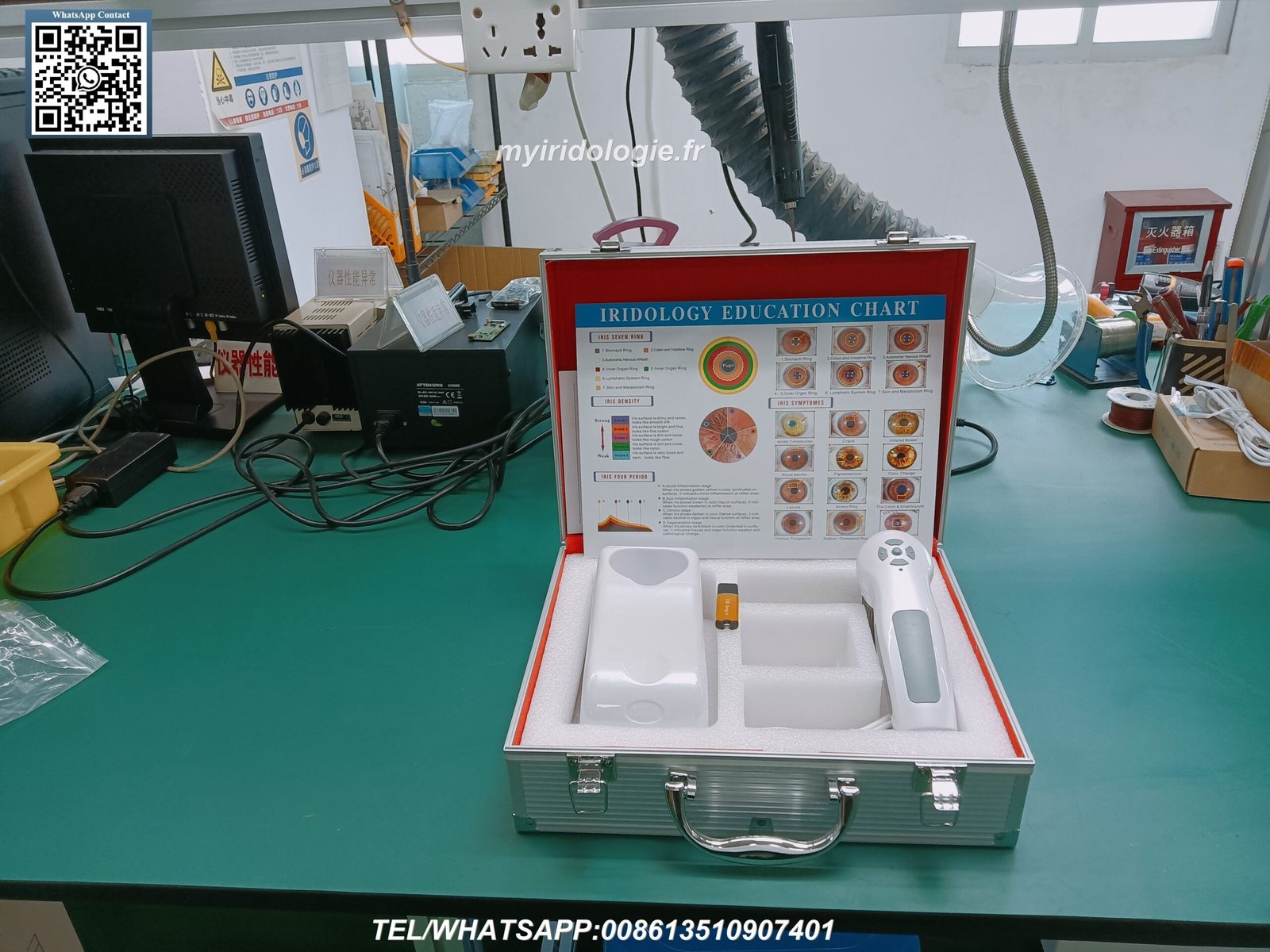
Accurate iridology practice depends on quality equipment that captures true iris colors and fine structural details. Standard photography equipment cannot provide the magnification and precision needed for professional assessment.
Essential Equipment Components
Professional iridology setups include several key components working together. The camera system captures high-resolution images. Specialized lighting prevents glare while illuminating iris details. Analysis software helps practitioners organize images and track changes over time.
The camera must provide sufficient magnification to see individual iris fibers, crypts, and small color variations. Resolution matters significantly – low-quality images miss subtle findings that inform accurate assessment. Professional iriscope devices integrate camera, lighting, and sometimes software into one unit.
Lighting presents particular challenges in iris photography. The iris sits behind the cornea, which reflects light. Standard flash photography creates glare that obscures iris details. Professional systems use LED ring lights or fiber optic illumination that minimizes reflection while providing even, bright lighting.
Software for Documentation and Analysis
Modern iridology practice uses software to manage client images, compare photos taken months apart, and reference iris charts during assessment. Quality software enhances practitioner efficiency and improves client education.
Key software features include organized image storage with client records, side-by-side comparison of images from different dates, overlay of iris charts on photographs, annotation tools for marking specific findings, and report generation for sharing findings with clients.
Operating system compatibility matters for practitioners. While most iridology software historically supported only Windows, some practitioners prefer Mac systems. Software that works on both platforms provides flexibility for diverse practice setups.
Technical Support Note: If you have technical questions about iridology equipment, imaging systems, or software compatibility, professional support helps ensure you get the right tools for your practice. WhatsApp technical assistance: +86-135-1090-7401
Investment Considerations for Practitioners
Equipment costs vary significantly based on quality and features. Entry-level systems might start around $1,000, while professional-grade setups can exceed $5,000. The investment should match your practice volume and professional needs.
Consider these factors when selecting equipment: image quality and resolution, ease of use during client sessions, software capabilities and updates, technical support availability, operating system compatibility, durability for daily professional use, and warranty coverage.
For practitioners establishing iridology services, starting with quality equipment prevents the need for costly upgrades later. Client confidence grows when they see clear, professional images that reveal the iris details you’re discussing.
Training and Certification for iridología Practicantes
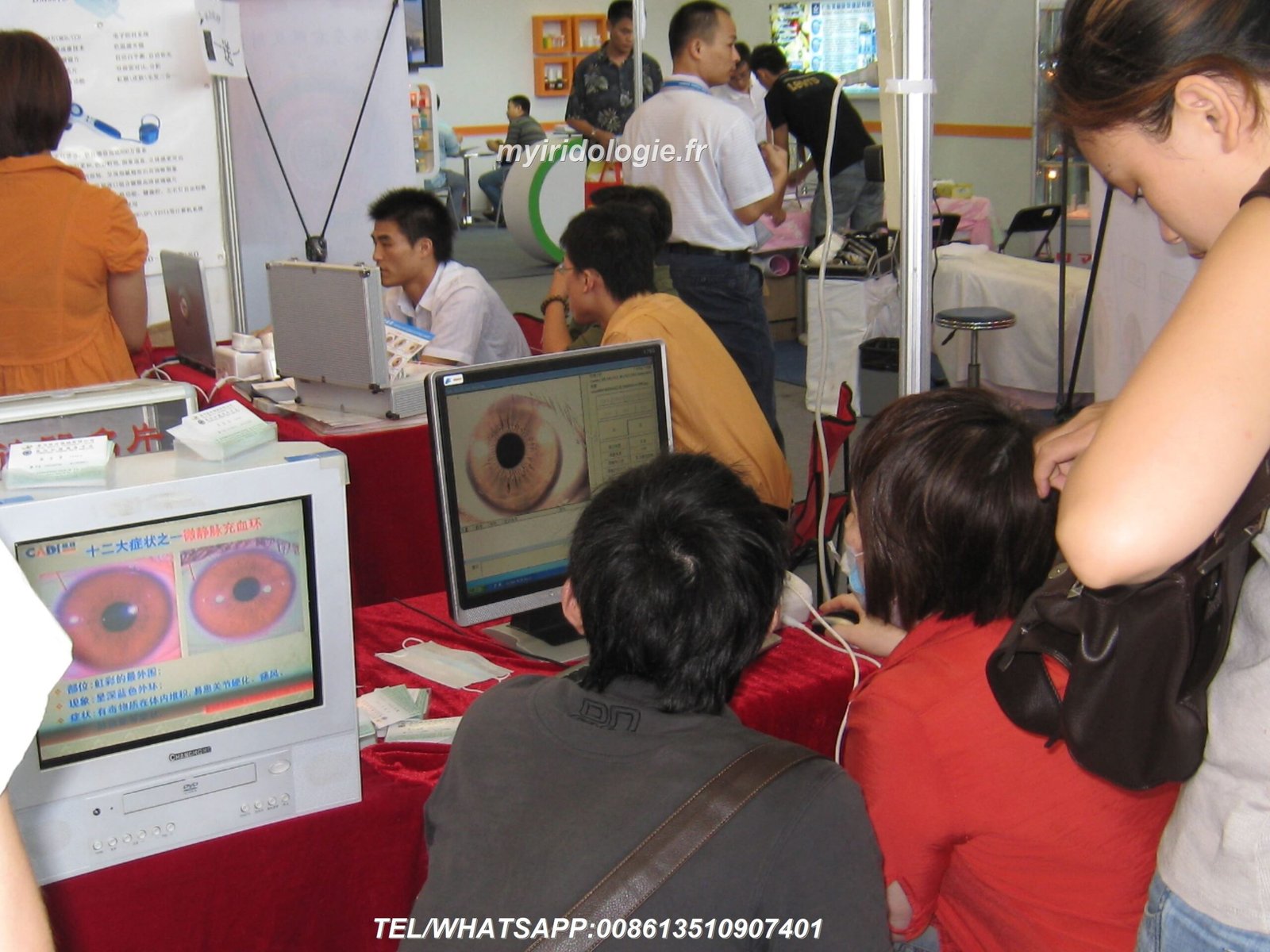
Becoming a skilled iridology practitioner requires comprehensive training beyond simply learning to recognize iris patterns. Quality education programs cover anatomy, physiology, nutrition, assessment skills, and ethical practice guidelines.
Educational Requirements
No universal licensing exists for iridology in the United States. Practitioners typically integrate iris analysis into existing health practices like naturopathy, nutrition counseling, or health coaching. Many states regulate health advice and require appropriate credentials for providing wellness guidance.
Responsible practitioners complete formal iridology training through recognized schools or certification programs. These programs typically include 40-200 hours of study covering iris anatomy and embryology, detailed iris chart mapping, constitution types and their characteristics, pattern recognition and interpretation, nutrition and lifestyle recommendations, ethics and scope of practice, and hands-on assessment practice with supervision.
Several organizations offer iridology certification after completing training requirements. The International Iridology Practitioners Association (IIPA) and similar groups provide certification programs with examination requirements. Certification demonstrates professional commitment and standardized training to clients.
Educación continua
Iridology continues evolving as practitioners share observations and refine assessment methods. Experienced iridologists attend workshops, conferences, and advanced training to expand their knowledge and stay current with new developments in the field.
Advanced training might cover specialized assessment techniques, integration with other modalities, case study analysis from experienced practitioners, new research and documentation methods, and business practices for holistic health professionals.
Directrices de práctica ética
Responsible iridology practitioners follow ethical guidelines that protect clients and maintain professional integrity. These standards include working within scope of practice, never diagnosing disease, always referring to medical doctors when appropriate, keeping accurate records, maintaining client confidentiality, and continuing professional development.
Practitioners should clearly explain that iridology identifies patterns and tendencies, not specific diseases. Clients should understand they’re receiving health education and lifestyle guidance, not medical diagnosis or treatment. This transparency builds trust and prevents misunderstandings.
Research and Evidence in Iridology Practice
The scientific community has studied iridology with mixed results. Understanding both supporting research and critical studies helps practitioners and clients make informed decisions about using this assessment tool.
Supporting Studies and Observations
Several studies have documented correlations between iris patterns and health conditions. Research has found connections between specific iris markings and certain genetic disorders, relationships between iris signs and cardiovascular risk factors, and correlations between constitution types and disease susceptibility patterns.
A large body of clinical observation from experienced practitioners supports iridology’s utility. Practitioners like Bernard Jensen documented thousands of cases showing iris changes corresponding with health improvements. While these case studies don’t meet rigorous scientific standards, they provide valuable real-world data.
Some research supports connections between eye appearance and systemic health. Studies show that certain eye changes correlate with diseases like diabetes, high blood pressure, and cholesterol problems. These findings align with some iridology principles, though mainstream medicine interprets them differently.
Critical Studies and Limitations
Several controlled studies have failed to demonstrate that iridologists can accurately identify specific diseases from iris photographs. A notable study in the Journal of the American Medical Association (JAMA) found that iridologists could not reliably distinguish kidney disease patients from healthy controls using iris images alone.
These studies highlight important limitations. Iridology may not work as a diagnostic tool for specific diseases. The practice shows better results identifying general constitutional patterns and tendencies rather than pinpointing particular illnesses. Critics argue the lack of standardized interpretation reduces reliability.
The research limitations don’t necessarily invalidate all iridology applications. They suggest that practitioners should use iris assessment appropriately – as one tool among many for identifying health patterns, not as a standalone diagnostic method for diseases.
Current Status and Future Directions
Iridology remains primarily within complementary and alternative medicine. Mainstream healthcare generally does not incorporate iris analysis into standard practice. However, interest continues among holistic practitioners who find value in the comprehensive assessment approach.
Future research might benefit from advanced imaging technology that captures iris details more precisely. Artificial intelligence could potentially identify patterns humans miss. These technological advances may provide new insights into correlations between iris appearance and health.
For now, responsible practitioners present iridology honestly – as an assessment method with historical use and clinical observation support, but limited conventional scientific validation. They combine iris findings with evidence-based approaches for the most effective client care.
Preguntas frecuentes sobre Iridology and Eye Color Change
Poder iridología really change my eye color?
No, iridology cannot change your genetic base eye color. The practice observes color changes that happen naturally as health improves or declines. Blue eyes remain blue, brown eyes stay brown. However, color overlays caused by inflammation or health issues can fade with proper care, making eyes appear clearer or slightly different in tone. True eye color change would require genetic modification, which isn’t possible through health practices.
How long does it take to see eye color changes with iridology methods?
Visible iris changes typically require six months to two years of consistent health improvements. The iris reflects long-term health patterns, not quick fixes. Acute white inflammation markers might fade within weeks to months. Chronic yellow overlays usually need 6-12 months of dedicated support. Dark inherited markings rarely change significantly. Regular progress photos every 3-6 months help track gradual changes that might otherwise go unnoticed.
¿Qué hace? orange color in iridology ¿indicar?
Orange pigmentation in the iris typically indicates pancreatic stress, blood sugar irregularities, or digestive enzyme problems. This color often appears in the pancreas zone of the iris at specific chart positions. People showing orange pigmentation may benefit from dietary changes supporting blood sugar balance – reducing refined sugars, eating regular protein-containing meals, and adding foods that support pancreatic function. Monitoring these areas over time indicates whether interventions work effectively.
Es iridología científicamente probado?
Iridology has mixed scientific support. Some studies show correlations between iris patterns and health conditions, while controlled studies have failed to demonstrate that practitioners can accurately diagnose specific diseases from iris images alone. The practice works better for identifying general constitutional patterns and tendencies rather than diagnosing particular illnesses. Responsible practitioners use iris assessment as one tool among many, not as standalone diagnosis. They combine it with conventional health evaluations for comprehensive care.
Can acupressure change eye color as shown in iridología?
Acupressure doesn’t directly change eye color, but it may influence health factors that affect iris appearance over time. Regular acupressure treatment can improve circulation, reduce inflammation, and support organ function. These effects might reduce color overlays in the iris that indicate health problems. The changes occur gradually over months as overall health improves, not as immediate results from pressure point stimulation. Acupressure works best combined with nutrition and lifestyle changes addressing root health issues.
What’s the difference between blue, brown, and green eyes in iridología?
Blue eyes indicate lymphatic constitution with higher sensitivity to environmental factors and tendencies toward mucous membrane and respiratory issues. Brown eyes suggest hematogenic constitution relating to blood quality, with connections to liver, blood sugar, and digestive patterns. Green eyes represent mixed constitution combining both blue and brown characteristics. People with green eyes may experience health issues related to both constitution types. The specific shade and pigmentation patterns provide additional assessment information for practitioners.
¿Qué hace? yellow in eye color mean for my health?
Yellow areas in the iris typically indicate chronic inflammation or lymphatic congestion in corresponding body areas. Unlike white color suggesting acute inflammation, yellow shows longer-term issues requiring sustained attention. Yellow may point to toxin accumulation the body cannot eliminate efficiently. The intensity and location guide treatment approaches – pale yellow suggests mild recent issues, while deep saturated yellow indicates longer-standing problems requiring comprehensive intervention. Practitioners use this information to recommend appropriate detoxification and drainage support.
Do I need special equipment to practice iridología?
Yes, professional iridology requires specialized equipment. Standard cameras cannot provide needed magnification and precision. Professional setups include high-resolution cameras with proper magnification, specialized LED or fiber optic lighting systems that minimize glare, and analysis software for organizing images and tracking changes. Quality equipment investment ensures accurate assessments and professional documentation. Image quality directly affects analysis accuracy, making equipment choice important for serious practitioners.
Key Takeaways on Iridología y acupresión Cambio de color de ojos

Understanding eye color changes through iridology provides valuable insights into health patterns and body tendencies. The practice offers a unique window into constitutional strengths and weaknesses that guide preventive care and lifestyle choices.
While your genetic eye color remains constant, the overlays, shadows, and secondary colors that develop due to health conditions can change over time. These modifications reflect improving or declining wellness in specific body areas. Tracking these changes helps both practitioners and individuals monitor health progress.
Acupressure and other natural therapies may influence the health factors that show as iris changes. Improved circulation, reduced inflammation, and better organ function can gradually alter iris appearance over months of consistent care. This process requires patience and comprehensive lifestyle approaches rather than quick fixes.
Professional iridology practice requires proper training, quality equipment, and ethical boundaries. Responsible practitioners use iris assessment alongside other evaluation methods, never as standalone diagnosis. They understand both the value and limitations of this complementary health tool.
The most important principle remains that iris examination reveals tendencies and patterns, not specific diseases. This information guides prevention and wellness optimization. Combined with conventional healthcare when needed, iridology contributes to comprehensive understanding of individual health needs.
Whether you’re a health practitioner exploring assessment tools or someone curious about what your eyes reveal, iridology offers fascinating insights into the body-mind connection. Your eyes tell a story worth reading carefully.
Professional Resources and Equipment for iridología Practicantes
Professional Iridology Equipment and Distributor Opportunities
MAIKONG is a factory manufacturer with over 20 years of experience producing professional iridology equipment including iriscope devices, iridology cameras, iriscopio, iridology charts, and iridology software. Our software is the world’s first to support both Windows (7/8/10/11) and Apple Mac OS, providing unprecedented flexibility for practitioners worldwide.
We offer competitive factory-direct pricing, comprehensive technical support in multiple languages, software and appearance customization options, and strong profit margins for distributors. Our equipment provides the image quality and reliability serious practitioners need for accurate assessments.
Why Choose MAIKONG Equipment
- Factory direct pricing eliminates middleman costs
- Mac OS compatibility unique in the industry
- Technical support via WhatsApp in your language
- Custom branding options for distributors
- Proven reliability over 20+ years manufacturing
- Comprehensive training resources included
- Strong margins support your business growth
Additional Professional Resources
Equipment Information
Explore our complete line of professional iridology equipment designed for accurate color analysis and detailed iris assessment.
Recursos educativos
Access comprehensive guides and charts to support your iridology practice and continuing education.
Company Information
Learn about our manufacturing capabilities, certifications, and commitment to supporting practitioners worldwide.
Contact Our Professional Support Team
For technical questions about equipment, software compatibility, or distributor opportunities, our team provides comprehensive support:
Soporte Técnico WhatsApp: +86-135-1090-7401
Correo electrónico: Lucy@iriscope.org
Sitio web: iriscope.org
Contact Page: Ponte en contacto
Specialized Iridology Topics
For practitioners seeking to deepen their knowledge, explore these specialized topics:
- Comprehensive Iridology Overview – Complete guide to iridology principles and practice
- Iris Diagnosis Methods – Detailed assessment techniques for practitioners
- Bernard Jensen’s Teachings – Historical foundations and methodology
- Stress Rings Analysis – Understanding nervous system indicators
- Becoming an Iridologist – Professional development and training paths
- Certification Guide – Steps to professional certification
Professional iridology practice combines traditional observation skills with modern technology. Quality equipment enables the detailed color analysis and documentation necessary for tracking the subtle eye color changes this article describes. Whether you’re establishing a new practice or upgrading existing equipment, choosing reliable tools from experienced manufacturers supports accurate assessment and confident practice.