


Categorías
- iridología (226)
- Lectura ocular (24)
- software QR (15)
- Blog (311)
- Ilustración de iridología (35)
- curso en línea de iridología (54)
- iridología (59)
- Exhibición (2)
- Noticias (430)
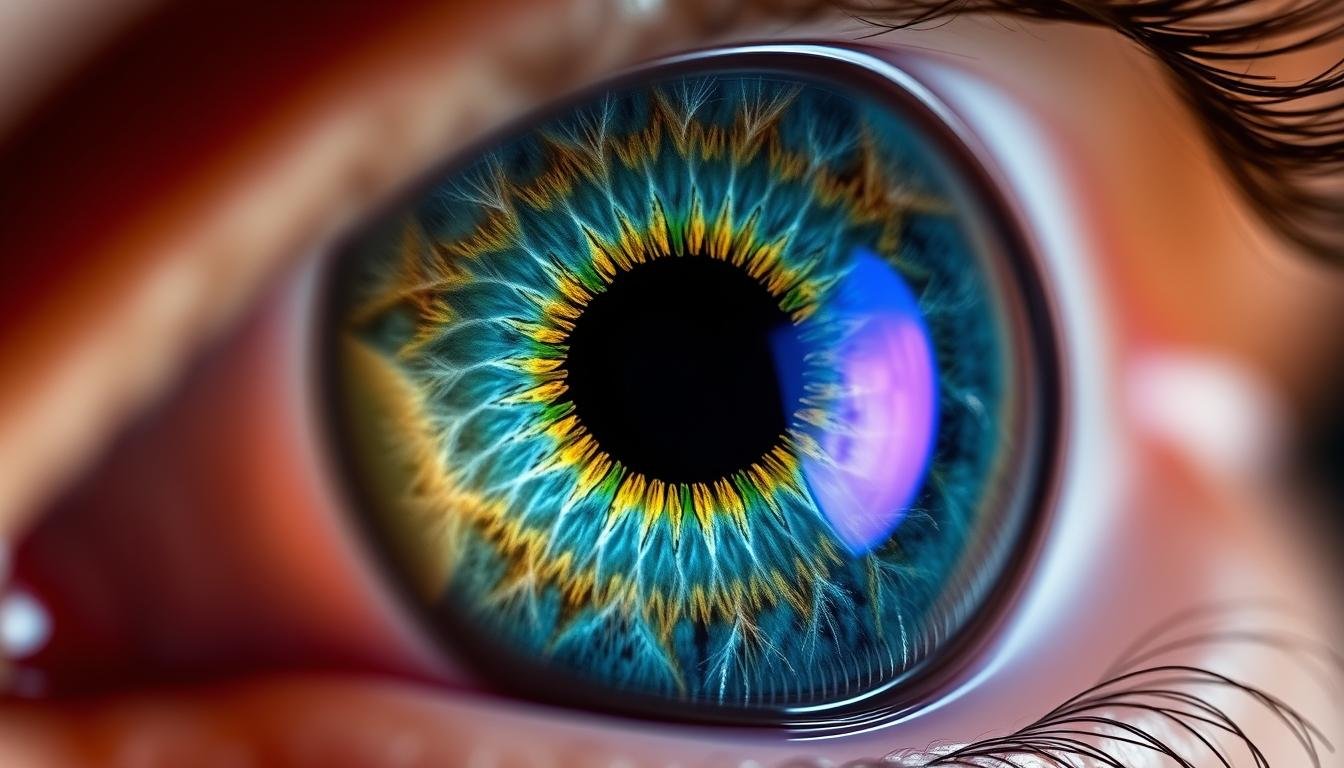
La iridología es una práctica holística que implica analizar patrones, colores y otras características del iris para evaluar la salud general de una persona. Los profesionales, conocidos como iridólogos, creen que cada área del iris corresponde a diferentes órganos y sistemas dentro del cuerpo, creando un mapa que puede revelar posibles desequilibrios de salud.
El concepto se basa en la teoría de que el iris se conecta con todos los órganos y tejidos a través del sistema nervioso y muestra cambios en estos tejidos a través de impulsos nerviosos que afectan las fibras del iris. Estos cambios supuestamente se manifiestan como marcas, manchas, decoloraciones o alteraciones estructurales en el iris.
Si bien algunos afirman que las formas de análisis del iris se remontan a miles de años en el antiguo Egipto, China y la India, la iridología moderna a menudo se atribuye a Ignatz von Peczely, un médico húngaro del siglo XIX. Según cuenta la historia, von Peczely notó cambios en el iris de un búho después de que el pájaro sufriera una fractura en una pata. Esta observación despertó su interés en la conexión entre las marcas del iris y la salud física.
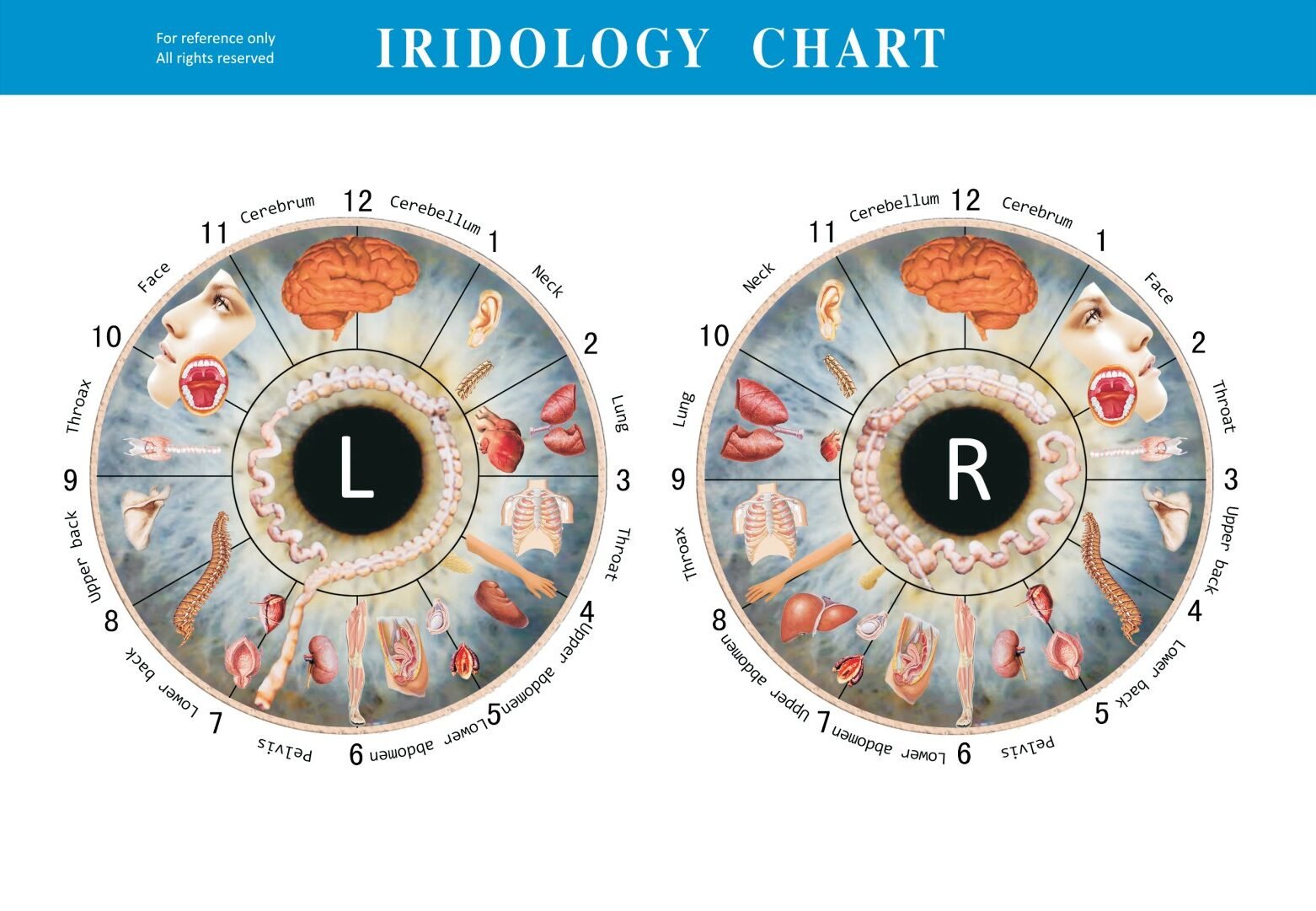
En 1881, von Peczely publicó su primer gráfico del iris, mapeando varias regiones del iris con las partes correspondientes del cuerpo. Más tarde, en la década de 1950, el quiropráctico estadounidense Bernard Jensen desarrolló aún más estos conceptos y creó un cuadro de iridología más detallado que muchos profesionales todavía utilizan en la actualidad.


Durante una sesión de iridología, un médico examina el iris utilizando un equipo especializado. El proceso normalmente implica los siguientes pasos:
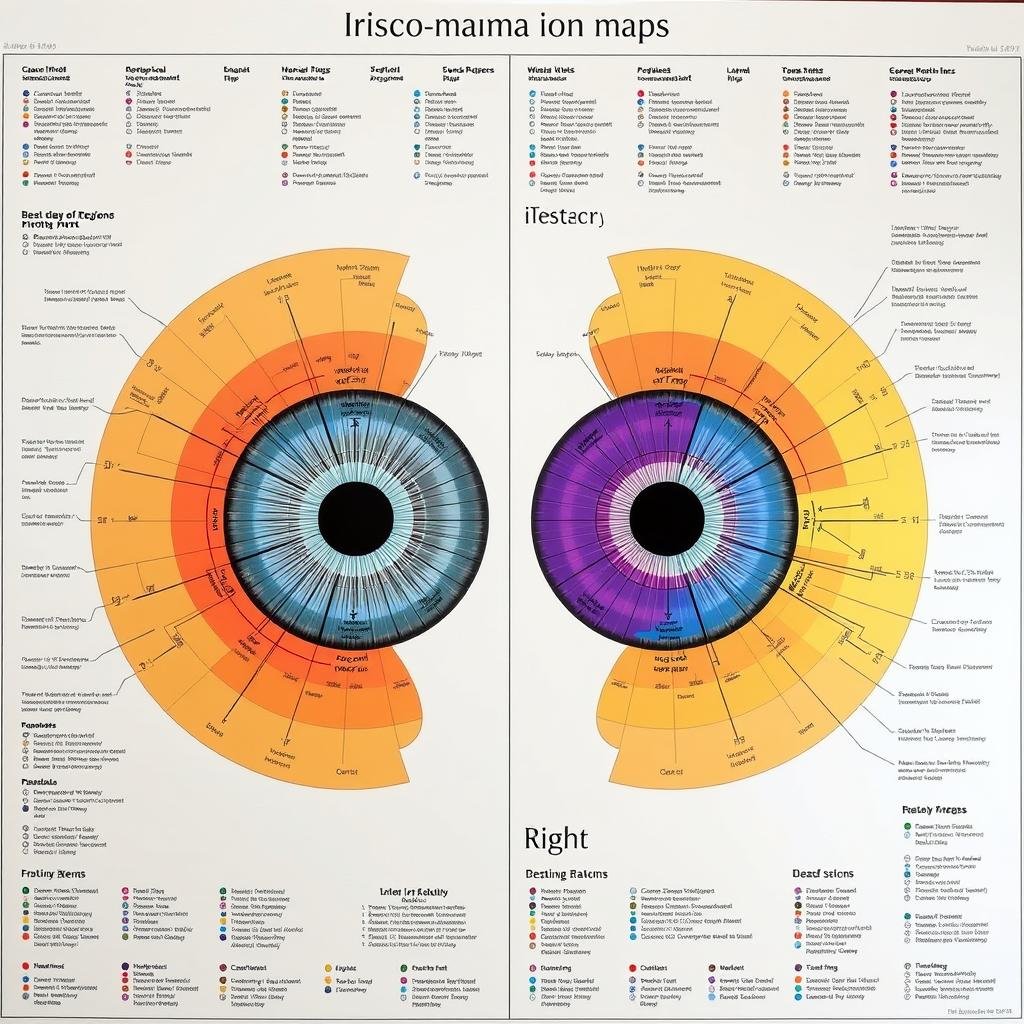
La base de la iridología es la carta del iris, un mapa detallado que divide el iris en zonas que corresponden a diferentes partes del cuerpo. Estos gráficos suelen dividir cada iris en 60 sectores dispuestos en círculos concéntricos. Las zonas más cercanas a la pupila generalmente representan órganos internos, mientras que las zonas externas corresponden a piel, músculos y estructuras esqueléticas.

Los iridólogos utilizan varias herramientas para realizar sus exámenes:
Si bien la iridología ofrece una perspectiva alternativa, los exámenes oculares integrales brindan información médicamente validada sobre la salud ocular.
Obtenga más información sobre los exámenes oculares completos
Los defensores de la iridología creen que esta práctica ofrece varias ventajas como herramienta de diagnóstico. En lugar de centrarse en tratar los síntomas, los iridólogos afirman identificar problemas de salud subyacentes antes de que se manifiesten como síntomas perceptibles, lo que potencialmente permite una intervención más temprana.
Durante un examen, los iridólogos analizan varias características del iris para evaluar el estado de salud:
Se cree que los diferentes colores del iris y patrones de pigmentación indican diversos tipos constitucionales y posibles tendencias de salud.
La disposición de fibras, anillos y otros elementos estructurales supuestamente revela información sobre predisposiciones genéticas y rasgos heredados.
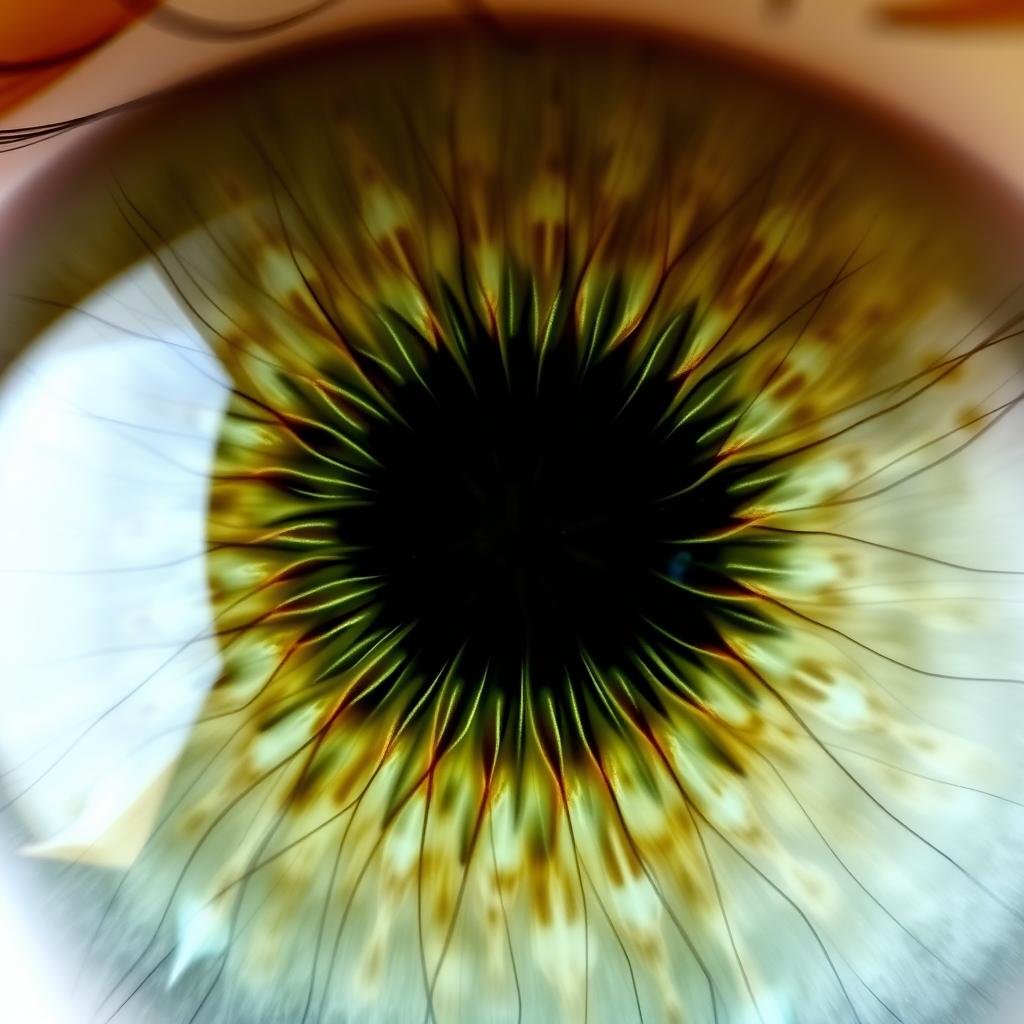
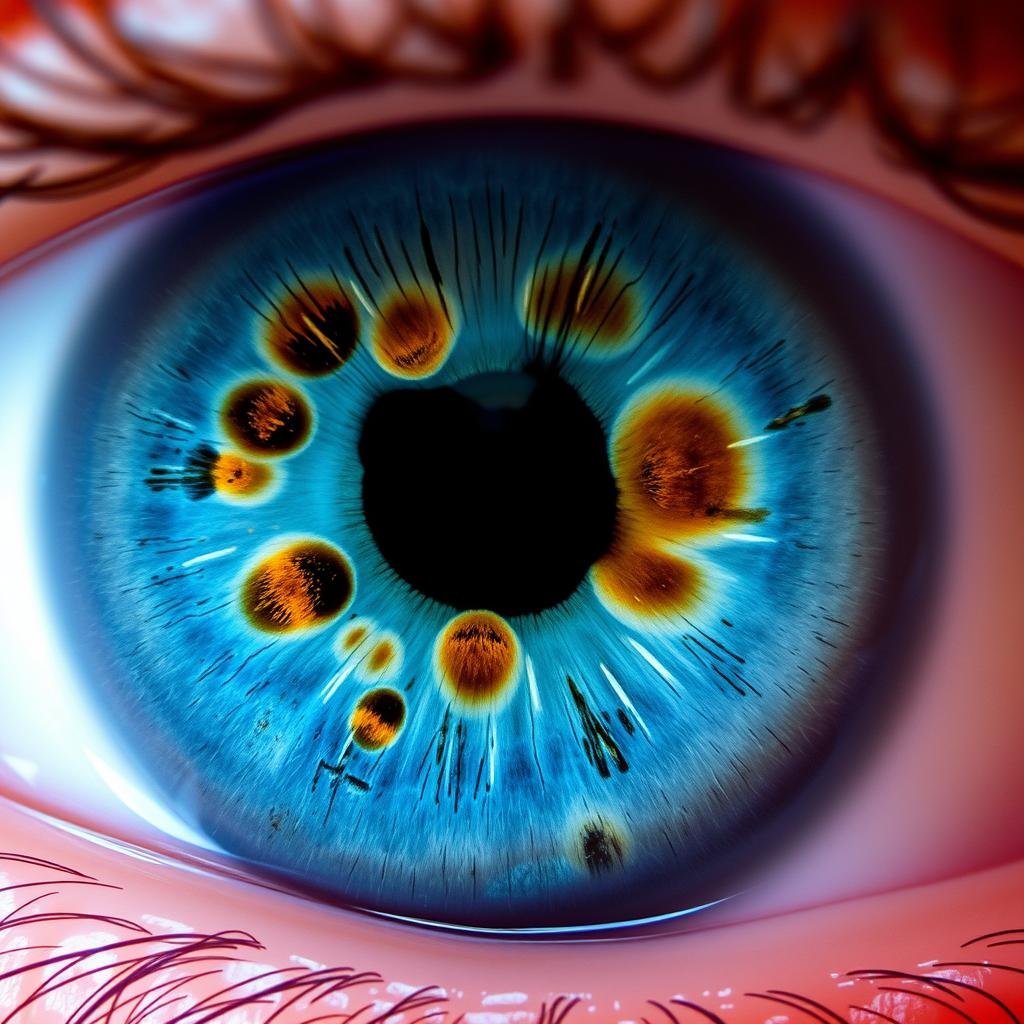
Las manchas, nubes, lesiones y otras marcas se interpretan como signos de condiciones de salud específicas o áreas de preocupación.
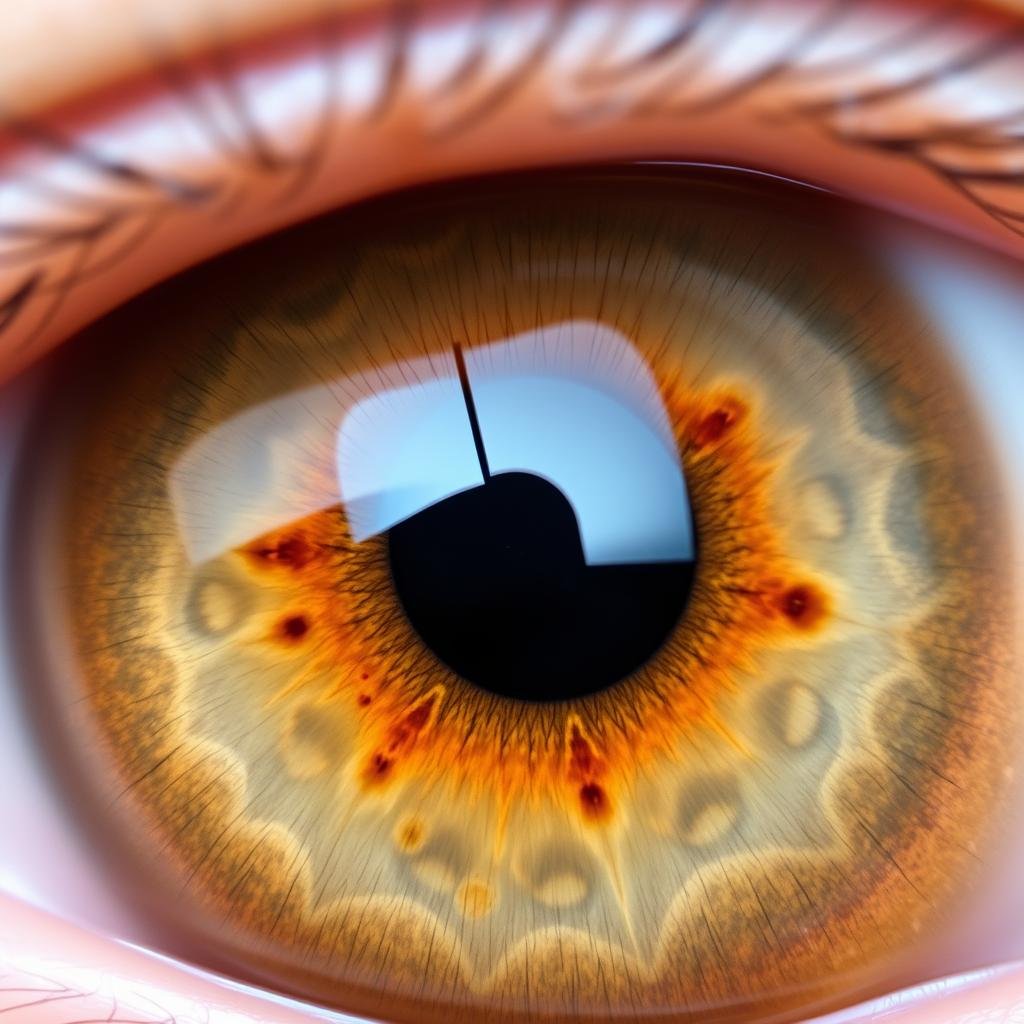
| Marcado de iris | Descripción | Interpretación de Iridología |
| Lagunas | Áreas cerradas y oscuras en las fibras del iris. | Puede indicar daño tisular o inflamación crónica en el órgano correspondiente. |
| Radio solar | Líneas en forma de radios que irradian desde la pupila. | Potencialmente indica toxicidad o irritación en órganos relacionados. |
| Manchas de pigmento | Manchas oscuras o motas en el iris. | Puede sugerir depósitos minerales o inflamación localizada. |
| Rosario linfático | Anillo circular blanco alrededor del borde exterior del iris. | Se cree que indica congestión del sistema linfático. |
| Anillos nerviosos | Anillos circulares alrededor del iris. | Puede sugerir tensión nerviosa o estrés. |
Los iridólogos afirman que pueden identificar diversas condiciones y tendencias de salud, que incluyen:

Si bien la iridología ofrece una perspectiva alternativa, consultar con profesionales calificados en atención oftalmológica garantiza que reciba atención basada en evidencia.
Encuentre un especialista en atención oftalmológica calificado
A pesar de su popularidad en algunos círculos de salud alternativos, la iridología enfrenta importantes críticas por parte de las principales comunidades médicas y científicas. Comprender ambos lados del debate es esencial para tomar decisiones informadas sobre esta práctica.
Múltiples estudios científicos han investigado las afirmaciones de la iridología y la mayoría ha encontrado poca o ninguna evidencia que respalde su validez diagnóstica:
“La iridología no tuvo capacidad clínica ni estadísticamente significativa para detectar la presencia de enfermedad renal. Además, los resultados no se vieron influenciados por el grado de enfermedad renal presente.… La iridología no era ni selectiva ni específica, y la probabilidad de una detección correcta no era estadísticamente mejor que la casualidad.”
Una revisión sistemática de 2000 publicada en Archives of Ophthalmology concluyó: “La iridología no está respaldada por evaluaciones científicas. Se debe disuadir a los pacientes y terapeutas de utilizar este método.”

La mayoría de los profesionales médicos señalan varios problemas fundamentales con la iridología:
Nota importante: Al explorar prácticas de salud alternativas como la iridología, es esencial realizar controles periódicos con proveedores de atención médica autorizados. Nunca sustituya las lecturas de iridología por un diagnóstico médico adecuado y el tratamiento de problemas de salud graves.
La iridología presenta un concepto intrigante: que nuestros ojos pueden contener mapas detallados de nuestra salud general. Si bien los profesionales y entusiastas continúan defendiendo sus beneficios, la evidencia científica que respalda las afirmaciones diagnósticas de la iridología sigue siendo limitada.
Para aquellos interesados en explorar la iridología, es importante abordarla con una perspectiva equilibrada. Considérelo como una posible herramienta complementaria en lugar de un reemplazo de la atención médica basada en evidencia. La naturaleza no invasiva de la iridología significa que existe poco riesgo físico al realizar una lectura del iris, pero depender únicamente de la iridología para tomar decisiones de salud podría retrasar el tratamiento médico necesario.
Ya sea que tenga curiosidad acerca de las lecturas oculares de iridología o sea escéptico sobre su valor, mantener una comunicación abierta con los proveedores de atención médica le garantiza recibir una atención integral que aborde todos los aspectos de su salud. Sin duda, tus ojos cuentan una historia, pero interpretar esa historia requiere tanto una consideración cuidadosa como un pensamiento crítico.

Ya sea que esté interesado en enfoques alternativos o en la medicina convencional, los exámenes oculares periódicos son esenciales para mantener la salud visual y detectar posibles problemas a tiempo.
No, la iridología no ha sido validada científicamente. Múltiples estudios controlados no han logrado demostrar que los iridólogos puedan diagnosticar con precisión afecciones médicas mediante el examen del iris. La mayoría de las revisiones científicas concluyen que no hay evidencia suficiente para respaldar las afirmaciones diagnósticas de la iridología.
Los iridólogos generalmente afirman que no diagnostican enfermedades específicas, sino que identifican áreas de debilidad, inflamación o toxicidad en el cuerpo. Sin embargo, incluso estas afirmaciones más limitadas carecen de respaldo científico sustancial. Los profesionales médicos advierten que no se debe confiar en la iridología para el diagnóstico de enfermedades.
La optometría es una profesión sanitaria regulada centrada en examinar, diagnosticar y tratar afecciones relacionadas con la visión y la salud ocular. Los optometristas utilizan métodos y equipos científicamente validados. Por el contrario, la iridología es una práctica alternativa que pretende evaluar la salud general del cuerpo mediante el examen del iris, no solo la salud ocular. La optometría está reconocida por la medicina convencional, mientras que la iridología se considera un enfoque alternativo o complementario.
El costo de las lecturas de iridología varía ampliamente según la experiencia del practicante, la ubicación y la profundidad del análisis. Las sesiones suelen variar de a 0. Algunos profesionales pueden incluir servicios adicionales, como asesoramiento nutricional o recomendaciones de suplementos, que pueden afectar el costo general.
Si bien existen libros y recursos en línea sobre iridología, los profesionales suelen recomendar la formación profesional. El autoexamen es un desafío debido a la necesidad de equipo especializado y experiencia en la interpretación de los signos del iris. Además, la evaluación objetiva puede resultar difícil al examinar su propio iris.
Si está interesado en la salud de sus ojos, hablar con un oftalmólogo acerca de sus inquietudes es el enfoque más confiable.
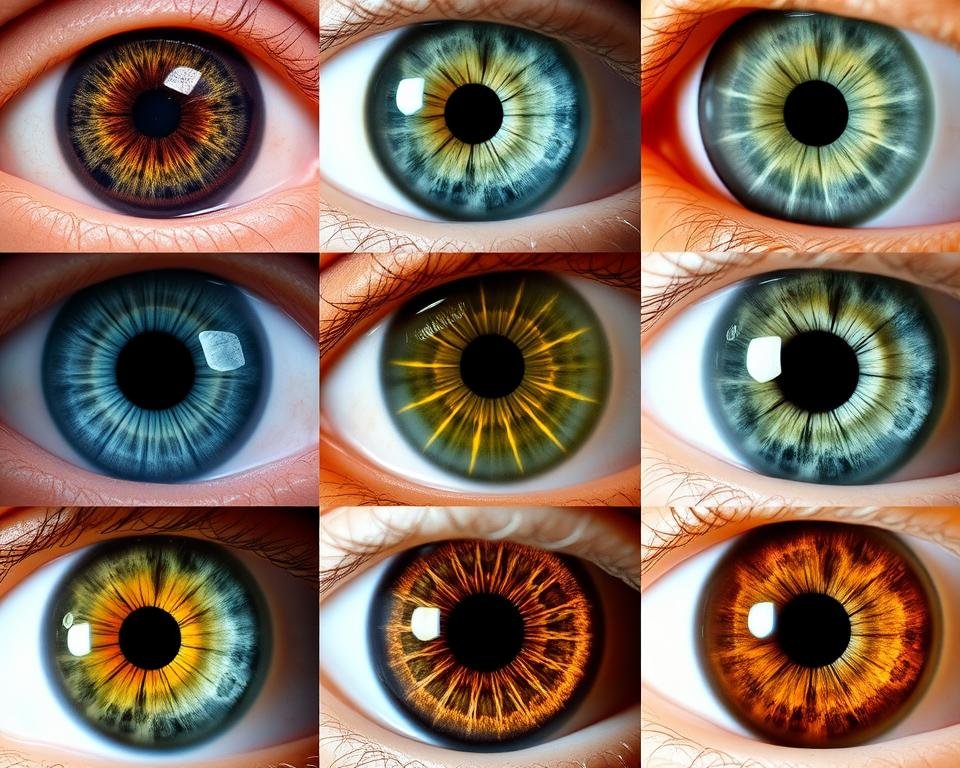
SOFTWARE DE IRIDOLOGÍA MAIKONG Instalación y funcionamiento


