ميڪونگ-پيشه ورانه اريالوجي ڪئميرا ارسڪوپ ٺاهيندڙ ۽ سپلائر


Whether you’re curious about alternative health approaches or seeking complementary methods to understand your wellbeing, this comprehensive guide will walk you through the principles, methods, and scientific perspectives on Iridology Iris تشخيص.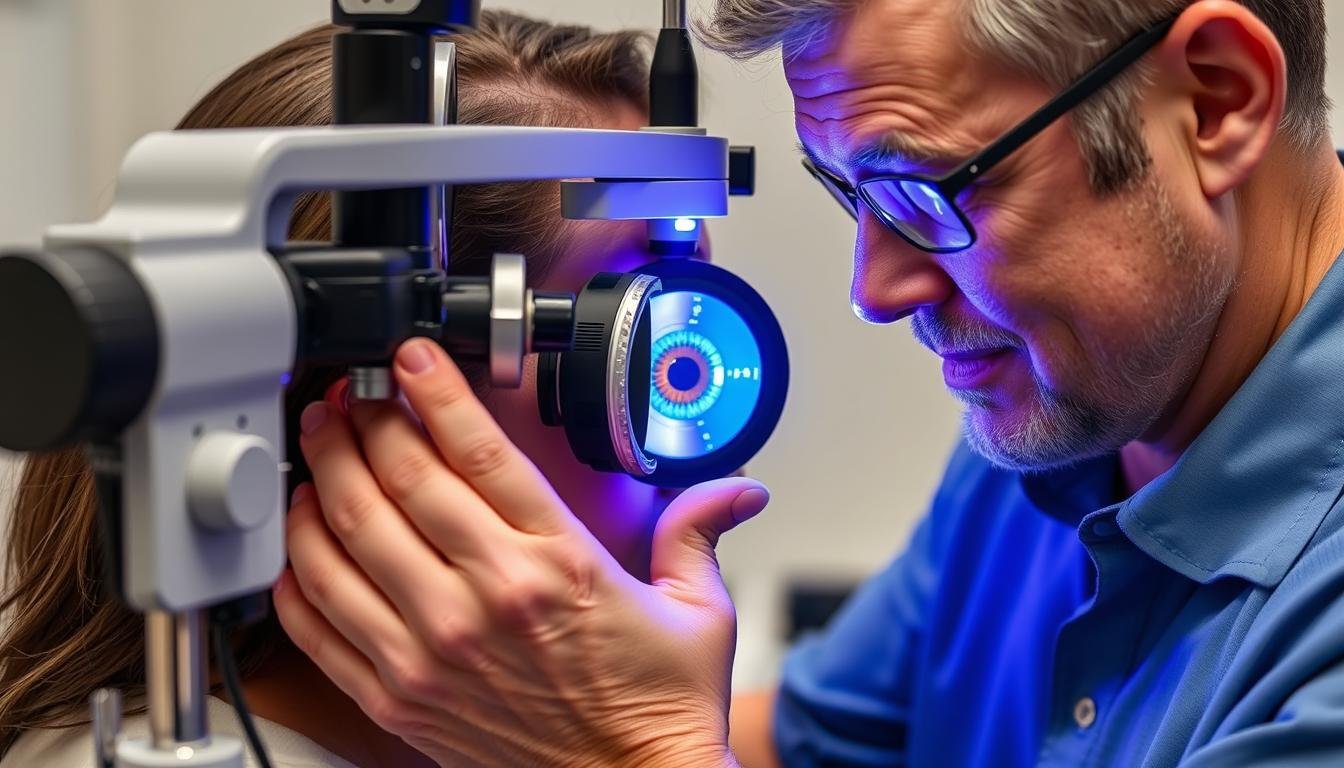
ڇا آهي Iridology Iris تشخيص؟
An iridologist examining the iris patterns using specialized equipment
Iridology Iris تشخيص is a non-invasive assessment method that studies the patterns, colors, and structures of the iris to evaluate a person’s health status. Practitioners believe that each area of the iris corresponds to different organs and body systems, creating a map that reflects the condition of the entire body.
Unlike conventional diagnostic tools, iridology doesn’t claim to identify specific diseases. Instead, it aims to detect areas of inflammation, toxin accumulation, and organ stress that might indicate potential health issues before symptoms appear.
The Historical Roots of Iridology Iris تشخيص
The practice of examining the iris for health insights dates back thousands of years, with evidence suggesting early forms were used in ancient Egypt, China, and India. However, modern Iridology Iris تشخيص is largely credited to Hungarian physician Dr. Ignatz von Peczely in the 1800s.
As the story goes, young von Peczely noticed a dark mark appear in an owl’s iris after the bird suffered a broken leg. This observation sparked his curiosity, leading him to develop the first detailed iris chart mapping body regions to specific areas of the iris. His work was published in 1881 in “قدرتي سائنس ۽ دوائن جي ميدان ۾ دريافتون: اکين مان تشخيص جي مطالعي ۾ هدايتون.”
The practice gained further development through Swedish homeopath Nils Liljequist, who observed changes in his own iris after taking medications. In the 20th century, American chiropractor Bernard Jensen significantly advanced the field, creating comprehensive iris charts that remain influential today.
Core Principles of Iridology Iris تشخيص
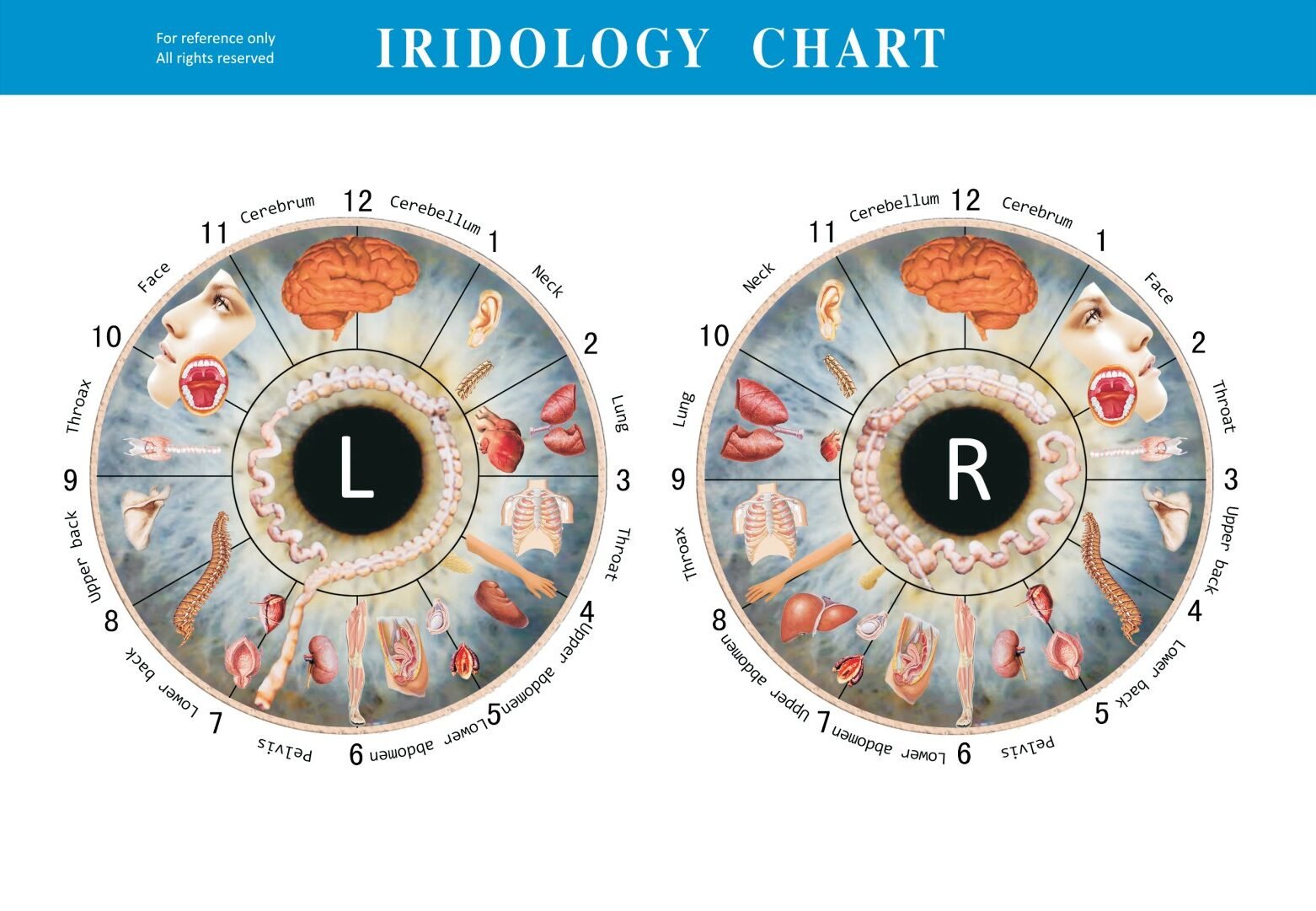

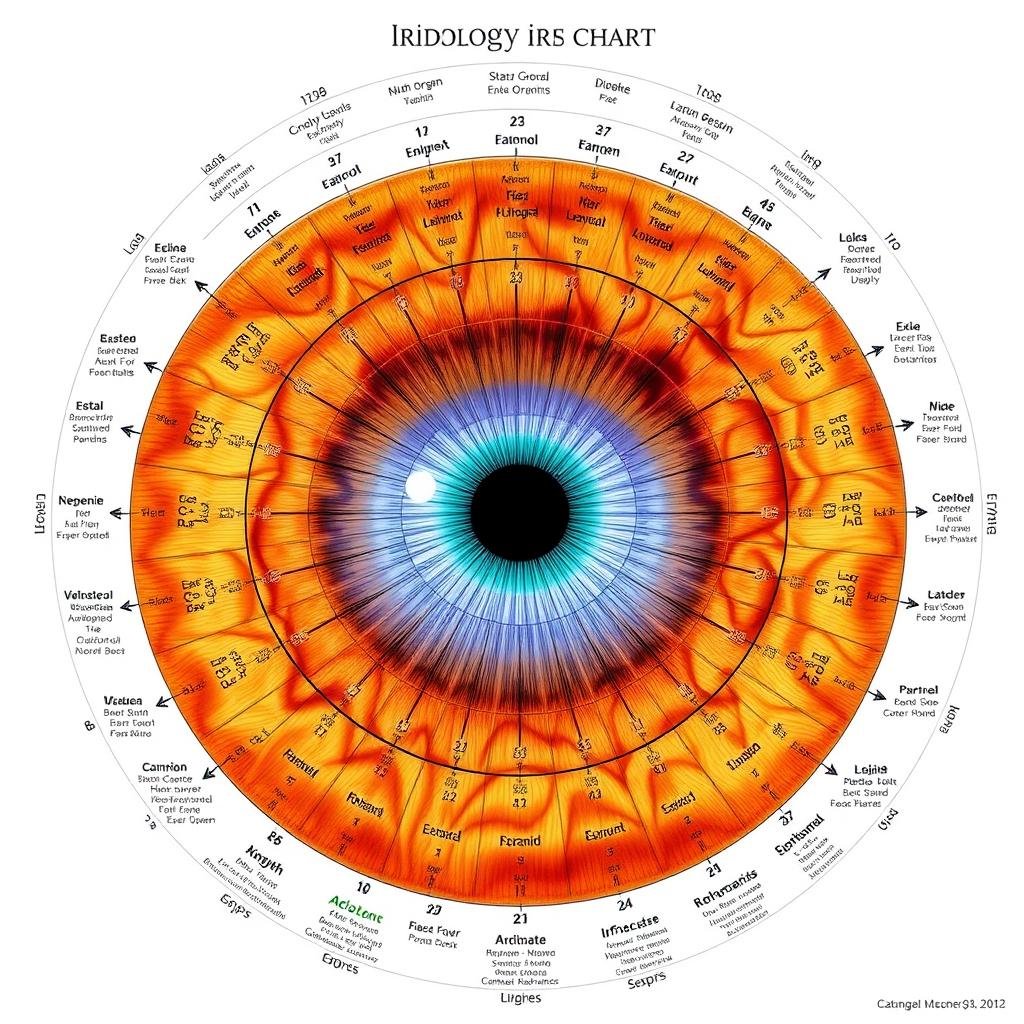
Iridology chart mapping iris zones to corresponding body systems
جي مشق Iridology Iris تشخيص is built upon several fundamental principles:
- The iris contains approximately 28,000 nerve fibers connected to the brain and nervous system
- Each section of the iris corresponds to specific organs and body systems
- Changes in iris patterns reflect changes in the health of corresponding body tissues
- The right iris generally corresponds to the right side of the body, while the left iris reflects the left side
- Iris markings are believed to show genetic predispositions, current conditions, and past health events
| روايتي انداز | جديد اپروچ |
| ميگنفائنگ گلاس سان دستي امتحان | اعلي ريزوليوشن ڪئميرا سان ڊجيٽل تصويري |
| هٿ سان ٺهيل iris چارٽ | ڪمپيوٽرائيزڊ ميپنگ ۽ تجزيو |
| موضوعي تفسير | Standardized protocols and terminology |
| Focus on disease diagnosis | Focus on constitutional assessment and prevention |
| Limited documentation | Detailed records and tracking of changes over time |
ڪئين Iridology Iris تشخيص Works in Practice

Close-up view of iris patterns analyzed during examination
دوران هڪ Iridology Iris تشخيص session, a trained practitioner follows a systematic approach to analyze your iris and provide insights about your health. Here’s what typically happens during a session:
- The iridologist takes detailed photographs of both irises using a specialized camera with magnification capabilities
- These images are examined against standardized iridology charts that map different areas of the iris to specific body systems
- The practitioner analyzes the color, structure, and markings in each zone of the iris
- Particular attention is paid to abnormalities like dark spots, white marks, rings, or color variations
- The findings are compiled into a comprehensive assessment of potential health strengths and weaknesses
- Recommendations may include dietary changes, supplements, or referrals to other health professionals
Key Iris Signs and Their Interpretations

iridology ۾ عام آئرس جا نشان ۽ انهن جي تشريح
Iridologists look for specific signs in the iris that they believe indicate various health conditions:
رنگ جون تبديليون
- Blue iris: Often associated with lymphatic constitution
- Brown iris: Typically linked to hematogenic (blood-related) constitution
- Mixed colors: May indicate mixed constitutional types
- Yellow tint: Potentially related to kidney or liver function
اڏاوتن جا نشان
- Radial furrows: May indicate digestive system issues
- Rings around the iris: Potentially related to circulation or nervous tension
- Dark spots: Often interpreted as areas of toxin accumulation
- White marks: May suggest inflammation or injury in corresponding organs
Curious About What Your Iris Reveals?
While iridology offers fascinating insights, remember that a comprehensive approach to health includes professional medical care. Consider scheduling an eye examination with a qualified optometrist who can assess your overall eye health.
ڪيس جو مطالعو: Iridology Iris تشخيص عمل ۾

آئيرس کان اڳ ۽ بعد ۾ تصويرون صحت جي مداخلت جي پٺيان تبديليون ڏيکاريندي
Sarah, a 42-year-old office worker, had been experiencing chronic fatigue and digestive discomfort for several months. Despite multiple medical tests showing normal results, her symptoms persisted. She decided to try Iridology Iris تشخيص as a complementary approach.
During her session, the iridologist noted several significant markings:
- Dark spots in the digestive zone of her iris
- Radial lines in the liver area
- A whitish ring around the outer edge of the iris (known as the “sodium ring”)
Based on these observations, the iridologist suggested Sarah might have issues with liver function, digestive enzyme production, and potential mineral imbalances. The practitioner recommended dietary modifications, specific herbal supplements, and stress reduction techniques.
After three months of following these recommendations, Sarah reported improved energy levels and reduced digestive symptoms. A follow-up Iridology Iris تشخيص showed subtle changes in her iris patterns, which the practitioner interpreted as signs of improving health.
While this case illustrates a positive experience, it’s important to note that individual results vary, and Sarah also maintained her regular medical care throughout this period.
Benefits and Limitations of Iridology Iris تشخيص
امڪاني فائدا
- Non-invasive and painless assessment method
- علامتون ظاهر ٿيڻ کان اڳ امڪاني صحت جي مسئلن جي نشاندهي ڪري سگھي ٿي
- Provides a holistic view of body systems and their interactions
- Can complement conventional medical approaches
- Encourages preventive health measures and self-awareness
حددون
- Limited scientific validation in peer-reviewed research
- Cannot diagnose specific diseases with certainty
- Practitioner interpretation may vary significantly
- روايتي طبي تشخيص کي تبديل نه ڪرڻ گهرجي
- May delay proper medical treatment if relied upon exclusively

An iridologist discussing findings and recommendations with a patient
سائنسي نقطه نظر تي Iridology Iris تشخيص
The scientific community has expressed varying views on Iridology Iris تشخيص, with most conventional medical institutions remaining skeptical about its diagnostic validity. Let’s examine the current research landscape:

Scientific research being conducted on iridology methods
Research Findings
Several studies have investigated the efficacy of Iridology Iris تشخيص:
- A 2015 study published in the Journal of Alternative and Complementary Medicine found some correlation between certain iris signs and inflammatory conditions
- Research from 2018 in the International Journal of Complementary & Alternative Medicine suggested potential applications in preventive health screening
- A 2020 systematic review concluded that while some promising observations exist, more rigorous research methodology is needed
- A 2021 study using digital imaging and AI analysis showed improved consistency in iris pattern recognition compared to traditional methods
However, several critical studies have challenged iridology’s fundamental claims:
- A frequently cited 1979 study in the Journal of the American Medical Association found that iridologists could not accurately detect gallbladder disease from iris photographs
- A 2000 review in Archives of Ophthalmology concluded that iridology had not been shown to be a reliable diagnostic method
- Multiple controlled studies have failed to demonstrate that iridologists can consistently identify patients with known medical conditions
Important Note: حال ۾ Iridology Iris تشخيص may offer interesting insights as a complementary approach, it should not be used as a substitute for conventional medical diagnosis and treatment. Always consult with qualified healthcare providers for health concerns.
Choosing a Qualified Iridology Iris تشخيص Practitioner

A professional iridology clinic with modern diagnostic equipment
If you’re interested in exploring Iridology Iris تشخيص, finding a qualified practitioner is essential. Here are key factors to consider:
Credentials to Look For
- Formal training and certification from recognized iridology institutions
- Background in healthcare (many practitioners are also naturopaths, chiropractors, or other health professionals)
- Membership in professional organizations like the International Iridology Practitioners Association (IIPA)
- Continuing education to stay current with developments in the field
- Transparent about limitations and willing to refer to medical doctors when appropriate
Questions to Ask Before Your Appointment

Initial consultation with an iridology practitioner
- What is your training and certification in iridology?
- How many years have you been practicing?
- What can I expect during a session?
- iris تجزيي لاء توهان ڪهڙي ٽيڪنالاجي استعمال ڪندا آهيو؟
- How do you integrate findings with conventional healthcare?
- What are the fees and what’s included?
Prioritize Your Eye Health
While exploring iridology, don’t forget the importance of regular eye examinations with an optometrist or ophthalmologist. Professional eye care is essential for maintaining vision health and detecting eye conditions early.
Preparing for Your Iridology Iris تشخيص سيشن

Preparing for an iridology examination
To get the most from your Iridology Iris تشخيص session, proper preparation can help ensure accurate readings and meaningful results:
Before Your Appointment
- Avoid wearing contact lenses for at least 24 hours before your session
- Skip eye makeup on the day of your appointment
- Bring a list of current medications, supplements, and health concerns
- Prepare questions about specific health issues you’d like to address
- Consider bringing previous medical test results for comparison
- Avoid alcohol and caffeine for 24-48 hours before your appointment for clearer iris readings
What to Expect During Your Session
هڪ عام Iridology Iris تشخيص session lasts between 30-60 minutes and usually includes:
- An initial health history discussion
- Iris photography using specialized equipment
- Analysis of your iris patterns against iridology charts
- Explanation of findings and their potential health implications
- Recommendations for lifestyle, dietary changes, or supplements
- A follow-up plan to monitor changes over time

Digital analysis of iris images during an iridology session
ضم ٿيڻ Iridology Iris تشخيص with Conventional Healthcare
دلچسپي وارن لاء Iridology Iris تشخيص, finding a balanced approach that incorporates both alternative and conventional medicine can provide the most comprehensive health care.

Integrating iridology insights with conventional medical care
Best Practices for a Complementary Approach
- Maintain regular check-ups with your primary care physician
- Share iridology findings with your doctor if you feel comfortable doing so
- Use iridology as an additional perspective rather than a replacement for medical tests
- Prioritize medically-recommended treatments for diagnosed conditions
- Consider iridology’s preventive insights for lifestyle and wellness optimization
- Keep all healthcare providers informed about supplements or alternative treatments
“The ideal approach combines the preventive and holistic perspective of complementary methods like iridology with the diagnostic precision and evidence-based treatments of conventional medicine.”
نتيجو: جڳھ جو Iridology Iris تشخيص in Modern Health
Iridology Iris تشخيص offers a fascinating window into the potential connections between iris patterns and overall health. While scientific validation remains limited, many people find value in its holistic approach and preventive insights.
As with any complementary health practice, the key is balance. Consider iridology as one tool in your health toolkit—potentially valuable for its unique perspective, but most effective when integrated with evidence-based medical care.
If you choose to explore Iridology Iris تشخيص, do so with an informed perspective, selecting qualified practitioners who acknowledge both the potential benefits and limitations of this intriguing practice.
Take a Comprehensive Approach to Your Eye Health
While exploring alternative methods like iridology, remember that regular eye examinations are essential for maintaining vision health and detecting potential issues early. Professional eye care remains the foundation of good eye health.
Address:Factory Building II, Jinshanlong Industrial Park, No.1, Xintang Village, Kratong Community, Fucheng Street, Longhua District shenzhen, 518000 GD,China
TEL:0086-0755-888-56563
Person to contact:Mark Luo
email:lucy@iriscope.org
Whatsapp/phone:0086-191-5490-1065
Copyright (c) 2004-2024 www.iriscope.org All Rights Reserved.