


 This comprehensive guide explores how different iris colors relate to body systems and what specific color changes might indicate. Whether you practice natural medicine or simply want to understand this fascinating field, you will discover the science and application behind iris color interpretation.Modern practitioners combine traditional knowledge with advanced imaging technology. Professional equipment from experienced manufacturers like MAIKONG, with over twenty years in iridology development, helps capture the precise details needed for accurate analysis. These tools make it possible to document subtle color variations that human observation alone might miss.
ما هو علم القزحية وكيف يعمل؟
The practice of examining the iris to gain health information has roots stretching back centuries. Hungarian physician Ignatz von Peczely developed the first systematic approach in the 1800s after observing iris changes in an injured owl. His work laid the foundation for modern techniques used by practitioners worldwide.
Iridologists believe the iris reflects the condition of various organs and systems through specific zones mapped on standardized charts. Each area of the iris corresponds to different parts of the human body. Changes in color, texture, or patterns within these zones may indicate constitutional tendencies or areas needing attention.
The practice does not diagnose disease. Instead, practitioners use iris analysis as one tool among many to understand a person’s overall constitution. They look at fiber structure, pigmentation density, and color variations to build a comprehensive picture of individual health patterns.
The Science Behind Iris Examination
The iris contains thousands of nerve filaments connected to various body parts through the nervous system. This intricate network creates a detailed map visible to trained observers. Different areas respond to changes throughout the body, potentially creating visible alterations in appearance.
Bernard Jensen, a renowned American iridologist, advanced the field significantly during the twentieth century. His detailed iris charts remain reference standards for practitioners today. Jensen emphasized that iris markings reveal constitutional strengths rather than specific diseases.
Modern iridology incorporates high-resolution cameras and specialized software for detailed analysis. These tools help practitioners document findings and track changes over time. Professional systems capture images with clarity impossible through visual examination alone.

علم القزحية معنى لون العين: The Three Primary Types
Iridology categorizes eyes into three fundamental color groups. Each type corresponds to different constitutional patterns and tendencies. Understanding these basic classifications forms the foundation for more detailed analysis.
Blue Iris: Lymphatic Constitution
Blue eyes in iridology indicate a lymphatic constitution. These individuals typically have fair skin and may show sensitivity to environmental factors. The blue iris generally suggests inherited tendencies related to lymphatic system function and mucous membrane health.
Practitioners observe that people with blue irises may experience challenges with acid accumulation and elimination processes. The intensity of blue coloring can vary significantly, from pale sky blue to deeper navy shades. Each variation carries specific interpretive meaning within the practice.
Common markings in blue irises include white or yellowish discolorations called tophi. These may indicate toxic accumulation in corresponding body areas. The clear blue background allows easier identification of such changes compared to darker iris colors.
Blue Iris Characteristics
- Lighter pigmentation throughout iris
- Lymphatic system emphasis
- Mucous membrane sensitivities
- Acid-related tendencies
- Environmental reactivity patterns
- Clearer marking visibility


Brown Iris: Hematogenic Constitution
Brown eyes represent the hematogenic constitution in iridology practice. The darker pigmentation comes from higher melanin density in the iris stroma. This constitutional type relates to blood composition and circulatory system tendencies.
People with brown irises may show different health patterns than those with blue eyes. The practice suggests these individuals might experience tendencies related to blood quality, liver function, and mineral metabolism. The degree of brown coloring ranges from light hazel to deep chocolate brown.
Analyzing brown irises presents unique challenges because darker pigmentation can obscure subtle markings. Professional iridology cameras with proper illumination help reveal details not visible to unaided observation. Advanced imaging captures variations in density and texture that inform interpretation.
ملاحظة مهمة: The terms “اللمفاوية” و “الدموية” refer to constitutional tendencies, not medical diagnoses. These classifications help practitioners understand individual variations in health patterns and responses.
Mixed Iris: Biliary Constitution
Mixed eyes combine blue and brown coloring, creating unique patterns across the iris. This type, sometimes called hazel, indicates the biliary constitution. These individuals may exhibit characteristics of both lymphatic and hematogenic types.
The distribution of colors in mixed irises varies considerably between individuals. Some show distinct brown sectors over a blue background, while others display more blended coloration. Each pattern carries specific meaning in detailed iris analysis.
Practitioners pay special attention to where brown pigmentation appears in mixed irises. The location of color changes corresponds to different organs according to standard iris charts. This spatial information adds another layer to constitutional assessment.


مفصل تحليل لون القزحية: Beyond Basic Types
Base iris color represents just the starting point for comprehensive analysis. Practitioners examine numerous color variations and markings that appear within the iris. These additional details provide deeper insights into individual constitutional patterns.
Yellow and Orange Discolorations
Yellow tones appearing in the iris may indicate accumulation of certain substances or metabolic changes. The intensity and location of yellow coloring guide interpretation. Light yellow patches differ in meaning from deep golden or orange areas.
Orange color in iridology often relates to pancreatic and digestive function patterns. When practitioners observe orange in eye color during analysis, they note its distribution and density. These characteristics help build a complete constitutional picture.
The iridology yellow in eye color typically appears most prominently in the pupillary border area. This inner ring surrounding the pupil can show various shades from pale cream to bright yellow. Changes in this zone may reflect digestive and eliminative patterns.
White and Light Markings
White areas in the iris, called arcus senilis when appearing at the outer edge, carry specific interpretive meaning. These light zones may indicate mineral deposits or circulation patterns. Their appearance varies with age and individual constitution.
Small white dots or clouds scattered across the iris deserve careful attention during analysis. Their location according to iris chart zones helps practitioners understand which body areas might benefit from support. The density and clarity of these markings factor into interpretation.
Dark Spots and Pigmentation
Dark spots or patches appearing in lighter irises represent local increases in pigmentation. These areas, called pigment flecks or nevi, may develop over time or exist from birth. Their significance depends on size, location, and characteristics.
Practitioners distinguish between different types of dark markings. Some appear as distinct spots, while others create larger areas of increased pigmentation. The borders of these zones—whether sharp or diffuse—contribute to overall assessment.
Light Color Indications
- White clouds: Acute processes
- Light yellow: Mild accumulations
- Cream tones: Digestive patterns
- Pale areas: Tissue weakness
- Silver markings: Nerve activity
Dark Color Indications
- Dark brown: Chronic conditions
- Deep orange: Strong metabolic patterns
- Black spots: Long-term changes
- Gray shadows: Structural variations
- Dense pigment: Constitutional factors
Can Iris Colors Change? Understanding علم القزحية تغيير اللون
One frequently asked question concerns whether iris colors can actually change over time. Research and practitioner observations confirm that certain iris color modifications do occur, though complete color transformation remains rare.
Natural Color Variations Through Life
Many infants are born with blue eyes that darken during the first years of life. This change results from melanin development in the iris stroma. The final eye color typically stabilizes by age three, though subtle changes may continue into adulthood.
Adults sometimes notice gradual shifts in iris coloring. These changes usually involve intensity variations rather than complete color transformations. Light blue eyes might deepen slightly, or brown eyes may develop additional pigmentation patterns.
Understanding jensen iridology what does changing eye color mean helps contextualize these observations. Jensen documented that lifestyle changes, dietary improvements, and natural aging all potentially influence iris appearance. However, he emphasized that fundamental constitutional type remains constant.
Iridology Eye Color Change Brown Eyes and Other Transitions
The question of iridology eye color change brown eyes specifically interests many practitioners. While brown eyes rarely lighten significantly, they can show texture and density variations. New pigmentation patterns may develop or existing ones may intensify.
Some individuals report changes in eye color following significant health improvements or lifestyle modifications. These observations remain anecdotal, and scientific research has not established definitive cause-effect relationships. Practitioners approach such reports with professional interest while maintaining appropriate scientific caution.
Iridology eye color change feline studies offer interesting parallels. Cat eyes demonstrate more dramatic color changes than human eyes, particularly during kittenhood. These observations help researchers understand the biological mechanisms underlying iris pigmentation.


Methods Claiming to Lighten Eye Color
Various sources discuss iridology how to change eye color or iridology lighten eye color techniques. Most of these approaches lack scientific validation. True iris color depends primarily on genetic factors and melanin distribution.
Some practitioners suggest that detoxification programs might reduce yellow discoloration in irises, potentially creating a clearer appearance. These changes differ from actual color transformation. They represent removal of temporary overlays rather than fundamental pigmentation shifts.
Professional iridologists focus on understanding existing colors and patterns rather than attempting to modify them. The goal involves working with constitutional tendencies, not against them. Acceptance of natural iris characteristics forms the foundation for effective practice.
Professional Perspective: Reputable practitioners do not promise eye color changes through iridology techniques. Instead, they use color analysis to understand constitutional patterns and guide supportive health practices.
Performing Professional تحليل لون القزحية
Accurate color interpretation requires proper examination techniques and quality equipment. The human eye alone cannot capture all the subtle variations visible in detailed iris photographs. Professional tools make comprehensive analysis possible.
Essential Equipment for Color Assessment
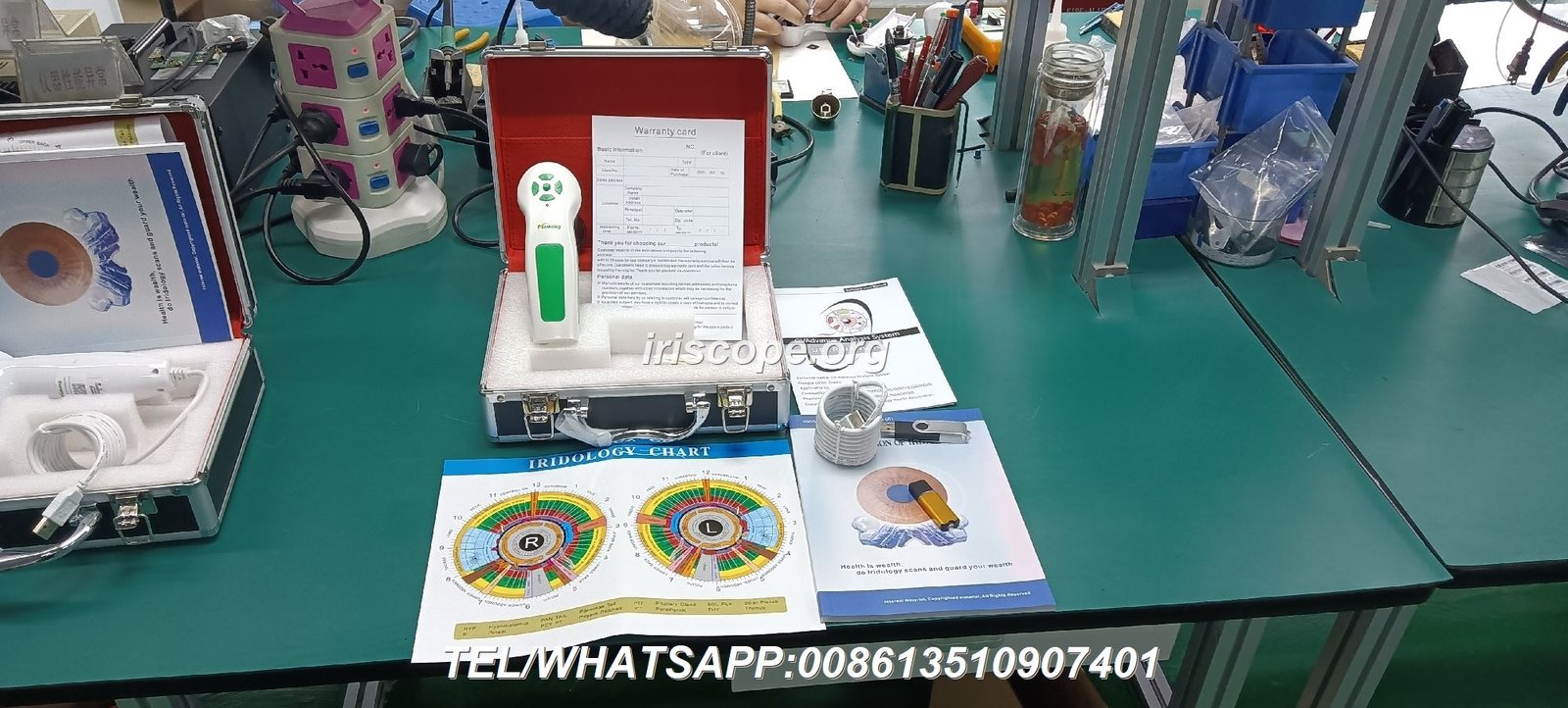
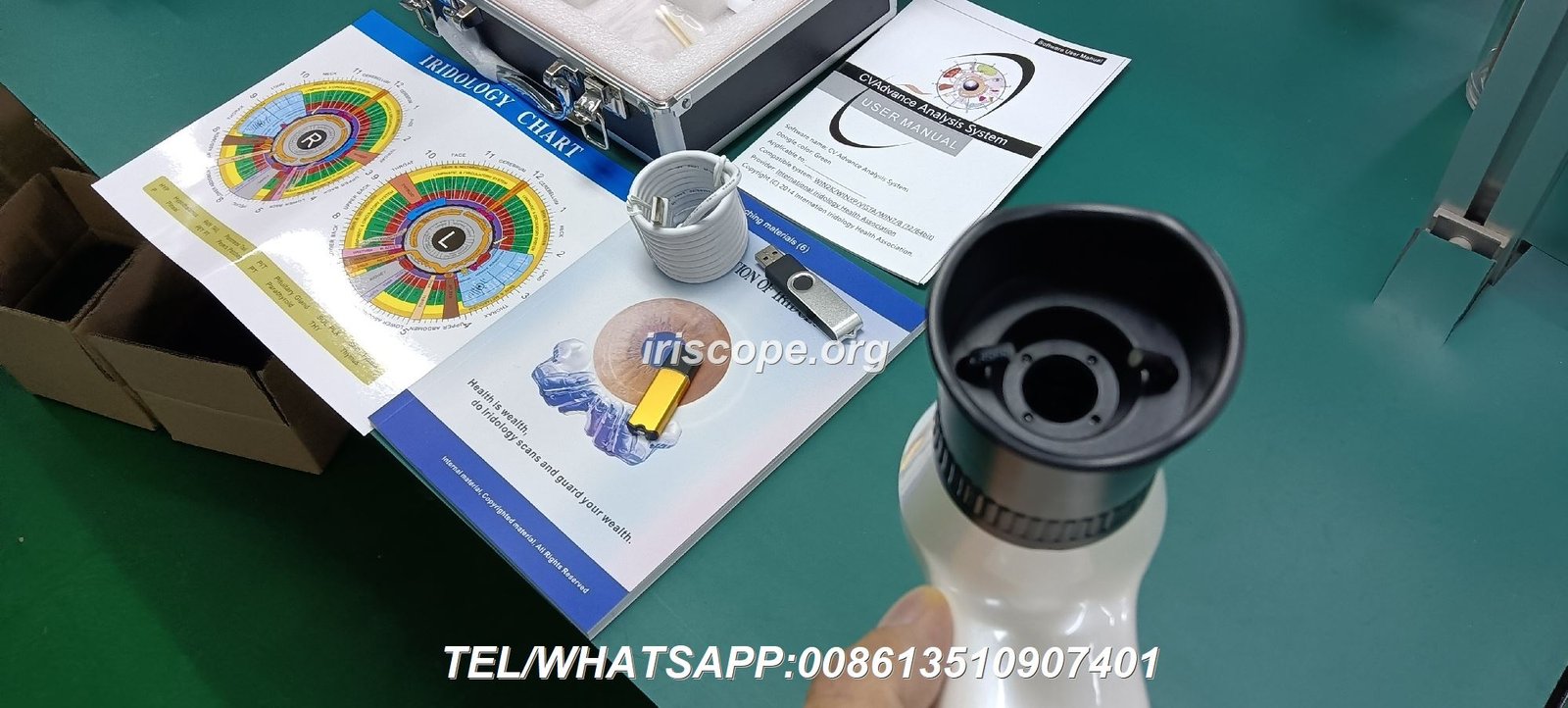
High-resolution iridology cameras capture iris details with clarity impossible through visual examination. These specialized systems use specific lighting to reveal fiber patterns, color variations, and subtle markings. Image quality directly impacts interpretation accuracy.
Modern iriscope equipment includes integrated software that enhances analysis capabilities. These programs allow practitioners to adjust brightness, contrast, and magnification to examine specific iris areas. Digital records enable comparison of images taken at different times.
Professional-grade systems support detailed documentation and client communication. Advanced cameras from manufacturers like MAIKONG offer unique features including compatibility with both Windows and Mac operating systems—a significant advantage for practitioners using Apple computers. This flexibility, combined with factory-direct pricing from over twenty years of manufacturing experience, makes comprehensive analysis more accessible.
معدات علم القزحية المهنية
Capture precise iris details with advanced imaging technology designed for professional practitioners. MAIKONG iridology cameras offer high-resolution imaging, Mac and Windows compatibility, and comprehensive software support for accurate color analysis.
Proper Lighting and Image Capture
Consistent lighting conditions ensure accurate color representation in iris photographs. Professional systems use standardized illumination that minimizes reflections while revealing true colors. Natural variations in ambient light can distort color perception.
The angle of light affects how iris structures appear. Ring lights positioned around the camera lens provide even illumination across the entire iris surface. This setup reduces shadows and highlights that might obscure important details.
Digital imaging software allows color calibration to maintain consistency across different examination sessions. This standardization proves essential when tracking changes over time. Comparing images taken under different lighting conditions produces unreliable results.
Systematic Color Documentation
Professional practitioners follow systematic protocols when analyzing iris colors. They begin with overall color classification, then examine specific zones according to standard charts. Detailed notes capture observations about hue, intensity, and distribution.
Many iridologists use standardized terminology to describe color variations. This common language facilitates communication between practitioners and ensures consistency in record-keeping. Terms like “sulfur yellow,” “lymphatic blue,” و “hematogenic brown” carry specific meanings within the practice.
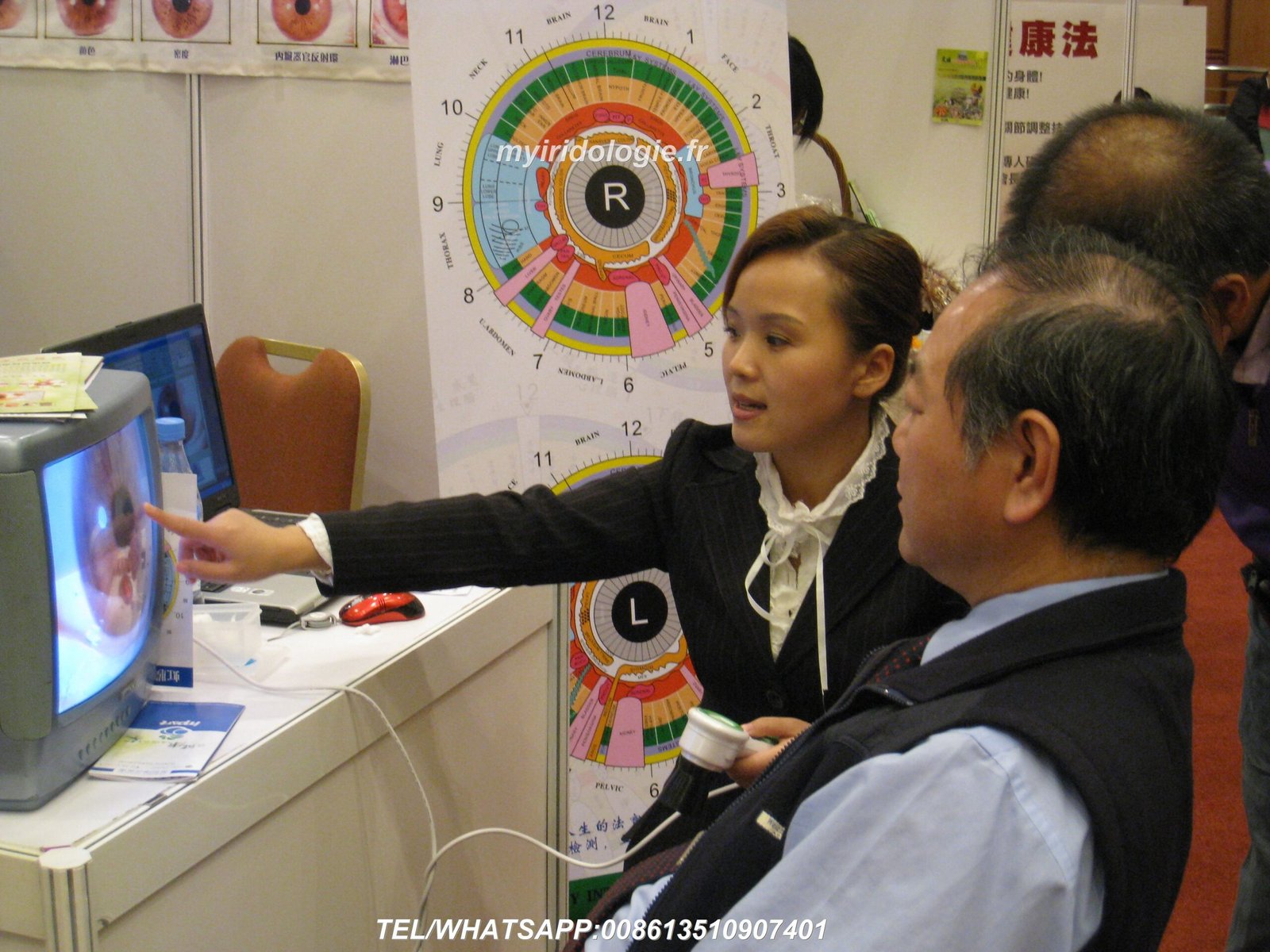
Digital annotation tools help mark specific areas of interest on iris photographs. Practitioners can highlight zones showing unusual coloring or track changes between examination sessions. These visual records support client education and professional collaboration.

Using the Iris Chart for Color Zone Analysis
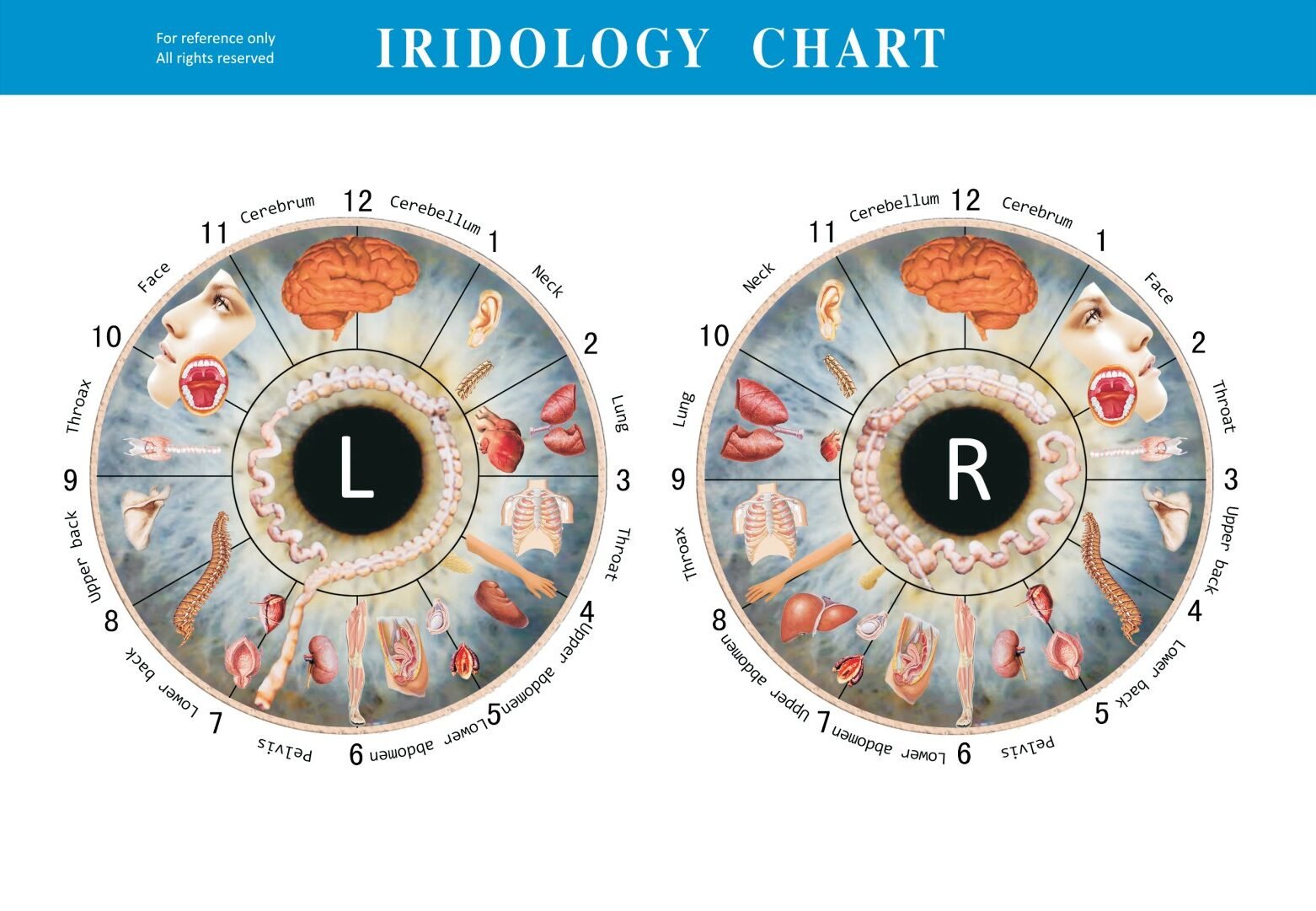
Standard iris charts map the iris into zones corresponding to different body areas. These diagrams guide practitioners in interpreting the location of color changes and markings. Understanding chart organization forms the foundation for systematic analysis.
Chart Organization and Structure
Most practitioners use charts based on Bernard Jensen’s work or variations thereof. These diagrams divide the iris into concentric rings and radial segments. Each section corresponds to specific organs or body systems.
The pupillary zone, closest to the pupil, relates to digestive organs and stomach function. Moving outward, subsequent rings correspond to other internal organs, structural systems, and peripheral areas. The outer edge, called the skin zone, reflects eliminative and integumentary function.
Radial divisions create pie-shaped segments that further specify organ locations. For example, the liver area appears in specific segments of certain rings. The precision of these zones enables detailed assessment when combined with color and marking analysis.
Right Eye Versus Left Eye Interpretation
Iridology uses separate charts for right and left irises. Each eye reflects different sides of the body, with some overlapping information. The right iris shows the right side of the body, while the left iris corresponds to the left side.
Certain organs appear in only one eye’s chart. The heart zone, for instance, appears primarily in the left iris. The liver zone shows mainly in the right iris. Other systems like the digestive tract appear in both eyes with different emphases.
Comparing both eyes provides a complete picture of overall patterns. Practitioners note differences between right and left irises, as these variations can indicate body asymmetries or lateralized tendencies. Comprehensive analysis always includes examination of both eyes.
| منطقة القزحية | Ring Location | نظام الجسم | Color Significance |
| Pupillary Border | Innermost circle | Stomach, digestion | Yellow indicates digestive patterns |
| Nutritive Zone | Middle rings | Internal organs | Variations show organ tendencies |
| المنطقة الهدبية | Outer rings | Circulation, lymph | Blue-white indicates lymphatic activity |
| Skin Zone | Outermost edge | Elimination, skin | Dark ring shows elimination challenges |
Integrating Color and Location Data
The power of iris analysis emerges when combining color information with chart zone locations. A yellow patch in the pancreas zone carries different meaning than the same color in the kidney area. Context determines interpretation.
Practitioners develop systematic approaches to ensure thorough examination of all chart zones. They might work clockwise around the iris, checking each segment methodically. This organized process prevents overlooking important details.
Modern iridology software often includes chart overlays that can be superimposed on iris photographs. These digital tools help practitioners identify zones accurately and document findings systematically. The combination of traditional knowledge and modern technology enhances analysis precision.

Regional Practice Variations: علم القزحية كولورادو and Beyond
Iridology practice varies somewhat by region and practitioner training. Different schools of thought have developed unique approaches to interpretation. Understanding these variations helps practitioners appreciate the diversity within the field.
In areas like Colorado, where natural health practices enjoy strong community support, iridology often integrates with other holistic modalities. Practitioners might combine iris analysis with nutrition counseling, herbal medicine, or energy work. This integrative approach characterizes many American natural health centers.
European iridology traditions sometimes differ from American approaches in chart organization and interpretation emphasis. German and French schools contributed significantly to iridology development, each adding unique perspectives. Modern practitioners often draw from multiple traditions.
Regional variations also appear in terminology and classification systems. What one practitioner calls a “lacuna,” another might term a “crypt.” Despite these differences, core principles remain consistent across most legitimate approaches to the practice.
Special Topics in Eye Color Analysis
علم القزحية والعلاج بالضغط وتغير لون العين
Some practitioners explore connections between iridology and other traditional healing arts like acupressure. The concept of iridology and acupressure eye color change suggests that stimulating specific body points might influence iris appearance. Scientific evidence for such effects remains limited.
Traditional Chinese medicine views the eyes as connected to overall energy flow in the body. Acupressure points around the eyes and on other body parts may affect circulation and nerve function. Whether these changes produce visible iris modifications remains under investigation.
Practitioners who incorporate multiple modalities often note correlations between treatment protocols and client-reported eye appearance changes. These observations, while interesting, require more rigorous study to establish causal relationships. Professional iridologists maintain appropriate scientific skepticism while remaining open to new discoveries.
علم القزحية لون العين أخضر and Intermediate Shades
Green eyes represent a specific category of mixed iris coloring. The iridology eye color green classification combines blue structural color with yellow pigment overlay. This combination creates the characteristic green appearance seen in a small percentage of the population.
Interpreting green irises follows principles similar to other mixed types. Practitioners examine the distribution and intensity of blue versus yellow components. The balance between these elements contributes to constitutional assessment.
Green eyes sometimes show more color variation over time than purely blue or brown irises. Changes in the yellow pigment component may occur more readily than alterations to structural blue coloring. These shifts potentially reflect metabolic or eliminative pattern changes.

Animal Iridology: Feline Eye Color Analysis
Interest in iridology extends beyond human health to veterinary applications. The study of iridology eye color change feline patterns helps animal health practitioners assess constitutional factors in cats. Feline irises demonstrate more dramatic color variations than human eyes.
Kittens typically begin life with blue eyes that change as melanin develops. Final cat eye color emerges around three months of age. Some breeds maintain blue eyes throughout life, while others develop gold, green, or copper tones.
Veterinary iridologists adapt human iris charts to account for anatomical differences in animal eyes. The basic principle—that iris appearance reflects health patterns—remains consistent across species. This expanding field shows the broad potential applications of iris analysis.
Professional Practice and Training Considerations
Education and Certification
Becoming a competent iridologist requires substantial study and practice. Various schools and training programs offer certification in iris analysis. Course length and depth vary considerably between different educational institutions.
Comprehensive training covers anatomy, physiology, chart interpretation, and practical examination techniques. Students learn to recognize normal variations versus significant markings. They study the history of the practice and current research developments.
Many practitioners pursue iridology training as an addition to existing health practice credentials. Naturopathic physicians, nutritionists, and other holistic health professionals often incorporate iris analysis into broader assessment protocols. This integration enhances overall practice effectiveness.
Ethical Practice Standards
Professional iridologists adhere to ethical standards that protect client welfare. They clearly communicate the nature of iris analysis and its limitations. Responsible practitioners never claim to diagnose specific diseases through iris examination alone.
Maintaining appropriate scope of practice prevents legal and ethical problems. Iridologists work within their training and credentials, referring clients to appropriate medical professionals when indicated. This collaborative approach serves client interests best.
Documentation standards ensure accurate record-keeping and enable tracking changes over time. Professional practitioners maintain client confidentiality and obtain proper consent for examinations and photography. These practices align with broader healthcare ethical principles.
What qualifications should I look for in an iridology practitioner?
Seek practitioners with formal training from recognized iridology schools and relevant health credentials. Many qualified iridologists hold certifications in naturopathy, nutrition, or other health fields in addition to iris analysis training. Ask about their educational background and years of practice experience.
Can iridology detect cancer or other serious diseases?
No, iridology does not diagnose specific diseases including cancer or hypertension. Studies have shown it cannot detect these conditions reliably. Iris analysis identifies constitutional patterns and tendencies, not medical diagnoses. Always consult medical doctors for disease detection and treatment.
How often should someone have an iridology examination?
Most practitioners recommend annual examinations for baseline tracking. More frequent sessions might benefit those making significant lifestyle or dietary changes. The slow pace of iris changes makes very frequent examinations unnecessary for most people.
Building a Successful Iridology Practice
Practitioners establishing iridology services need quality equipment and proper training. Investing in professional cameras and software creates the foundation for accurate analysis. These tools also enhance client confidence through clear documentation and education.
Marketing iridology services requires clear communication about what the practice offers. Educational content helps potential clients understand iris analysis benefits and limitations. Building trust through transparency attracts ideal clients who value holistic assessment approaches.
Many successful practitioners offer iridology as part of comprehensive health consultations. Combining iris analysis with nutrition counseling, lifestyle recommendations, and other services creates more value for clients. This integrated approach supports better outcomes and practice sustainability.
Start or Enhance Your Iridology Practice
Professional practitioners across the United States trust MAIKONG iridology equipment for accurate analysis and client education. Our systems include high-resolution cameras, comprehensive software supporting both Windows and Mac OS, and ongoing technical support. As a direct manufacturer with over twenty years of experience, we offer competitive pricing and customization options.
Research and Scientific Perspectives
Current Evidence Base
Scientific research on iridology yields mixed results. Some studies suggest practitioners can identify certain constitutional factors through iris examination. Other research questions the reliability and validity of specific diagnostic claims.
A major challenge in iridology research involves standardizing methodology. Different practitioners use varying chart systems and interpretation methods. This inconsistency makes controlled studies difficult to design and results challenging to compare across research efforts.
Proponents argue that existing studies often test iridology’s ability to diagnose disease rather than assess constitutional patterns. They maintain that appropriate research would evaluate the practice according to its actual claims and applications. This distinction matters when evaluating evidence quality.
Integrating Traditional and Modern Approaches
Contemporary practitioners often blend traditional iridology wisdom with modern scientific understanding. They appreciate historical contributions from pioneers like von Peczely and Jensen while remaining open to new discoveries. This balanced approach respects the practice’s roots while encouraging evolution.
Advanced imaging technology enables observation of iris details impossible to see years ago. Digital analysis tools help standardize assessments and track subtle changes. These technological improvements may eventually enable more rigorous scientific investigation of iridology claims.
Some researchers explore connections between iris patterns and genetic factors. Studies of iris structure and its relationship to broader constitutional characteristics might validate certain traditional iridology observations. This scientific attention could strengthen the practice’s credibility over time.

Practical Applications of Color Analysis
Health Assessment Integration
Practitioners use iris color information as one component of comprehensive health assessments. They combine these observations with detailed health history, lifestyle evaluation, and other assessment tools. This multifaceted approach provides broader context for individual patterns.
Color analysis helps identify areas that might benefit from additional support. A practitioner noticing yellow discoloration in digestive zones might recommend dietary changes or digestive support. These suggestions address underlying patterns rather than treating specific diseases.
Tracking iris changes over time allows practitioners and clients to monitor responses to interventions. Improvements in iris clarity or color might correlate with dietary improvements or lifestyle modifications. These observations, while not diagnostic, provide encouraging feedback about positive health changes.
تعليم العملاء وتمكينهم
Iris photographs create powerful educational tools that help clients understand their unique constitutional patterns. Seeing their own iris magnified and mapped according to body zones makes abstract concepts tangible. This visual element enhances understanding and engagement.
Practitioners can show clients specific areas of concern and explain their significance. Comparing images taken at different times demonstrates changes resulting from health improvements. This documentation motivates continued commitment to positive lifestyle choices.
Understanding one’s iris type and constitutional tendencies empowers informed health decisions. Someone with a lymphatic constitution might pay particular attention to supporting elimination and managing environmental exposures. This personalized knowledge supports proactive wellness approaches.
Applications in Practice
- التقييم الدستوري
- التخطيط الصحي الشخصي
- Tracking health changes
- Client education enhancement
- Preventive health focus
- Lifestyle modification guidance
- Supplement targeting
- Stress pattern identification

Wellness Program Development
Iris analysis findings inform personalized wellness program design. Practitioners develop recommendations addressing identified constitutional patterns and individual needs. These programs typically include nutrition guidance, lifestyle suggestions, and appropriate supplementation.
For someone with indicators suggesting lymphatic congestion, practitioners might recommend specific foods, herbs, or practices supporting lymphatic flow. These targeted suggestions address underlying patterns revealed through iris examination combined with other assessment information.
Regular follow-up examinations allow program adjustments based on progress. Practitioners modify recommendations as clients implement changes and iris patterns evolve. This dynamic approach supports ongoing wellness optimization rather than one-time interventions.
Technical Support and Professional Resources
Equipment Support and Training
Professional iridology practice requires not only quality equipment but also ongoing technical support. Equipment manufacturers offering comprehensive support help practitioners maximize their investment and troubleshoot issues promptly.
MAIKONG provides technical assistance through multiple channels including WhatsApp support at +86-135-1090-7401. This direct communication enables quick resolution of technical questions about camera operation, software installation, or image optimization. Having reliable support prevents practice disruptions.
Training resources help practitioners fully utilize equipment capabilities. Understanding all software features and imaging techniques ensures optimal analysis quality. Many manufacturers offer tutorial materials, webinars, or personalized training sessions.
Software Capabilities and Updates
Modern iridology software includes features that enhance analysis efficiency and accuracy. Image enhancement tools, chart overlay functions, and annotation capabilities streamline the examination process. Client management systems help organize records and track progress.
Regular software updates add new features and improve existing functions. Manufacturers committed to ongoing development ensure their products remain current with practitioner needs. Compatibility with both Windows and Mac operating systems provides flexibility for practitioners using different computer platforms.
Some advanced systems include artificial intelligence features that help identify patterns or suggest areas requiring closer examination. While these tools assist analysis, experienced practitioner judgment remains essential for accurate interpretation. Technology supports but does not replace professional expertise.
Online Support: For technical questions about MAIKONG iridology equipment, add our technical support WhatsApp: +86-135-1090-7401. Our experienced team provides assistance with setup, operation, software installation, and troubleshooting.
Continuing Education Opportunities
The field of iridology continues evolving as practitioners share discoveries and researchers conduct new studies. Ongoing education keeps practitioners current with developments and refines their interpretive skills. Professional organizations often sponsor conferences and workshops.
Advanced training programs explore specific aspects of iris analysis in greater depth. Courses might focus on particular constitutional types, correlation with other assessment methods, or specialized applications. This continuing education enhances practitioner expertise and confidence.
Peer learning through professional networks provides valuable support. Practitioners sharing case studies and discussing challenging interpretations help each other develop skills. This collaborative approach strengthens the entire professional community.

Business Opportunities in Iridology
Distributor and Partnership Programs
The growing interest in holistic health creates opportunities for entrepreneurs to distribute quality iridology equipment. Manufacturers like MAIKONG seek partnerships with distributors who understand the natural health market and can provide local support to practitioners.
Successful distributors combine product knowledge with excellent customer service. They help practitioners select appropriate equipment for their specific needs and provide ongoing support. This consultative approach builds long-term relationships and repeat business.
Direct factory partnerships offer significant advantages including competitive pricing, customization options, and reliable inventory. Distributors can offer better value to practitioners while maintaining healthy profit margins. These partnerships support sustainable business growth.
فوائد الموزع
- Factory-direct pricing advantages
- Exclusive territory opportunities
- التدريب الشامل على المنتج
- مواد دعم التسويق
- Technical support access
- OEM customization options
Practice Integration
- Add iridology services to existing practice
- Enhance client assessment capabilities
- Create additional revenue streams
- Differentiate from competitors
- Improve client retention
- Expand service offerings
Training Centers
- Equip educational facilities
- Provide students with professional tools
- Volume pricing for institutions
- Educational support resources
- Demonstration equipment programs
- Ongoing technical assistance
OEM and Customization Services
Established practices or distributors may want customized branding on iridology equipment. Original Equipment Manufacturer (OEM) services allow businesses to offer products under their own brand while benefiting from proven manufacturing quality.
Customization options include software interface personalization, branded camera housing, custom packaging, and tailored documentation. These services help businesses create unique market positioning while maintaining product quality and reliability.
Working with experienced manufacturers ensures successful customization projects. Clear communication about requirements, realistic timelines, and quality control processes support smooth collaboration. These partnerships can create significant competitive advantages in local markets.
Contact and Resources
تواصل معنا
For professional inquiries about MAIKONG iridology equipment, technical support, or partnership opportunities, we welcome your contact through multiple convenient channels.
Our experienced team provides assistance with equipment selection, technical questions, order processing, and after-sales support. We serve practitioners, distributors, training institutions, and health industry entrepreneurs across the United States and internationally.
Connect With Us
خاتمة
فهم iridology eye color meaning opens windows into constitutional patterns and individual wellness tendencies. The practice combines centuries of observation with modern imaging technology to provide unique insights that complement other health assessment approaches.
Professional practitioners recognize both the value and limitations of iris analysis. They use color interpretation as one tool among many, always maintaining appropriate scope of practice and ethical standards. This balanced approach serves clients effectively while advancing the field’s credibility.
Quality equipment supports accurate analysis and professional presentation. Investing in reliable cameras, comprehensive software, and ongoing education enables practitioners to deliver maximum value to clients. These tools, combined with thorough training and ethical practice, create the foundation for successful iridology work.
Whether you practice iridology currently or consider adding this modality to your services, understanding eye color meanings enhances your ability to support individual wellness journeys. The iris truly offers a remarkable window into constitutional patterns, inviting continued exploration and professional application.
For practitioners seeking to begin or enhance their iridology practice, MAIKONG provides comprehensive solutions backed by over twenty years of manufacturing expertise. Our commitment to quality, innovation, and practitioner support makes professional iris analysis accessible and effective.