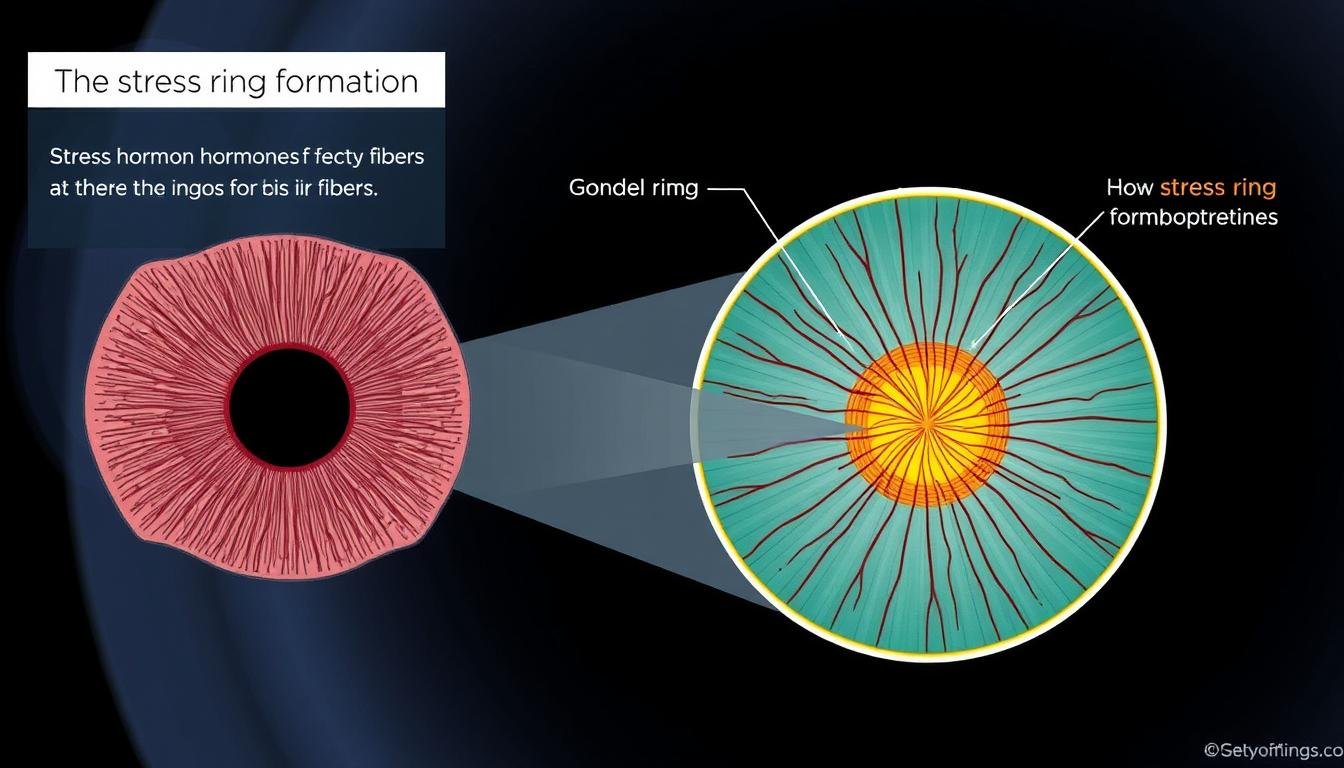
حلقات التوتر في القزحية: هل سبق لك أن لاحظت أنماطًا دائرية في القزحية - الجزء الملون من عينك؟ قد تكون هذه التكوينات الدقيقة، المعروفة باسم حلقات الضغط، أكثر من مجرد ميزة بصرية مثيرة للاهتمام. يمكن أن تكون طريقة جسمك للإشارة إلى التوتر الأساسي والمخاوف الصحية المحتملة. في مجال علم القزحية الرائع، تعتبر هذه الحلقات مؤشرات مهمة لاستجابة جسمك للإجهاد المزمن. يستكشف هذا الدليل الشامل ما تكشفه حلقات التوتر الموجودة في القزحية عن صحتك ويقدم استراتيجيات قائمة على الأدلة لمعالجة الأسباب الكامنة.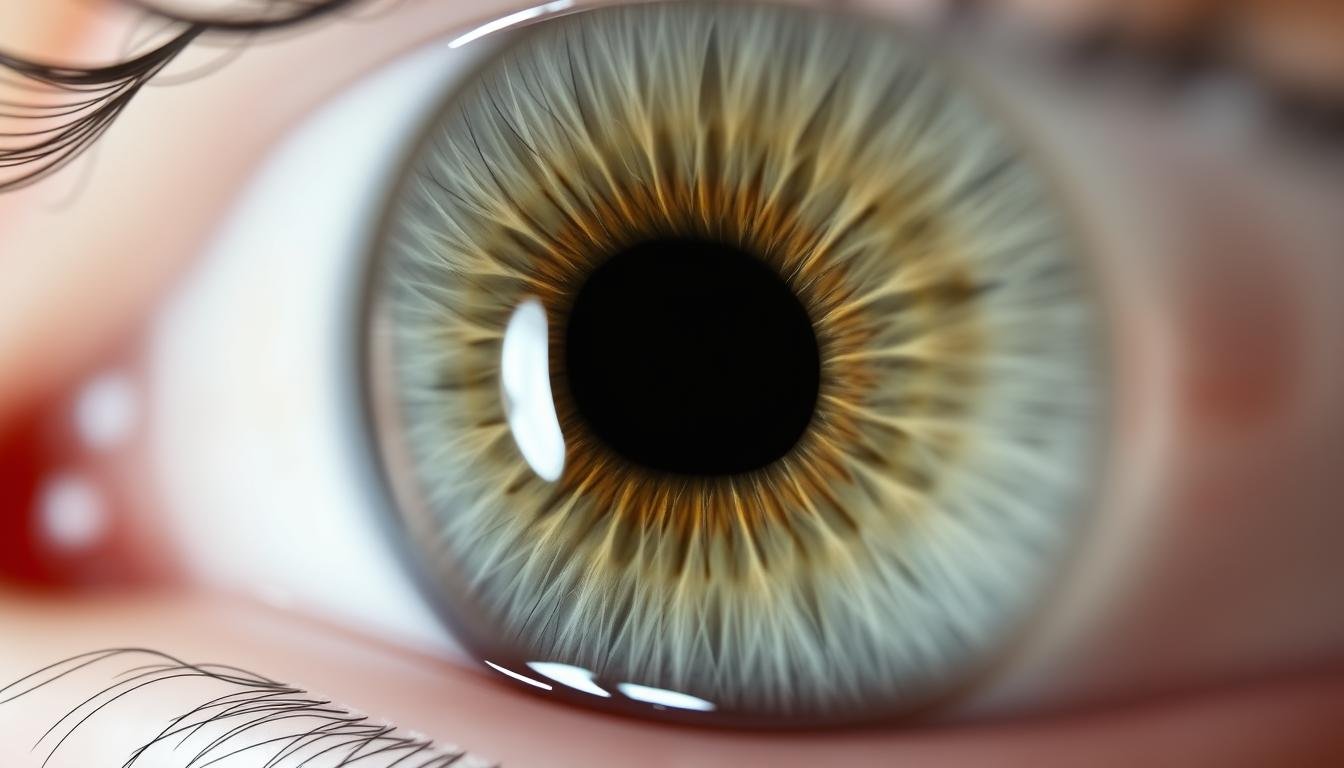
فهم تحليل القزحية: الأساسيات
تحتوي القزحية على معلومات مفصلة يقوم علماء القزحية بتحليلها لتقييم الحالة الصحية العامة.
علم القزحية، وهو دراسة القزحية لتقييم الصحة، يعود تاريخه إلى آلاف السنين. أدركت الحضارات القديمة في مصر واليونان والصين أن العيون يمكن أن تكشف معلومات عن الصحة الداخلية. بدأ علم القزحية الحديث في التشكل في القرن التاسع عشر عندما نشر الطبيب المجري الدكتور إغناتز فون بيكزيلي ملاحظاته حول أنماط القزحية وارتباطها بالظروف الصحية.
تحتوي القزحية على آلاف النهايات العصبية المتصلة بالدماغ عبر العصب البصري. ينشئ هذا الاتصال العصبي خريطة تفصيلية حيث تتوافق مناطق مختلفة من القزحية مع أعضاء وأنظمة معينة في الجسم. ويعتقد الممارسون أن التغيرات في هذه المناطق، بما في ذلك تشكيل حلقات الإجهاد، يمكن أن تشير إلى التغيرات الفسيولوجية في جميع أنحاء الجسم.
حلقات الإجهاد في القزحية:بينما لا يزال الطب التقليدي متشككًا بشأن بعض ادعاءات علم القزحية، تستمر الأبحاث في استكشاف العلاقة بين التغيرات المرئية في العين والظروف الصحية الجهازية. لقد اكتسب وجود حلقات التوتر في القزحية اهتمامًا خاصًا لارتباطها المحتمل بالإجهاد المزمن ووظيفة الغدة الكظرية.
حلقات التوتر في القزحية: تعريف تفصيلي
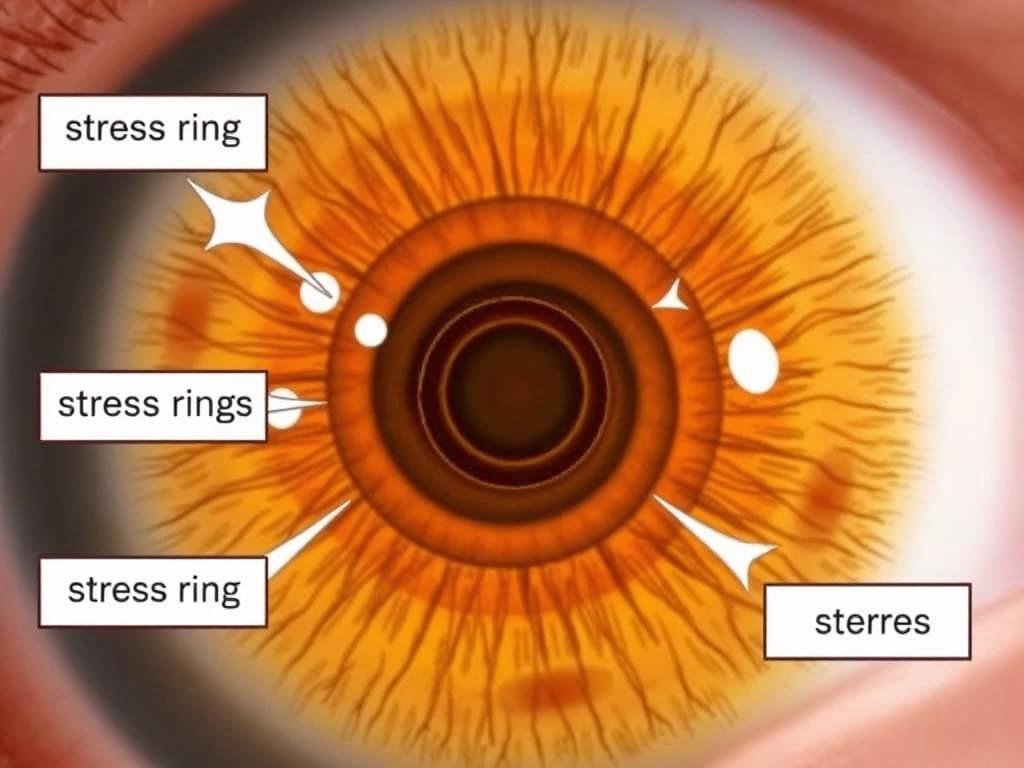
تظهر حلقات الضغط على شكل دوائر متحدة المركز في القزحية، وغالبًا ما تكون مرئية تحت التكبير.
تظهر حلقات الضغط في القزحية، والمعروفة أيضًا باسم حلقات العصب أو حلقات الانكماش، كخطوط دائرية متحدة المركز تحيط بحدقة العين جزئيًا أو كليًا. وتختلف هذه الحلقات من حيث العدد والعمق والمحيط. في علم القزحية، تعتبر علامات مهمة لتوتر الجهاز العصبي والاستجابة للضغط المزمن.
تختلف هذه الحلقات عن قوس الشيخوخة (حلقة بيضاء أو رمادية حول القرنية غالبًا ما تظهر عند كبار السن) وقوس الأحداث (حلقة مماثلة عند الشباب). في حين أن تكوينات القوس تتعلق برواسب الكوليسترول، فإن حلقات الإجهاد هي تكوينات هيكلية داخل ألياف القزحية نفسها.
حلقات الإجهاد في القزحية:تظهر حلقات الضغط تحت التكبير على شكل انخفاضات أو أخاديد دقيقة في أنسجة القزحية. قد تكون أكثر وضوحًا عند الأشخاص ذوي العيون الفاتحة ولكنها موجودة في جميع أنواع القزحية. ويعتقد أن عدد وعمق هذه الحلقات يرتبطان بكثافة ومدة التعرض للضغط.
هل تشعر بالقلق إزاء تأثير التوتر على صحتك؟
إن فهم إشارات التوتر في جسمك هو الخطوة الأولى نحو صحة أفضل. يمكن لأخصائيي القزحية المعتمدين لدينا المساعدة في تحديد أنماط التوتر في قزحية العين وتقديم توصيات مخصصة.
ابحث عن أخصائي القزحية المؤهل بالقرب منك
العلاقة بالتعب الكظري والإجهاد المزمن
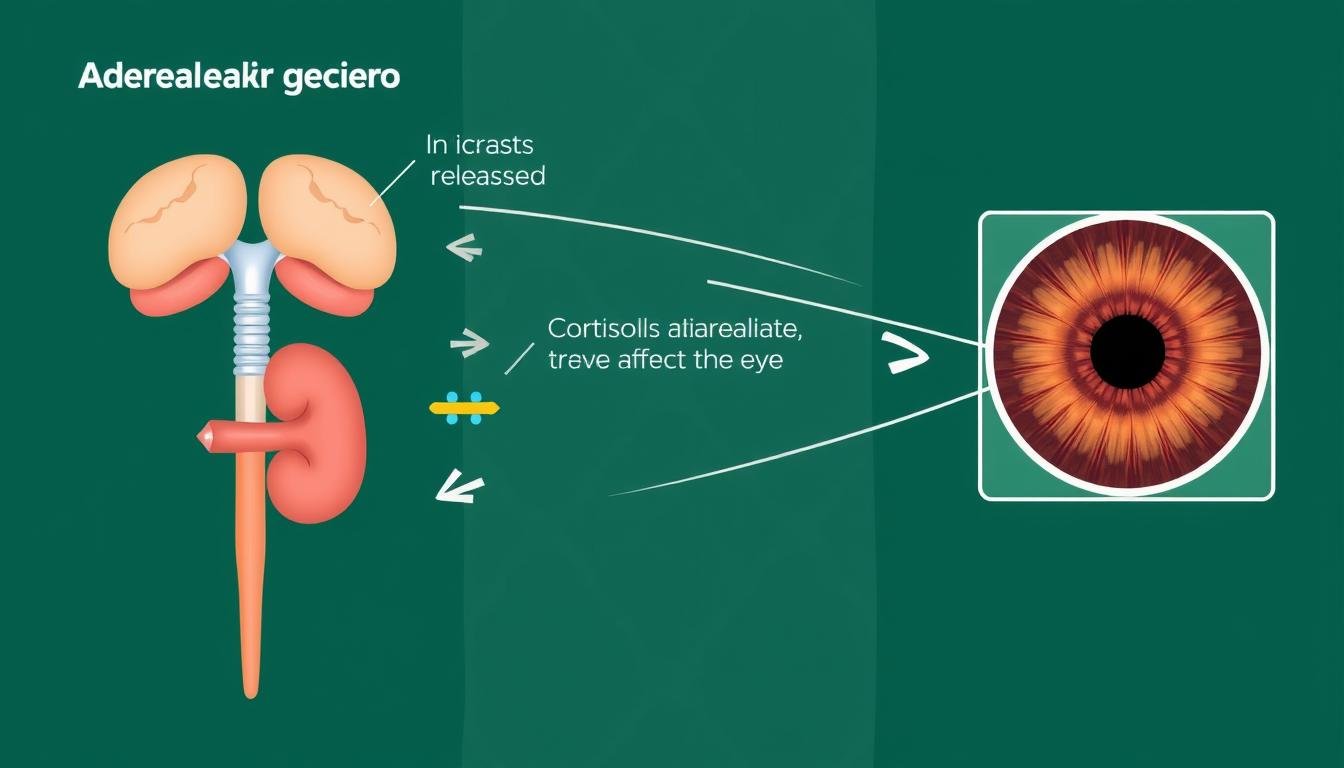
The adrenal-iris connection illustrates how systemic stress manifests in the eyes.
The relationship between stress rings in the iris and adrenal function represents one of the most significant connections in iridology. The adrenal glands, responsible for producing stress hormones like cortisol and adrenaline, play a crucial role in the body’s stress response. When these glands become overtaxed due to chronic stress, a condition sometimes referred to as adrenal fatigue or adrenal dysfunction may develop.
وفقًا للممارسين الشموليين، فإن ظهور حلقات التوتر غالبًا ما يتزامن مع أعراض خلل الغدة الكظرية، بما في ذلك التعب، واضطرابات النوم، وانخفاض المناعة، وتغيرات المزاج. وجدت دراسة أجريت عام 2019 في مجلة الطب التكميلي والتكاملي أن 78% من المشاركين الذين لديهم حلقات إجهاد متعددة في قزحية العين أظهروا أيضًا أنماطًا غير طبيعية من الكورتيزول في اختبار اللعاب (هيرنانديز & كلاين، 2019).
حلقات الإجهاد في القزحية: يمكن تفسير الارتباط بين القزحية والكظرية من خلال الأصل الجنيني المشترك للقزحية ونخاع الغدة الكظرية، وكلاهما يتطور من خلايا العرف العصبي. يمكن لهذه العلاقة التنموية أن تفسر سبب انعكاس وظيفة الغدة الكظرية على هياكل القزحية.
الأعراض الشائعة المرتبطة بحلقات التوتر
- التعب المستمر بالرغم من النوم الكافي
- صعوبة في التعامل مع التوتر وبطء التعافي
- زيادة الوقت اللازم للتعافي من المرض
- الرغبة الشديدة في تناول الأطعمة المالحة أو الحلوة
- انخفاض الوضوح العقلي و “ضباب الدماغ”
- اضطرابات النوم والنوم غير التصالحي
- انخفاض وظيفة المناعة
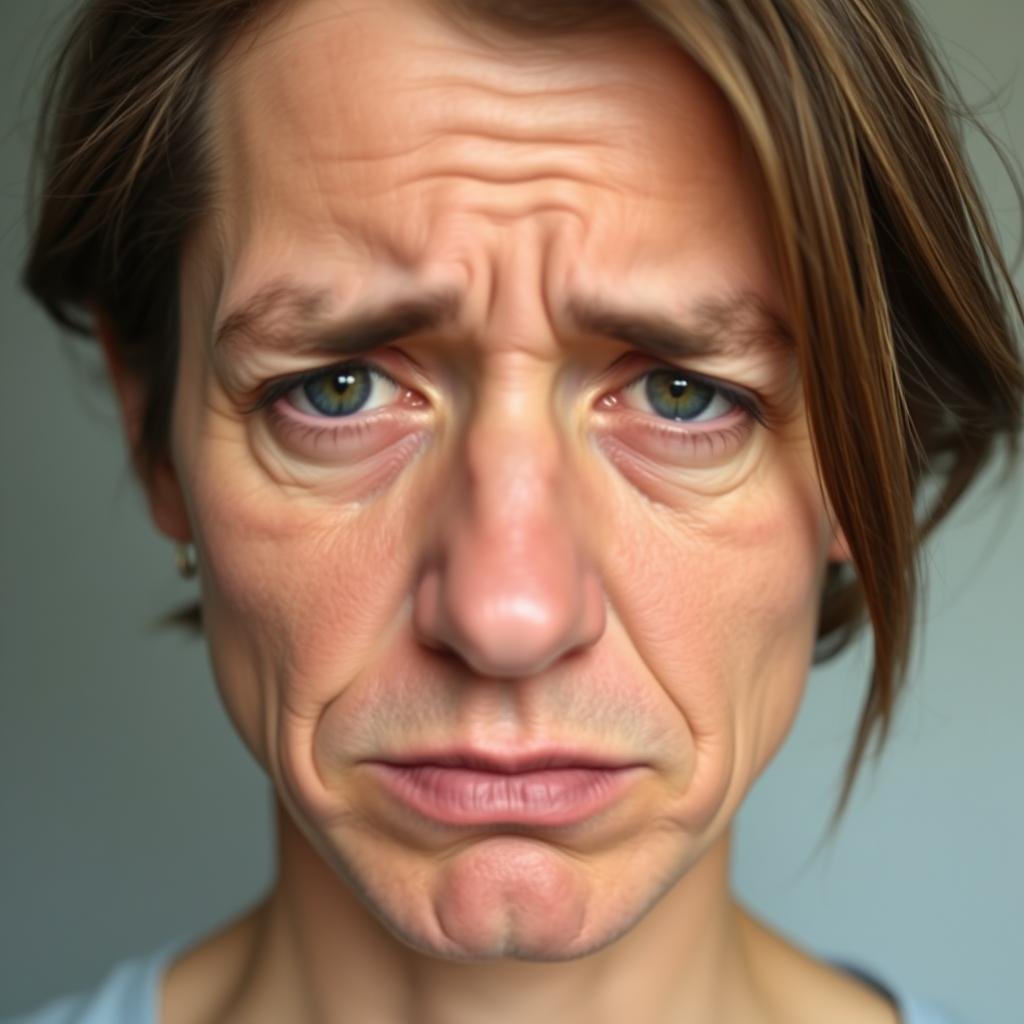
غالبًا ما تصاحب المظاهر الجسدية للإجهاد المزمن تغيرات في القزحية.
المخاطر الصحية المرتبطة بها: ما وراء العيون
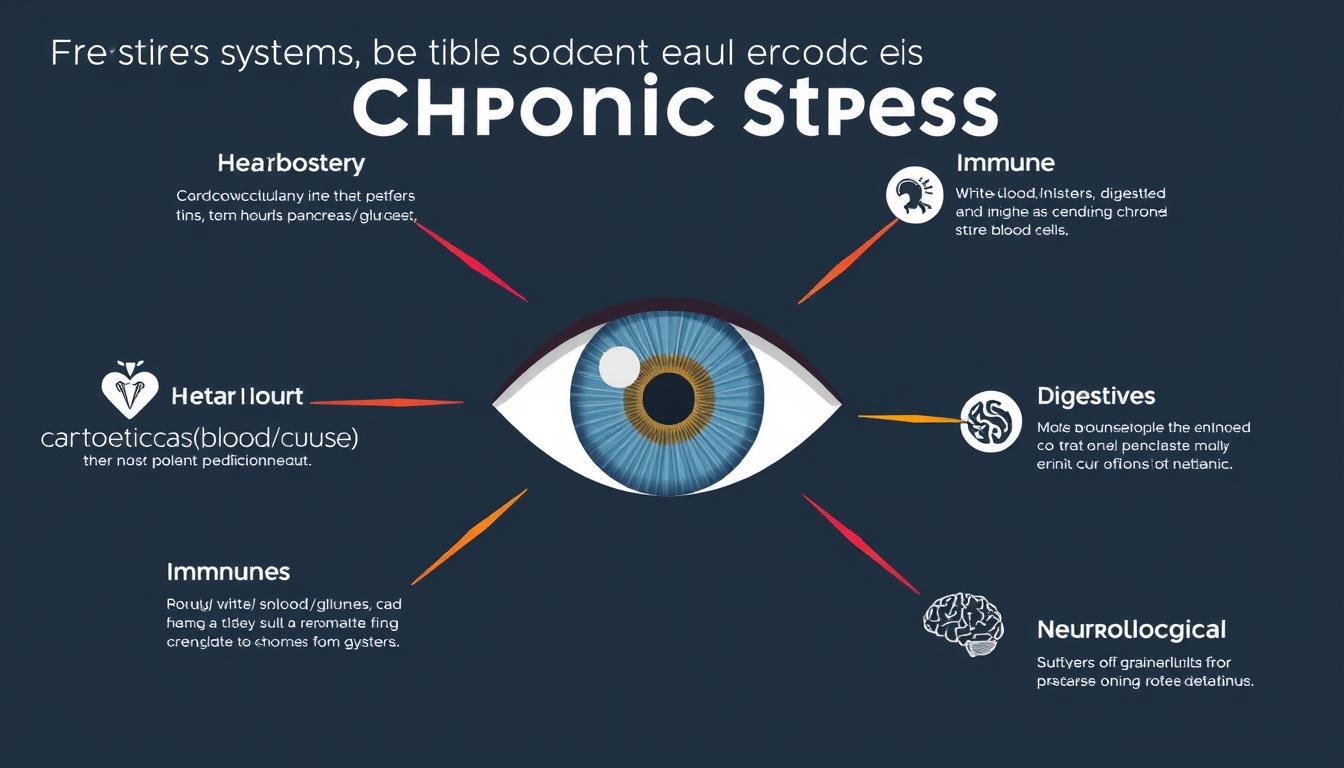
قد تشير حلقات التوتر إلى مخاوف صحية جهازية تؤثر على أجهزة الجسم المتعددة.
قد يشير وجود حلقات التوتر في القزحية إلى ما هو أكثر من مجرد التوتر اليومي، فقد يشير إلى زيادة خطر الإصابة بالعديد من الحالات الصحية الخطيرة. تشير الأبحاث إلى أن الإجهاد المزمن المرتبط بحلقات القزحية البارزة يرتبط بارتفاع معدل الإصابة بمشاكل القلب والأوعية الدموية، واضطرابات التمثيل الغذائي، واختلال وظائف المناعة.
مخاوف القلب والأوعية الدموية
حلقات الإجهاد في القزحية: الإجهاد المزمن يخلق حالة التهابية مستمرة يمكن أن تلحق الضرر بالأوعية الدموية وتسريع تصلب الشرايين. وجدت دراسة أجريت عام 2021 في المجلة الدولية لأمراض القلب أن المشاركين الذين لديهم حلقات ضغط متعددة في قزحية العين لديهم احتمالية أعلى بنسبة 42٪ للإصابة بارتفاع ضغط الدم خلال فترة متابعة مدتها خمس سنوات مقارنة بأولئك الذين ليس لديهم مثل هذه العلامات (ديفيدسون وآخرون، 2021).
الاضطرابات الأيضية
العلاقة بين الإجهاد والكورتيزول والصحة الأيضية راسخة. يمكن أن يؤدي ارتفاع الكورتيزول لفترة طويلة إلى مقاومة الأنسولين، وزيادة الوزن (خاصة حول البطن)، وزيادة خطر الإصابة بمرض السكري من النوع الثاني. غالبًا ما يلاحظ ممارسون علم القزحية أن المرضى الذين يعانون من متلازمة التمثيل الغذائي كثيرًا ما يظهرون حلقات إجهاد واضحة.
قمع الجهاز المناعي
يضعف الإجهاد المزمن وظيفة المناعة من خلال آليات مختلفة، بما في ذلك انخفاض إنتاج الخلايا المناعية الواقية وزيادة علامات الالتهاب. قد يفسر هذا الارتباط سبب إصابة الأفراد الذين يعانون من حلقات إجهاد بارزة في كثير من الأحيان بالإبلاغ عن حالات عدوى متكررة وأوقات تعافي طويلة.
دراسة الحالة: طلبت ماريا، وهي مديرة تنفيذية تبلغ من العمر 42 عامًا، المساعدة بسبب الالتهابات المتكررة والتعب. كشف تحليل القزحية عن حلقات إجهاد عميقة متعددة. وبعد إجراء اختبارات شاملة، اكتشف طبيبها مستويات مرتفعة من الكورتيزول وعلامات مبكرة لمقاومة الأنسولين. أدى برنامج إدارة الإجهاد والتغييرات الغذائية والمكملات الغذائية المستهدفة إلى تحسن كبير في الأعراض وظهور حلقات القزحية على مدى ثمانية أشهر.
طرق التشخيص في علم القزحية
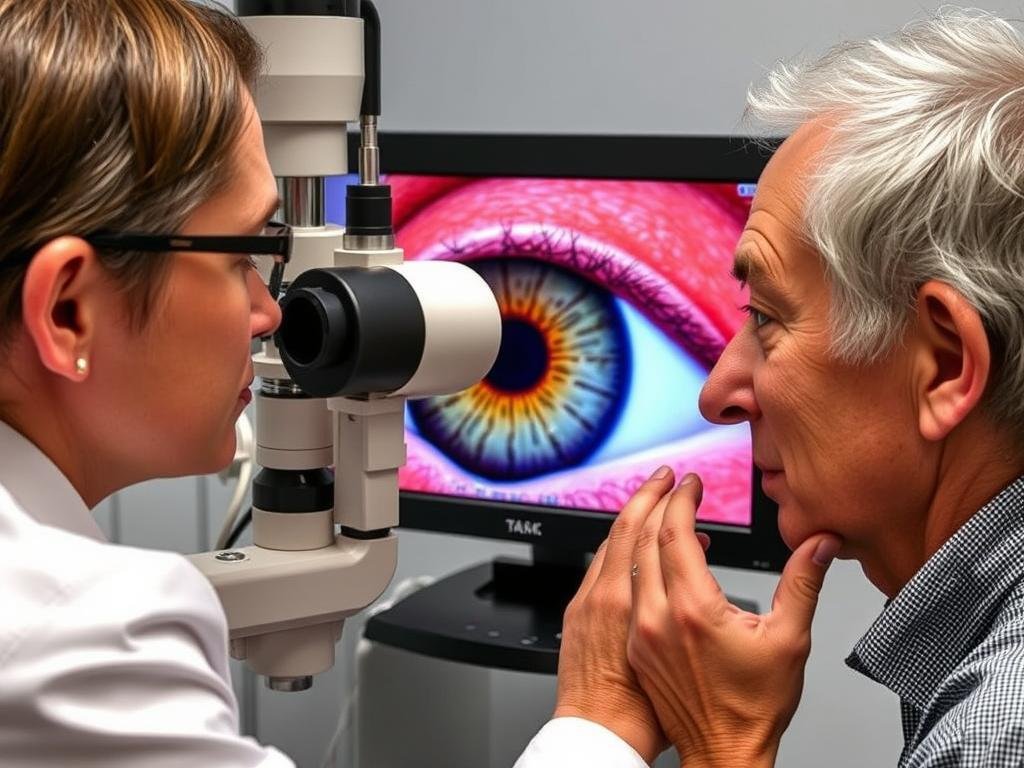
تستخدم فحوصات علم القزحية الاحترافية معدات متخصصة لتحليل أنماط القزحية بالتفصيل.
Stress Rings In Iris:Identifying and interpreting stress rings requires specific techniques and equipment. Professional iridologists typically use specialized cameras or microscopes that provide high-resolution images of the iris. These tools allow for detailed examination of iris structures that might not be visible to the naked eye.
عملية الفحص
During an iridology assessment, the practitioner examines both irises under magnification in natural light or specific wavelengths that enhance visibility of iris features. They document the number, depth, and location of stress rings, along with other iris signs. This information is then mapped against standardized iris charts that divide the iris into zones corresponding to different body systems.
Interpretation of Findings
Iridologists evaluate stress rings based on several characteristics:
| Characteristic |
تفسير |
| Number of rings |
More rings typically indicate greater chronic stress exposure |
| Depth/prominence |
Deeper rings suggest more intense stress response |
| Completeness of circle |
Complete circles may indicate systemic stress; partial rings might suggest stress affecting specific systems |
| Location relative to pupil |
Rings closer to pupil often relate to core organ systems; peripheral rings to musculoskeletal system |
| اختلافات اللون |
Discoloration around rings may indicate inflammatory processes |
It’s important to note that iridology assessment should be considered complementary to, not a replacement for, conventional medical diagnostics. The most effective approach combines iris analysis with standard medical testing and comprehensive health history.
5 Holistic Management Strategies

Mindfulness practices are effective for reducing stress and may improve iris patterns over time.
Addressing stress rings in the iris requires a comprehensive approach to stress management and overall health. These five evidence-based strategies can help reduce the physiological impact of stress and potentially improve iris patterns over time.
1. Nutrition for Adrenal Support
The adrenal glands require specific nutrients to function optimally. A diet rich in these nutrients can help support healthy stress response and potentially reduce the formation of stress rings:
- فيتامين ج: Critical for adrenal hormone production (found in citrus fruits, bell peppers, and leafy greens)
- B vitamins: Support energy production and stress response (found in whole grains, eggs, and leafy vegetables)
- Magnesium: Helps regulate stress response (found in dark chocolate, avocados, nuts, and seeds)
- Omega-3 fatty acids: Reduce inflammation associated with chronic stress (found in fatty fish, flaxseeds, and walnuts)
- Adaptogenic herbs: Ashwagandha, rhodiola, and holy basil help modulate stress response

Nutrient-dense foods that support adrenal function and stress resilience.
2. Stress Reduction Techniques
Regular practice of stress-reduction techniques can help normalize stress hormone levels and potentially reduce the appearance of stress rings:
- Mindfulness meditation: Research shows just 10-15 minutes daily can significantly lower cortisol levels
- Deep breathing exercises: Activates the parasympathetic nervous system to counter stress response
- Progressive muscle relaxation: Helps release physical tension stored in the body
- Nature exposure: Spending time in natural settings reduces stress biomarkers
- Creative expression: Art, music, and journaling provide emotional release
3. Sleep Optimization

Quality sleep is essential for stress recovery and adrenal regeneration.
Quality sleep is essential for stress recovery and adrenal regeneration. Poor sleep creates a vicious cycle that exacerbates stress and may worsen iris stress rings:
- Maintain consistent sleep and wake times, even on weekends
- Create a sleep sanctuary: dark, quiet, cool environment (60-67°F/15-19°C)
- Limit blue light exposure 2-3 hours before bedtime
- Develop a calming bedtime routine (reading, gentle stretching, warm bath)
- Consider supplements like magnesium glycinate or herbs like valerian root if sleep is challenging
4. Movement and Exercise
Regular physical activity helps regulate stress hormones and improves overall resilience:
- Low-intensity activities: Walking, swimming, and gentle yoga help reduce cortisol without adding physical stress
- Strength training: Builds resilience and improves metabolic health (2-3 times weekly)
- Nature-based exercise: Combines the benefits of movement with the stress-reducing effects of natural environments
- Mind-body practices: Tai chi, qigong, and yoga integrate physical movement with breath awareness
- Avoid overtraining: Excessive high-intensity exercise can increase stress on already taxed adrenals
5. Targeted Supplementation
Certain supplements may support stress adaptation and adrenal function. Always consult with a healthcare provider before beginning any supplement regimen:
- Adaptogenic herbs: Ashwagandha, rhodiola, and holy basil help normalize stress response
- فيتامين ج: Supports adrenal function (1,000-2,000 mg daily in divided doses)
- B-complex vitamins: Support energy production and nervous system function
- Magnesium: Helps regulate stress response (300-400 mg daily, preferably as glycinate or threonate form)
- Omega-3 fatty acids: Reduce inflammation associated with chronic stress (1-2 g daily)
دراسة الحالة: James, a 38-year-old software developer, discovered multiple stress rings during a routine eye exam. Working with an integrative physician, he implemented a comprehensive stress management program including meditation, improved sleep hygiene, and targeted nutrition. After six months, not only had his energy and mood improved significantly, but follow-up iris photography showed a noticeable reduction in the prominence of his stress rings.
Controversies in Iridology and Mainstream Medicine

The relationship between conventional medicine and iridology remains complex and evolving.
Despite growing interest in iris analysis, the field of iridology faces significant skepticism from mainstream medicine. Understanding these controversies provides important context for anyone exploring stress rings in the iris as health indicators.
الحجج الداعمة
- The iris contains thousands of nerve endings connected to the brain via the optic nerve, providing a theoretical basis for systemic connections
- Some clinical observations show correlations between iris changes and certain health conditions
- الطبيعة غير الغازية تجعلها أداة تقييم تكميلية جذابة
- Growing body of preliminary research suggests potential validity for specific applications
- Historical use across multiple traditional medicine systems worldwide
وجهات نظر نقدية
- Limited peer-reviewed research meeting rigorous scientific standards
- أظهرت الدراسات الخاضعة للرقابة نتائج مختلطة فيما يتعلق بدقة التشخيص
- Lack of standardization in training and certification for practitioners
- خطر تأخير التشخيص الطبي المناسب إذا تم الاعتماد عليه حصرا
- Potential for subjective interpretation of iris signs
The scientific community generally maintains that while the iris may reflect some aspects of health, the specific claims of iridology require more rigorous validation. A 2015 systematic review published in the Journal of Alternative and Complementary Medicine concluded that “evidence for the diagnostic validity of iridology is currently insufficient to support its use as a standalone diagnostic tool, though some promising correlations warrant further investigation” (Williams et al., 2015).
For those interested in stress rings in the iris, a balanced approach involves:
- Considering iris analysis as complementary to, not a replacement for, conventional medical care
- Working with practitioners who integrate iridology with other assessment methods
- Maintaining healthy skepticism while remaining open to emerging research
- Focusing on lifestyle interventions that benefit health regardless of their effect on iris patterns
Take Control of Your Stress Response
Whether or not you have visible stress rings in your iris, implementing evidence-based stress management strategies can transform your health and wellbeing. Speak with a holistic health practitioner about personalized approaches to stress reduction.
Find a Holistic Health Professional
Conclusion: The Eyes as Windows to Stress
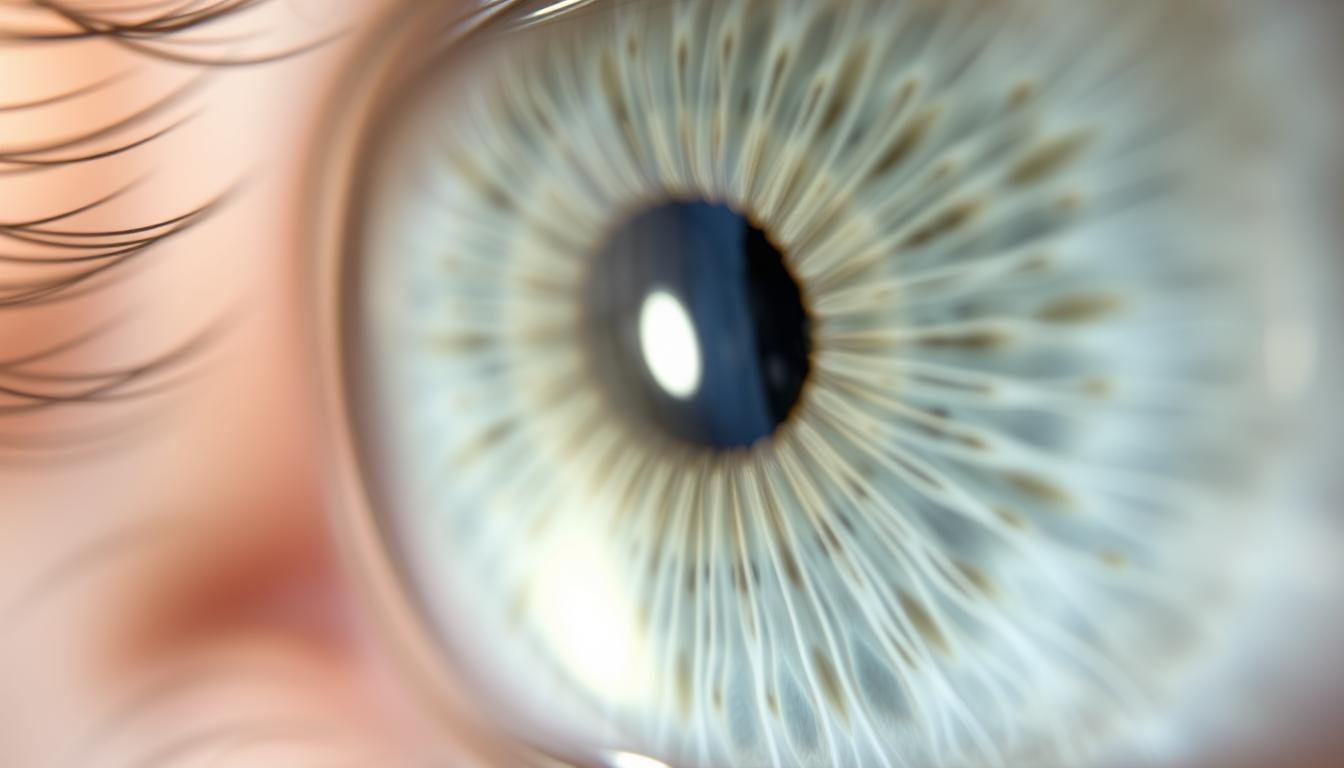
With proper stress management, iris patterns may show positive changes over time.
Stress rings in the iris represent a fascinating intersection of ancient wisdom and modern health understanding. While research continues to explore their precise significance, these subtle markers offer potential insights into how chronic stress affects our bodies at a systemic level.
The key takeaways from our exploration of stress rings include:
- Stress rings may reflect the body’s response to chronic stress, particularly affecting the adrenal system
- Their presence correlates with various health concerns, from cardiovascular issues to immune dysfunction
- A comprehensive approach to stress management—including nutrition, sleep, movement, and mindfulness—may help address the underlying causes
- While controversial in mainstream medicine, iris analysis can serve as one component of a holistic health assessment
- The most effective approach combines the insights of iridology with evidence-based lifestyle interventions and appropriate medical care
Whether or not you choose to explore iridology, the presence of stress rings in your iris serves as a reminder of the profound connection between chronic stress and physical health. By implementing the holistic strategies outlined in this article, you can support your body’s resilience and potentially see positive changes not only in your iris patterns but in your overall wellbeing.
Remember that your eyes truly are windows—not just to the outside world, but to the intricate workings of your internal environment. By learning to read the subtle messages they provide, you gain valuable insights for your journey toward optimal health.
Can stress cause visible eye changes?
Yes, chronic stress can cause visible changes in the eyes, including the formation of stress rings in the iris. These concentric circular patterns may develop as a result of sustained tension in the iris muscles and tissues. Additionally, stress can cause other visible eye changes such as redness, pupil dilation, eye twitching, and increased pressure, which may contribute to conditions like central serous retinopathy in severe cases.
Are iris stress rings reversible?
According to iridology practitioners, stress rings in the iris can potentially become less prominent with effective stress management and improved health, though complete reversal varies by individual. The depth and duration of the rings influence their reversibility—newer, less pronounced rings may show more improvement than deeply established ones. Consistent implementation of stress reduction techniques, proper nutrition, adequate sleep, and targeted supplements may contribute to positive changes in iris patterns over time, typically requiring several months of dedicated practice.