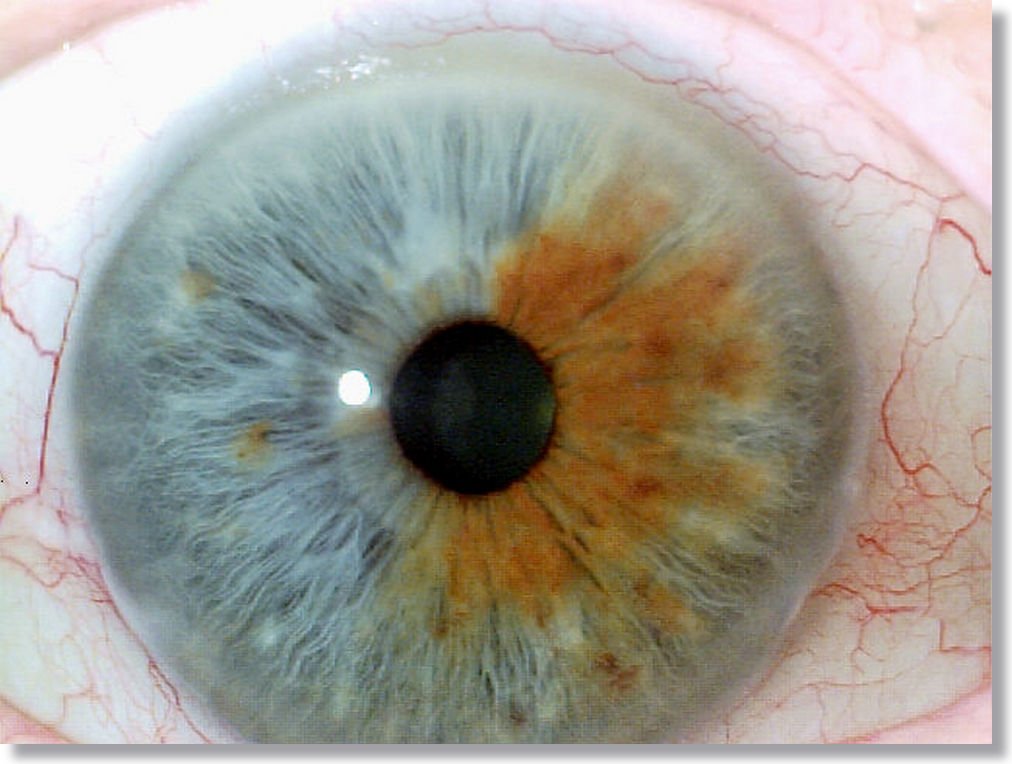
Iridology Orange Color-The appearance of orange pigmentation in the iris captures the attention of both seasoned iridologists and curious health practitioners. This distinctive coloration represents one of the most discussed phenomena in analyse des couleurs en iridologie, yet remains shrouded in questions about its clinical significance and interpretation methods.
When examining the human iris, practitioners encounter a spectrum of colors and markings. Among these, orange hues stand out as particularly intriguing indicators that may reflect various physiological conditions within the body.
This comprehensive guide explores everything you need to know about orange dans la couleur des yeux iridologie, from basic identification techniques to advanced interpretation frameworks used by professional iridologists worldwide.
Qu'est-ce que Orange Color dans Iridologie?
Orange coloration in the iris refers to specific pigment deposits that appear as rust-colored, amber, or tangerine-hued spots and patches within the iris tissue. These markings differ from the base iris color and typically manifest as discrete areas of concentrated pigment.
The presence of orange pigmentation develops through various mechanisms. According to traditional iridology theory, these color changes may indicate accumulation of certain substances in corresponding body areas represented on iris charts.
Distinguishing Orange from Other Couleurs des iris
Accurate identification requires understanding how orange differs from similar hues. Yellow pigmentation tends toward brighter, more golden tones, while brown appears deeper and more saturated.
Orange typically presents as an intermediate shade between these colors. The pigment often concentrates in specific iris zones rather than appearing uniformly across the entire structure.
Practitioners examine the iris under proper lighting conditions to avoid misidentification. Natural daylight or specialized iridology lamps help reveal true color characteristics without artificial distortion.
Common Locations of Orange Pigmentation
These color variations appear most frequently in certain iris regions. The area surrounding the pupil, known as the collarette, often shows orange accumulation in many patients.
Individual spots may scatter throughout various iris zones. Some cases display concentrated orange coloring in specific organ representation areas according to traditional iris charts.
The distribution pattern provides important information for interpretation. Scattered spots suggest different conditions compared to consolidated patches of orange pigment.
Signification de la couleur des yeux en iridologie: Interpreting Orange Pigmentation

The interpretation of orange coloration follows established frameworks developed by pioneering iridologists. Different schools of thought offer varying perspectives on what these color changes signify.
Traditionnel Analyse des couleurs iridologiques Perspectives
Classical iridology associates orange hues with specific organ systems and functional states. Many practitioners link orange pigmentation to liver function, gallbladder health, and digestive system conditions.
The pancreas represents another organ commonly associated with orange iris markings. Some iridologists observe correlations between orange coloring in pancreatic zones and blood sugar regulation issues.
Kidney function may also relate to certain orange patterns. The intensity and distribution of color provide additional interpretive details beyond simple presence or absence.
Jensen Iridology Que signifie changer la couleur des yeux
Dr. Bernard Jensen, one of the most influential figures in modern iridology, developed comprehensive color interpretation systems. His work emphasized that color changes reflect tissue conditions and metabolic states.
According to Jensen’s framework, orange pigmentation often indicates drug deposits, chemical accumulation, or certain mineral imbalances within body tissues. The specific location determines which organs or systems show these conditions.
Jensen documented cases where changement de couleur des yeux en iridologie occurred following dietary modifications or detoxification protocols. These observations suggested that iris pigmentation could shift over time reflecting altered body chemistry.
Acute Conditions
Orange coloring may reflect recent or active processes requiring attention and intervention.
- Inflammation in specific organ areas
- Recent toxin exposure
- Acute digestive disturbances
- Temporary metabolic imbalances
Conditions chroniques
Established orange pigmentation often indicates long-standing patterns within body systems.
- Accumulated metabolic waste products
- Chronic organ stress or weakness
- Long-term dietary imbalances
- Constitutional predispositions
Constitutional Markers
Some orange patterns represent inherent characteristics rather than acquired conditions.
- Genetic tissue weakness areas
- Inherited metabolic tendencies
- Constitutional organ patterns
- Family health predispositions
Drug Deposits
Certain orange hues may indicate pharmaceutical or chemical accumulation in tissues.
- Medication residue patterns
- Chemical exposure indicators
- Heavy metal accumulation signs
- Environmental toxin markers
Relationship to Endocrine Disorders et Vascular Diseases
Research in iridology suggests connections between iris pigmentation and various systemic conditions. Orange coloring in specific zones may correlate with endocrine system function.
The thyroid gland zone sometimes displays orange pigmentation in patients with thyroid conditions. Similarly, adrenal areas may show color changes reflecting stress response patterns.
Vascular health appears reflected in iris characteristics including color distribution. Some practitioners observe orange tones near vessel structures in patients with circulation concerns.
Clinical Perspective on Iris Pigmentation and Santé
The relationship between iris characteristics and systemic health conditions remains a subject of ongoing study and debate within medical communities. Understanding both iridology perspectives and conventional medical viewpoints provides balanced insight.
Current Research on Iris Markings and Maladie
Scientific studies have examined correlations between iris features and various health conditions. Some research suggests certain iris patterns may associate with specific diseases, though results remain mixed.
A study involving patients with different conditions found that some iris characteristics appeared more frequently in certain disease groups. However, establishing causative relationships requires additional research.
The presence of pigment spots in the iris reflects actual physical changes in tissue structure. These markings result from melanin deposits, connective tissue variations, or other structural modifications.
Limitations et considérations
Practitioners should understand that iris analysis serves as one assessment tool among many. No single diagnostic method provides complete information about patient health status.
Individual variation in iris structure means that normal anatomy sometimes mimics conditions described in iridology charts. Experience helps practitioners distinguish significant findings from normal variants.
The interpretation of iris color requires careful observation under standardized conditions. Lighting, magnification, and documentation methods all influence assessment accuracy.
Integration with Conventional Assessment
Many holistic practitioners use iridology alongside conventional diagnostic methods. This integrated approach combines traditional medical testing with complementary assessment techniques.
Iris examination may raise questions prompting further investigation through standard medical channels. Suspicious findings warrant appropriate referral and conventional diagnostic workup.
Patients benefit when practitioners maintain open communication with other healthcare providers. Collaborative care ensures comprehensive health management addressing all relevant factors.
Practical Techniques for Analyzing Iridologie Couleur Orange
Effective iris color analysis requires proper technique, appropriate equipment, and systematic documentation. Practitioners develop these skills through training and consistent practice.
Équipement essentiel pour Iris Examen
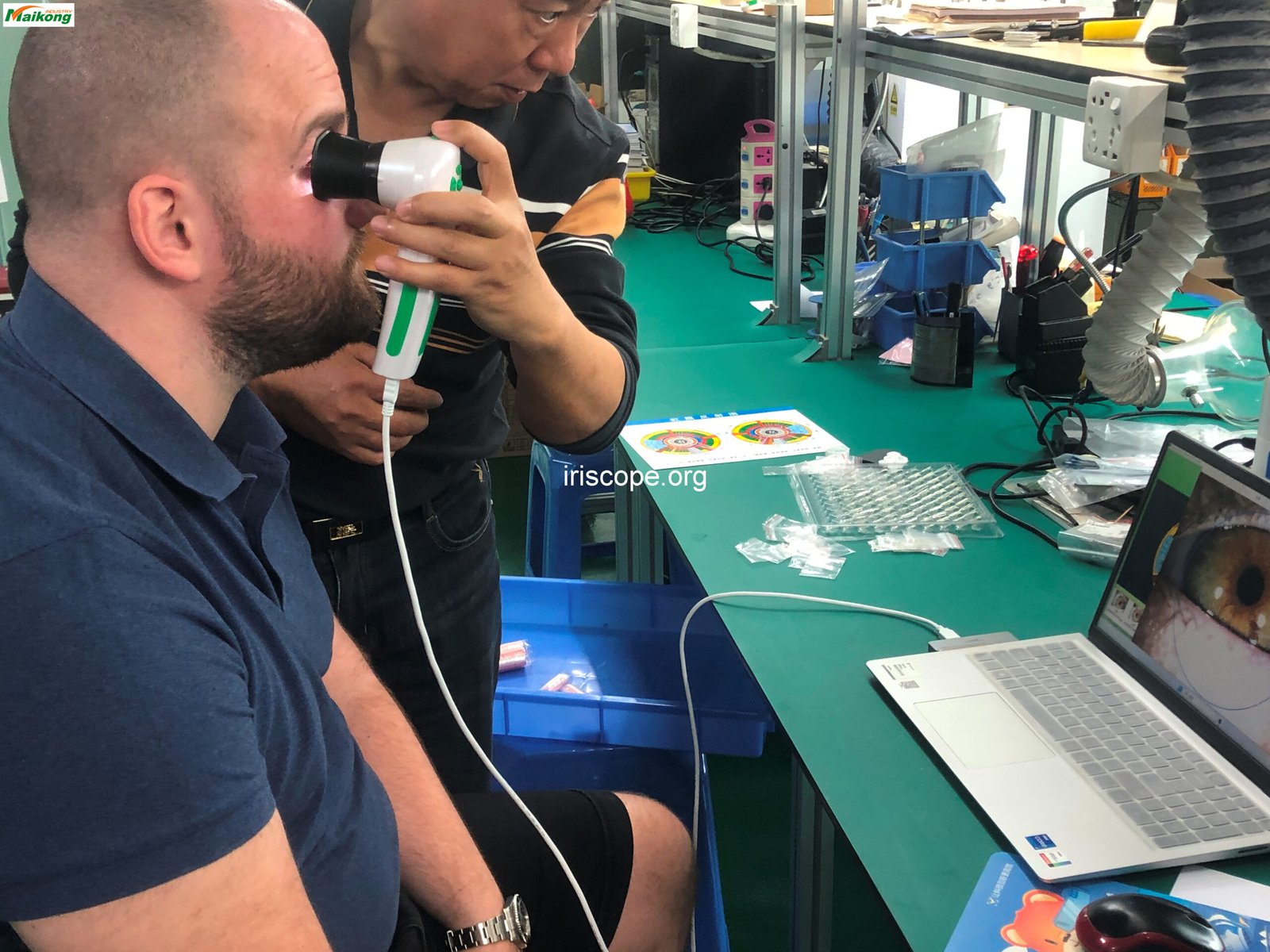
Professional iridology assessment begins with proper tools. A high-quality magnifying lens provides adequate detail for identifying subtle color variations and structural features.
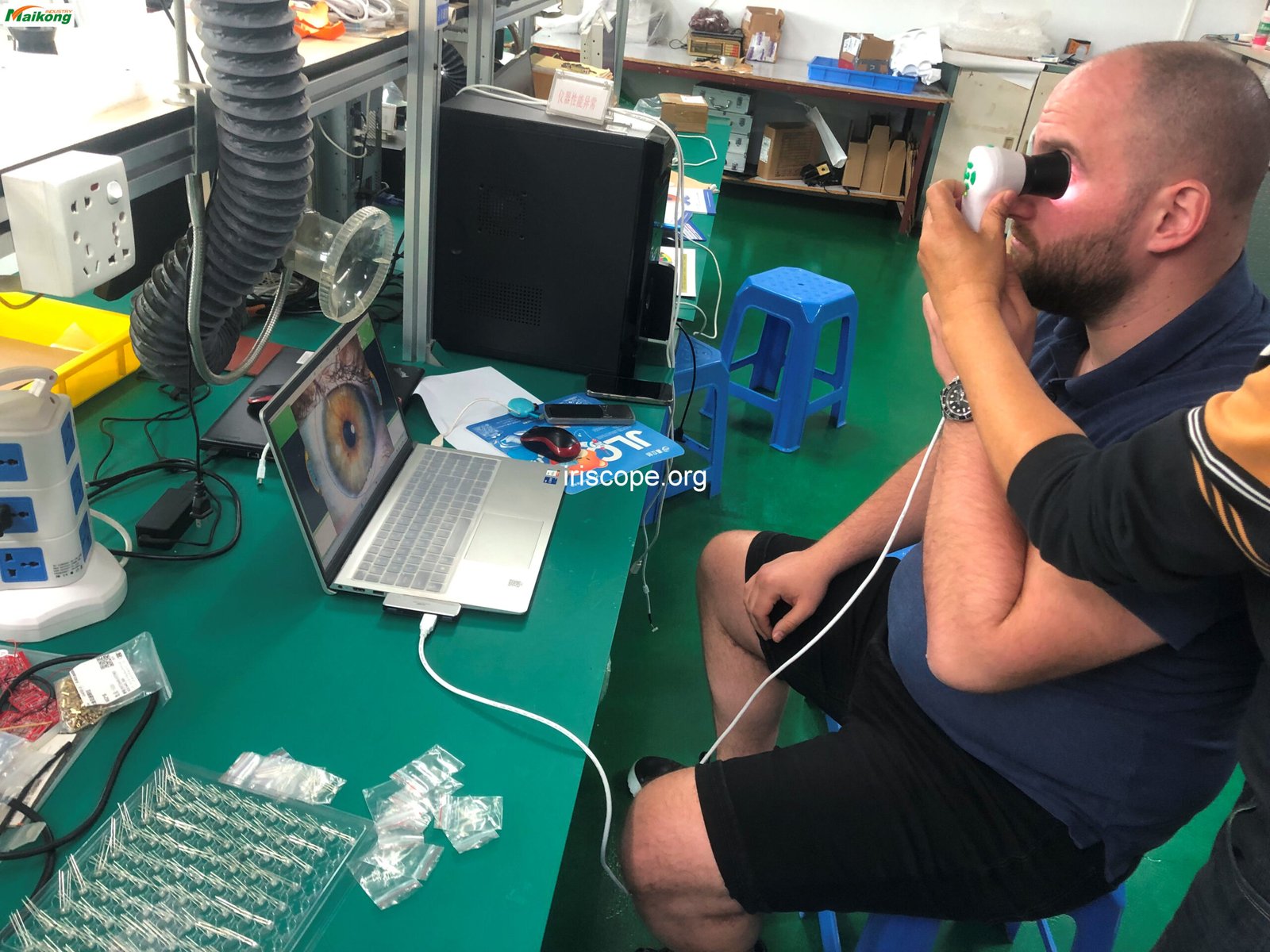
Specialized iridology cameras enable photographic documentation of findings. Modern equipment with high-resolution imaging capabilities captures accurate color representation for detailed analysis and patient records.
Proper lighting remains crucial for accurate assessment. Natural daylight provides ideal illumination, though professional iridology lamps offer consistent lighting conditions regardless of time or weather.
Step-by-Step Examination Process
Begin by ensuring the patient sits comfortably in proper lighting. Position yourself at eye level with adequate working distance for clear visualization.
Systematically scan the entire iris structure noting overall color, patterns, and any distinctive markings. Record the location, size, and characteristics of orange pigmentation areas.
Compare findings against standard iris charts identifying which organ zones display color variations. Document observations thoroughly including written notes and photographic records when possible.
Documentation Best Practices
Maintain detailed records of iris findings for each patient encounter. Include date, lighting conditions, equipment used, and specific observations about color, location, and pattern characteristics.
Photographic documentation provides valuable comparison points for tracking changes over time. Standardize camera settings and lighting to ensure consistent image quality across multiple sessions.
Create systematic filing systems allowing easy retrieval of patient records. Digital databases facilitate quick comparison of current findings with historical data revealing progression or improvement patterns.
Peut Changement de couleur des yeux en iridologie? Understanding Iris Pigmentation Dynamics

One frequently asked question concerns whether iris coloring can change over time. This topic generates significant interest among both practitioners and patients seeking to understand health improvement indicators.
Documented Cases of Color Change
Clinical observations by experienced iridologists include reports of iris color shifts following health interventions. These changes typically occur gradually over extended periods rather than appearing suddenly.
Dr. Bernard Jensen documented cases where patients showed lighter or clearer iris coloring after completing detoxification programs or making significant dietary improvements. These observations suggested that tissue cleansing might reflect in iris appearance.
Modern practitioners continue reporting similar phenomena, though systematic research quantifying these changes remains limited. Photographic documentation provides the most reliable evidence for tracking subtle color modifications.
Factors Influencing Iridology Lighten Eye Color
Several variables may contribute to apparent iris color changes. Improved overall health status potentially affects tissue characteristics reflected in iris pigmentation.
Dietary modifications eliminating certain substances might reduce toxic accumulation in body tissues. Some practitioners theorize that reduced tissue burden could manifest as lighter or clearer iris coloring.
Healing responses following treatment for specific conditions may alter tissue characteristics. These physiological changes could potentially influence iris pigmentation over extended periods.
Skeptical Perspectives on Color Change
Some medical professionals question whether true iris color change occurs outside of certain pathological conditions. Conventional ophthalmology recognizes limited circumstances producing actual iris pigmentation changes.
Lighting variations, photographic techniques, and observation conditions may account for apparent color differences. Standardized documentation methods help distinguish genuine changes from technical artifacts.
The pupil size affects iris appearance by compressing or expanding iris tissue. This mechanical factor can alter color perception even when actual pigmentation remains constant.
Special Considerations in Iris Color Analysis

Certain populations present unique considerations for iris color interpretation. Understanding these variations ensures accurate assessment across diverse patient groups.
Iridologie Changement de couleur des yeux Yeux bruns
Individuals with naturally dark brown irises present specific challenges for color analysis. The dense melanin pigmentation may obscure subtle color variations visible in lighter iris types.
Specialized lighting and magnification techniques help reveal details in dark brown eyes. High-intensity illumination penetrates dense pigment layers allowing visualization of underlying structures and color variations.
Practitioners working with predominantly brown-eyed populations develop expertise in detecting subtle changes within darker pigmentation. Experience improves ability to identify significant findings in these iris types.
Iridologie Changement de couleur des yeux Félin: Animal Iridology
Veterinary practitioners apply iridology principles to animal patients including cats and dogs. Animal iris examination follows similar basic principles while accounting for species-specific variations.
Feline eyes show dramatic iris color changes during kittenhood as adult coloring develops. This normal maturation process differs from pathological color changes observed in adult animals.
Color variations in adult animal irises may indicate health conditions similar to those observed in humans. Veterinary iridologists document correlations between iris characteristics and various animal diseases.
Lié à l'âge Iris Changes
Normal aging produces predictable iris modifications including pigment redistribution and structural changes. These age-related variations require distinction from pathological findings.
Arcus senilis, a gray ring around the iris periphery, commonly appears in older adults. This finding relates to cholesterol deposits and age rather than acute disease processes.
Baseline iris color may subtly shift with advancing age. Documentation of changes should account for normal aging processes versus significant pathological alterations.
Professional Resources for Iridologie Color Analysis

Practitioners seeking to develop expertise in iris color analysis benefit from quality training, reference materials, and professional networking opportunities.
Training and Certification en iridologie
Formal education programs provide foundational knowledge in iridology theory and practice. Certification courses cover anatomy, physiology, chart interpretation, and practical examination techniques.
Hands-on training develops the observational skills necessary for accurate iris assessment. Supervised practice sessions allow students to refine color discrimination abilities under expert guidance.
Continuing education maintains current knowledge as the field evolves. Workshops, conferences, and advanced courses address specialized topics including detailed color analysis.
Reference Materials and Iris Charts
Quality iris charts serve as essential reference tools for practitioners. These diagrams map organ representation zones enabling systematic interpretation of iris findings.
Multiple chart systems exist reflecting different schools of iridology thought. Practitioners often work with several chart types developing comprehensive understanding of various interpretive frameworks.
Modern digital resources supplement traditional printed charts. Computer software allows interactive exploration of iris anatomy and theoretical correspondences.
Changement de couleur des yeux en iridologie et acupression: Integrative Approaches
Some practitioners combine iridology with complementary modalities including acupressure and traditional Chinese medicine. These integrated approaches consider multiple assessment systems simultaneously.
Acupressure techniques applied to specific points may influence the conditions theoretically reflected in iris markings. Practitioners using combined methods track whether interventions correlate with iris changes.
Holistic treatment protocols address findings from multiple assessment modalities. This comprehensive approach considers information from iris analysis alongside other diagnostic inputs.
Iridologie Colorado et variations des pratiques régionales

Geographic location influences iridology practice through regulatory environments, patient populations, and local health trends. Understanding regional factors helps practitioners navigate specific practice contexts.
Practice Environments Across Regions
Different states and countries maintain varying regulatory frameworks governing complementary health practices. Practitioners must understand local requirements regarding scope of practice and patient interaction.
Areas with strong natural health communities often show greater patient familiarity with iridology concepts. These populations may seek iris analysis as part of comprehensive wellness programs.
Regional health patterns sometimes correlate with environmental factors affecting local populations. Practitioners observe whether certain iris characteristics appear more frequently in specific geographic areas.
Building Regional Practice Networks
Professional associations connect practitioners within specific regions facilitating knowledge sharing and mutual support. Local groups organize meetings, workshops, and collaborative learning opportunities.
Referral networks among complementary practitioners benefit patients through coordinated care. Iridologists working alongside nutritionists, herbalists, and other holistic providers create comprehensive wellness teams.
Community education initiatives raise awareness about iridology services. Public presentations, health fairs, and informational materials help potential patients understand this assessment approach.
Professional Tools for Accurate Iris Color Documentation
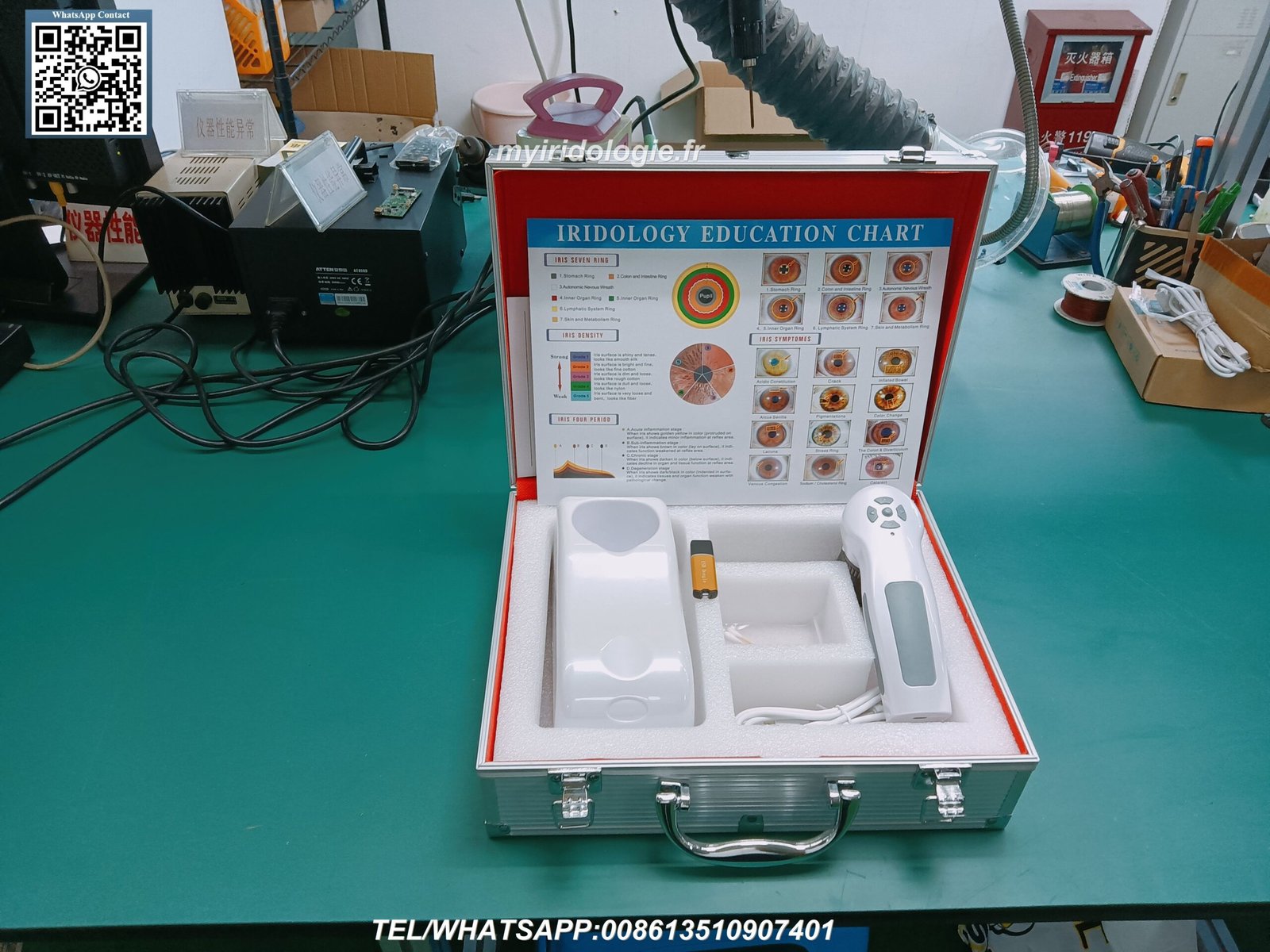
Accurate color analysis depends on quality equipment providing consistent, reliable visualization of iris structures. Modern technology offers sophisticated tools supporting detailed examination and documentation.
Advanced Imaging Systems
Contemporary iridology cameras deliver high-resolution images capturing fine details invisible to the naked eye. Digital sensors record true color representation essential for accurate pigmentation assessment.
Sophisticated software accompanies many camera systems enabling image enhancement, comparison, and detailed analysis. These programs assist practitioners in identifying subtle color variations and tracking changes over time.
Professional equipment from established manufacturers ensures consistent performance and reliable results. Quality devices justify investment through improved diagnostic capability and enhanced patient communication.
MAIKONG Professional Iridologie Solutions
MAIKONG, with over 20 years of manufacturing experience, produces comprehensive iridology equipment including cameras, charts, and software solutions. Their product line serves professional practitioners worldwide seeking reliable diagnostic tools.
A unique feature distinguishing MAIKONG software involves compatibility with both Windows and Apple Mac OS operating systems. This cross-platform capability represents the first solution of its kind in the iridology equipment market.
Factory-direct pricing makes professional-grade equipment accessible to practitioners and clinics. The company supports distributors and agents throughout the United States providing business opportunities for qualified partners.
Conclusion: Comprehensive Understanding of Orange dans l'iridologie de la couleur des yeux
Orange pigmentation in the iris represents one of many fascinating phenomena studied within iridology practice. This distinctive coloring provides practitioners with information potentially reflecting various body conditions and constitutional patterns.
Effective interpretation requires comprehensive training, quality reference materials, and systematic observation techniques. Practitioners develop expertise through dedicated study and consistent clinical application of iridology principles.
The field continues evolving as new research emerges and technology advances. Modern imaging systems enable more detailed documentation and analysis than earlier generations of practitioners could achieve.
Whether iris color analysis serves as a primary assessment tool or complements other diagnostic methods, understanding orange pigmentation patterns contributes to holistic patient evaluation. This knowledge supports practitioners in developing comprehensive wellness strategies addressing individual health needs.
Professionnel Iridologie Equipment for Accurate Color Analysis
MAIKONG specializes in manufacturing professional-grade iridology equipment trusted by practitioners worldwide. With over 20 years of industry experience, our factory produces high-quality iriscopes, caméras d'iridologie, comprehensive charts, and advanced software solutions.
Our unique software supports both Windows (7/8/10/11) and Apple Mac OS – the world’s first cross-platform iridology solution. We offer factory-direct pricing, multilingual support, and customization options including OEM/ODM services.
Professional features include high-resolution color capture, detailed documentation capabilities, and intuitive analysis tools supporting accurate couleur de l'iris interpretation including orange pigmentation assessment.
Connect With MAIKONG
Our technical support team assists practitioners with equipment questions, software installation, and optimal usage techniques for accurate iris analysis.
We actively seek qualified distributors and agents throughout the United States. Our partnership program offers competitive margins, comprehensive training, technical support, and customization options supporting your local market needs.