L'antica pratica del IRIDOLOGIA IRIS Diagnosi suggests that your eyes may reveal more than just your vision health—they could offer insights into your overall wellbeing. This alternative diagnostic method examines the patterns, colors, and characteristics of the iris (the colored part of your eye) to identify potential health concerns throughout the body. While controversial in conventional medicine, IRIDOLOGIA IRIS Diagnosi has gained popularity among holistic health practitioners as a non-invasive assessment tool. This comprehensive guide explores the principles, history, and applications of this fascinating practice.

La Storia di IRIDOLOGIA IRIS Diagnosi
Le radici di IRIDOLOGIA IRIS Diagnosi can be traced back thousands of years, with evidence suggesting early forms were practiced in ancient Egypt, China, and India. However, modern iridology as we know it today emerged in the 19th century through the work of Hungarian physician Dr. Ignatz von Peczely.
As a child, von Peczely reportedly noticed changes in an owl’s iris after the bird suffered a broken leg. This observation sparked his curiosity, leading him to develop the first comprehensive iris chart in 1880. His work mapped connections between specific iris markings and various organs and systems throughout the body.
The practice was further developed by Swedish homeopath Nils Liljequist, who noticed changes in his own iris after taking medications. Throughout the 20th century, practitioners like Bernard Jensen in the United States and Josef Deck in Germany refined the methodology and created more detailed iris charts that are still used today.
Come IRIDOLOGIA IRIS Diagnosi Works: Mapping the Iris

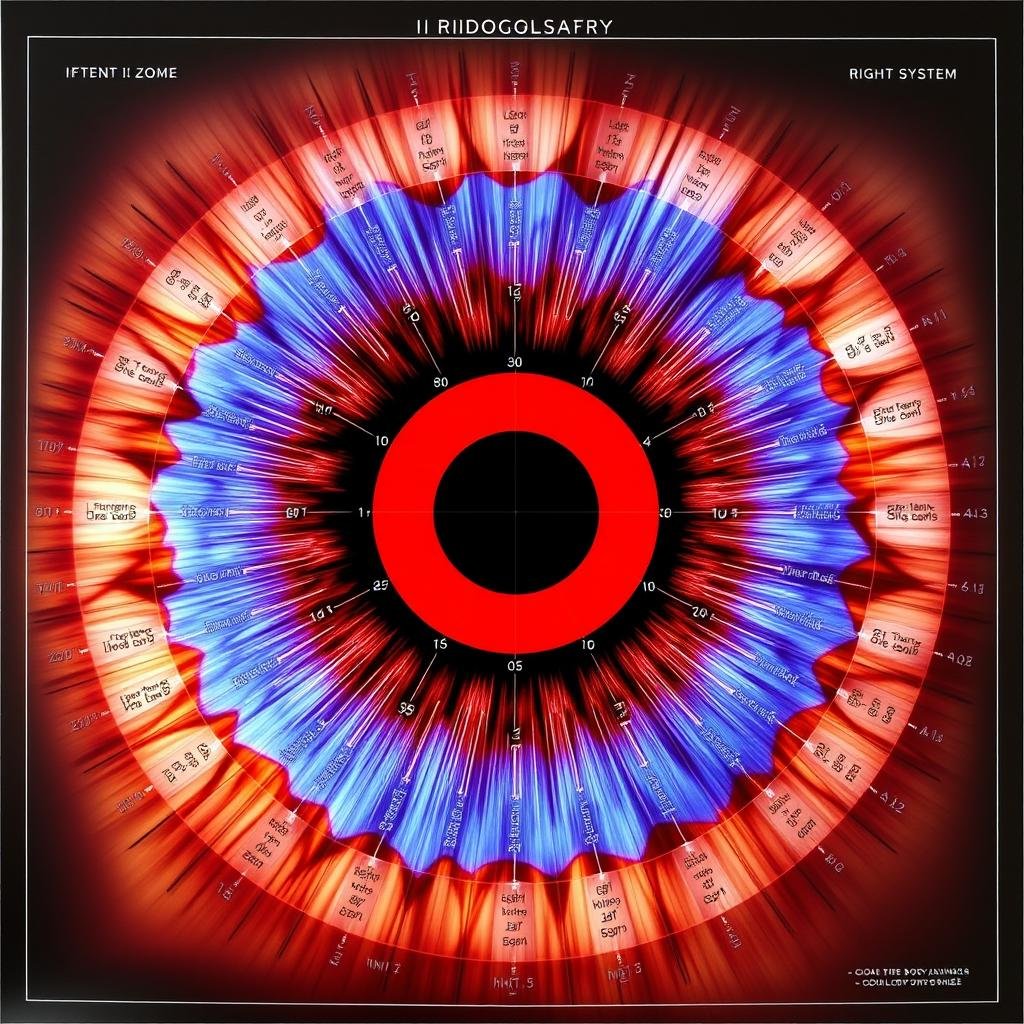
Al centro di IRIDOLOGIA IRIS Diagnosi is the belief that the iris connects to every organ and tissue in the body through the nervous system and can reflect changes in these tissues. Practitioners use specialized tools to examine the iris and compare their observations with standardized charts.
The Role of Iris Pigmentation in Iridology Diagnosis
Iridologists analyze several aspects of the iris, including:
- Color variations and discolorations
- Caratteristiche strutturali come anelli, macchie e linee
- Schemi delle fibre e loro integrità
- Density and texture of the iris fibers
- Light and dark areas indicating different tissue conditions
Each iris is divided into approximately 60 zones corresponding to different parts of the body. The right iris is believed to reflect the right side of the body, while the left iris corresponds to the left side. Changes in specific zones may indicate imbalances or stress in the corresponding body areas.
Tools Used in Modern Iridology Iris Analysis

Contemporary iridologists use various tools to conduct thorough examinations:
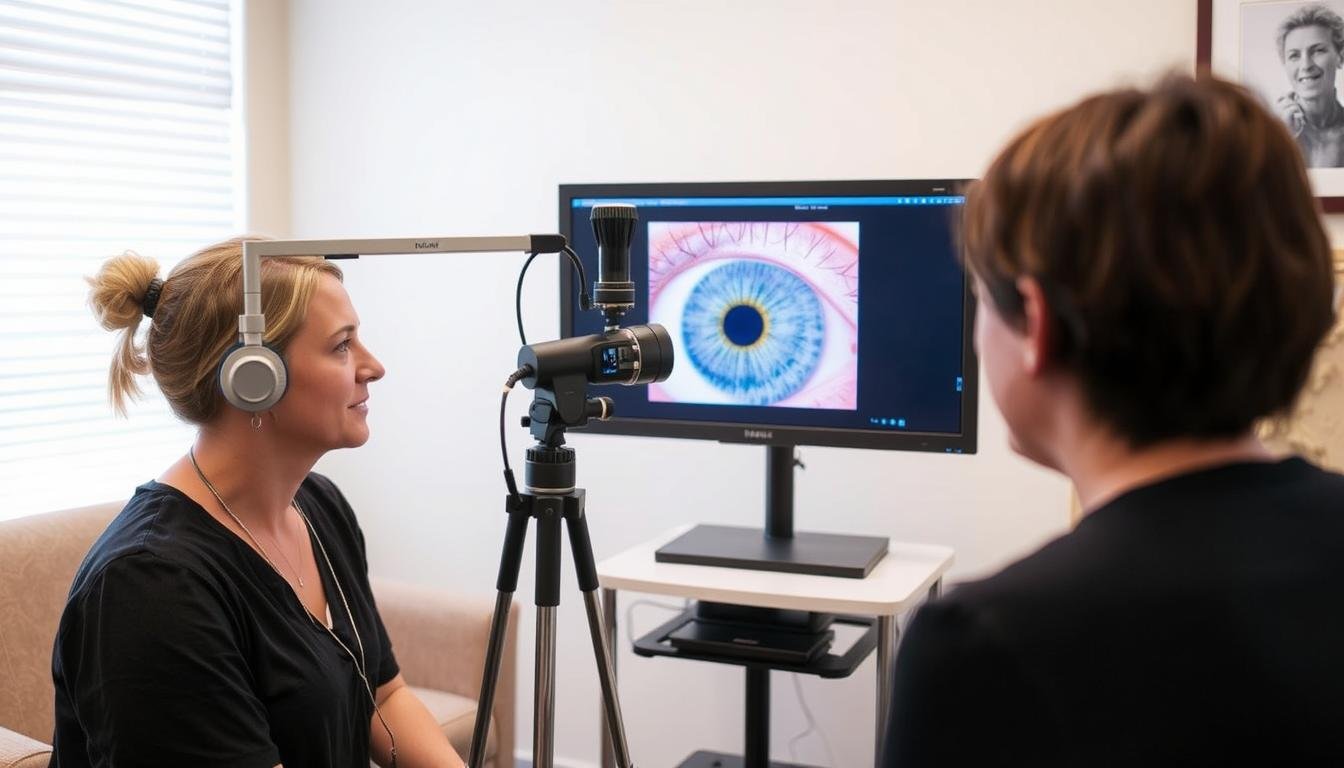
- Iriscopi – specialized microscopes designed for iris examination
- Digital cameras with macro lenses for high-resolution iris photography
- Software programs that analyze iris patterns and highlight areas of concern
- Illuminated magnifiers for detailed observation
- Standardized iris charts for reference and comparison
Ottieni il tuo grafico IRIDOLOGIA GRATUITO
Download our comprehensive iridology reference chart to learn how different parts of the iris correspond to various organs and systems in your body.
Scarica grafico gratuito
Benefits and Applications of IRIDOLOGIA IRIS Diagnosi
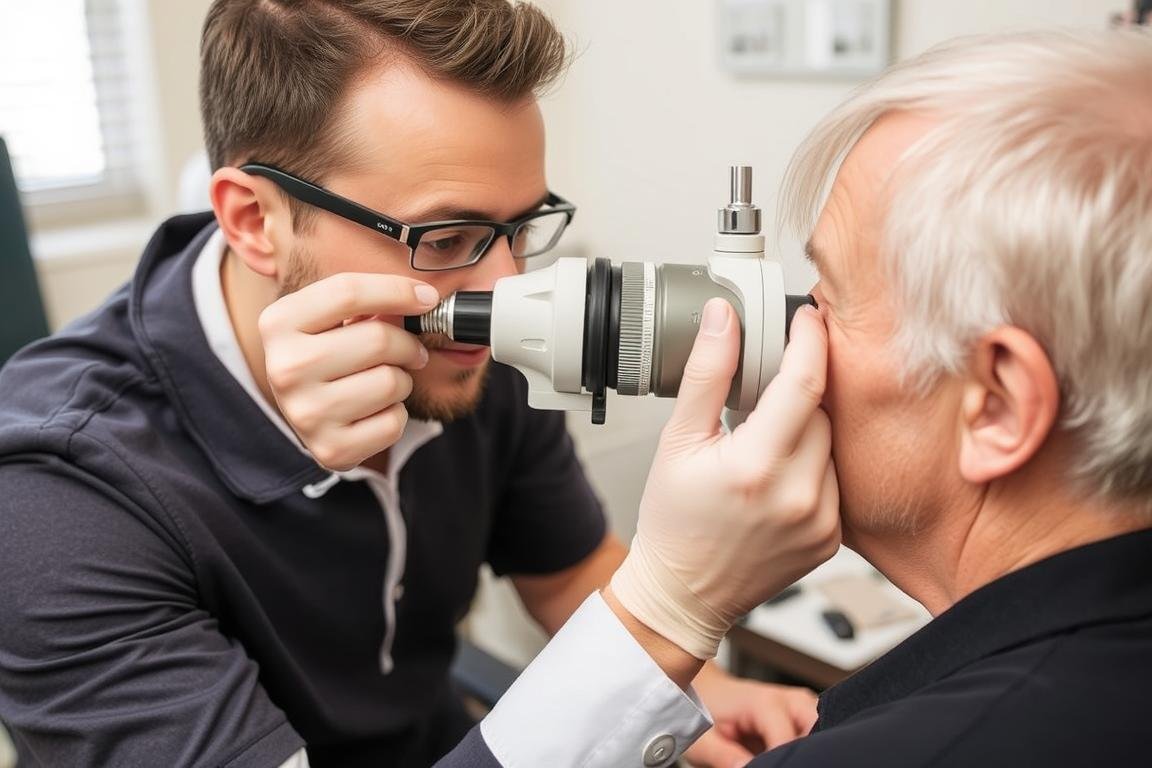
I sostenitori di IRIDOLOGIA IRIS Diagnosi highlight several potential benefits of this practice as a complementary health assessment tool:
Rilevazione precoce
Iridologists claim that changes in the iris may indicate developing health issues before symptoms appear, potentially allowing for preventive measures.
Valutazione non invasiva
Unlike blood tests or biopsies, IRIDOLOGIA IRIS Diagnosi requires no needles, incisions, or discomfort—just a simple examination of the eye.
Prospettiva olistica
This approach considers the whole person rather than isolated symptoms, potentially revealing connections between different body systems.
Complementary Tool
While not a replacement for medical diagnosis, iridology can complement other health assessments and guide lifestyle modifications.
Casi di studio: IRIDOLOGIA IRIS Diagnosi in pratica

Many practitioners document case studies where IRIDOLOGIA IRIS Diagnosi has helped identify underlying health concerns:
“A 42-year-old patient came to me with chronic fatigue. Traditional tests showed nothing abnormal, but iridology revealed signs of liver congestion and digestive weakness. After dietary changes and targeted supplements, both her iris markings and energy levels improved significantly within three months.”
– Dr. Sarah Jennings, Iridologist
While individual cases can be compelling, it’s important to note that these reports are anecdotal and not equivalent to controlled scientific studies.
Find a Qualified Iridology Practitioner
Interested in experiencing an iridology session? Connect with certified practitioners in your area who can provide professional iris analysis.
Locate a Practitioner
Common Conditions Identified Through Iridology

Praticanti di IRIDOLOGIA IRIS Diagnosi claim to identify various health conditions by examining specific changes in the iris. Here are some of the most commonly reported findings:
Problemi digestivi
Discolorations around the pupil may indicate problems with the digestive system, including the stomach and intestines. Yellowish tints might suggest liver or gallbladder concerns.
Infiammazione
White marks or cloudy areas in specific zones of the iris may indicate inflammation in corresponding body parts. These markers can help identify chronic inflammatory conditions.
Stress Patterns
Certain iris formations may reveal how stress affects different organs. Radial lines or “anelli di stress” can indicate nervous system tension and its impact on specific body systems.
Problemi circolatori
A white ring around the outer edge of the iris (known as the sodium ring) may indicate high cholesterol or arterial plaque. Other vascular patterns can suggest circulation problems.
Congestione linfatica
Cloudy or hazy areas in specific iris zones may indicate lymphatic system congestion, potentially affecting immune function and toxin elimination.
Carenze nutrizionali
Various color changes and patterns may suggest vitamin or mineral deficiencies that could be addressed through dietary changes or supplementation.
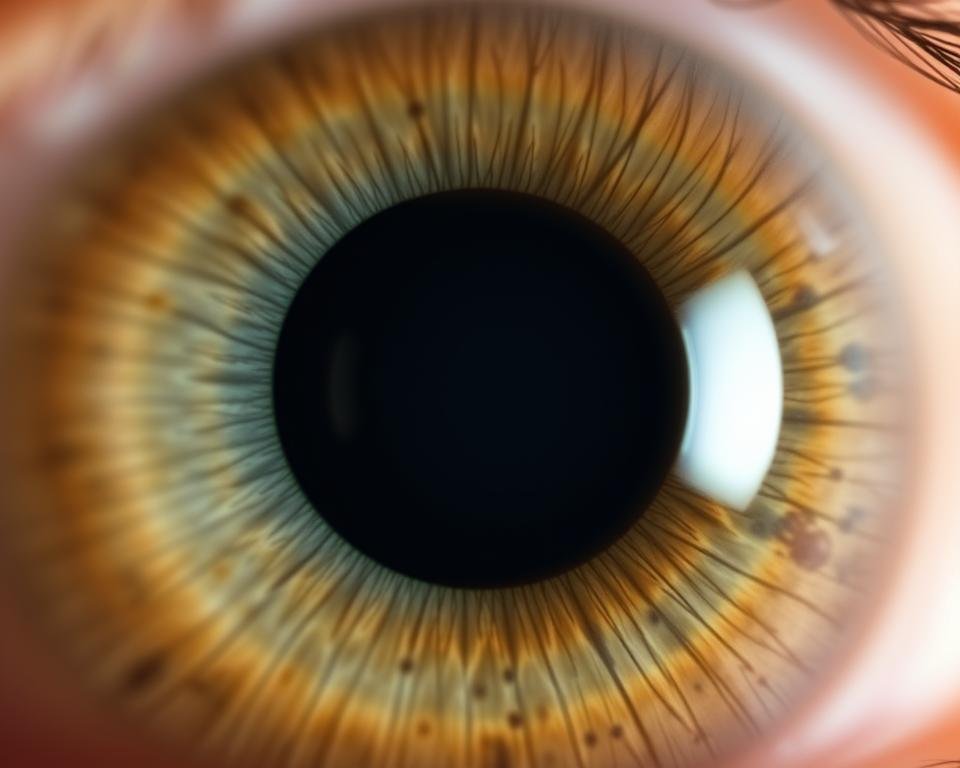
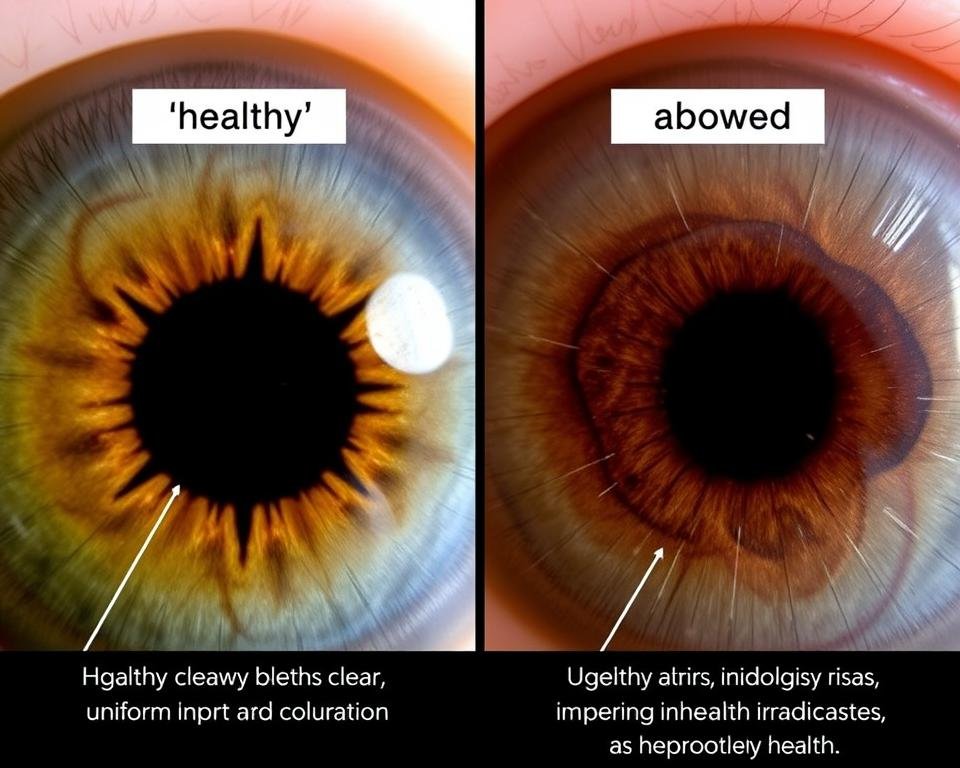
One of the most commonly cited indicators in IRIDOLOGIA IRIS Diagnosi is the presence of a ring around the iris, which some practitioners associate with high blood pressure or cardiovascular issues. Similarly, brown spots in certain areas may suggest liver concerns, while white markings might indicate inflammation or immune system challenges.
Nota importante: While iridology may suggest potential health concerns, it should not replace proper medical diagnosis. Always consult with healthcare professionals for any persistent or serious health issues.
Prospettive scientifiche su IRIDOLOGIA IRIS Diagnosi

La comunità scientifica ha espresso opinioni diverse in merito IRIDOLOGIA IRIS Diagnosi, with conventional medicine generally skeptical of its diagnostic claims. Understanding both perspectives can help you make informed decisions about incorporating this practice into your health journey.
Argomenti di supporto
- L'iride contiene migliaia di terminazioni nervose collegate al cervello
- Some studies suggest correlations between iris features and certain health conditions
- Non-invasive nature makes it a low-risk assessment tool
- May complement other diagnostic approaches
- Historical use across multiple cultures suggests potential value
Prospettive critiche
- Limited peer-reviewed research supporting diagnostic accuracy
- Controlled studies have failed to show consistent results
- Lack of standardization across practitioners
- Risk of delayed proper medical treatment if relied upon exclusively
- Potenziale per l'interpretazione soggettiva dei segni dell'iride
Several controlled studies have examined the validity of IRIDOLOGIA IRIS Diagnosi. A notable study published in the Journal of the American Medical Association tested the ability of iridologi to detect kidney disease through iris examination. The results showed that the practitioners could not reliably identify patients with kidney disease based solely on iris patterns.
However, proponents argue that iridology is not meant to diagnose specific diseases but rather to identify areas of weakness or stress in the body. They suggest that the practice is most valuable as a complementary tool rather than a standalone diagnostic method.

| Aspetto |
Medicina convenzionale |
Iridologia |
| Approccio diagnostico |
Disease-specific testing |
Holistic pattern recognition |
| Evidence Base |
Extensive clinical trials |
Limited research, anecdotal evidence |
| Messa a fuoco |
Treating disease |
Identifying imbalances |
| Invasività |
Often involves invasive tests |
Non-invasive observation only |
| Formazione dei professionisti |
Standardized medical education |
Varies widely between practitioners |
Idee sbagliate comuni su IRIDOLOGIA IRIS Diagnosi
As with many alternative health practices, IRIDOLOGIA IRIS Diagnosi is surrounded by several misconceptions that can lead to confusion about its proper role and limitations:
È IRIDOLOGIA IRIS Diagnosi scientificamente provato?
While some research exists, IRIDOLOGIA IRIS Diagnosi lacks the extensive scientific validation required by conventional medicine. It should be viewed as a complementary approach rather than a definitive diagnostic method. Current scientific consensus does not support iridology as a reliable way to diagnose specific diseases.
L'iridologia può diagnosticare malattie specifiche?
Contrary to some claims, iridology is not designed to diagnose specific diseases like cancer or diabetes. Instead, it aims to identify areas of tissue weakness or stress that might predispose someone to certain health issues. Responsible practitioners emphasize that iridology should complement, not replace, conventional medical diagnosis.
Quanto è accurato IRIDOLOGIA IRIS Diagnosi per la valutazione sanitaria?
The accuracy of iridology varies widely depending on the practitioner’s skill and the specific health conditions being assessed. While some correlations between iris signs and health status have been observed, the practice lacks the standardized accuracy measurements found in conventional diagnostic tools. It’s best viewed as one piece of a broader health assessment puzzle.
I modelli dell'iride cambiano con i miglioramenti della salute?
Some iridologists claim that iris patterns can change as health improves, but the scientific evidence for this is limited. While acute conditions like inflammation might cause temporary changes in eye appearance, the fundamental structure and color of the iris generally remain stable throughout life. What may change is the practitioner’s interpretation of these patterns as they learn more about your health history.
Practitioner Tip: When seeking an iridology session, look for practitioners who have formal training, use modern equipment for accurate iris imaging, and emphasize that iridology is a complementary tool rather than a replacement for medical care.
Iniziare con Iridologia
Se sei interessato a esplorare IRIDOLOGIA IRIS Diagnosi as part of your health journey, here are some practical steps to get started:
- Research qualified practitioners – Look for iridologists with formal training, certification, and positive client testimonials. Many naturopathic doctors, holistic health practitioners, and some chiropractors offer iridology services.
- Prepare for your session – Before your appointment, compile your health history and current concerns. Avoid wearing contact lenses to your session, and consider bringing a list of questions.
- Understand the process – A typical session involves capturing high-resolution images of your irises, analysis by the practitioner, and a discussion of their observations and recommendations.
- Integrate with conventional care – Use insights from your iridology session as complementary information to share with your primary healthcare provider.
- Follow up appropriately – If your iridologist suggests nutritional changes or supplements, research these recommendations and discuss them with your healthcare team before making significant changes.
Pronto per saperne di più sull'iridologia?
Deepen your understanding of IRIDOLOGIA IRIS Diagnosi with our comprehensive online course. Perfect for both curious beginners and health practitioners looking to expand their skills.
Explore Our Courses
Conclusion: The Place of Iridology in Modern Health

IRIDOLOGIA IRIS Diagnosi offers a fascinating window into the potential connections between the iris and overall health. While scientific validation remains limited, many individuals find value in this holistic assessment tool when used appropriately as part of a comprehensive approach to wellbeing.
The most balanced perspective views iridology not as a replacement for conventional medicine but as a complementary practice that may provide additional insights into your health. By maintaining open communication between all your health practitioners and approaching iridology with informed curiosity, you can determine whether this ancient practice has a place in your modern health journey.
Whether you’re drawn to iridology out of curiosity, as a preventive health measure, or as part of exploring holistic health options, approaching it with both an open mind and healthy skepticism will serve you well. The eyes may indeed be windows to more than we typically perceive—but they’re best viewed alongside the full landscape of modern healthcare options.
Inizia oggi il tuo viaggio di iridologia
Download our free beginner’s guide to IRIDOLOGIA IRIS Diagnosi and receive weekly tips on natural health approaches.
Ottieni la tua guida gratuita


