


This comprehensive guide explores everything you need to know about brown eye analysis in iridology. We examine the meanings behind brown eye colors, what color changes might indicate, how practitioners perform иридологический анализ цвета, and whether eye color can truly change through natural methods. Whether you’re a holistic health professional or simply curious about your eyes, this article provides evidence-based information combined with traditional iridology wisdom.
Что такое Иридология и как это работает?
Iridology represents a study method that examines the iris to assess a person’s overall health status. Practitioners believe specific areas of the iris correspond to different organs and body systems. By analyzing colors, patterns, and structural features, iridologists attempt to identify potential health problems before symptoms appear.
The practice dates back centuries. Ancient civilizations in Egypt, China, and Greece documented connections between the eye and body health. Modern iridology gained traction in the 19th century when Hungarian physician Ignatz von Peczely created the first comprehensive иридологическая карта after observing changes in an owl’s iris following a broken leg.
How Practitioners Perform Иридологический анализ цвета
Professional iridologists use specialized equipment to examine the iris in detail. An иридологическая камера или ирископ captures high-resolution images of both eyes. These devices magnify the iris structure, revealing subtle markings invisible to the naked eye.
During an analysis session, the practitioner photographs the iris and compares findings against standardized charts. They look for specific indicators including fiber patterns, color pigmentation, structural density, ring formations, and unusual markings. Each observation potentially relates to a different aspect of physical health.
Modern technology has revolutionized this field. Advanced Программное обеспечение для иридологии now assists practitioners in identifying patterns and tracking changes over time. These tools provide detailed reports and comparisons, making the analysis more precise than traditional manual methods.
Важное примечание: While many practitioners find value in iridology as a complementary assessment tool, mainstream medical professionals caution that iridology should not replace conventional medical care. Always consult qualified medical professionals for health concerns and diagnosis of diseases.
Понимание Иридология Карие глаза Meanings and Health Indicators

People with brown eyes possess the most common eye color globally. In iridology practice, the brown iris provides unique information about constitutional tendencies and health predispositions. The specific shade of brown—from light hazel to deep chocolate—offers additional insights.
What Brown Eyes Indicate in Traditional Iridology
According to traditional Бернард Йенсен иридология principles, individuals with brown eyes typically show what practitioners call a “hematogenic” constitution. This classification suggests certain health characteristics:
- Strong digestive system capacity with robust metabolic function
- Tendency toward blood-related health conditions requiring attention
- Natural resilience to certain environmental stressors and challenges
- Potential predisposition to liver and spleen system imbalances
- Greater mineral density in body tissues compared to blue-eyed individuals
The pigmentation in brown eyes comes from high melanin concentration in the iris stroma. This biological feature provides natural protection against UV light damage. Beyond physical protection, iridology practitioners interpret the density and distribution of this pigmentation as indicators of constitutional strength.
Значение цвета глаз в иридологии Across Different Shades
Not all brown eyes appear identical. Practitioners distinguish between several variations:
Light Brown or Hazel Eyes
These eyes contain less melanin than darker brown eyes. Practitioners often interpret lighter brown shades as indicating a mixed constitution, combining characteristics of both blue and brown eye types. People with hazel eyes may show more sensitivity to digestive system changes.
Medium Brown Eyes
The most common brown eye shade represents balanced constitutional tendencies. Medium brown eyes typically indicate strong overall vitality with good adaptive capacity. Practitioners look for subtle variations within this category to refine their health assessments.
Dark Brown or Near-Black Eyes
Deep brown eyes contain maximum melanin concentration. In iridology interpretation, very dark brown eyes may suggest particularly strong constitutional endowment. However, the density of pigmentation can make subtle iris markings harder to detect during analysis.
Mixed Brown with Other Colors
Some people show mixed pigmentation patterns—brown with flecks of green, gold, or amber. These variations receive special attention in иридологический анализ цвета as they may indicate specific organ system tendencies or inherited health patterns.
Professional equipment makes accurate assessment possible. MAIKONG manufactures advanced Иридологические камеры that capture fine details in brown eyes, where pigmentation density might obscure subtle markings. Our devices use specialized lighting and magnification to reveal structures other equipment might miss.
See Professional Brown Eye Analysis in Action
Discover how advanced imaging technology reveals hidden patterns in brown eyes. Our professional-grade equipment captures details invisible to standard cameras. Request a demonstration of MAIKONG iridology systems—compatible with both Windows and Mac OS, a world-first innovation in the field.
Может Изменение цвета глаз по иридологии Actually Occur in Brown Eyes?

One of the most frequently asked questions concerns whether eye color can genuinely change. The short answer: true permanent changes in adult eye color are rare, but apparent shifts in tone and shade do occur. Understanding the difference between actual color change and perceived variation matters for accurate interpretation.
What Science Says About Eye Color Changes
Medical research confirms that the colored part of the eye can undergo certain changes. Here’s what current evidence shows:
- Infant eyes frequently change color during the first year as melanin production stabilizes
- Adult eye color remains generally stable after age three but can show minor variations
- Certain medical conditions like Horner’s syndrome or pigment dispersion can alter iris appearance
- Aging processes may cause gradual lightening as iris pigment changes over decades
- Medications, particularly glaucoma treatments, can darken iris pigmentation
- Environmental factors like lighting conditions dramatically affect how eyes appear in photos
Изменение цвета иридологии Interpretations
Within iridology practice, practitioners document various types of color shifts in brown eyes:
Lightening of Brown Eyes: Some people report their brown eyes appearing lighter over time. Iridologists may interpret this as detoxification processes or changes in liver function. The иридология осветляет цвет глаз phenomenon often correlates with dietary modifications or lifestyle changes according to practitioner observations.
Darkening Patterns: Conversely, brown eyes that appear to darken might indicate increased toxin accumulation or metabolic stress according to iridology principles. Practitioners look for specific areas where darkening occurs, relating these zones to body systems shown on the иридологическая карта.
Appearance of New Colors: Sometimes people notice new colors emerging in their brown eyes—golden flecks, greenish tones, or orange tinges. In иридология оранжевого цвета theory, these variations represent specific health information. Orange hues particularly draw attention as they may indicate pancreatic function or blood sugar regulation issues.
How to Accurately Track Eye Color Changes
If you want to monitor your eye color over time, consistency matters. Professional practitioners recommend these methods:
- Use identical lighting conditions for all photos—natural daylight works best
- Take images at the same time of day to minimize pupil size variations
- Maintain consistent distance and angle from the camera to the eye
- Avoid eye makeup or colored contact lenses that obscure natural iris color
- Store images with date stamps to track changes across months or years
- Consider professional documentation with an ирископ for medical-grade accuracy
Professional equipment provides superior tracking capabilities. A quality иридологическая камера maintains consistent magnification, lighting, and resolution across multiple sessions, eliminating variables that affect smartphone photos.
Specific Health Conditions and Brown Eye Patterns
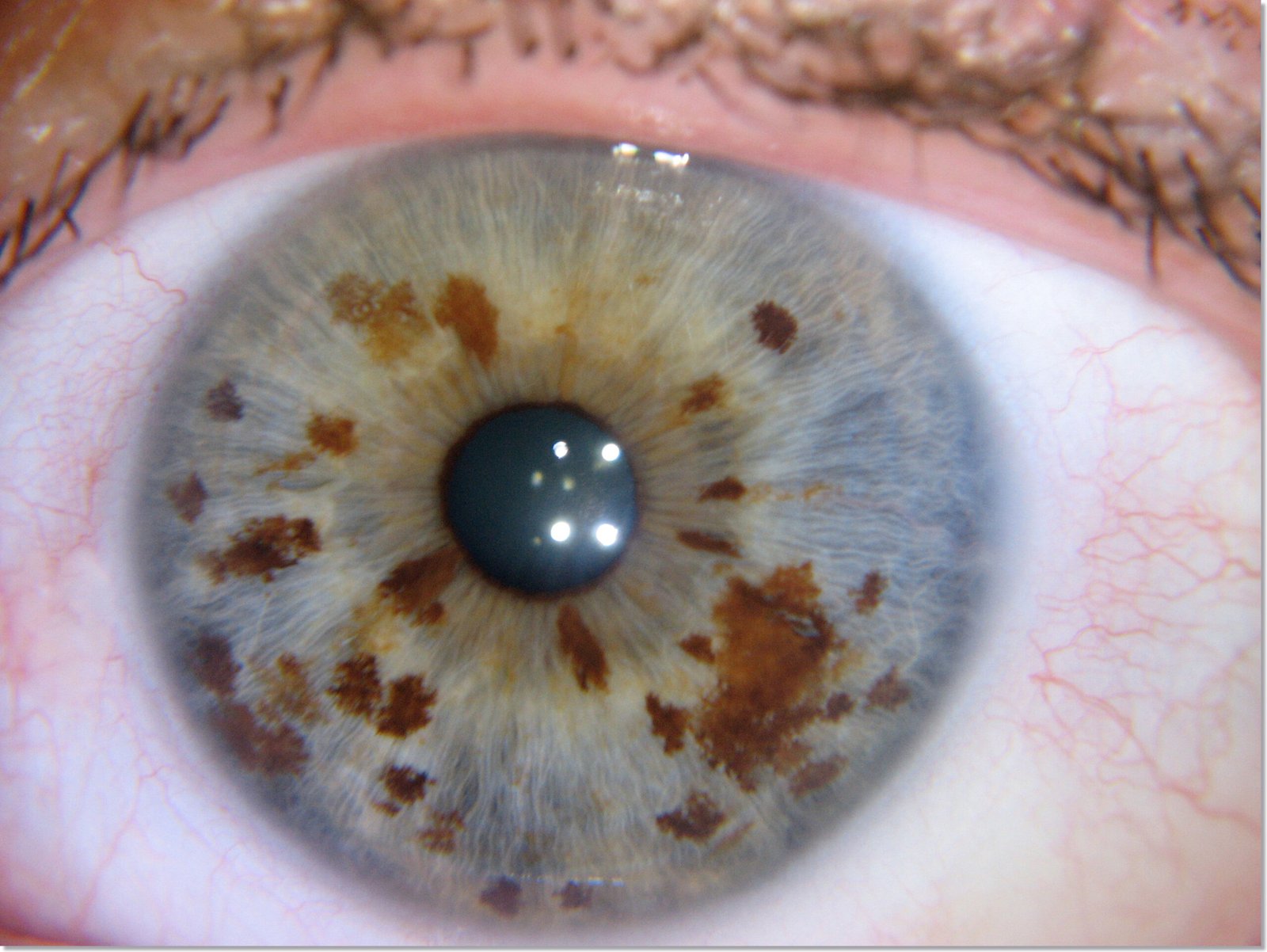
Iridology practitioners examine numerous features beyond basic color when assessing brown eyes. These structural and pigmentation patterns provide the foundation for health interpretations.
Common Markings Found in Brown Eyes
Several distinctive features appear in iris examinations:
Стрессовые кольца
Circular lines or furrows that radiate outward from the pupil. These стрессовые кольца в глазах may indicate nervous system tension or calcium-magnesium imbalances. Multiple rings suggest chronic stress patterns requiring attention.
Лакуны
Small gaps or openings in the iris fiber structure. These areas appear as darker spots within the brown background. Practitioners relate lacunae location to specific body areas, suggesting weakness in corresponding organs or systems.
Крипты
Diamond-shaped openings in the iris surface. Unlike lacunae, crypts penetrate deeper into iris layers. Their presence and location provide information about inherited constitutional strengths and weaknesses according to iridology principles.
Пигментные пятна
Darker or lighter areas of concentrated pigmentation. Brown eyes naturally contain significant pigment, but unusual accumulations draw practitioner attention. These spots may indicate toxin deposits or organ system dysfunction.
Радиальные борозды
Lines extending from the pupil border outward like spokes on a wheel. These structural features suggest various health conditions depending on their depth, length, and location within specific iris zones.
воротник
The zigzag border separating the pupil zone from the ciliary zone. Its shape, regularity, and color provide constitutional information. An irregular collarette may suggest digestive system considerations.
Как Иридология Диагностика радужной оболочки Interprets These Features
Each marking carries significance based on its location within the iris map. The иридологическая карта правого глаза и Диаграмма иридологии левого глаза assign different body systems to specific iris sectors. For example:
- Upper iris regions typically correspond to brain, eyes, and sinus areas
- Right side zones relate to right body organs—right lung, liver, gallbladder
- Left side zones connect with left body organs—spleen, heart, left lung
- Lower iris sections map to legs, feet, and elimination organs
- Inner iris rings near the pupil represent the digestive system organs
- Outer iris areas indicate peripheral organs and skin health
This mapping system, developed through decades of practitioner observations, forms the foundation of modern iridology practice. Accurate interpretation requires extensive training in iris anatomy and systematic assessment protocols.
The Бернард Йенсен Иридология Approach to Brown Eye Analysis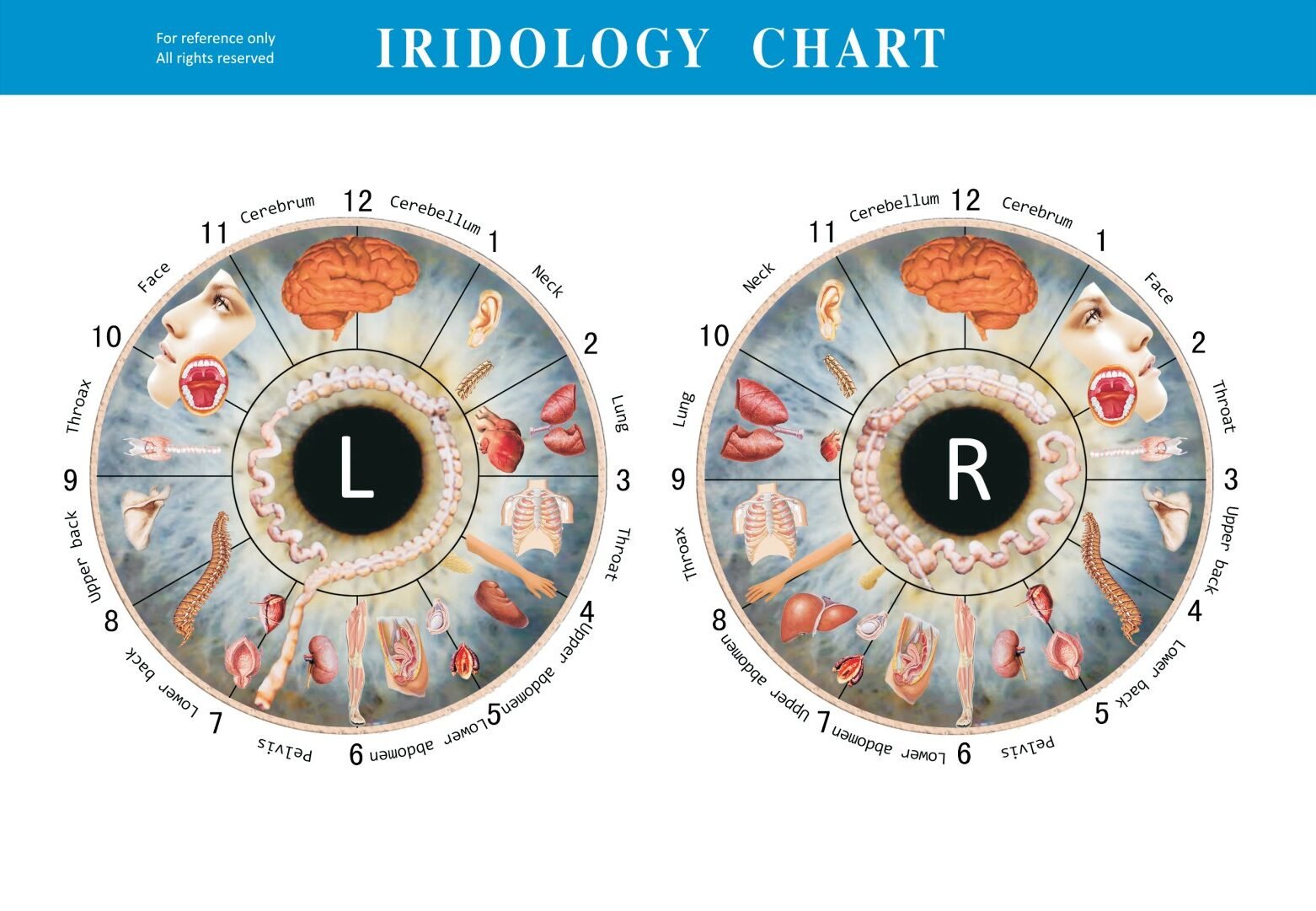

Dr. Bernard Jensen pioneered modern iridology in America. His systematic approach to iris analysis established standards still used by practitioners today. Jensen emphasized constitutional types based on eye color, with specific protocols for analyzing people with brown eyes.
Jensen’s Constitutional Classifications
Jensen categorized individuals into three main constitutional types:
Lymphatic Constitution (Blue Eyes): These individuals show predominant concerns with lymphatic and mucous membrane health. They may experience more respiratory issues and allergic tendencies.
Hematogenic Constitution (Brown Eyes): People with brown eyes typically fall into this category. Jensen associated this constitution with blood quality, liver function, and digestive system efficiency. He believed brown-eyed individuals process nutrients differently than blue-eyed people.
Mixed Constitution (Mixed Eye Colors): Those with green eyes, hazel, or mixed patterns combine characteristics of both primary types. Iridology eye color green interpretations blend lymphatic and hematogenic tendencies.
Jensen Iridology What Does Changing Eye Color Mean
Jensen documented eye color changes throughout his career. He proposed that shifts in iris color reflected internal health transformations. According to his observations:
- Eyes lightening suggested cleansing processes and improved elimination of toxins
- Eyes darkening indicated toxin accumulation or sluggish organ function
- New color patterns emerging signaled constitutional shifts or health transitions
- Clarity changes in the iris reflected overall vitality and tissue health
Jensen emphasized that apparent color changes required documentation over extended periods. Single observations meant little; trends observed across months or years carried significance. He pioneered the use of photography in iridology precisely for this longitudinal tracking.
Modern Applications of Jensen’s Methods
Contemporary practitioners build upon Jensen’s foundation while incorporating modern understanding. Today’s иридолог professionals combine traditional observation with advanced imaging technology. This integration produces more detailed analyses than Jensen’s era allowed.
Профессионал сертификация иридологии programs teach Jensen’s principles alongside current research. Students learn to identify iris patterns systematically, understanding both historical context and modern refinements. This comprehensive education ensures practitioners maintain high standards in their assessments.
Experience World-First Mac OS Compatible Iridology Software
Professional iris analysis requires professional tools. MAIKONG pioneered the first iridology software supporting both Windows (7/8/10/11) and Apple Mac OS systems. Our 20+ years manufacturing experience delivers reliable equipment trusted by practitioners worldwide. Comprehensive technical support available via WhatsApp in multiple languages.
Technical Support WhatsApp: +86 135 1090 7401
Передовой Иридологический анализ цвета Techniques for Brown Eyes
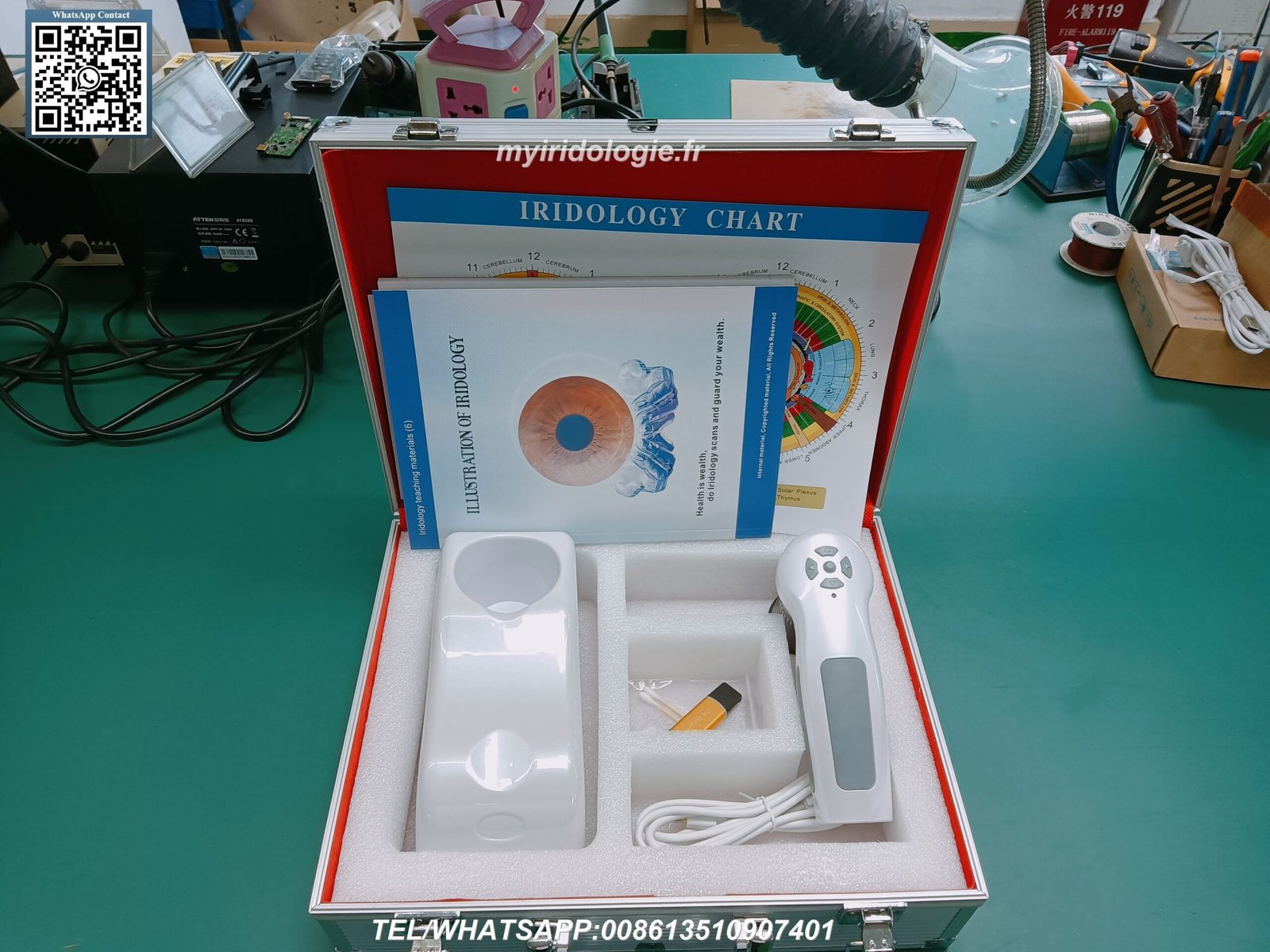
Performing accurate color analysis in brown eyes presents unique challenges. The high melanin content can obscure subtle markings that appear more obvious in blue or green eyes. Specialized techniques and equipment overcome these difficulties.
Lighting Requirements for Brown Eye Photography
Proper illumination proves essential for brown eye documentation. Professional practitioners employ specific lighting protocols:
- Bright, diffused light source positioned to eliminate reflections and glare
- Color temperature between 5000K-6000K to accurately represent true iris colors
- Adjustable intensity to compensate for iris pigmentation density variations
- Ring light configuration to provide even illumination across the entire iris
Standard smartphone cameras rarely provide sufficient quality for professional иридологический анализ цвета. Dedicated equipment designed for iris photography delivers superior results. Professional Иридологические камеры incorporate specialized optics and lighting optimized for capturing iris details regardless of color.
Software Analysis Capabilities
Современный Программное обеспечение для иридологии transforms raw iris images into detailed analytical reports. Advanced programs offer multiple features:
Image Enhancement Tools
Software algorithms adjust contrast, brightness, and saturation to reveal hidden structures in brown eyes. These enhancements make subtle color variations visible that the human eye might miss in standard photographs.
Сравнительный анализ
Programs store historical images, enabling side-by-side comparisons across time. This functionality proves invaluable for tracking изменение цвета иридологии and documenting health transformations over months or years.
Automated Marking Detection
Artificial intelligence assists in identifying specific iris features. While experienced practitioners provide final interpretation, AI tools flag areas requiring close examination, improving analysis efficiency and accuracy.
Chart Overlay Systems
Software superimposes anatomical charts onto iris images, correlating specific iris zones with corresponding body organs. This visual mapping helps practitioners quickly identify which body systems merit attention.
Specialized Techniques for Dark Brown Eyes
Very dark brown or near-black eyes require additional considerations. Practitioners employ these strategies:
- Increase illumination intensity beyond standard settings to penetrate dense pigmentation
- Use infrared imaging capabilities when available to see beneath surface pigment layers
- Focus on structural features like fiber density rather than color variations alone
- Compare both eyes simultaneously as subtle differences become more apparent in contrast
- Take multiple images with varying exposure settings to capture full detail range
Professional equipment makes these techniques practical. Entry-level consumer cameras lack the sensitivity and adjustability required for optimal dark brown eye analysis.
Изменение цвета глаз с помощью иридологии и точечного массажа Connections

Some holistic practitioners combine iridology with complementary modalities. The connection between изменение цвета глаз иридология и точечный массаж represents one such integration. This approach suggests that stimulating specific acupressure points might influence iris appearance.
The Theory Behind Combined Practices
Traditional Chinese medicine identifies numerous acupressure points around the eyes and face. Proponents of combined practices propose that:
- Stimulating eye-area acupressure points improves circulation to ocular tissues
- Enhanced circulation brings fresh nutrients and removes metabolic waste products
- These processes might gradually influence iris tissue health and appearance
- Regular practice over extended periods could produce subtle visible changes
Scientific validation of these claims remains limited. Most changes attributed to such practices likely reflect improved lighting conditions, photography techniques, or natural variations rather than actual tissue transformation. Nevertheless, many people report subjective improvements in eye appearance and comfort with regular facial acupressure.
Иридология Как изменить цвет глаз Claims
Internet searches reveal numerous claims about changing eye color through natural methods. Common suggestions include:
- Dietary modifications emphasizing specific foods and nutrients
- Herbal supplements purported to affect iris pigmentation
- Meditation or visualization practices focusing on desired eye colors
- Specific exercise routines or eye yoga techniques
Critical Perspective: Medical professionals emphasize that true permanent eye color change through natural methods is not scientifically supported. Adult iris color remains genetically determined. While health improvements might slightly alter iris tone or clarity, dramatic color transformations do not occur through diet, supplements, or exercise alone. Be cautious of products or programs making such promises.
What Actually Works for Eye Health
Rather than attempting to change eye color, focus on practices that genuinely support eye health:
- Consume antioxidant-rich foods supporting overall eye tissue health
- Protect eyes from excessive UV exposure with quality sunglasses
- Maintain proper hydration for optimal eye moisture and comfort
- Take regular breaks from screen time to prevent digital eye strain
- Get routine eye examinations from qualified medical care professionals
- Address underlying health conditions affecting vision or eye appearance
These evidence-based strategies improve actual eye health rather than pursuing cosmetic color changes.
Special Cases: Иридология Изменение цвета глаз у кошек and Animal Applications
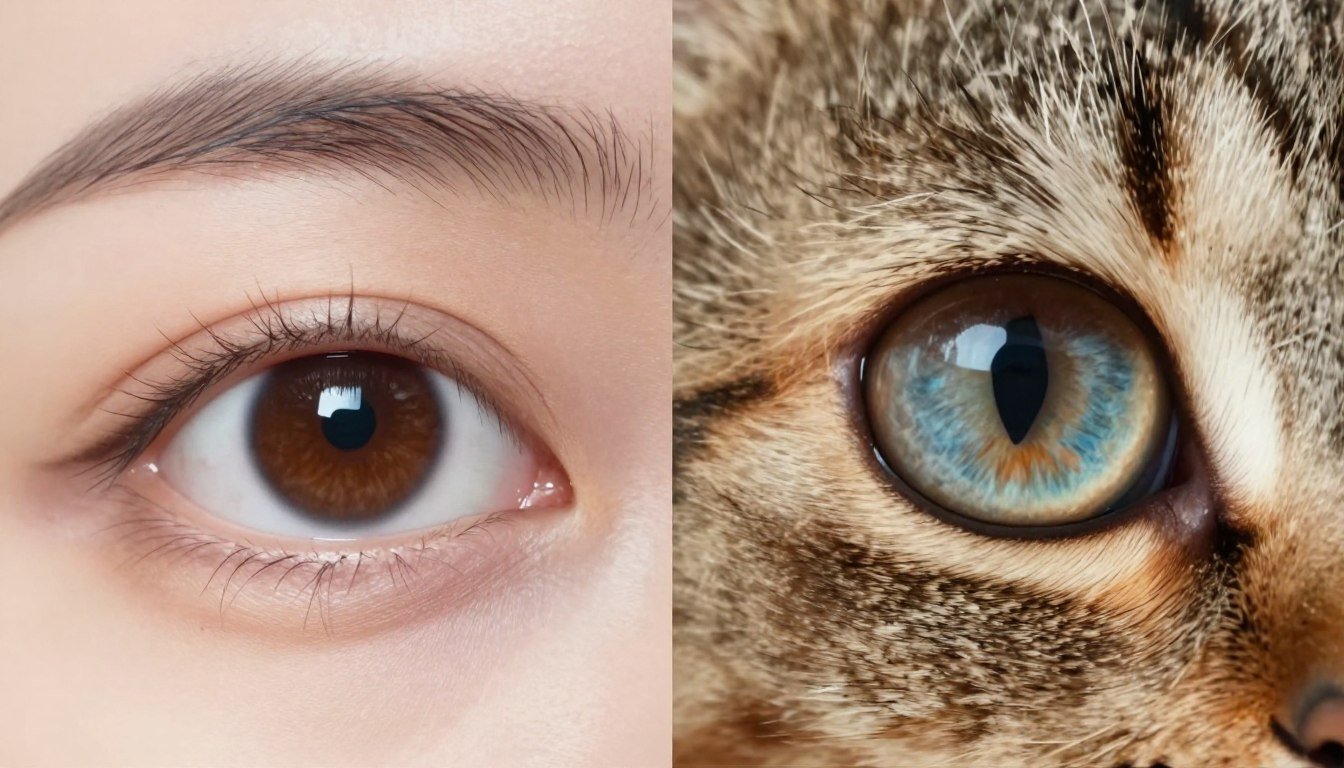
Iridology principles extend beyond human health. Veterinary practitioners apply similar assessment techniques to animals. The phenomenon of иридология изменение цвета глаз у кошек particularly interests holistic veterinarians and animal wellness practitioners.
Eye Color in Cats and Health Indicators
Feline eyes display remarkable color diversity. Kittens typically begin life with blue eyes that change as they mature. Adult cats exhibit eye colors ranging from golden amber to deep green. Some breeds show distinctive copper or odd-eyed (heterochromia) patterns.
Veterinary iridologists observe these features in cat eyes:
- Iris color intensity correlates with overall vitality in some interpretations
- Cloudiness or color dulling may indicate systemic health concerns
- Sudden color changes in adult cats warrant veterinary medical attention
- Structural changes in the iris might suggest specific conditions like hypertension
Unlike human iridology where practitioners have centuries of documentation, veterinary iris analysis remains a developing field. Fewer standardized charts exist for animal applications. Practitioners must rely more heavily on individual observation and comparative analysis.
Differences Between Human and Animal Iridology
Several factors distinguish animal from human iris analysis:
- Animal cooperation presents obvious challenges—sedation may be required for detailed photography
- Species-specific iris anatomy necessitates different interpretation frameworks
- Fewer longitudinal studies exist documenting iris changes across animal lifespans
- Lighting and positioning requirements vary based on animal size and temperament
Despite these challenges, some holistic veterinarians incorporate iris examination into comprehensive wellness assessments. They combine observations with conventional veterinary diagnostics rather than relying on iris analysis alone.
Equipment Considerations for Animal Iridology
Standard human iridology equipment requires modifications for animal use. Considerations include:
- Portable devices accommodating various animal sizes and positions
- Quick capture capabilities for restless subjects
- Non-threatening equipment design minimizing animal stress
- Adjustable lighting suitable for different iris pigmentation levels
Some practitioners successfully adapt human Иридологические камеры for veterinary applications. Others invest in specialized veterinary diagnostic equipment. The key remains consistent, high-quality image capture regardless of subject species.
Понимание Иридология Желтый цвет глаз and Orange Pigmentation

While brown forms the base color in many eyes, additional pigmentation creates complexity. Yellow and orange hues appearing within brown eyes carry specific meanings in iridology interpretation.
Иридология Желтый цвет глаз Значение
Yellow pigmentation in the iris attracts particular attention from practitioners. Several interpretations exist:
- Liver function considerations—yellow tones may suggest bile processing concerns
- Digestive system issues related to pancreatic enzyme production
- Lymphatic congestion affecting toxin elimination pathways
- Certain nutritional imbalances affecting tissue pigmentation
The location of yellow pigmentation matters significantly. Yellow appearing near the pupillary zone (closest to the pupil) relates to digestive organs in iridology mapping. Yellow in outer zones connects with peripheral organs and elimination systems.
Iridology Orange Color Interpretations
Orange hues represent a specific concern in traditional iridology. The иридология оранжевого цвета phenomenon typically suggests:
Pancreatic Function: Orange pigmentation frequently correlates with pancreas activity and blood sugar regulation. Practitioners may investigate glucose metabolism when observing orange tones in relevant iris sectors.
Inflammatory Processes: Some iridologists interpret оранжевый цвет глаз иридология as indicating inflammation in corresponding body areas. The intensity and pattern of orange pigmentation provide additional information about chronicity and severity.
Toxic Accumulation: Orange deposits might represent accumulated metabolic waste products or exogenous toxins. The body’s inability to efficiently eliminate these substances could manifest as iris discoloration.
Distinguishing True Pigmentation from Artifacts
Not all yellow or orange appearances represent true iris pigmentation. Practitioners must distinguish:
- Lighting artifacts—certain light sources cast yellowish or orange tints on photos
- Reflection interference—external light reflecting off the iris surface can create false colors
- Camera white balance errors—incorrect settings produce color shifts in images
- Post-processing effects—digital editing can unintentionally alter iris colors
Consistent photography protocols minimize these confounding factors. Professional equipment with calibrated color accuracy ensures reliable color assessment across multiple sessions.
Сравнивая Iridology Eye Color Green to Brown Eye Analysis

While this article focuses on brown eyes, understanding how green eyes differ provides valuable context. Green represents a relatively rare eye color, appearing in approximately 2% of the global population.
How Green Eyes Form
Green eye color results from low to moderate melanin content combined with a specific light scattering phenomenon. Unlike brown eyes where high melanin creates color directly, green eyes rely on:
- Moderate brown melanin in the iris stroma
- Rayleigh scattering of blue light similar to sky color physics
- Yellow lipochrome pigment in the anterior layers
- The combination producing the appearance of green
This complex mechanism makes green eyes more susceptible to apparent color changes than brown eyes. Lighting conditions, clothing colors, and even mood-related pupil size variations affect how green eyes appear.
Iridology Eye Color Green Конституциональный тип
In traditional iridology classification, green-eyed individuals represent a mixed constitutional type combining:
- Lymphatic tendencies from the lighter iris pigmentation
- Hematogenic characteristics from the brown melanin component
- Unique health predispositions requiring individualized assessment
Practitioners often find green-eyed people show characteristics of both blue-eyed and brown-eyed constitutions. This intermediate status requires careful evaluation avoiding oversimplified categorization.
Analysis Technique Differences
Examining green eyes versus brown eyes involves different approaches:
Brown Eye Analysis Focus
- Structural features emphasized over subtle color variations
- Higher light intensity required for detail visibility
- Pigment spots and density changes carry more significance
Green Eye Analysis Focus
- Color variations more readily apparent and meaningful
- Standard lighting sufficient for detailed examination
- Structural features visible alongside color changes
Neither approach is superior—they simply reflect the different information each eye color provides. Experienced practitioners adapt their methodology based on the individual’s specific iris characteristics.
Иридология Колорадо and Regional Practice Variations
Iridology practice varies somewhat by geographic location due to differences in training traditions, regulatory environments, and cultural acceptance. References to iridology Colorado reflect the state’s particularly active holistic health community.
Why Colorado Shows Strong Iridology Interest
Several factors contribute to Colorado’s robust iridology presence:
- Large population interested in alternative and complementary health approaches
- Multiple natural health schools offering сертификация иридологии программы
- Regulatory environment allowing holistic practice with appropriate disclaimers
- Cultural emphasis on preventive care and wellness rather than disease treatment alone
Practitioners in Colorado and similar regions often integrate iridology with other modalities. Common combinations include nutritional counseling, herbal medicine, homeopathy, and functional medicine approaches. This integrative perspective treats iridology as one assessment tool among many rather than a standalone diagnostic method.
Regional Training Standards
Iridology training quality varies significantly by location and institution. Reputable programs typically include:
- Comprehensive anatomy and physiology education covering eye structure and body systems
- Extensive practice analyzing hundreds of iris images under supervision
- Ethical guidelines emphasizing the complementary nature of iridology assessments
- Clear scope of practice boundaries avoiding medical diagnosis claims
- Continuing education requirements maintaining current knowledge
Professional associations like the International Iridology Practitioners Association establish standards and provide сертификация иридологии to qualified individuals. These organizations promote ethical practice and public protection through standardized training requirements.
Partner with MAIKONG as a Distributor
Expand your professional equipment offerings with industry-leading iridology technology. MAIKONG factory-direct pricing provides substantial profit margins for distributors. Our comprehensive support includes multi-language software customization, local language technical assistance, and marketing materials. With 20+ years manufacturing experience and world-first Mac OS compatibility, MAIKONG equipment represents the premium choice for serious practitioners.
Factory certificates available: Посмотреть наши сертификаты | OEM options: Custom Manufacturing
Choosing Professional Equipment for Brown Eye Анализ

Quality equipment separates hobbyist interest from professional practice. When analyzing brown eyes, equipment capabilities directly impact assessment accuracy and reliability.
Essential Features for Brown Eye Photography
Профессионал Иридологические камеры should provide these minimum specifications:
- High-resolution sensor (minimum 5-12 megapixels) capturing fine iris detail
- Macro lens capability focusing at optimal iris photography distances
- Adjustable LED ring light with minimum 5000K color temperature
- Image stabilization compensating for minor hand movements
- Quick capture mode preventing motion blur from blinking or movement
- Direct computer connection for immediate image transfer and analysis
Требования к программному обеспечению
The camera represents only half the equation. Professional Программное обеспечение для иридологии should include:
- Database management storing patient images with secure organization
- Chart overlay systems mapping iris zones to body organs
- Comparison tools displaying multiple images side-by-side
- Report generation creating professional documentation for clients
- Image enhancement adjusting contrast and brightness to reveal hidden features
- Regular updates incorporating new research and interpretation frameworks
Why Cross-Platform Compatibility Matters
Practitioners use various computer systems. Software limited to Windows excludes the significant percentage of health professionals using Mac computers. Until recently, Mac users faced frustrating limitations—most iridology software required Windows.
MAIKONG revolutionized this situation by developing the world’s first iridology software supporting both Windows and Mac OS platforms. This innovation provides:
- Freedom to choose computer systems based on personal preference
- Consistency when practices use mixed computer environments
- No virtualization or compatibility workarounds reducing performance
- Native integration with each operating system’s features
This breakthrough eliminates a major barrier previously forcing Mac-preferring practitioners to maintain separate Windows computers solely for iridology work.
Investment Considerations
Professional iridology equipment represents a significant investment. Consider these factors when selecting systems:
Initial Purchase Price
Compare total system costs including camera, software licenses, and computer requirements. Factory-direct purchasing eliminates distributor markup, reducing investment while maintaining quality. MAIKONG’s direct manufacturing model provides professional-grade equipment at competitive prices.
Ongoing Support Costs
Evaluate software update policies, technical support availability, and potential upgrade expenses. Comprehensive support prevents frustration when technical problems arise. Multi-language support proves especially valuable for practices serving diverse communities.
Возврат инвестиций
Quality equipment pays for itself through professional presentation, efficient workflow, and client confidence. Poor-quality images undermine assessment credibility and waste practitioner time. Professional equipment demonstrates commitment to excellence, justifying appropriate service fees.
Expandability Options
Consider whether systems allow future upgrades without complete replacement. OEM customization enables practices to brand equipment with their identity. Software customization accommodates unique workflow preferences and specialty focuses.
For practitioners serious about incorporating iridology into professional practice, compromising on equipment quality proves counterproductive. The investment in reliable systems returns value through improved clinical results and enhanced practice reputation.
Практическое применение Brown Eye Iridology in Professional Practice

Understanding theory differs from applying knowledge in real-world practice. Professional iridologists integrate brown eye analysis into comprehensive wellness assessments.
Typical Assessment Protocol
A professional iridology session typically follows this structure:
- Initial consultation: Practitioner gathers health history, current concerns, and assessment goals
- Image capture: High-resolution photos of both eyes using professional equipment
- Systematic analysis: Practitioner examines images sector-by-sector referencing anatomical charts
- Идентификация шаблона: Notable features, colors, and structures receive attention and documentation
- Интерпретация: Observations correlated with health history and current symptoms
- Рекомендации: Suggestions for further evaluation, lifestyle modifications, or supportive interventions
- Документация: Comprehensive report provided to client with images and findings
- Follow-up scheduling: Future appointments established for tracking changes over time
This systematic approach ensures thorough evaluation while maintaining appropriate professional boundaries. Responsible practitioners emphasize that iridology provides wellness information rather than medical diagnoses.
Интеграция с другими модальностями
Few practitioners rely exclusively on iridology. Most combine iris assessment with complementary approaches:
- Консультации по питанию: Iris findings suggest dietary modifications supporting specific body systems
- Herbal medicine: Constitutional assessment guides herb selection for individual needs
- Functional medicine testing: Laboratory analysis confirms or refines iris-based hypotheses
- Lifestyle coaching: Stress patterns visible in the iris inform stress management recommendations
This integrative approach provides more comprehensive support than any single modality alone. Iridology serves as a screening tool directing attention to areas warranting deeper investigation through other methods.
Case Documentation Importance
Professional practice requires meticulous documentation. Benefits include:
- Tracking client progress over months and years of care
- Demonstrating effectiveness of interventions through objective iris changes
- Protecting practitioners through clear records of assessments and recommendations
- Contributing to professional knowledge through systematic observation
- Providing clients tangible evidence of health improvements
Качество Программное обеспечение для иридологии streamlines documentation, automatically organizing images by date and client. Built-in comparison tools visually demonstrate changes, creating powerful communication tools during follow-up sessions.
Important Limitations and Ethical Considerations
Responsible practice requires acknowledging what iridology can and cannot accomplish. Ethical practitioners maintain appropriate boundaries and realistic expectations.
What Iridology Does Not Do
Clear understanding of limitations protects both practitioners and clients:
- Cannot diagnose diseases: Iridology does not identify specific medical conditions or replace conventional diagnosis
- Not a substitute for medical care: Serious symptoms require evaluation by licensed medical professionals
- Cannot predict future health: Iris features suggest tendencies, not certainties about future conditions
- Does not identify pathogens: Bacteria, viruses, or parasites cannot be detected through iris examination
- Cannot determine medication needs: Pharmaceutical prescriptions require proper medical diagnosis and monitoring
Appropriate Scope of Practice
Professional iridologists work within defined boundaries:
- Provide wellness information and constitutional assessment
- Suggest areas for further medical evaluation when appropriate
- Recommend lifestyle modifications supporting overall health
- Collaborate with medical providers when clients receive conventional care
- Maintain clear communication about the complementary nature of assessments
These boundaries protect public safety while allowing valuable wellness support within appropriate limits.
Informed Consent Requirements
Ethical practice includes clear client communication:
- Explaining that iridology represents a complementary wellness tool, not medical diagnosis
- Disclosing practitioner qualifications and certification status
- Clarifying what assessments can and cannot determine
- Ensuring clients understand recommendations do not replace medical advice
- Documenting that clients have received and understood this information
Written informed consent forms protect both parties by establishing clear expectations before services begin.
Current Research and Evidence Status

Understanding the evidence base for iridology helps practitioners and clients make informed decisions about its role in wellness strategies.
What Research Shows
Scientific studies examining iridology have produced mixed results:
Supportive Evidence: Some research demonstrates correlations between certain iris features and health conditions. Studies document relationships between structural variations and specific health patterns. Practitioners cite these studies as preliminary validation of traditional observations.
Critical Evidence: Other controlled studies find poor diagnostic accuracy when iridologists attempt to identify specific diseases from iris photographs alone. Critics point to these negative results as evidence that iridology lacks scientific validity.
Interpreting Conflicting Evidence
Several factors explain contradictory research findings:
- Study design differences: Research asking iridologists to diagnose diseases tests claims most practitioners don’t make
- Practitioner skill variation: Studies often use practitioners with varying training levels and experience
- Assessment purpose confusion: Wellness assessment differs fundamentally from disease diagnosis
- Constitutional vs. pathological focus: Traditional iridology emphasizes constitution, not specific diagnoses
These methodological issues complicate drawing definitive conclusions about iridology’s value from existing research alone.
Areas Needing Further Investigation
Future research could address current knowledge gaps:
- Longitudinal studies tracking iris changes alongside health status over years
- Investigation of specific iris features rather than attempting disease diagnosis
- Examination of iridology as a screening tool rather than diagnostic method
- Studies comparing experienced versus novice practitioner assessments
- Research on constitutional tendencies versus acute disease identification
Well-designed studies addressing these questions would significantly advance understanding of iridology’s proper role in healthcare.
Часто задаваемые вопросы о Iridology Eye Color Change Brown Eyes
Can brown eyes actually change color naturally?
True permanent eye color changes in healthy adults are rare. However, subtle variations in brown eye tone and clarity can occur due to lighting conditions, health status changes, or aging processes. Significant color shifts warrant medical evaluation as they may indicate underlying health conditions requiring attention from medical care professionals.
What do brown eyes mean in iridology?
In traditional iridology classification, people with brown eyes represent a hematogenic constitution. This suggests strong digestive system capacity, particular attention to blood quality and liver function, and specific health tendencies differing from blue-eyed individuals. The exact shade of brown provides additional refinement to constitutional assessment.
How accurate is iridology for health assessment?
Iridology accuracy remains debated. Practitioners report valuable wellness insights from iris examination, while controlled studies show mixed results. Most responsible practitioners present iridology as a complementary assessment tool rather than a diagnostic method. It works best when integrated with other wellness approaches and never replaces conventional medical evaluation for health problems.
What equipment do I need for professional iridology practice?
Professional practice requires a high-resolution иридологическая камера with macro lens and adjustable LED lighting, plus specialized Программное обеспечение для иридологии for image management and analysis. MAIKONG offers complete systems with world-first Mac OS compatibility alongside Windows support. Factory-direct purchasing provides professional-grade equipment at competitive investment levels.
Does iridology hurt or require eye drops?
Iridology photography is completely non-invasive and painless. No eye drops, dilation, or physical contact occurs. The practitioner simply photographs your iris using specialized equipment. The entire process takes only a few minutes and causes no discomfort beyond brief exposure to bright light during image capture.
Can iridology detect all diseases?
No. Responsible practitioners do not claim iridology can diagnose diseases. Instead, it provides wellness information and constitutional assessment that may suggest areas warranting further investigation. Specific medical diagnoses require appropriate medical testing and evaluation by qualified medical professionals. Iridology works best as a complementary screening tool, not a standalone diagnostic method.
How often should I have iridology assessments?
Frequency depends on individual circumstances. Initial assessment establishes baseline documentation. Follow-up sessions typically occur every 3-6 months when actively working on health improvements, allowing time for detectable changes to manifest. Annual assessments suffice for wellness monitoring when no active health concerns exist. Your practitioner will recommend appropriate scheduling based on your specific situation.
Do I need special preparation before iridology photography?
Minimal preparation is required. Avoid eye makeup on the day of assessment as it can obscure iris details. Remove contact lenses before photography. Arrive well-hydrated as dehydration can affect iris appearance. Otherwise, no special preparation, fasting, or other requirements exist. Simply come as you normally would to any health appointment.
Заключение: Интеграция Iridology Eye Color Change Brown Eyes Knowledge into Practice

Изучение иридология изменение цвета глаз карие глаза represents a fascinating intersection of traditional wellness wisdom and modern health assessment technology. While brown eyes present unique analytical challenges due to dense pigmentation, they also offer rich information about constitutional tendencies and health patterns when examined with appropriate expertise and equipment.
Throughout this comprehensive guide, we’ve explored numerous aspects of brown eye iridology—from basic color meanings to advanced analysis techniques, from historical Бернард Йенсен иридология principles to contemporary practice applications. Key takeaways include:
- Brown eyes represent the most common eye color and indicate hematogenic constitution in traditional classifications
- Subtle color changes can occur but dramatic transformations remain biologically unlikely in healthy adults
- Professional equipment significantly impacts analysis quality, especially for densely pigmented brown eyes
- Responsible practice maintains appropriate boundaries, never claiming to diagnose diseases
- Integration with other wellness modalities produces more comprehensive health support
- Ongoing documentation tracks progress and demonstrates intervention effectiveness over time
For practitioners considering incorporating iridology into professional practice, investment in quality equipment proves essential. The ability to capture clear, consistent images in various eye colors—especially brown eyes—directly affects assessment reliability and client confidence.
Whether you’re an established holistic health professional expanding service offerings or an aspiring practitioner beginning your iridology journey, access to reliable equipment and comprehensive support makes the difference between frustrating struggles and rewarding success.
The field continues evolving as technology advances and research expands understanding of iris-body connections. Practitioners who maintain current knowledge, upgrade equipment capabilities, and uphold ethical standards will successfully integrate iridology into twenty-first century wellness care.
For those seeking to learn more about professional iridology practice, numerous resources provide continuing education. Organizations offering сертификация иридологии maintain educational standards ensuring practitioners receive comprehensive training. Regional groups like iridology Colorado communities foster knowledge sharing and professional development.
As you continue exploring иридология изменение цвета глаз карие глаза and related topics, remember that this practice works best when approached with appropriate humility, ongoing learning, and commitment to client wellbeing. The iris provides fascinating windows into constitutional health tendencies—windows that, when examined thoughtfully and ethically, contribute valuable information to comprehensive wellness strategies.
