هڪ ارڊولوجسٽ ھڪڙو مشق ڪندڙ آھي جيڪو جسم ۾ امڪاني صحت جي مسئلن کي سڃاڻڻ لاءِ آئرس (اکين جو رنگ وارو حصو) جي نمونن، رنگن ۽ ٻين خاصيتن جو مطالعو ڪري ٿو. هي متبادل صحت جي تشخيص جو طريقو هن نظريي تي مبني آهي ته آئيرس اعصاب سسٽم ذريعي هر عضوي ۽ ٽشو سان ڳنڍيندو آهي، ان کي ٺاهيندي آهي. “نقشو” جسم جي صحت جي باري ۾. جيڪڏهن توهان صحت جي تشخيص لاءِ هولسٽڪ طريقن جي باري ۾ مشغول آهيو، سمجھو ته ڇا هڪ ارڊولوجسٽ ڪندو آهي ۽ اهي ڪيئن ڪم ڪندا آهن شايد توهان جي صحت جي سفر تي نوان نقطا کوليندا آهن.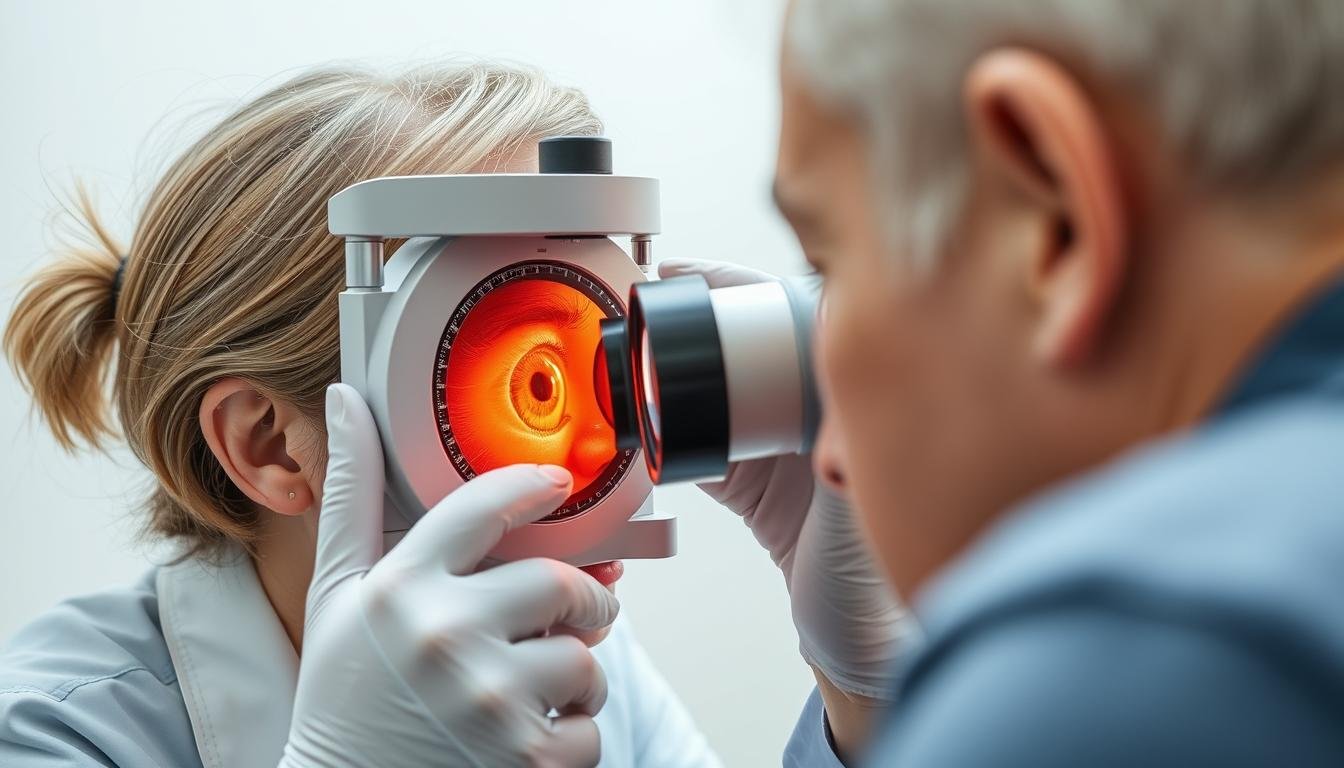
هڪ ارڊولوجسٽ خاص سامان استعمال ڪندي آئرس جي نمونن کي جانچڻ
Iridology ۽ هڪ جي ڪردار کي سمجھڻ ارڊولوجسٽ
Iridology is the study of the iris to assess a person’s health status. Practitioners of this method, known as iridologists, believe that each area of the iris corresponds to different parts of the human body. According to this theory, changes in these areas can indicate potential health issues in the corresponding body parts.
The practice is based on the concept that the iris contains a wealth of information about our overall health. Iridologists claim they can identify signs of inflammation, toxin accumulation, and organ function by examining the intricate patterns, colors, and markings in your iris.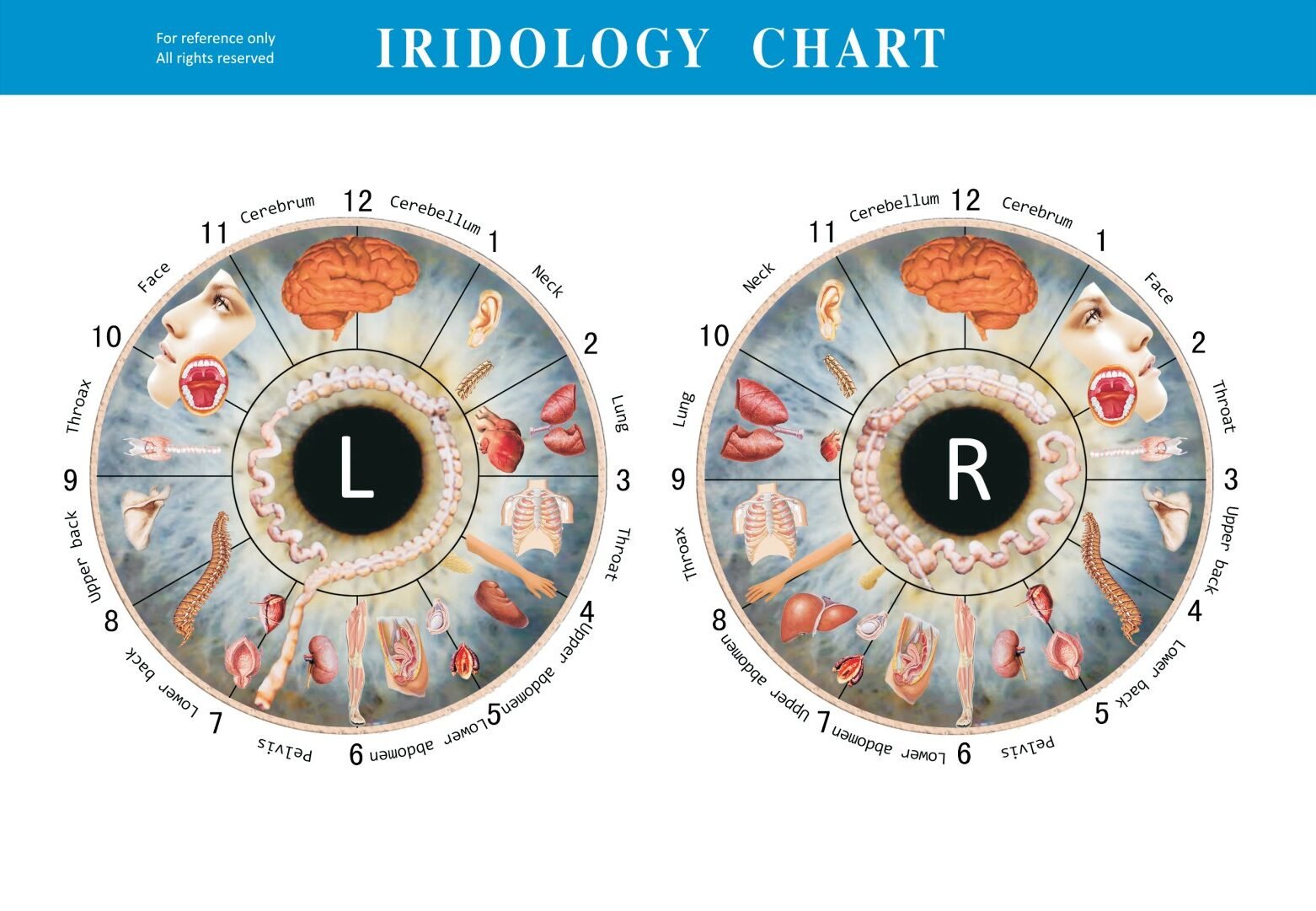

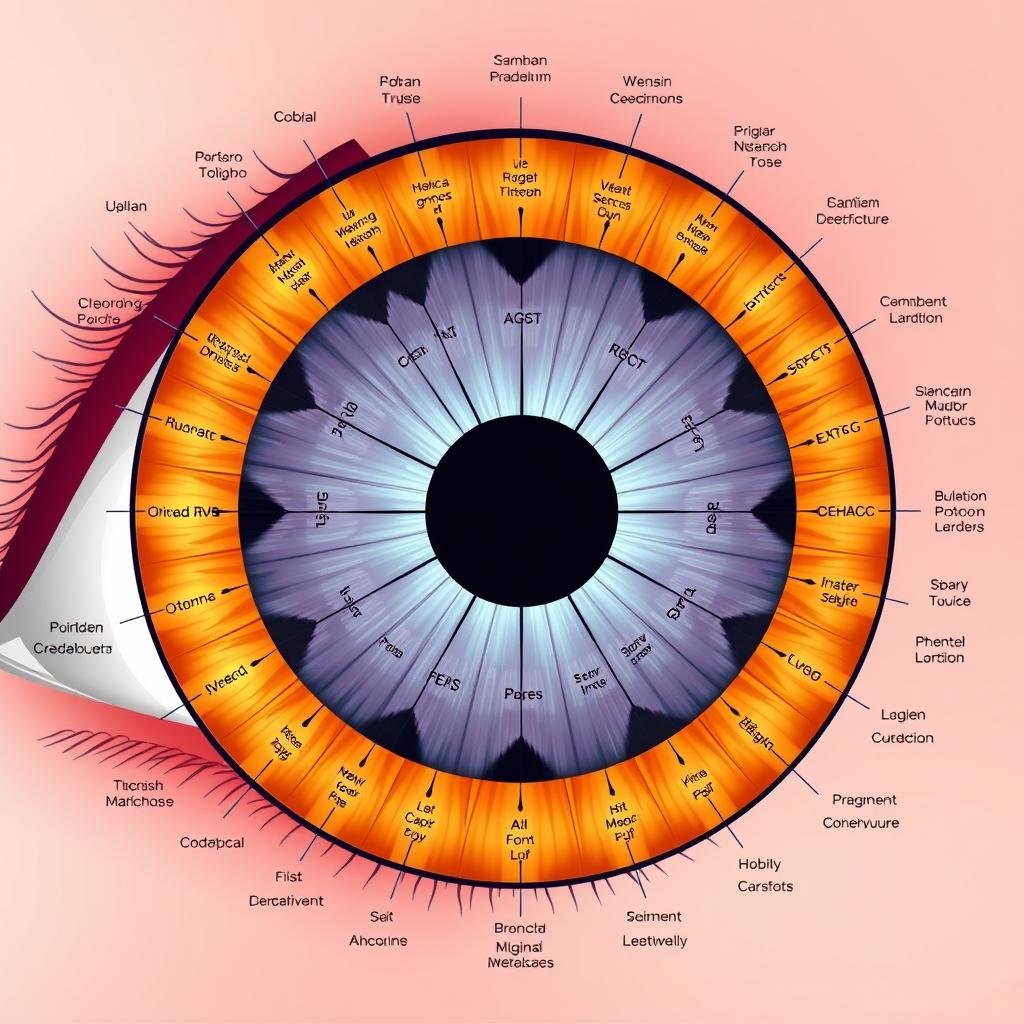
Iridology چارٽ ڏيکاري ٿو ته ڪيئن Iris جا مختلف حصا جسم جي عضون سان ملن ٿا
ڪيئن ڪندو هڪ ارڊولوجسٽ ڪم؟
جڏهن توهان هڪ دورو ڪريو ٿا ارڊولوجسٽ، اهي عام طور تي توهان جي آئيرس جو تجزيو ڪرڻ ۽ توهان جي صحت بابت بصيرت مهيا ڪرڻ لاءِ هڪ منظم طريقي جي پيروي ڪندا آهن. هتي آهي جيڪو توهان هڪ سيشن دوران توقع ڪري سگهو ٿا:
امتحاني عمل
هڪ ارڊولوجسٽ خاص سامان استعمال ڪري ٿو جهڙوڪ ميگنفائنگ شيشيز، ٽارچ لائٽون، ڪيمرا، يا ڊجيٽل آئرس اسڪينر توهان جي آئيرس کي تفصيل سان جانچڻ لاءِ. اهي مخصوص نشانيون ڳوليندا آهن جهڙوڪ رنگ جي تبديلي، اونداهي اسپاٽ، انگوزي، ۽ ٻيا نشان جيڪي شايد صحت جي مسئلن جي نشاندهي ڪن ٿا iridology جي اصولن مطابق.
The examination is non-invasive and painless. The practitioner simply observes your eyes, often taking photographs to analyze them more carefully. Some modern iridologists use computer software to enhance and analyze iris images with greater precision.
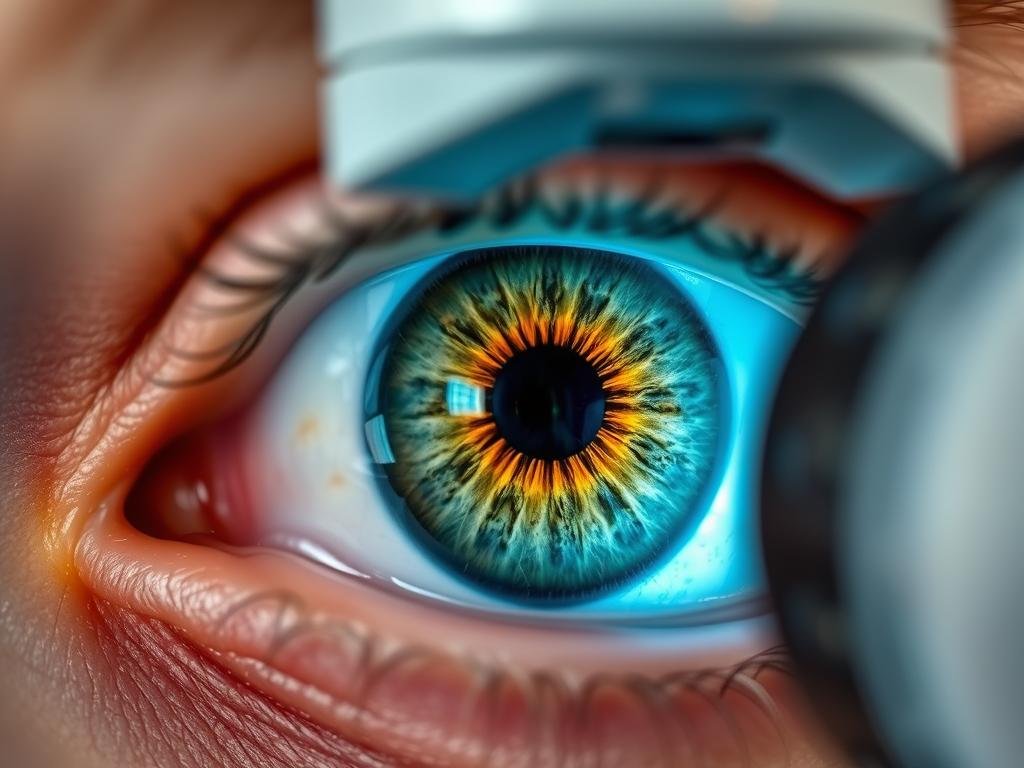
Digital iris photography used by modern iridologists
Interpretation Methods
Iridologists use charts that divide the iris into approximately 60 zones, each corresponding to different parts of the body. For example, the top section might represent the brain, while the lower sections might correspond to the digestive system or legs.
By identifying abnormalities in specific zones, an ارڊولوجسٽ claims to detect potential health issues in the corresponding body parts. They look for signs such as:
- رنگ جي تبديلي يا بي رنگ ٿيڻ
- ڳاڙها داغ يا داغ
- اڇو يا بادل علائقن
- Iris جي چوڌاري حلقو يا حلقو
- Iris fibers ۾ ساخت جي بي ترتيبي
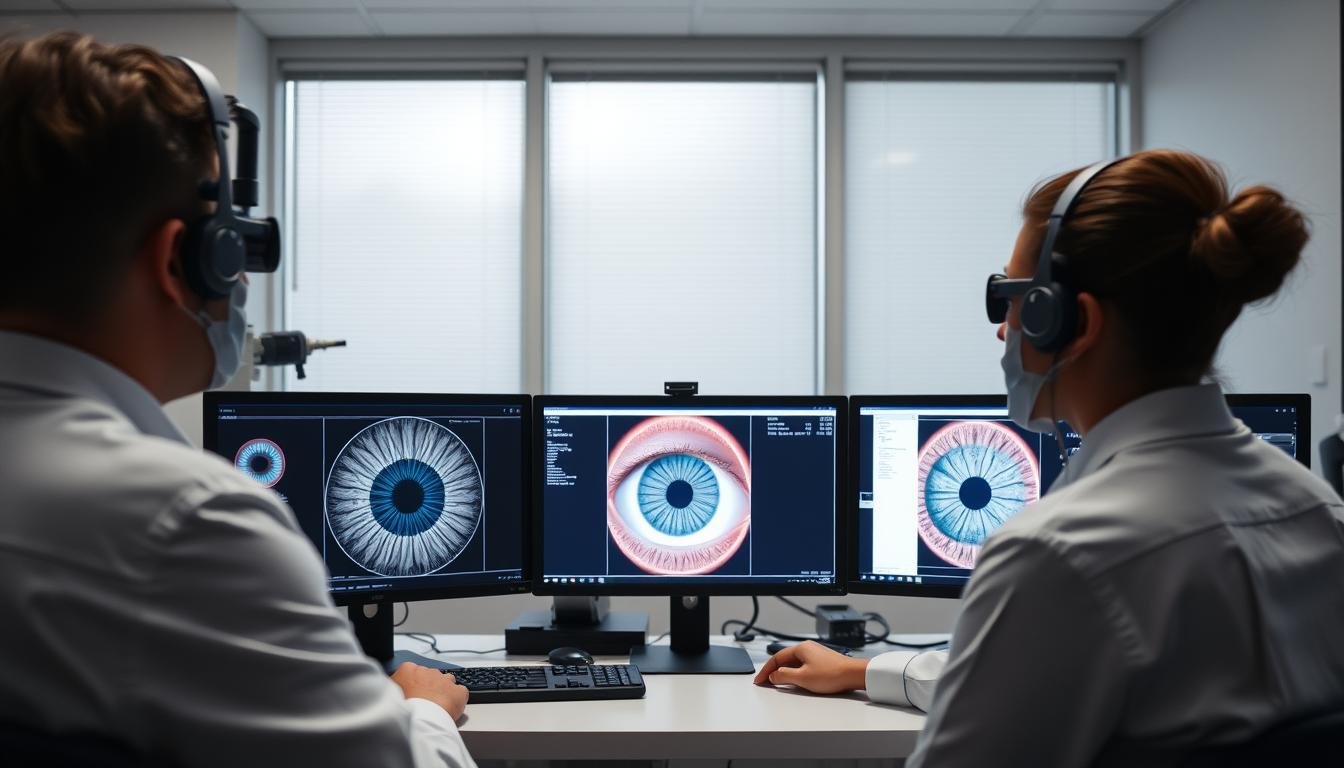
جديد iridologists اڪثر ڊجيٽل ٽيڪنالاجي استعمال ڪندا آهن انهن جي تجزيو کي وڌائڻ لاءِ
جي تاريخ ۽ ترقي Iridologists
iridology جي مشق جي صدين کان پراڻي تاريخ آهي، ڪيترن ئي اهم انگن اکرن سان گڏ ان جي ترقي ۾ حصو ورتو جيئن اسان اڄ ڄاڻون ٿا.

Ignaz von Peczely، جديد iridology جو پيء سمجهي ٿو
اوائلي آڳاٽي ۽ پڳدار
سڀ کان پھريون دستاويزي حوالا iris جي تجزيي ۾ نظر اچن ٿا ميڊيڪل Chromatica1665 ۾ شايع ٿيل Philippus Meyeus، جنهن جسم ۾ شفا جي عمل سان لاڳاپيل iris ۾ تبديلين جو مشاهدو ڪرڻ جي دعوي ڪئي.
بهرحال، جديد iridology گهڻو ڪري Ignaz von Peczely ڏانهن منسوب آهي، جيڪو 19 صدي عيسويء ۾ هڪ هنگري طبيب هو. مشهور اڪائونٽن موجب، هڪ ٻار جي حيثيت ۾، وون پيزيلي ڏٺو ته هڪ اونداهي لڪير هڪ اللو جي آئرس ۾ ظاهر ٿيڻ کان پوء پکيء جي هڪ ڀڃي ٽنگ جو شڪار ٿيو. هن مشاهدي هن جي دلچسپي کي آئرس نشانن ۽ جسماني زخمن يا حالتن جي وچ ۾ لاڳاپو وڌايو.
وان پيڪسلي 1881ع ۾ پهريون تفصيلي آئرس چارٽ تيار ڪيو، جنهن ۾ جسم جي عضون ۽ عضون سان واسطو رکندڙ ايرس جي علائقن جو نقشو ٺاهيو ويو. ساڳئي وقت، سويڊن جي هوميوپيٿ نيلس لِلجيڪسٽ آزاديءَ سان اهڙا نظريا ٺاهيا، جن کي طبي علاج کان پوءِ پنهنجي آئيرس ۾ تبديلين جو مشاهدو ڪيو.
جديد ترقي
20 صدي عيسويء ۾، iridology گهڻو ڪري آمريڪا ۾ مقبوليت حاصل ڪئي برنارڊ جينسن جي ڪم جي ذريعي، هڪ آمريڪي chiropractor جنهن موجوده آئرس چارٽس کي بهتر ڪيو ۽ 1950s ۾ پنهنجي قدرتي شفا جي طريقيڪار جي حصي طور iridology کي وڌايو.
اڄ جي iridologists جديد ٽيڪنالاجي کي شامل ڪيو آهي، اعلي ريزوليوشن ڊجيٽل ڪئميرا ۽ خاص سافٽ ويئر استعمال ڪندي آئيرس جي نمونن جو تجزيو ڪرڻ لاءِ انهن جي اڳوڻن کان وڌيڪ درستگي سان سادي ميگنفائنگ شيشيز سان حاصل ڪري سگهي ٿي.
اميدوارن لاءِ تربيت ۽ سرٽيفڪيشن Iridologists
جيڪڏهن توهان هڪ ٿيڻ ۾ دلچسپي رکو ٿا ارڊولوجسٽ، اهو سمجهڻ ضروري آهي ته هن فيلڊ ۾ موجود تربيتي رستا ۽ سرٽيفڪيشن جا اختيار.
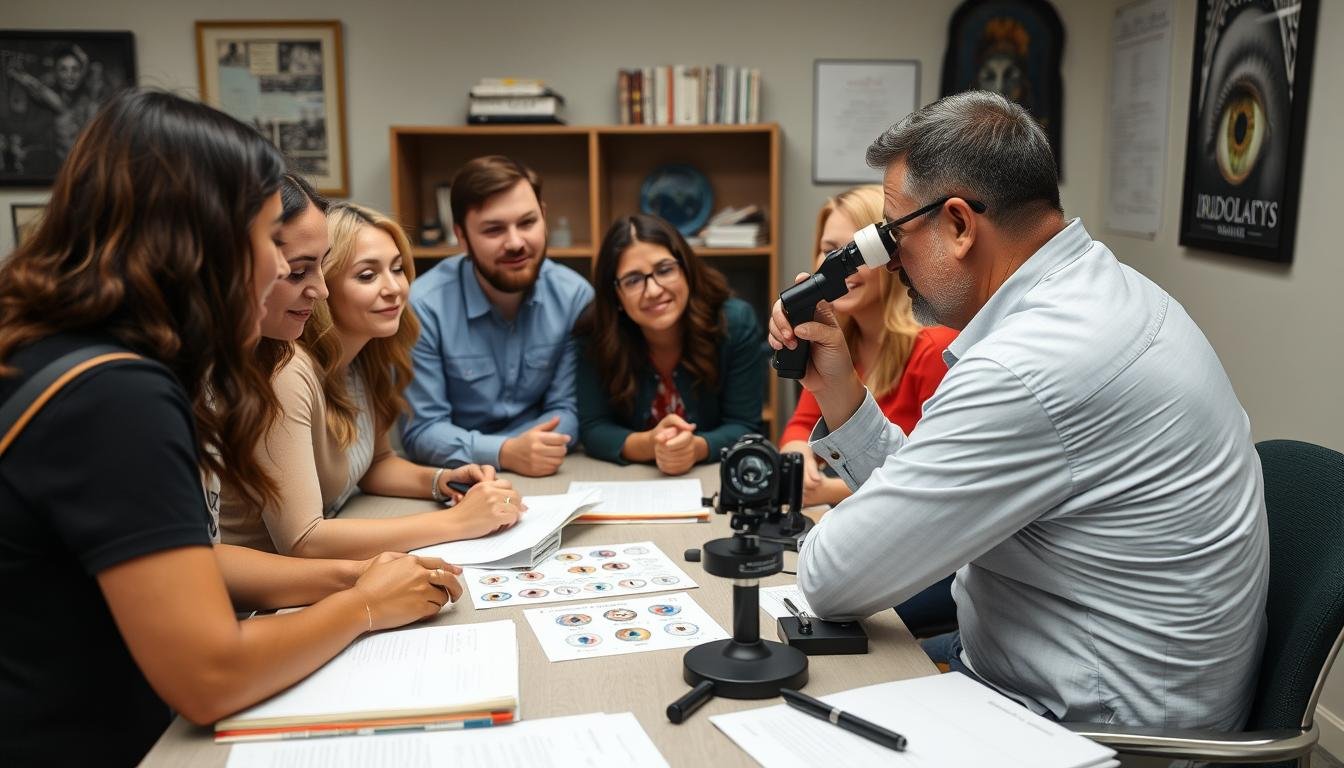
شاگرد هڪ iridology ٽريننگ پروگرام دوران iris تجزيي جي ٽيڪنالاجي سکيا
تعليم جي گهرج
روايتي طبي پيشن جي برعڪس، ڪو به معياري تعليمي گهرجون نه آهن هڪ ٿيڻ لاء ارڊولوجسٽ اڪثر ملڪن ۾. جڏهن ته، معزز عملي طور تي مڪمل طور تي مڪمل تربيتي پروگرامن ۾ شامل آهن:
- بنيادي اناتومي ۽ جسمانيات
- Iris ٽوپوگرافي ۽ نقشو
- Iris جي نشانين ۽ نشانن جي تشريح
- ڪيس جي مطالعي جو تجزيو
- ڪلينڪل مشق ۽ اخلاقيات
گھڻا iridologists ٻين صحت جي شعبن ۾ پس منظر آهن جهڙوڪ نيچروپيپي، ڪرراپيڪڪ، يا نرسنگ، جيڪي انهن کي صحت ۽ بيماري جي عملن جي وسيع سمجھ سان مهيا ڪن ٿا.
سرٽيفڪيشن تنظيمون
ڪيتريون ئي تنظيمون پيش ڪن ٿيون سرٽيفڪيشن پروگرامن لاءِ iridologists، جيتوڻيڪ اهي سرٽيفڪيشن قانوني طور تي گهربل نه آهن اڪثر هنڌن تي مشق ڪرڻ لاءِ. ڪجهه معزز سرٽيفڪيشن ادارن ۾ شامل آهن:
- بين الاقوامي Iridology عملي جي ايسوسيئيشن (IIPA)
- نيشنل آئيڊيالوجي ريسرچ ايسوسيئيشن (NIRA)
- گلڊ آف نيچروپيٿڪ آئرڊولوجسٽ انٽرنيشنل (GNI)
اهي تنظيمون عام طور تي منظور ٿيل ڪورسز جي مڪمل ٿيڻ، امتحان پاس ڪرڻ، ۽ ڪڏهن ڪڏهن سرٽيفڪيشن ڏيڻ کان پهريان ڪيس جي مطالعي کي جمع ڪرڻ جي ضرورت هونديون آهن.
Iridology ٽريننگ ۾ دلچسپي رکو ٿا؟
تصديق ٿيل پروگرامن کي ڳولھيو جيڪي توھان جي مدد ڪري سگھن ٿيون Iris تجزيي ۽ مجموعي صحت جي تشخيص ۾ صلاحيتن کي وڌائڻ.
دريافت ڪريو Iridology ٽريننگ پروگرام
گهمڻ جا فائدا ۽ حدون ارڊولوجسٽ
امڪاني فائدا
- غير ناجائز تشخيص جو طريقو
- علامتون ظاهر ٿيڻ کان اڳ امڪاني صحت جي مسئلن جي نشاندهي ڪري سگھي ٿي
- Provides a holistic view of health patterns
- Can complement conventional medical approaches
- حفاظتي صحت جي قدمن کي حوصلا افزائي ڪري ٿو
Limitations and Concerns
- Limited scientific evidence supporting effectiveness
- Not a substitute for medical diagnosis
- Inconsistent results between practitioners
- Risk of delayed proper medical treatment
- Potential for misdiagnosis of serious conditions
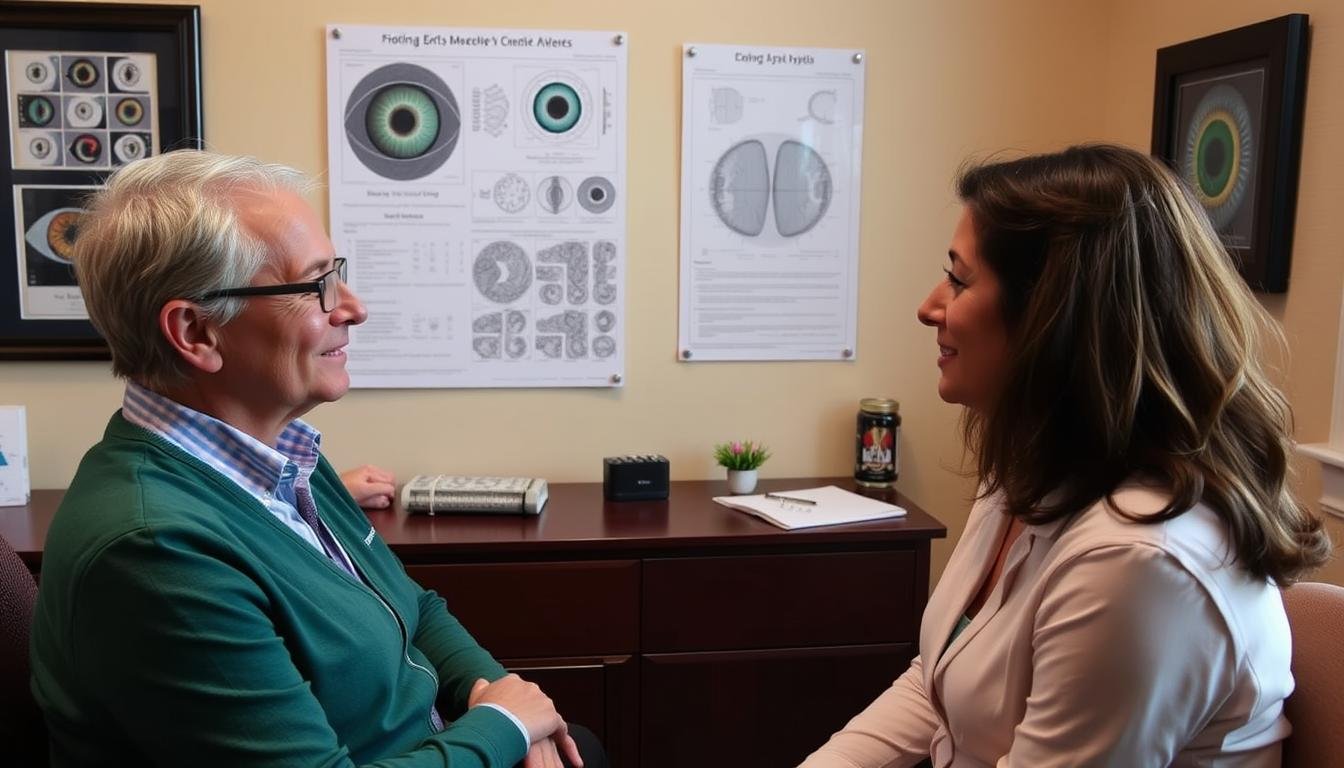
هڪ ارڊولوجسٽ discussing findings with a client during a consultation
سائنسي نقطه نظر
The scientific community generally views iridology with skepticism. Several controlled studies have failed to demonstrate that iridologists can consistently detect diseases through iris examination. A systematic review published in 1999 examined four case-control studies and concluded that iridology’s efficacy was not supported by scientific evaluations.
Another study published in the Archives of Ophthalmology in 2000 stated that “iridology ڏيکاريو ويو آهي ڪنهن کي ٿورو فائدو” and suggested that patients and therapists should be discouraged from utilizing it due to potential personal and financial harm.
Holistic Health Perspective
Proponents of iridology argue that it offers value as part of a holistic health assessment. They suggest that iridologists can identify constitutional weaknesses, inflammation, and toxin accumulation that might not be detected by conventional medical tests.
Many practitioners emphasize that iridology is not meant to diagnose specific diseases but rather to identify areas of potential weakness or stress in the body, which can then be addressed through lifestyle changes, nutrition, and other natural approaches.
Important Note: If you’re considering visiting an ارڊولوجسٽ, it’s advisable to maintain regular check-ups with your primary healthcare provider and to discuss any health concerns with a licensed medical professional.
What to Expect During Your Visit to an ارڊولوجسٽ
If you’re planning to consult with an ارڊولوجسٽ, knowing what to expect can help you prepare for the experience and get the most from your session.
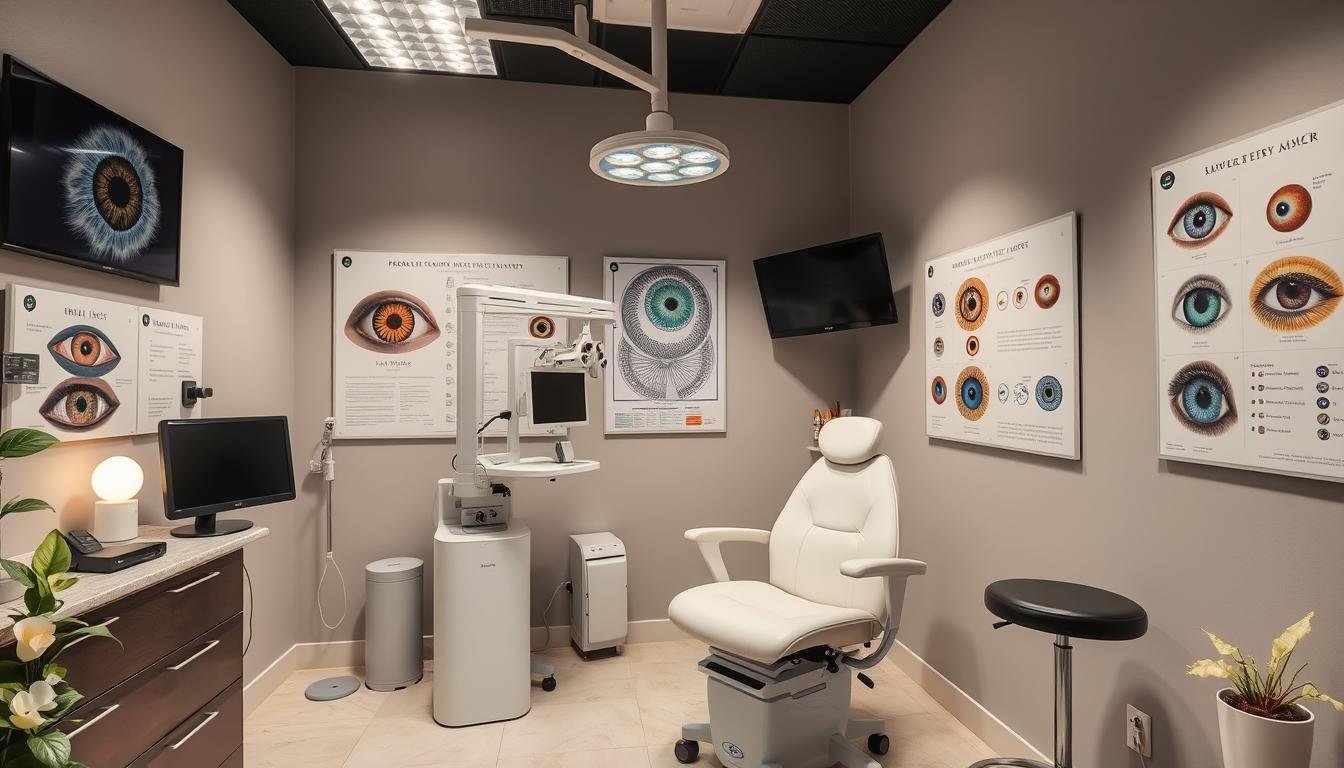
Typical setup in an iridologist جي consultation room
Before Your Appointment
Before seeing an ارڊولوجسٽ, consider the following preparations:
- Bring a list of your current health concerns and questions
- Note any medications or supplements you’re taking
- Avoid wearing contact lenses to the appointment
- Consider bringing your health history if relevant
During the Consultation
A typical session with an ارڊولوجسٽ usually includes:
- An initial discussion about your health history and concerns
- Examination of your irises using specialized equipment
- Photography of your eyes for detailed analysis
- Explanation of findings based on iris patterns
- Recommendations for health improvements
The entire process is painless and non-invasive. The practitioner will simply look at your eyes, possibly using a small light and magnification device. Some iridologists use digital cameras to capture high-resolution images of your irises for more detailed analysis.
After Your Session
Following your consultation, an ارڊولوجسٽ typically provides:
- A summary of their observations
- Suggestions for dietary changes or supplements
- Lifestyle recommendations
- Possibly a written report or iris photographs
- Follow-up appointment options
Remember that recommendations from an ارڊولوجسٽ should be considered complementary to, not replacements for, conventional medical care.

هڪ ارڊولوجسٽ explaining findings using digital iris images
اڪثر پڇيل سوال بابت Iridologists
Is an ارڊولوجسٽ a licensed doctor?
No, an ارڊولوجسٽ is not typically a licensed medical doctor. In most countries, iridology is considered a complementary or alternative practice and is not regulated in the same way as conventional medicine. Some iridologists may have other health-related credentials (such as naturopathic doctor, chiropractor, or nutritionist), but the practice of iridology itself does not require a medical license.
How much does a session with an ارڊولوجسٽ cost?
The cost of an iridology session varies widely depending on location, the practitioner’s experience, and the depth of the analysis. Generally, you can expect to pay between and 0 for an initial consultation, which typically lasts 30-90 minutes. Follow-up sessions are usually less expensive. Insurance rarely covers iridology consultations as it’s considered an alternative health practice.
ڪري سگهي ٿو ارڊولوجسٽ diagnose diseases?
Technically, iridologists should not claim to diagnose specific diseases. Reputable practitioners typically state that they identify areas of potential weakness or stress in the body rather than diagnosing medical conditions. Iridology is best viewed as a complementary assessment tool rather than a diagnostic method. For proper diagnosis of medical conditions, you should consult with a licensed healthcare provider.
مون کي ڪيترا ڀيرا ڏسڻ گهرجي ارڊولوجسٽ؟
Most people who use iridology services have an initial consultation followed by a follow-up session 3-6 months later to monitor changes. Since the iris typically changes slowly, frequent visits are usually unnecessary. Some people choose to have annual iris assessments as part of their holistic health maintenance, while others visit only when specific health concerns arise.
Can children visit an ارڊولوجسٽ؟
Yes, children can visit an ارڊولوجسٽ, and some practitioners specialize in pediatric iridology. The examination process is gentle and non-invasive, making it suitable for children. However, parents should ensure that iridology is used as a complement to, not a replacement for, regular pediatric medical care. Always consult with your child’s pediatrician about any health concerns.
oridology بابت وڌيڪ سوال آهن؟
Connect with a professional who can provide personalized information about iris analysis and holistic health assessment.
Ask an ارڊولوجسٽ Your Questions
Conclusion: Is Visiting an ارڊولوجسٽ Right for You?
Deciding whether to consult with an ارڊولوجسٽ is a personal choice that depends on your health philosophy, goals, and approach to wellness. While iridology lacks strong scientific support, many people find value in its holistic perspective and non-invasive nature.

Considering iridology as part of your holistic health approach
If you’re curious about iridology, consider approaching it as a complementary tool rather than a replacement for conventional healthcare. The insights from an ارڊولوجسٽ might provide additional perspectives on your health, particularly regarding preventative measures and lifestyle adjustments.
Remember that responsible iridologists acknowledge the limitations of their practice and encourage clients to maintain relationships with their primary healthcare providers. The most beneficial approach to health often integrates various perspectives and methodologies, taking the best from both conventional and complementary practices.
Whether you decide to explore iridology or not, staying informed about different health assessment methods empowers you to make choices that align with your personal wellness journey.
Ready to Explore Holistic Health Options?
Discover how different approaches to wellness can work together to support your health goals.
هولسٽڪ صحت جي وسيلن جي ڳولا ڪريو


