بيڊولوجي ڇا آهي؟
“اکين جو Iris، Sclera ۽ Pupil اهو پردو ڏيکاري ٿو جيڪو روح پيدا ڪيو آهي، شعور (يا وسارڻ) جي ذريعي، جيڪو برم کي ظاهر ڪري ٿو جيڪو روح کي مڪمل روشني جي حقيقت حاصل ڪرڻ لاء تيار ڪري ٿو.”
~ ڊيوڊ جي پيسڪ، پي ايڇ ڊي، سيپٽمبر 1988
اکين کي ڊگھي عرصي کان سڏيو ويو آهي “روح جي ونڊوز.” پر ٿورن ماڻهن کي خبر آهي ته اهو مشاهدو ڪيترو صحيح آهي. iris جي جوڙجڪ ۽ pigmentation جو صحيح تجزيو توهان جي يا توهان جي گراهڪن جي باري ۾ معلومات مهيا ڪري ٿو جيڪو ٻين طريقن سان ڳولڻ ڏکيو آهي. اها معلومات ايتري قدر قيمتي آهي ته Iridology ٻنهي جسماني ۽ نفسياتي صحت جي شعبن ۾ وڏي پيماني تي تجزيي جو اوزار بڻجڻ جي لائق آهي. اهڙا ڪيترائي عنصر آهن جيڪي اسان جي صحت ۽ شخصيت تي اثر انداز ڪن ٿا، ۽ انهن مان ڪيترائي عنصر آئرس ۾ ظاهر ٿيندا آهن. آئيني ۾ پنهنجي اکين کي ويجھو ڏسو، ۽ پوءِ پنهنجي آس پاس وارن جي اکين تي. توھان ڏسندؤ ته آئرس فائبر ۽ رنگن جا ڪيترائي مختلف نمونا. آڱرين جا نشان يا منهن وانگر، نه ٻه بلڪل هڪجهڙا آهن، ۽ نه ئي اسان آهيون! iris جي جوڙجڪ تمام منفرد آهي؛ اهو هاڻي اي ٽي ايم مشينن ۽ ايئرپورٽس تي سيڪيورٽي جي سڃاڻپ لاءِ استعمال ڪيو پيو وڃي. مائڪروسافٽ جو مستقبل جو گھر رهاڪن کي سڃاڻڻ ۽ دروازو کولڻ لاءِ اکين جو اسڪينر استعمال ڪندو.
Iridology Iris جي سائنسي مطالعي تي ٻڌل آهي — اک جو رنگ وارو حصو. نقشي تي نشانن وانگر، آئرس جسماني حالتن، نفسياتي صحت جي خطرن، چئلينج ۽ / يا مختلف عضون جي طاقت ۽ شخصيت جي خاصيتن کي ظاهر ڪري ٿو.
iridology جي ذريعي اسان توهان جي ماضي، موجوده، ۽ امڪاني مستقبل جي صحت جي حالتن کي سمجهي سگهون ٿا مختلف جسم جي سسٽم جو جائزو وٺڻ سان. توهان جي جسم جي مختلف حصن ۾ زهر جي جمعن سان ٺهڪندڙ توهان جي وراثت جي رجحان پڻ ظاهر ڪئي وئي آهي.
Iridology جي سائنس سڄي جسم جي سڀ کان وڌيڪ پيچيده بافتن جي جوڙجڪ جي تشريح تي ٻڌل آهي. – iris
اهو هڪ طريقو آهي جنهن جي ذريعي ڊاڪٽر يا صحت جو عملدار ٻڌائي سگهي ٿو، نشانن يا نشانين مان، جسم جي مختلف عضون ۽ سسٽم جي اضطراري حالت. اهي نشان جسم جي سالميت جي تفصيلي تصوير جي نمائندگي ڪن ٿا؛ اها آئيني صلاحيتون آهن، گهمڻ جا علائقا يا زهر جي جمع ۽ موروثي چئلينج ۽ تحفا.
The four principles that form the cornerstones of iridology are:
The condition of the nerves
The condition of the blood and lymph system
Adequate circulation
تغذيه – آرام جي معيار، سانس – ذهن جي حالت
فطرت اسان کي ان معلومات کي اکين تائين پهچائڻ سان جسم جي صحت جي اهم حيثيت جي باري ۾ هڪ انمول بصيرت ڏني آهي.
ليبارٽري جاچ جا طريقا جيڪي اڄڪلهه استعمال ڪيا ويا آهن، جيڪي هميشه ضروري نه هوندا آهن، قيمتي، وقت سازي ۽، اڪثر ڪري، مريض لاء غير آرامده آهن. iridology سان، اسان وٽ جسم ۾ ڏسڻ جو هڪ سادي، بي درد، اقتصادي ۽ غير جارحتي طريقو آهي. اهو چوڻ نه آهي ته اهو تجزيو جي ٻين شڪلن کي خارج ڪرڻ گهرجي. ان جي برعڪس، اهو استعمال ٿي سگهي ٿو ڪنهن ٻئي نظام جي تجزيي يا تشخيص سان گڏ جيڪو هڪ عملي استعمال ڪرڻ چاهي ٿو. هاڻي، تاريخ ۾ ڪنهن ٻئي وقت کان وڌيڪ، اسان کي مريض جي حالت جو تجزيو ڪرڻ لاء صحيح ۽ گهٽ پيچيده ذريعن جي ضرورت آهي.
هن ملڪ ۾ علاج ٿيندڙ بيمارين جو 80 سيڪڙو دائمي نوعيت جون آهن. دائمي طور تي متاثر ٿيل مريضن ۾ مليل ٽشوز کي اکين جي آئرس ۾ بهتر طور تي مانيٽر ڪري سگهجي ٿو، ممڪن آهي، تجزيو جي ڪنهن ٻئي طريقي سان.
Iridology انهن دائمي بيمارين جي ترقي يا انهي بيماري يا سوزش جي گهٽتائي لاء هڪ ضروري بصيرت ڏئي ٿي.
Iridology جي سائنس سڄي جسم جي سڀ کان وڌيڪ پيچيده ٽسيس جي جوڙجڪ جي تجزيي تي ٻڌل آهي - iris. Iridology هڪ منفرد نقطه نظر پيش ڪري ٿو تصور ۽ عمل کي روڪڻ واري صحت جي سنڀال. اهو هڪ غير جارحتي تشخيصي طريقو شامل آهي، عام طور تي يورپي عملين طرفان استعمال ڪيو ويندو آهي ۽ موجوده حالتن جي سڃاڻپ ۾ مفيد ٿي سگهي ٿو ۽ گڏوگڏ جينياتي ڪمزورين جي ورثي ۾. اهو معلوم ٿئي ٿو ته جسم جي مختلف حصن مان لڳ ڀڳ 300 هزار اعصاب نظرياتي اعصاب ڏانهن پنهنجو رستو ٺاهيندا آهن. تنهن ڪري، سسٽماتي سرگرمي جو پروجئشن شايد آئرس تي ظاهر ٿي سگھي ٿو.
pseudodiagnosis جو هڪ نظام ان عقيدي تي مبني آهي ته جسم جي هر علائقي ۽/يا عضوي کي ظاھر ڪيو ويندو آھي ڇھن علائقن مان ھڪڙي جي iris تي؛ iridologists دعوي ڪري ٿو ته جسم ۾ عدم توازن جي تشخيص ڪرڻ جي ذريعي شڪل، رنگ ۽ خاصيتن جي مطالعي سان. غير معمولي رپورٽن جو مطلب اهو آهي ته بيمارين جي سڃاڻپ ڪري سگهجي ٿي آئيرس ۾ تبديلين سميت انميا، دل جي حالت، صدمو، جگر جي بيماري، ايڊينل dysfunction ۽ رينل دٻاء. نظر ايندڙ تبديلين جي تشريح iridologist جي مطابق مختلف آهي: جڏهن ته سڀ ان ڳالهه تي متفق آهن ته رنگ جون تبديليون اهم آهن، ڪجهه لاءِ، سفيد رنگن کي اوور اسٽيموليشن جي نشاندهي ڪرڻ لاءِ مڃيو وڃي ٿو، جڏهن ته ٻين لاءِ، اهي ساڳيا داغ زهر جي جمع ٿيڻ جي نشاندهي ڪن ٿا (مثال طور، يورڪ ايسڊ يا ڪوليسٽرول)؛ سڀ ان ڳالهه تي متفق آهن ته آئرس جي وضاحت صحت جي نشاندهي ڪري ٿي. هڪ دفعو سڃاڻي، خرابين کي (نظريي ۾) ويتامين، جڙي، معدنيات ۽ ٻين شين جي استعمال سان علاج ڪري سگهجي ٿو.

What is 12MP iridology camera and software?
What is 12MP iridology camera and software?
Specification:
* سٺي ظاهر ۽ جديد ڊيزائن
* لينس جي چوڌاري LED روشني ڪندڙ
* پليٽ ٿيل پرت سان درآمد ٿيل لينس
* 12.00 Mega pixels high resolution CCD sensor
* خاص ڊي ايس پي تصويري پروسيسر، آپٽيڪل تصويري اسٽيبلائزر
* سنگل ڪيپچر بٽڻ ۽ ڊجيٽل پز ڪيپچر.
* صاف تصوير ڏيڻ لاء ترتيب ڏيڻ وارو ڌيان.
* خودڪار اڇو توازن ۽ ان جي ابتڙ ترتيب، رنگ جي درجه حرارت فلٽر
* آئرس لينس سان مطابقت، وار لينس.
* صاف ۽ صحيح تصويرون ڏيو.
* هلائڻ ۾ آسان.
* OS: Windows XP, WIN2000, 2003, Vista, Win7. Win8,win 10
Introduction:
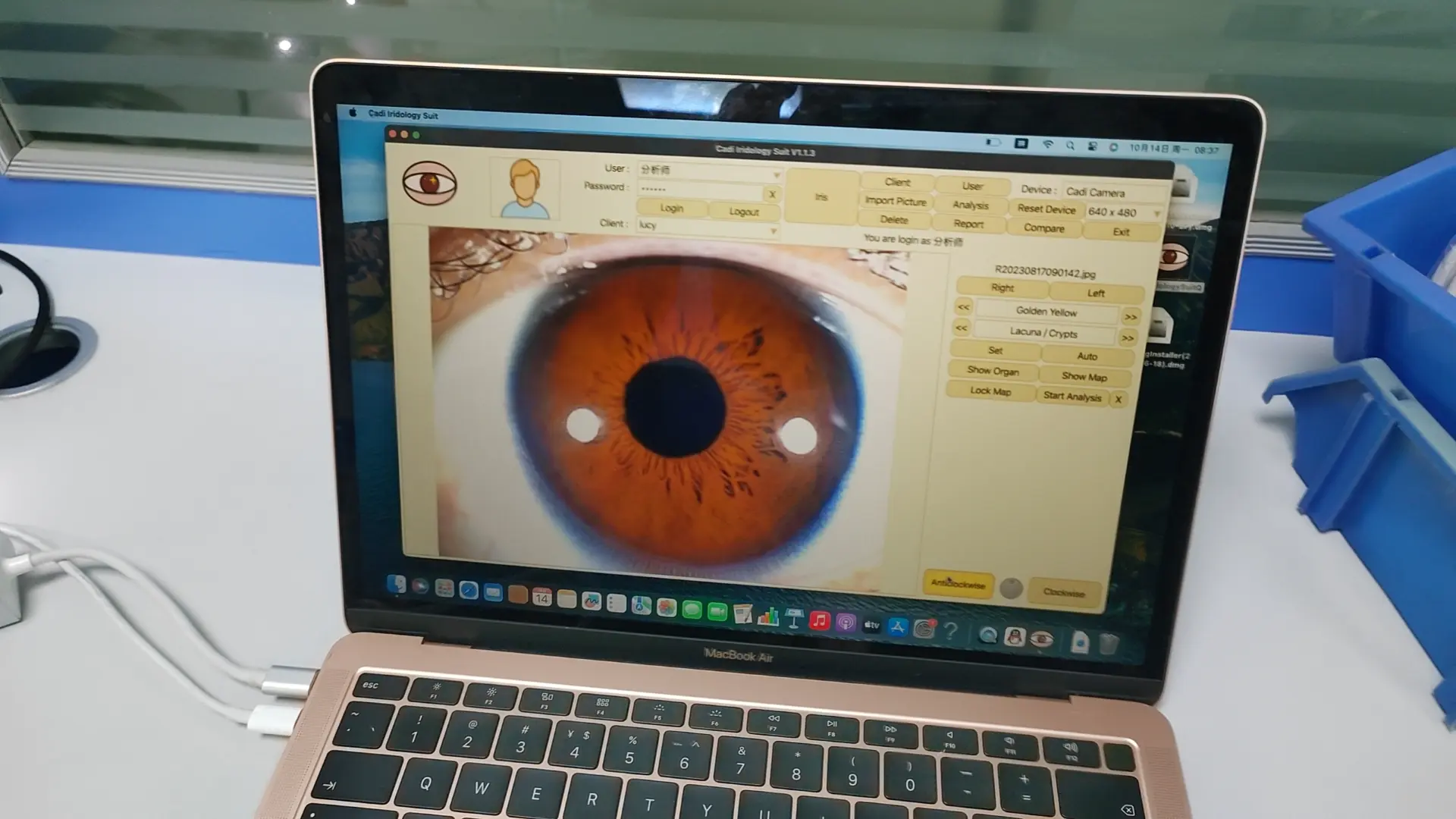
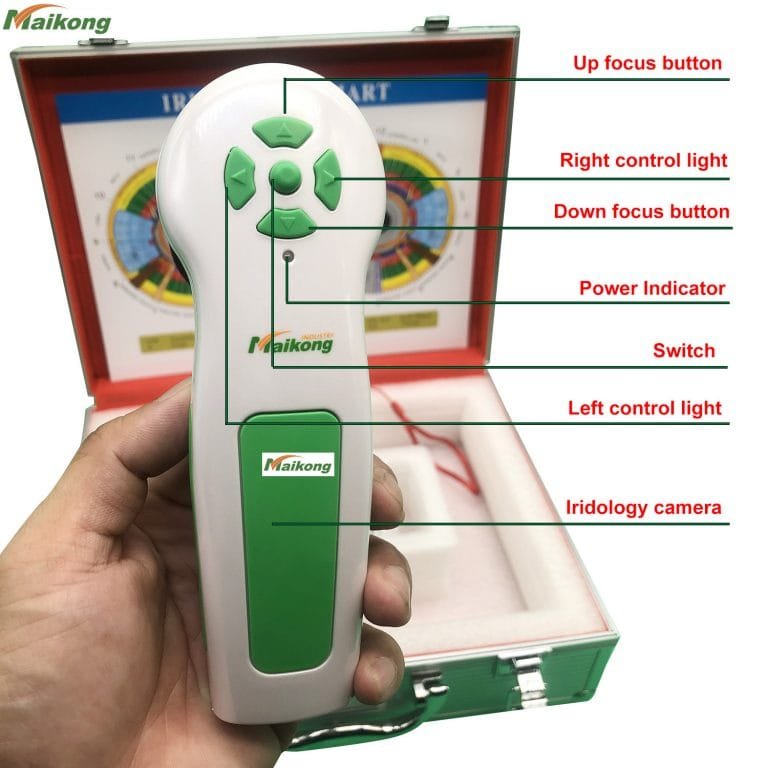
The Iriscope is easy to operate. It is plugged directly into the computer and doesn’t require an electrical power supply. Light brightness and focus can be adjusted by using the switch on the handle.
The iris scope uses its own software which can save client information and photos as well as product recommendations. Analysis reports can be printed and photos are saved according to the date and time taken.
This machine will help the client know his health condition frankly ,including the problem which you have get in the former ,now and future .and the Iridology will be your health counselor, tell you how to keep away from the illness and sub-health.
Why you choose our iriscope?
1. سافٽ ويئر استعمال ڪرڻ آسان، توهان کي حڪم ڏيڻ ۾ مدد ڪريو. ڳوڙهي آٽو آئرس تجزيي ٽيڪنالاجي سکڻ لاءِ نئين سکندڙن لاءِ بهترين مدد مهيا ڪرڻ لاءِ.
2. Iris تجزيو نظام: بين الاقوامي ٽيڪنالاجي، منفرد ڪم.
3. Iris تجزياتي نظام هڪ دوا وارو اوزار آهي جيڪو جسم جي حالتن کي جانچيندو آهي ۽ بيمارين کي روڪڻ کان بچائيندو آهي.
4. اسان جرمنيءَ مان جديد iris تجزياتي ٽيڪنالاجي کڻي آيا آهيون ته جيئن ماڻهن کي بيمارين جا ذريعا دريافت ڪري، ۽ هر طرح سان جسم جي صحت ۽ روح جو خيال رکي.
5. اوزار گراهڪن جي جسماني حالتن کي ڏيکاري ٿو ۽ گراهڪن کي مناسب صحت جي خوراڪ، ۽ انهن جي جسم جي سنڀال ڪرڻ جو منصوبو پيش ڪري ٿو.
6. iriscope مشين توهان جي پراڊڪٽ کي سافٽ ويئر ۾ تبديل ڪري سگهي ٿي ۽ رپورٽن تي ڏيکاري ٿي. توهان کي صحتمند پيداوار جي واڌاري ۾ مدد ڪندي.
Product Details:
اصل جي جاءِ
چين
برانڊ جو نالو
MK
تصديق
عيسوي
ماڊل نمبر
GY-9822U
Maximum resolution
3840*2880
feature
4 LED/2 LED lamps control
عڪسل
12 ايم پي
language
انگريزي / اسپيني
سافٽ ويئر
with pro Analysis software
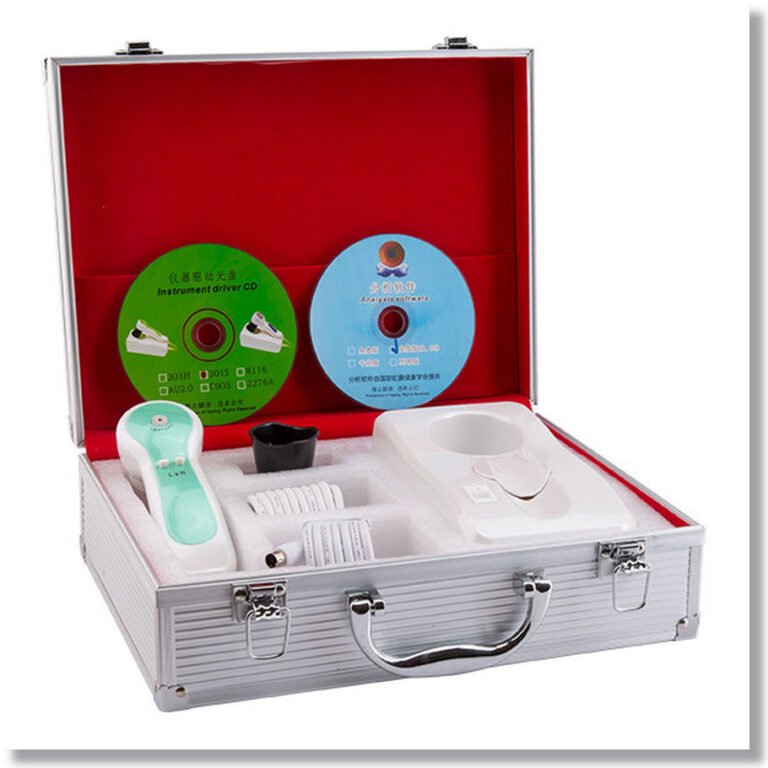
Accessories:
هينڊ سيٽ
1 پي سي
30X Iris لينس
1 پي سي
المونيم باڪس
1 پي سي
لينس حفاظتي ڪپڙا
1 پي سي
ارڊولوجيٽر چارٽ
1 پي سي
استعمال ڪندڙ دستياب
1 پي سي
سي ڊي (ڊرائيور ۽ پرو تجزياتي سافٽ ويئر)
1 پي سي
Software USB KEY
1 پي سي

بيڊولوجي ڇا آهي؟
بيڊولوجي ڇا آهي؟
Iridology (جنهن کي iridodiagnosis يا iridiagnosis به چيو ويندو آهي) هڪ متبادل دوائن جي ٽيڪنڪ آهي جنهن جا حامي دعويٰ ڪن ٿا ته نمونن، رنگن ۽ آئرس جي ٻين خاصيتن کي جانچي سگهجي ٿو ته جيئن مريض جي سسٽماتي صحت جي باري ۾ معلومات طئي ڪري سگهجي. مشق ڪندڙ پنهنجن مشاهدن کي آئرس چارٽ سان ملن ٿا، جيڪي ايرس کي زونن ۾ ورهائي ٿو جيڪي انساني جسم جي مخصوص حصن سان ملن ٿا. Iridologists اکيون ڏسندا آهن جيئن “ونڊوز” جسم جي صحت جي حالت ۾.
Iridologists claim they can use the charts to distinguish between healthy systems and organs in the body and those that are overactive, inflamed, or distressed. Iridologists claim this information demonstrates a patient’s susceptibility towards certain illnesses, reflects past medical problems, or predicts later health problems.
As opposed to evidence-based medicine, iridology is not supported by quality research studies and is widely considered pseudoscience. The features of the iris are one of the most stable features on the human body throughout life.[disputed – discuss] The stability of iris structures is the foundation of the biometric technology which uses iris recognition for identification purposes.
1979 ۾، برنارڊ جينسن، هڪ معروف آمريڪي iridologist، ۽ ٻه ٻيا iridology جي حامي پنهنجي مشق جو بنياد قائم ڪرڻ ۾ ناڪام ٿي ويا جڏهن انهن 143 مريضن جي اکين جي تصويرن جي جانچ ڪرڻ جي ڪوشش ڪئي ته انهن جي گردن جي خرابي هئي. مريضن مان، 48 کي گردي جي بيماري جي تشخيص ڪئي وئي هئي، ۽ باقي عام طور تي گردئن ڪم ڪيو هو. مريضن جي انهن جي تجزيو جي بنياد تي’ irises، ٽن iridologists اهو معلوم نه ڪري سگهيا ته ڪهڙن مريضن کي گردئن جي بيماري هئي ۽ ڪهڙي نه هئي.
The iris is the greenish-yellow area surrounding the transparent pupil (showing as black). The white outer area is the sclera, the central transparent part of which is the cornea.Iridologists generally use equipment such as a flashlight and magnifying glass, cameras or slit-lamp microscopes to examine a patient’s irises for tissue changes, as well as features such as specific pigment patterns and irregular stromal architecture. The markings and patterns are compared to an iris chart that correlates zones of the iris with parts of the body. Typical charts divide the iris into approximately 80–90 zones. For example, the zone corresponding to the kidney is in the lower part of the iris, just before 6 o’clock. There are minor variations between charts’ جسم جي حصن ۽ iris جي علائقن جي وچ ۾ ايسوسيئيشن.
iridologists جي مطابق، iris ۾ تفصيلات جسم جي لاڳاپيل عضون جي بافتن ۾ تبديلين کي ظاهر ڪن ٿا. هڪ مشهور ماهر، برنارڊ جينسن، ان کي هن ريت بيان ڪيو آهي: “آئيرس ۾ اعصاب فائبر جسم جي بافتن ۾ تبديلين جو جواب ڏئي ٿو هڪ ريفليڪس فزيولوجي کي ظاهر ڪندي جيڪو مخصوص بافتن جي تبديلين ۽ هنڌن سان ملندو آهي.” This would mean that a bodily condition translates to a noticeable change in the appearance of the iris, but this has been disproven through many studies. (See section on Scientific research.) For example, acute inflammatory, chronic inflammatory and catarrhal signs may indicate involvement, maintenance, or healing of corresponding distant tissues, respectively. Other features that iridologists look for are contraction rings and Klumpenzellen, which may indicate various other health conditions.
Seven rings Iris zones/rings and accompanying body region/organ
Inner: Stomach.
Second: Small and large intestine.
Third: Circulation of blood and lymph.
Fourth: Internal organs and endocrine system.
Fifth: Musculoskeletal system.
Outer: Skin and organs of elimination.