The practice of basic iridology represents a fascinating intersection of traditional health assessment and modern technology. By examining the intricate patterns, colors, and markings in the iris, practitioners can gain valuable insights into a person’s health status and potential areas of concern. As a non-invasive method of health evaluation, basic iridology has gained recognition worldwide for its ability to provide a comprehensive overview of bodily systems and functions.At MAIKONG, we’ve dedicated over 20 years to researching, developing, and manufacturing professional iridology equipment that supports practitioners in delivering accurate and detailed iris analysis. Our commitment to advancing the field of basic iridology through technological innovation has established us as a trusted partner for healthcare professionals around the globe.
What Is Basic Iridology and How Does It Work?
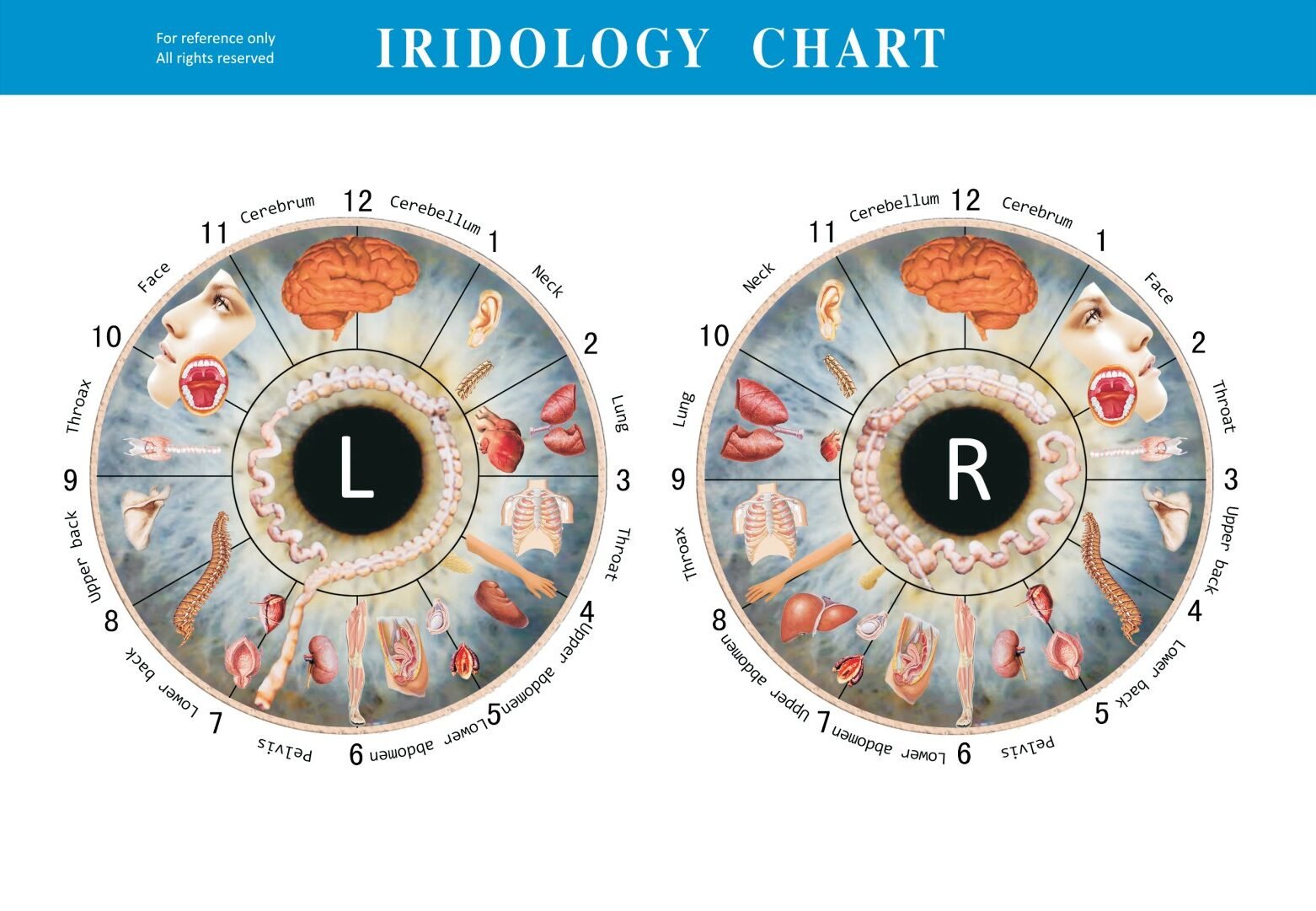

Basic iridology is the study of the iris (the colored part of the eye) to identify potential health imbalances and constitutional strengths and weaknesses. This practice is founded on the principle that the iris contains a detailed map of the body, with different zones corresponding to specific organs and systems. Through careful examination of iris features, trained practitioners can detect signs that may indicate health issues before they manifest as physical symptoms.
The iris contains thousands of nerve endings connected to the brain and central nervous system. These connections allow the iris to reflect changes in different parts of the body through alterations in its fibers, colors, and structures. In basic iridology, these changes are observed using specialized equipment like iriscopes and iridology cameras, which provide magnified views of the iris for detailed analysis.
It’s important to understand that basic iridology is not used to diagnose specific diseases but rather to identify areas of potential concern and constitutional tendencies. This information can then guide practitioners in developing personalized health recommendations and preventive strategies for their clients.
Key Principles of Basic Iridology
- The iris reflects the condition of the body’s tissues and organs
- Iris markings develop in response to tissue changes
- کاٻي آئرس بنيادي طور تي جسم جي کاٻي پاسي سان ملندو آهي
- ساڄي آئرس بنيادي طور تي جسم جي ساڄي پاسي سان ملندو آهي
- Iris analysis provides information about constitutional strengths and weaknesses
- Changes in the iris can indicate inflammation, toxicity, and congestion
The History and Evolution of Basic Iridology


The roots of basic iridology can be traced back thousands of years, with evidence suggesting that forms of iris analysis were practiced in ancient Egypt, China, and India. However, modern basic iridology as we know it today began to take shape in the 19th century through the work of several pioneering physicians.
The Founding Fathers of Modern Iridology
Dr. Ignatz von Peczely, a Hungarian physician, is often credited with the formal development of basic iridology in the 1860s. The story goes that as a child, von Peczely noticed a dark mark appear in the iris of an owl after it suffered a broken leg. This observation sparked his interest in the connection between iris markings and physical injuries or conditions. He went on to develop the first iris chart mapping different areas of the iris to specific organs and body systems.
Around the same time, Swedish homeopath Nils Liljequist independently observed changes in his own iris after taking medications containing heavy metals. His work further contributed to the development of iris analysis as a health assessment tool. These early pioneers laid the groundwork for what would become a systematic approach to basic iridology.
Modern Developments in Iridology
In the 20th century, basic iridology continued to evolve through the contributions of practitioners like Dr. Bernard Jensen in the United States and Josef Deck in Germany. These modern pioneers refined iris charts and developed more systematic approaches to iris analysis. Dr. Jensen’s comprehensive iris chart became widely used and helped standardize the practice of basic iridology in North America.
Today, basic iridology has been enhanced by technological advancements that allow for more precise iris examination. Digital iridology cameras and specialized software have revolutionized the field, enabling practitioners to capture high-resolution images of the iris and analyze them with greater accuracy. These technological tools have helped bring basic iridology into the modern era of healthcare.
The Process of Iris Examination in Basic Iridology
The practice of basic iridology follows a systematic approach to examining and interpreting the features of the iris. This process typically involves several key steps that help practitioners gather comprehensive information about a person’s health status.
Equipment Used in Basic Iridology
Proper equipment is essential for accurate iris examination. The most commonly used tools in basic iridology include:
ارسڪوپ
A specialized device with magnification capabilities and appropriate lighting that allows practitioners to examine the iris in detail. Professional iriscopes provide optimal illumination and magnification for accurate analysis.
Iridology ڪئميرا
High-resolution digital cameras designed specifically for capturing detailed images of the iris. These cameras often include specialized lighting and filters to enhance visibility of iris features.
ارڊولوجي سافٽ ويئر
Computer programs that assist in analyzing iris images, often featuring tools for enhancement, measurement, and comparison with reference charts. Advanced software can help identify and categorize iris markings.
Steps in the Iris Examination Process
A thorough iris examination in basic iridology typically follows these steps:
- ڪلائنٽ جي تاريخ: The practitioner begins by gathering relevant health information from the client, including current concerns, medical history, and lifestyle factors.
- Preparation: The examination room is set up with appropriate lighting, and the client is positioned comfortably for the examination.
- تصوير ڪڍڻ: Using an iriscope or iridology camera, the practitioner captures clear images of both the left and right irises.
- مشاهدو: The practitioner carefully examines the overall appearance of each iris, noting the color, structure, and any prominent markings.
- Detailed Analysis: Using iridology charts as reference, the practitioner analyzes specific zones and markings in the iris, correlating them with corresponding body systems.
- دستاويز: Findings are documented, often with the help of iridology software that allows for storage and comparison of iris images over time.
- تعبير: The practitioner interprets the observations in the context of the client’s health history and current concerns.
- سفارشون: Based on the analysis, the practitioner provides personalized health recommendations that may include dietary changes, lifestyle modifications, or further health assessments.
+86 13-51090-7401Contact our experts for professional iridology equipment recommendations
Iris Markings in Basic Iridology

In basic iridology, various iris markings provide valuable information about different aspects of health. Learning to recognize and interpret these markings is fundamental to the practice of iris analysis.
عام Iris نشانيون ۽ انهن جي معني
The iris can display numerous signs that iridologists interpret as indicators of health conditions or tendencies. Here are some of the most significant markings observed in basic iridology:
| آئرس جي نشاني |
ظهور |
Interpretation in Basic Iridology |
| ليڪونا |
Oval or lozenge-shaped areas without fibers or with very sparse ones |
Indicates potential inherent weaknesses in corresponding organs or systems |
| ريڊيل فروز |
Spoke-like lines radiating from the pupil toward the outer edge of the iris |
Suggests nervous tension, spasms, or contractions in related areas |
| خنزير |
Spots of various colors (brown, orange, yellow) appearing in the iris |
May indicate toxic accumulations or metabolic byproducts |
| ڪنٽريڪشن رِنگز |
Circular arcs or rings concentric to the pupil |
Associated with tension, stress, or anxiety affecting the nervous system |
| Transversal Fibers |
Fibers that cross the normal radial pattern of the iris |
Indicates stress or interference in the normal function of related areas |
| Pupillary Border Changes |
Irregularities or flattening in the pupil’s border |
May relate to spinal misalignments or nervous system issues |
| Lymphatic Rosary |
White dots forming a ring around the outer edge of the iris |
Associated with lymphatic system congestion |
Iris Colors and Constitutional Types
In basic iridology, the base color of the iris is believed to indicate a person’s constitutional type, which provides insights into inherent strengths and tendencies. The main constitutional types include:
Blue/Lymphatic Constitution
People with blue irises are often categorized as having a lymphatic constitution. According to basic iridology principles, they may have:
- Sensitive lymphatic and respiratory systems
- بلغم جي جمع لاءِ امڪاني
- Need for regular detoxification
- Tendency toward lymphatic congestion
Brown/Hematogenic Constitution
Those with brown irises are associated with a hematogenic constitution, which may indicate:
- Strong circulatory and digestive systems
- Potential for blood sugar imbalances
- Robust metabolism
- Tendency toward inflammatory conditions
Mixed/Biliary Constitution
Mixed-colored irises (combinations of blue, brown, and other colors) suggest a biliary constitution, potentially indicating:
- Sensitive liver and gallbladder function
- Potential for digestive imbalances
- Need for dietary awareness
- Tendency toward allergic reactions
Structural/Genetic Markings
Beyond color, basic iridology also considers structural markings that may be inherited or genetic in nature:
- Nerve rings (stress rings) indicating nervous system sensitivity
- Constitutional weakness signs that may run in families
- Density and arrangement of iris fibers showing tissue integrity
Enhance Your Iris Analysis Capabilities
MAIKONG’s professional iridology charts provide detailed mapping of iris zones for accurate interpretation of markings and signs.
صحيح اکين جو چارٽ
کاٻي اک چارٽ
Iridology Charts: Essential Tools for Basic Iridology Practice


Iridology charts are fundamental reference tools in the practice of basic iridology. These charts map the iris into zones that correspond to different organs and systems in the body, providing practitioners with a guide for interpreting iris markings and their potential health implications.
The Structure of Iridology Charts
Standard iridology charts divide the iris into multiple zones arranged like a clock face, with each zone representing specific body areas. The chart typically includes:
- Organ Zones: Specific areas of the iris corresponding to particular organs and systems
- Directional Orientation: Usually following a clock-face arrangement for easy reference
- Left and Right Eye Distinctions: Separate charts for left and right irises, as they may reflect different aspects of health
- Concentric Rings: Representing different tissue layers or levels of organ function
Different Chart Systems in Basic Iridology
Several chart systems have been developed by prominent iridologists over the years, each with slight variations in how they map the iris to body systems:
Jensen Chart System
Developed by Dr. Bernard Jensen, this is one of the most widely used chart systems in North America. It divides the iris into seven concentric zones and 12 clock-like sectors, creating a detailed map of organ correspondences.
European/German Chart System
Developed by Josef Deck and other European iridologists, this system emphasizes embryological relationships and uses a slightly different arrangement of organ zones compared to the Jensen system.
Russian Chart System
This system incorporates elements from both Western and Eastern approaches to iridology, with unique perspectives on organ relationships and constitutional assessment.
How to Use Iridology Charts in Practice
Effective use of iridology charts in basic iridology involves several key steps:
- Orientation: Properly align the chart with the iris image, ensuring correct positioning relative to anatomical landmarks like the pupil.
- Zone Identification: Identify the specific zones where markings or changes are observed in the iris.
- Correlation: Correlate the identified zones with their corresponding body systems according to the chart.
- Integration: Integrate observations from multiple zones to form a comprehensive understanding of potential health patterns.
- Contextual Interpretation: Interpret findings in the context of the client’s health history and current concerns.
Professional Equipment for Basic Iridology Practice


The accuracy and effectiveness of basic iridology analysis largely depend on the quality of equipment used. Professional-grade tools enable practitioners to observe iris details that might otherwise be missed with substandard equipment.
Essential Equipment for Iridology Practitioners
For those serious about practicing basic iridology, investing in quality equipment is crucial. Here are the essential tools needed:
پروفيشنل Iriscope
An iriscope is a specialized device designed specifically for examining the iris. Key features to look for include:
- High-quality magnification (typically 10x to 30x)
- Proper illumination that doesn’t cause pupil contraction
- عملي ۽ ڪلائنٽ ٻنهي لاءِ آرامده پوزيشن
- Durable construction for long-term professional use
Iridology ڪئميرا
Digital iridology cameras capture high-resolution images of the iris for detailed analysis. Important specifications include:
- High resolution (minimum 12 megapixels)
- Macro lens capabilities for close-up detail
- Proper lighting system to illuminate the iris evenly
- Compatibility with iridology software
ارڊولوجي سافٽ ويئر
Specialized software enhances the analysis process by providing tools for:
- Image enhancement and manipulation
- Overlay of iridology charts
- Comparison of images over time
- Client record management and report generation
MAIKONG’s Professional Iridology Equipment
With over 20 years of experience in developing and manufacturing iridology equipment, MAIKONG offers a comprehensive range of professional tools designed to meet the needs of serious practitioners:
Advanced Iriscopes
Our iriscopes feature precision optics and specialized illumination systems that provide clear, detailed views of the iris without causing pupil contraction. Designed for both ease of use and durability, MAIKONG iriscopes are the preferred choice for professional iridologists worldwide.
High-Resolution Iridology Cameras
MAIKONG’s digital iridology cameras capture exceptionally detailed iris images with true color reproduction. Our cameras are designed specifically for iridology, with features that ensure optimal focus, lighting, and image quality for accurate analysis.
Comprehensive Iridology Software
Our software solutions integrate seamlessly with our cameras and provide powerful tools for iris analysis. Features include chart overlays, comparison capabilities, client management systems, and report generation tools that enhance the practitioner’s ability to provide thorough assessments.
Professional Iridology Charts
MAIKONG offers a range of iridology charts based on different systems, including Jensen, European, and integrated approaches. Our charts are printed on durable materials with precise color reproduction for accurate reference during analysis.
+86 13-51090-7401Contact our technical specialists for personalized equipment recommendations
Practical Applications of Basic Iridology

Basic iridology has found applications in various health-related fields, serving as a complementary assessment tool that provides unique insights into a person’s health status. Understanding these applications helps practitioners integrate iridology effectively into their professional practice.
Integrating Iridology with Other Health Practices
Basic iridology works well as a complementary approach alongside other health modalities. Here’s how it can be integrated with various practices:
Naturopathic Medicine
Naturopathic doctors often use basic iridology as part of their holistic assessment process. Iris analysis can help identify constitutional tendencies and potential areas of weakness, informing personalized treatment plans that may include dietary recommendations, herbal remedies, and lifestyle modifications.
غذائيت جو مشاورت
Nutritionists and dietitians may incorporate basic iridology to identify potential nutritional needs and digestive tendencies. Iris signs can suggest areas where nutritional support may be beneficial, helping practitioners develop more targeted dietary recommendations.
Chiropractic Care
Chiropractors sometimes use basic iridology as a complementary assessment tool. Certain iris markings, particularly those related to the spine and nervous system, can provide additional insights that inform chiropractic adjustments and treatment approaches.
Case Examples: Basic Iridology in Practice
The following examples illustrate how basic iridology can be applied in practical health assessment scenarios:
Case 1: Constitutional Assessment
A practitioner examines a client with blue irises showing a lymphatic constitution. The iris displays several lacunae in the lung and sinus areas, along with a lymphatic rosary (white dots around the iris periphery). Based on these observations, the practitioner identifies a potential tendency toward respiratory sensitivities and recommends supportive measures for the lymphatic system, including specific herbs, hydration strategies, and breathing exercises.
Case 2: Digestive System Evaluation
A client presents with digestive complaints. Iris analysis reveals markings in the stomach and intestinal zones, including darkened areas and transversal fibers. The practitioner uses these observations to identify potential areas of digestive weakness and develops a targeted approach that includes digestive enzymes, specific dietary modifications, and stress management techniques to address both the physical and stress-related aspects of the digestive issues.
Case 3: Stress Pattern Recognition
Examination of a client’s iris reveals multiple contraction rings (also called stress rings) throughout the iris. These rings suggest chronic stress affecting multiple body systems. The practitioner uses this information to emphasize the importance of comprehensive stress management in the client’s health plan, recommending specific relaxation techniques, adaptogenic herbs, and lifestyle adjustments tailored to the client’s needs.
حدون ۽ غور
While basic iridology offers valuable insights, it’s important to understand its limitations:
Strengths of Basic Iridology
- غير ناجائز تشخيص جو طريقو
- Provides constitutional insights not readily available through other means
- Can identify potential areas of concern before symptoms develop
- Offers a holistic perspective on health patterns
- Complements other assessment methods
Limitations of Basic Iridology
- مخصوص بيمارين لاء هڪ تشخيصي اوزار نه آهي
- Should not replace conventional medical assessment
- Requires proper training for accurate interpretation
- Some iris changes may reflect past conditions rather than current status
- Research on efficacy is still developing
Training and Certification in Basic Iridology
Proper training is essential for anyone interested in practicing basic iridology professionally. A solid educational foundation ensures accurate interpretation of iris signs and responsible application of this assessment method.
Educational Pathways for Iridology Practitioners
There are several routes to gaining proficiency in basic iridology:
رسمي سرٽيفڪيشن پروگرام
Structured certification programs offer comprehensive training in basic iridology principles and practices. These programs typically include:
- Foundational theory and history
- Detailed study of iris topography and markings
- Practical training in iris analysis
- Supervised practice with case studies
- Final examination and certification
Workshops and Seminars
Shorter educational events provide focused training on specific aspects of basic iridology:
- Introductory workshops for beginners
- Advanced seminars on specialized topics
- Hands-on training with equipment
- ڪيس جي مطالعي جو جائزو ۽ تجزيو
- Networking with experienced practitioners
Self-Study Resources
For those beginning their journey or supplementing formal education:
- Books and textbooks on iridology
- Online courses and video tutorials
- Digital resources and reference materials
- Practice with software and digital tools
- Membership in professional organizations
Essential Skills for Iridology Practitioners
Beyond theoretical knowledge, effective practice of basic iridology requires developing several key skills:
Technical Skills
- Observation Acuity: The ability to detect subtle variations in iris patterns, colors, and structures
- سامان جي مهارت: Skill in operating iriscopes, cameras, and software effectively
- Chart Navigation: Facility with locating and interpreting zones on iridology charts
- دستاويز: Systematic recording of observations and findings
Interpersonal and Analytical Skills
- Client Communication: Ability to explain findings clearly and compassionately
- Critical Thinking: Skill in correlating iris signs with other health information
- Ethical Practice: Understanding of scope of practice and appropriate referral
- Continuous Learning: Commitment to ongoing education and skill refinement
Current Research and Future Directions in Basic Iridology
The field of basic iridology continues to evolve as researchers explore its applications and seek to validate its principles through scientific investigation. Understanding current research and emerging trends helps practitioners stay informed about developments in the field.
Scientific Studies on Iridology
Research on basic iridology has yielded mixed results, with some studies supporting certain aspects of iris analysis while others question its validity. Notable areas of research include:
Correlation Studies
Research examining relationships between specific iris signs and health conditions. Some studies have found correlations between certain iris features and conditions like diabetes, hypertension, and digestive disorders, while others have not found significant associations.
ٽيڪنالاجي ترقي
Studies focusing on improving the technology used in iris analysis, including digital imaging, computer-assisted pattern recognition, and artificial intelligence applications that may enhance the accuracy and reliability of iris assessments.
Emerging Trends in Iridology Practice
The practice of basic iridology is evolving in several key directions:
Integration with Conventional Medicine
There is growing interest in exploring how basic iridology might complement conventional medical assessments, particularly in preventive health and early detection of tendencies toward certain conditions.
ڊجيٽل Iridology
Advances in digital imaging and analysis software are transforming how iris examinations are conducted and interpreted, allowing for more precise documentation and comparison over time.
Standardization Efforts
Professional organizations are working toward establishing more standardized approaches to iris analysis, including consistent terminology, training requirements, and practice guidelines.
The Future of Iridology Technology
Technological innovations are shaping the future of basic iridology practice:
- AI-Enhanced Analysis: Artificial intelligence and machine learning algorithms are being developed to assist in identifying and interpreting iris patterns, potentially increasing accuracy and consistency.
- موبائل ايپليڪيشنون: Smartphone-based iris imaging and analysis tools are making basic iridology more accessible, though questions remain about their accuracy compared to professional equipment.
- Telemedicine Integration: Remote iris analysis is becoming possible through high-quality digital imaging, allowing practitioners to serve clients at a distance.
- 3D Iris ميپنگ: Advanced imaging techniques are enabling three-dimensional mapping of the iris, providing more detailed information about its structures and features.
Conclusion: The Value of Basic Iridology in Holistic Health Assessment

Basic iridology offers a unique perspective on health assessment that complements other approaches to wellness. By examining the intricate patterns and markings in the iris, practitioners gain insights into constitutional tendencies and potential areas of concern that might not be readily apparent through other assessment methods.
The practice of basic iridology embodies a holistic approach to health, recognizing the interconnectedness of body systems and the importance of addressing the whole person rather than isolated symptoms. This perspective aligns with growing interest in integrative and preventive health strategies that empower individuals to take proactive approaches to their wellbeing.
For healthcare practitioners interested in expanding their assessment tools, basic iridology offers a non-invasive method that can enhance their understanding of clients’ health patterns and guide more personalized recommendations. With proper training and quality equipment, iridology can be a valuable addition to a comprehensive health practice.
MAIKONG is proud to support the practice of basic iridology through our commitment to developing and manufacturing professional-grade equipment. With over 20 years of experience in the field, we continue to innovate and refine our products to meet the evolving needs of iridology practitioners worldwide.
+86 13-51090-7401Contact our experts for personalized assistance with your iridology equipment needs


