جي مشق iridology has sparked both fascination and skepticism in the health community for decades. As people increasingly seek alternative methods to understand their health, questions about how accurate is iridology have become more prevalent. This comprehensive analysis explores the evidence behind iridology’s accuracy, examining both supporting research and scientific criticisms to provide a balanced perspective on this eye-based diagnostic approach.
Iridology: Principles and Practice

Iridology is the study of the iris (the colored part of the eye) to identify potential health issues in the body. Practitioners believe that specific patterns, colors, and markings in the iris correspond to different organs and body systems, potentially revealing information about a person’s health status.
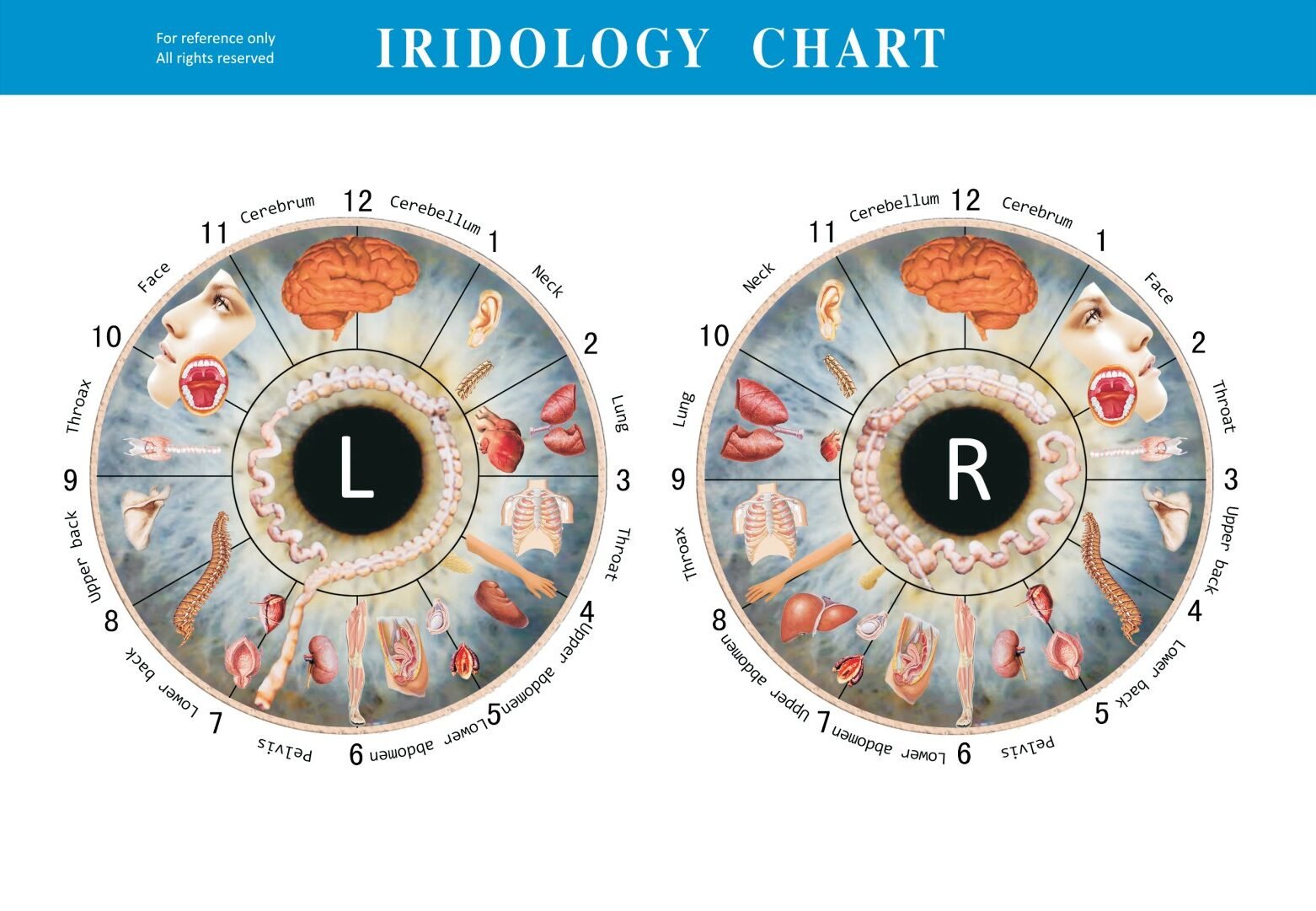
The fundamental principle behind iridology is that the iris contains a detailed map of the body, with different zones representing specific organs and tissues. When examining these zones, iridologists look for:
- Changes in color or pigmentation
- Structural features and patterns
- Spots, flecks, or lines
- Tissue density variations
- Symmetry or asymmetry between both eyes
Practitioners use specialized tools like آئيڊولولوجي ڪيمرا and magnification devices to examine these features in detail. The findings are then compared against standardized ارڊولوجي چارٽس that map iris zones to corresponding body parts.
پيشه ورانه سامان سان توهان جي Iridology مشق کي وڌايو
Accurate iridology assessment begins with quality tools. MAIKONG offers professional-grade iridology cameras with superior optics and resolution.
اسان جي Iridology ڪئميرا جي ڳولا ڪريو
Iridology جي تاريخي ترقي
سمجھڻ how accurate is iridology, it’s important to examine its historical development. While some claim that forms of iris analysis existed in ancient civilizations, modern iridology has more recent origins:
The Birth of Modern Iridology
The foundations of contemporary iridology are often attributed to Ignatz von Peczely, a Hungarian physician who, in the 1860s, noticed changes in an owl’s iris after it suffered a broken leg. This observation led him to develop the first systematic iris chart correlating iris markings with various organs and body systems.
Another significant contributor was Nils Liljequist, a Swedish homeopath who independently developed similar theories after observing changes in his own iris following medical treatments. These early pioneers established the fundamental principles that continue to influence iridology practice today.
برنارڊ جينسن جو حصو
In the 20th century, American chiropractor برنارڊ جينسن significantly advanced the field by developing comprehensive iris charts and standardizing many iridology techniques. Jensen’s work remains influential in modern iridology practice, particularly in North America.
The historical development of iridology has been marked by continuous refinement of techniques and interpretation methods. Today, technological advancements like digital iriscopes ۽ خاص سافٽ ويئر have further transformed how practitioners analyze the iris.
Scientific Evidence: How Accurate is Iridology?
The question of how accurate is iridology has been the subject of numerous scientific investigations. Research findings have been mixed, with some studies supporting certain aspects of iridology while others challenge its fundamental premises.
Supporting Research
Some studies have found correlations between specific iris signs and certain health conditions:
- Research published in the Russian Journal of Biomechanics found correlations between iris features and certain cardiovascular conditions
- Some small-scale studies have shown associations between iris markings and digestive system disorders
- Case reports documenting changes in iris appearance corresponding with known health changes
Proponents argue that these findings, while limited, suggest that iris analysis may have value as a complementary assessment tool when used alongside conventional diagnostics.
Critical Studies and Limitations
However, several controlled studies have challenged iridology’s diagnostic accuracy:
- A study published in the Journal of the American Medical Association found that iridologists could not consistently identify patients with kidney disease by examining photographs of their irises
- Research in the British Medical Journal showed that iridology was not effective in detecting cancer
- Multiple reviews have concluded that iridology lacks sufficient scientific validation as a standalone diagnostic method
Critics point to methodological issues in positive studies and the lack of a standardized approach across all iridology practitioners as significant limitations.
امڪاني قوتون
- غير ناجائز تشخيص جو طريقو
- May detect subtle health changes before symptoms appear
- Can provide a holistic view of health patterns
- No harmful side effects when used as a complementary approach
حددون
- Inconsistent scientific validation
- عملي جي تفسير ۾ تبديلي
- Cannot replace conventional medical diagnosis
- Risk of delayed treatment if relied upon exclusively
Factors That Influence Iridology Accuracy

Several key factors can significantly impact how accurate is iridology in practice:
Practitioner Expertise and Training
The skill and experience of the iridologist are perhaps the most critical factors affecting accuracy. Practitioners with comprehensive iridology جي سرٽيفڪيشن and extensive clinical experience typically demonstrate greater consistency in their analyses.
Quality training programs cover:
- Detailed understanding of iris topography and mapping
- مختلف iris جي نشانين جي سڃاڻپ ۽ انهن جي اهميت
- Proper interpretation methodology
- Integration with other health assessment approaches
Equipment Quality and Technology
The precision of the equipment used for iris examination directly impacts the accuracy of observations. Advanced digital آئيڊولولوجي ڪيمرا with high-resolution imaging capabilities allow for more detailed analysis than basic magnifying tools.
Modern technology has significantly enhanced iridology practice through:
- High-definition digital imaging
- خاص iridology سافٽ ويئر for analysis
- Standardized documentation capabilities
- تقابلي تجزيو خاصيتون
پنهنجي ارددج جي مشق کي اپڊيٽ ڪيو
MAIKONG’s advanced iridology equipment combines 20+ years of R&D experience with cutting-edge technology for superior iris analysis.
Discover Our Iriscope Technology
Chart Interpretation Methodology
The accuracy of iridology analysis depends significantly on the quality and application of ارڊولوجي چارٽس. Different chart systems exist, with variations in how they map iris zones to body systems.
Key considerations include:
- Consistency in applying chart references
- Understanding the differences between ساڄي اک ۽ کاٻي اک interpretations
- Recognition of constitutional factors versus acquired markings
- Integration of multiple signs for comprehensive analysis
Iridology vs. Conventional Medical Diagnostics
جڏهن جائزو وٺندي how accurate is iridology, it’s important to compare it with conventional medical diagnostic approaches:
| پاسو |
Iridology |
Conventional Medical Diagnostics |
| سائنسي تصديق |
Limited peer-reviewed research |
Extensive scientific validation |
| Diagnostic Specificity |
General health patterns and tendencies |
Specific disease identification |
| حملي آوري |
Non-invasive |
Ranges from non-invasive to highly invasive |
| Early Detection Potential |
May show predispositions before symptoms |
Often requires measurable changes |
| Standardization |
Varies between practitioners |
Highly standardized protocols |
Most health professionals recommend viewing iridology as a complementary approach rather than a replacement for conventional medical diagnosis. When used in this context, iridology may provide additional insights that support a more holistic understanding of health.
“The most responsible approach is to integrate iridology as one component of a comprehensive health assessment, recognizing both its potential contributions and inherent limitations.”
– Journal of Integrative Medicine
The Role of Modern Technology in Enhancing Iridology Accuracy

Technological advancements have significantly impacted how accurate is iridology in contemporary practice. Digital imaging and specialized software have transformed the field in several key ways:
ڊجيٽل Iridology ڪئميرا
جديد آئيڊولولوجي ڪيمرا offer unprecedented clarity and detail in iris imaging:
- High-resolution sensors capture minute iris details
- Specialized lighting systems enhance visibility of subtle markings
- Consistent imaging parameters improve analysis reliability
- Digital storage allows for tracking changes over time
These technological improvements enable practitioners to observe iris features that might be missed with traditional magnification methods, potentially improving diagnostic accuracy.
Iridology Software and Analysis Tools
خاص iridology سافٽ ويئر has introduced new capabilities for iris analysis:
- Automated mapping of iris zones to body systems
- Objective measurement of iris features and changes
- Comparative analysis between sessions
- Standardized documentation and reporting
These software tools help reduce subjective interpretation variations between practitioners, potentially leading to more consistent results.
Experience Advanced Iridology Technology
MAIKONG combines cutting-edge hardware with powerful software solutions for comprehensive iridology analysis.
اسان جي سافٽ ويئر حل جي ڳولا ڪريو
Perspectives from Iridology Practitioners and Critics
The debate about how accurate is iridology includes diverse viewpoints from both practitioners and critics in the medical community.
Practitioner Perspectives
Experienced iridologists often report success in identifying health patterns through iris analysis:
- Many practitioners cite case studies where iris signs corresponded with known health conditions
- Some report detecting subtle health changes before conventional tests show abnormalities
- Practitioners emphasize iridology’s value as part of a holistic health assessment
- Many acknowledge limitations while highlighting complementary benefits
Medical Community Perspectives
The conventional medical community generally maintains a skeptical stance:
- Most medical organizations do not recognize iridology as a validated diagnostic method
- Concerns about potential delays in proper medical treatment if patients rely exclusively on iridology
- Questions about the biological mechanisms that would explain iris-organ correlations
- Calls for more rigorous research using standardized methodologies
This diversity of perspectives highlights the importance of approaching iridology with a balanced understanding of both its potential benefits and limitations.
نتيجو: صحت جي تشخيص ۾ Iridology جو مقام
The question of how accurate is iridology does not have a simple answer. The evidence suggests that while iridology may not meet the rigorous standards of conventional medical diagnostics, it may offer value as a complementary assessment tool when used appropriately.
Key takeaways from our analysis include:
- Iridology accuracy varies significantly based on practitioner expertise, equipment quality, and interpretation methodology
- Modern technology has enhanced the potential precision of iris analysis
- Scientific validation remains limited, suggesting caution in relying on iridology as a primary diagnostic method
- When used as part of a holistic health assessment alongside conventional approaches, iridology may provide additional insights
For those interested in exploring iridology, whether as practitioners or patients, it’s important to maintain realistic expectations about its capabilities while recognizing the potential value it may offer as one component of a comprehensive approach to health.
MAIKONG سان پنهنجي Iridology جي مشق کي وڌايو
With over 20 years of experience in developing professional iridology equipment, MAIKONG offers the tools you need for accurate iris analysis.
مکونگ ڊسٽريبيٽر ٿيو
Join our global network of distributors and bring professional iridology equipment to practitioners in your region.
Explore Distribution Opportunities


