The human eye has long been considered a window to our health. Diagnostika iridológie dúhovky stands as one of the most intriguing methods in natural medicine, examining the iris—the colored part of the eye—to identify potential health concerns. This ancient practice has evolved over centuries, from rudimentary observations to detailed mapping systems used by holistic practitioners worldwide. Join us as we explore the fascinating journey of how examining the patterns, colors, and structures of the iris became an established diagnostic tool in natural medicine.
Pôvod Diagnostika iridológie dúhovky
Korene z Diagnostika iridológie dúhovky stretch back thousands of years, with evidence suggesting early practices in ancient civilizations that recognized the connection between eye characteristics and health.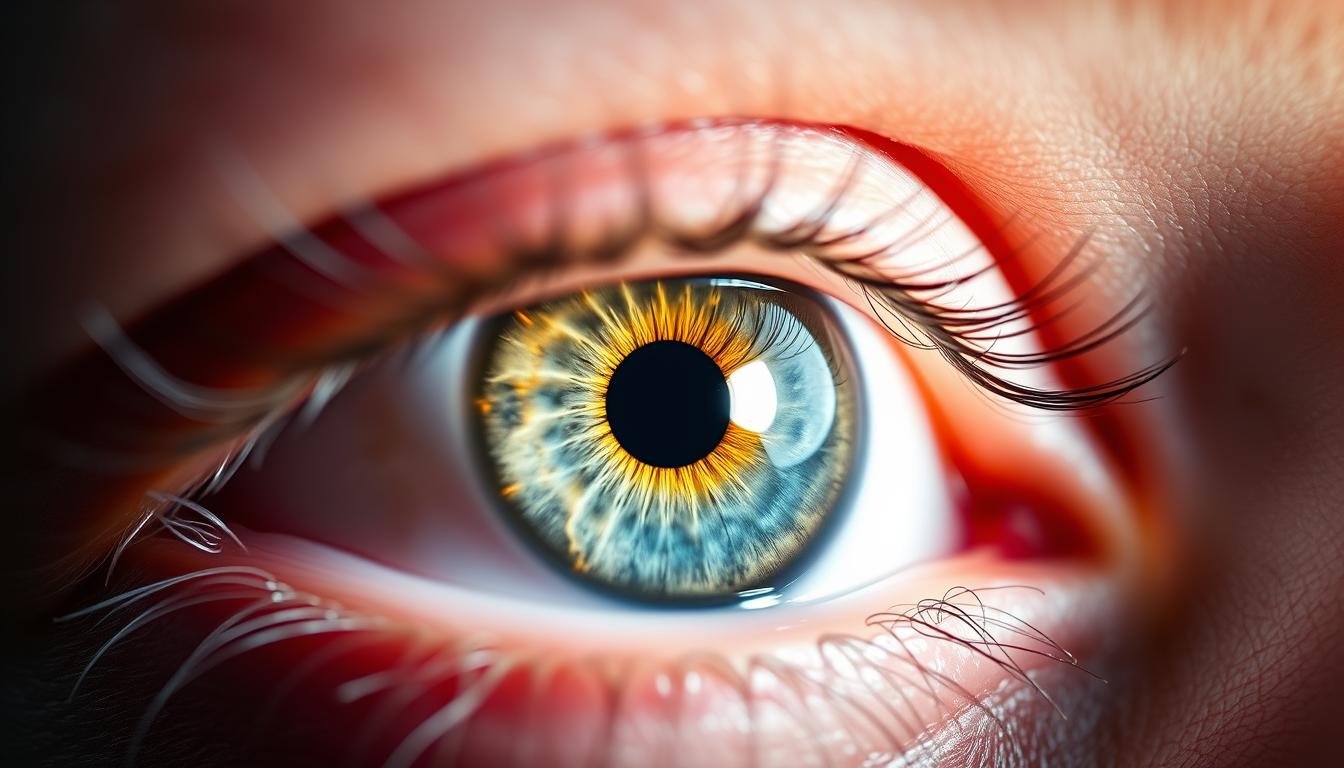
Ancient Beginnings
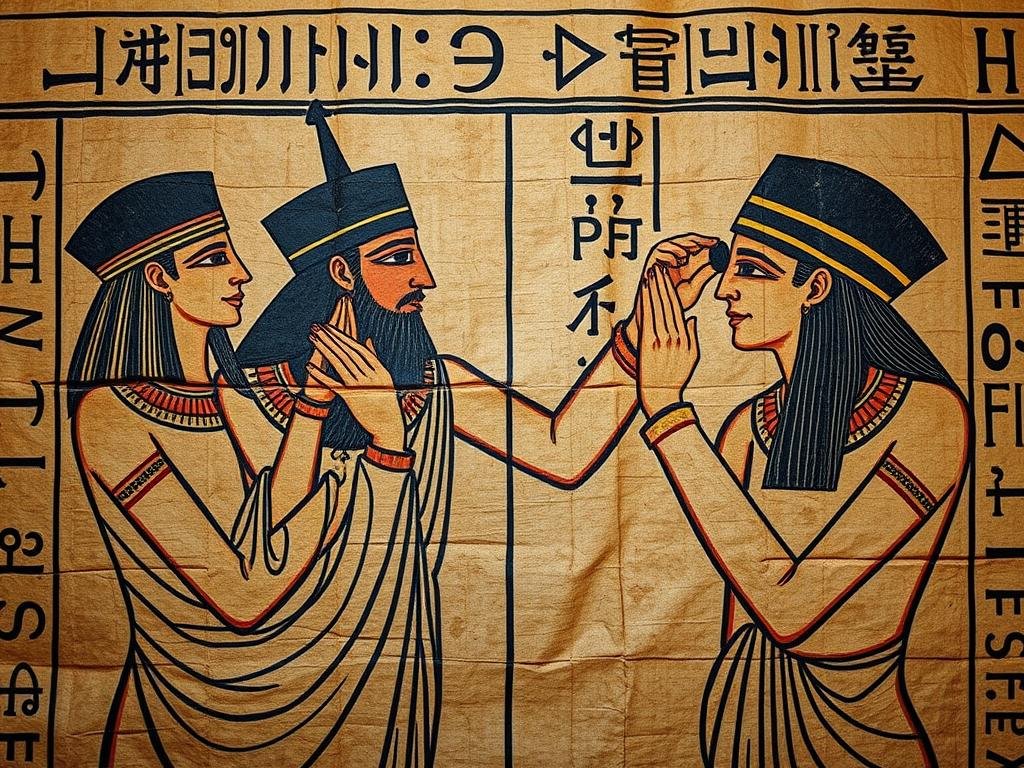
Historical records indicate that early forms of iris examination were practiced in ancient Egypt, with physicians noting correlations between iris markings and health conditions. Similar observations were documented in ancient Chinese medicine, where practitioners believed the eyes reflected the condition of internal organs. Greek physicians, including Hippocrates, also noted that changes in the eyes could indicate systemic health issues.
Early Documentation
The first formal documentation of iris analysis principles appeared in Medical Chromatica, published in 1665 by Philippus Meyeus (also known as Philippus Meyens). This groundbreaking work was reprinted in 1670 and 1691, gaining attention in European medical circles. Meyeus documented his observations that specific locations on the iris corresponded to different regions of the body, noting that changes in the iris often preceded physical symptoms of illness.
“The iris reveals not just the current state of health, but also predispositions and potential future ailments before physical symptoms manifest.”
— Attributed to Philippus Meyeus, 1670
Despite these early documentations, Diagnostika iridológie dúhovky remained relatively obscure until the 19th century, when it would experience a significant revival and formalization.
The 19th Century Breakthrough
The modern practice of Diagnostika iridológie dúhovky is largely credited to Dr. Ignatz von Peczely, a Hungarian physician whose accidental discovery would revolutionize the field. As a child in the 1830s, von Peczely captured an owl that broke its leg during the struggle. He noticed a distinct dark mark appear in the owl’s iris at the time of injury. As the owl’s leg healed, he observed the mark changing and eventually forming a small black line.

This observation sparked von Peczely’s lifelong interest in the connection between iris markings and physical health. After becoming a physician, he conducted extensive research on his hospital patients, correlating their iris markings with their medical conditions. In 1881, he published his findings in the book “Objavy v oblasti prírodných vied a medicíny: Návod na štúdium diagnostiky z oka,” ktorá zahŕňala prvú komplexnú irisovú mapu mapujúcu oblasti tela na špecifické oblasti dúhovky.
Around the same time, Swedish homeopath Nils Liljequist independently developed similar theories. After suffering from malaria and the side effects of quinine and iodine treatments, Liljequist noticed changes in his own iris coloration. His observations led him to publish “Om Ögondiagnosen” in 1893, which included detailed iris charts.
Objavte svoje zdravie očami
Interested in learning how Diagnostika iridológie dúhovky might provide insights into your health? Our comprehensive guide explains how this natural diagnostic method works.
Stiahnite si bezplatný sprievodca
Evolúcia Diagnostika iridológie dúhovky in the 20th Century
The 20th century saw Diagnostika iridológie dúhovky evolve from a fringe practice to a more established component of natural medicine, with significant developments in methodology and application.
Development of Modern Iridology Charts
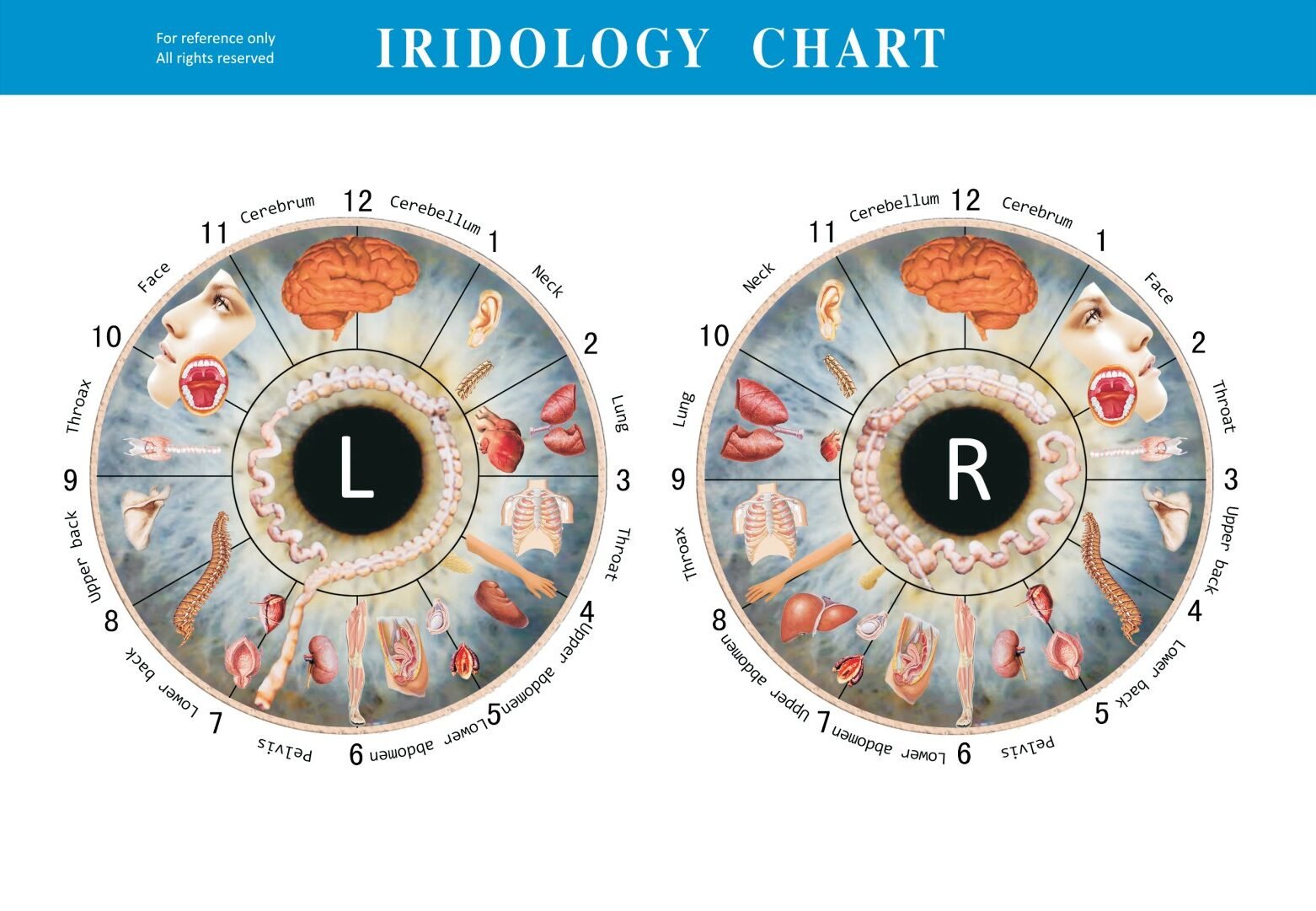
Building on the foundational work of von Peczely and Liljequist, practitioners in the early 20th century refined and expanded iridology charts. These charts divided the iris into 60 different sections, each corresponding to specific organs and systems within the body. The right iris was mapped to the right side of the body, and the left iris to the left side, creating a comprehensive diagnostic tool.


Príspevky Bernarda Jensena
Dr. Bernard Jensen, an American chiropractor and nutritionist, became one of the most influential figures in modern iridology during the mid-20th century. After studying with leading European iridologists, Jensen developed his own comprehensive system of iris analysis in the 1950s, which he taught throughout the United States.
Jensen’s approach emphasized the connection between iris signs and nutritional deficiencies, making Diagnostika iridológie dúhovky more accessible and practical for everyday health applications. His 1952 book “Veda a prax iridológie” became a seminal text in the field, and his detailed iris charts are still widely used today.

Integration with Holistic Health Movements
As interest in holistic and alternative health approaches grew in the 1960s and 1970s, Diagnostika iridológie dúhovky gained wider acceptance. It became integrated with other natural health practices such as naturopathy, herbalism, and nutritional therapy. Practitioners began using iridology as part of a comprehensive approach to wellness, identifying potential health weaknesses and addressing them through natural interventions.
This period also saw the establishment of professional organizations dedicated to iridology, including the International Iridology Practitioners Association (IIPA) founded in 1982, which helped standardize training and practice.
Physical Indicators
Iridologists examine specific markings, colors, and patterns in the iris to identify potential physical health issues, including inflammation, toxin accumulation, and organ stress.
Ústavné hodnotenie
The basic structure and color of the iris is believed to reveal a person’s genetic predispositions, inherent strengths, and potential vulnerabilities in their health.
Vedecké pohľady na Diagnostika iridológie dúhovky
Zatiaľ čo Diagnostika iridológie dúhovky has gained popularity in natural medicine circles, it has faced significant scrutiny from the scientific and medical communities. Understanding both supportive evidence and criticisms provides a balanced view of this practice.
Výskum a štúdie
Several studies have examined the efficacy of Diagnostika iridológie dúhovky as a diagnostic tool. A systematic review published in “Forsch Komplementärmed” in 1999 analyzed four controlled studies and concluded that iridology’s diagnostic value was not supported by scientific evaluations. Similarly, a study published in the “Archives of Ophthalmology” in 2000 suggested that iridology lacked scientific merit as a diagnostic method.
However, proponents point to other research, particularly from Germany and Russia, that suggests correlations between iris features and certain health conditions. Some studies have shown potential connections between iris patterns and genetic predispositions to specific diseases.
Podporné argumenty
- Non-invasive method with no side effects
- May detect potential health issues before symptoms appear
- Considers the whole person rather than isolated symptoms
- Some correlations between iris features and genetic conditions have been documented
Kritické perspektívy
- Limited scientific evidence supporting diagnostic accuracy
- Lack of standardization in interpretation methods
- Riziko oneskorenej správnej lekárskej diagnózy, ak sa na ňu výlučne spoliehate
- Controlled studies have not consistently validated claims
Medical Community Response
The conventional medical community generally views Diagnostika iridológie dúhovky as pseudoscientific, citing the lack of physiological mechanism to explain how systemic health conditions would manifest in iris patterns. Critics argue that while the iris does contain rich information about eye health, there is insufficient evidence that it reliably indicates conditions in distant organs or systems.
Despite these criticisms, many integrative health practitioners continue to find value in iridology as part of a holistic assessment, using it alongside conventional diagnostic methods rather than as a replacement.
Diagnostika iridológie dúhovky in Contemporary Natural Medicine
dnes Diagnostika iridológie dúhovky continues to evolve and find applications within the broader field of natural medicine. Modern practitioners have adapted traditional methods with new technologies and integrated approaches.
Current Applications
In contemporary natural medicine, Diagnostika iridológie dúhovky is primarily used as an assessment tool rather than for specific disease diagnosis. Practitioners use it to:
- Identify constitutional strengths and weaknesses
- Detect signs of inflammation and toxin accumulation
- Assess nutritional needs and deficiencies
- Evaluate stress patterns and their impact on health
- Guide preventative health strategies
Naturopaths, herbalists, and holistic nutritionists often incorporate iridology into their practice, using it to inform personalized treatment plans that may include dietary changes, herbal remedies, supplements, and lifestyle modifications.
Zážitok Diagnostika iridológie dúhovky Firsthand
Curious about what your iris might reveal about your health? Connect with a certified iridology practitioner for a personalized consultation.
Find a Practitioner Near You
Technologický pokrok
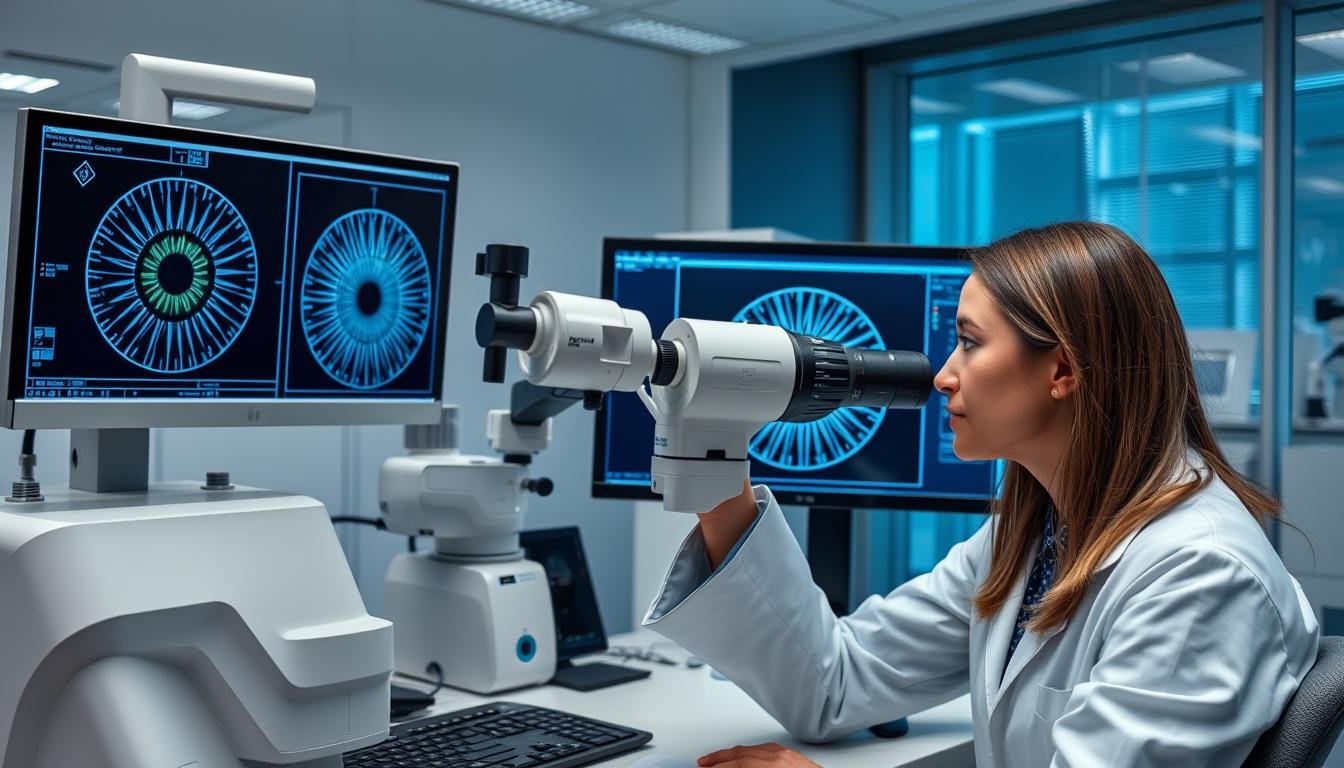
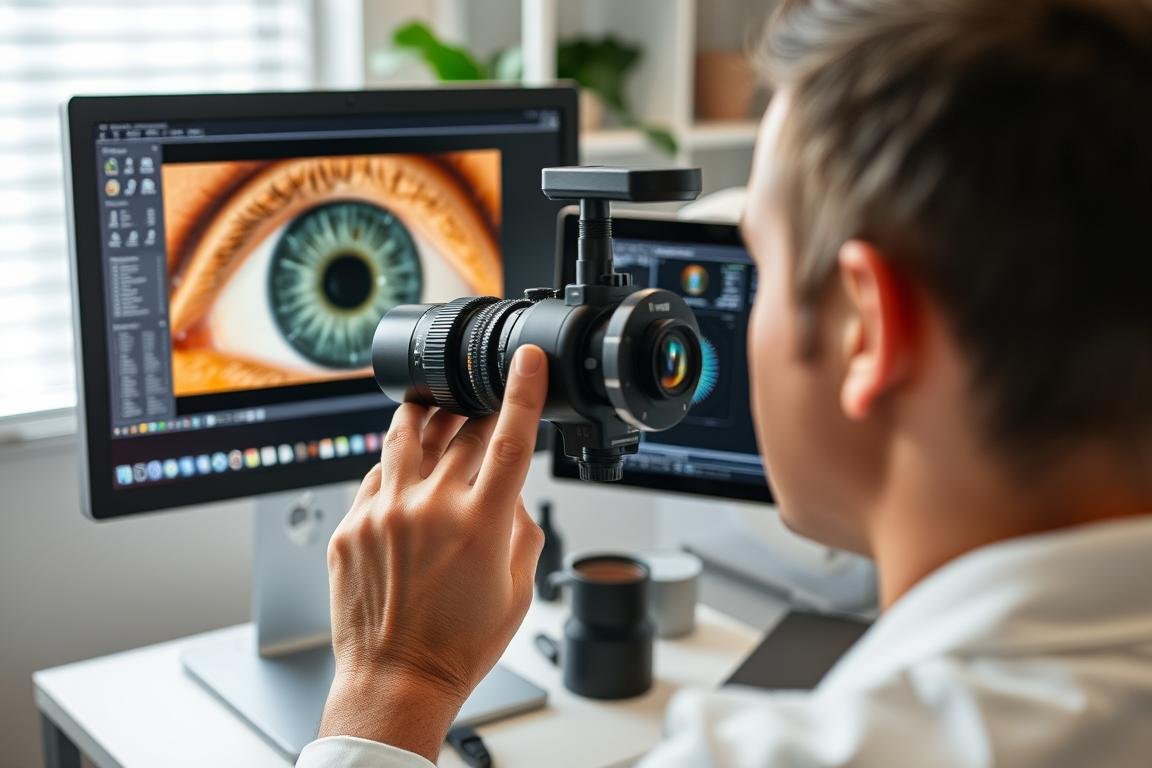
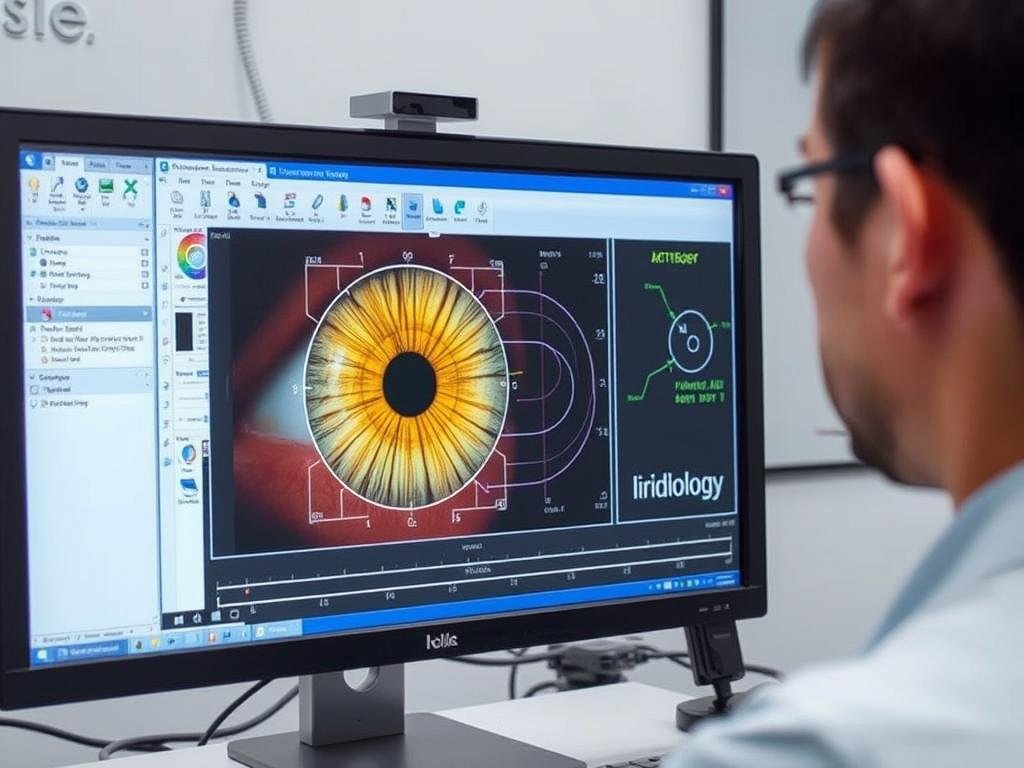
Moderná technológia výrazne zlepšila prax Diagnostika iridológie dúhovky. Digital iris cameras and specialized software now allow for high-resolution imaging and more detailed analysis than was possible with traditional magnifying tools. These technologies enable practitioners to:
- Capture precise iris images with consistent lighting and magnification
- Store and compare images over time to track changes
- Use software to assist in identifying and interpreting iris signs
- Share images with clients for educational purposes
Ako Diagnostika iridológie dúhovky Works
Understanding the methodology behind Diagnostika iridológie dúhovky provides insight into how practitioners interpret what they observe in the iris.
Iris Mapping and Interpretation
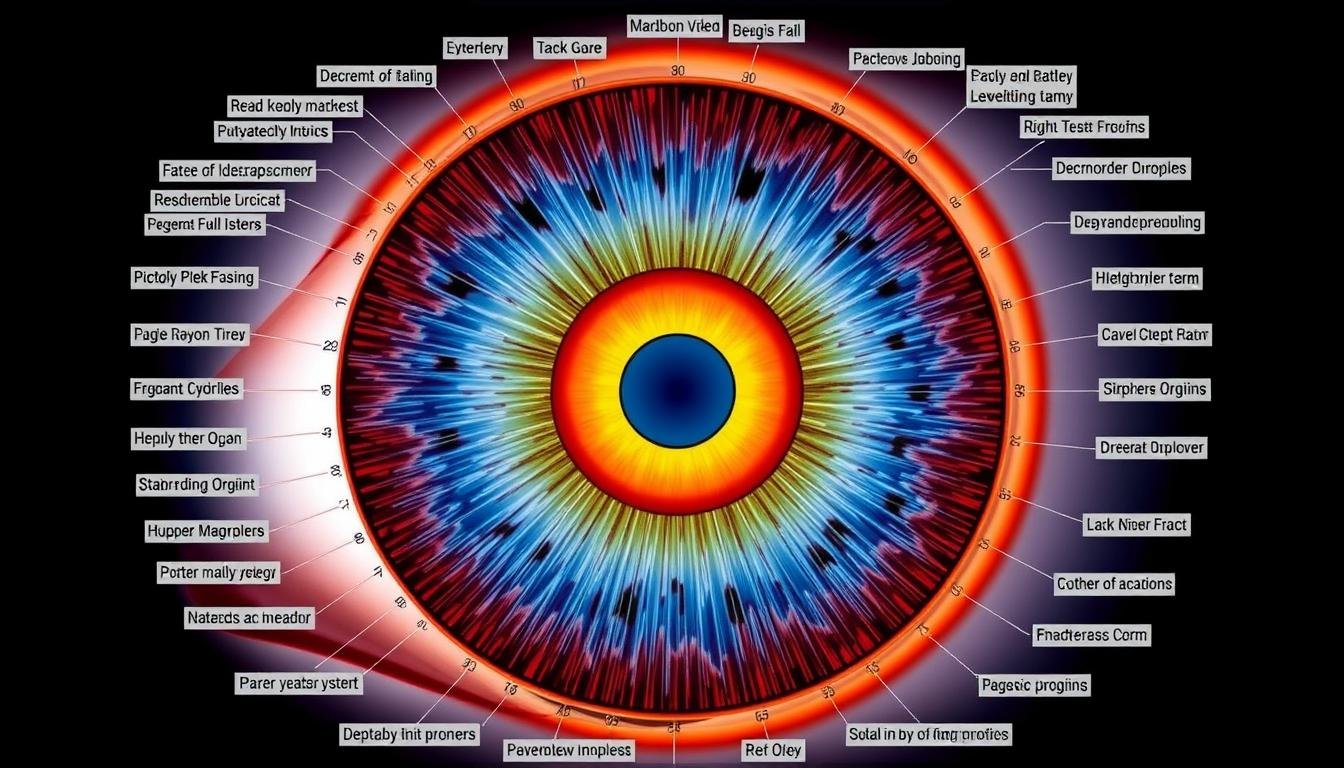
Základom Diagnostika iridológie dúhovky is the iris chart, which divides the iris into zones corresponding to different body systems and organs. The right iris is generally associated with the right side of the body, and the left iris with the left side. The chart typically includes:
- Concentric rings representing different body systems
- Radial divisions corresponding to specific organs
- Zones that represent the digestive system, lymphatic system, nervous system, etc.

Physiological Connections
Iridologists propose several theories to explain the connection between iris markings and health status:
- Neurological Connection: The iris contains thousands of nerve endings connected to the brain via the optic nerve. Proponents suggest that information about the body’s condition may be reflected through these neural pathways.
- Embryological Development: Since the iris develops from the same embryonic tissue layer (ectoderm) as the nervous system, some iridologists suggest this shared origin creates a relationship between iris features and neurological function.
- Genetic Expression: The basic structure and color of the iris are genetically determined, potentially revealing inherited tendencies toward certain health conditions.
During an examination, practitioners look for specific signs in the iris, including:
| Znamenie Iris |
Výklad |
Associated Health Indication |
| Lacunae (pit-like depressions) |
Potential organ weakness or dysfunction |
Varies by location on iris chart |
| Radii Solaris (spoke-like lines) |
Irritation or inflammation |
Toxin elimination challenges |
| Pigmentové škvrny |
Accumulation or deposits |
Potential toxin buildup |
| Nerve rings (circular lines) |
Nervous tension |
Vzory odozvy na stres |
| Farebné variácie |
Changes in tissue condition |
Acute or chronic conditions |
Key Milestones in Diagnostika iridológie dúhovky
Rozvoj Diagnostika iridológie dúhovky has been marked by several significant events and discoveries that have shaped its evolution from ancient observations to modern practice.
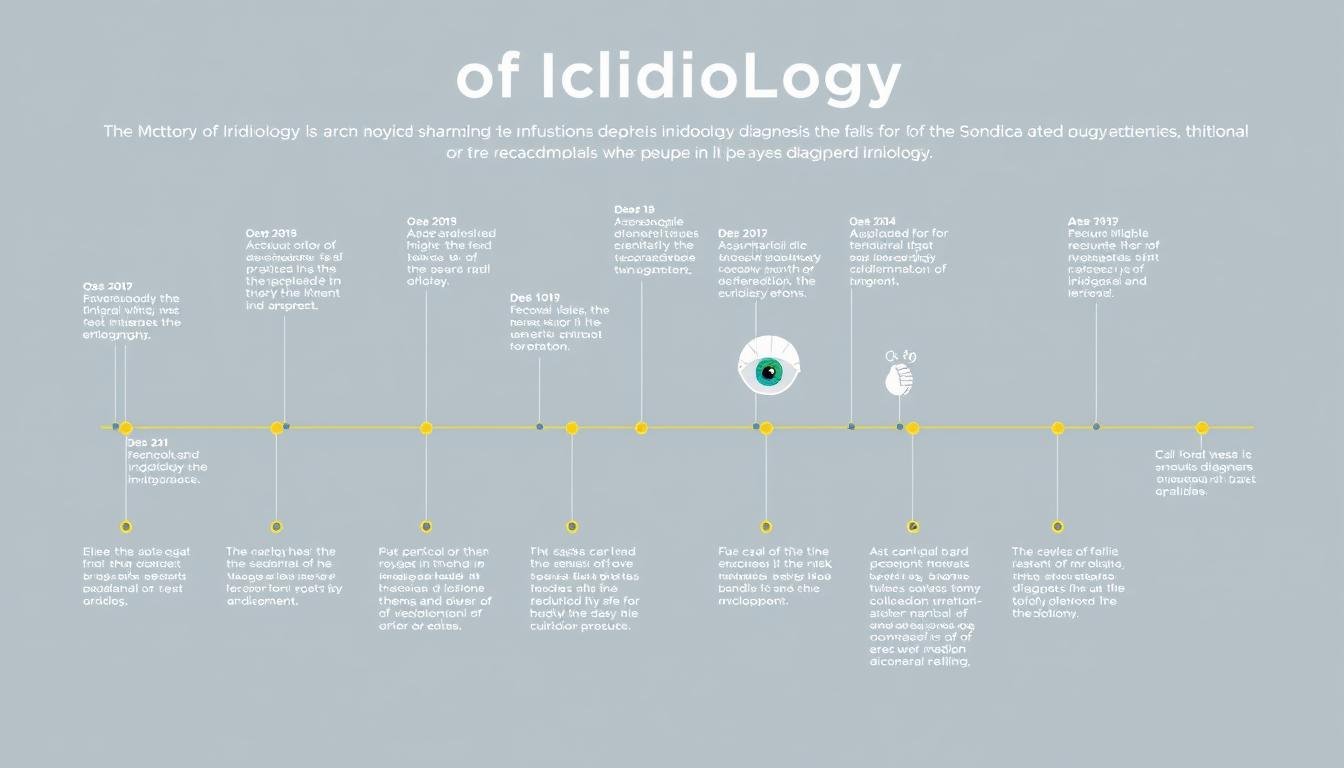
Timeline of major developments in the history of Diagnostika iridológie dúhovky
| Časové obdobie |
rozvoj |
Význam |
| Ancient Egypt (c. 1000 BCE) |
Early observations of iris-health connections |
First documented recognition of eyes reflecting health |
| 1665 |
Publication of Chromatica Medica by Philippus Meyeus |
First formal documentation of iris analysis principles |
| 1881 |
Ignatz von Peczely publishes first iris chart |
Foundation of modern iridology established |
| 1893 |
Nils Liljequist publishes “Om Ögondiagnosen” |
Independent development of similar theories in Sweden |
| 50. roky 20. storočia |
Bernard Jensen develops American iridology |
Popularization and standardization in the United States |
| 1982 |
Formation of International Iridology Practitioners Association |
Professional standardization of practice |
| 90. roky – súčasnosť |
Digital iris imaging technology |
Enhanced precision and documentation capabilities |
These milestones reflect the ongoing development of Diagnostika iridológie dúhovky as both an art and a science within natural medicine. While controversy continues regarding its scientific validity, its historical significance and continued practice make it an important part of the natural medicine landscape.
The Legacy and Future of Diagnostika iridológie dúhovky
From its ancient origins to its current applications, Diagnostika iridológie dúhovky has maintained a persistent presence in natural medicine despite scientific controversy. Its enduring appeal lies in its non-invasive nature and holistic approach to understanding health patterns.
As integrative medicine continues to evolve, Diagnostika iridológie dúhovky finds its place as one tool among many for practitioners who take a comprehensive approach to health. While it may not provide definitive diagnoses, many practitioners and patients find value in its ability to identify patterns and potential areas of concern that can then be addressed through various natural health interventions.
Budúcnosť Diagnostika iridológie dúhovky likely lies in its integration with other assessment methods and continued technological advancements that may provide more standardized and objective analysis. As research continues, our understanding of the connections between iris patterns and health may deepen, potentially revealing new applications for this ancient practice in modern healthcare.
Explore the World of Natural Diagnostics
Whether you’re a health practitioner interested in adding Diagnostika iridológie dúhovky to your toolkit or someone curious about what your eyes might reveal about your health, we invite you to learn more.
Discover Resources