Maikong-Professional Irodology Camera Camera Iriscope المصنعة والمورد


Fundamental Anatomy in the دراسة العيون
Understanding the complex structure of the human eye is essential to appreciating how vision works. The eye contains numerous specialized components working in harmony to capture light and transform it into neural signals that your brain can interpret.
Key Structures That Define the دراسة العيون
The human eye consists of several critical components, each with specific functions:
- القرنية: The clear front surface that acts as a protective window and helps focus light.
- الصلبة: The white outer layer that forms the eye’s structural framework.
- قزحية: The colored portion that controls pupil size and regulates light entry.
- تلميذ: The adjustable opening that allows light to enter the eye.
- عدسة: The flexible structure that focuses light onto the retina.
- شبكية العين: The light-sensitive tissue containing photoreceptor cells (rods and cones).
- البقعة: The central retinal area responsible for detailed central vision.
- العصب البصري: The pathway that transmits visual information to the brain.
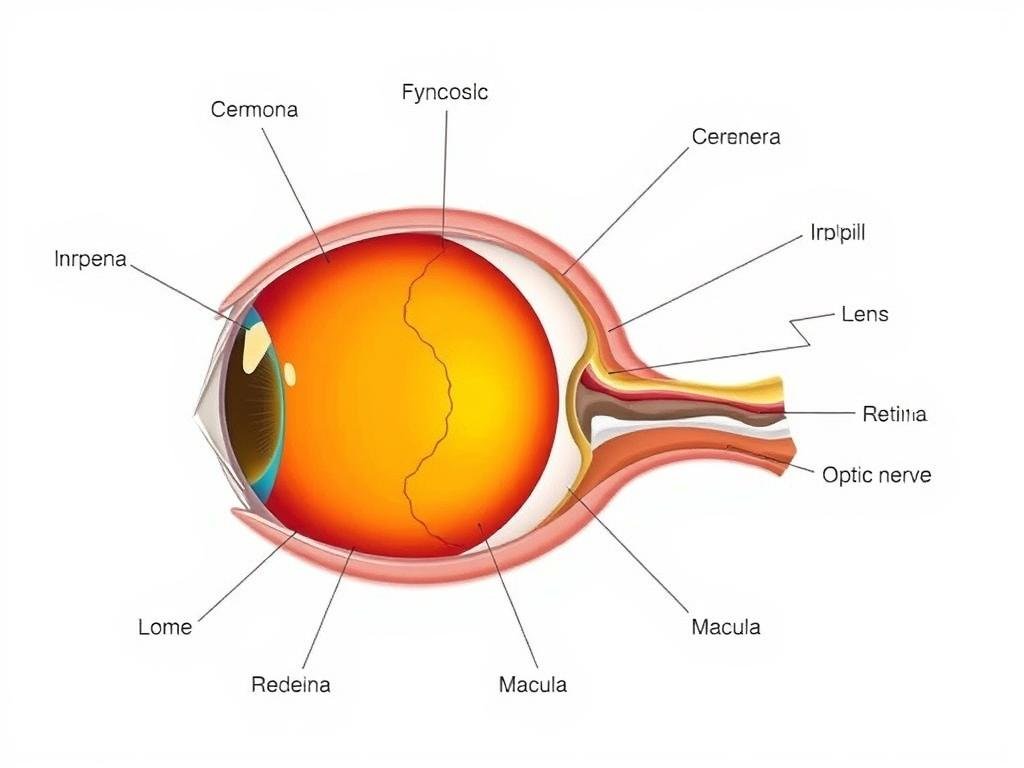
The complexity of these structures highlights why the دراسة العيون requires specialized knowledge. Each component must function properly and work in coordination with others to produce clear vision. When studying the eye, researchers and clinicians examine not only these individual parts but also how they interact as an integrated system.
تشعر بالقلق إزاء صحة عينيك؟
Regular eye examinations are essential for maintaining healthy vision and detecting potential problems early. Our specialists use advanced techniques from the دراسة العيون to provide comprehensive care.
How Vision Works: The Physiological دراسة العيون
The process of vision is a remarkable example of how physical stimuli (light) are converted into the perceptual experience we call sight. This transformation involves multiple steps that have been revealed through extensive research in the دراسة العيون.
The Light-to-Signal Conversion Process
Vision begins when light enters the eye through the cornea and pupil. This light is then focused by the lens onto the retina at the back of the eye. The retina contains millions of photoreceptor cells called rods and cones that convert light into electrical signals.

Rods are responsible for vision in low light conditions but don’t perceive color. Cones function best in bright light and are responsible for color vision and detail. The human retina contains approximately 120 million rods and 6 million cones.
From Eye to Brain: Neural Processing
Once the photoreceptors convert light into electrical signals, these signals travel through the optic nerve to the brain. The visual cortex in the occipital lobe processes this information, interpreting patterns, colors, depth, and movement to create the complete visual experience we perceive.
Rod Vision
- Active in low light conditions
- Provides peripheral vision
- No color perception (monochromatic)
- Higher sensitivity to light
Cone Vision
- Active in bright light conditions
- Provides central, detailed vision
- Responsible for color perception
- ثلاثة أنواع: الأحمر والأخضر والأزرق الحساس
This intricate process happens instantaneously and continuously, allowing us to perceive our surroundings in real-time. The دراسة العيون has revealed that vision is not merely a passive recording of the external world but an active construction by the brain based on the information provided by our eyes.
Common Eye Conditions Revealed Through the دراسة العيون
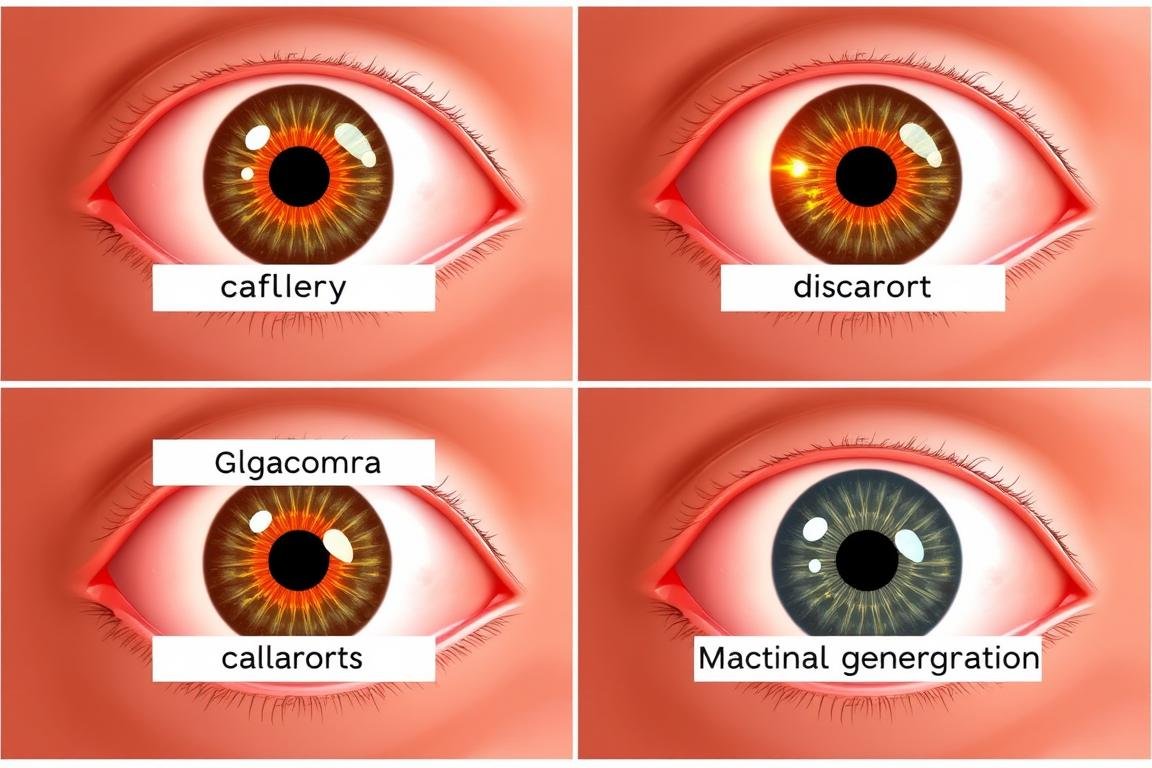
ال دراسة العيون has identified numerous conditions that can affect vision and eye health. Understanding these conditions is crucial for early detection and treatment.
الأخطاء الانكسارية
Refractive errors occur when the shape of the eye prevents light from focusing correctly on the retina. These are the most common vision problems and include:
قصر النظر (قصر النظر)
Distant objects appear blurry while close objects remain clear. This occurs when the eyeball is too long or the cornea is too curved.
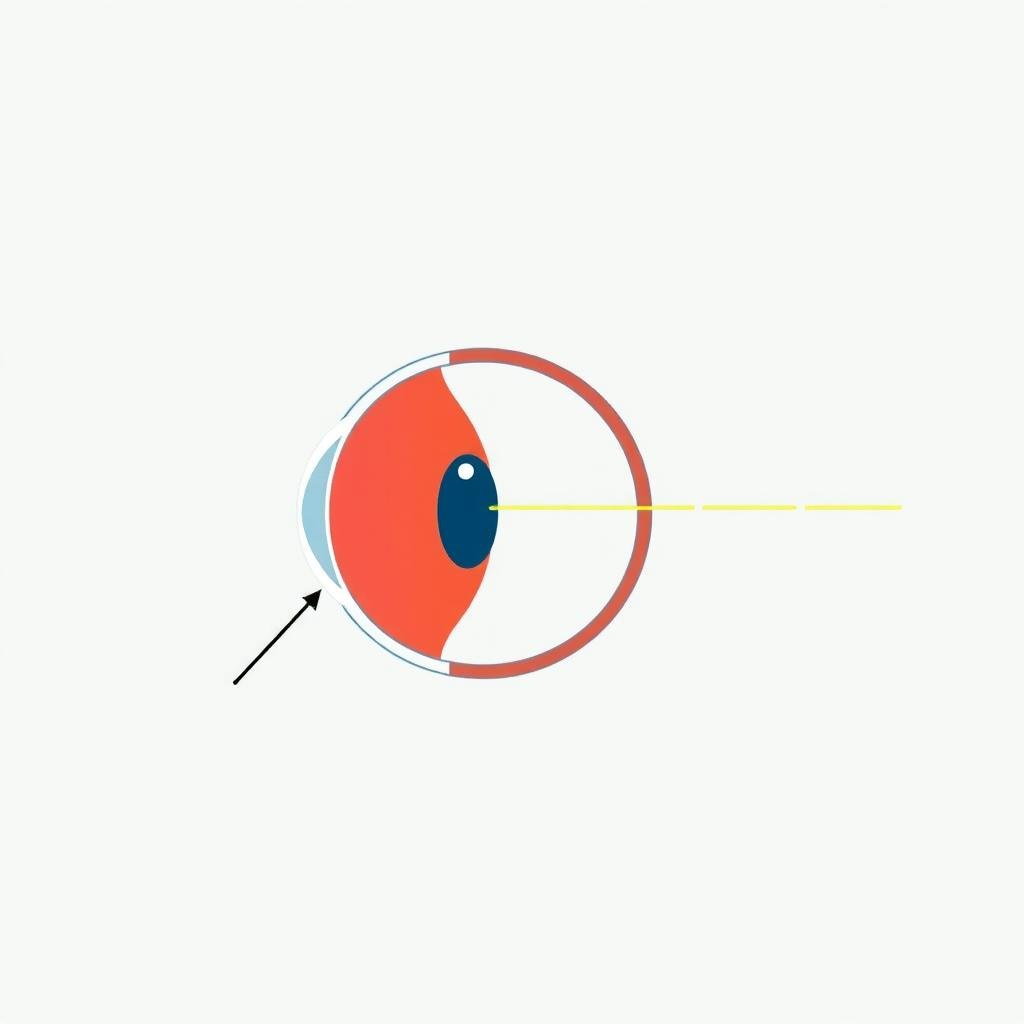
مد البصر (طول النظر)
Close objects appear blurry while distant objects may be clearer. This occurs when the eyeball is too short or the cornea is too flat.

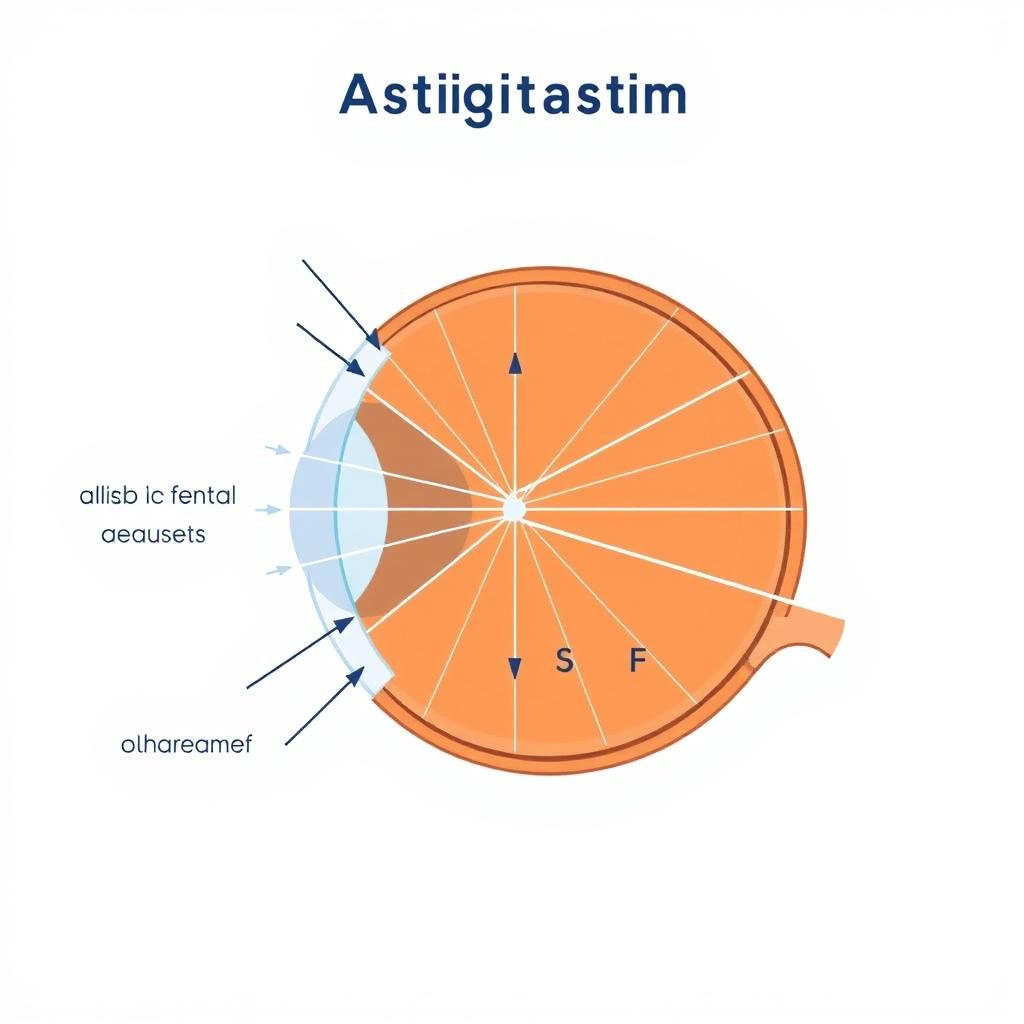
الاستجماتيزم
Vision is blurred or distorted at all distances due to an irregularly shaped cornea or lens that prevents light from focusing properly.
Age-Related Eye Conditions
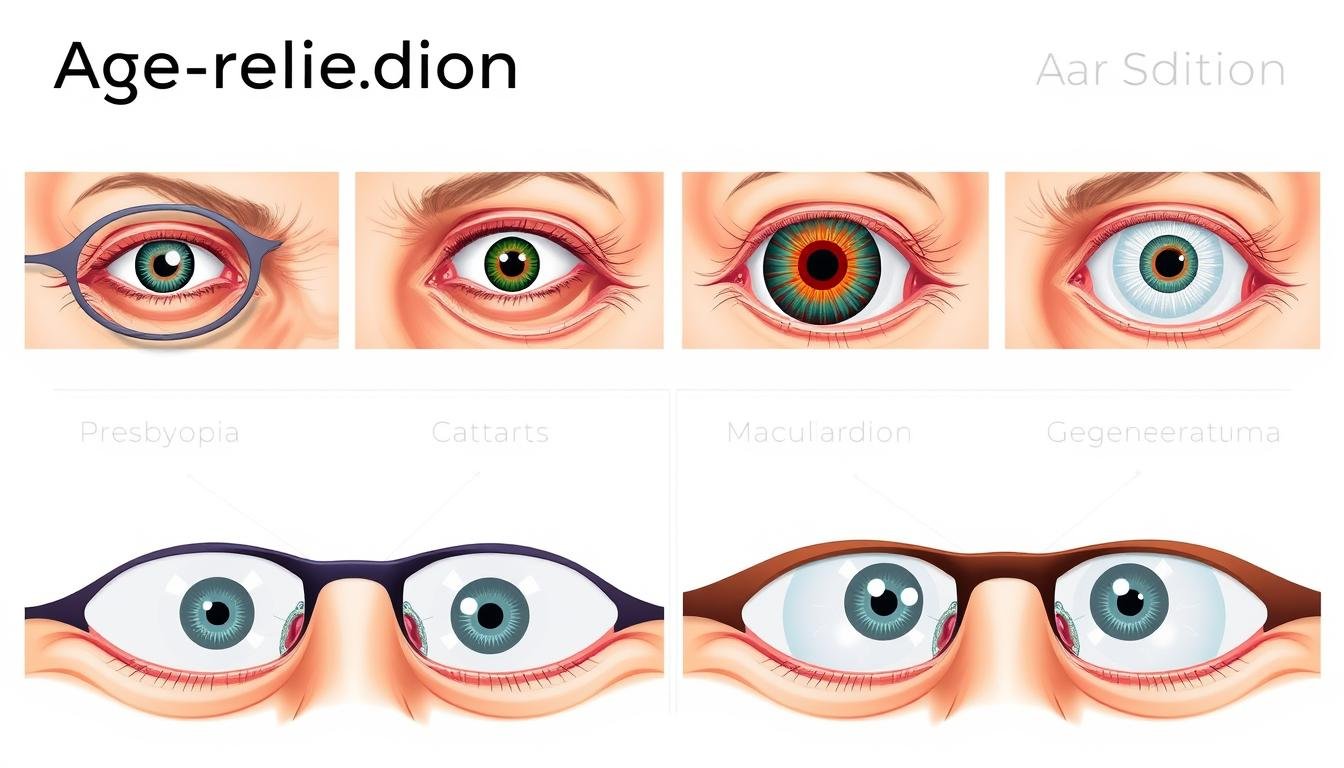
As we age, our eyes become more susceptible to certain conditions. The دراسة العيون has been crucial in understanding these age-related changes:
- طول النظر الشيخوخي: Age-related loss of near vision due to hardening of the lens, typically beginning around age 40.
- Cataracts: Clouding of the eye’s lens that leads to blurry vision and increased sensitivity to glare.
- Macular Degeneration: Deterioration of the macula (central retina) leading to loss of central vision.
- Glaucoma: A group of conditions characterized by optic nerve damage, often associated with elevated intraocular pressure.
- Diabetic Retinopathy: Damage to retinal blood vessels caused by diabetes.
هل تعاني من تغيرات في الرؤية؟
If you’re noticing changes in your vision, don’t wait. Our specialists apply the latest findings from the دراسة العيون to diagnose and treat a wide range of conditions.
Advanced Diagnostic Techniques in the دراسة العيون
Modern ophthalmology and optometry employ sophisticated technologies to examine eye health and function. These diagnostic tools have revolutionized the دراسة العيون and improved treatment outcomes.

Key Examination Methods in the دراسة العيون
Eye care professionals use various techniques to assess different aspects of eye health:
| Diagnostic Test | غاية | What It Examines |
| Visual Acuity Test | Measures clarity of vision | Ability to see details at various distances |
| Refraction Assessment | Determines prescription needs | Refractive errors (myopia, hyperopia, astigmatism) |
| Slit Lamp Examination | Provides detailed view of eye structures | Cornea, iris, lens, and anterior chamber |
| Tonometry | Measures intraocular pressure | Risk factors for glaucoma |
| التصوير المقطعي التوافقي البصري (OCT) | Creates cross-sectional images | Retinal layers and optic nerve |
| Visual Field Test | Assesses peripheral vision | Blind spots and vision loss patterns |
Emerging Technologies
Recent advances in the دراسة العيون have introduced new diagnostic capabilities:
- Adaptive Optics Imaging: Provides cellular-level views of the retina.
- AI-Based Screening: Uses machine learning to detect conditions like diabetic retinopathy.
- Handheld OCT Devices: Allows for more accessible retinal imaging.
- Tear Film Analysis: Evaluates dry eye conditions with greater precision.

Treatment Approaches Informed by the دراسة العيون
ال دراسة العيون has led to numerous treatment options for vision correction and eye conditions. These range from simple corrective lenses to advanced surgical procedures.
Vision Correction Methods
For refractive errors, several correction options are available:
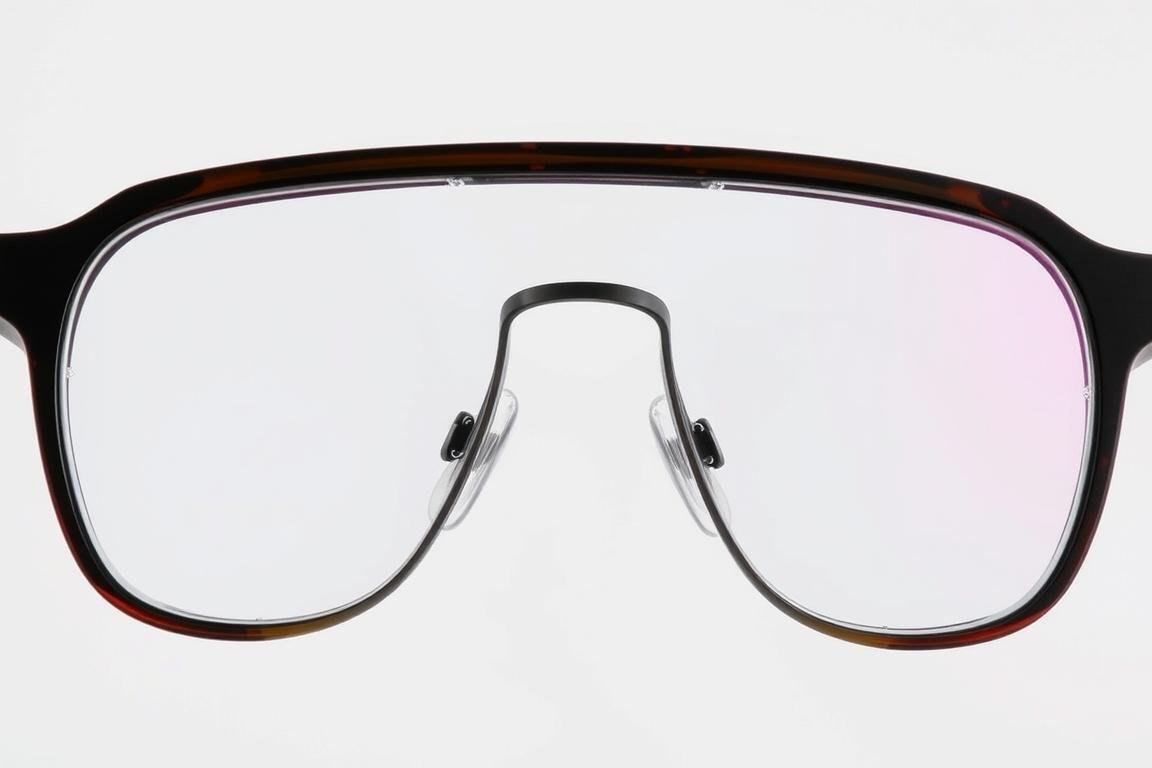
Eyeglasses
The most common and non-invasive method of vision correction. Modern lenses can address multiple vision problems simultaneously.
Contact Lenses
Provide vision correction without glasses. Available in various types including daily disposable, extended wear, and specialty lenses for conditions like keratoconus.

Refractive Surgery
Procedures like LASIK, PRK, and SMILE that reshape the cornea to correct vision, potentially eliminating the need for glasses or contacts.

Treatments for Eye Conditions
ال دراسة العيون has led to various treatments for more serious conditions:
- Cataract Surgery: Removal of the clouded lens and replacement with an artificial intraocular lens.
- Glaucoma Treatments: Eye drops, laser therapy, or surgery to reduce intraocular pressure.
- Anti-VEGF Injections: For wet macular degeneration and diabetic retinopathy.
- Corneal Transplantation: Replacement of damaged corneal tissue.
- Gene Therapy: Emerging treatments for inherited retinal diseases.
Want to Learn More About Vision Health?
Discover how the latest advances in the دراسة العيون can help protect and improve your vision for years to come.
Preventive Eye Care: Insights from the دراسة العيون
Research in the دراسة العيون has demonstrated that many vision problems can be prevented or their progression slowed through proper care and lifestyle choices.

Essential Eye Health Practices
Based on findings from the دراسة العيون, here are key recommendations for maintaining optimal eye health:
التغذية لصحة العين
- أحماض أوميجا 3 الدهنية: Found in fish, flaxseeds, and walnuts.
- لوتين وزياكسانثين: Found in leafy greens and colorful vegetables.
- Vitamins A, C, and E: Important antioxidants that protect eye tissues.
- الزنك: Helps deliver vitamin A from the liver to the retina.
عوامل نمط الحياة
- الحماية من الأشعة فوق البنفسجية: Wear sunglasses that block 99-100% of UVA and UVB radiation.
- Digital Eye Strain Prevention: Follow the 20-20-20 rule (every 20 minutes, look at something 20 feet away for 20 seconds).
- Smoking Cessation: Smoking increases risk of cataracts and macular degeneration.
- Regular Exercise: Helps maintain healthy blood pressure and blood sugar levels.
The Importance of Regular Eye Examinations
Regular comprehensive eye exams are crucial for:
- Detecting eye conditions before symptoms appear
- Updating vision prescriptions to prevent eyestrain
- Identifying signs of systemic health issues like diabetes and hypertension
- Monitoring existing eye conditions to prevent progression
“The eyes are not just windows to the soul—they’re windows to your overall health. Regular eye examinations can detect over 20 systemic diseases, including diabetes, hypertension, and certain cancers.”
Future Directions in the دراسة العيون
The field of vision science continues to evolve, with exciting developments on the horizon that promise to transform how we understand, diagnose, and treat eye conditions.

Emerging Research Areas
Several cutting-edge areas are expanding the boundaries of the دراسة العيون:
- Artificial Intelligence: Machine learning algorithms that can detect eye diseases from retinal images with accuracy comparable to specialists.
- Bionic Eyes: Retinal implants and visual prostheses that can restore partial vision to those with certain forms of blindness.
- Regenerative Medicine: Stem cell therapies that may regenerate damaged retinal cells.
- Gene Therapy: Targeted treatments for inherited eye diseases by correcting genetic mutations.
- Nanotechnology: Microscopic devices for drug delivery and surgical interventions.
Personalized Vision Care
The future of the دراسة العيون is moving toward increasingly personalized approaches:
Advances in genetic testing and biomarkers are enabling eye care professionals to develop treatment plans tailored to an individual’s specific genetic profile, risk factors, and lifestyle needs. This precision medicine approach promises more effective interventions with fewer side effects.
Conclusion: The Continuing Importance of the دراسة العيون
ال دراسة العيون remains one of the most dynamic and important fields in medical science. From the intricate anatomy of the eye to the complex neural processes that create our visual experience, this field continues to yield insights that improve quality of life for millions of people worldwide.
As technology advances and our understanding deepens, the potential for breakthroughs in vision care grows exponentially. Whether through improved diagnostic techniques, novel treatments, or preventive strategies, the دراسة العيون will continue to illuminate the remarkable capabilities of human vision and address the challenges that threaten it.
By staying informed about developments in this field and taking proactive steps to maintain eye health, we can all benefit from the wealth of knowledge generated through the ongoing دراسة العيون.
الأسئلة المتداولة حول دراسة العيون
How does the human eye work?
The human eye works by capturing light through the cornea, which is then focused by the lens onto the retina at the back of the eye. The retina contains photoreceptor cells (rods and cones) that convert light into electrical signals. These signals travel through the optic nerve to the brain, where they are processed into the images we perceive. This complex process is a central focus in the دراسة العيون.
Why is the study of eyes important?
ال دراسة العيون is important for several reasons: it helps us understand how vision works, enables the development of treatments for eye conditions, contributes to early detection of systemic diseases, improves quality of life for those with vision impairments, and advances technologies in fields ranging from medicine to artificial intelligence. Vision is one of our most critical senses, making its study essential for human health and wellbeing.
How often should I have my eyes examined?
For adults with no symptoms or risk factors for eye disease, the American Academy of Ophthalmology recommends a comprehensive eye exam every 1-2 years for those over 65, and every 2-4 years for those aged 40-64. Adults under 40 should have an exam every 5-10 years. However, those with risk factors such as diabetes, high blood pressure, or a family history of eye disease may need more frequent examinations. Children should have their eyes checked regularly during pediatric visits and before starting school.
What are the different types of eye care professionals?
There are three main types of eye care professionals, each with different levels of training and expertise in the دراسة العيون: Ophthalmologists are medical doctors (MDs) who specialize in eye care, can perform surgery, and treat all eye conditions. Optometrists (ODs) provide primary vision care, perform eye exams, prescribe corrective lenses, and can diagnose and treat certain eye conditions. Opticians are technicians who fit and dispense eyeglasses and contact lenses based on prescriptions from ophthalmologists or optometrists.
Can eye problems indicate other health issues?
نعم دراسة العيون has revealed that many eye conditions can indicate systemic health problems. For example, changes in blood vessels in the retina may signal diabetes, hypertension, or cardiovascular disease. Certain autoimmune disorders like rheumatoid arthritis and lupus can cause eye inflammation. Thyroid problems can affect the muscles and tissues around the eyes. Neurological conditions may be detected through changes in pupil responses, eye movements, or optic nerve appearance. This is why comprehensive eye exams are valuable for overall health monitoring.
Take the First Step Toward Optimal Eye Health
Your vision is precious. Let our specialists apply the latest findings from the دراسة العيون to help you maintain clear vision and healthy eyes for life.
Address:Factory Building II, Jinshanlong Industrial Park, No.1, Xintang Village, Kratong Community, Fucheng Street, Longhua District shenzhen, 518000 GD,China
TEL:0086-0755-888-56563
Person to contact:Mark Luo
email:lucy@iriscope.org
Whatsapp/phone:0086-191-5490-1065
Copyright (c) 2004-2024 www.iriscope.org All Rights Reserved.