شروط القزحية : القزحية هي أكثر من مجرد الجزء الملون من عينك الذي يمنحك لون عينك الفريد. يلعب هذا الهيكل الرائع دورًا حاسمًا في رؤيتك من خلال التحكم في كمية الضوء التي تدخل عينك. عندما تؤثر الظروف على القزحية، فإنها يمكن أن تؤثر على مظهر العين ووظيفتها. يعد فهم هذه الحالات أمرًا ضروريًا للحفاظ على صحة العين المثالية وطلب العلاج المناسب عند الحاجة.
تشريح ووظيفة القزحية
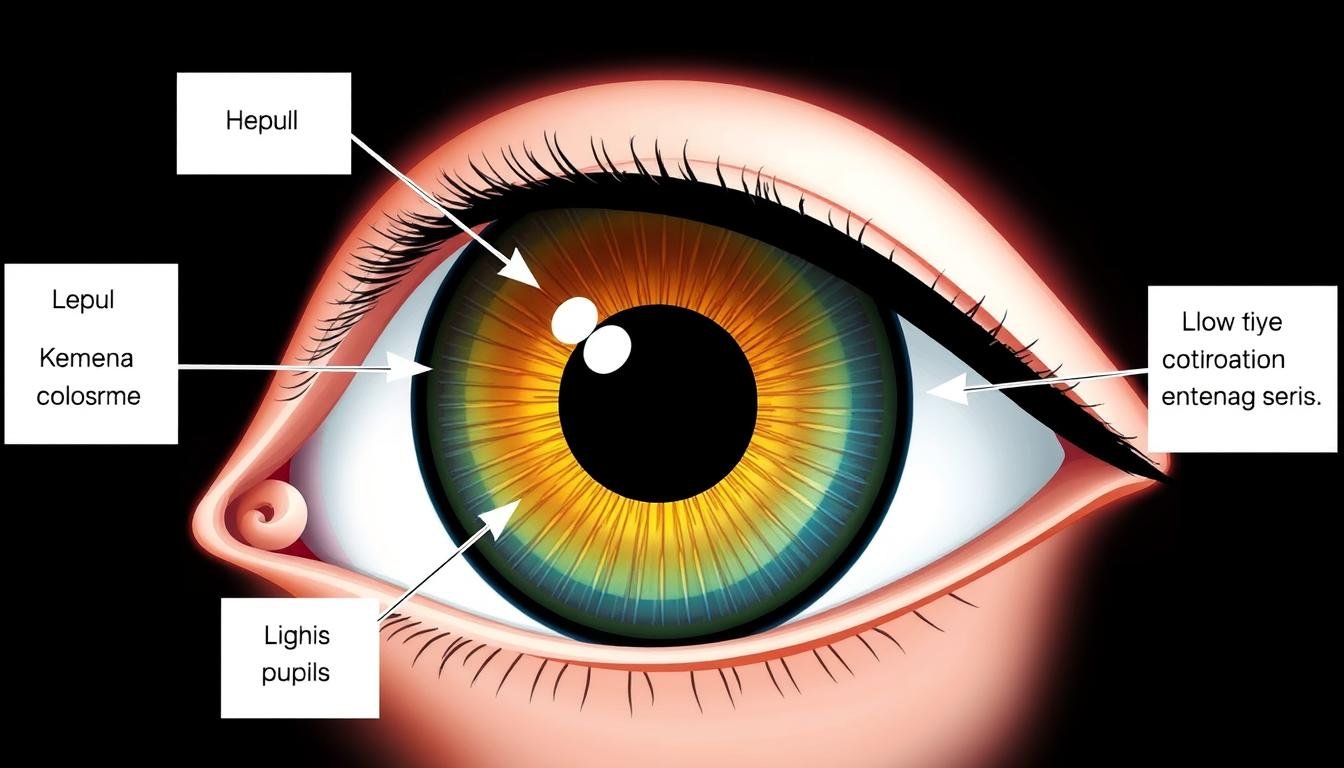
تتحكم القزحية في كمية الضوء التي تدخل عينك عن طريق ضبط حجم حدقة العين
حالات القزحية:القزحية عبارة عن غشاء مسطح ملون على شكل حلقة يقع خلف قرنية العين. ويحيط بالبؤبؤ، وهو الفتحة الدائرية السوداء التي تسمح بدخول الضوء إلى العين. تتكون القزحية من عضلات وأعصاب، وتعمل تلقائيًا للتحكم في حجم حدقة العين استجابةً لظروف الإضاءة.
عندما تتعرض لأشعة الشمس الساطعة، تنقبض العضلات الموجودة في القزحية للحدقة لتقليل كمية الضوء التي تدخل عينك. في الإضاءة الخافتة، تسترخي هذه العضلات نفسها، مما يسمح لحدقة العين بالتمدد والسماح بدخول المزيد من الضوء. يساعد هذا التعديل المستمر في الحفاظ على الرؤية المثالية عبر ظروف الإضاءة المختلفة.
ال قزحية لها منطقتان: منطقة الحدقة (المنطقة الداخلية بالقرب من التلميذ) والمنطقة الهدبية (المنطقة الخارجية الأكبر). يتم تحديد لون القزحية من خلال كمية الميلانين الموجودة، وهو فريد مثل بصمة إصبعك.
الظروف المشتركة للقزحية
يمكن أن تؤثر العديد من الحالات على القزحية، بدءًا من الاضطرابات الالتهابية وحتى التشوهات الهيكلية. إن فهم هذه الحالات هو الخطوة الأولى نحو التشخيص والعلاج المناسبين.
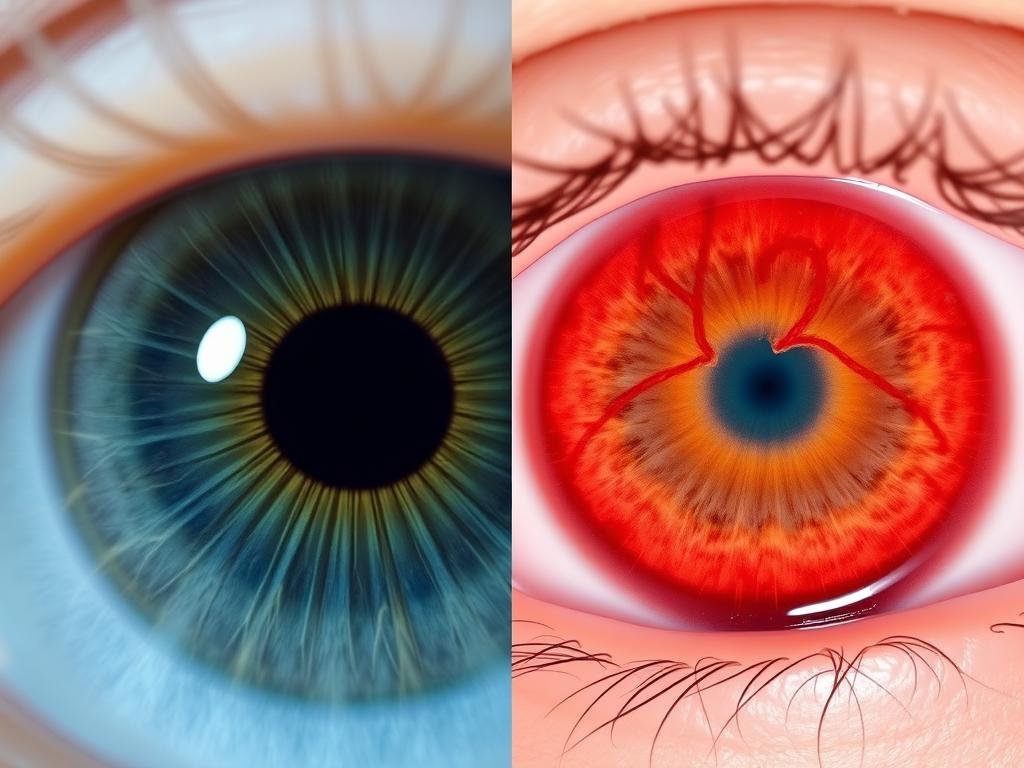
مقارنة بين القزحية السليمة (يسار) والقزحية المصابة بالتهاب القزحية (يمين)
التهاب القزحية (التهاب العنبية الأمامي)
التهاب القزحية، المعروف أيضًا باسم التهاب القزحية الأمامي، هو التهاب يصيب القزحية والجسم الهدبي المجاور. يمكن أن تسبب هذه الحالة الألم والاحمرار والحساسية للضوء وعدم وضوح الرؤية. قد يتطور التهاب القزحية فجأة (حاد) أو تدريجيًا (مزمن) ويمكن أن يرتبط باضطرابات المناعة الذاتية أو العدوى أو الصدمة.
أنيريديا
حالات القزحية: الأنيريديا هي حالة وراثية نادرة تتميز بالغياب الجزئي أو الكامل للقزحية. غالبًا ما يعاني الأشخاص المصابون بالأنيريديا من حساسية للضوء، وضعف في الرؤية، وقد يصابون بمشاكل أخرى في العين مثل الجلوكوما وإعتام عدسة العين. عادة ما تكون هذه الحالة موجودة عند الولادة.
كولوبوما
حالات القزحية: ثلامة القزحية عبارة عن فجوة أو شق في القزحية يحدث عندما لا تتطور العين بشكل صحيح قبل الولادة. تظهر على شكل حدقة على شكل ثقب المفتاح ويمكن أن تسبب زيادة في الحساسية للضوء ومشاكل في الرؤية، اعتمادًا على شدتها.
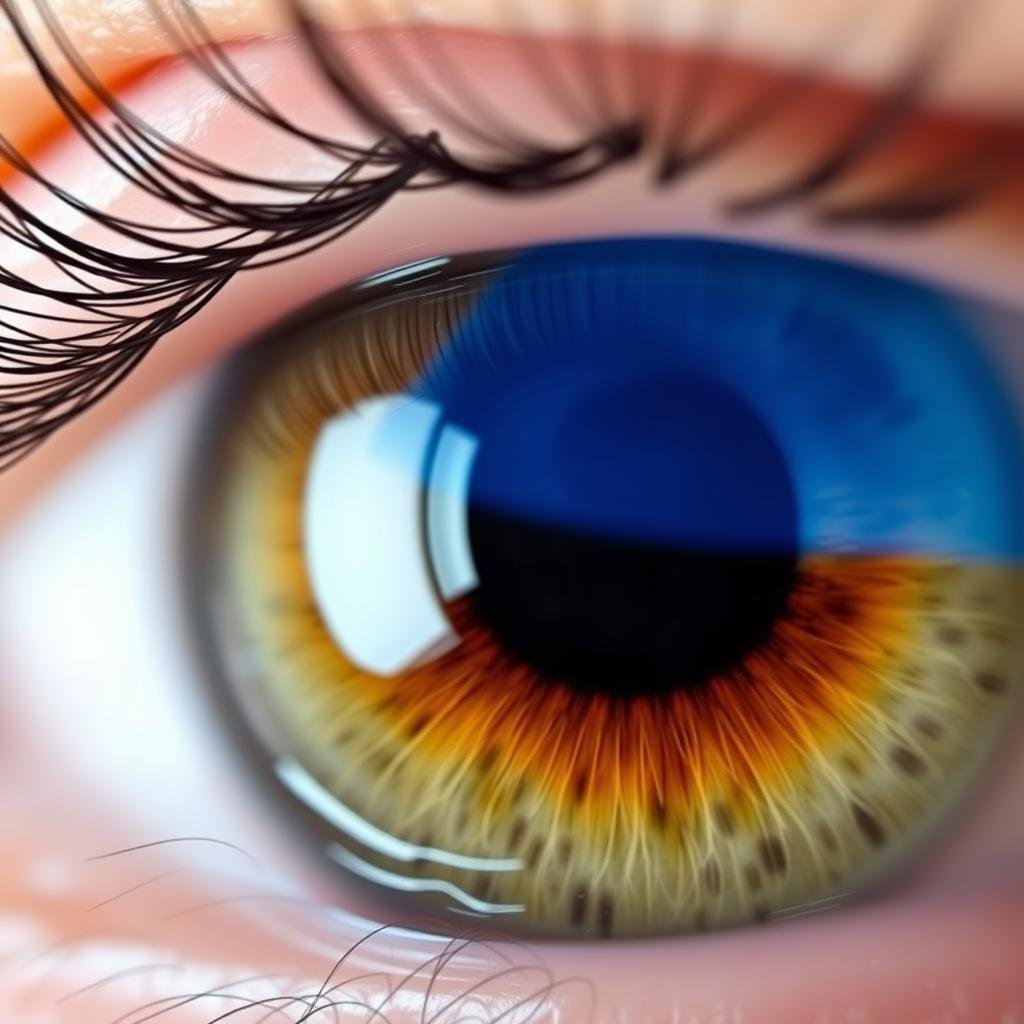
تغاير اللون – أقسام ملونة مختلفة داخل نفس القزحية
تغاير اللون
تغاير اللون هو حالة يكون فيها لدى الشخص قزحية ملونة مختلفة أو ألوان مختلفة داخل نفس القزحية. على الرغم من أنه غالبًا ما يكون غير ضار وموجود منذ الولادة، إلا أن تغاير اللون الذي يتطور لاحقًا في الحياة قد يشير إلى حالة كامنة مثل متلازمة هورنر أو الالتهاب.
سرطان القزحية
سرطان القزحية هو شكل نادر من السرطان يتطور من الخلايا الصبغية للقزحية. وقد تظهر على شكل بقعة داكنة على القزحية تنمو مع مرور الوقت. في حين أن العديد من الأورام الميلانينية القزحية تنمو ببطء، فمن المحتمل أن تنتشر إلى أجزاء أخرى من الجسم إذا تركت دون علاج.
متلازمة تشتت الصباغ
في هذه الحالة، تتقشر الصبغة الموجودة في الجزء الخلفي من القزحية وتطفو في العين. يمكن لهذه الحبيبات الصبغية أن تسد نظام تصريف العين، مما قد يؤدي إلى الجلوكوما الصباغية وزيادة ضغط العين.
تشعر بالقلق إزاء صحة عينيك؟
إذا كنت تعاني من أي تغيرات في رؤيتك أو مظهر عينك، فلا تنتظر حتى تتفاقم الأعراض. يعد التشخيص والعلاج المبكر أمرًا ضروريًا للحفاظ على رؤيتك.
تحديد موعد لفحص العين
أعراض حالات القزحية
يعد التعرف على أعراض حالات القزحية أمرًا ضروريًا للحصول على الرعاية الطبية في الوقت المناسب. على الرغم من أن الأعراض تختلف اعتمادًا على الحالة المحددة، إلا أن هناك العديد من العلامات الشائعة التي يجب مراقبتها:

تعد حساسية الضوء (رهاب الضوء) أحد الأعراض الشائعة للعديد من حالات القزحية
الأعراض البصرية
- عدم وضوح الرؤية أو انخفاضها
- الحساسية للضوء (رهاب الضوء)
- رؤية الهالات حول الأضواء
- صعوبة في التركيز
- فقدان الرؤية (في الحالات الشديدة)
الأعراض الجسدية
- ألم في العين أو عدم الراحة
- احمرار في العين
- شكل تلميذ غير منتظم
- تغيرات في لون القزحية أو مظهرها
- عيون دامعة أو دامعة
تحذير: اطلب العناية الطبية الفورية إذا كنت تعاني من تغيرات مفاجئة في الرؤية، أو ألم شديد في العين، أو إذا كان حدقة العين غير منتظمة. قد تكون هذه علامات على وجود حالة خطيرة في العين تتطلب علاجًا سريعًا.
أسباب حالات القزحية
يمكن أن تنجم حالات القزحية عن أسباب مختلفة، بما في ذلك العوامل الوراثية والصدمات والالتهابات والأمراض الجهازية. إن فهم هذه الأسباب يمكن أن يساعد في الوقاية والتدخل المبكر.
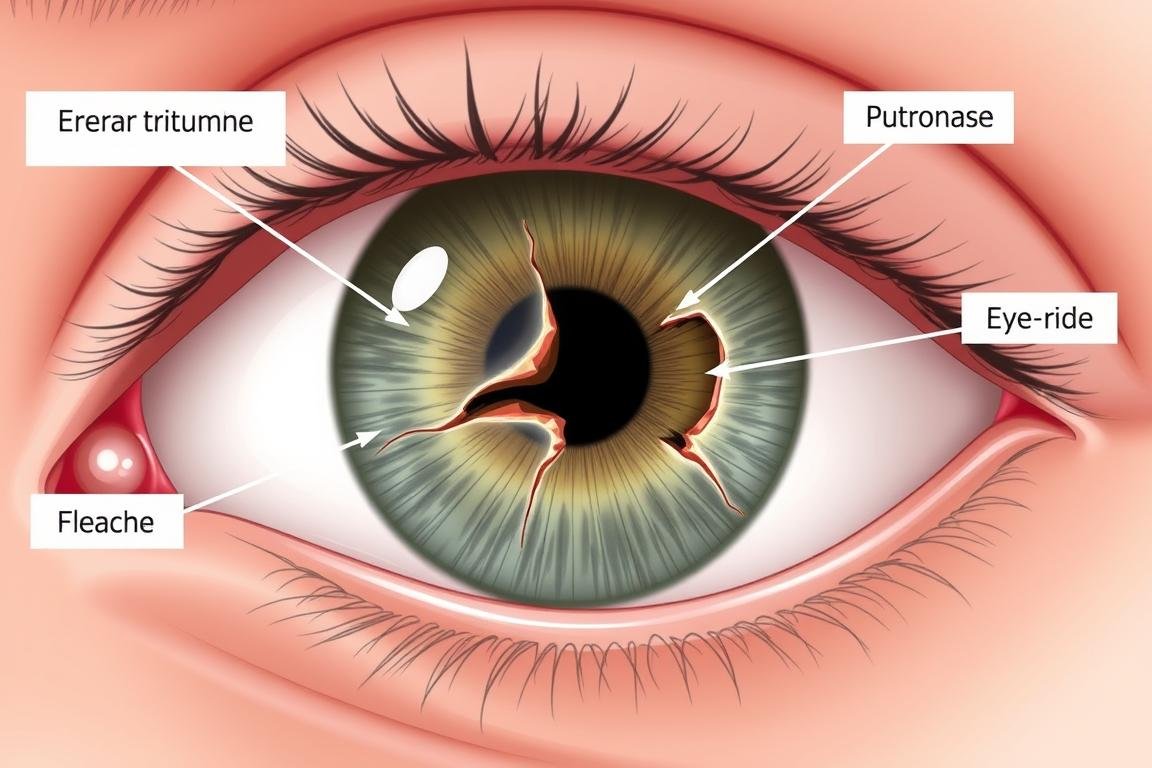
يمكن أن تسبب صدمة العين ضررًا هيكليًا للقزحية
العوامل الوراثية
بعض حالات القزحية، مثل انعدام القزحية وأشكال معينة من تغاير اللون، تكون موروثة أو تنتج عن طفرات جينية. عادة ما تكون هذه الحالات موجودة عند الولادة أو تتطور في وقت مبكر من الحياة. قد يوصى بإجراء الاختبارات الجينية للمرضى الذين لديهم تاريخ عائلي لهذه الحالات.
صدمة
يمكن أن تؤدي إصابات العين إلى إتلاف القزحية، مما يؤدي إلى الدموع أو الالتهاب أو تغيرات في شكل حدقة العين. يمكن أن تتسبب الصدمات القوية والإصابات النافذة والمضاعفات الجراحية في تلف القزحية. يمكن أن يساعد ارتداء النظارات الواقية أثناء الأنشطة عالية الخطورة في منع هذه الإصابات.
الالتهابات
يمكن أن تؤدي الالتهابات المختلفة إلى التهاب القزحية. وتشمل هذه الالتهابات الفيروسية (مثل الهربس)، والالتهابات البكتيرية، والالتهابات الفطرية، والالتهابات الطفيلية. العلاج الفوري لعدوى العين ضروري لمنع المضاعفات.
اضطرابات المناعة الذاتية
يمكن أن تؤثر العديد من أمراض المناعة الذاتية على القزحية، بما في ذلك التهاب المفاصل الروماتويدي، والتهاب الفقار المقسط، ومرض التهاب الأمعاء، والتهاب المفاصل الشبابي مجهول السبب. في هذه الظروف، يهاجم الجهاز المناعي للجسم عن طريق الخطأ أنسجته، بما في ذلك تلك الموجودة في العين.
الأمراض الجهازية
يمكن لبعض الأمراض الجهازية أن يكون لها مظاهر بصرية تؤثر على القزحية. وتشمل هذه مرض السكري وارتفاع ضغط الدم والاضطرابات الالتهابية المختلفة. غالبًا ما تكون إدارة هذه الحالات الأساسية جزءًا مهمًا من علاج مشاكل القزحية المرتبطة بها.
تشخيص حالات القزحية
يتطلب التشخيص الدقيق لحالات القزحية إجراء فحص شامل للعين من قبل أخصائي رعاية عيون مؤهل. يمكن استخدام عدة طرق تشخيصية لتقييم صحة ووظيفة القزحية.
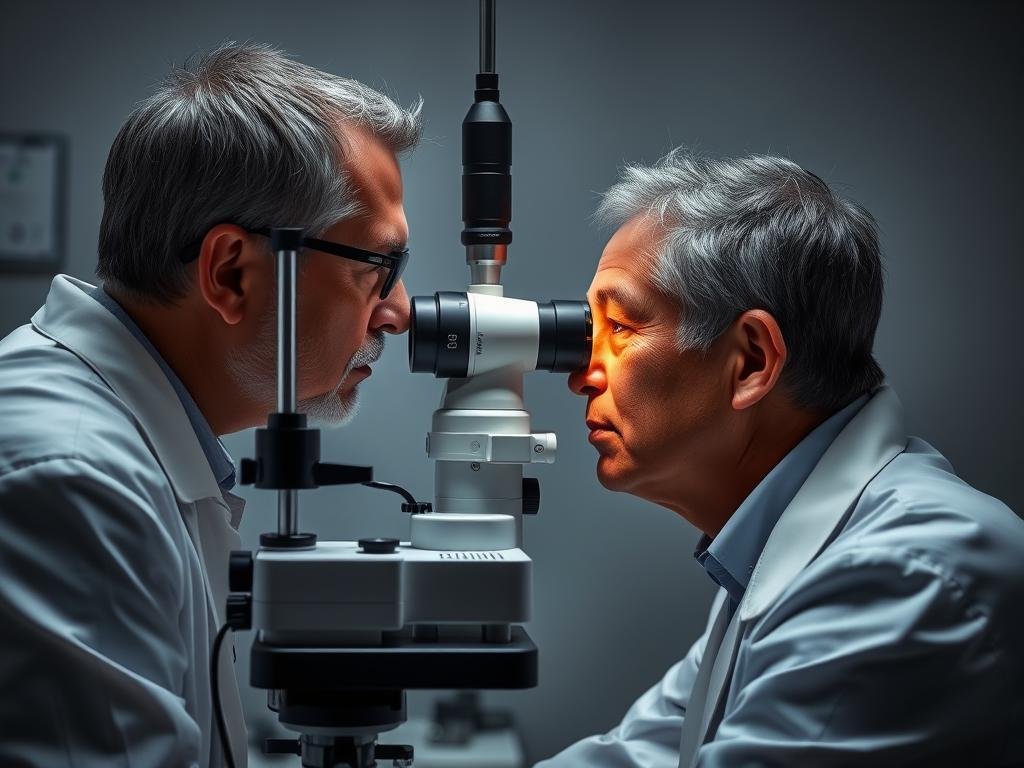
يعد فحص المصباح الشقي ضروريًا لتشخيص العديد من حالات القزحية
فحص العين الشامل
يعد فحص العين الشامل هو الخطوة الأولى في تشخيص حالات القزحية. ويشمل ذلك اختبار حدة البصر وتقييم حدقة العين وفحص الهياكل الخارجية والداخلية للعين.
فحص المصباح الشقي
يسمح هذا المجهر المتخصص لأخصائي العناية بالعيون بفحص القزحية بالتفصيل. يوفر المصباح الشقي رؤية مكبرة ثلاثية الأبعاد لهياكل العين، مما يسهل اكتشاف التشوهات في القزحية.
التصوير المقطعي التوافقي البصري (OCT)
OCT هو اختبار تصوير غير جراحي يستخدم موجات الضوء لالتقاط صور مقطعية لهياكل العين، بما في ذلك القزحية. يمكن أن تساعد هذه التقنية في اكتشاف التغيرات الطفيفة في سمك القزحية وبنيتها.
الفحص المجهري الحيوي بالموجات فوق الصوتية
توفر تقنية الموجات فوق الصوتية المتخصصة هذه صورًا تفصيلية للجزء الأمامي من العين، بما في ذلك القزحية. إنه مفيد بشكل خاص لتقييم أورام القزحية والخراجات.
اختبارات تشخيصية إضافية
اعتمادًا على الحالة المشتبه بها، قد يوصي طبيبك بإجراء اختبارات إضافية مثل:
- Tonometry لقياس ضغط العين
- تنظير الزوايا لفحص زاوية تصريف العين
- تصوير الأوعية فلوريسئين لتقييم الأوعية الدموية
- التصوير بالرنين المغناطيسي أو التصوير المقطعي المحوسب للحالات الأكثر تعقيدًا
- اختبارات الدم للتحقق من الحالات الجهازية الأساسية
تشخيص الخبراء يُحدث فرقًا كبيرًا
تتطلب العديد من حالات القزحية معدات وخبرة تشخيصية متخصصة. لا تترك صحة عينك للصدفة.
ابحث عن متخصص بالقرب منك
خيارات العلاج لظروف القزحية
تختلف طرق علاج حالات القزحية بشكل كبير اعتمادًا على التشخيص المحدد وشدتها والأسباب الكامنة وراءها. تتطلب العديد من الحالات تدخلًا طبيًا متخصصًا لمنع المضاعفات والحفاظ على الرؤية.
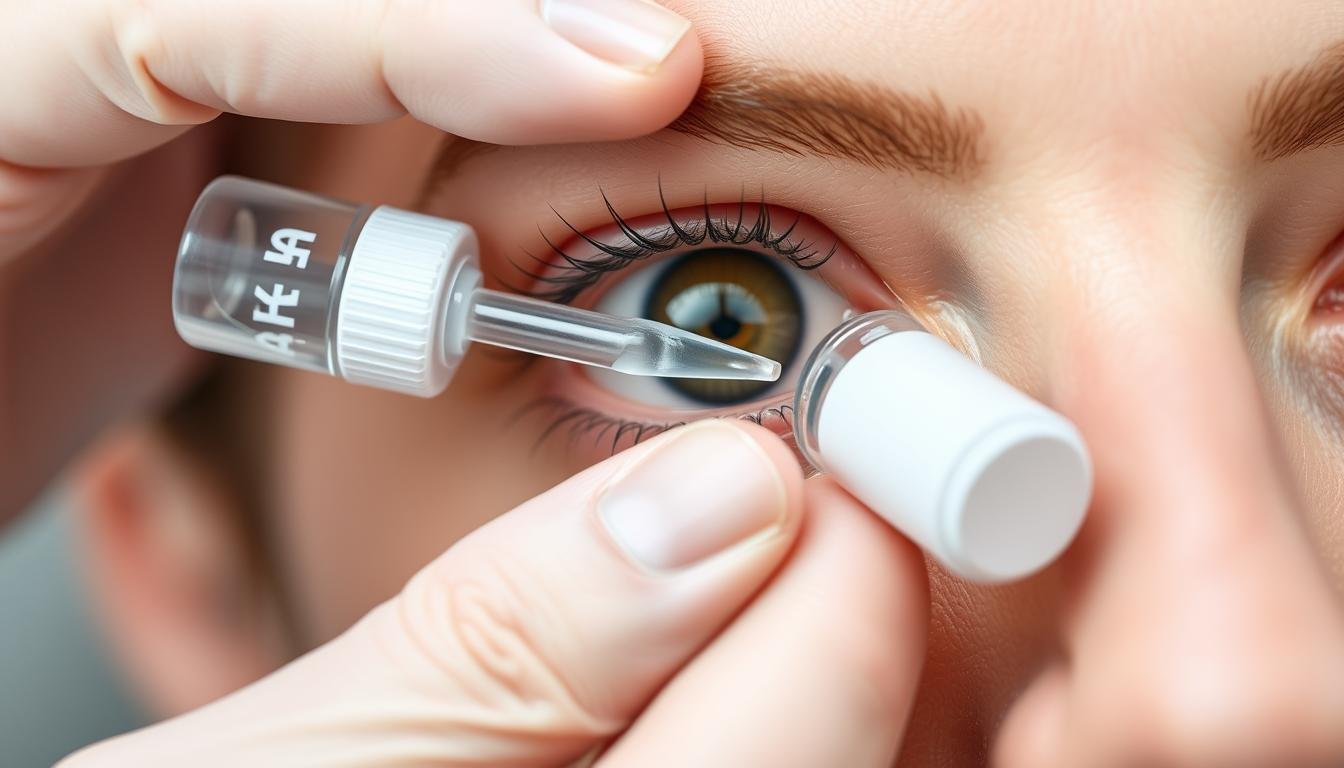
تعتبر قطرات العين الطبية علاجًا شائعًا للعديد من حالات التهاب القزحية
الأدوية
يمكن وصف أدوية مختلفة لعلاج أمراض القزحية، بما في ذلك:
- الأدوية المضادة للالتهابات: قطرات العين الكورتيكوستيرويدية، أو الستيرويدات عن طريق الفم، أو العقاقير غير الستيرويدية المضادة للالتهابات (NSAIDs) لتقليل الالتهاب في حالات مثل التهاب القزحية.
- المضادات الحيوية: لعلاج الالتهابات البكتيرية التي قد تصيب القزحية
- الأدوية المضادة للفيروسات: للأسباب الفيروسية لالتهاب القزحية
- الأدوية المثبطة للمناعة: للحالات الشديدة من أمراض القزحية المرتبطة بالمناعة الذاتية
- أدوية خفض الضغط: لإدارة ارتفاع ضغط العين المرتبط ببعض حالات القزحية
التدخلات الجراحية
قد تكون الجراحة ضرورية لبعض حالات القزحية، خاصة تلك التي تنطوي على تشوهات هيكلية أو أورام:
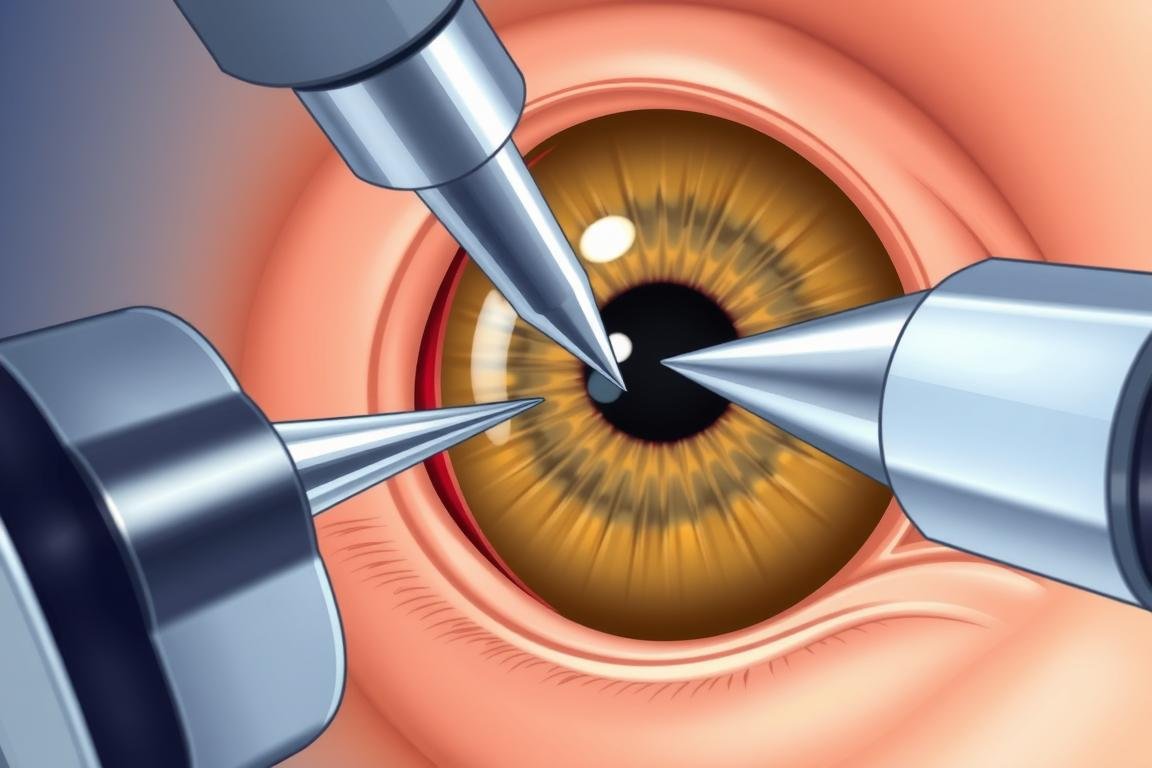
تسمح تقنيات الجراحة المجهرية بالإصلاح الدقيق لأضرار القزحية
- إصلاح القزحية: للدموع أو الصدمة للقزحية
- استئصال القزحية: إزالة جزء من القزحية، غالبًا لعلاج الجلوكوما ذات الزاوية الضيقة
- زراعة القزحية الاصطناعية: للمرضى الذين يعانون من تلف كبير في القزحية أو انعدام القزحية
- إزالة الورم: الاستئصال الجراحي للأورام الميلانينية في القزحية أو غيرها من الأورام
- إجراءات الليزر: لإنشاء فتحات صغيرة في القزحية أو علاج حالات محددة أخرى
إدارة الظروف الأساسية
عندما تكون حالات القزحية ثانوية بالنسبة لأمراض جهازية، فإن علاج الحالة الأساسية أمر ضروري. قد يشمل ذلك:
- علاج اضطرابات المناعة الذاتية بالأدوية المناسبة
- السيطرة على نسبة السكر في الدم لمضاعفات العين المرتبطة بالسكري
- علاج ارتفاع ضغط الدم لمنع المزيد من تلف العين
- معالجة حالات الالتهابات التي تصيب أجهزة الجسم المتعددة
الرعاية الداعمة
قد تساعد التدابير الإضافية في إدارة الأعراض وتحسين نوعية الحياة:
- العدسات الفوتوكرومية أو النظارات الشمسية لحساسية الضوء
- المساعدات البصرية لمن يعانون من ضعف البصر الدائم
- العدسات اللاصقة التجميلية للمخاوف الجمالية المتعلقة بتشوهات القزحية
- استراتيجيات إدارة الألم للحالات التي تسبب عدم الراحة
الوقاية والعناية بالعيون
في حين أنه لا يمكن الوقاية من جميع حالات القزحية، إلا أن بعض التدابير يمكن أن تساعد في الحفاظ على صحة العين بشكل عام وتقليل خطر حدوث مضاعفات.

يمكن للنظارات الواقية أن تمنع إصابات القزحية المؤلمة أثناء الأنشطة عالية الخطورة
تدابير الحماية
- ارتداء النظارات الواقية أثناء ممارسة الرياضة، ومشاريع تحسين المنزل، وغيرها من الأنشطة التي تشكل خطر إصابة العين
- استخدم النظارات الشمسية الواقية من الأشعة فوق البنفسجية عندما تكون بالخارج لحماية عينيك من الأشعة الضارة
- اتبع النظافة المناسبة للعدسات اللاصقة لمنع الالتهابات التي قد تؤثر على القزحية
- اتخاذ الاحتياطات اللازمة في البيئات التي تحتوي على مخاطر محتملة للعين (المواد الكيميائية والغبار والحطام)
فحوصات العين المنتظمة
تعتبر فحوصات العين الروتينية ضرورية للكشف المبكر عن حالات القزحية وإدارتها. توصي الأكاديمية الأمريكية لطب العيون بما يلي:
- فحوصات عيون شاملة كل سنة إلى سنتين للبالغين
- إجراء فحوصات أكثر تواتراً لأولئك الذين يعانون من عوامل الخطر أو أمراض العين الموجودة
- التقييم الفوري عند ظهور أي أعراض جديدة في العين
- المراقبة المنتظمة للمرضى الذين يعانون من أمراض القزحية المزمنة
اعتبارات نمط الحياة
يمكن لبعض خيارات نمط الحياة أن تدعم صحة العين بشكل عام:
- حافظ على نظام غذائي متوازن غني بمضادات الأكسدة وأحماض أوميجا 3 الدهنية والفيتامينات A وC وE
- حافظ على رطوبة جسمك لدعم وظيفة العين المناسبة
- إدارة الحالات المزمنة مثل مرض السكري وارتفاع ضغط الدم التي يمكن أن تؤثر على صحة العين
- تجنب التدخين الذي يزيد من خطر الإصابة بالعديد من مشاكل العين
- خذ فترات راحة منتظمة عند استخدام الأجهزة الرقمية لتقليل إجهاد العين
حماية رؤيتك للحياة
إن فحوصات العين المنتظمة هي أفضل دفاع لك ضد الحالات التي تهدد الرؤية في القزحية وغيرها من هياكل العين.
اجعل صحة العين أولوية اليوم
الأسئلة المتداولة حول حالات القزحية
هل يمكن عكس تلف القزحية؟
تعتمد إمكانية عكس تلف القزحية على نوع الضرر ومداه. قد يختفي الالتهاب البسيط تمامًا مع العلاج المناسب، في حين أن الضرر الهيكلي الناتج عن الصدمة أو الحالات الوراثية قد يكون دائمًا. يمكن أن تساعد التقنيات الجراحية الحديثة، بما في ذلك زراعة القزحية الاصطناعية، في استعادة الوظيفة والمظهر في بعض الحالات. عادةً ما يوفر التدخل المبكر أفضل فرصة للتعافي.
هل التغيرات في لون القزحية طبيعية؟
يمكن أن تحدث تغيرات طفيفة في لون القزحية بشكل طبيعي مع تقدم العمر. ومع ذلك، يجب تقييم التغيرات الكبيرة أو المفاجئة في لون القزحية من قبل أخصائي رعاية العيون، لأنها قد تشير إلى حالة كامنة مثل الالتهاب، أو متلازمة تشتت الصباغ، أو في حالات نادرة، سرطان القزحية. يمكن أن تؤثر بعض الأدوية أيضًا على لون القزحية كأثر جانبي.
كيف يقوم الأطباء باختبار وظيفة القزحية؟
يقوم الأطباء بتقييم وظيفة القزحية في المقام الأول من خلال تقييم استجابات الحدقة للضوء. يتضمن ذلك فحص منعكس الحدقة للضوء (مدى سرعة وتماثل انقباض الحدقة عند تعرضها للضوء) واختبار وجود عيب حدقي وارد (وهي حالة يتسع فيها حدقة واحدة بدلاً من الانقباض عند تسليط الضوء عليها). قد تشمل الاختبارات الإضافية فحص المصباح الشقي والتصوير المتخصص لبنية القزحية.
هل يمكن لظروف القزحية أن تؤدي إلى العمى؟
يمكن أن تؤدي بعض حالات القزحية إلى فقدان البصر إذا تركت دون علاج. على سبيل المثال، يمكن أن يسبب التهاب القزحية مضاعفات مثل الجلوكوما، أو إعتام عدسة العين، أو الوذمة البقعية، مما قد يضعف الرؤية. قد تتطلب الأورام الميلانينية القزحية علاجات تؤثر على الرؤية. ومع ذلك، مع التشخيص المناسب والعلاج في الوقت المناسب، يمكن إدارة العديد من حالات القزحية بشكل فعال دون فقدان البصر الدائم.
هل حالات القزحية أكثر شيوعًا في بعض المجموعات السكانية؟
تظهر بعض حالات القزحية أنماطًا ديموغرافية. على سبيل المثال، تكون بعض أشكال التهاب القزحية أكثر شيوعًا لدى الأشخاص الذين لديهم علامات وراثية محددة لـ HLA-B27، والتي تكون أكثر انتشارًا في بعض المجموعات العرقية. يتم توزيع الأنيريديا بالتساوي بين السكان ولكنها نادرة بشكل عام. يمكن أن يكون العمر أيضًا عاملاً، حيث تكون بعض الحالات أكثر شيوعًا لدى كبار السن بينما تؤثر حالات أخرى عادةً على الأفراد الأصغر سنًا.
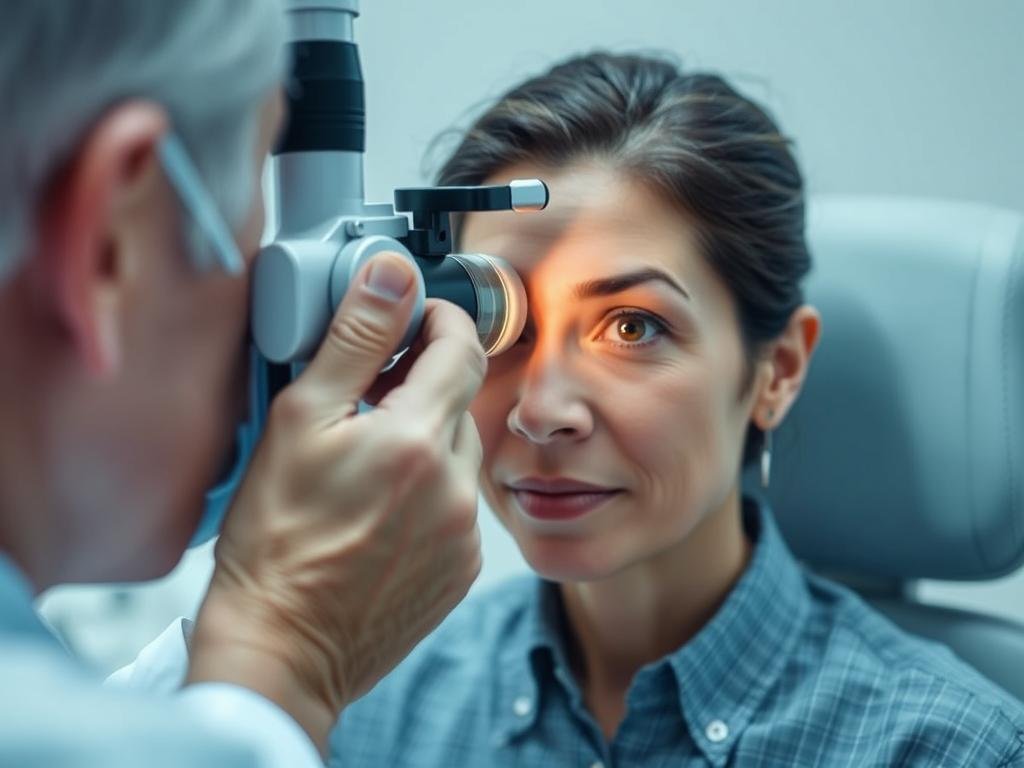
تعد فحوصات العين المهنية المنتظمة ضرورية لمراقبة صحة القزحية
رعاية صحة القزحية الخاصة بك
تلعب القزحية دورًا حيويًا في الرؤية وصحة العين. يعد فهم الظروف المختلفة التي يمكن أن تؤثر على هذه البنية الدقيقة خطوة مهمة في الحفاظ على ممارسات جيدة للعناية بالعين. في حين أن بعض حالات القزحية وراثية أو لا يمكن تجنبها، إلا أنه يمكن إدارة الكثير منها بشكل فعال من خلال التدخل الطبي المناسب.
إذا لاحظت أي تغيرات في رؤيتك أو مظهر عينك أو شعرت بأعراض مثل ألم العين أو احمرارها أو حساسية الضوء، فلا تتردد في طلب الرعاية المتخصصة. يوفر التشخيص والعلاج المبكر أفضل النتائج لمعظم حالات القزحية.
تذكر أن فحوصات العين الشاملة والمنتظمة ضرورية للكشف عن المشاكل قبل أن تصبح خطيرة. يمكن لأخصائي العناية بالعين الخاص بك تقديم نصيحة شخصية بناءً على احتياجاتك الخاصة بصحة عينك وعوامل الخطر.
رؤيتك مهمة
لا تنتظر حتى تتفاقم الأعراض. استشر أخصائي العناية بالعيون بشأن أي مخاوف تتعلق بقزحية العين أو صحة العين بشكل عام.
حدد موعدًا لفحص عينيك اليوم


