


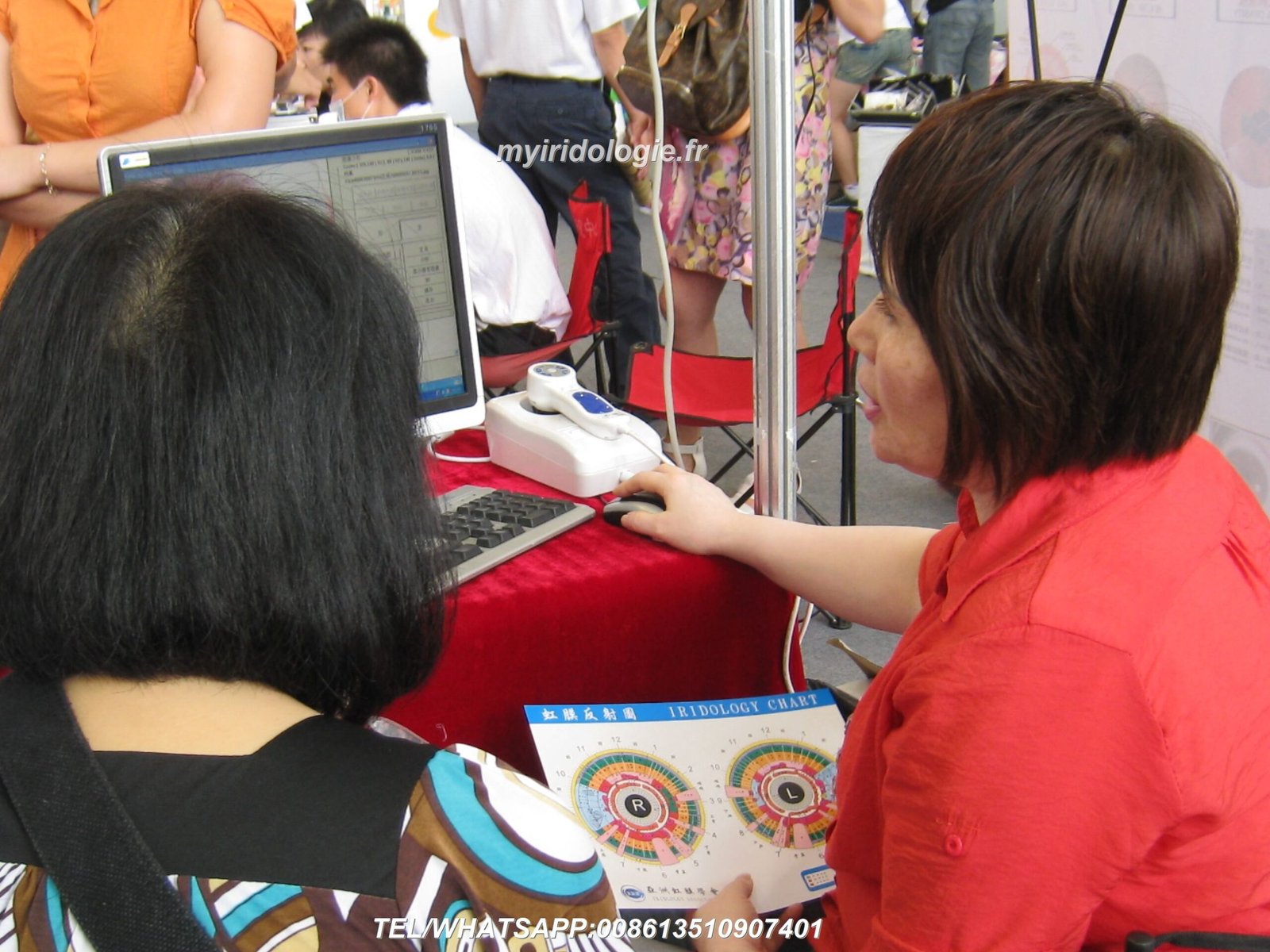
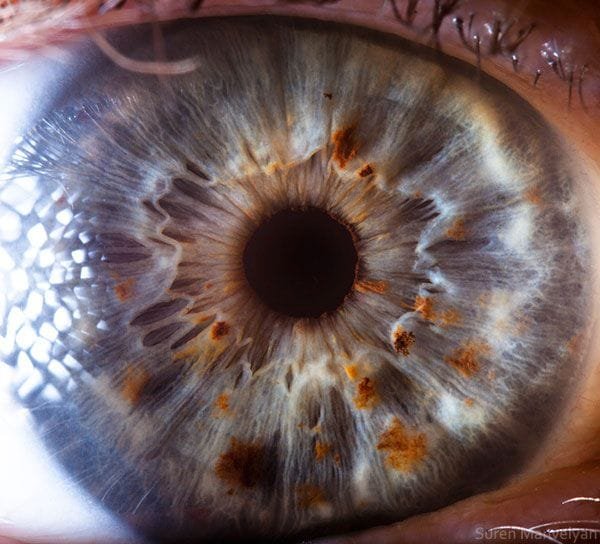


Optimal Distance for Câmera de iridologia Precisão
The sweet spot exists between 8 and 12 centimeters from eye to lens. This range delivers sharp imagens with proper iris magnification. Shorter distances cause lens distortion. Greater distances lose the fine detail needed for thorough analysis.
Maioria best iridology cameras feature adjustable focus mechanisms. These systems let you fine-tune distance based on individual eye anatomy. Brown and blue irises may require slight positioning adjustments for optimal iluminação.
High-resolution sensors demand precise spacing. A 12mp iridology camera captures incredible detail, but only when positioned correctly. Poor distance ruins even the most advanced sensor’s capabilities.
Factors Affecting Distance Requirements
Lens focal length determines your working distance. Wide-angle lenses need closer positioning. Telephoto designs work from farther away. Check your manufacturer’s specifications before starting examinations.
Iluminação intensity also influences ideal distance. Brighter LED illuminators allow slightly increased spacing. Dimmer lights require closer positioning to maintain imagem clarity and proper exposure.
Need Expert Guidance on Camera Specifications?
Our technical team brings 20 years of iridology equipment experience. We help practitioners worldwide select optimal camera distances and configurations for their specific practice needs.
Diferente Câmeras de Iridologia and Their Distance Specifications
Handheld devices offer flexibility in distance adjustment. Desktop systems maintain fixed positioning for consistency. Each design serves different practice workflows and space requirements.
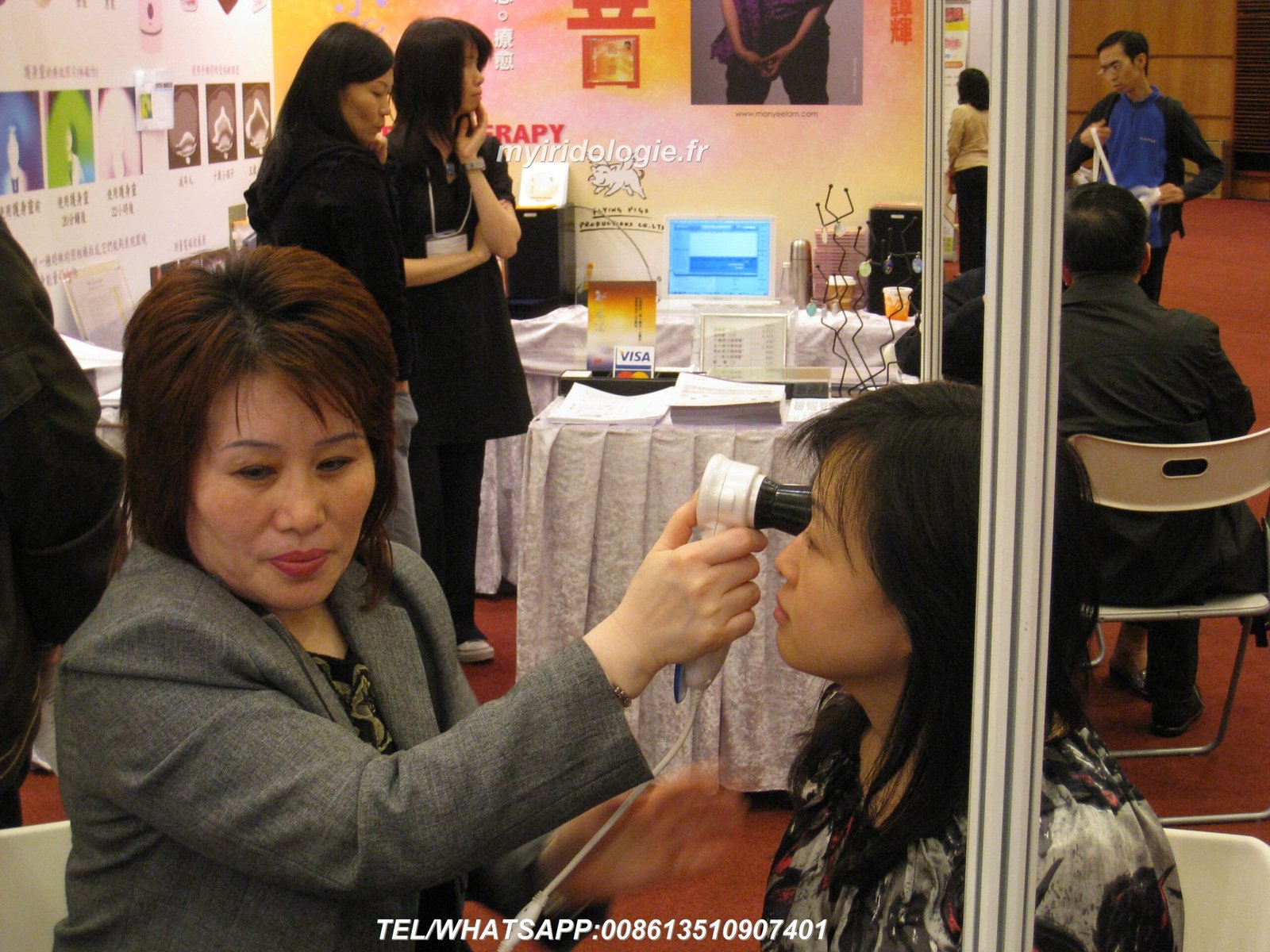
Portátil Câmera de iridologia Distance Parameters
Portable units typically work best at 9 to 11 centimeters. The practitioner’s hand steadiness affects imagem sharpness at these distances. Some models include laser distance indicators to maintain consistency between captures.
O best camera for iridology in handheld format balances weight and optics. Heavier units provide stability but tire the practitioner’s arm. Lighter models improve comfort but may sacrifice lens qualidade.
Desktop Câmera de iridologia Sistemas
Chin-rest models lock in the perfect distance automatically. These systems eliminate human positioning error. The patient rests comfortably while the câmera captures multiple angles without distance variation.
Fixed-position câmeras excel in high-volume practices. Once calibrated, they deliver consistent imagens across hundreds of patients. Initial setup takes longer but pays dividends in efficiency.
| Tipo de câmera | Optimal Distance | Best Use Case | Distance Adjustment |
| Handheld Portable | 9-11 cm | Mobile practice, home visits | Manual by practitioner |
| Desktop Chin-Rest | 10 cm (fixed) | Clinical setting, high volume | Automatic positioning |
| Tabletop Adjustable | 8-12 cm | Training, demonstration | Manual fine-tuning |
| Slit-Lamp Mounted | 12-15 cm | Ophthalmology crossover | Joystick controlled |
Bernard Jensen Iridology Camera Legacy Standards
Dr. Jensen’s pioneering work established distance benchmarks still used today. His recommended 10-centimeter standard became the industry baseline. Modern câmeras honor this legacy while incorporating advanced optics.
Historical bernard jenson iridology camera systems used film photography. Digital sensors now capture exponentially more detail at the same distances. The fundamental physics of iris photography remain unchanged despite technological advances.


Technical Specifications: Câmera Resolution and Distance Relationship
Higher megapixel counts demand precise distancing. A 12mp iridology camera reveals microscopic iris features invisible to lower-resolution sensors. This detail requires exact positioning to avoid motion blur and focus issues.
Sensor size affects depth of field at various distances. Larger sensors create shallower focus zones. Smaller sensors maintain sharpness across wider distance ranges. Understanding your câmera sensor helps optimize positioning.
Best Iridology Digital Camera Features for Distance Management
Auto-focus systems help maintain optimal distance during examinations. The câmera continuously adjusts as the patient moves slightly. This technology prevents blurred imagens from micro-movements during capture.
Distance indicators provide real-time feedback. LED lights or tela overlays show when you’ve achieved the ideal spacing. These guides reduce training time for new practitioners learning proper positioning.
Key Distance-Related Features
- Auto-focus maintains clarity during patient movement
- LED distance indicators confirm optimal positioning
- Adjustable working distance for different eye anatomies
- Focus lock prevents distance drift during examination
- Real-time screen feedback shows focus quality
- Multiple distance presets for efficiency


Memory Card and Image Storage at Different Distances
Properly distanced imagens create larger file sizes. Higher detail means more data to store on your memory card. A 16GB card holds approximately 2,000 high-resolution iris captures at optimal distance and focus.
Poorly positioned shots often appear sharper initially on small screens. Only when enlarged for analysis does the distance error become apparent. Always verify focus on a full-size computer display before concluding an examination.
| Distance Accuracy | Qualidade de imagem | File Size (12MP) | Images per 16GB Card |
| Optimal (9-11cm) | Excelente – Full detail | 7-9 MB | ~2,000 |
| Acceptable (8-12cm) | Bom – Usable detail | 6-8 MB | ~2,200 |
| Too Close (<8cm) | Poor – Distorted | 5-7 MB | ~2,500 |
| Too Far (>12cm) | Insufficient – Low detail | 4-6 MB | ~3,000 |
Iluminação and Distance: The Critical Connection
LED illumination intensity changes with distance. Moving 2 centimeters closer doubles light intensity reaching the iris. This relationship follows the inverse square law of iluminação physics.
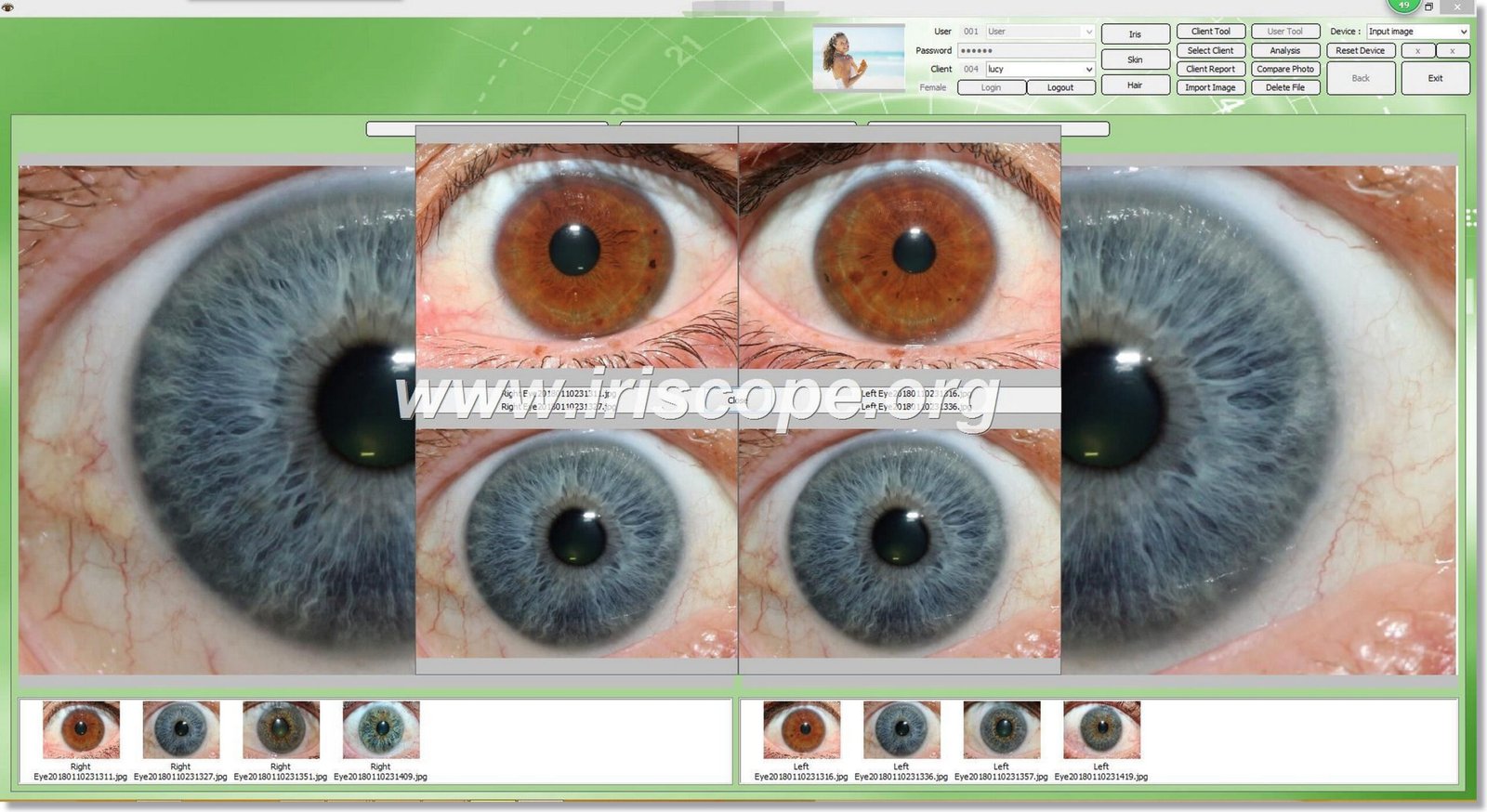
Brown irises require stronger illumination than lighter colors. Melanin density absorbs more light. Practitioners must compensate by either increasing LED power or moving slightly closer within the acceptable distance range.
Ring Light vs. Integrated LED Systems
Circular LED arrays around the lens provide even illumination. This design minimizes shadows and hotspots across the iris surface. The iluminação remains consistent as you adjust distance within the optimal range.
Side-mounted lights create challenges at varying distances. Shadows shift as you move closer or farther. Ring configurations eliminate this variable, ensuring qualidade remains stable across the recommended distance spectrum.
Dica Profissional: Test your câmera at minimum (8cm) and maximum (12cm) recommended distances with the same patient. Compare iluminação consistency between both imagens. Ideal equipamento shows minimal illumination difference across this range.
Adjusting for Different Eye Colors
Blue and green irises reflect more light than brown irises. You may need to reduce power or increase distance slightly for lighter eyes. Overexposure washes out delicate iris structures crucial for analysis.
Light-Colored Iris Settings
- Reduce LED intensity by 20-30%
- Consider 11-12cm distance for very light blue eyes
- Watch for reflection hotspots on tela
- Use polarizing filters if available
Dark-Colored Iris Settings
- Increase LED intensity to maximum
- Optimal distance 9-10cm for brown irises
- Longer exposure times may be needed
- Ensure even iluminação across entire iris


MAIKO Câmera de iridologia Distance Optimization
Our manufacturing experiência spans two decades of iris imaging technology. MAIKONG câmeras incorporate adjustable distance parameters refined through 1,000+ client deployments worldwide. Every model undergoes rigorous distance testing before leaving our factory.
The standard MAIKONG 12mp iridology camera operates optimally at 10 centimeters. This distance balances detail capture with practitioner comfort during extended examination sessions. Our lens coatings maintain clarity across the full 8-12cm working range.
MAIKONG Hardware Specifications
| Especificação | Detalhes |
| Resolução do sensor | 12.0 Mega Pixels high-resolution CCD |
| Optimal Working Distance | 10 cm (adjustable 8-12 cm range) |
| Tipo de lente | Imported multi-layer coated optical glass |
| Sistema de iluminação | LED ring light around lens, adjustable intensity |
| Sistema de foco | Adjustable manual focus with lock mechanism |
| Processador de imagem | Special DSP with Optical Image Stabilizer |
| Compatible Lenses | 30X iris lens, hair analysis lens (optional) |
| Sistemas Operacionais | Windows XP/7/8/10/11, macOS 10.14-15 |


Software Distance Calibration
MAIKONG iridology software includes distance verification tools. The program analyzes imagem sharpness and alerts if positioning appears suboptimal. This feature ajudas maintain consistency across patient examinations.
Our system supports both Windows and macOS platforms. MAIKONG became the first manufacturer globally to offer full Mac compatibility. The software maintains distance calibration settings across device syncs and backups.
| Recurso de software | Distance-Related Function |
| Auto-Focus Indicator | Real-time on-tela confirmation of optimal distance |
| Distance Calibration | Custom distance profiles for different câmera models |
| Image Quality Analysis | AI-powered sharpness detection alerts positioning errors |
| Multi-Device Sync | Distance settings backup across computer sistemas |
| Ferramentas de comparação | Side-by-side distance variation analysis for training |
Warranty and Service Specifications
| Aspecto do serviço | Detalhes |
| Vida útil do projeto | 5-10 years for electronic components with proper care |
| Período de garantia | 1 year non-human damage coverage |
| Local de reparo | Return to factory for authorized service |
| Suporte técnico | 24-hour response time for distance calibration questions |
| Replacement Parts | Lens assemblies and LED systems available for life of product |
Partner With a Proven Manufacturer
MAIKONG has served 1,000+ distributors and practitioners worldwide. Our OEM/ODM customization includes distance optimization for your specific market needs. Join partners in 50+ countries benefiting from our 20 years of manufacturing expertise.
E-mail: Lucy@iriscope.org | Website: iriscope.org
Cadi Iridology Camera Driver and Distance Configuration
Driver software manages communication between câmera hardware and analysis programs. The cadi iridology camera driver china systems require proper installation for distance calibration features to function correctly.


Mais moderno câmeras use plug-and-play USB connectivity. The operating system automatically recognizes the device. However, advanced distance features often require manufacturer-specific drivers for full functionality.
Installation Steps for Distance Features
| Etapa | Descrição |
| 1 | Insert USB Key: Connect provided 4GB installation drive |
| 2 | Run Installation: Execute setup file, follow prompts to completion |
| 3 | Disable Built-in Camera: Prevent conflicts in Device Manager if required |
| 4 | Connect Iridology Camera: Remove USB key, attach câmera hardware |
| 5 | Insert Encryption Dongle: Activate software with security USB key |
| 6 | Launch Software: Open program, verify câmera recognition |
| 7 | Calibrate Distance: Run distance verification tool with test subject |
Compatible Systems
MAIKONG software operates across Windows 2000 through Windows 11. Both 32-bit and 64-bit architectures receive full support. Apple users benefit from compatibility with macOS 10.14 through the latest macOS 15 Sequoia release.
Importante: Linux and Android systems currently lack driver support. Plan your practice computer infrastructure around Windows or macOS platforms for full distance calibration functionality.
Multi-Language Distance Calibration
The software presents distance settings in 17 languages. This localization ensures practitioners worldwide understand optimal positioning requirements. Metric and imperial measurements convert automatically based on regional preferences.
Practical Setup Guide: Achieving Perfect Distance Every Time
Consistency separates amateur from professional iridology practice. Following systematic setup procedures ensures every patient receives examination at optimal distance. Small details make enormous differences in diagnostic accuracy.
Pre-Examination Checklist
- Clean lens surfaces with microfiber cloth before each session
- Verify LED iluminação functions at full brightness
- Test auto-focus response with calibration card
- Confirm computer connection stability via USB
- Check memory card capacity for day’s expected volume
- Review previous patient imagens for distance consistency
- Adjust chair and headrest to proper height
- Position monitor for real-time viewing during capture
Patient Positioning Protocol
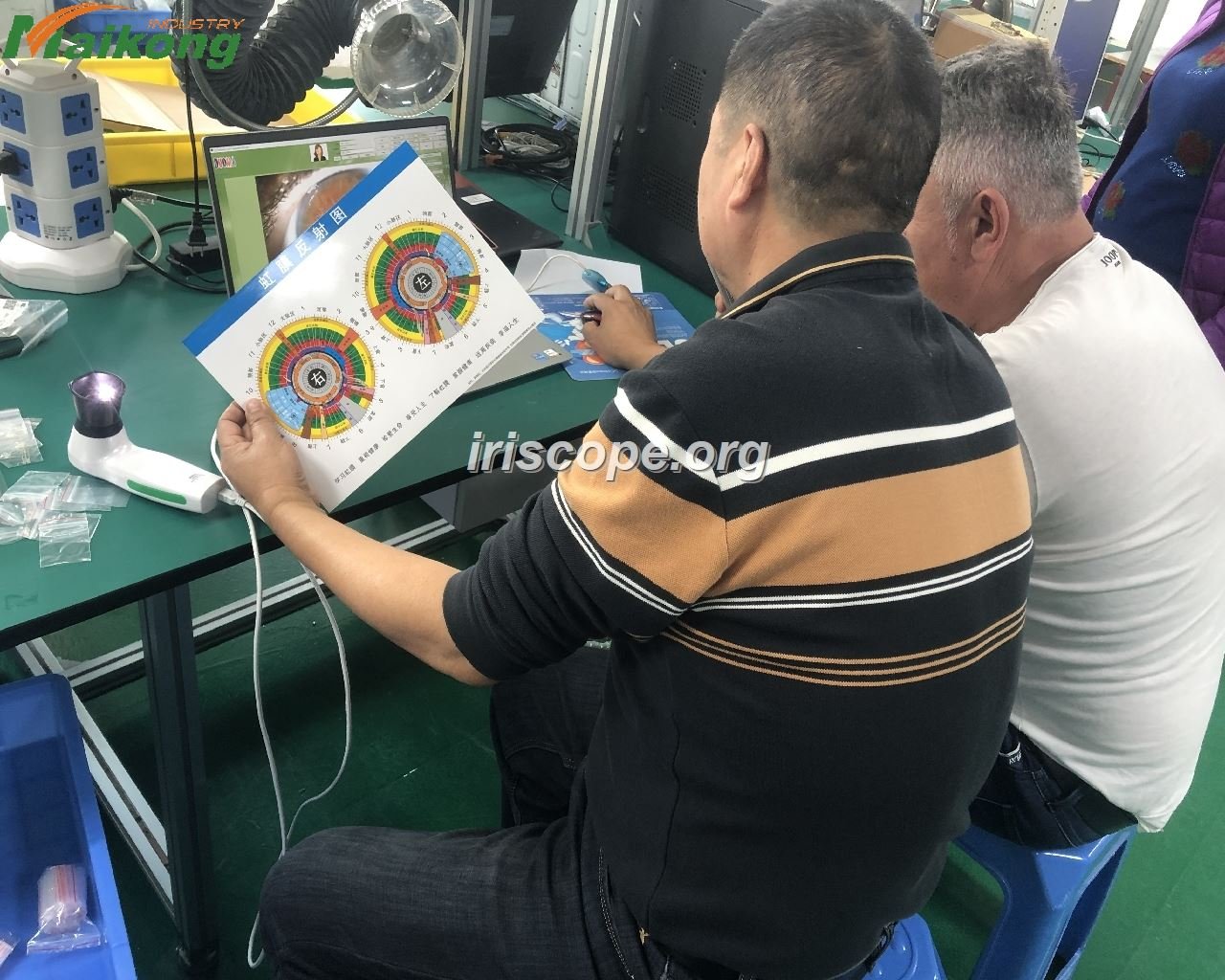
Comfortable patients produce better imagens. Tension causes eye movement and blinking. Explain the process clearly, demonstrating the câmera approach before beginning actual examination.
Positioning Steps
- Seat patient comfortably with back support
- Adjust chair height so eyes align with câmera
- Position chin rest or forehead support
- Instruct patient to focus on distant point
- Abordagem câmera slowly to avoid startle reflex
- Verify distance indicator shows optimal range
- Capture image when patient appears relaxed
Common Distance Errors and Solutions
Problems from Incorrect Distance
- Too close: Distorted iris geometry, unnatural curvature
- Too far: Loss of fine detail, inability to see subtle markers
- Inconsistent: Cannot compare imagens over time accurately
- Poor iluminação angle: Creates shadows masking health indicators
- Excessive movement: Patient discomfort from awkward positioning
Benefits of Optimal Distance
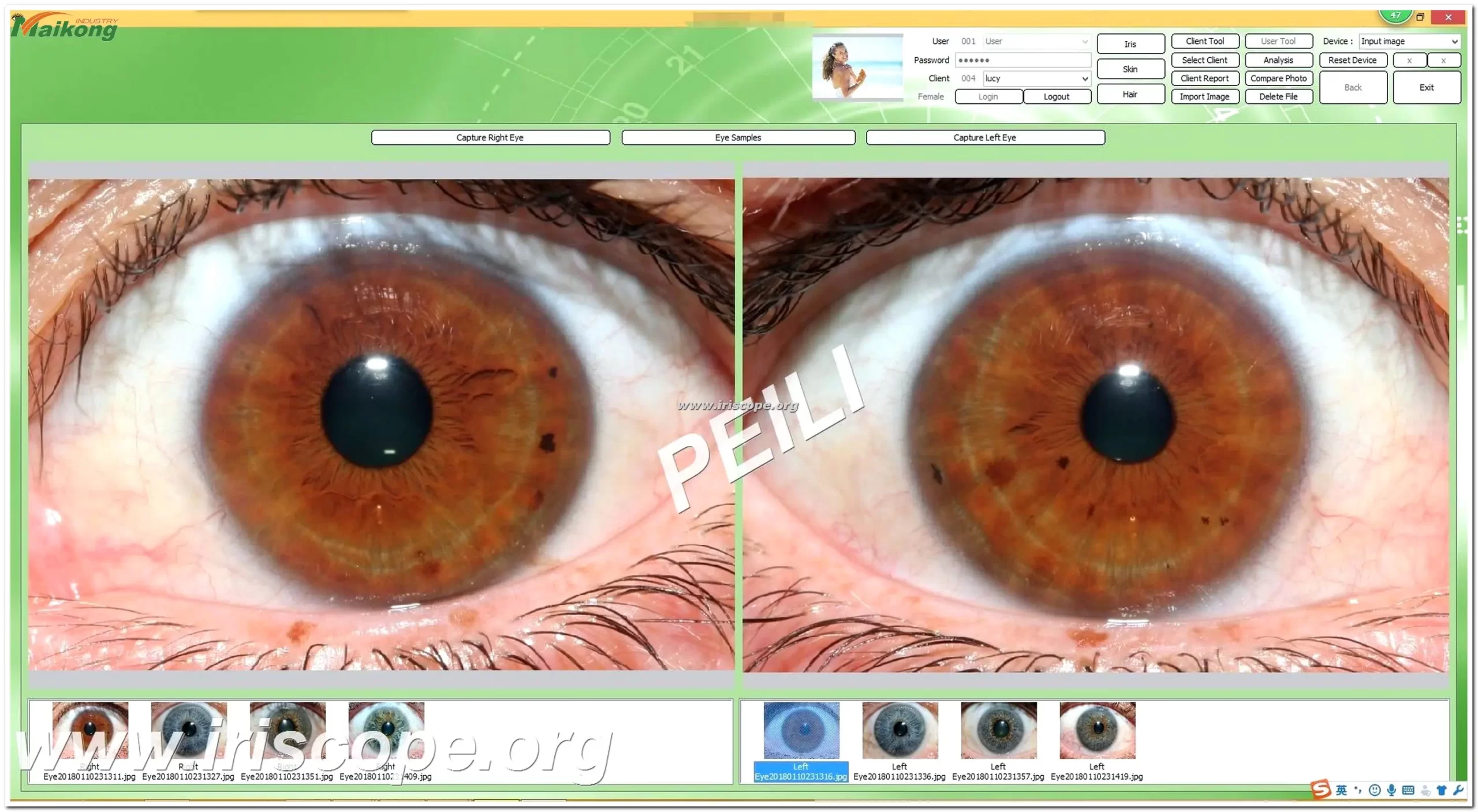
- Perfect focus: Crystal clear iris structure visibility
- Even illumination: No hotspots or shadow zones
- Consistent results: Reliable comparison across examinations
- Patient comfort: Natural head position reduces tension
- Professional presentation: High quality imagens build client trust
Advanced Techniques for Professional Iridologia Prática
Master practitioners develop nuanced distance adjustment skills. Subtle changes based on individual anatomy improve diagnostic accuracy. These refinements require experiência and attention to patient-specific variables.
Adapting Distance for Age Groups
Children require modified approaches. Shorter attention spans demand faster capture. Slightly increased distance (11-12cm) provides more working space for fidgety young patients while maintaining acceptable imagem qualidade.
Elderly patients often benefit from reduced distance (9cm). Age-related lens changes in the eye may affect focus. Closer positioning compensates while remaining within professional standards.
Managing Patient Movement
Rapid capture mode helps with active patients. Modern best iridology digital camera systems offer burst capture. Take 3-5 sequential imagens at optimal distance, then select the sharpest result during analysis.
Pro Technique: Use verbal cues to minimize blinking. Ask patients to close their eyes for 3 seconds, then open on command while you capture immediately. This reduces reflex blinking that ruins otherwise perfectly positioned shots.
Environmental Considerations
Room iluminação affects required LED intensity. Brighter ambient light may necessitate moving 1cm closer to maintain proper iris illumination. Dimmer rooms allow standard 10cm positioning with lower LED power.
Temperature impacts patient comfort and eye moisture. Cold rooms cause tearing that distorts imagens. Maintain 20-22°C (68-72°F) for optimal examination conditions regardless of distance settings.

Documentation Standards
Record distance settings with each patient examination. Note any deviations from standard 10cm positioning. This documentation proves invaluable when reviewing saúde progress over months or years.
Include distance metadata in imagem files. Most professional software embeds this information automatically. Verify your system captures and preserves these technical parameters for future reference.
Selecting the Best Camera for Iridology Based on Distance Requirements
Nem todos câmeras deliver equal performance at standard distances. Lens qualidade, sensor size, and illumination design create significant differences. Understanding these factors guides smart equipamento investments.
Evaluating Lens Quality
Multi-element glass optics outperform plastic lenses significantly. Glass maintains sharpness across the entire 8-12cm working range. Cheaper plastic alternatives show acceptable results only at narrow distance bands.
Coating technology reduces internal reflections. Anti-reflective treatments on lens surfaces improve contrast in captured imagens. These coatings become especially important when working with brown irises requiring stronger iluminação.


Sensor Considerations
Larger sensors capture more light at any given distance. This advantage enables faster shutter speeds reducing motion blur. The 12mp iridology camera standard provides sufficient resolution without excessive file sizes.
Budget Category
Price Range: US$ 300-US$ 600
Resolução: 5-8MP
Distance Tolerance: ±2cm
- Basic plastic lens systems
- Somente foco manual
- Limitado iluminação adjustment
- Suitable for training purposes
Professional Category
Price Range: $800-$1,500
Resolução: 12 MP
Distance Tolerance: ±1cm
- Multi-element glass optics
- Auto-focus capabilities
- Adjustable LED intensity
- Distance indicators included
Clinical Category
Price Range: $2,000-$4,000
Resolução: 16MP+
Distance Tolerance: ±0.5cm
- Premium coated lens assemblies
- AI-assisted focus systems
- Multiple iluminação modes
- Integrated distance calibration
MAIKONG Customization Capabilities
Our factory offers distance parameter customization. If your practice specializes in pediatric iridologia, we can optimize for extended working distances. Sports medicine practitioners might prefer closer ranges for detailed fiber analysis.
Opções de personalização de hardware
- Model OEM with your branding
- Custom exterior appearance and colors
- Modified working distance ranges
- Enhanced iluminação systems for specific specialties
- Ergonomic modifications for practitioner preferences
Software Customization Options
- Logo integration in analysis interface
- Custom language versions beyond standard 17
- Distance calibration presets for your protocols
- Enterprise product catalog integration
- Custom reporting templates with distance data
MAIKONG maintains inventory in both China and the United States. This dual-warehouse approach reduces shipping times for North American practitioners. Our CE and ISO9000 certifications guarantee manufacturing qualidade standards.
Training and Education: Mastering Distance Control
New practitioners often struggle with distance consistency. Developing muscle memory for optimal positioning takes practice. Structured training protocols accelerate skill development and improve examination efficiency.
Practice Drills for Distance Accuracy
- Use a ruler or measuring tape marked at 10cm
- Practice approaching this distance repeatedly without looking
- Verify accuracy with câmera distance indicator
- Repeat 20 times daily until positioning becomes automatic
- Graduate to live subjects, maintaining consistency across varied anatomies
- Review captured imagens for focus qualidade patterns
- Identify personal tendencies (too close vs. too far)
- Correct subconscious habits through deliberate counter-practice
Software-Assisted Learning
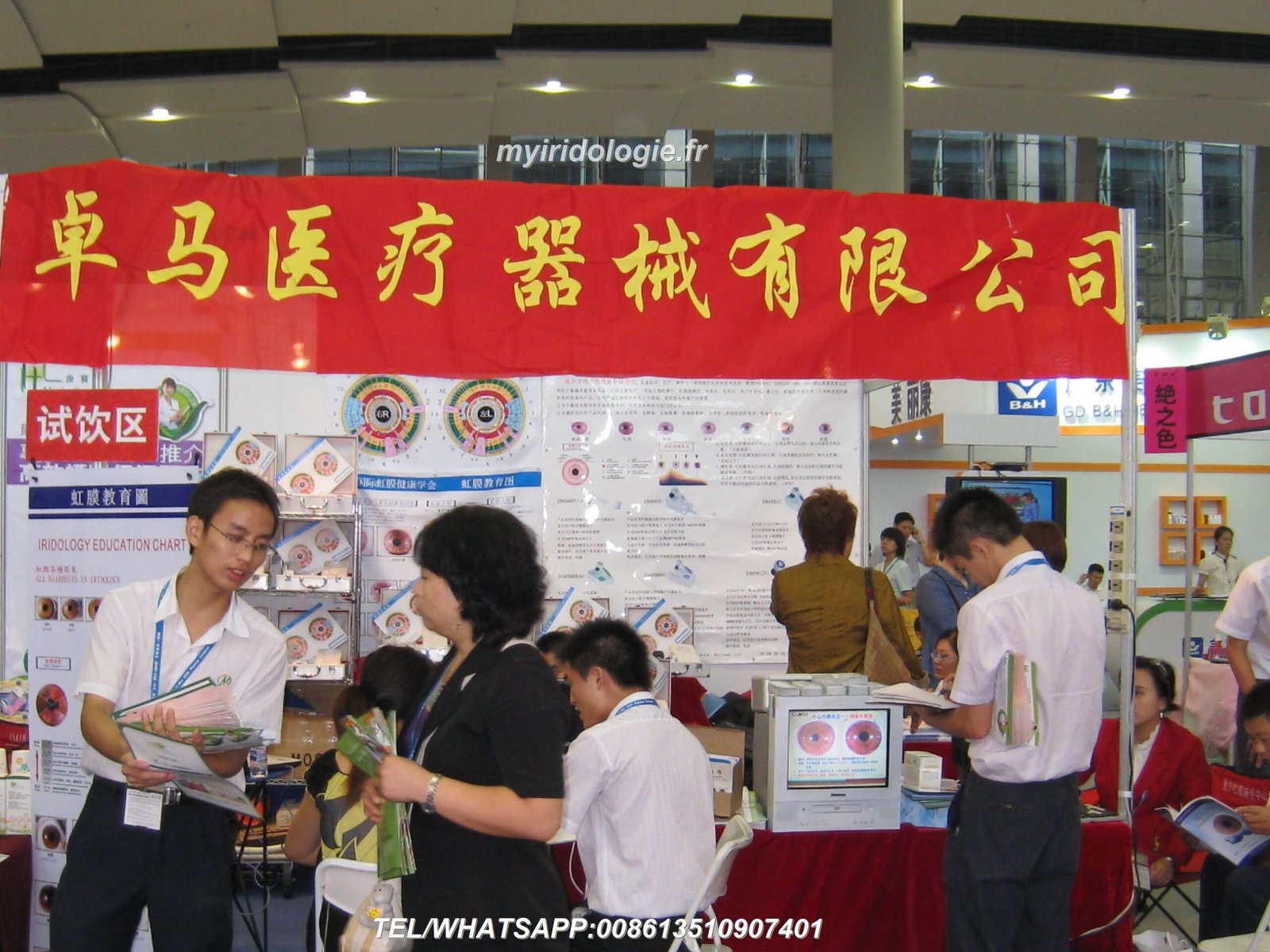
MAIKONG software includes training modes specifically for distance mastery. The system provides real-time feedback, highlighting when you’ve achieved optimal positioning. Visual and audio cues reinforce correct technique during skill development.
Comparative analysis tools let students review their imagens against expert examples. Side-by-side display shows the qualidade difference between precise and approximate distancing. This visual learning accelerates understanding faster than verbal instruction alone.
How long does it take to master consistent distance positioning?
Most practitioners achieve reliable consistency within 2-3 weeks of daily practice. Examining 5-10 patients daily accelerates learning through repetition. Professional mastery, including rapid adjustments for different anatomies, typically requires 3-6 months of regular practice.
Can I use a câmera designed for 12cm distance at 10cm instead?
While possible, you sacrifice optical performance. Lenses optimized for specific distances deliver best results at their designed range. Using a 12cm system at 10cm may introduce slight distortion or focus softness. For professional practice, match câmera specifications to your preferred working distance.
Do I need different distance settings for left vs. right eye examination?
No, anatomical symmetry means identical distances work for both eyes. However, patient comfort positioning may require minor head rotation between eyes. This rotation shouldn’t affect the optimal 10cm câmera-to-eye distance measurement.
Future Developments in Distance Technology
Emerging technologies promise to simplify distance management. Laser ranging systems already appear in premium models. These tools measure and maintain optimal distance automatically during examinations.
AI-Assisted Positioning
Artificial intelligence analyzes imagem sharpness in real-time. The câmera guides practitioners toward optimal distance through visual and tactile feedback. This technology democratizes expert-level positioning for beginners.
Future MAIKONG models will incorporate adaptive distance algorithms. The system learns individual practitioner preferences and patient anatomy patterns. Over time, the câmera anticipates required adjustments before the operator recognizes the need.
3D Imaging and Distance Independence
Experimental systems capture multiple imagens at varied distances simultaneously. Software merges these captures into composite imagens with extended depth of field. This approach may eventually eliminate distance precision requirements entirely.
However, traditional distance-controlled examination will remain the gold standard for years. Current 3D technologies cannot match the detail resolution achieved through precise conventional positioning. Innovation supplements rather than replaces fundamental technique.
Conclusion: Distance Excellence in Iridologia Prática
The 8-12 centimeter optimal distance range represents decades of collective professional experiência. This seemingly simple specification underlies every successful iris examination. Mastering distance control elevates your practice from adequate to exceptional.
Moderno equipamento makes achieving consistency easier than ever. Features like auto-focus, distance indicators, and AI assistance support practitioners at all skill levels. Yet technology serves as a tool, not a replacement for understanding fundamental principles.
MAIKONG’s two decades manufacturing câmeras de iridologia taught us that distance precision separates serious practitioners from hobbyists. Our equipamento embodies this knowledge, built by engineers who understand both optics and practical examination workflows.
Pronto para elevar sua prática de iridologia?
Join 1,000+ practitioners and distributors worldwide who trust MAIKONG for professional-grade câmeras de iridologia and comprehensive support. We offer complete customization, multi-language software, and dedicated technical assistance to ensure your success.
Informações de contato:
E-mail: Lucy@iriscope.org
Site: iriscope.org
About MAIKONG: Our 20-Year Story
Whether you’re establishing your first practice or expanding an existing operation, proper distance technique forms your foundation. Invest time in mastering this essential skill. Your patients deserve the clarity and accuracy that optimal positioning provides.
The difference between mediocre and exceptional iridologia often measures just a few centimeters. Make those centimeters count.


