Maikong-Professional Iridology Camera Iriscope Výrobca a dodávateľ


Rýchla odpoveď: Historical Origins of Iridology Maps While some historical records suggest that forms of iris analysis existed in ancient Egypt, China, and India over 3,000 years ago, modern iridology is often credited to Hungarian physician Ignatz von Peczely. Book a Consultation How Iridology Maps Divide the Iris into Zones Iridology charts typically divide the iris into approximately 80-90 zones, resembling a clock face. For this requirement, buyers can evaluate MAIKONG's iridology chart / iridology and confirm specifications, configuration, documentation, delivery terms, and after-sales support directly with the factory.
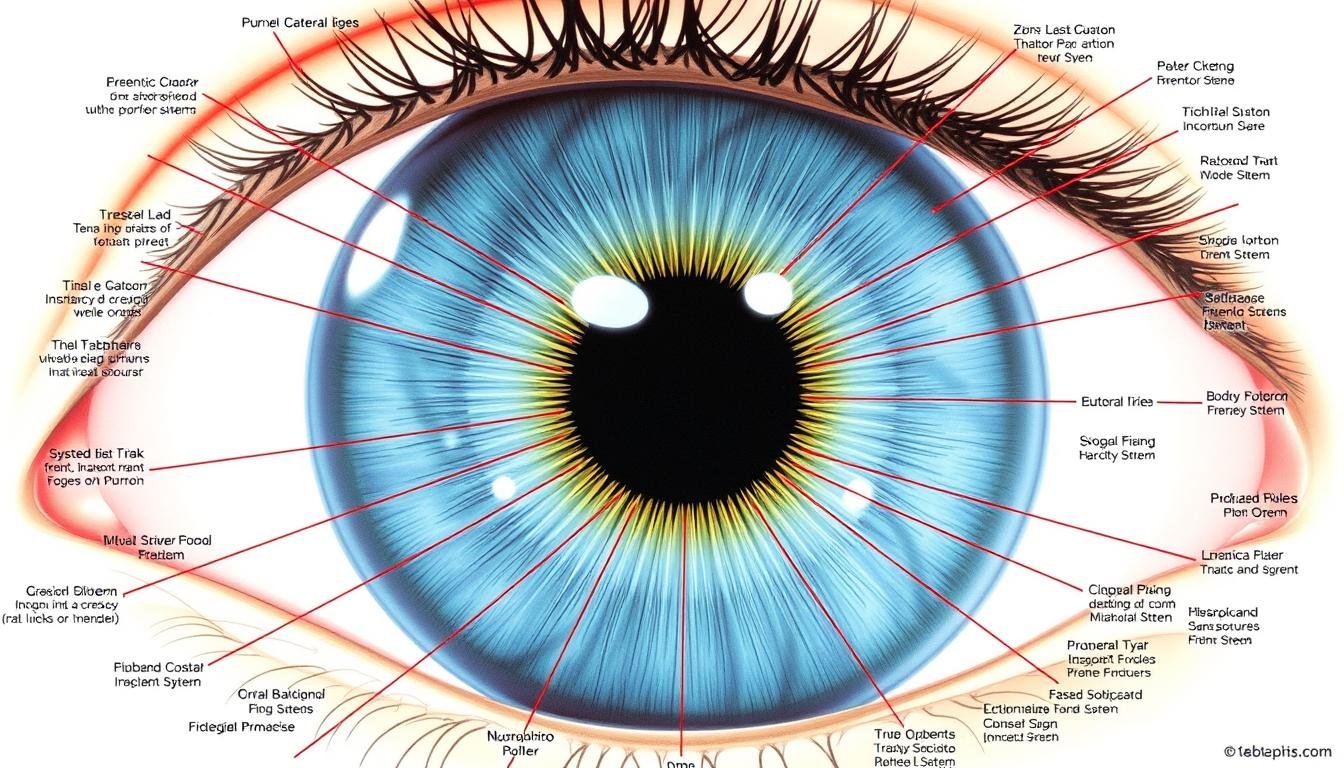
Čo je iridologická mapa?
A iridológia slúži ako referenčná príručka, ktorá rozdeľuje dúhovku do viacerých zón, z ktorých každá zodpovedá rôznym orgánom a systémom v tele. Praktizujúci používajú tieto mapy na identifikáciu značiek, sfarbení a vzorov, ktoré môžu naznačovať zdravotnú nerovnováhu alebo potenciálne obavy v konkrétnych oblastiach tela.
Koncept iridológie spočíva v tom, že dúhovka sa spája s každým orgánom a tkanivom prostredníctvom nervového systému, pričom jej vzhľad odráža stav týchto častí tela. Keď orgán zažíva stres alebo poškodenie, môžu sa objaviť zodpovedajúce zmeny v dúhovke, ktoré iridológovia interpretujú pomocou špecializovaných tabuliek.
Historické počiatky iridologických máp
While some historical records suggest that forms of iris analysis existed in ancient Egypt, China, and India over 3,000 years ago, modern iridology is often credited to Hungarian physician Ignatz von Peczely. In the 1860s, as a child, von Peczely noticed changes in an owl’s iris after it suffered a broken leg. This observation sparked his interest in the connection between iris markings and physical conditions.
In 1880, von Peczely published the first modern iridology chart, mapping the iris to various organs and body systems. Swedish homeopath Nils Liljequist independently developed similar concepts around the same time. By the early 20th century, iridology gained popularity in Europe and later spread to North America, where various practitioners refined and expanded the mapping systems.
Objavte svoj osobný vzor dúhovky
Curious about what your iris reveals? Our certified iridologists can provide a personalized analysis using professional-grade iridology maps.
How Iridology Maps Divide the Iris into Zones
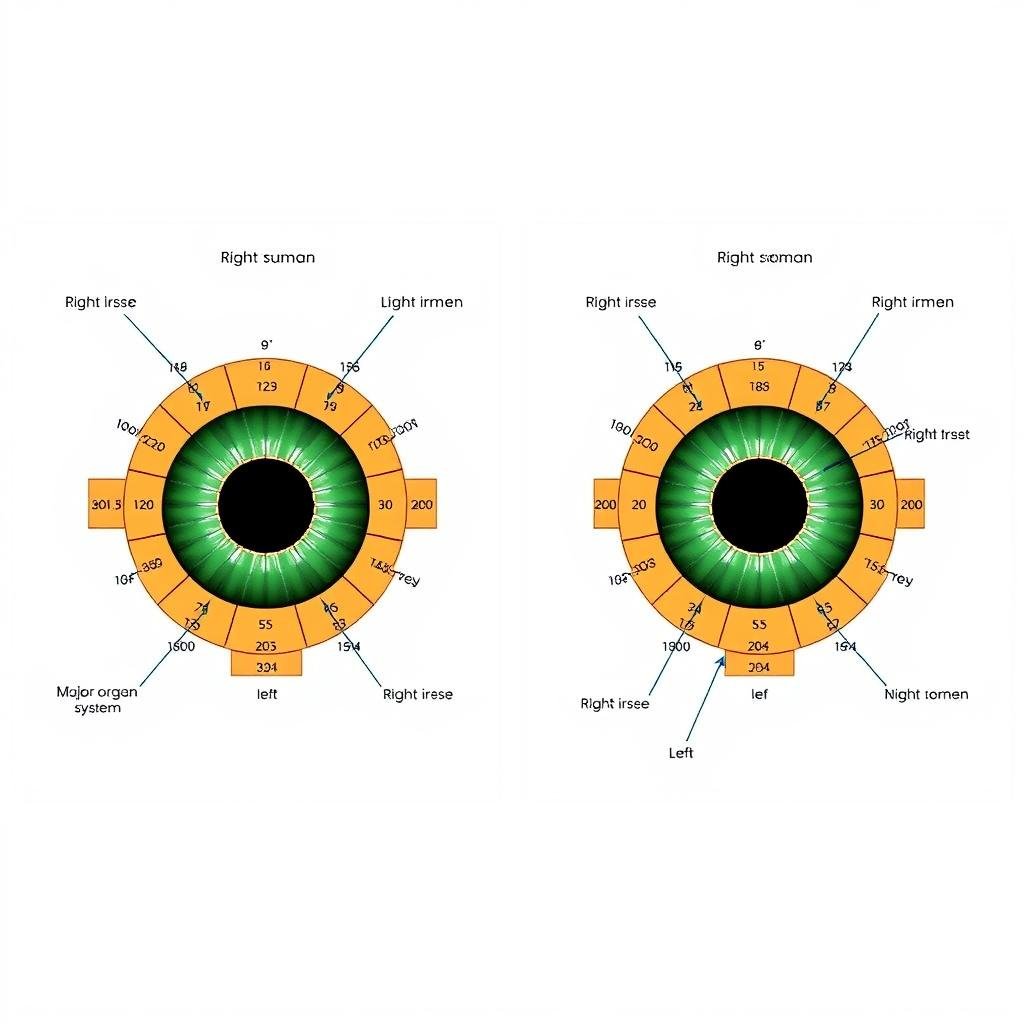
Iridology charts typically divide the iris into approximately 80-90 zones, resembling a clock face. Each zone corresponds to specific organs, glands, and body systems. The right iris generally reflects the right side of the body, while the left iris corresponds to the left side.

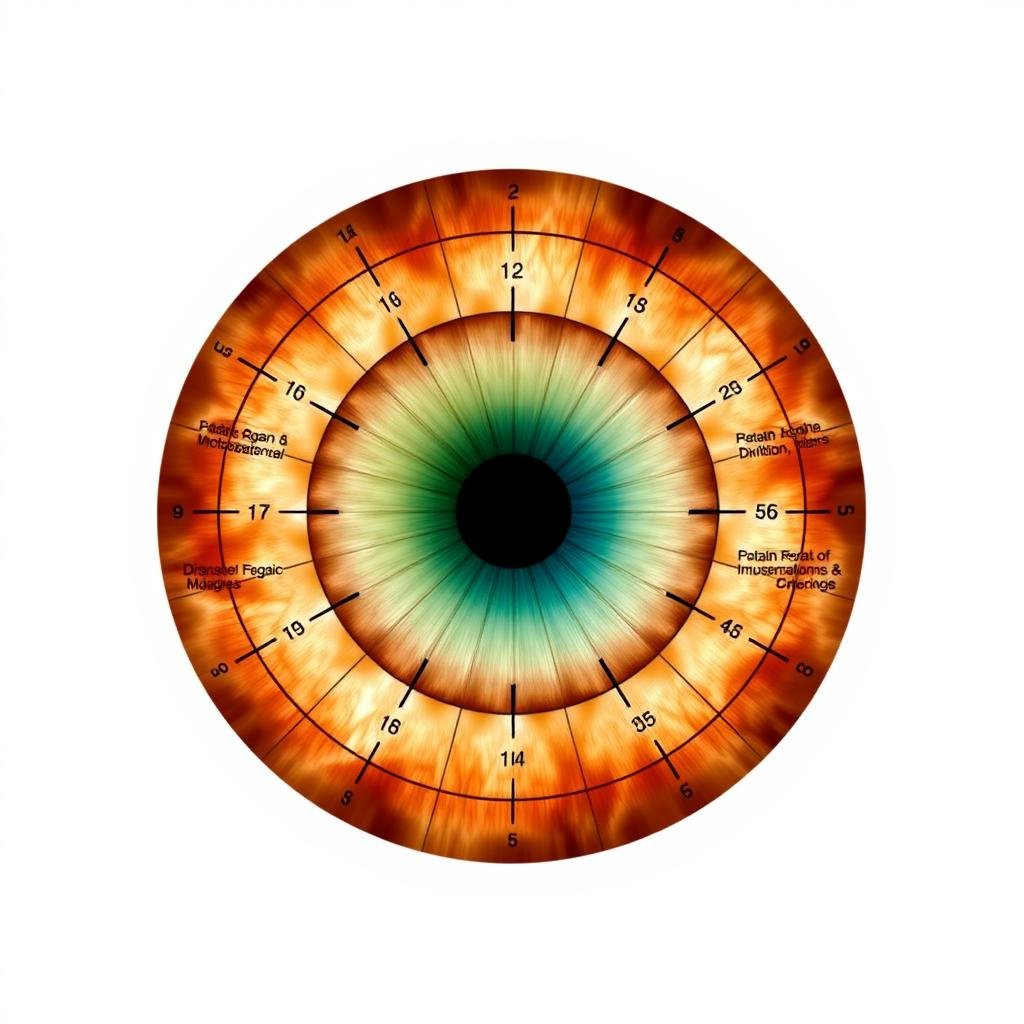
Key Zones of the Iridology Map
Zóny pravej dúhovky
- Horný región (12 hodín): Mozog, hlava a dutiny
- Upper Right (1-3 o’clock): Lungs, bronchi, and throat
- Pravá strana (3 hodiny): Pečeň a žlčník
- Lower Right (4-6 o’clock): Appendix, ascending colon, and right leg
- Bottom (6 o’clock): Reproductive and elimination systems
Zóny ľavej dúhovky
- Horný región (12 hodín): Mozog, cerebrálny obeh
- Upper Left (9-11 o’clock): Heart and left lung
- Ľavá strana (9 hodín): Stomach and spleen
- Lower Left (6-8 o’clock): Descending colon and left leg
- Bottom (6 o’clock): Reproductive and elimination systems
The iris is also divided into concentric rings, with areas closer to the pupil representing internal organs and digestive systems, while the outer rings correspond to skin, muscles, and extremities. The density, color, and structure of fibers in these zones are analyzed for potential health insights.
To make diagnosis more accurate, iridológia is often use in conjunction with other diagnostic methods.

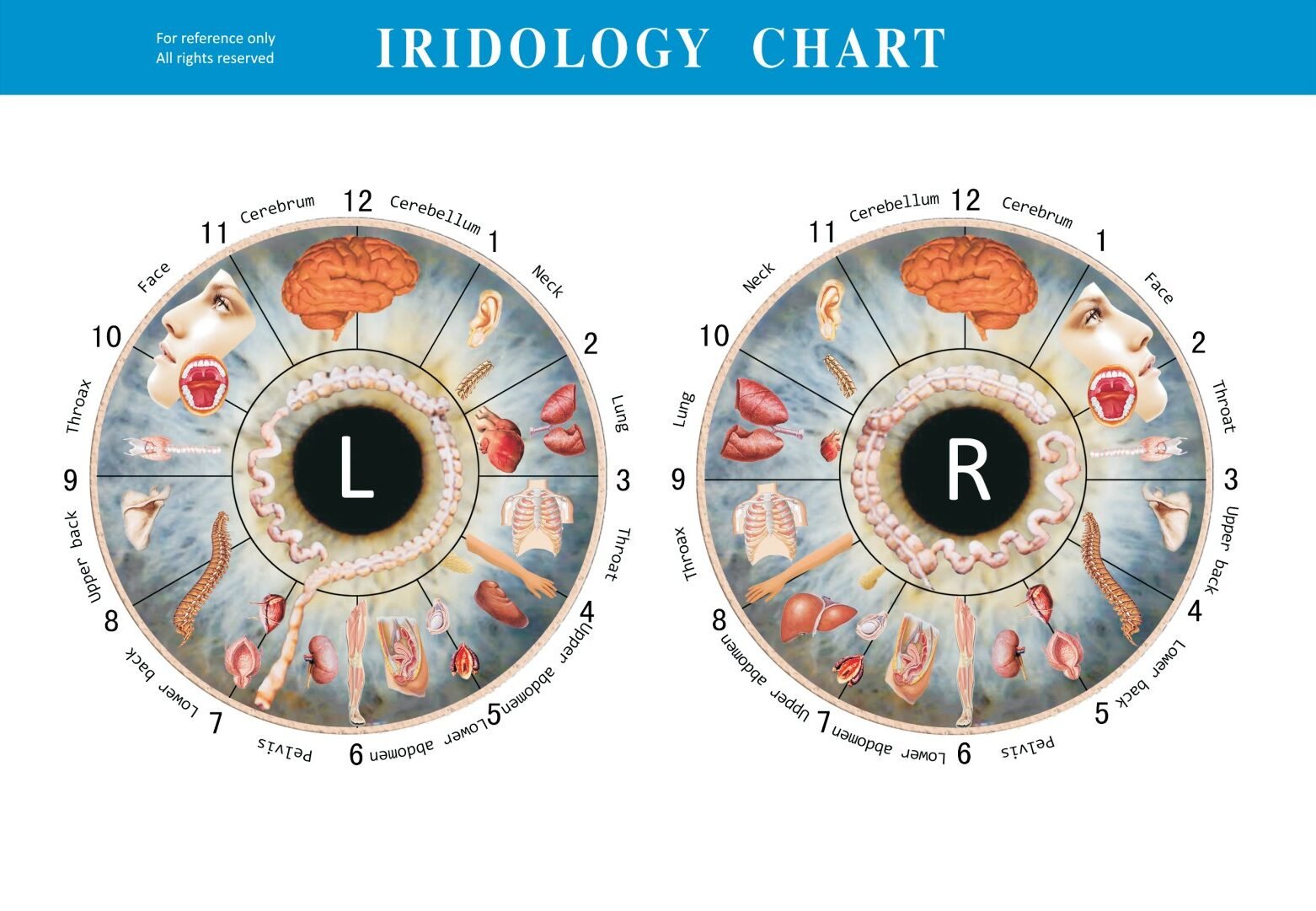
Iridologický graf pravé oko -Iridology Graf -pravé oko
pravé oko odrážať pravá strana telo.
| Poloha hodín (pravé oko) | Zodpovedá orgánu/systému | Podrobnosti |
|---|---|---|
| 1 hodiny - 2 hodiny | Pravá tvár | Zodpovedá ľavým reprodukčným orgánom, zahŕňa maternicu, vaječníky (ženy) alebo semenníky (muž). |
| 2 hodiny - 3 hodiny | Pravý krk |
Ringflects Health ľavé kĺby, zahŕňajú kolená, boky, lakte a ramená. |
| 3 hodiny - 4 hodiny | Pravý horný chrbát |
Zodpovedá chrbtici, zdraviu chrbtice, zarovnania a flexibility. |
| 4 hodiny - 5 hodín | Pravý močový mechúr | Ringflects močový mechúr a močový systém na pravej strane. |
| 5 hodín - 6 hodín | Pravá panvová | Ringsents vľavo hrubé črevo, tenké črevo a zdravie trávenia. |
| 6 hodín - 7 hodín | Pravé dolné brucho |
Ringflecty vľavo obličky, zamerané na filtráciu, detoxikáciu a rovnováhu tekutín. |
| 7 hodín - 8 hodín | Pravé horné brucho |
Ringflekty žalúdka a tráviace orgány na ľavej strane. |
| 8 hodín - 9 hodín | Pravý hrudník | Zodpovedá ľavej bočnej pečeni, zodpovednej detoxikácii a výrobe žlče. |
| 9 hodín - 10 hodín | Pravá pľúca | Ringsents na ľavej strane srdca, ovplyvňujú kardiovaskulárne zdravie a obeh. |
| 10 hodín - 11 hodín | Pravý krk | Ringflekty ľavého pľúc, zdravie dýchacích ciest a funkcia breasu. |
| 11 hodín - 12 hodín | Pravý mozog |
Zodpovedá mozgu ľavej hemisféry, duševného zdravia a kognitívnych funkcií. |
| 12 hodín - 1 hodiny | Pravý mozog |
Zodpovedá mozgu ľavej hemisféry, duševného zdravia a kognitívnych funkcií. |
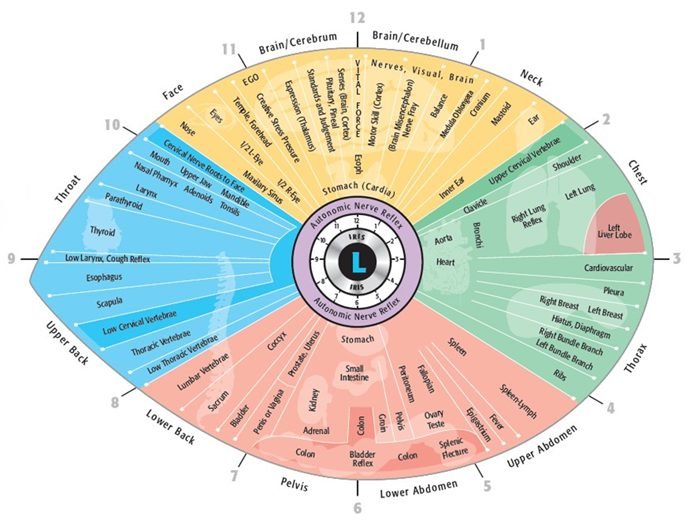
Iridologická tabuľka ľavé oko – iridologická tabuľka – ľavé oko
ľavé oko odrážať ľavá strana telo.
| Poloha hodín (ľavé oko) | Zodpovedá orgánu/systému | Podrobnosti |
|---|---|---|
| 1 hodiny - 2 hodiny | Ľavý KRK |
Zodpovedá správnym reprodukčným orgánom, vrátane maternice, vaječníkov (ženy) alebo semenníkov (mužov). |
| 2 hodiny - 3 hodiny | Ľavé PĽÚCA | Ovplyvňuje zdravie pravých kĺbov, vrátane kolien, bokov, lakťov a ramien. |
| 3 hodiny - 4 hodiny | Ľavý THORAX | Zodpovedá chrbtici, zdraviu chrbtice, vyrovnaniu a flexibilite na pravej strane. |
| 4 hodiny - 5 hodín | Ľavá HORNÁ BRÚCHA |
Odráža močový mechúr a ľavý močový systém. |
| 5 hodín - 6 hodín | Ľavá DOLNÁ BRUCHA |
Prsteň predstavuje pravé hrubé črevo, tenké črevo a zdravie tráviaceho traktu. |
| 6 hodín - 7 hodín | Ľavá PANVA |
Ovplyvňuje pravú obličku, zameriava sa na filtráciu, detoxikáciu a rovnováhu tekutín. |
| 7 hodín - 8 hodín | Ľavá DOLNÁ CHRBTA |
Krúžok odráža žalúdok a tráviace orgány na pravej strane. |
| 8 hodín - 9 hodín | Ľavá HORNÁ CHRBTA |
Zodpovedá pravej strane pečene, zodpovednej detoxikácii a tvorbe žlče. |
| 9 hodín - 10 hodín | Ľavé HRDLO |
Prsteň predstavuje pravú stranu srdca, ovplyvňuje kardiovaskulárne zdravie a krvný obeh. |
| 10 hodín - 11 hodín | Ľavá TVÁR | Ovplyvňuje pravé pľúca, dýchacie cesty a funkciu dýchania. |
| 11 hodín - 12 hodín | Vľavo CEREBRUM | Zodpovedá pravej hemisfére mozgu, duševnému zdraviu a kognitívnym funkciám. |
| 12 hodín - 1 hodiny | Vľavo CEREBRUM | Zodpovedá pravej hemisfére mozgu, duševnému zdraviu a kognitívnym funkciám. |
- Pravé oko: Prstene Pravá strana telo (napr. Správne oblička, Správne pľúca, Správne reprodukčné orgány atď.).
- Left Eye: Prstene Left side telo (napr. Vľavo oblička, Vľavo pľúca, Vľavo reprodukčné orgány atď.).
Visual Representation of an Iridology Chart
Below is a simplified representation of how an iridology map divides the iris. This diagram illustrates the basic zones and their corresponding body systems:
                BRAIN (12)
              /          \
    LUNGS (11)            SINUSES (1)
            /              \
  HEART (10)                THROAT (2)
          /                  \
STOMACH (9)                  LIVER (3)
        /                      \
PANCREAS (8)                  GALLBLADDER (4)
        \                      /
    COLON (7)                INTESTINES (5)
          \                  /
            \   BLADDER    /
             \    (6)     /
              -----------
This simplified ASCII representation shows how the iris is divided like a clock face, with each position corresponding to different body systems. Professional iridology charts are much more detailed, often including sub-zones and color indicators for various conditions.
Claimed Benefits of Using Iridology Maps for Health Analysis
Proponents of iridology suggest several potential benefits of using iris analysis as part of a holistic health assessment. While scientific validation remains limited, many practitioners and clients report value in the following aspects:
Early Detection of Imbalances
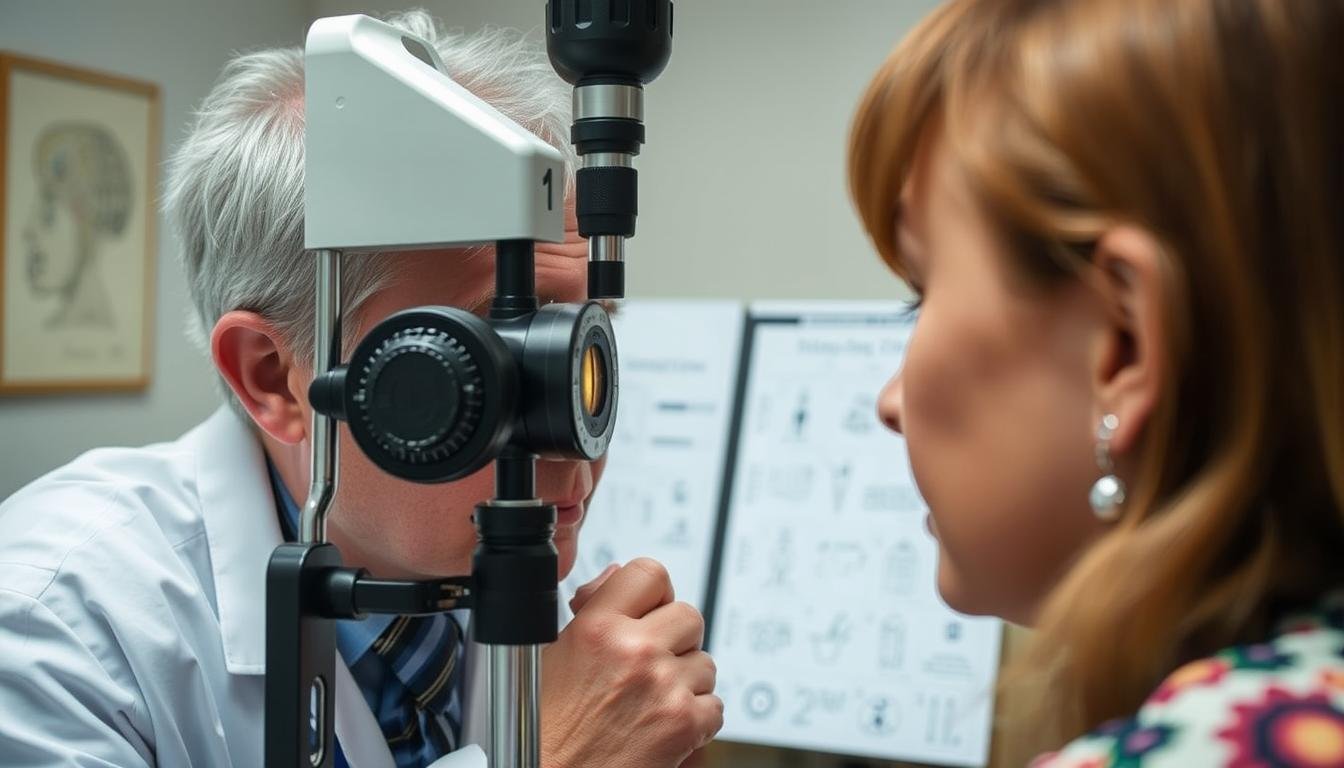
Iridology advocates claim that changes in the iris may appear before physical symptoms develop, potentially allowing for preventative measures before conditions worsen. The iris may show signs of inflammation, toxin accumulation, or organ stress that haven’t yet manifested as noticeable symptoms.
Hodnotenie holistického zdravia
Unlike tests that focus on specific conditions, iridology maps provide a comprehensive overview of the entire body. This holistic approach may help identify patterns and connections between different systems, potentially revealing how issues in one area affect others.
Non-Invasive Screening
Iridology is completely non-invasive, requiring only visual examination of the iris. There’s no discomfort, no exposure to radiation, and no need for blood draws or tissue samples, making it an appealing complementary assessment for those seeking gentle health screening options.
Download Our Free Iridology Guide
Get our comprehensive beginner’s guide to understanding iridology maps and what they might reveal about your health.
Scientific Criticisms and Limitations of Iridology
Despite its popularity in alternative health circles, iridology faces significant criticism from the scientific and medical communities. Understanding these limitations is essential for making informed decisions about its use:
Potenciálne silné stránky
- Non-invasive assessment technique
- Môže povzbudiť preventívne povedomie o zdraví
- Môže dopĺňať iné zdravotné hodnotenia
- Promotes holistic view of health connections
Vedecké obmedzenia
- Lack of controlled scientific studies validating claims
- No standardized iridology maps across practitioners
- Double-blind studies have failed to show diagnostic accuracy
- No established physiological mechanism for iris-organ connections
- Risk of missing serious conditions or delaying proper treatment
Several controlled studies have tested iridologists’ ability to detect specific conditions through iris analysis. A notable study published in the Journal of the American Medical Association found that iridologists could not consistently identify patients with kidney disease from their irises. Similar studies have shown that iridology readings often don’t correlate with confirmed medical diagnoses.
The medical community generally considers iridology to lack scientific validity as a diagnostic tool. However, some practitioners view it as a complementary assessment that may provide insights when used alongside conventional medical care, rather than as a replacement.
Step-by-Step Instructions for Basic Self-Analysis Using an Iridology Map
While professional iridology typically requires trained practitioners, you can perform a basic self-examination to familiarize yourself with your iris patterns. Remember that this is for educational purposes only and should not replace proper medical care.
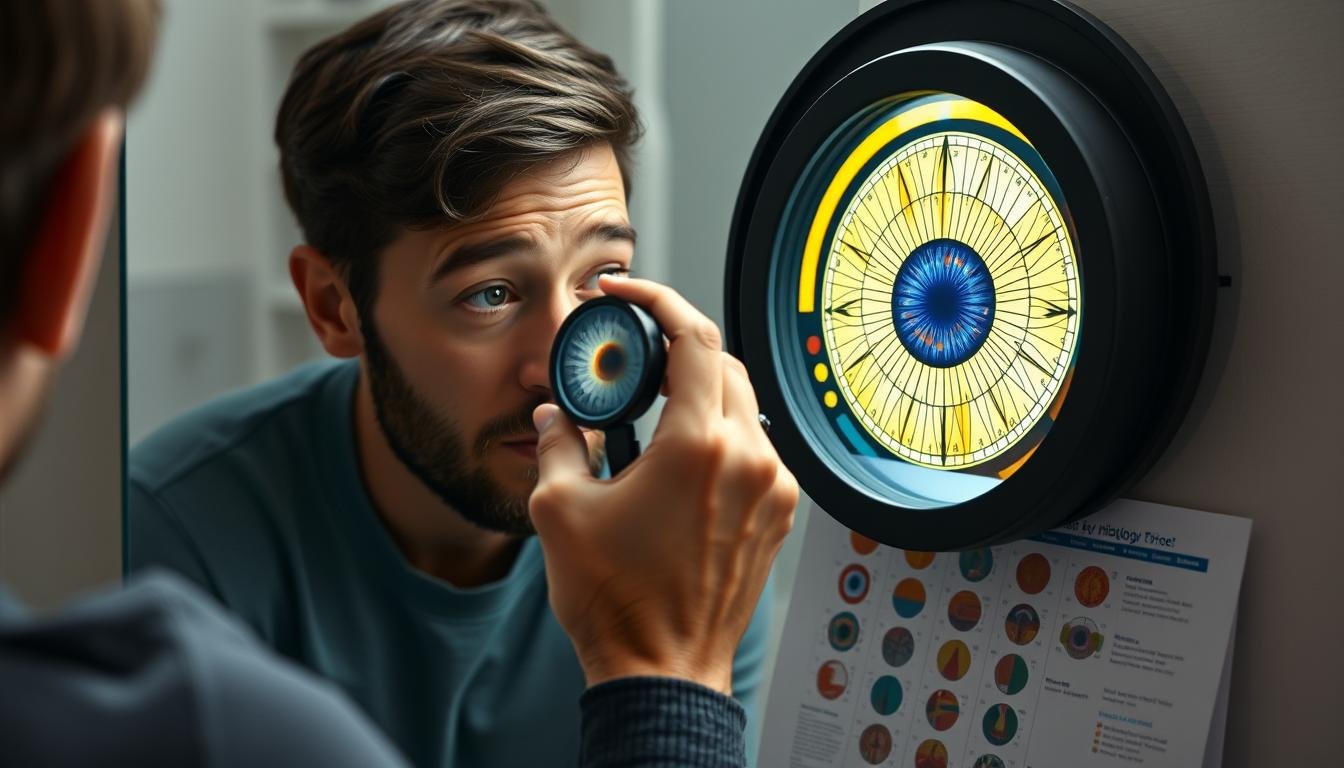
- Gather Your MaterialsYou’ll need a small flashlight, a magnifying mirror (5x to 10x magnification works best), good lighting, and a basic iridology chart for reference. Digital cameras with macro settings can also be helpful for capturing detailed iris images.
- Vytvorte správne osvetleniePosition yourself in a well-lit area, preferably with natural light. Avoid direct sunlight as it may cause your pupils to constrict too much. If using artificial light, position it at a 45-degree angle to your eye to minimize reflections.
- Examine Your Iris ColorNote your basic iris color (blue, brown, green, or mixed). According to iridology, different base colors may indicate different constitutional types and tendencies. Blue eyes typically show markings more clearly, while brown eyes may require more careful observation.
- Look for Major MarkingsObserve any prominent features such as dark spots, white lines, rings around the pupil or iris edge, and color variations. Compare these to an iridology chart to identify which body systems they might correspond to.
- Document Your ObservationsTake clear photos or make detailed notes about what you observe. This creates a baseline for future comparisons and helps track any changes that might occur over time.
Dôležité: Self-analysis should be considered educational rather than diagnostic. If you notice concerning health symptoms, always consult with a qualified healthcare provider rather than relying solely on iridology interpretations.
Get Professional Iris Analysis
For accurate interpretation of your iris patterns, consult with our certified iridology practitioners who use professional-grade equipment and comprehensive iridology maps.
Understanding Iris Colors and Patterns in Iridology
Iridology interprets not just the zones of the iris but also its colors, textures, and specific markings. These features are believed to provide additional insights into constitutional tendencies and potential health conditions.
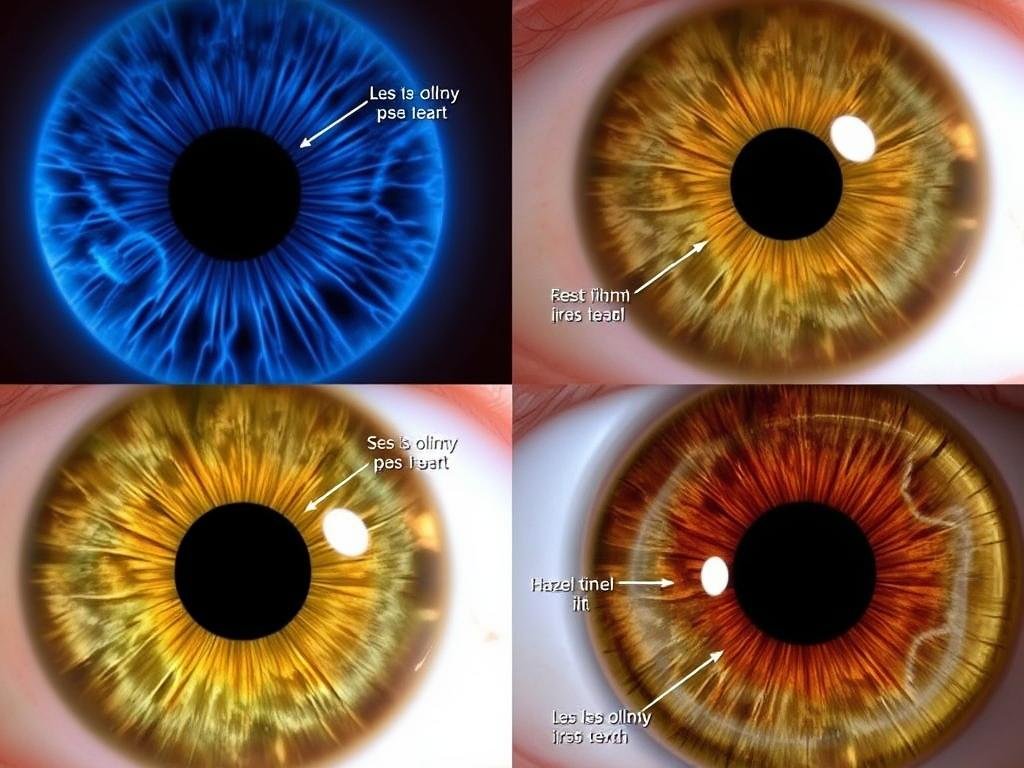
Common Iris Colors and Their Interpretations
| Dúhovka | Ústavný typ | Tradičná interpretácia |
| Modrá | Lymfatický | May indicate sensitivity to respiratory and lymphatic issues; often associated with European ancestry |
| Hnedá | Hematogénny | Associated with stronger digestive system but potential for liver and blood-related conditions |
| Zmiešané/orieškové | Žlčový | May indicate mixed constitutional strengths and weaknesses; often associated with digestive and liver sensitivity |
| Zelená | Zmiešaný | Combination of lymphatic and hematogenic types; may indicate balanced constitution with mixed tendencies |
Significant Iris Markings and Their Meanings
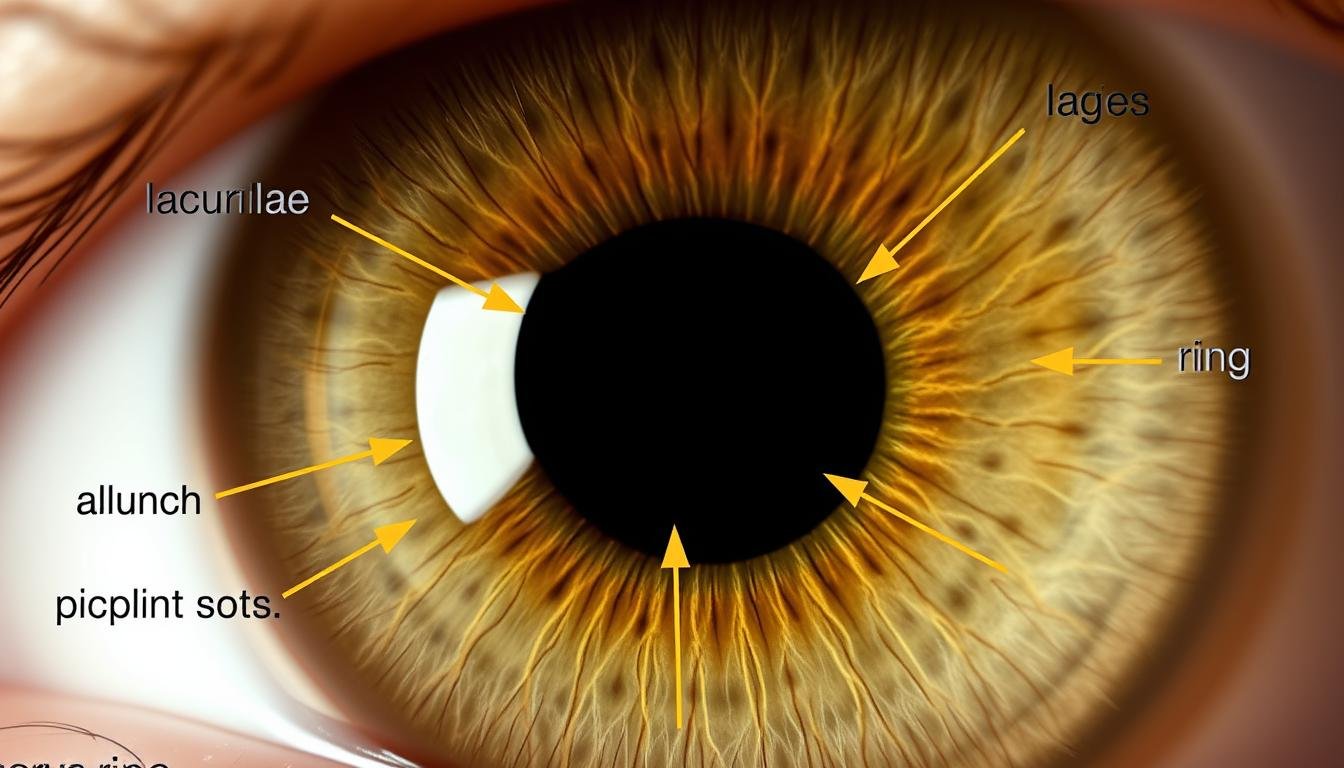
- Lacunae (Closed Lesions): Enclosed darkened areas that may indicate inherent weaknesses or genetic predispositions in specific organs
- Radii Solaris (Spokes): Lines radiating from the pupil that may suggest inflammation or irritation in corresponding organs
- Pigment Spots: Dark spots that might indicate toxin accumulation or areas of concern
- Nervové krúžky: Circular lines around the iris that may reflect stress, nervous tension, or adrenal fatigue
- Lymfatický ruženec: White dots forming a ring around the outer iris that might indicate lymphatic system congestion
Frequently Asked Questions About Iridology Maps
Here are answers to some common questions about iridology maps and their application in health assessment:
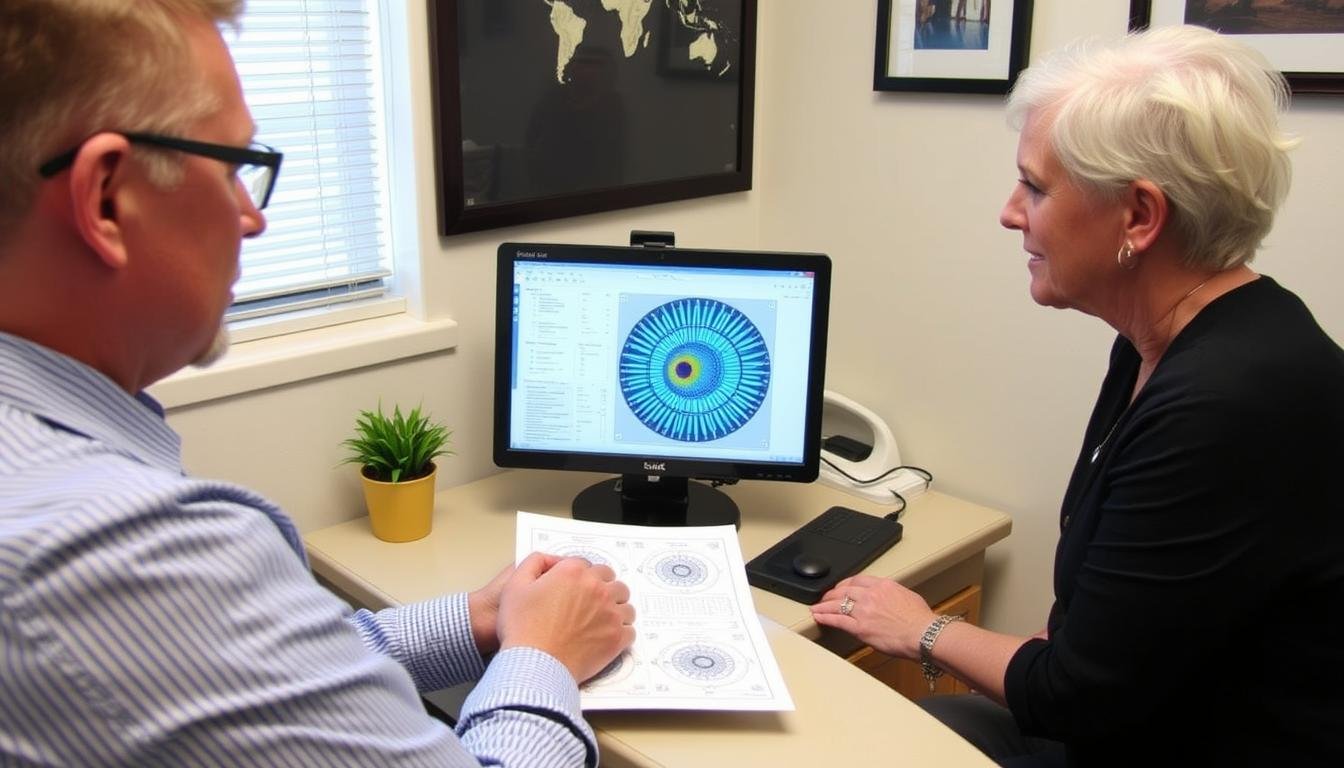
Can iridology maps diagnose diseases?
No, iridology maps cannot diagnose specific diseases. Iridology is considered a complementary assessment tool that may identify areas of weakness or stress in the body, but it cannot definitively diagnose medical conditions. Practitioners typically describe what they observe as “tendencies” alebo “predispositions” rather than diagnoses. Any concerning findings should be followed up with appropriate medical testing and evaluation by healthcare professionals.
Aké presné sú iridologické mapy?
The accuracy of iridology charts is a subject of debate. Scientific studies have generally not supported claims of diagnostic accuracy. Several controlled studies have shown that iridologists cannot consistently identify people with known medical conditions based on iris examination. However, proponents argue that iridology is not meant to diagnose specific diseases but rather to identify constitutional strengths and weaknesses. The lack of standardization among iridology charts and interpretation methods also affects consistency and reliability.
What do different iris colors and patterns indicate?
In iridology, different iris colors are associated with different constitutional types and potential health tendencies. Blue irises are often linked to lymphatic constitutions, brown to hematogenic (blood-related) types, and mixed colors to biliary types. Specific markings like spots, rings, and lines are interpreted as indicators of potential organ stress, inflammation, or inherent weaknesses. The location of these markings on the iridology map determines which body systems they might affect. However, these interpretations vary between different schools of iridology.
Menia sa vzory dúhovky v priebehu času?
There are differing views on whether iris patterns change significantly over time. Some iridologists believe that the basic structure and constitutional markings remain relatively stable throughout life, while others suggest that certain features can change to reflect developing health conditions. Most practitioners agree that acute conditions may cause temporary changes in iris appearance, such as changes in color brightness or clarity, while the fundamental structure remains consistent. Regular documentation of iris appearance can help track any potential changes.
Máte ďalšie otázky o iridológii?
Our experts are available to answer your questions about iridology maps and how they might benefit your holistic health journey.
Conclusion: The Place of Iridology Maps in Holistic Health
Iridology maps offer a fascinating perspective on the potential connections between iris patterns and overall health. While scientific validation remains limited, many find value in this holistic approach as a complementary tool for health awareness. The practice encourages individuals to take an active interest in their wellbeing and may highlight areas deserving attention.

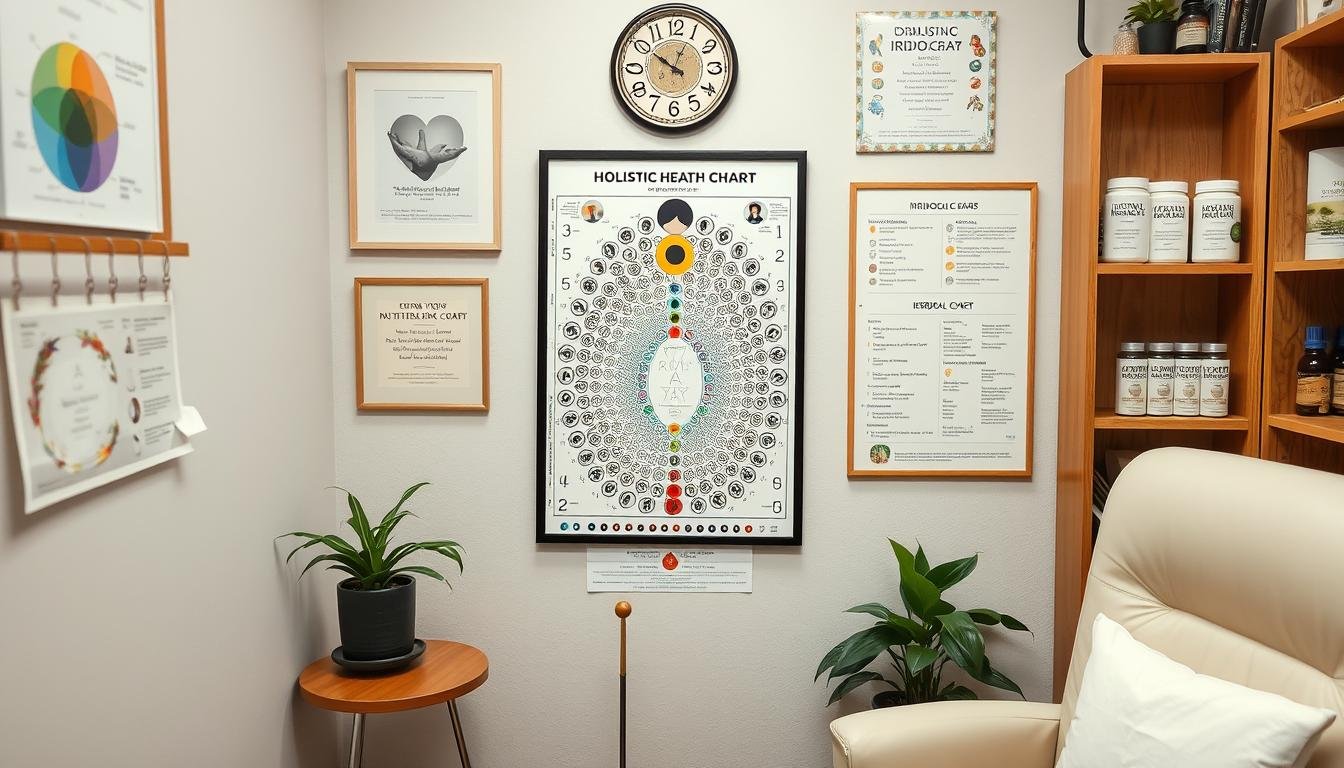
When approaching iridology, balance is key. Consider it as one piece of a larger health puzzle rather than a standalone diagnostic method. Always combine iris analysis with conventional medical care, especially for serious health concerns. The most responsible use of iridology maps is as a tool for health awareness that complements, rather than replaces, evidence-based healthcare.
Whether you’re a skeptic or an enthusiast, exploring the world of iridology maps can deepen your appreciation for the complexity of the human body and the many ways we seek to understand it. As with any health approach, informed decision-making and open communication with healthcare providers remain essential.
Begin Your Iridology Journey
Ready to explore what your iris might reveal about your health? Schedule a consultation with our certified iridology practitioners.
Request More Information About Iridology
Interested in learning more about iridology maps and how they might benefit your health journey? Fill out the form below, and our specialists will contact you with more information.
Address:Factory Building II, Jinshanlong Industrial Park, No.1, Xintang Village, Kratong Community, Fucheng Street, Longhua District shenzhen, 518000 GD,China
TEL:0086-0755-888-56563
Person to contact:Mark Luo
email:lucy@iriscope.org
Whatsapp/phone:0086-191-5490-1065
Copyright (c) 2004-2024 www.iriscope.org All Rights Reserved.