دوربین ایریدولوژی-حرفه ای Maikong تولید کننده و تأمین کننده Iriscope


پاسخ سریع: Historical Origins of Iridology Maps While some historical records suggest that forms of iris analysis existed in ancient Egypt, China, and India over 3,000 years ago, modern iridology is often credited to Hungarian physician Ignatz von Peczely. Book a Consultation How Iridology Maps Divide the Iris into Zones Iridology charts typically divide the iris into approximately 80-90 zones, resembling a clock face. For this requirement, buyers can evaluate MAIKONG's iridology chart / iridology and confirm specifications, configuration, documentation, delivery terms, and after-sales support directly with the factory.
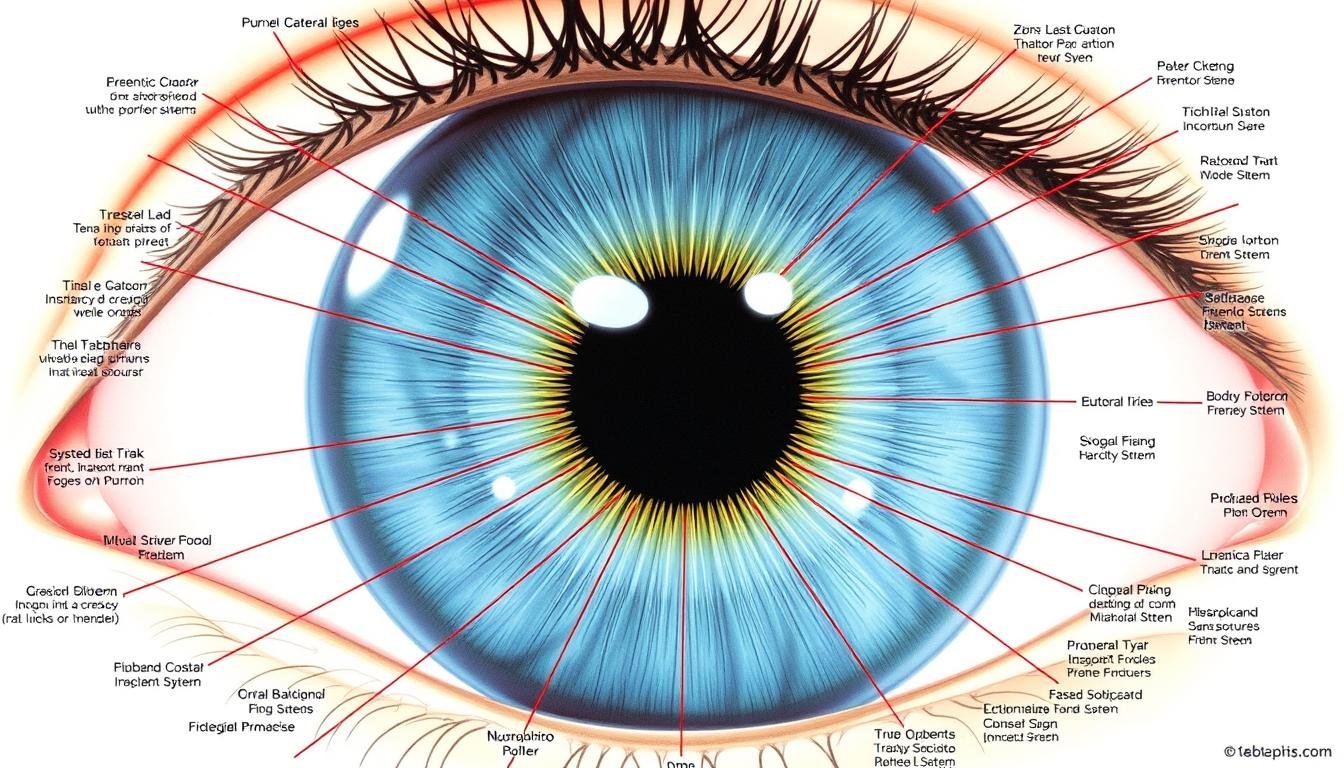
نقشه ایریدولوژی چیست؟
در نقشه ایریدولوژی به عنوان یک راهنمای مرجع عمل می کند که عنبیه را به چندین ناحیه تقسیم می کند که هر کدام مربوط به اندام ها و سیستم های مختلف بدن است. تمرینکنندگان از این نقشهها برای شناسایی نشانهها، تغییر رنگها و الگوهایی استفاده میکنند که ممکن است نشاندهنده عدم تعادل سلامتی یا نگرانیهای بالقوه در مناطق خاصی از بدن باشد.
مفهوم ایریدولوژی این است که عنبیه از طریق سیستم عصبی به هر اندام و بافتی متصل می شود و ظاهر آن منعکس کننده وضعیت این قسمت های بدن است. هنگامی که یک عضو استرس یا آسیب را تجربه می کند، تغییرات مربوطه ممکن است در عنبیه ظاهر شود که ایریدولوژیست ها با استفاده از نمودارهای تخصصی تفسیر می کنند.
خاستگاه های تاریخی نقشه های ایریدولوژی
در حالی که برخی از سوابق تاریخی نشان می دهد که اشکال تجزیه و تحلیل عنبیه در مصر باستان، چین و هند بیش از 3000 سال پیش وجود داشته است، iridology مدرن اغلب به پزشک مجارستانی Ignatz von Peczely نسبت داده می شود. در دهه 1860، فون پزلی در کودکی متوجه تغییراتی در عنبیه جغد پس از شکستگی پا شد. این مشاهدات علاقه او را به ارتباط بین علائم عنبیه و شرایط فیزیکی برانگیخت.
در سال 1880، فون پچلی اولین نمودار iridology مدرن را منتشر کرد که عنبیه را با اندام ها و سیستم های مختلف بدن ترسیم کرد. هومیوپات سوئدی Nils Liljequist به طور مستقل مفاهیم مشابهی را در همان زمان توسعه داد. در اوایل قرن بیستم، iridology در اروپا محبوبیت پیدا کرد و بعداً به آمریکای شمالی گسترش یافت، جایی که پزشکان مختلف سیستم های نقشه برداری را اصلاح و گسترش دادند.
الگوی عنبیه شخصی خود را کشف کنید
کنجکاو هستید که عنبیه شما چه چیزی را نشان می دهد؟ ایریدولوژیست های معتبر ما می توانند با استفاده از نقشه های iridology درجه حرفه ای تجزیه و تحلیل شخصی ارائه دهند.
چگونه نقشه های ایریدولوژی عنبیه را به مناطق تقسیم می کند
نمودارهای ایریدولوژی معمولاً عنبیه را به حدود 80 تا 90 منطقه تقسیم می کنند که شبیه صفحه ساعت است. هر ناحیه مربوط به اندام ها، غدد و سیستم های بدن خاصی است. عنبیه راست به طور کلی سمت راست بدن را منعکس می کند، در حالی که عنبیه چپ مربوط به سمت چپ است.

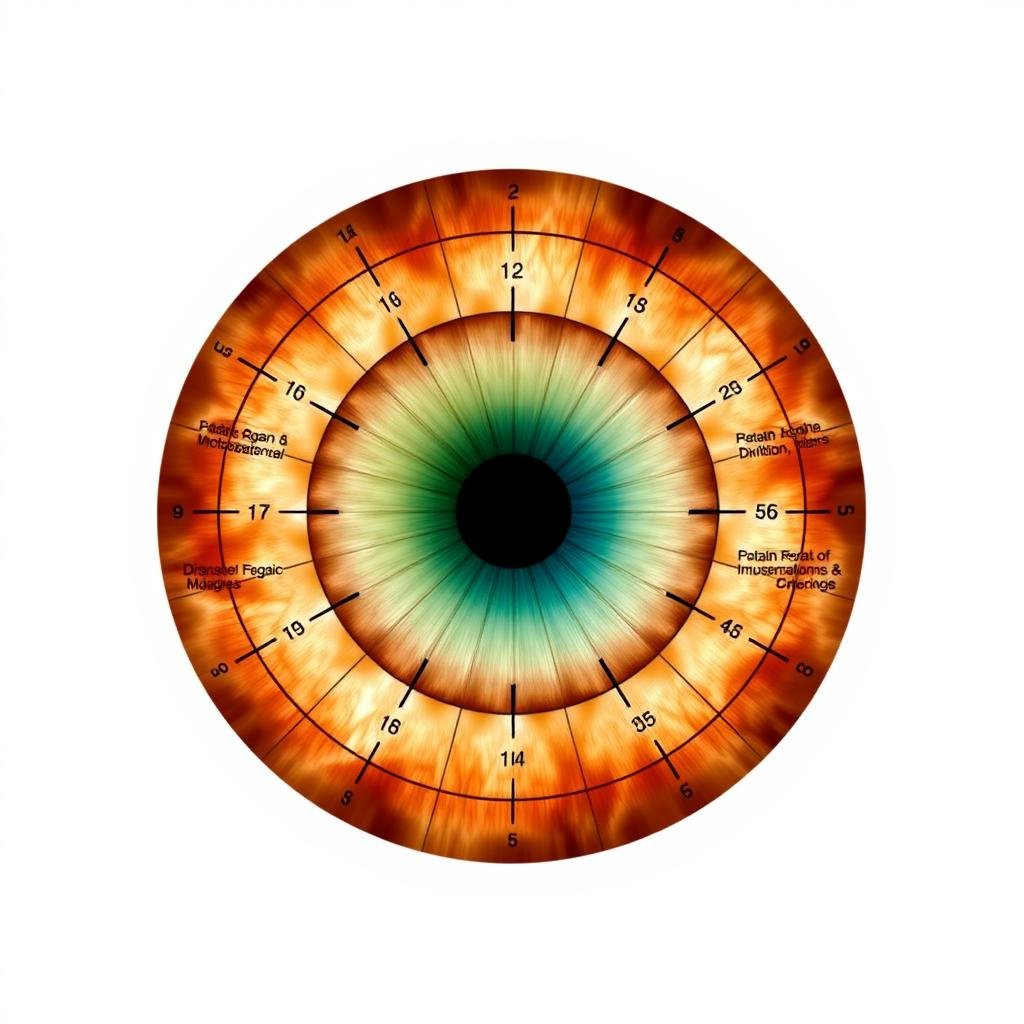
مناطق کلیدی نقشه ایریدولوژی
مناطق عنبیه راست
- منطقه برتر (ساعت 12): مغز ، سر و سینوس ها
- بالا سمت راست (ساعت 1-3): ریه ها، برونش ها و گلو
- سمت راست (ساعت 3): کبد و کیسه صفرا
- پایین سمت راست (ساعت 4-6): آپاندیس، روده بزرگ صعودی و پای راست
- پایین (ساعت 6): سیستم های تولید مثل و دفع
مناطق عنبیه چپ
- منطقه برتر (ساعت 12): مغز، گردش خون مغزی
- بالا سمت چپ (ساعت 9-11): قلب و ریه چپ
- سمت چپ (ساعت 9): معده و طحال
- پایین سمت چپ (ساعت 6-8): کولون نزولی و پای چپ
- پایین (ساعت 6): سیستم های تولید مثل و دفع
عنبیه نیز به حلقههای متحدالمرکزی تقسیم میشود که نواحی نزدیکتر به مردمک نمایانگر اندامهای داخلی و دستگاه گوارش هستند، در حالی که حلقههای بیرونی مربوط به پوست، ماهیچهها و اندامها هستند. چگالی، رنگ، و ساختار الیاف در این مناطق برای بینش سلامت بالقوه تجزیه و تحلیل شده است.
برای تشخیص دقیق تر، نمودار ایریدولوژی اغلب همراه با سایر روش های تشخیصی استفاده می شود.

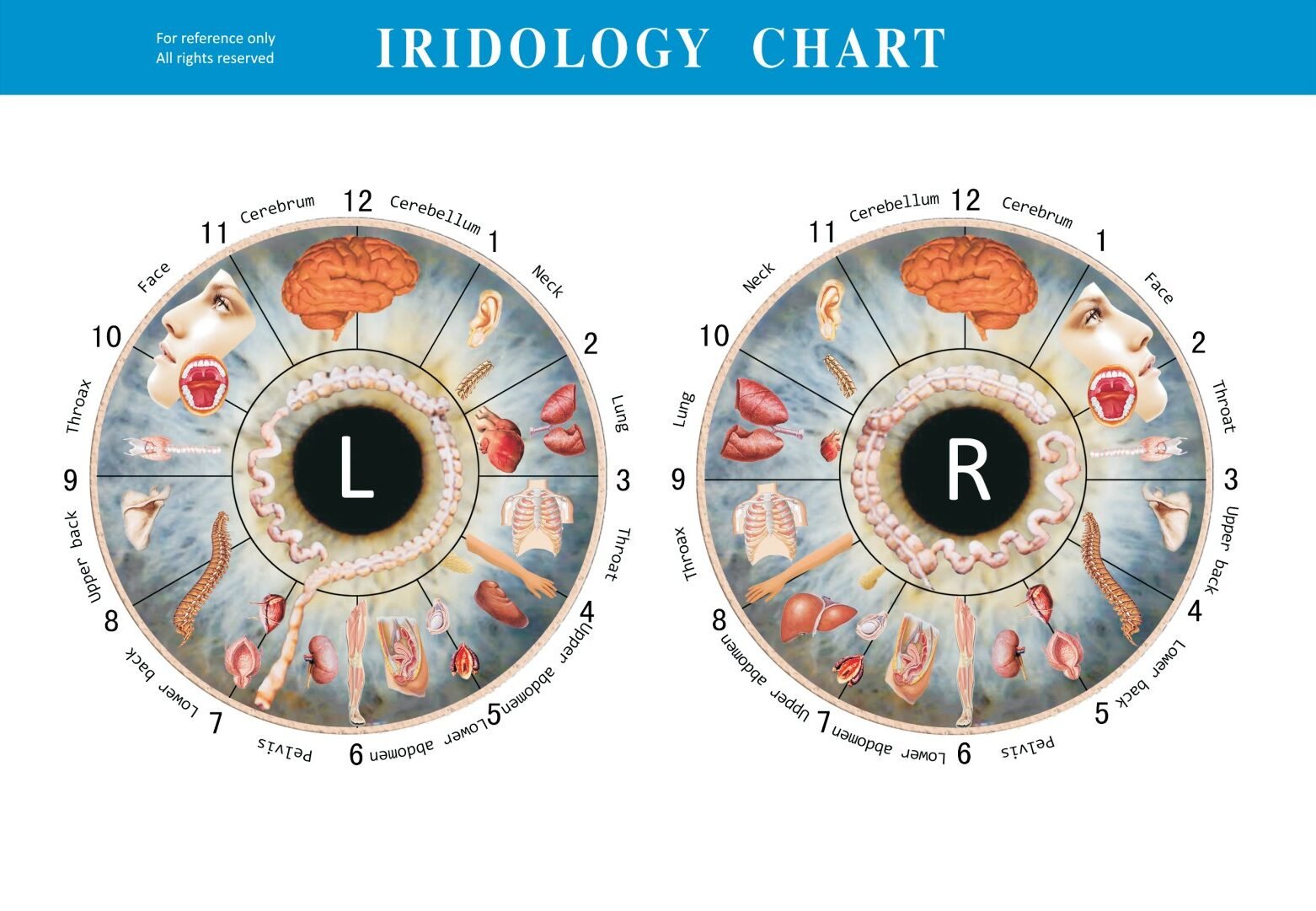
نمودار Iridology نمودار چشم راست -چشم راست -چشم راست
چشم راست بازتاب دادن سمت راست بدن
| موقعیت ساعت (چشم راست) | ارگان/سیستم مطابقت دارد | جزئیات |
|---|---|---|
| ساعت 1 - ساعت 2 | صورت راست | مطابق با اندامهای تولید مثل چپ ، شامل رحم ، تخمدان (زن) یا بیضه (مرد) است. |
| ساعت 2 - ساعت 3 | گلو راست |
مفاصل سمت چپ سلامت ، شامل زانوها ، باسن ، آرنج و شانه ها است. |
| ساعت 3 - ساعت 4 | بالا |
مربوط به ستون فقرات ، سلامت ستون فقرات ، تراز و انعطاف پذیری است. |
| ساعت 4 - ساعت 5 | مثانه | سیستم ادرار مثانه و سمت راست. |
| ساعت 5 - ساعت 6 | لگن راست | Ringpresents سمت چپ روده بزرگ ، روده کوچک و سلامت گوارشی. |
| ساعت 6 - ساعت 7 | شکم پایین راست |
حلقه های حلقه ای چپ ، تمرکز بر روی تصفیه ، سم زدایی و تعادل سیال. |
| ساعت 7 - ساعت 8 | شکم فوقانی راست |
حلقه های معده و دستگاه های گوارشی در سمت چپ. |
| ساعت 8 - ساعت 9 | قفسه سینه راست | مربوط به کبد سمت چپ ، سم زدایی مسئول و تولید صفرا است. |
| ساعت 9 - ساعت 10 | ریه | حلقه های حلقه ای قلب سمت چپ ، بر سلامت قلبی عروقی و گردش خون تأثیر می گذارد. |
| ساعت 10 - ساعت 11 | گردن راست | حلقه های حلقه سمت چپ ریه ، سلامت تنفسی و عملکرد Brea. |
| ساعت 11 - ساعت 12 | مغز راست |
مطابق با مغز نیمکره چپ ، سلامت روان و عملکردهای شناختی است. |
| ساعت 12 - ساعت 1 | مغز راست |
مطابق با مغز نیمکره چپ ، سلامت روان و عملکردهای شناختی است. |
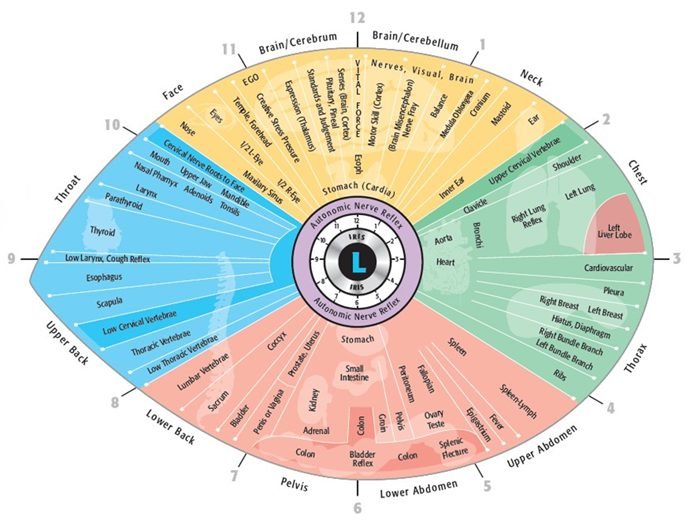
نمودار ایریدولوژی چشم چپ - نمودار ایریدولوژی - چشم چپ
چشم چپ بازتاب دادن سمت چپ بدن
| موقعیت ساعت (چشم چپ) | ارگان/سیستم مطابقت دارد | جزئیات |
|---|---|---|
| ساعت 1 - ساعت 2 | گردن چپ |
مطابق با اندامهای تولید مثل راست ، شامل رحم ، تخمدان (زن) یا بیضه (مرد) است. |
| ساعت 2 - ساعت 3 | ریه سمت چپ | مفاصل راست سلامت ، شامل زانوها ، باسن ، آرنج و شانه ها است. |
| ساعت 3 - ساعت 4 | قفسه سینه چپ | مربوط به ستون فقرات ، سلامت ستون فقرات ، تراز و انعطاف پذیری در سمت راست است. |
| ساعت 4 - ساعت 5 | شکم فوقانی چپ |
سیستم ادرار مثانه و سمت چپ. |
| ساعت 5 - ساعت 6 | شکم پایین چپ |
RingPresents راست روده بزرگ ، روده کوچک و سلامت گوارشی. |
| ساعت 6 - ساعت 7 | لگن چپ |
حلقه های حلقه ای راست ، تمرکز بر روی تصفیه ، سم زدایی و تعادل سیال. |
| ساعت 7 - ساعت 8 | کمر چپ |
حلقه های معده و دستگاه گوارش در سمت راست. |
| ساعت 8 - ساعت 9 | پشتی چپ |
مربوط به کبد سمت راست ، سم زدایی مسئول و تولید صفرا است. |
| ساعت 9 - ساعت 10 | گلو چپ |
Ringpresents قلب سمت راست ، بر سلامت قلبی عروقی و گردش خون تأثیر می گذارد. |
| ساعت 10 - ساعت 11 | صورت چپ | Ringflects راست ریه ، سلامت تنفسی و عملکرد Brea. |
| ساعت 11 - ساعت 12 | مغزی | مربوط به مغز نیمکره راست ، سلامت روان و عملکردهای شناختی است. |
| ساعت 12 - ساعت 1 | مغزی | مربوط به مغز نیمکره راست ، سلامت روان و عملکردهای شناختی است. |
- چشم راست: حلقه منعکس می شود سمت راست بدن (به عنوان مثال درسته کلیه، درسته ریه، درسته اندام های تولید مثل و غیره).
- چشم چپ: حلقه منعکس می شود سمت چپ بدن (به عنوان مثال سمت چپ کلیه، سمت چپ ریه، سمت چپ اندام های تولید مثل و غیره).
نمایش تصویری نمودار ایریدولوژی
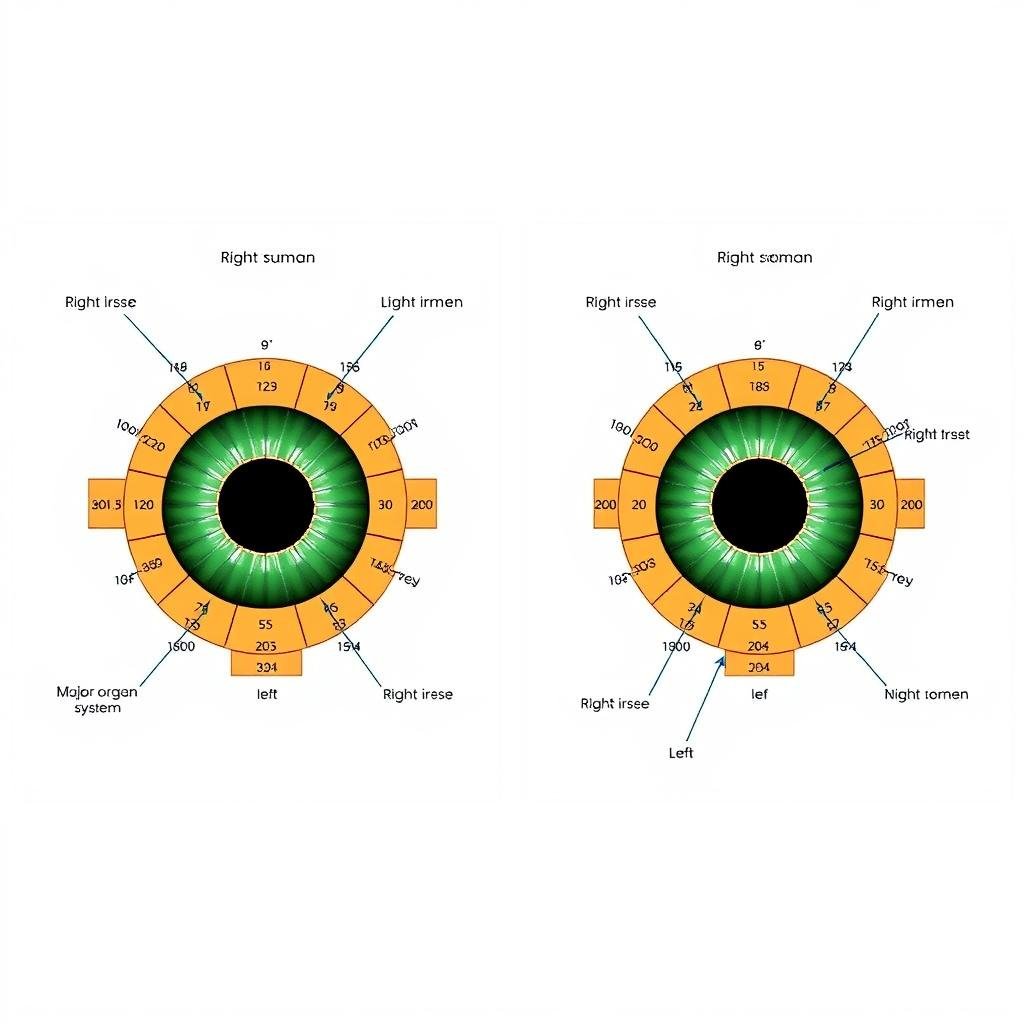
در زیر یک نمایش ساده از نحوه تقسیم عنبیه توسط نقشه ایریدولوژی وجود دارد. این نمودار مناطق اصلی و سیستم های بدن مربوط به آنها را نشان می دهد:
                BRAIN (12)
              /          \
    LUNGS (11)            SINUSES (1)
            /              \
  HEART (10)                THROAT (2)
          /                  \
STOMACH (9)                  LIVER (3)
        /                      \
PANCREAS (8)                  GALLBLADDER (4)
        \                      /
    COLON (7)                INTESTINES (5)
          \                  /
            \   BLADDER    /
             \    (6)     /
              -----------
This simplified ASCII representation shows how the iris is divided like a clock face, with each position corresponding to different body systems. Professional iridology charts are much more detailed, often including sub-zones and color indicators for various conditions.
Claimed Benefits of Using Iridology Maps for Health Analysis
Proponents of iridology suggest several potential benefits of using iris analysis as part of a holistic health assessment. While scientific validation remains limited, many practitioners and clients report value in the following aspects:
Early Detection of Imbalances
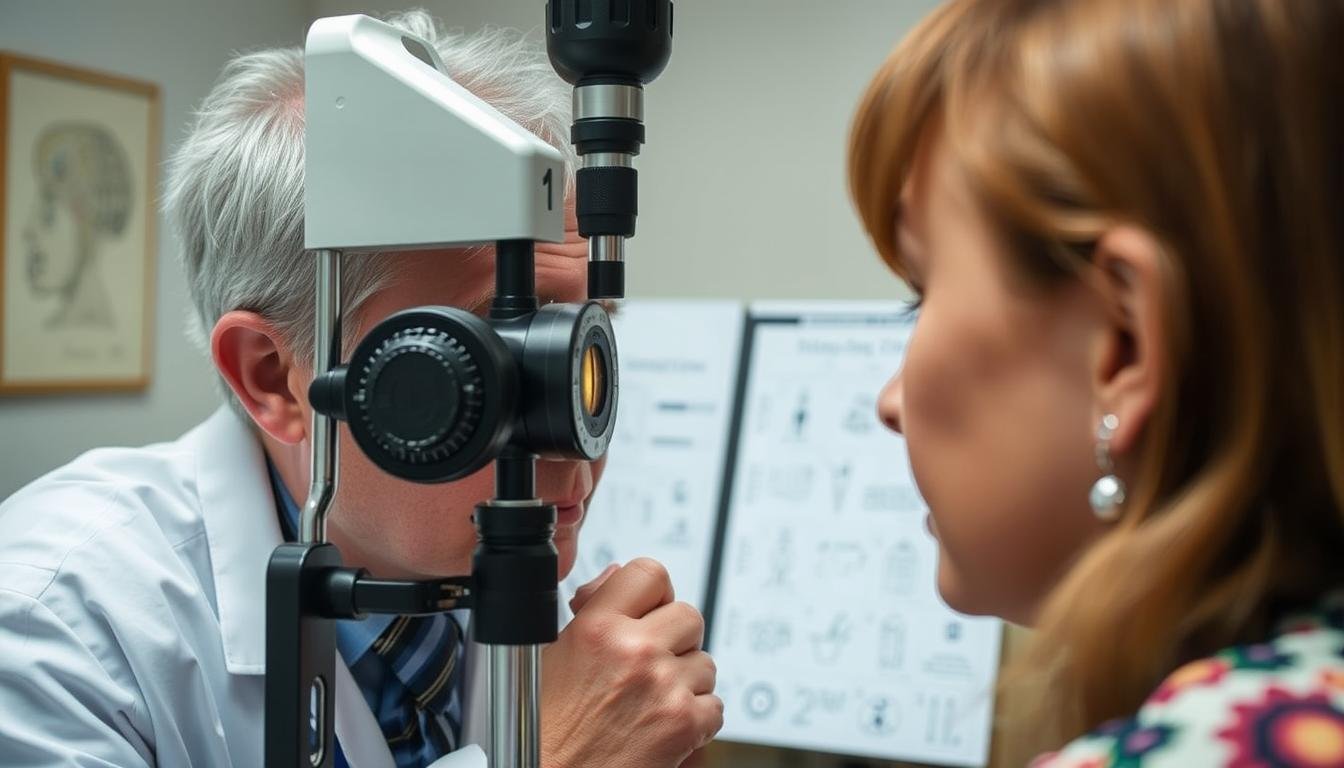
Iridology advocates claim that changes in the iris may appear before physical symptoms develop, potentially allowing for preventative measures before conditions worsen. The iris may show signs of inflammation, toxin accumulation, or organ stress that haven’t yet manifested as noticeable symptoms.
ارزیابی سلامت جامع
Unlike tests that focus on specific conditions, iridology maps provide a comprehensive overview of the entire body. This holistic approach may help identify patterns and connections between different systems, potentially revealing how issues in one area affect others.
Non-Invasive Screening
ایریدولوژی کاملاً غیر تهاجمی است و فقط به معاینه بصری عنبیه نیاز دارد. هیچ ناراحتی، قرار گرفتن در معرض تشعشع، و بدون نیاز به خون گیری یا نمونه بافت وجود ندارد، و این یک ارزیابی مکمل جذاب برای کسانی است که به دنبال گزینه های غربالگری ملایم سلامت هستند.
راهنمای رایگان ایریدولوژی ما را دانلود کنید
راهنمای مبتدی جامع ما را برای درک نقشههای iridology و آنچه ممکن است در مورد سلامت شما نشان دهد، دریافت کنید.
نقدهای علمی و محدودیت های ایریدولوژی
با وجود محبوبیت آن در محافل سلامت جایگزین، iridology با انتقادات قابل توجهی از سوی جوامع علمی و پزشکی مواجه است. درک این محدودیت ها برای تصمیم گیری آگاهانه در مورد استفاده از آن ضروری است:

نقاط قوت بالقوه
- Non-invasive assessment technique
- ممکن است آگاهی از سلامت پیشگیرانه را تشویق کند
- می تواند مکمل سایر ارزیابی های سلامت باشد
- Promotes holistic view of health connections
محدودیت های علمی
- Lack of controlled scientific studies validating claims
- No standardized iridology maps across practitioners
- Double-blind studies have failed to show diagnostic accuracy
- No established physiological mechanism for iris-organ connections
- Risk of missing serious conditions or delaying proper treatment
Several controlled studies have tested iridologists’ ability to detect specific conditions through iris analysis. A notable study published in the Journal of the American Medical Association found that iridologists could not consistently identify patients with kidney disease from their irises. Similar studies have shown that iridology readings often don’t correlate with confirmed medical diagnoses.
The medical community generally considers iridology to lack scientific validity as a diagnostic tool. However, some practitioners view it as a complementary assessment that may provide insights when used alongside conventional medical care, rather than as a replacement.
Step-by-Step Instructions for Basic Self-Analysis Using an Iridology Map
While professional iridology typically requires trained practitioners, you can perform a basic self-examination to familiarize yourself with your iris patterns. Remember that this is for educational purposes only and should not replace proper medical care.
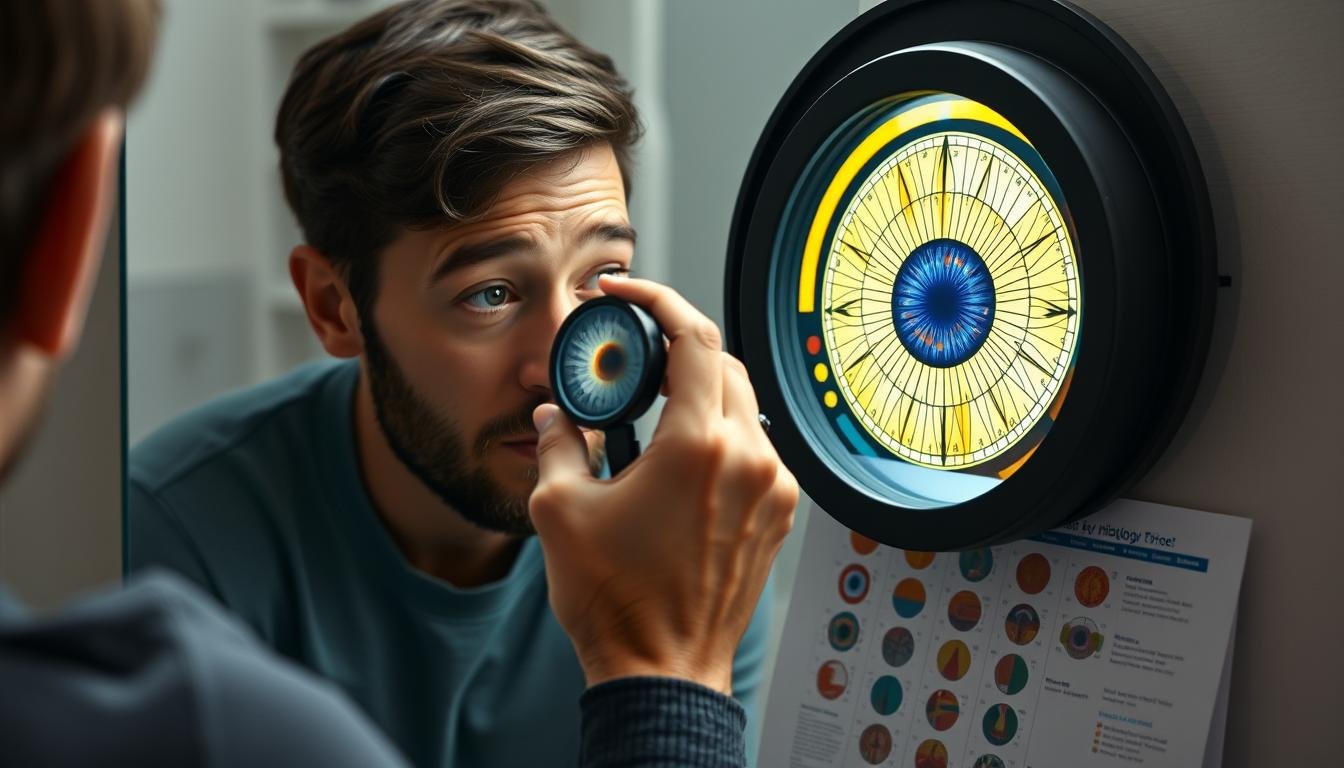
- Gather Your Materialsشما به یک چراغ قوه کوچک، یک آینه ذره بین (بزرگنمایی 5 تا 10 برابر بهترین عملکرد را دارد)، نور خوب و یک نمودار ایریدولوژی اولیه برای مرجع نیاز دارید. دوربین های دیجیتال با تنظیمات ماکرو نیز می توانند برای ثبت تصاویر دقیق عنبیه مفید باشند.
- نورپردازی مناسب ایجاد کنیدخود را در مکانی با نور مناسب، ترجیحا با نور طبیعی قرار دهید. از نور مستقیم خورشید خودداری کنید زیرا ممکن است باعث انقباض بیش از حد مردمک چشم شما شود. اگر از نور مصنوعی استفاده می کنید، آن را در زاویه 45 درجه نسبت به چشم خود قرار دهید تا بازتاب آن به حداقل برسد.
- رنگ عنبیه خود را بررسی کنیدبه رنگ اصلی عنبیه خود (آبی، قهوه ای، سبز یا مخلوط) توجه کنید. بر اساس iridology، رنگ های پایه مختلف ممکن است نشان دهنده انواع و گرایش های اساسی متفاوت باشد. چشمهای آبی معمولاً نشانهها را واضحتر نشان میدهند، در حالی که چشمهای قهوهای ممکن است نیاز به مشاهده دقیقتری داشته باشند.
- به دنبال نشانه های اصلی باشیدبه هر ویژگی برجسته مانند لکه های تیره، خطوط سفید، حلقه های اطراف مردمک یا لبه عنبیه و تنوع رنگ توجه کنید. اینها را با نمودار iridology مقایسه کنید تا مشخص کنید که با کدام سیستم های بدن مطابقت دارند.
- مشاهدات خود را مستند کنیدعکسهای واضح بگیرید یا درباره آنچه مشاهده میکنید یادداشتهای دقیق بگیرید. این یک خط پایه برای مقایسه های آینده ایجاد می کند و به ردیابی تغییراتی که ممکن است در طول زمان رخ دهد کمک می کند.
مهم: Self-analysis should be considered educational rather than diagnostic. If you notice concerning health symptoms, always consult with a qualified healthcare provider rather than relying solely on iridology interpretations.
Get Professional Iris Analysis
For accurate interpretation of your iris patterns, consult with our certified iridology practitioners who use professional-grade equipment and comprehensive iridology maps.
Understanding Iris Colors and Patterns in Iridology
Iridology interprets not just the zones of the iris but also its colors, textures, and specific markings. These features are believed to provide additional insights into constitutional tendencies and potential health conditions.
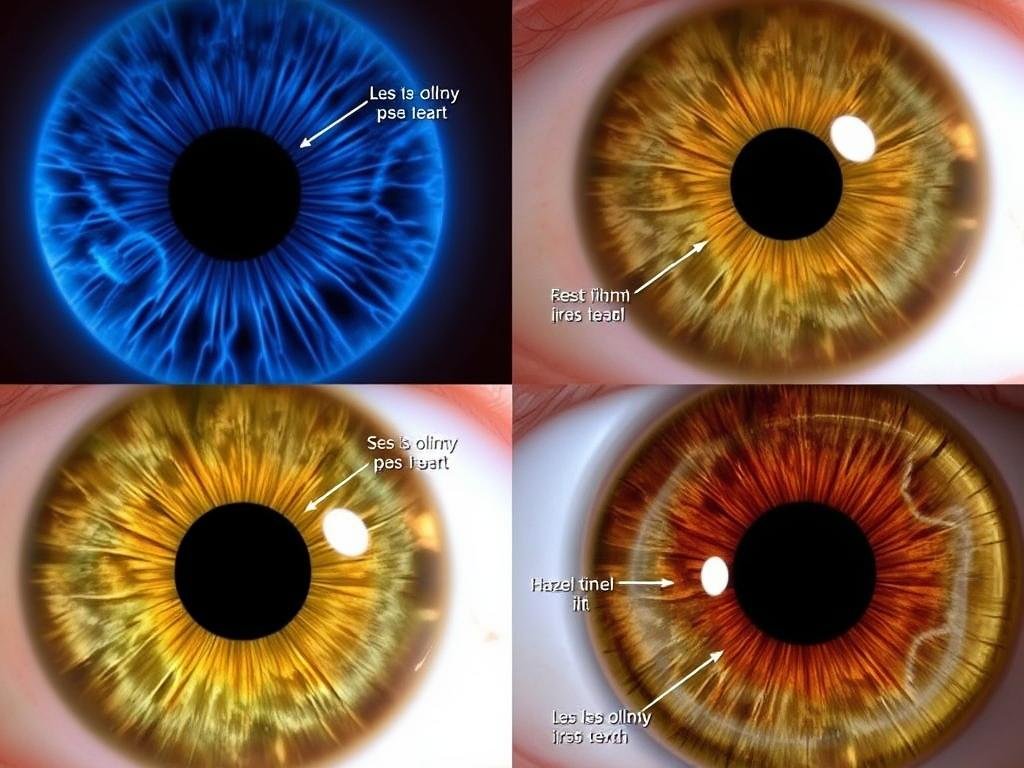
Common Iris Colors and Their Interpretations
| رنگ زنبق | نوع مشروطه | تفسیر سنتی |
| آبی | لنفاوی | May indicate sensitivity to respiratory and lymphatic issues; often associated with European ancestry |
| قهوه ای | خون زا | Associated with stronger digestive system but potential for liver and blood-related conditions |
| Mixed/Hazel | صفراوی | May indicate mixed constitutional strengths and weaknesses; often associated with digestive and liver sensitivity |
| سبز | مختلط | Combination of lymphatic and hematogenic types; may indicate balanced constitution with mixed tendencies |
Significant Iris Markings and Their Meanings
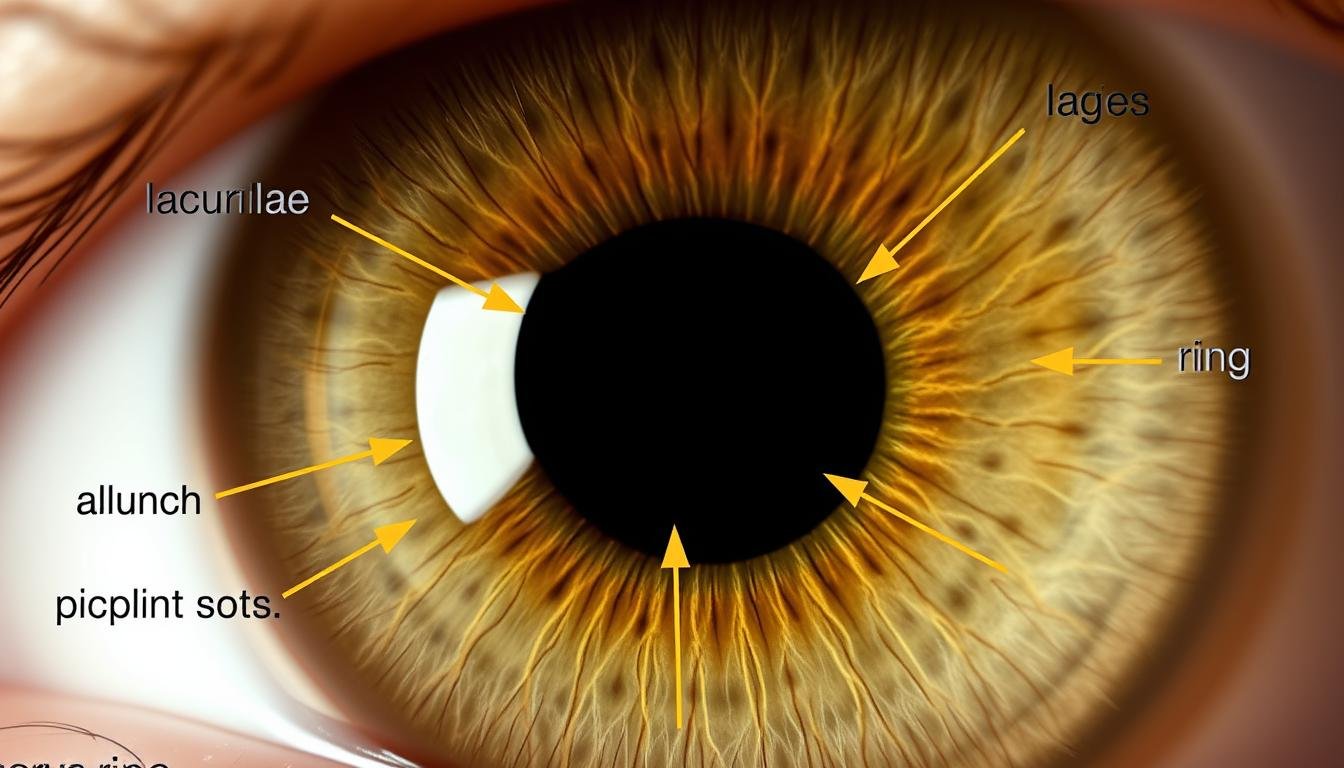
- Lacunae (Closed Lesions): Enclosed darkened areas that may indicate inherent weaknesses or genetic predispositions in specific organs
- Radii Solaris (Spokes): Lines radiating from the pupil that may suggest inflammation or irritation in corresponding organs
- Pigment Spots: Dark spots that might indicate toxin accumulation or areas of concern
- حلقه های عصبی: Circular lines around the iris that may reflect stress, nervous tension, or adrenal fatigue
- تسبیح لنفاوی: White dots forming a ring around the outer iris that might indicate lymphatic system congestion
Frequently Asked Questions About Iridology Maps
Here are answers to some common questions about iridology maps and their application in health assessment:
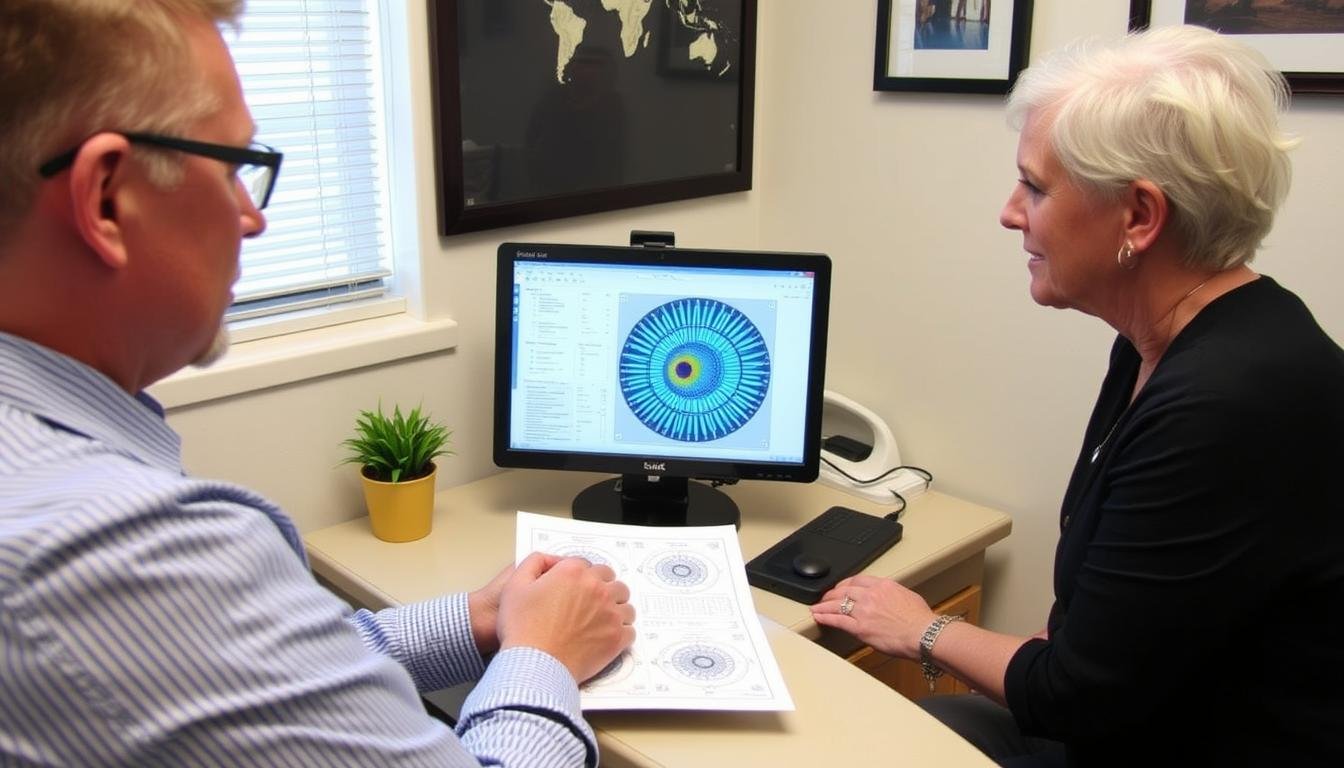
Can iridology maps diagnose diseases?
No, iridology maps cannot diagnose specific diseases. Iridology is considered a complementary assessment tool that may identify areas of weakness or stress in the body, but it cannot definitively diagnose medical conditions. Practitioners typically describe what they observe as “tendencies” یا “predispositions” rather than diagnoses. Any concerning findings should be followed up with appropriate medical testing and evaluation by healthcare professionals.
نمودارهای ایریدولوژی چقدر دقیق هستند؟
The accuracy of iridology charts is a subject of debate. Scientific studies have generally not supported claims of diagnostic accuracy. Several controlled studies have shown that iridologists cannot consistently identify people with known medical conditions based on iris examination. However, proponents argue that iridology is not meant to diagnose specific diseases but rather to identify constitutional strengths and weaknesses. The lack of standardization among iridology charts and interpretation methods also affects consistency and reliability.
What do different iris colors and patterns indicate?
In iridology, different iris colors are associated with different constitutional types and potential health tendencies. Blue irises are often linked to lymphatic constitutions, brown to hematogenic (blood-related) types, and mixed colors to biliary types. Specific markings like spots, rings, and lines are interpreted as indicators of potential organ stress, inflammation, or inherent weaknesses. The location of these markings on the iridology map determines which body systems they might affect. However, these interpretations vary between different schools of iridology.
آیا الگوی عنبیه در طول زمان تغییر می کند؟
There are differing views on whether iris patterns change significantly over time. Some iridologists believe that the basic structure and constitutional markings remain relatively stable throughout life, while others suggest that certain features can change to reflect developing health conditions. Most practitioners agree that acute conditions may cause temporary changes in iris appearance, such as changes in color brightness or clarity, while the fundamental structure remains consistent. Regular documentation of iris appearance can help track any potential changes.
سوالات بیشتری در مورد Iridology دارید؟
Our experts are available to answer your questions about iridology maps and how they might benefit your holistic health journey.
Conclusion: The Place of Iridology Maps in Holistic Health
Iridology maps offer a fascinating perspective on the potential connections between iris patterns and overall health. While scientific validation remains limited, many find value in this holistic approach as a complementary tool for health awareness. The practice encourages individuals to take an active interest in their wellbeing and may highlight areas deserving attention.

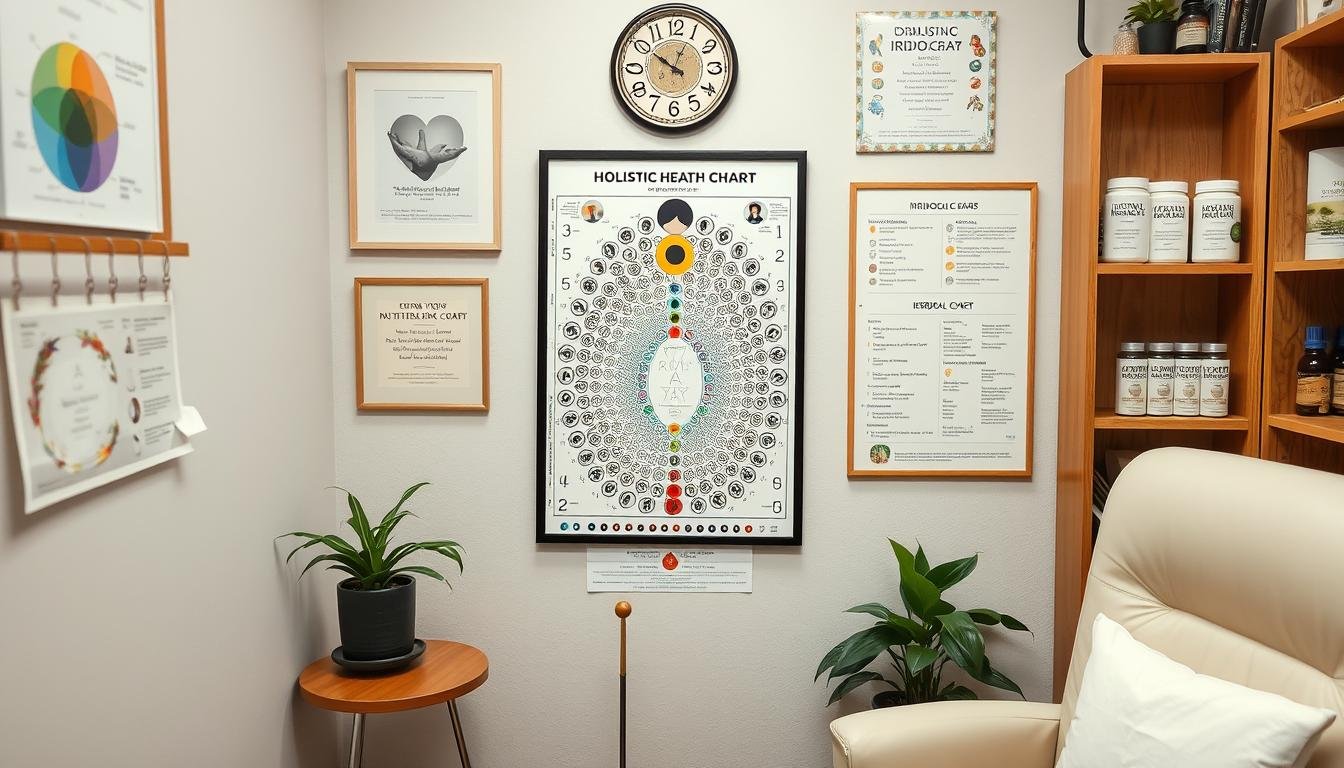
When approaching iridology, balance is key. Consider it as one piece of a larger health puzzle rather than a standalone diagnostic method. Always combine iris analysis with conventional medical care, especially for serious health concerns. The most responsible use of iridology maps is as a tool for health awareness that complements, rather than replaces, evidence-based healthcare.
Whether you’re a skeptic or an enthusiast, exploring the world of iridology maps can deepen your appreciation for the complexity of the human body and the many ways we seek to understand it. As with any health approach, informed decision-making and open communication with healthcare providers remain essential.
سفر Iridology خود را آغاز کنید
Ready to explore what your iris might reveal about your health? Schedule a consultation with our certified iridology practitioners.
Request More Information About Iridology
Interested in learning more about iridology maps and how they might benefit your health journey? Fill out the form below, and our specialists will contact you with more information.
Address:Factory Building II, Jinshanlong Industrial Park, No.1, Xintang Village, Kratong Community, Fucheng Street, Longhua District shenzhen, 518000 GD,China
TEL:0086-0755-888-56563
Person to contact:Mark Luo
email:lucy@iriscope.org
Whatsapp/phone:0086-191-5490-1065
Copyright (c) 2004-2024 www.iriscope.org All Rights Reserved.