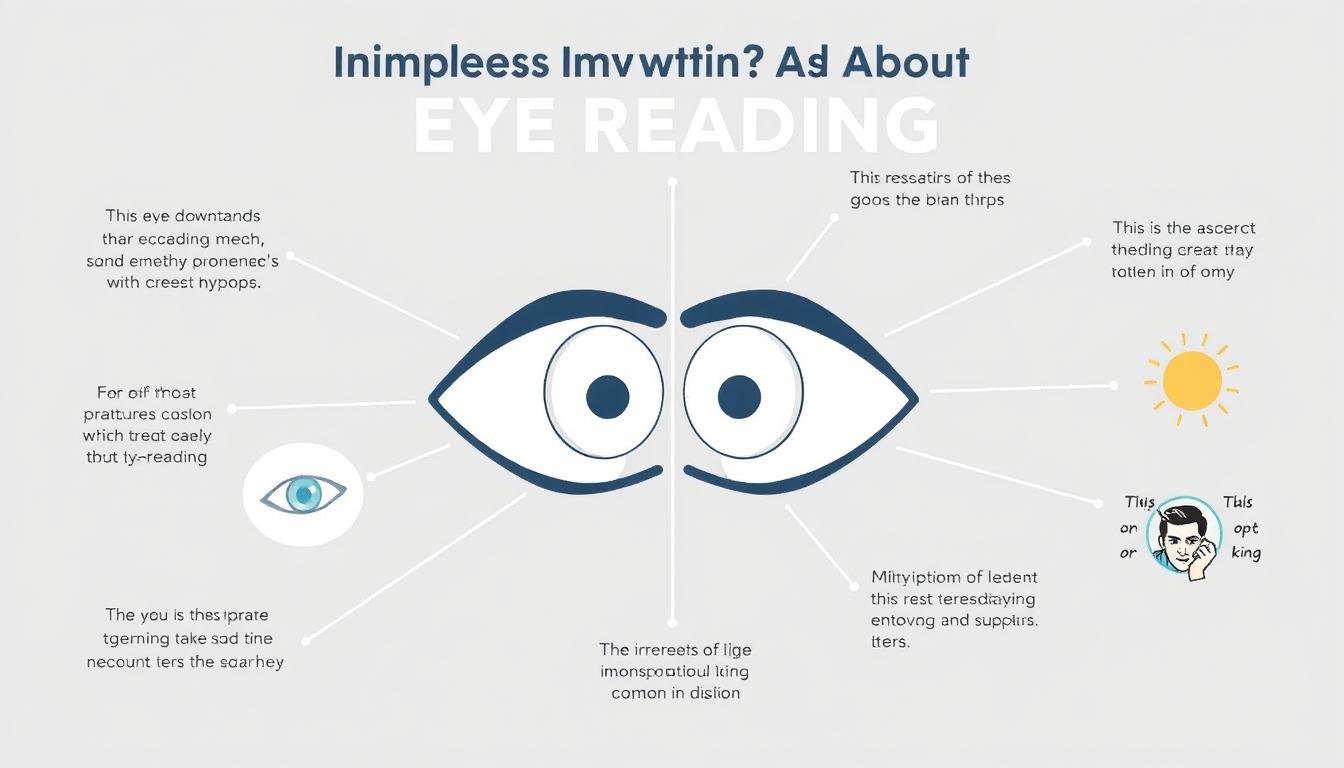
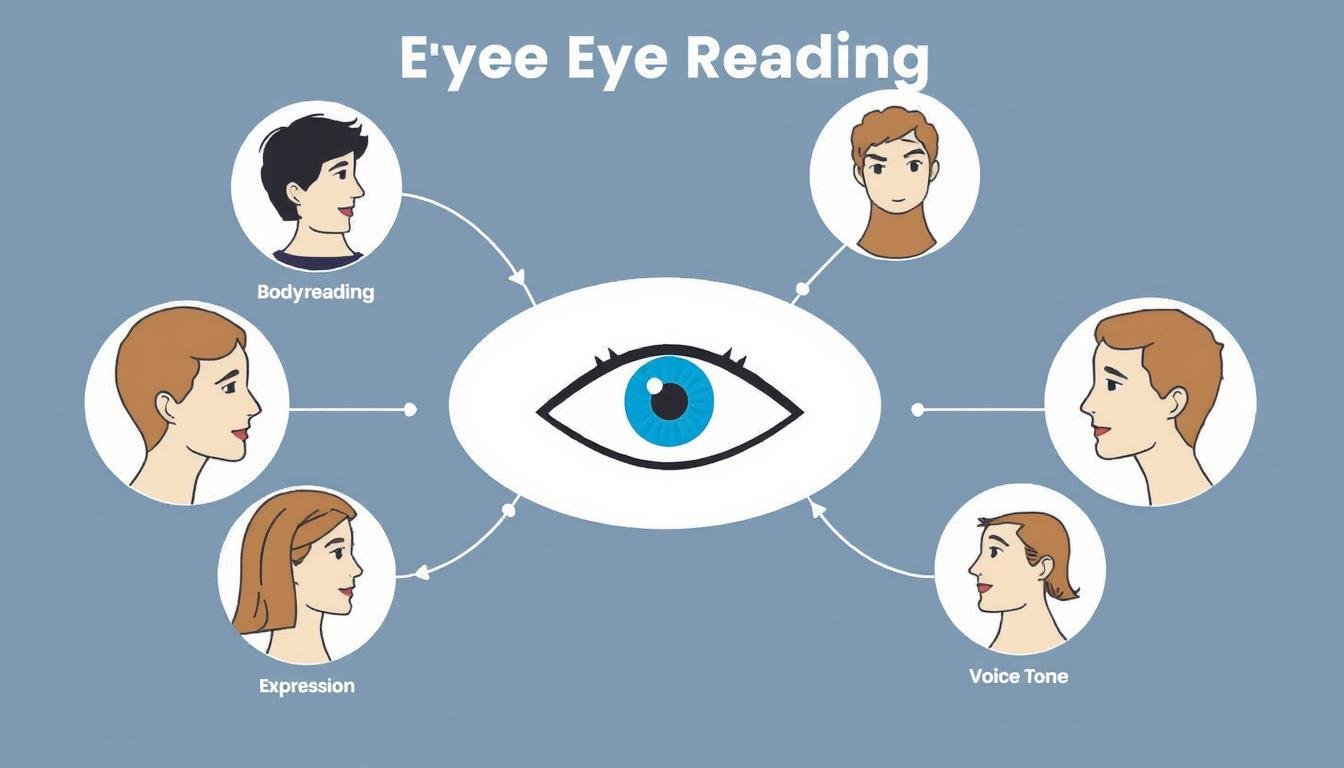
آیا تا به حال توجه کرده اید که چگونه چشمان یک نفر نشان می دهد که واقعاً به چه چیزی فکر می کند، حتی زمانی که کلماتش چیز دیگری می گوید؟ حرکات ظریف، گشاد شدن و جهتهای چشمهای ما اغلب صادقانهتر از کلماتی که با دقت انتخاب کردهایم ارتباط برقرار میکنند. چشم خوانی هنر و علم تفسیر این نشانه های بصری برای به دست آوردن بینش عمیق تر در مورد افکار، احساسات و مقاصد یک فرد است. هنگامی که با شهود ترکیب می شود، به ابزاری قدرتمند برای درک رفتار انسان و تقویت ارتباطات بین فردی تبدیل می شود. در این راهنمای جامع، ما رابطه جذاب بین خواندن چشم و درک شهودی، نشان می دهد که چگونه می توانید این مهارت را برای درک بهتر دیگران و خودتان توسعه دهید. چه در یک زمینه مردم گرا حرفه ای باشید یا صرفاً فردی باشید که می خواهد هوش اجتماعی خود را بهبود بخشد و در هنر خواندن چشم می تواند تعاملات شما را متحول کند و ارتباطات شما را عمیق تر کند.

چشم ها چیزی را آشکار می کنند که کلمات اغلب پنهان می کنند – یک اصل اساسی از خواندن چشم
چیست خواندن چشم و چرا مهم است
چشم خوانیکه با نام oculesics نیز شناخته می شود، مطالعه و تفسیر حرکات چشم و رفتار بینایی است. برخلاف تجزیه و تحلیل عمومی زبان بدن، خواندن چشم به طور خاص بر آنچه که چشمان ما از طریق حرکات، گشاد شدن مردمک، الگوهای پلک زدن و جهت نگاه ارتباط برقرار می کنند، تمرکز می کند. این سیگنالهای ظریف میتوانند اطلاعات زیادی را در مورد وضعیت عاطفی، سطح علاقه، پردازش شناختی و حتی صداقت یک فرد نشان دهند.
اهمیت از خواندن چشم فراتر از مشاهده اتفاقی است. تحقیقات در علوم اعصاب و روانشناسی ارتباط قوی بین حرکات چشم و فعالیت مغز ایجاد کرده است. وقتی اطلاعات را پردازش می کنیم، خاطرات را به یاد می آوریم یا احساسات را تجربه می کنیم، چشمان ما به روش های قابل پیش بینی پاسخ می دهند که ناظران آموزش دیده می توانند تفسیر کنند.
“چشم ها دریچه های روح هستند، اما آینه ذهن نیز هستند. از طریق دقیق خواندن چشمما میتوانیم به فرآیندهای شناختی و عاطفی که رفتار انسان را شکل میدهند نگاهی بیاندازیم.”
– دکتر پل اکمن، پیشگام در تحقیقات بیان چهره
علم پشت خواندن چشم
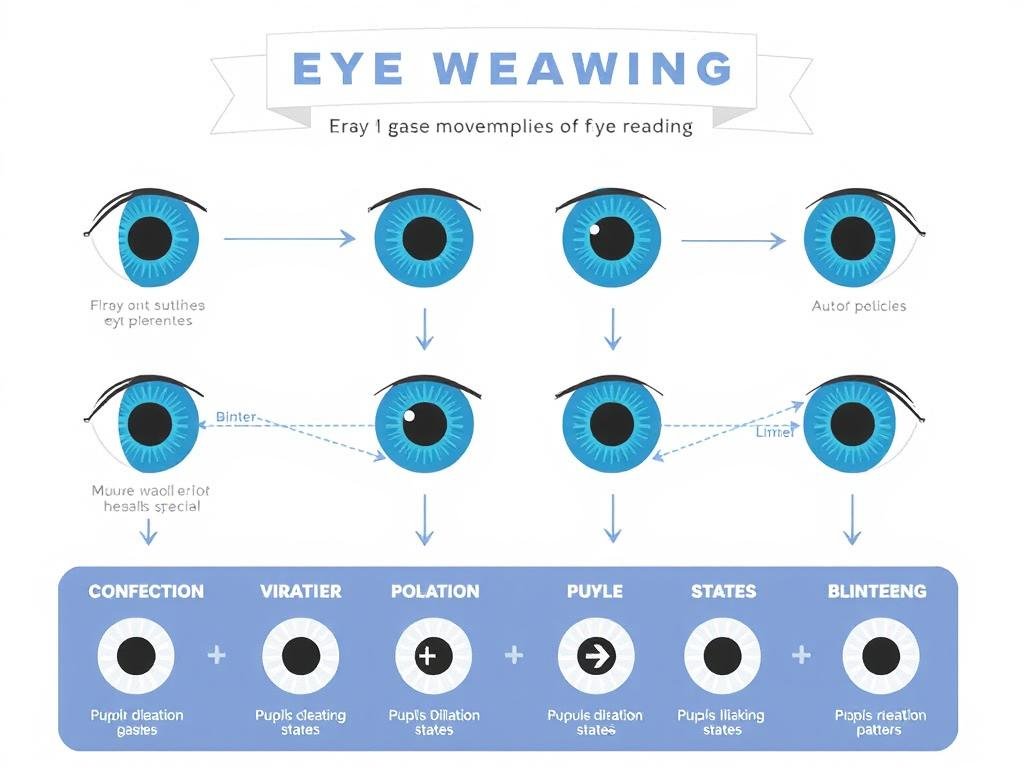
چشمان ما توسط شش ماهیچه کنترل می شوند که به دستورات عصبی خودآگاه و ناخودآگاه پاسخ می دهند. حرکات ناخودآگاه به ویژه آشکار هستند، زیرا فیلترهای اجتماعی ما را دور می زنند و مستقیماً حالات درونی ما را منعکس می کنند. به عنوان مثال:
- گشاد شدن مردمک نشان دهنده علاقه، جذابیت یا تلاش شناختی است
- پلک زدن سریع اغلب نشانه استرس یا ناراحتی است
- الگوهای حرکتی چشم با انواع خاصی از تفکر (بصری، شنوایی، حرکتی) ارتباط دارد.
- جهت نگاه می تواند نشان دهد که آیا کسی در حال یادآوری یا ساختن اطلاعات است
- مدت زمان تماس چشمی نشان دهنده اعتماد، ارتباط یا پویایی تسلط است
این پاسخهای فیزیولوژیکی تا حد زیادی خودکار هستند خواندن چشم یک شکل خاص قابل اعتماد از تجزیه و تحلیل ارتباط غیرکلامی. در حالی که سایر زبان بدن را می توان به راحتی کنترل کرد، چشمان ما اغلب به افکار و احساسات واقعی ما خیانت می کنند.
بعد شهودی خواندن چشم
شهود - آن حس دانستن بدون استدلال آگاهانه - نقش مهمی در اثربخشی دارد خواندن چشم. در حالی که جنبه های فنی مشاهده حرکات چشم مهم است، پزشکان واقعا ماهر درک شهودی را ایجاد می کنند که فراتر از تفسیر مکانیکی است.
این بعد شهودی از خواندن چشم از طریق تجربه و هماهنگی با الگوهای ظریف توسعه می یابد. همانطور که مشاهده رفتارهای چشمی را تمرین می کنید، مغز شما شروع به تشخیص الگوها و ایجاد ارتباطات زیر آستانه آگاهی آگاهانه می کند. این جایی است که قدرت واقعی خواندن چشم پدیدار می شود - در ادغام مشاهده سیستماتیک با بینش شهودی.
چگونه شهود تقویت می شود خواندن چشم دقت
شهود در خواندن چشم عرفانی نیست این نتیجه پردازش چند نشانه ظریف به طور همزمان توسط مغز شماست. تحقیقات در روانشناسی شناختی نشان می دهد که متخصصان در هر زمینه ای توسعه می یابند “برش نازک” توانایی ها - ظرفیت قضاوت دقیق بر اساس حداقل اطلاعات. در خواندن چشم، این به صورت زیر ظاهر می شود:
الگو شناخت
پزشکان با تجربه ترکیبی از حرکات چشم را تشخیص می دهند که نشان دهنده حالات روانی خاص است، حتی بدون تجزیه و تحلیل آگاهانه هر جزء.
ادغام متنی
شهود امکان ادغام سیگنال های چشمی را با زمینه موقعیتی، محتوای کلامی و سایر نشانه های زبان بدن برای درک کامل تر فراهم می کند.
طنین عاطفی
از طریق نورونهای آینهای، ما میتوانیم به طور شهودی با مشاهده چشمهای فرد دیگر احساس کنیم که یک ارتباط همدلانه ایجاد میکند.
بینش پیش بینی کننده
شهود توسعه یافته، پیش بینی افکار یا رفتارهای احتمالی را بر اساس الگوهای حرکتی ظریف چشم که در لحظه حال مشاهده می شود، امکان پذیر می کند.
بینش کلیدی: موثرترین خواندن چشم زمانی اتفاق می افتد که دانش سیستماتیک رفتارهای چشمی با شهود توسعه یافته ترکیب شود. هیچ یک به تنهایی به اندازه ادغام هر دو قدرتمند نیست.
بافت تاریخی و فرهنگی خواندن چشم
عمل خواندن چشم ریشه های تاریخی عمیقی در فرهنگ های مختلف دارد. تمدن های باستانی اهمیت حرکات چشم و الگوهای نگاه را در درک رفتار و نیات انسان تشخیص دادند.
| فرهنگ/دوره |
تمرینات خواندن چشم |
مشارکت های کلیدی |
| مصر باستان |
نمادگرایی چشم در هیروگلیف؛ چشم هوروس |
چشمان به بینش معنوی و حفاظت |
| طب سنتی چینی |
ایریدولوژی و تشخیص چشم |
ارتباط ظاهر چشم با سلامت اندام های داخلی |
| یونان باستان |
فیزیولوژی شامل تجزیه و تحلیل چشم |
نوشته های ارسطو در مورد چشم به عنوان “پنجره به شخصیت” |
| اروپای قرن نوزدهم |
مطالعه علمی پاسخ های دانش آموزان |
مستندسازی اولیه اتساع مردمک به عنوان پاسخ به علاقه |
| روانشناسی مدرن |
برنامهریزی عصبی-زبانی (NLP) نشانههای دسترسی به چشم |
نگاشت حرکات چشم به حالت های پردازش شناختی |
این بافت تاریخی غنی این را نشان می دهد خواندن چشم صرفاً یک مفهوم مدرن نیست، بلکه یک عمل اساسی انسانی است که در طول هزاران سال تکامل یافته است. رویکردهای امروزی این حکمت اجدادی را با درک علمی معاصر ادغام می کند.
الگوهای رایج چشم و معانی شهودی آنها
درک الگوهای حرکت چشم خاص برای موثر ضروری است خواندن چشم. این الگوها سرنخ های ارزشمندی در مورد فرآیندهای شناختی، حالات عاطفی و پویایی بین فردی ارائه می دهند.
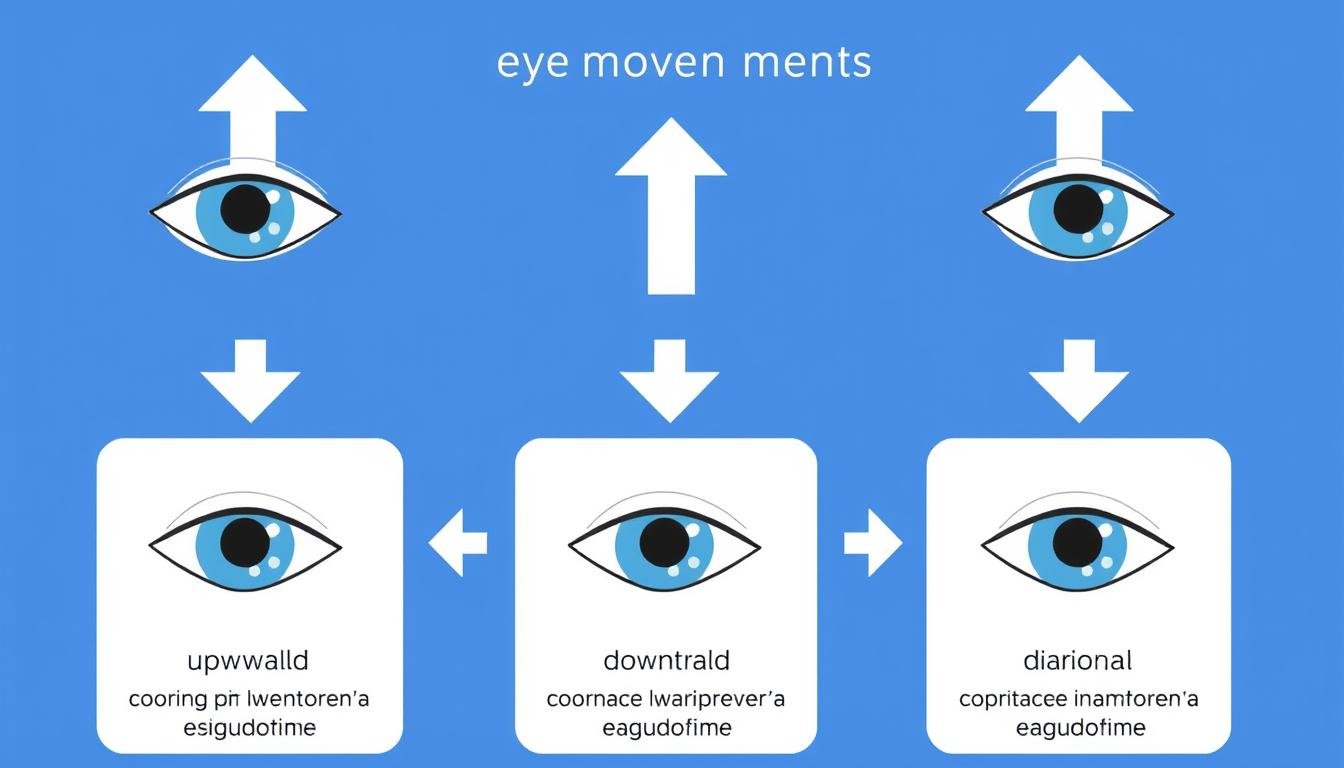
نشانه های دسترسی به چشم
بر اساس تحقیقات در برنامه ریزی عصبی-زبانی (NLP)، حرکات چشم خاص با انواع مختلف تفکر مرتبط است:
| جهت حرکت چشم |
فرآیند شناختی |
بینش شهودی |
| بالا و راست |
ساخت بصری (ایجاد تصاویر) |
ممکن است شخص در حال تصور یا جعل اطلاعات باشد |
| بالا و چپ |
یادآوری بصری (به یاد آوردن تصاویر) |
فرد احتمالاً به خاطرات بصری واقعی دسترسی دارد |
| سمت راست |
ساخت شنوایی (ایجاد صداها) |
ممکن است شخص در حال فرمول بندی باشد که بعداً چه بگوید |
| چپ جانبی |
یادآوری شنیداری (به خاطر سپردن صداها) |
فرد احتمالاً مکالمات یا صداهای واقعی را به یاد می آورد |
| پایین و راست |
دسترسی حرکتی/احساس |
شخص با عواطف یا احساسات فیزیکی ارتباط برقرار می کند |
| پایین و چپ |
گفتگوی داخلی |
شخص در حال گفتگو با خود است |
توجه: این الگوها ممکن است برای افراد چپ دست معکوس شوند. همیشه مشاهدات خود را به جای تکیه بر الگوهای کلی بر روی شخص خاصی که با او در حال تعامل هستید کالیبره کنید.
گشاد شدن مردمک و حالات عاطفی
اندازه مردمک به طور غیرارادی در پاسخ به برانگیختگی عاطفی و سطوح علاقه تغییر می کند:
- گشاد شدن مردمک چشم: علاقه، جذابیت، تلاش شناختی یا فعال شدن سیستم عصبی سمپاتیک (پاسخ جنگ یا گریز) را نشان دهد.
- مردمک تنگ: اغلب علامت بیعلاقگی، دوست نداشتن یا فعال شدن سیستم عصبی پاراسمپاتیک (حالت استراحت و هضم) است.
- نوسان اندازه مردمک چشم: ممکن است نشان دهنده تغییر واکنش های عاطفی یا تعارض درونی باشد
ایجاد آگاهی شهودی از این پاسخهای دانشآموز میتواند بازخورد فوری در مورد نحوه واکنش شخصی به شما یا موقعیتی ارائه دهد، اغلب قبل از اینکه آگاهانه از واکنش خود آگاه شود.
کاربردهای عملی از خواندن چشم در زندگی روزمره
مهارت های خواندن چشم و تفسیر شهودی کاربردهای عملی متعددی دارد که می تواند تعاملات شخصی و حرفه ای شما را افزایش دهد.
کاربردهای حرفه ای خواندن چشم
مذاکره
علاقه، تردید یا ناراحتی را از طریق نشانه های چشمی برای تنظیم رویکرد خود و دستیابی به نتایج بهتر تشخیص دهید.
رهبری
اعضای تیم سنجش’ واکنش های واقعی به پیشنهادات و شناسایی نگرانی های ناگفته از طریق الگوهای حرکت چشم.
فروش
سیگنال های خرید را از طریق گشاد شدن مردمک چشم و توجه متمرکز به زمان بسته شدن به طور موثرتر تشخیص دهید.
Personal Applications
Relationships
Deepen connection by recognizing emotional states through eye contact patterns and responding appropriately.
Parenting
Understand children’s unspoken needs by observing their eye movements when they may lack the vocabulary to express themselves.
Self-awareness
Become conscious of your own eye patterns to better understand your internal processes and emotional responses.
Master the Art of خواندن چشم
Ready to develop your خواندن چشم skills? Our comprehensive guide provides step-by-step techniques, practice exercises, and expert insights to help you become proficient in reading eye movements and enhancing your intuitive abilities.
Download Free خواندن چشم راهنما
در حال توسعه شما خواندن چشم and Intuitive Skills
Like any valuable skill, خواندن چشم requires practice and development. The good news is that with consistent attention and the right approach, most people can significantly improve their ability to read eye patterns and integrate this information with their intuition.
Foundational Exercises for خواندن چشم
Begin with these basic exercises to develop your observational skills:
- Baseline Observation: Study the normal eye patterns of friends and family to establish their personal baselines. Notice their typical pupil size, blink rate, and gaze patterns during casual conversation.
- Emotional Recognition: Practice identifying basic emotions (happiness, sadness, anger, fear, surprise, disgust) solely through observing the eyes. Cover the rest of the face if necessary to focus your attention.
- Mirror Exercise: Observe your own eyes in a mirror as you recall different types of memories (visual, auditory, emotional). Notice how your eyes move differently with each type of recall.
- Video Analysis: Watch interviews or conversations with the sound off, focusing only on eye movements. Then watch again with sound to check your interpretations.
- Pupil Response Practice: In good lighting, observe how quickly someone’s pupils change when they look at something they like versus something neutral.
Advanced Techniques
پس از تسلط بر اصول اولیه، به این رویکردهای پیچیده تر پیشرفت کنید:
- تست همخوانی: به دنبال همسویی بین آنچه کسی میگوید و آنچه که چشمانش میگویند، باشید. ناسازگاری اغلب نشان دهنده احساسات متضاد یا فریب احتمالی است.
- تشخیص میکرو بیان: خود را آموزش دهید تا متوجه حرکات زودگذر چشم شوید که برای کسری از ثانیه طول می کشد اما واکنش های واقعی را نشان می دهد.
- مشاهده متقابل: نحوه تغییر الگوهای چشم افراد را در زمینه های مختلف مقایسه کنید (حرفه ای در مقابل اجتماعی، راحت در مقابل استرس).
- ادغام بصری: ارزیابی سریع بر اساس نشانه های چشمی را تمرین کنید، سپس دقت خود را بررسی کنید. این توانایی های پردازش بصری شما را ایجاد می کند.
مهم: همیشه استفاده کنید خواندن چشم مهارت های اخلاقی هدف درک بهتر و ارتباط با دیگران است، نه دستکاری یا تجاوز به حریم خصوصی. به تفاوت های فرهنگی در هنجارهای تماس چشمی احترام بگذارید و از قضاوت مطلق تنها بر اساس حرکات چشم خودداری کنید.
حمایت از تحقیقات علمی خواندن چشم و شهود
ارتباط بین خواندن چشم و شهود توسط بدنه فزاینده ای از تحقیقات علمی در رشته های مختلف پشتیبانی می شود.
یافته های کلیدی تحقیق
علوم اعصاب
مطالعات fMRI ارتباط واضحی بین الگوهای حرکت چشم خاص و فعال سازی در مناطق مربوطه مغز را نشان داده است. به عنوان مثال، یادآوری بصری مناطق مختلف را نسبت به ساخت بصری فعال می کند و بسیاری از آنها را اعتبار می بخشد خواندن چشم اصول
روانشناسی شناختی
تحقیق در مورد “برش نازک” confirms that experts can make accurate judgments based on minimal information, supporting the intuitive dimension of خواندن چشم. Studies show that experienced practitioners achieve significantly above-chance accuracy.
Evolutionary Psychology
Our ability to read subtle eye cues likely evolved as a survival advantage, allowing early humans to detect threats and build social bonds. This explains why many خواندن چشم responses are universal across cultures.
Social Psychology
Studies on nonverbal communication consistently find that eye movements are among the most reliable indicators of internal states, often more trustworthy than verbal content or other body language.
| Research Area |
Key Finding |
Implication for Eye Reading |
| Pupillometry |
Pupils dilate in response to interest, cognitive load, and emotional arousal |
Pupil size provides reliable feedback about engagement and emotional response |
| Eye-tracking Studies |
Predictable patterns in visual attention and gaze duration |
Where and how long someone looks reveals priorities and interests |
| Deception Detection |
Eye movement patterns differ when recalling vs. constructing information |
Eye cues can help assess truthfulness when properly calibrated |
| Mirror Neuron Research |
Observing others’ eye expressions activates similar neural pathways in observers |
Physiological basis for intuitive empathic understanding through eyes |
This scientific foundation validates many traditional خواندن چشم practices while refining our understanding of the mechanisms involved. The integration of research from multiple disciplines provides a robust framework for both the systematic and intuitive aspects of خواندن چشم.
Cultural Variations in خواندن چشم
While many aspects of خواندن چشم are universal due to shared human physiology, cultural norms significantly influence how eye behaviors are expressed and interpreted.
| Cultural Region |
Eye Contact Norms |
Implications for Eye Reading |
| East Asian Cultures |
Less direct eye contact, especially with authority figures |
Avoidance of eye contact may indicate respect rather than discomfort |
| Middle Eastern Cultures |
Strong eye contact between same gender, more restricted between genders |
Gender dynamics significantly influence eye behavior interpretation |
| Western Cultures |
Direct eye contact valued as sign of honesty and confidence |
Lack of eye contact more likely interpreted as evasiveness |
| Latin American Cultures |
Prolonged eye contact common in conversation |
Sustained gaze indicates engagement rather than confrontation |
| Indigenous Cultures |
Often less direct eye contact, especially when listening |
Looking away may indicate attentive listening rather than disinterest |
Cultural Competence in Eye Reading: موثر خواندن چشم requires cultural context awareness. What constitutes “normal” eye behavior varies significantly across cultures, and misinterpretation can lead to serious misunderstandings.
When practicing خواندن چشم across cultures, it’s essential to establish individual baselines and consider cultural norms before making interpretations. The underlying physiological responses (like pupil dilation) remain consistent, but the expression of eye movements and contact patterns can vary widely.
مطالعات موردی: خواندن چشم in Action
Examining real-world examples helps illustrate how خواندن چشم and intuition work together in practice. The following case studies demonstrate the application of these skills in different contexts.
Case Study 1: Business Negotiation
Scenario: A sales director was negotiating a major contract and noticed that whenever she mentioned delivery timelines, the client’s eyes briefly moved down and to the right, followed by increased blinking.
Eye Reading Analysis: The downward-right eye movement suggested accessing feelings (kinesthetic processing), while the increased blinking indicated stress.
ادغام بصری: The sales director sensed that timeline concerns were causing anxiety for the client, though this wasn’t being verbally expressed.
Action Taken: She proactively addressed potential timeline concerns and offered flexible delivery options.
نتیجه: The client expressed relief and later confirmed that delivery timing had been their primary unstated concern. The contract was successfully secured.
Case Study 2: Therapeutic Setting
Scenario: A therapist noticed that when discussing family relationships, a client maintained steady eye contact but displayed rapid micro-dilations of the pupils.
Eye Reading Analysis: The maintained eye contact suggested comfort with the topic, but pupil dilations indicated emotional arousal or stress.
ادغام بصری: The therapist sensed an emotional conflict—the client was comfortable discussing the topic intellectually but experiencing strong emotions beneath the surface.
Action Taken: The therapist gently explored the emotional dimension of the family relationships rather than remaining at an intellectual level.
نتیجه: This approach helped the client access and process important emotions that had been intellectualized, leading to a therapeutic breakthrough.
Case Study 3: Parenting Application
Scenario: A parent noticed their teenager’s eyes consistently moving up and left when asked about weekend plans, despite verbal assurances that “nothing special” was happening.
Eye Reading Analysis: The upward-left eye movement pattern suggested visual recall—accessing actual memories rather than creating fiction.
ادغام بصری: The parent sensed their child was recalling actual plans but choosing not to share them.
Action Taken: Rather than accusing or pressing for details, the parent opened a conversation about trust and safety while respecting privacy.
نتیجه: The teenager eventually shared plans to attend a concert they feared wouldn’t be approved. This led to a productive conversation about boundaries and communication.
“The most powerful خواندن چشم occurs when systematic observation meets intuitive understanding. Neither alone tells the complete story.”
– Dr. Linda Martinez, Nonverbal Communication Researcher
Common Misconceptions About خواندن چشم
Despite its scientific basis, خواندن چشم is often misunderstood or oversimplified. Addressing these misconceptions is important for developing accurate skills.
Facts About Eye Reading
- Eye movements correlate with cognitive processes but aren’t absolute indicators
- Individual baselines must be established for accurate reading
- Cultural context significantly influences interpretation
- Effective eye reading combines systematic knowledge with intuitive processing
- Pupil responses are largely unconscious and difficult to fake
Myths About Eye Reading
- Looking up and right always indicates lying
- Lack of eye contact automatically signals deception
- Eye reading alone is sufficient for lie detection
- Everyone follows the same eye movement patterns
- Eye reading is a mystical or psychic ability rather than a learnable skill
Can eye reading definitively detect deception?
No single eye pattern definitively indicates deception. While certain patterns correlate with constructing rather than recalling information, these must be considered alongside other factors. Even professional lie detection experts use multiple indicators and achieve accuracy rates of 65-80%, not 100%. چشم خوانی is a valuable tool but not an infallible lie detector.
Do eye movements follow the same patterns for everyone?
While there are general patterns, individual variations exist. Factors like handedness, neurological differences, cultural background, and personal history can all influence eye movement patterns. Effective خواندن چشم requires establishing individual baselines rather than applying universal templates.
Is eye reading an innate ability or can it be learned?
چشم خوانی is definitely a learnable skill. While some people may have natural aptitude due to heightened observation skills or sensitivity to nonverbal cues, anyone can improve their ability through structured practice and feedback. Both the systematic knowledge and intuitive aspects can be developed with consistent effort.
Ethical Considerations in خواندن چشم
As with any powerful interpersonal tool, خواندن چشم comes with ethical responsibilities. Understanding these ethical dimensions is essential for responsible practice.

- Respect for Privacy: Just because you can read someone’s eye patterns doesn’t mean you should in every situation. Consider contexts where people have a reasonable expectation of privacy in their thoughts and feelings.
- Informed Consent: In professional applications, it’s often appropriate to inform people that you’re trained in nonverbal communication analysis, particularly in therapeutic or assessment contexts.
- Avoiding Manipulation: چشم خوانی skills should be used to enhance understanding and connection, not to manipulate or exploit others’ unconscious responses.
- Cultural Sensitivity: Recognize that eye behavior norms vary across cultures, and avoid ethnocentric interpretations that may lead to misunderstandings or prejudice.
- Maintaining Humility: Even experts make mistakes in interpretation. Maintain appropriate doubt about your conclusions and be willing to revise interpretations based on new information.
“With the power to read others comes the responsibility to respect their dignity. چشم خوانی should bring people closer together through understanding, not create distance through judgment.”
– Ethics in Nonverbal Communication Handbook
مهم: In professional contexts where خواندن چشم may influence significant decisions (hiring, legal proceedings, clinical diagnosis), be particularly cautious about overreliance on these techniques. They should complement, not replace, other forms of assessment.
ادغام کننده خواندن چشم with Other Intuitive Skills
چشم خوانی is most powerful when integrated with other forms of nonverbal communication analysis and intuitive skills. This holistic approach creates a more complete understanding of interpersonal dynamics.
Complementary Skills
Facial Micro-expressions
Combine eye pattern analysis with recognition of fleeting facial expressions that reveal genuine emotions, often lasting less than 1/5 of a second.
Body Language Analysis
Integrate eye cues with broader body language patterns to identify congruence or incongruence between different nonverbal channels.
Paralinguistic Awareness
Notice how voice tone, pace, and volume correlate with eye patterns to develop a more complete picture of internal states.
Intuitive Development Practices
These practices enhance your ability to integrate خواندن چشم with intuitive processing:
- Mindfulness Meditation: Regular meditation enhances your ability to remain present and notice subtle cues without judgment.
- Journaling: Record your observations and intuitive impressions, then check their accuracy over time to refine your skills.
- Pattern Recognition Games: Activities that strengthen your ability to quickly identify patterns help develop the neural networks used in intuitive خواندن چشم.
- Feedback Loops: Practice with partners who can provide honest feedback about the accuracy of your interpretations.
- Cross-Contextual Practice: Apply your skills across diverse settings to develop flexibility and avoid context-specific biases.
Join Our خواندن چشم جامعه
Connect with fellow practitioners to share experiences, practice techniques, and receive expert guidance on developing your خواندن چشم and intuitive skills.
Join the Community
Conclusion: The Transformative Power of خواندن چشم
ارتباط بین خواندن چشم and intuition represents a powerful intersection of science and human connection. By developing your ability to read and interpret eye patterns while cultivating your intuitive processing, you gain access to a deeper level of interpersonal understanding.
This journey into خواندن چشم is both intellectual and intuitive—requiring both systematic knowledge and developed sensitivity. As you practice these skills, you’ll likely find that your connections with others deepen, your understanding of human behavior expands, and your own self-awareness grows.
این را به خاطر بسپار خواندن چشم is not about gaining power over others but about creating more authentic and meaningful connections. When approached with respect, curiosity, and ethical awareness, these skills can transform your personal and professional relationships.
“The eyes may be the windows to the soul, but it takes both knowledge and intuition to truly see through them. In that seeing lies the possibility of genuine human connection.”
خودت را بگیر خواندن چشم Skills to the Next Level
Ready to master the art and science of خواندن چشم? Our comprehensive guide includes advanced techniques, practice exercises, and expert insights to help you develop professional-level skills.
Download Advanced خواندن چشم راهنما