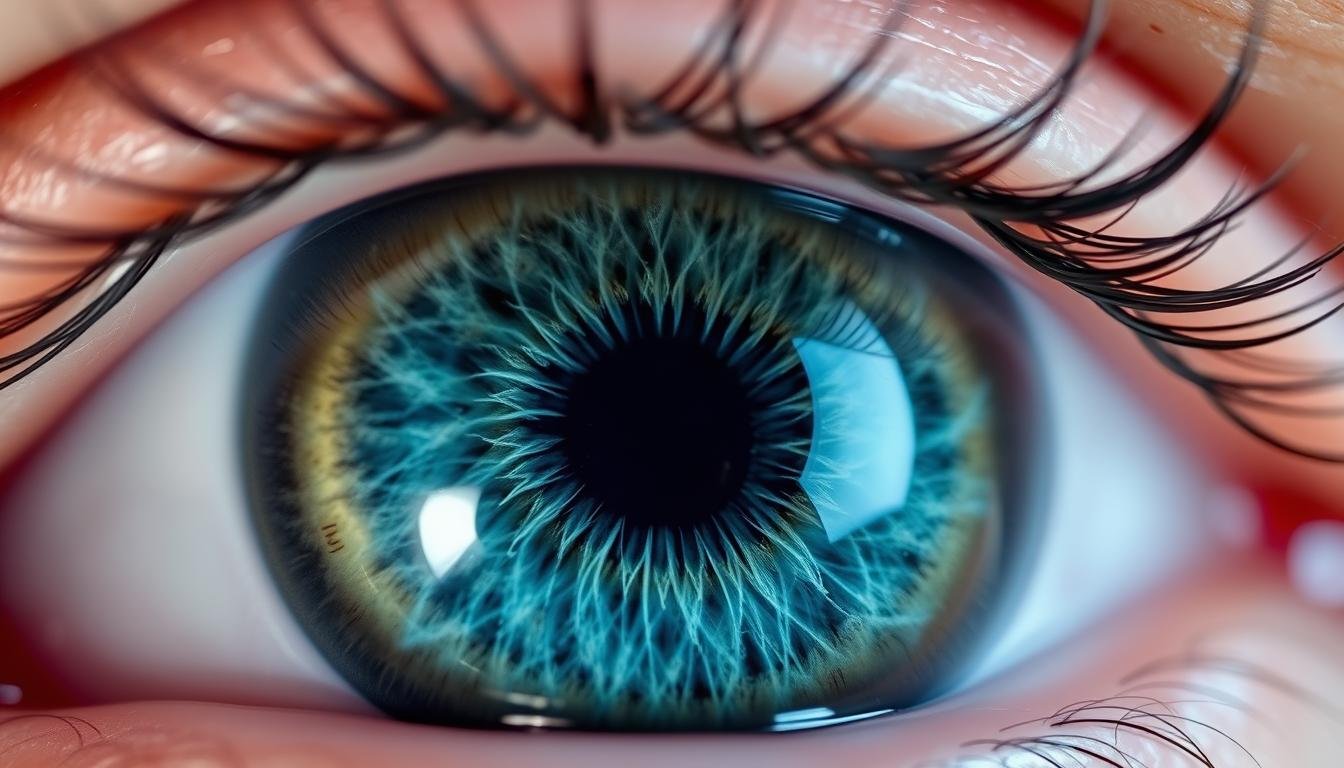
عمل باستانی از تشخیص Iridology Iris نشان می دهد که عنبیه - قسمت رنگی چشم شما - حاوی نقشه دقیقی از سلامت بدن شما است. این روش تشخیصی جایگزین، الگوها، رنگها و سایر ویژگیهای عنبیه را بررسی میکند تا نگرانیهای بالقوه سلامتی را قبل از اینکه بهعنوان علائم فیزیکی ظاهر شوند، شناسایی کند. در حالی که ایریدولوژی در طب متعارف بحث برانگیز است، قرن ها ادامه داشته است و همچنان کسانی را که به دنبال رویکردهای کل نگر برای ارزیابی سلامت هستند، مجذوب خود می کند. این مقاله به بررسی نظریه های اساسی می پردازد که ستون فقرات این عمل جذاب را تشکیل می دهند.
تاریخچه و تکامل تشخیص Iridology Iris
ریشه های تشخیص Iridology Iris هزاران سال پیش تمدن های باستانی در مصر، چین و هند ارتباط بین علائم عنبیه و شرایط سلامتی را تشخیص دادند. با این حال، ایریدولوژی مدرن که امروزه می شناسیم در قرن نوزدهم شروع به شکل گیری کرد.
دکتر ایگناتز فون پچلی، یک پزشک مجارستانی، اغلب با توسعه اولین نسخه جامع شناخته می شود. نمودار آیریس در دهه 1860 همانطور که داستان پیش می رود، فون پزلی جوان پس از شکستگی پای پرنده متوجه تغییراتی در عنبیه جغد شد. این مشاهدات جرقه مطالعه مادام العمر او را در مورد رابطه بین علائم عنبیه و سلامت جسمانی انجام داد.
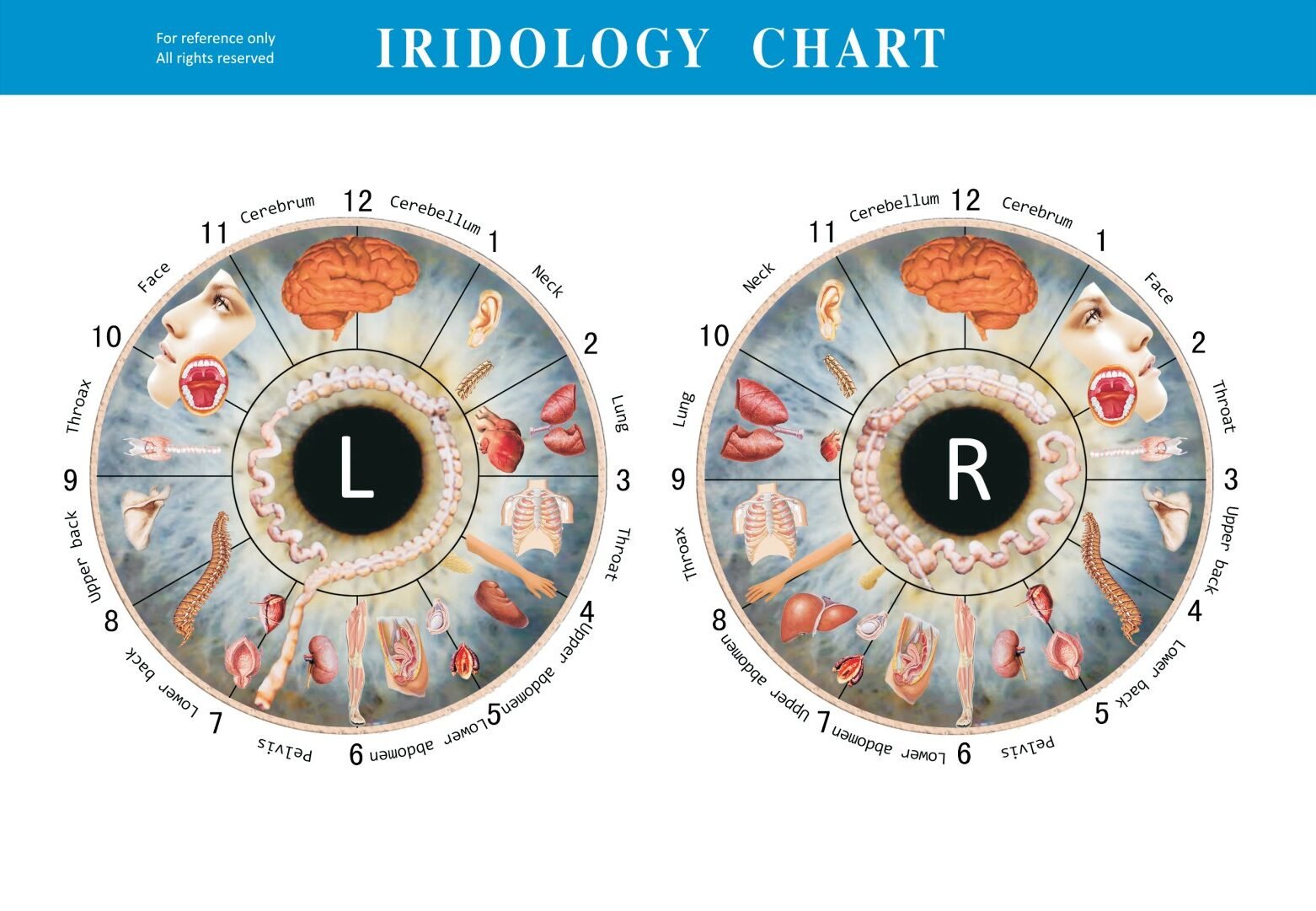


در اوایل قرن بیستم، دکتر برنارد جنسن ایریدولوژی را در ایالات متحده توسعه داد و نمودارهای دقیقتری از عنبیه ایجاد کرد و این عمل را مورد توجه گستردهتری قرار داد. کار او بسیاری از اصولی را که امروزه هنوز توسط iridologists مورد استفاده قرار میگیرد، ایجاد کرد.
در طول تکامل خود، تشخیص Iridology Iris هم با اشتیاق پزشکان جایگزین و هم با بدبینی جوامع پزشکی مرسوم مواجه شده است. علیرغم این استقبال مختلط، این عمل با تکنولوژی مدرن که توانایی ضبط و تجزیه و تحلیل جزئیات عنبیه را افزایش می دهد، به تکامل خود ادامه می دهد.
اصول اصلی تشخیص Iridology Iris
عمل تشخیص Iridology Iris بر چندین اصل اساسی استوار است که تمرینکنندگان را در تحلیل عنبیه راهنمایی میکند. درک این مفاهیم اصلی برای هر کسی که علاقه مند به این رویکرد تشخیصی جایگزین است ضروری است.


عنبیه به عنوان یک ریزنقشه از بدن
اصل مرکزی ایریدولوژی این است که عنبیه شامل نقشه کاملی از بدن با مناطق مختلف مربوط به اندام ها و سیستم های خاص است. این “ریز نقشه” تئوری پیشنهاد می کند که عنبیه چپ به طور کلی سمت چپ بدن را منعکس می کند، در حالی که عنبیه راست مربوط به سمت راست است.
ارزیابی مشروطیت
ایریدولوژیست ها بر این باورند که ساختار اصلی و رنگ عنبیه، نقاط قوت و ضعف ارثی فرد را نشان می دهد. این “قانون اساسی” ارزیابی به شناسایی نواحی از بدن که ممکن است مستعد ابتلا به مشکلات سلامتی باشد کمک می کند.
علائم و نشانه های زنبق
نشانههای مختلف در عنبیه - از جمله لکهها، خطوط، حلقهها و تغییرات رنگی- به عنوان شاخصهای شرایط سلامتی خاص تفسیر میشوند. به عنوان مثال:
- لکه های سفید یا زرد ممکن است نشان دهنده التهاب یا تجمع سموم باشد
- لکه های تیره ممکن است نشان دهنده آسیب یا تخریب بافت باشند
- حلقه های اطراف عنبیه (معروف به “حلقه های سدیم”) می تواند نشان دهنده عدم تعادل مواد معدنی باشد
- خطوط شعاعی ممکن است به استرس عصبی یا مشکلات گردش خون اشاره کنند
رنگ زنبق و سلامت همبستگی
اعتقاد بر این است که رنگ پایه عنبیه نشان دهنده تمایلات متابولیک خاصی است. به عنوان مثال، افراد چشم آبی ممکن است ویژگی های گوارشی متفاوتی نسبت به افراد با چشمان قهوه ای داشته باشند. تغییرات در رنگ عنبیه در طول زمان نیز قابل توجه است تشخیص Iridology Iris.
نقشه بهداشت Iris خود را کشف کنید
کنجکاو هستید که عنبیه شما ممکن است در مورد سلامتی شما چه چیزی را نشان دهد؟ راهنمای مبتدی رایگان ما را برای ایریدولوژی دانلود کنید و یاد بگیرید که چگونه علائم اصلی عنبیه را شناسایی کنید.
راهنمای رایگان ایریدولوژی را دریافت کنید
5 نظریه علمی برتر حمایت کننده تشخیص Iridology Iris
در حالی که طب سنتی در مورد iridology تردید دارد، طرفداران به چندین نظریه علمی اشاره می کنند که ممکن است ارتباط بین الگوهای عنبیه و سلامت بدن را توضیح دهد. در اینجا پنج نظریه برجسته آورده شده است:
1. نظریه رشد جنینی
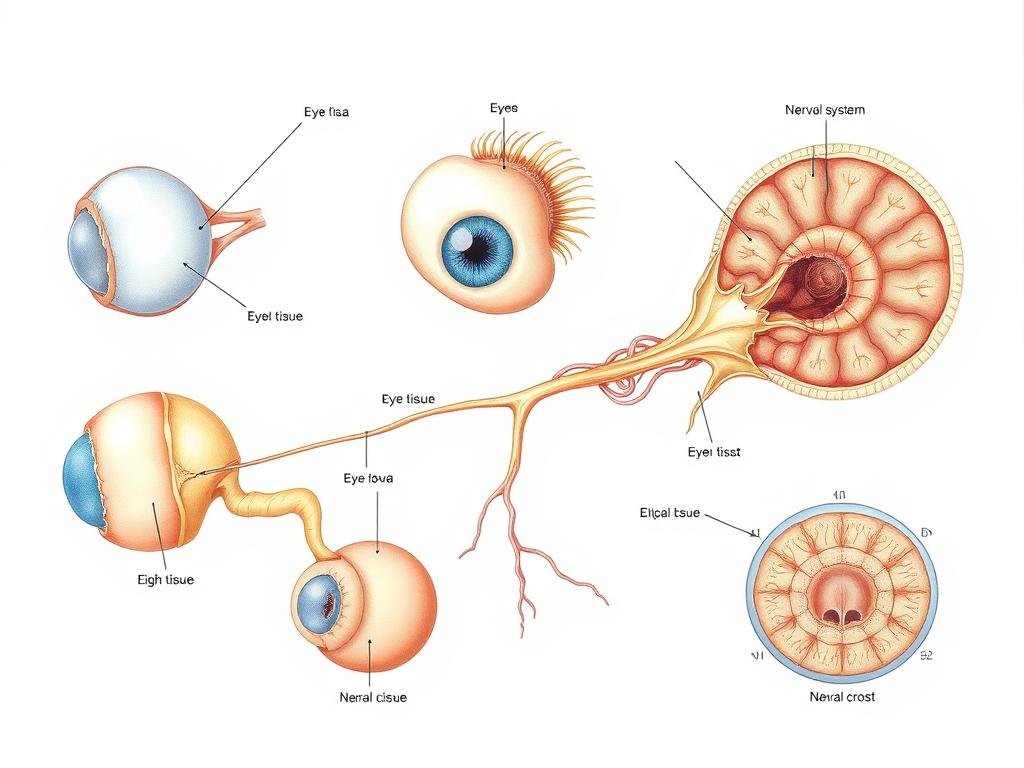
This theory suggests that the connection between the iris and body organs stems from shared embryonic tissue development. During fetal development, the iris forms from the same ectodermal tissue layer as the nervous system, potentially establishing neural connections that reflect health conditions throughout the body.
2. Neurolymphatic Reflex Theory
According to this theory, the iris contains thousands of nerve endings connected to the brain via the optic nerve. These connections form part of a reflex system that may display changes in the iris when organs or tissues experience stress or disease.
3. Genetic Expression Theory
این نظریه پیشنهاد میکند که الگوهای عنبیه منعکس کننده استعدادهای ژنتیکی برای شرایط سلامتی خاص هستند. الگوهای منحصربهفرد در عنبیه هر فرد ممکن است نمایانگر بصری ترکیب ژنتیکی آنها باشد که به طور بالقوه نقاط قوت و ضعف ارثی را آشکار میکند.
4. نظریه میدان بیوالکتریک
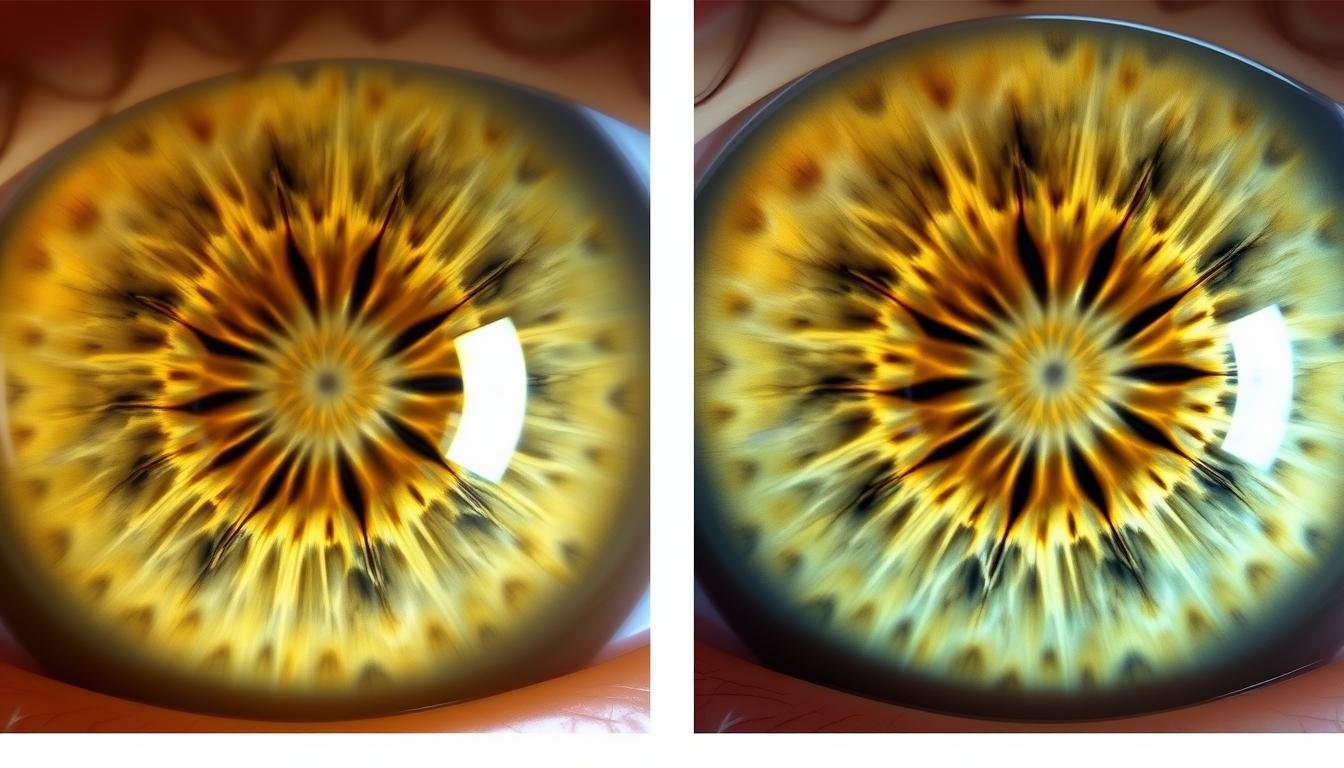
این نظریه نشان می دهد که میدان بیوالکتریک بدن - فعالیت الکتریکی تولید شده توسط سلول ها و بافت ها - بر الگوهای عنبیه تأثیر می گذارد. تغییرات در این زمینه به دلیل بیماری یا اختلال عملکرد ممکن است به صورت تغییرات قابل مشاهده در ساختار یا رنگ عنبیه ظاهر شود.
5. نظریه نقشه برداری میکروسیرکولاسیون
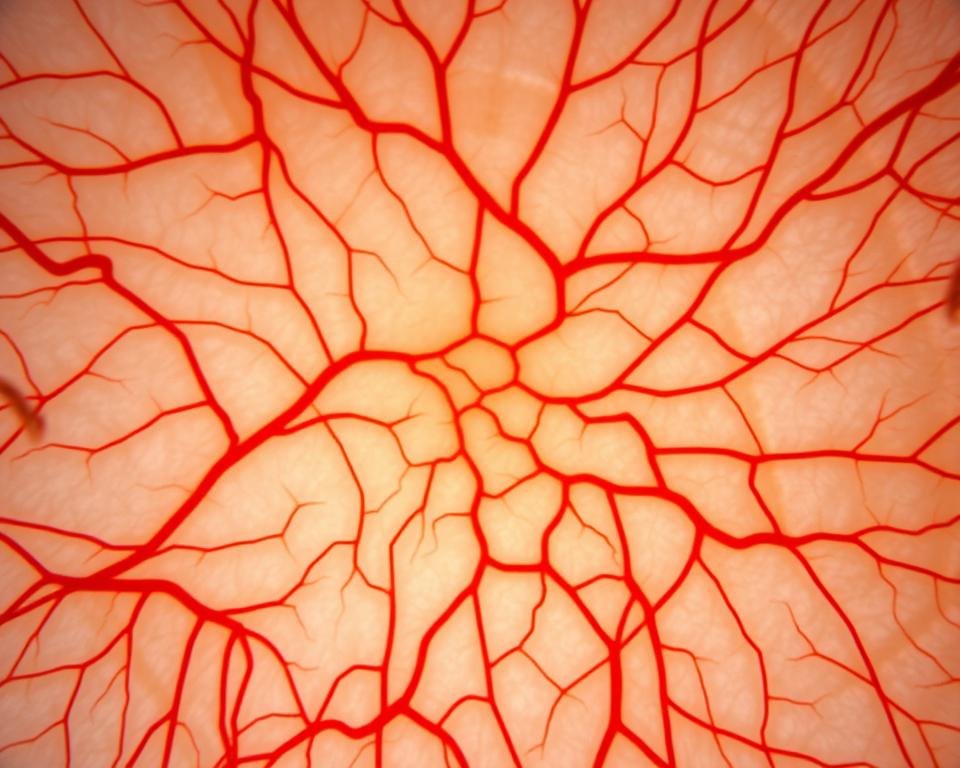
The iris contains numerous tiny blood vessels. This theory proposes that changes in microcirculation throughout the body may be reflected in the vascular patterns of the iris, potentially providing early warning signs of circulatory issues.
How accurate is Iridology Iris Diagnosis compared to conventional medical tests?
The accuracy of iridology remains contested in scientific literature. While conventional medical tests have standardized accuracy rates backed by extensive research, iridology lacks the same level of scientific validation. Proponents suggest it’s most valuable as a complementary assessment tool rather than a replacement for conventional diagnostics.
Can iridology detect conditions before they become symptomatic?
Iridologists claim that changes in the iris can appear before physical symptoms manifest, potentially allowing for preventive measures. However, scientific studies have not conclusively demonstrated this predictive capability. Most conventional medical professionals recommend established screening methods for early detection of health conditions.
برنامه های مدرن از تشخیص Iridology Iris
Despite ongoing debates about its scientific validity, تشخیص Iridology Iris continues to find applications in various health and wellness contexts. Modern practitioners have adapted traditional techniques with new technologies and integrated approaches.
ارزیابی تکمیلی سلامت
Many holistic health practitioners use iridology as one component of a comprehensive health assessment. Rather than relying solely on iris analysis, they combine it with other diagnostic methods, medical history, and lifestyle factors to create a more complete picture of a person’s health.
راهنمایی بهداشت پیشگیرانه
Iridology is often used to identify potential areas of weakness before they develop into health problems. This preventive approach focuses on lifestyle modifications, nutritional support, and stress management techniques tailored to individual constitutional tendencies.
ایریدولوژی دیجیتال
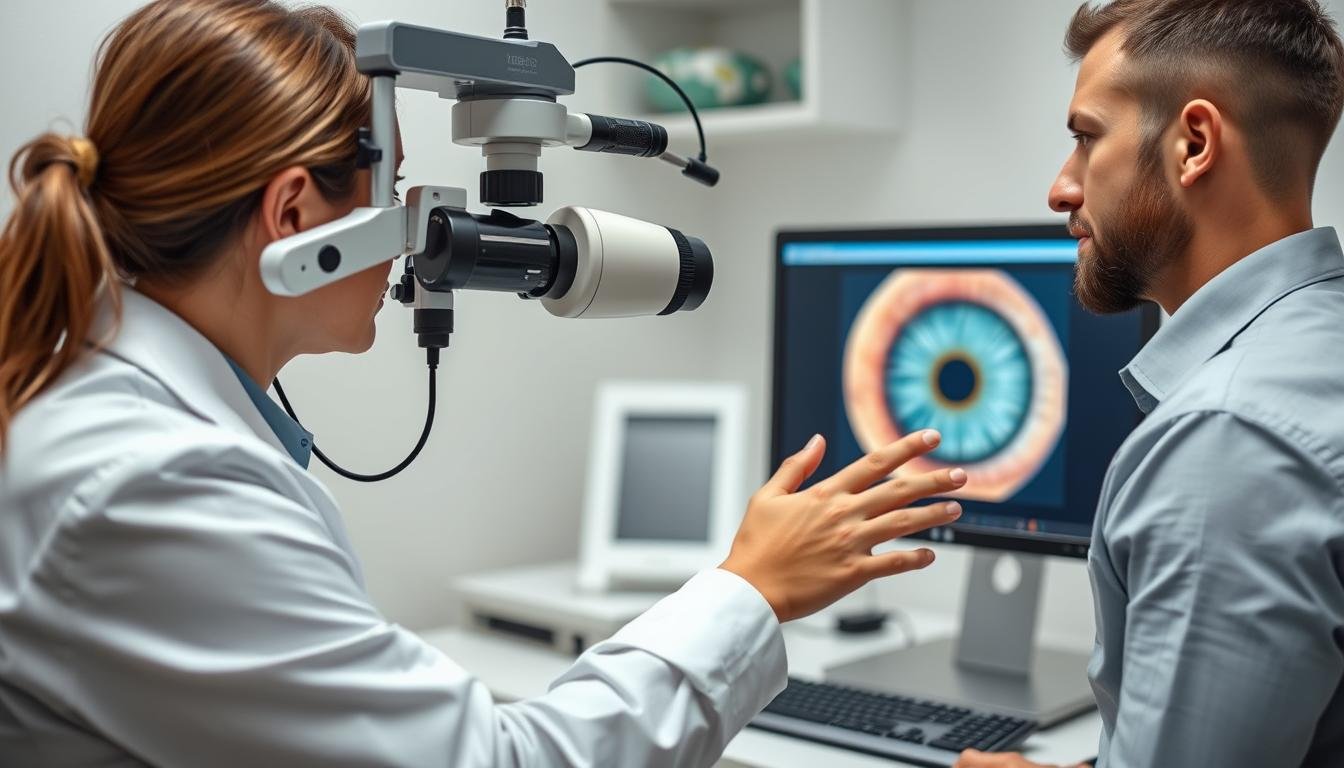
Technological advances have transformed iridology practice. High-resolution digital cameras and specialized software now allow for detailed iris photography and analysis. These tools can detect subtle iris features invisible to the naked eye and provide consistent documentation of changes over time.
Statistical Insights
- According to a 2019 survey, approximately 12% of alternative health practitioners incorporate some form of iridology in their practice
- A 2020 market research report estimated the global iridology equipment market at $24.5 million, with projected growth of 4.2% annually
- Studies indicate that 8-15% of adults in Western countries have consulted an iridologist at least once
Join Our Holistic Health Community
Stay updated on the latest research and developments in iridology and other natural health approaches. Subscribe to our monthly newsletter for exclusive content and practical wellness tips.
Subscribe Now
Criticisms and Controversies Surrounding تشخیص Iridology Iris
While iridology has passionate advocates, it also faces significant criticism from the scientific and medical communities. Understanding these criticisms is important for anyone considering iridology as a health assessment tool.

طرفداران استدلال می کنند
- Iridology offers a non-invasive way to assess overall health
- It may detect imbalances before they manifest as symptoms
- The practice considers constitutional factors unique to each individual
- Modern technology has improved accuracy and consistency
- It encourages preventive health approaches
Critics Contend
- Controlled studies have failed to demonstrate diagnostic reliability
- There’s insufficient scientific evidence for the claimed iris-organ connections
- Interpretations vary significantly between practitioners
- Reliance on iridology might delay proper medical treatment
- The biological mechanism for how health conditions would affect iris patterns remains unclear
مطالعات علمی
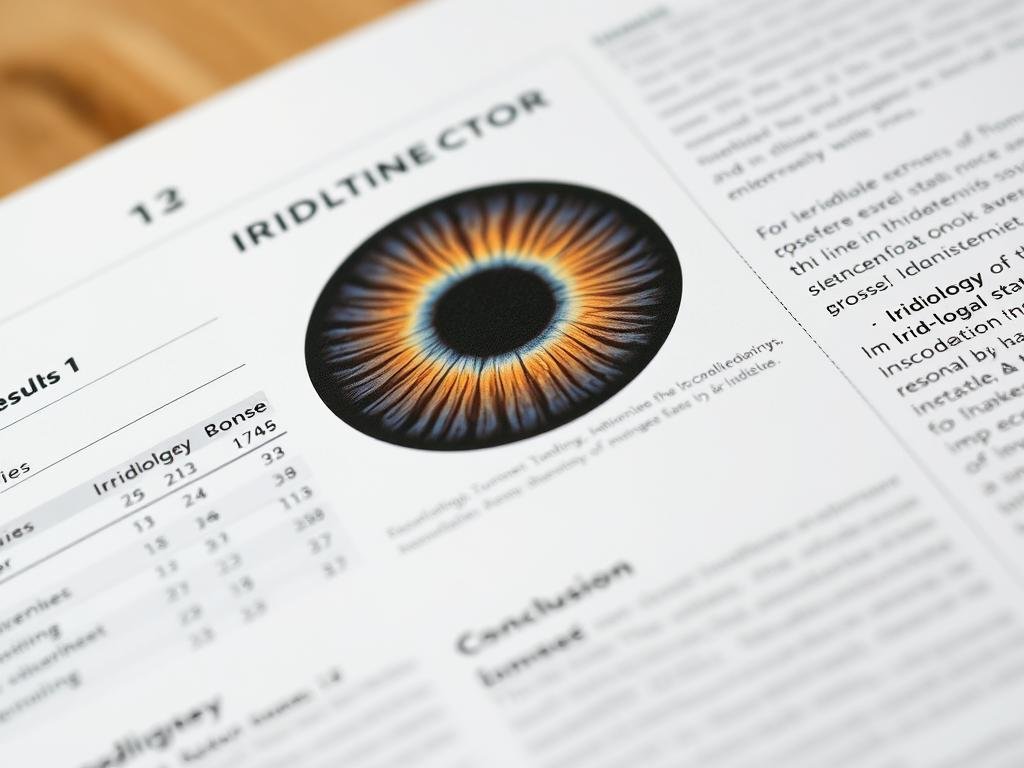
Several controlled studies have examined iridology’s diagnostic capabilities with mixed results. A notable study published in the Journal of the American Medical Association tested the ability of iridologists to detect kidney disease through iris examination. The study found that the iridologists could not reliably identify patients with kidney disease, performing no better than chance.
However, proponents argue that many studies have methodological flaws or test iridology in ways that don’t reflect how it’s actually practiced. They point to positive outcomes in clinical settings and case studies that suggest value in the approach.
وضعیت نظارتی
The regulatory status of iridology varies worldwide. In most countries, it’s considered a complementary or alternative practice rather than a licensed medical specialty. This means that standards for training and practice can vary significantly, and consumers should research practitioners’ qualifications carefully.
Should iridology replace conventional medical diagnosis?
Most responsible iridology practitioners recommend using it as a complementary tool rather than a replacement for conventional medical diagnosis. Even advocates of iridology generally suggest working with qualified healthcare providers, especially for serious health concerns.
Balancing Perspective on تشخیص Iridology Iris
The theories behind تشخیص Iridology Iris present a fascinating intersection of ancient wisdom and modern holistic health approaches. While scientific validation remains limited, many find value in its whole-person perspective and preventive focus.
For those interested in exploring iridology, a balanced approach is recommended—one that appreciates its potential insights while maintaining realistic expectations about its capabilities. Consider it as one tool among many for understanding your health, rather than a definitive diagnostic method.

Whether you’re a skeptic or an enthusiast, the enduring interest in iridology speaks to our continuing search for comprehensive approaches to health and wellness that consider the whole person. As research continues and technology advances, our understanding of the relationship between the iris and overall health may evolve in surprising ways.
Explore Iridology With Professional Guidance
Interested in learning what your iris might reveal about your health? Connect with a qualified practitioner who can provide a professional assessment and answer your questions.
یک ایریدولوژیست خبره پیدا کنید


