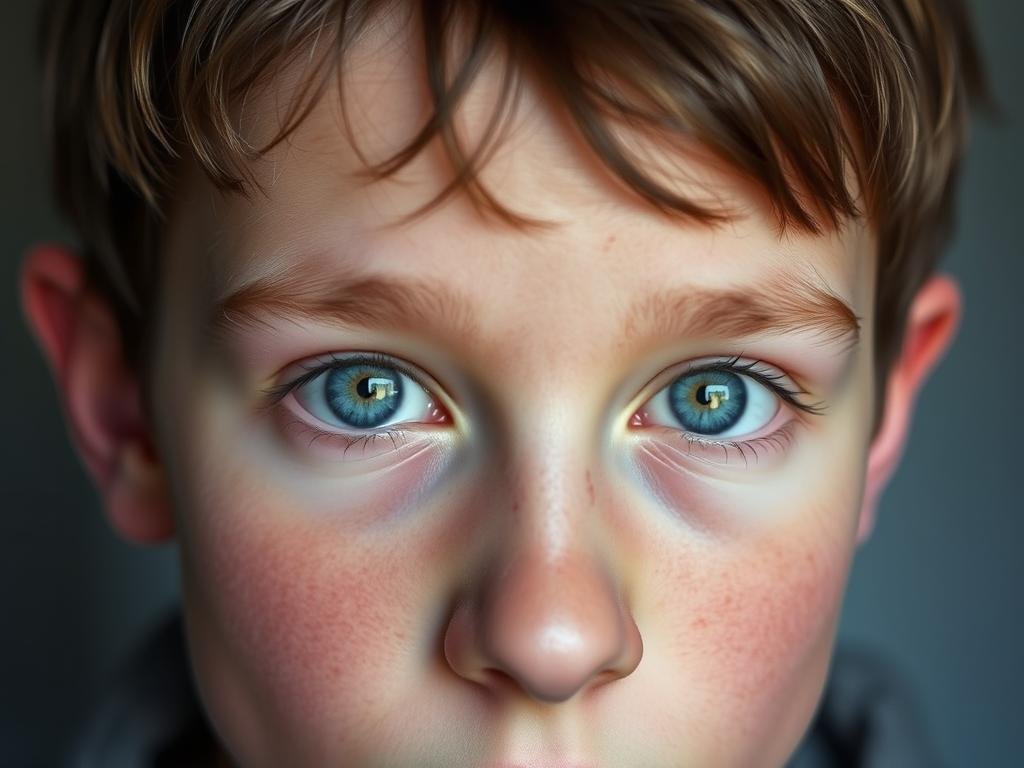
چشمان زنبق سفید : چشم انسان با ساختار پیچیده و رنگبندی متنوع خود، مدتهاست که دانشمندان و هنرمندان را مجذوب خود کرده است. از جمله نادرترین و چشمگیرترین ظاهر چشم، عنبیه سفید است. این رنگآمیزی غیرمعمول میتواند هم منبع شگفتی و هم نگرانی باشد و سؤالاتی را در مورد علل، پیامدهای بینایی و اهمیت فرهنگی ایجاد کند. در این راهنمای جامع، علم پشت عنبیههای سفید، بازنمایی آنها در فرهنگ را بررسی میکنیم و به سؤالات رایج در مورد این ویژگی چشمی متمایز پاسخ خواهیم داد.
علم رنگدانه زنبق
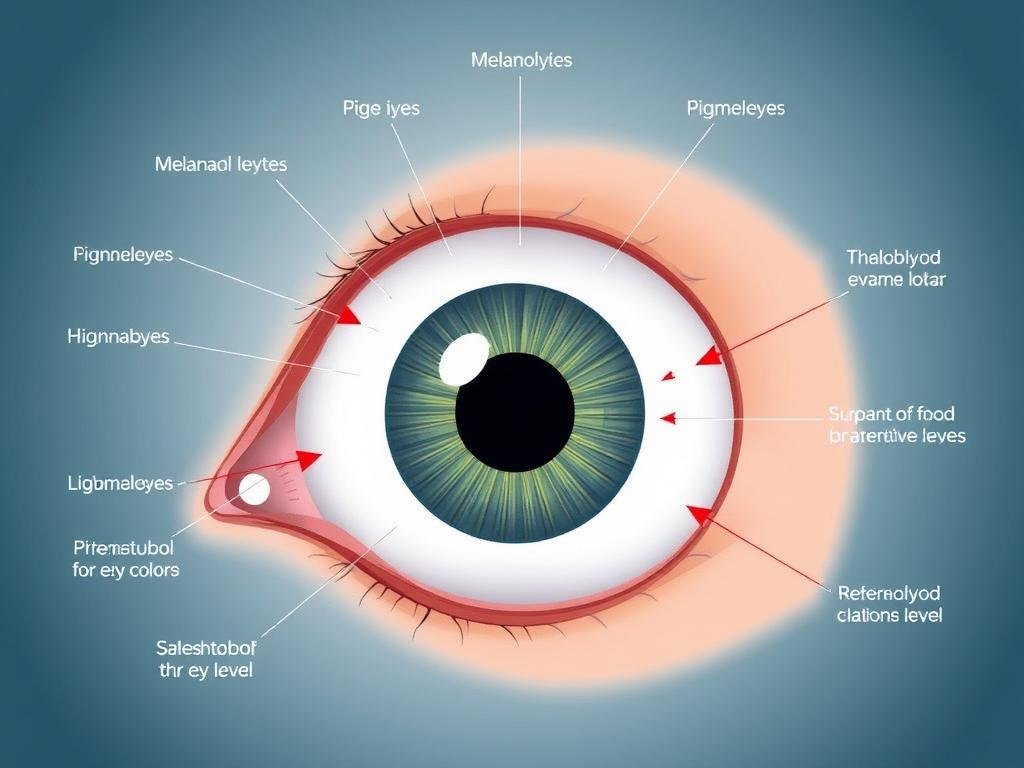
در عنبیه قسمت رنگی چشم است که مردمک را احاطه کرده است - منفذ دایره ای سیاه در مرکز. حاوی سلول های تخصصی به نام ملانوسیت است که ملانین، همان رنگدانه مسئول رنگ پوست و مو را تولید می کند. میزان و توزیع ملانین رنگ چشم را تعیین میکند، با غلظتهای بالاتر باعث تیرهتر شدن چشمها و مقادیر کمتر و در نتیجه رنگهای روشنتر میشود.
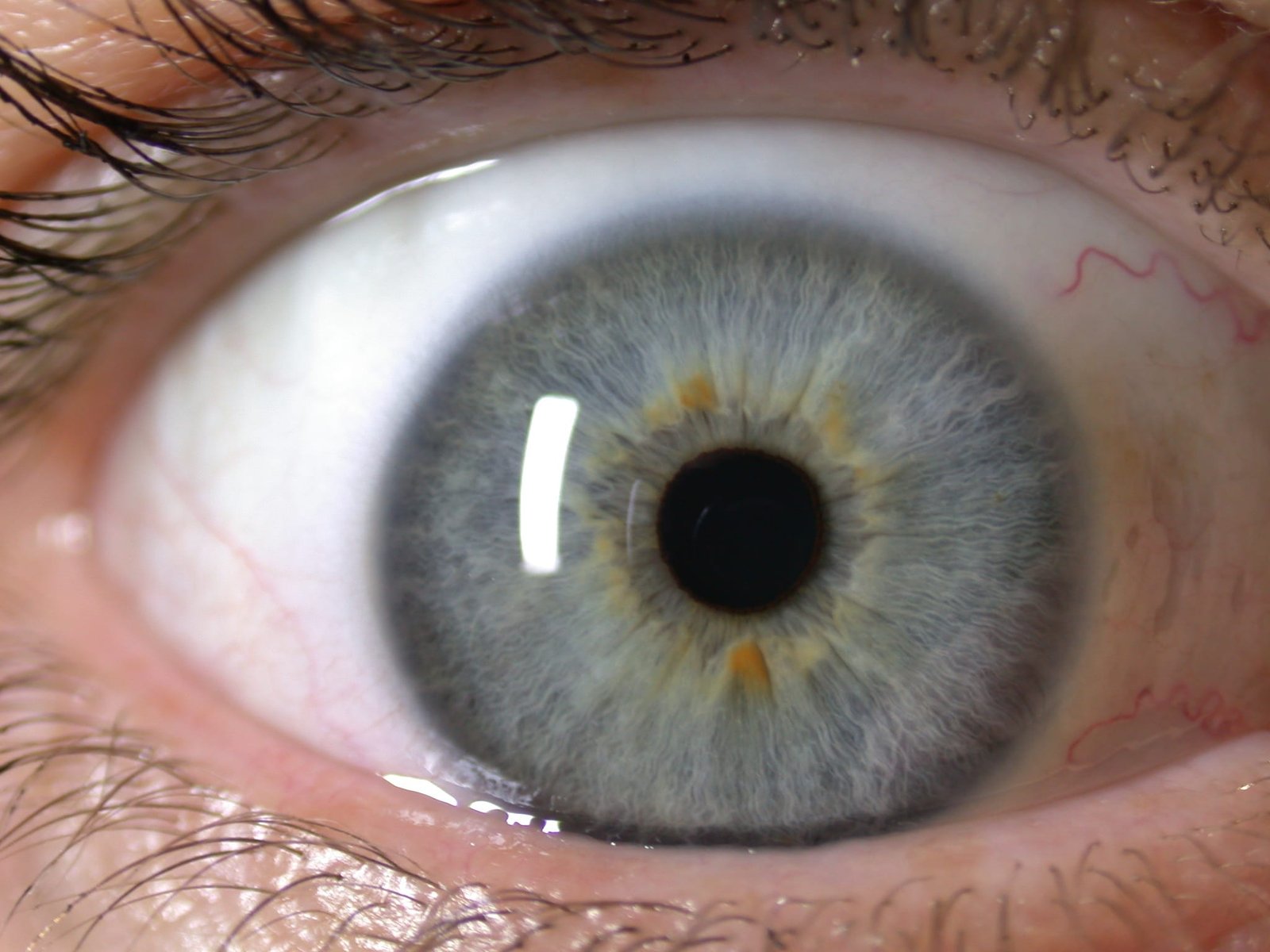
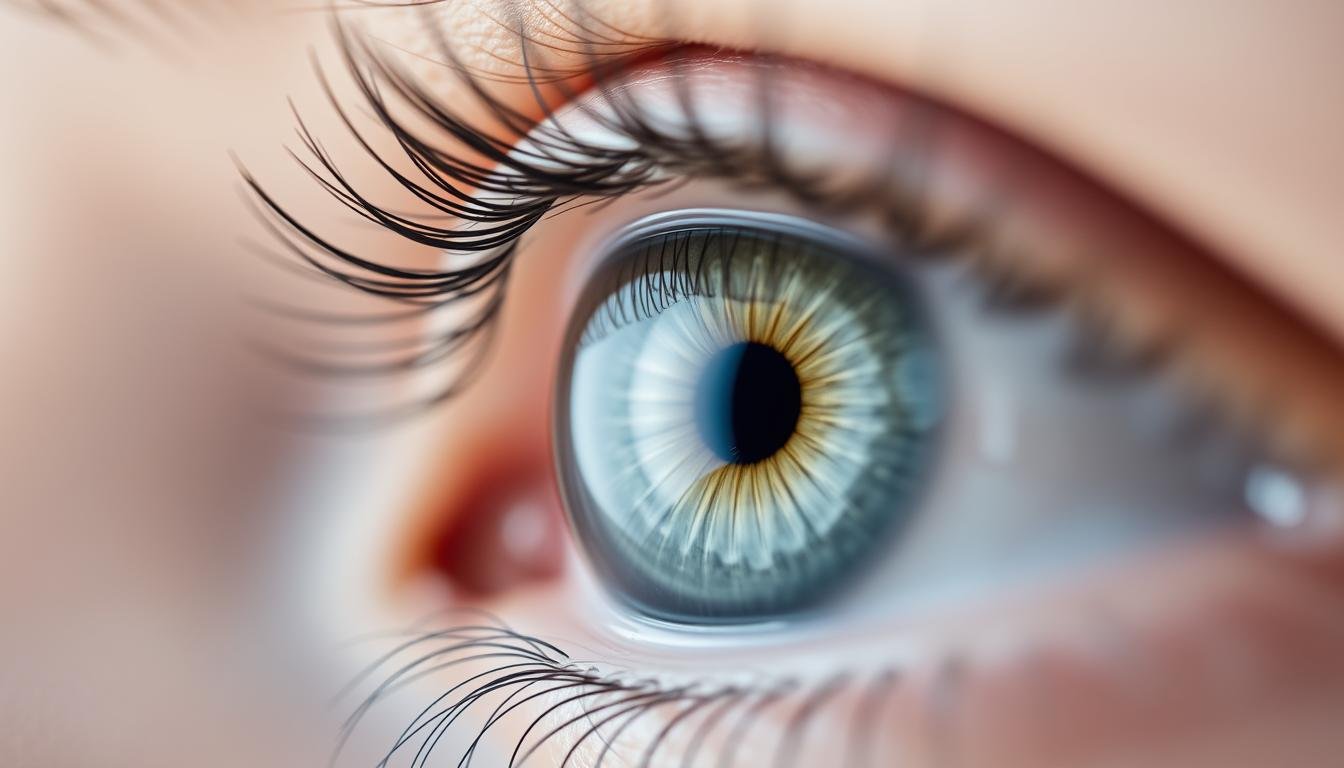
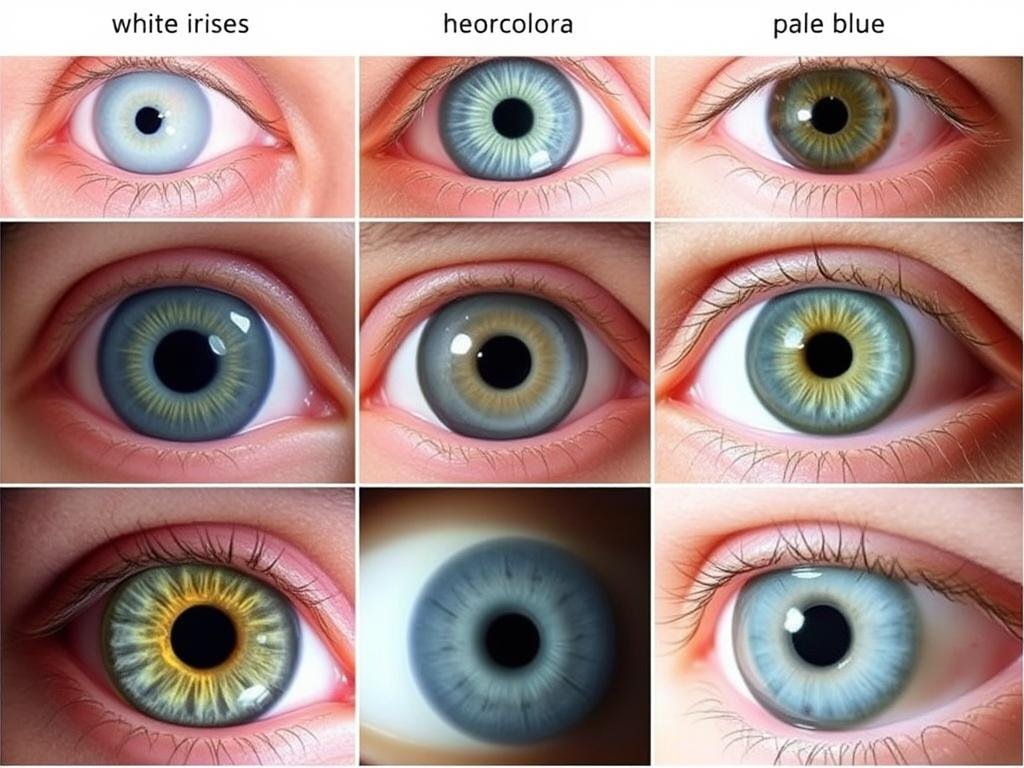
بیشتر مردم چشم های قهوه ای، آبی، سبز یا فندقی دارند. عنبیه سفید بسیار نادر است و معمولاً از فقدان کامل یا تقریباً کامل ملانین در بافت عنبیه ناشی می شود. این فقدان رنگدانه اجازه می دهد تا بافت فیبری زیرین و رگ های خونی قابل مشاهده شوند و ظاهر عنبیه سفید یا بسیار کم رنگ آبی-سفید را ایجاد کنند.

چه چیزی باعث عنبیه سفید می شود؟
عنبیه سفید معمولاً یک بیماری مستقل نیست، بلکه نشانه ای از چندین بیماری زمینه ای ژنتیکی یا پزشکی است. درک این علل برای تشخیص و مدیریت صحیح ضروری است.
آلبینیسم چشمی
آلبینیسم چشمی یک بیماری ژنتیکی است که بر رنگدانه های چشم تأثیر می گذارد بدون اینکه لزوماً بر رنگ پوست و مو تأثیر بگذارد. افراد مبتلا به آلبینیسم چشمی معمولاً عنبیه های بسیار روشنی دارند که ممکن است به دلیل نمایان شدن رگ های خونی از طریق عنبیه، سفید، آبی کم رنگ یا صورتی به نظر برسند. این عارضه معمولاً به X مرتبط است، به این معنی که عمدتاً مردان را مبتلا میکند اما میتواند توسط زنان نیز منتقل شود.
سندرم واردنبورگ
چشمان زنبق سفید: سندرم وااردنبورگ گروهی از شرایط ژنتیکی است که می تواند باعث کاهش شنوایی و تغییر رنگدانه های مو، پوست و چشم شود. یکی از ویژگی های متمایز این سندرم هتروکرومی (چشم های با رنگ های مختلف) یا چشم های آبی کم رنگ است که ممکن است تقریباً سفید به نظر برسد. افراد مبتلا به سندروم وااردنبورگ ممکن است دارای قفل جلویی سفید (لکه ای از موهای سفید) و ویژگی های متمایز صورت باشند.
آلبینیسم کامل
White Irises Eyes Complete albinism affects pigmentation throughout the body, including the eyes, skin, and hair. People with complete albinism typically have very light-colored irises that may appear reddish, pink, or pale blue-white due to the lack of melanin. This condition also causes photophobia (sensitivity to light) and can impact visual acuity.
Trauma or Disease
In some cases, trauma or disease can cause depigmentation of the iris, leading to white patches or a whitish appearance. Conditions such as iritis (inflammation of the iris), certain medications, or injuries can sometimes affect iris coloration. Unlike genetic causes, these acquired changes may affect only one eye or part of the iris.
Concerned About Changes in Your Eye Color?
تغییرات ناگهانی در رنگ چشم گاهی اوقات می تواند نشان دهنده مشکلات اساسی سلامتی باشد. اگر متوجه تغییراتی در رنگ عنبیه خود شده اید، توصیه می شود با چشم پزشک مشورت کنید.
یک متخصص چشم در نزدیکی خود پیدا کنید
چشمان سفید در فرهنگ پاپ
در طول تاریخ و در فرهنگهای مختلف، چشمهای سفید یا بسیار کمرنگ دارای وزن نمادین قابل توجهی بودهاند که اغلب نمایانگر چیزی ماورایی یا ماوراء طبیعی هستند.
اساطیر و فولکلور
In many mythologies, beings with white eyes are associated with blindness that paradoxically grants inner sight or prophetic abilities. Ancient Greek oracles were often depicted as blind with pale eyes, symbolizing their connection to divine wisdom. In Norse mythology, Odin sacrificed an eye to gain wisdom, and is sometimes portrayed with a pale or white eye representing his supernatural insight.
Literature and Film
چشمان زنبق سفید: In modern literature and film, characters with white irises often represent the supernatural, blindness with special abilities, or otherworldly origins. From blind seers in fantasy novels to aliens and supernatural beings in science fiction, white eyes serve as a visual shorthand for characters who perceive the world differently than ordinary humans.
Popular examples include characters like Storm from X-Men (whose eyes turn white when using her powers), the blind prophet Tiresias in various adaptations of Greek mythology, and numerous characters in anime and fantasy genres who manifest white eyes during heightened states of power or awareness.
Symbolism and Meaning
White irises in cultural contexts often symbolize:
- Otherworldliness or supernatural origin
- Heightened perception or special abilities
- Wisdom that transcends ordinary sight
- Purity or divine connection
- Blindness that paradoxically grants insight
This rich symbolism has made white eyes a powerful visual element in storytelling across various media, reinforcing the fascination humans have with unusual eye appearances.
Health Implications of White Irises
While white irises themselves are not inherently harmful, the underlying conditions that cause them can have various health implications, particularly for vision.
Vision Challenges
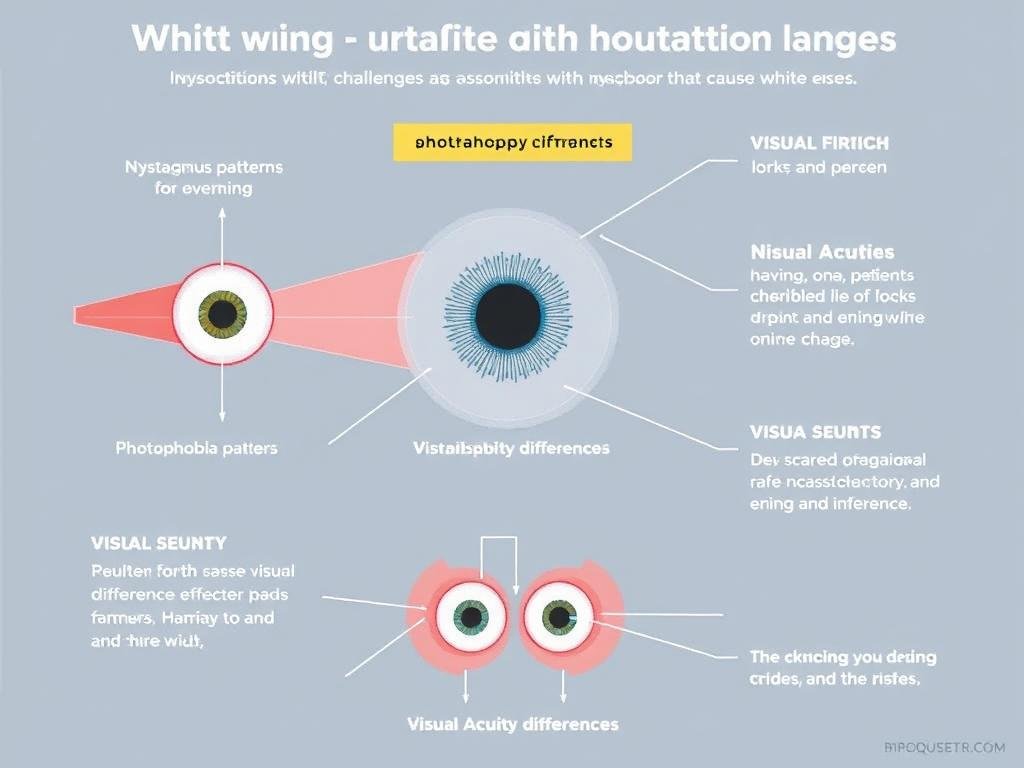
White Irises Eyes: Many conditions that cause white irises also affect other parts of the visual system. People with ocular albinism or complete albinism often experience:
- Reduced visual acuity (sharpness)
- nystagmus (حرکات چشم غیر ارادی)
- Strabismus (misalignment of the eyes)
- Photophobia (sensitivity to light)
- Difficulty with depth perception
Associated Health Conditions
Depending on the underlying cause, white irises may be associated with other health conditions:
- Hearing loss (common in Waardenburg syndrome)
- Increased risk of skin cancer (in albinism)
- Developmental issues with the optic nerves and retina
- Social and psychological challenges due to distinctive appearance
Early diagnosis and appropriate management of these conditions are essential for optimizing quality of life and visual function.
Diagnosis and Management
White Irises Eyes: If you or your child has white irises, a comprehensive eye examination by an ophthalmologist is recommended. The diagnosis typically involves:
- Detailed family history
- Comprehensive eye examination
- Visual acuity testing
- Genetic testing in some cases
- Assessment of other potential symptoms
Management of conditions causing white irises focuses on addressing associated vision challenges and may include:
Vision Support
- Prescription eyeglasses or contact lenses
- Low vision aids for those with significant visual impairment
- Special tinted lenses to help with photophobia
- Vision therapy for issues like nystagmus
Lifestyle Adaptations
- UV protection for eyes and skin
- Modifications to home, school, or work environments
- Support groups and resources
- Regular monitoring by eye care professionals
FAQs About Unusual Eye Colors
Can irises turn white later in life?
While irises don’t typically turn completely white later in life, changes in iris color can occur due to several factors:
- Certain medications (like prostaglandin analogs used for glaucoma)
- Eye injuries or trauma
- Inflammatory conditions like iritis or uveitis
- Fuchs heterochromic iridocyclitis (a type of eye inflammation)
- سندرم پراکندگی رنگدانه
Any noticeable change in iris color should be evaluated by an eye care professional, as it could indicate an underlying condition requiring treatment.
Are white irises dangerous to vision?
White irises themselves are not inherently dangerous to vision. However, the underlying conditions that cause white irises—such as ocular albinism or Waardenburg syndrome—often affect other parts of the visual system and can impact vision quality.
White Irises Eyes: People with these conditions may experience reduced visual acuity, nystagmus (involuntary eye movements), photophobia (light sensitivity), and other vision challenges. With proper diagnosis, management, and vision support, many individuals with these conditions can maintain good functional vision throughout their lives.
How rare are naturally white irises?
White Irises Eyes: Truly white irises are extremely rare. Complete ocular albinism affects approximately 1 in 20,000 people worldwide, with varying degrees of iris depigmentation. Waardenburg syndrome is even rarer, affecting an estimated 1 in 40,000 people.
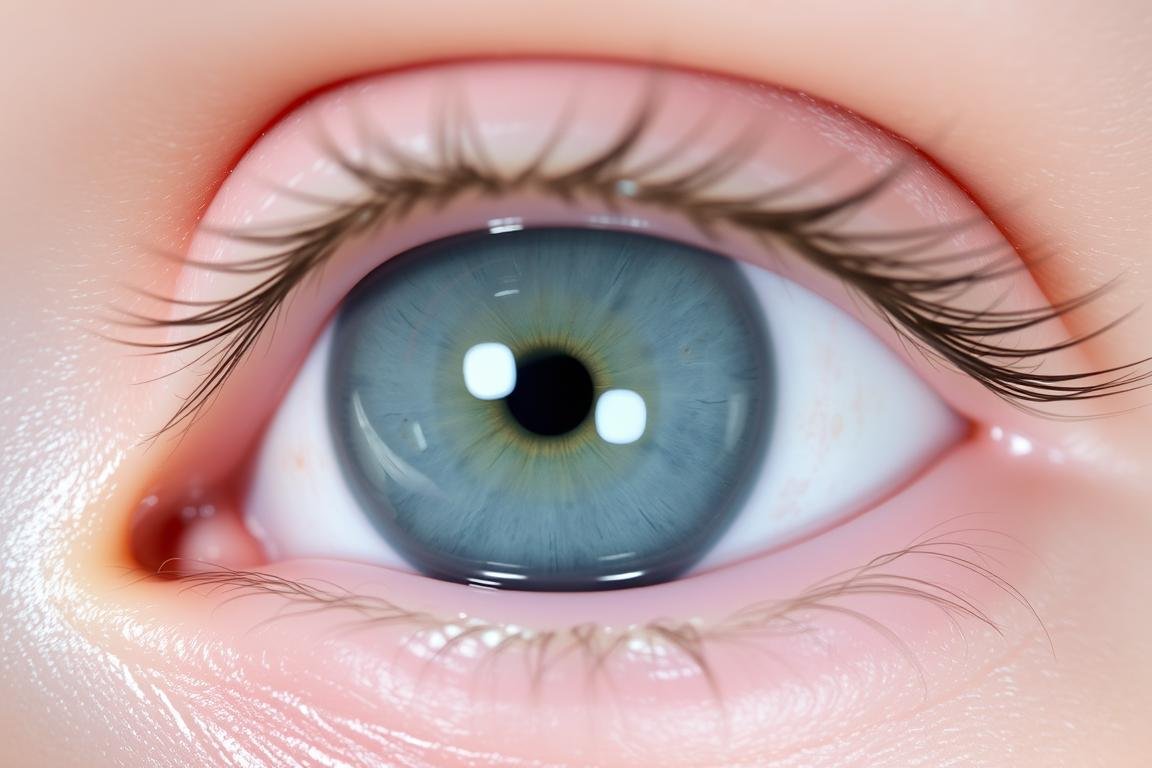
It’s worth noting that many eyes described as “white” actually have very pale blue irises with minimal pigmentation. True white irises would lack pigmentation entirely, allowing the fibrous tissue and blood vessels of the iris to show through, often creating a pale bluish-white or pinkish appearance depending on lighting conditions.
Can contact lenses safely change eye color to white?
Colored contact lenses, including those that create a white iris effect, are available for cosmetic purposes. However, these should only be used if:
- They are obtained with a valid prescription from an eye care professional
- They are FDA-approved and purchased from a legitimate source
- Proper hygiene and care protocols are followed
Non-prescription or low-quality colored contacts can cause serious eye injuries, infections, and even vision loss. White scleral lenses (which cover the entire visible eye surface) are particularly risky and should only be used under professional supervision, such as for theatrical performances.
Understanding and Embracing Eye Diversity
White irises represent just one fascinating aspect of human eye diversity. Whether resulting from genetic conditions like ocular albinism or Waardenburg syndrome, these distinctive eyes have captured human imagination throughout history and across cultures.
If you or someone you know has white irises or any unusual eye appearance, consulting with an ophthalmologist can provide valuable insights into any underlying conditions and appropriate management strategies. With proper care and support, people with these rare eye characteristics can maintain good eye health and embrace their unique appearance.
Have Questions About Your Eye Health?
Regular eye examinations are essential for maintaining good vision and detecting any changes in your eye health early. If you have concerns about your eye color or any vision changes, schedule a consultation with an eye care specialist.
Schedule an Eye Examination Today