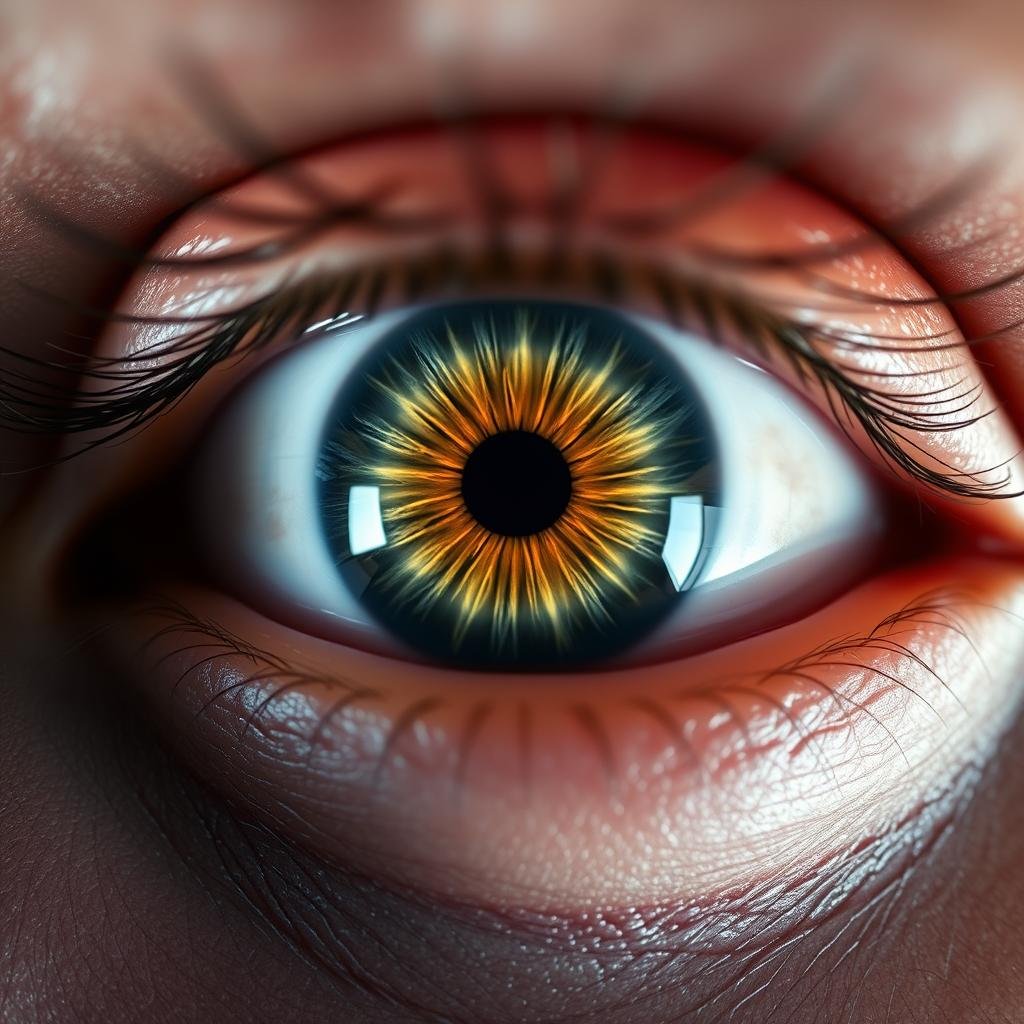
Os olhos há muito são chamados de janelas da alma, e por boas razões. Leitura ocular é a arte e a ciência de interpretar os movimentos dos olhos, a dilatação da pupila e os padrões do olhar para compreender emoções, intenções e até mesmo processos de pensamento. Esta forma poderosa de comunicação não-verbal pode revelar o que as palavras muitas vezes escondem. Esteja você procurando melhorar seus relacionamentos pessoais, interações profissionais ou simplesmente compreender melhor o comportamento humano, dominar a habilidade de leitura ocular pode transformar a maneira como você se conecta com outras pessoas.
O que é Leitura dos olhos?
Leitura ocular é a interpretação sistemática dos movimentos oculares, das respostas das pupilas e dos padrões do olhar para compreender o estado emocional, o nível de interesse, o processamento cognitivo e até a veracidade de uma pessoa. Ao contrário de outras formas de linguagem corporal, os olhos são particularmente reveladores porque muitos movimentos oculares são involuntários e controlados pelo sistema nervoso autónomo – tornando-os difíceis de falsificar ou manipular.
A prática de leitura ocular combina elementos de psicologia, neurociência e análise comportamental. Vai além de simplesmente perceber para onde alguém está olhando; envolve compreender o significado por trás de comportamentos oculares específicos em diferentes contextos.
Principais componentes de Leitura dos olhos
- Dilatação e constrição da pupila
- Direção e duração do olhar
- Taxa e padrões de piscada
- Frequência e manutenção do contato visual
- Microssacadas (pequenos movimentos oculares involuntários)
- Dicas de acesso visual (padrões de movimento relacionados ao pensamento)
A compreensão desses componentes permite aos praticantes de leitura ocular para obter insights que de outra forma poderiam permanecer ocultos na comunicação verbal. Por exemplo, pupilas dilatadas geralmente indicam interesse ou excitação emocional, enquanto piscar rapidamente pode sugerir estresse ou desconforto.
A ciência por trás Leitura dos olhos
A base científica da leitura ocular está enraizado na neurologia, psicologia cognitiva e biologia evolutiva. Nossos olhos estão diretamente conectados ao nosso cérebro através do nervo óptico, tornando-os uma janela única para nossos processos cognitivos e emocionais.

Vias neurais ativadas durante o processamento visual e movimento ocular
A pesquisa mostrou que movimentos oculares específicos se correlacionam com atividades cerebrais específicas. Por exemplo, quando acessamos memórias visuais, nossos olhos muitas vezes se movem para cima, enquanto o acesso às memórias auditivas pode causar movimentos oculares laterais. Esses padrões, conhecidos como “dicas de acesso visual,” constituem um componente importante leitura ocular técnicas.
Como Leitura dos olhos Decodifica emoções
Nossos estados emocionais são frequentemente refletidos em nossos olhos através de várias respostas fisiológicas:
| Comportamento ocular |
Significado emocional potencial |
Base Fisiológica |
| Pupilas dilatadas |
Interesse, atração ou excitação emocional |
Ativação do sistema nervoso simpático |
| Alunos contraídos |
Antipatia, suspeita ou concentração |
Ativação do sistema nervoso parassimpático |
| Aumento da taxa de intermitência |
Estresse, ansiedade ou desconforto |
Níveis elevados de cortisol |
| Contato visual prolongado |
Confiança, interesse ou domínio |
Envolvimento do lobo frontal |
| Olhar desviado |
Timidez, submissão ou engano |
Ativação da amígdala (resposta ao medo) |
Microexpressões – expressões faciais breves e involuntárias que duram uma fração de segundo – são particularmente importantes em leitura ocular. Os músculos ao redor dos olhos (orbicular dos olhos) não podem ser controlados voluntariamente com a mesma precisão que outros músculos faciais, tornando as microexpressões oculares indicadores especialmente confiáveis de emoção genuína.
Diferenças Culturais em Leitura dos olhos
Embora muitos movimentos oculares tenham significados universais, as normas culturais influenciam significativamente a forma como os comportamentos oculares devem ser interpretados:
Culturas Ocidentais
O contato visual direto é geralmente valorizado e associado à honestidade, confiança e atenção. Evitar o contato visual pode ser interpretado como timidez, desonestidade ou falta de interesse.

Culturas do Leste Asiático
O contato visual direto e prolongado pode ser considerado desrespeitoso, especialmente com idosos ou figuras de autoridade. O olhar abaixado geralmente significa respeito, em vez de desinteresse ou desonestidade.

Culturas do Oriente Médio
O contato visual entre pessoas do mesmo sexo pode ser mais intenso e prolongado do que nas culturas ocidentais. No entanto, o contacto visual entre géneros segue normas sociais diferentes e pode ser mais restrito.

Essas diferenças culturais destacam a importância do contexto na leitura ocular. O que pode indicar desonestidade numa cultura pode simplesmente reflectir respeito noutra. Praticantes eficazes de leitura ocular deve levar em conta essas variações culturais para evitar interpretações errôneas.
Aplicações Práticas de Leitura dos olhos
A capacidade de interpretar com precisão os movimentos e padrões oculares tem aplicações valiosas em vários campos e situações pessoais:

Terapia & Aconselhamento
Os terapeutas usam leitura ocular para detectar respostas emocionais que os clientes podem não verbalizar, ajudando a identificar problemas subjacentes e orientar abordagens de tratamento.

Negociações Empresariais
Em negociações de alto risco, leitura ocular pode revelar níveis de interesse, preocupações ou possíveis enganos, proporcionando vantagens estratégicas valiosas.

Relacionamentos Pessoais
Compreender os sinais visuais de um parceiro pode melhorar a conexão emocional, melhorar a comunicação e ajudar a resolver conflitos de forma mais eficaz.

Aplicação da lei
Investigadores treinados usam leitura ocular técnicas para avaliar a credibilidade e detectar possíveis enganos durante entrevistas e interrogatórios.
Aprimore suas habilidades de comunicação
Quer saber mais sobre como leitura ocular pode melhorar suas interações profissionais e pessoais? Nosso guia completo fornece técnicas práticas que você pode começar a usar hoje mesmo.
Baixe o guia gratuito de leitura ocular
Estudo de caso: Leitura dos olhos em ambientes clínicos
Dra. Sarah Johnson, psicóloga clínica especializada em tratamento de traumas, compartilha como leitura ocular transformou sua prática:
“Ao trabalhar com sobreviventes de traumas, a comunicação verbal costuma ser difícil. Leitura ocular me permite detectar respostas emocionais que os pacientes não estão prontos para verbalizar. Por exemplo, o movimento rápido dos olhos e o aumento do piscar muitas vezes indicam quando tocamos numa memória significativa, mesmo que o paciente negue verbalmente a sua importância. Isso me dá informações cruciais sobre quais orientações terapêuticas podem ser mais benéficas.”
- Dra. Sarah Johnson, psicóloga clínica
Este caso ilustra como leitura ocular pode fornecer insights que vão além da comunicação verbal, especialmente em contextos sensíveis onde os indivíduos podem ter dificuldade para se expressar.
Melhorando seu Leitura dos olhos Habilidades
Como qualquer habilidade, leitura ocular pode ser desenvolvido e refinado com a prática. Aqui estão técnicas baseadas em evidências para aprimorar sua capacidade de interpretar sinais oculares:
Processo de 4 etapas para dominar Leitura dos olhos
- Estabeleça linhas de base: observe os comportamentos oculares típicos de uma pessoa em situações neutras para identificar seus padrões pessoais.
- Nota Desvios: Preste atenção às mudanças em relação à linha de base ao discutir diferentes tópicos ou fazer perguntas específicas.
- Considere o contexto: Interpretar os comportamentos oculares dentro do contexto cultural, situacional e individual apropriado.
- Verifique os padrões: procure agrupamentos de comportamentos oculares em vez de movimentos isolados para aumentar a precisão.
Padrões oculares comuns e seus significados potenciais
Compreender esses padrões comuns pode fornecer uma base para o desenvolvimento de seu leitura ocular habilidades:

Olhando para cima e para a direita
Frequentemente associado à construção visual (criação ou imaginação de imagens). Pode indicar pensamento criativo ou, em alguns contextos, fabricação.

Olhando para cima e para a esquerda
Frequentemente ligado à recordação visual (lembrar imagens ou cenas). Pode sugerir que a pessoa está acessando memórias visuais genuínas.

Olhando de um lado para o outro
Muitas vezes indica processamento auditivo. Olhar para a esquerda pode sugerir recordar sons, enquanto olhar para a direita pode indicar construir ou imaginar sons.
Pratique Exercício: Assista às entrevistas sem som e tente identificar os estados emocionais dos participantes com base apenas nos movimentos oculares. Em seguida, assista novamente com som para verificar suas interpretações.
A prática regular de técnicas como essas pode melhorar significativamente o seu leitura ocular habilidades. No entanto, é importante abordar esta habilidade com humildade – até mesmo os especialistas às vezes interpretam mal os sinais visuais, e as variações individuais podem tornar as generalizações desafiadoras.
Mitos versus fatos sobre Leitura dos olhos
Apesar de seus fundamentos científicos, leitura ocular é frequentemente mal compreendido ou simplificado demais na cultura popular. Vamos separar o fato da ficção:
Fatos sobre leitura ocular
- A dilatação da pupila é uma resposta involuntária que pode indicar interesse ou excitação emocional
- A formação cultural influencia significativamente os padrões e significados do contato visual
- Os movimentos oculares podem fornecer pistas sobre o processamento cognitivo (pensamento visual, auditivo ou cinestésico)
- Aglomerados de comportamentos oculares são indicadores mais confiáveis do que movimentos isolados
- Os olhos revelam estados emocionais através de microexpressões e respostas autonômicas
Mitos sobre leitura ocular
- Olhar para cima e para a direita sempre indica mentira
- Evitar contato visual é um sinal universal de engano
- Os padrões oculares por si só podem determinar definitivamente a veracidade
- Os movimentos oculares de todos seguem os mesmos padrões, independentemente das diferenças individuais
- A leitura ocular é um método infalível de detectar engano
Compreender estas distinções é crucial para quem procura desenvolver soluções legítimas. leitura ocular habilidades. Embora os olhos forneçam informações valiosas sobre estados cognitivos e emocionais, a interpretação requer nuances, contexto e consciência das diferenças individuais e culturais.

A moderna tecnologia de rastreamento ocular permite aos pesquisadores estudar os movimentos oculares com uma precisão sem precedentes
A investigação científica recente continua a refinar a nossa compreensão dos movimentos oculares e da sua relação com os processos cognitivos e emocionais. À medida que a tecnologia avança, a nossa capacidade de interpretar com precisão os comportamentos oculares provavelmente melhorará, levando a resultados mais confiáveis. leitura ocular técnicas.
Conclusão: Masterização Leitura dos olhos para uma melhor comunicação
Leitura ocular representa uma ferramenta poderosa para compreender os outros em um nível mais profundo. Ao aprender a interpretar as dicas sutis fornecidas pelos movimentos dos olhos, respostas das pupilas e padrões de olhar, você pode obter insights sobre emoções, processos de pensamento e intenções que de outra forma poderiam permanecer ocultos.
No entanto, eficaz leitura ocular requer mais do que memorizar um conjunto de regras ou padrões. Exige prática, consciência contextual, sensibilidade cultural e vontade de refinar continuamente sua compreensão. A abordagem dos profissionais mais qualificados leitura ocular como um componente de um conjunto de ferramentas de comunicação mais amplo, utilizando-o para complementar, em vez de substituir, a comunicação verbal.
Leve suas habilidades de leitura ocular para o próximo nível
Pronto para se tornar mais perspicaz em suas interações pessoais e profissionais? Nosso guia completo inclui exercícios práticos, explicações científicas e aplicações reais de leitura ocular técnicas.
Baixe seu guia gratuito de leitura ocular
Principais conclusões sobre Leitura dos olhos
- Leitura ocular combina psicologia, neurociência e análise comportamental para interpretar os movimentos oculares
- A dilatação da pupila, a direção do olhar e os padrões de piscada fornecem informações valiosas sobre os estados emocionais
- O contexto cultural influencia significativamente a forma como os comportamentos oculares devem ser interpretados
- As aplicações práticas abrangem terapia, negócios, relacionamentos e aplicação da lei
- Em desenvolvimento leitura ocular habilidades requer o estabelecimento de linhas de base e a observação de desvios de padrão
- Mitos comuns sobre os movimentos oculares podem levar a interpretações erradas
- A pesquisa científica continua a refinar nossa compreensão das conexões olho-cérebro
- Leitura ocular é mais eficaz quando usado como parte de uma abordagem de comunicação abrangente
Perguntas frequentes sobre Leitura dos olhos
É leitura ocular cientificamente válido?
Sim, muitos aspectos leitura ocular são apoiados por pesquisas científicas em psicologia e neurociência. Estudos confirmaram conexões entre movimentos oculares específicos e processos cognitivos. No entanto, a interpretação requer contexto e não deve ser simplificada demais.
Pode leitura ocular detectar definitivamente a mentira?
Não, apesar das reivindicações populares, leitura ocular por si só não pode determinar definitivamente se alguém está mentindo. A detecção de enganos requer a análise de vários sinais comportamentais, fatores contextuais e comportamentos básicos – não apenas movimentos oculares.
Quanto tempo leva para se tornar proficiente em leitura ocular?
Desenvolvimento básico leitura ocular habilidades podem levar várias semanas de prática consistente. Contudo, tornar-se verdadeiramente proficiente pode exigir meses ou anos de observação e aplicação em vários contextos. Como qualquer habilidade, melhora com prática dedicada.
Existem preocupações éticas com leitura ocular?
Sim, as considerações éticas incluem respeitar a privacidade, evitar a manipulação e reconhecer as limitações de interpretação. Leitura ocular devem ser usados para melhorar a compreensão e a comunicação, e não para explorar ou manipular outras pessoas.
Pode leitura ocular habilidades podem ser usadas em reuniões virtuais?
Sim, embora com limitações. As videochamadas permitem a observação de muitos movimentos oculares, mas a resolução da tela, a iluminação e os ângulos da câmera podem reduzir a visibilidade de sinais sutis. Além disso, as pessoas podem desviar o olhar da câmera para ver notas ou outro conteúdo, o que pode ser mal interpretado.