A antiga arte de Leitura dos olhos fascinou a humanidade durante séculos. Desde cartomantes que afirmam prever seu futuro examinando sua íris até profissionais médicos modernos que usam oftalmoscópios para detectar problemas de saúde, a leitura ocular abrange um amplo espectro, desde a pseudociência até a prática médica legítima. Este guia completo separa mitos de fatos, ajudando você a entender o que seus olhos podem — e não podem — revelar sobre sua saúde e personalidade. Nossos olhos são frequentemente chamados de janelas da alma, mas será que eles realmente revelam nossos segredos mais íntimos? Vamos explorar o fascinante mundo da leitura ocular e descobrir o que a ciência realmente apoia versus o que pertence ao reino da ficção.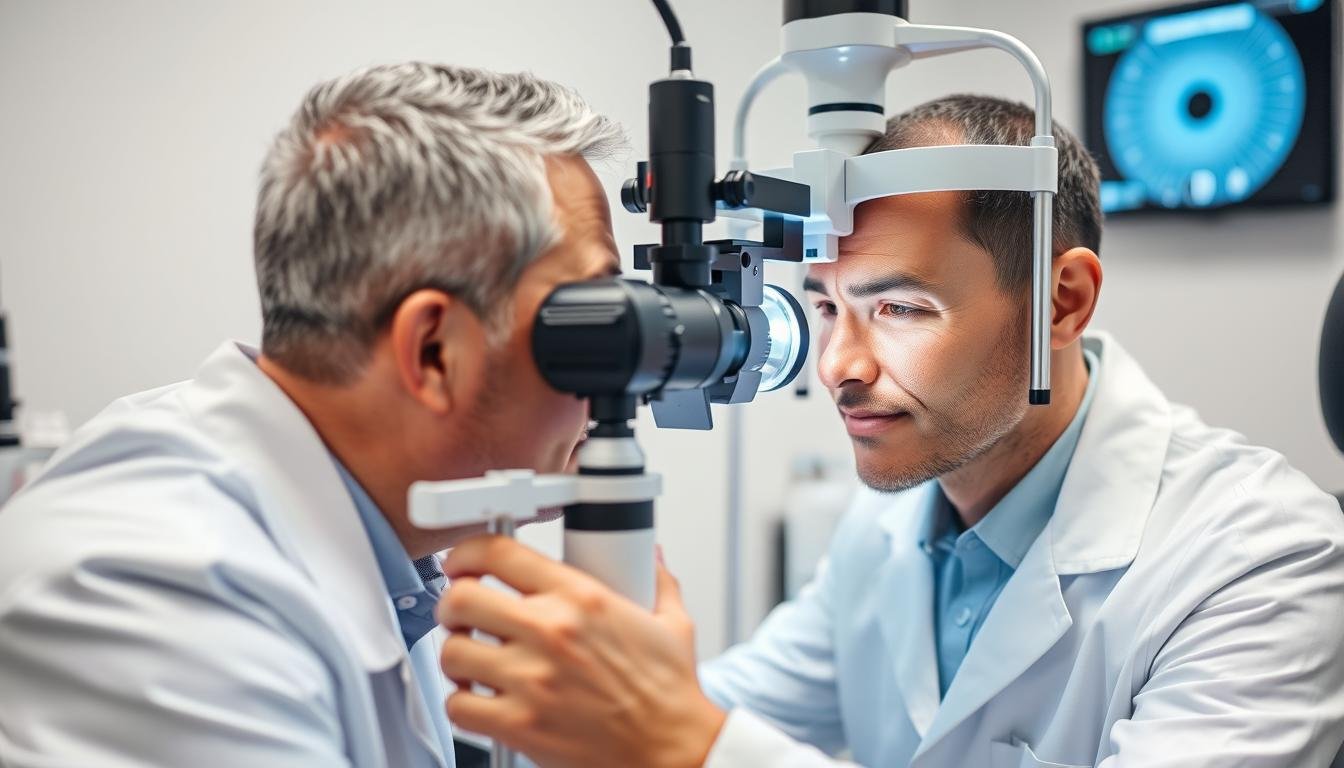
O que é leitura ocular e por que é importante
O exame oftalmológico profissional revela informações importantes sobre saúde por meio de técnicas de leitura ocular
A leitura ocular abrange várias práticas e técnicas usadas para interpretar informações provenientes dos olhos. No seu sentido mais lato, inclui tanto métodos científicos utilizados por profissionais da visão como abordagens alternativas que pretendem revelar traços de personalidade ou prever eventos futuros.
A leitura ocular médica moderna envolve o exame das estruturas do olho para detectar sinais de doenças ou problemas de saúde. Isso inclui a análise da retina, dos vasos sanguíneos, do nervo óptico e de outros componentes oculares durante um exame oftalmológico abrangente.
Compreender a diferença entre a leitura ocular baseada em evidências e alegações infundadas é crucial para tomar decisões informadas sobre a saúde ocular e o bem-estar geral.
Mitos comuns sobre leitura ocular desmascarados
Vamos examinar alguns dos mitos mais persistentes em torno da leitura ocular e o que a ciência realmente nos diz sobre essas afirmações.
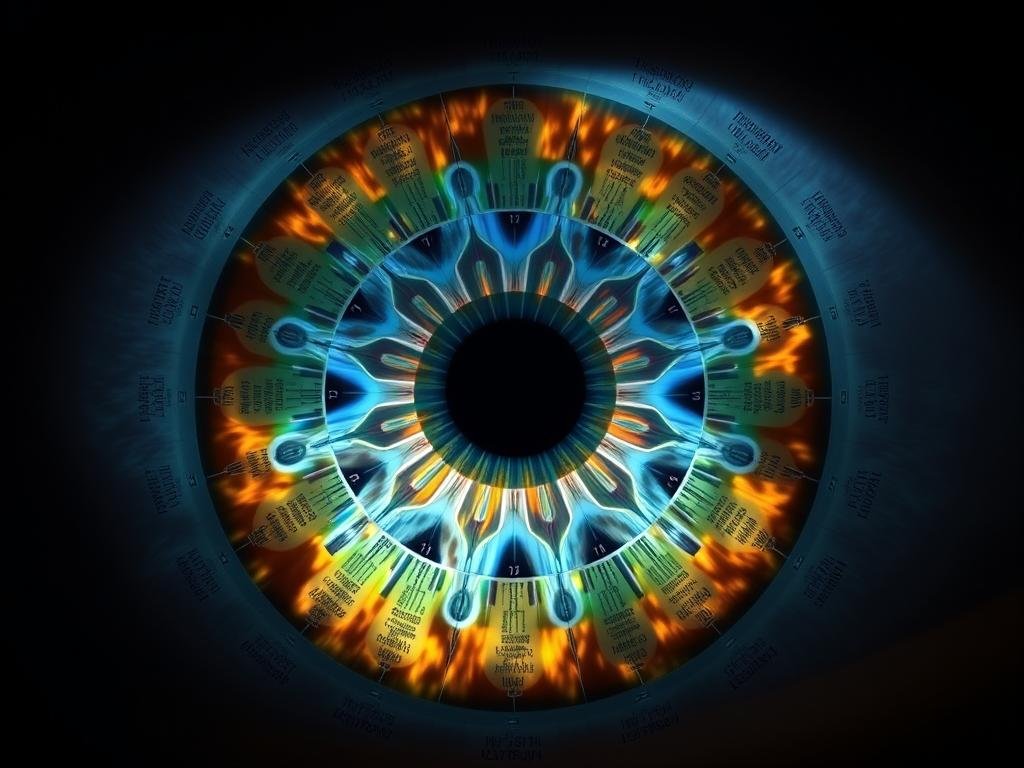
Os gráficos de iridologia afirmam mapear órgãos internos para regiões específicas da íris, mas carecem de validação científica
Mito 1: A leitura ocular pode prever o seu futuro
Um dos mitos mais antigos sobre a leitura ocular é que um praticante habilidoso pode prever eventos futuros examinando seus olhos. Esta afirmação tem raízes em várias tradições culturais, mas não tem base científica. Embora seus olhos possam revelar as condições atuais de saúde, eles não podem prever eventos futuros de vida, mudanças de carreira ou perspectivas românticas.
Mito 2: A iridologia pode diagnosticar todos os problemas de saúde
A iridologia, uma forma alternativa de leitura ocular, afirma que áreas específicas da íris correspondem a diferentes órgãos e sistemas do corpo. Os profissionais sugerem que podem diagnosticar problemas de saúde identificando marcas, cores e padrões na íris. No entanto, vários estudos científicos não conseguiram validar estas afirmações, e a iridologia não é reconhecida como uma ferramenta de diagnóstico legítima pela medicina convencional.
Mito 3: A cor dos olhos revela traços de personalidade
Muitos mitos da leitura ocular sugerem que a cor dos olhos pode determinar traços de personalidade – olhos azuis indicando sensibilidade, olhos castanhos mostrando confiabilidade ou olhos verdes revelando criatividade. Embora essas associações proporcionem conversas interessantes, não há evidências científicas que liguem a cor dos olhos a características específicas de personalidade. A cor dos olhos é determinada pela genética e não tem influência nas características psicológicas.
Mito 4: A dilatação da pupila sempre indica atração
Embora seja verdade que as pupilas podem dilatar ao ver alguém atraente, este sinal de leitura ocular está longe de ser confiável. O tamanho da pupila é afetado por vários fatores, incluindo condições de iluminação, medicação, estado emocional e carga cognitiva. Tentar ler o interesse romântico apenas através da dilatação da pupila é altamente pouco confiável e simplifica demais as respostas fisiológicas complexas.
Mito 5: Você pode mudar permanentemente a cor dos olhos
Alguns entusiastas da leitura ocular afirmam que certos exercícios, dietas ou técnicas de visualização podem alterar a cor dos olhos. Na realidade, a cor dos olhos dos adultos é fixa, exceto em raras condições médicas ou através de meios artificiais, como lentes de contato coloridas ou procedimentos cirúrgicos arriscados. A cor natural dos olhos é determinada pela genética e pela quantidade de melanina na íris.
Fatos científicos sobre leitura ocular
Embora muitas alegações de leitura ocular se enquadrem na categoria de pseudociência, um exame oftalmológico legítimo pode revelar informações importantes sobre sua saúde.
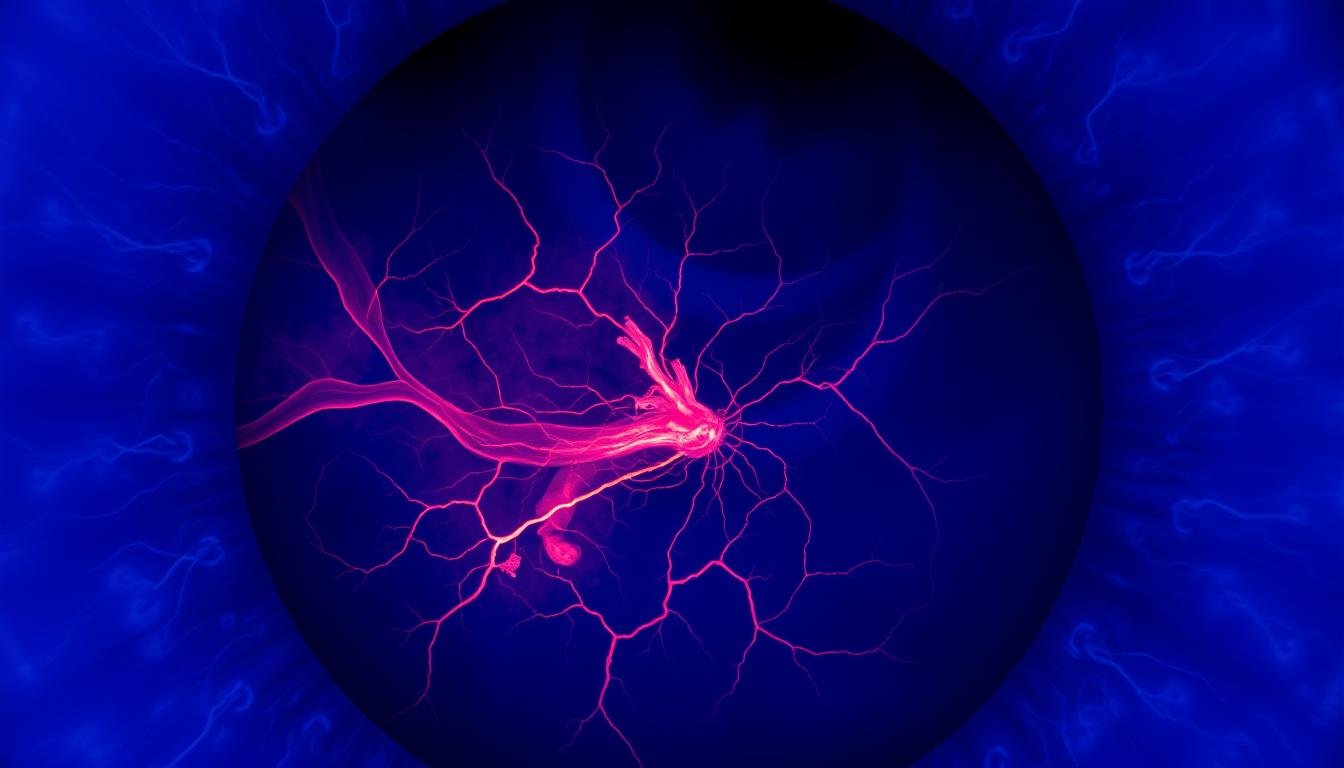
A imagem da retina é uma técnica de leitura ocular cientificamente validada que revela a saúde vascular
Fato 1: A leitura ocular pode detectar doenças sistêmicas
Exames oftalmológicos profissionais podem detectar sinais de doenças sistêmicas como diabetes, hipertensão e doenças autoimunes. Durante um exame oftalmológico, os médicos podem observar alterações nos vasos sanguíneos, na aparência da retina e em outras estruturas que podem indicar problemas de saúde que afetam todo o corpo. Isso torna os exames oftalmológicos regulares uma parte importante dos cuidados de saúde preventivos.
Fato 2: As respostas pupilares fornecem informações neurológicas
A leitura ocular médica inclui examinar como as pupilas respondem à luz e à proximidade. Essas respostas são controladas pelo sistema nervoso autônomo e podem revelar informações sobre a função cerebral. Respostas pupilares anormais podem indicar problemas neurológicos, ferimentos na cabeça ou efeitos de certos medicamentos.
Fato 3: Os movimentos oculares podem indicar processamento cognitivo
Research in cognitive psychology has shown that eye movements during reading and other tasks can provide insights into information processing. This aspect of Eye Reading helps researchers understand how we comprehend text, process visual information, and direct our attention. Eye-tracking technology has applications in fields ranging from user experience design to diagnosing reading disorders.
Fact 4: Retinal Imaging Reveals Vascular Health
Advanced Eye Reading techniques like retinal imaging allow doctors to examine the blood vessels in your eyes, which reflect the condition of blood vessels throughout your body. Changes in these vessels can indicate cardiovascular disease, helping doctors identify patients at risk for stroke or heart attack before other symptoms appear.
Fact 5: Eye Exams Can Detect Cancer
Comprehensive Eye Reading by trained professionals can detect certain types of cancer, including ocular melanoma, the most common primary eye cancer in adults. Additionally, metastatic cancer from other parts of the body can sometimes be first detected during an eye examination, potentially leading to earlier treatment.
Modern Eye Reading Technologies
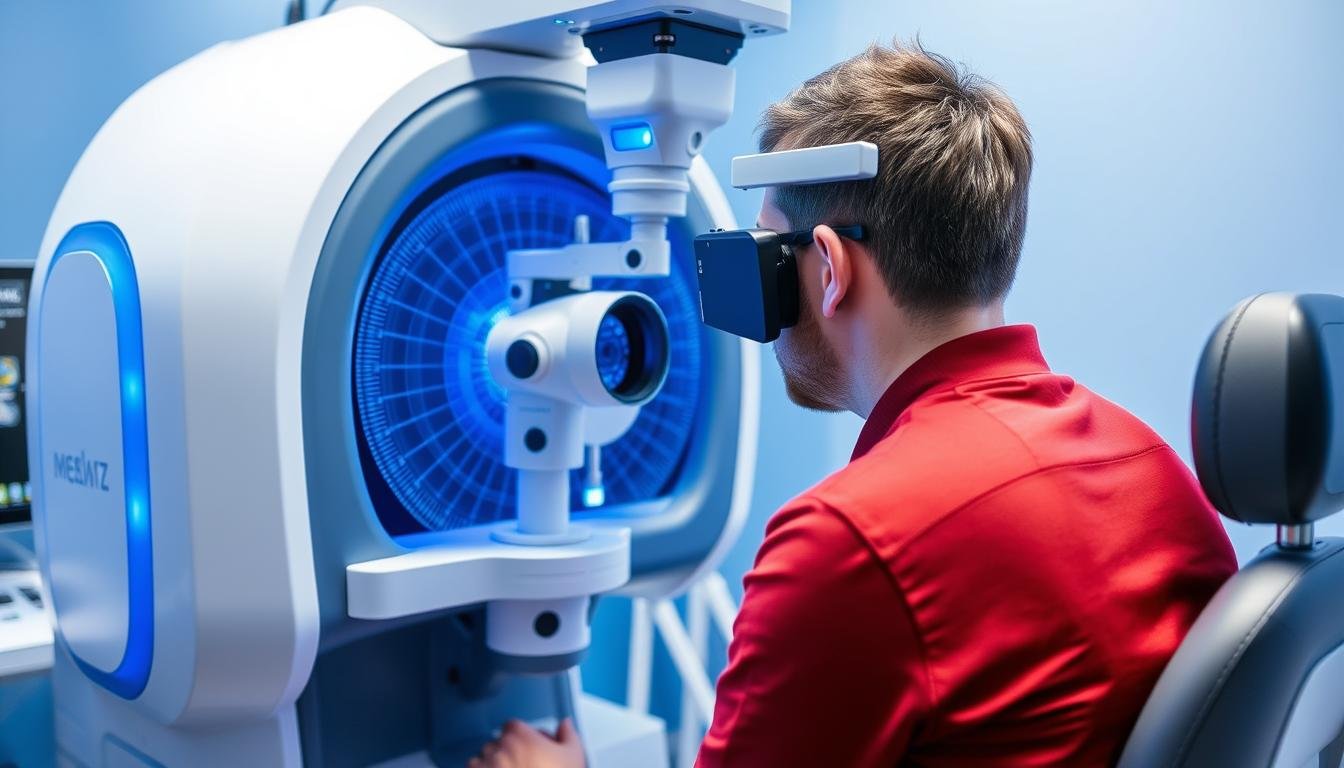
State-of-the-art equipment has revolutionized medical Eye Reading capabilities
Today’s eye care professionals use sophisticated technologies that have dramatically advanced the field of medical Eye Reading. These tools allow for earlier detection of eye conditions and systemic diseases.
Tomografia de coerência óptica (OCT)
This non-invasive imaging technology uses light waves to take cross-section pictures of your retina. OCT has revolutionized Eye Reading by allowing doctors to see each of the retina’s distinctive layers, measure their thickness, and detect subtle changes that might indicate disease.
Digital Retinal Photography
This technology captures detailed images of the retina, optic nerve, and blood vessels. These photographs provide a permanent record for future comparison, making it easier to track changes over time—a crucial aspect of thorough Eye Reading and monitoring.
Corneal Topography
This computerized imaging technique maps the surface curvature of the cornea. It’s particularly useful in diagnosing and managing corneal conditions and planning surgical interventions, representing an important advancement in specialized Eye Reading.
Tecnologia de rastreamento ocular
Used in both medical and research settings, eye-tracking devices monitor eye movements and gaze patterns. This technology has applications in diagnosing reading disorders, studying consumer behavior, and developing assistive technologies for people with disabilities.
When to Seek Professional Eye Reading

Regular professional consultations ensure accurate Eye Reading and early detection of problems
While not all Eye Reading claims are valid, professional eye examinations are essential for maintaining eye health and detecting potential problems early. Here are key situations when you should seek professional eye care:
- You experience sudden changes in vision, including blurriness, double vision, or loss of vision
- You have persistent eye pain, redness, or discharge
- You see floaters, flashes of light, or halos around lights
- You have diabetes, hypertension, or a family history of eye diseases
- You’re over 40 and haven’t had a baseline eye exam
- You have difficulty reading, driving at night, or performing other visual tasks
- It’s been more than two years since your last comprehensive eye exam
Don’t Wait Until Vision Problems Develop
Regular eye exams are crucial for maintaining good vision and detecting potential health issues early. Our experienced professionals use the latest Eye Reading technologies to provide comprehensive care.
Programe seu exame oftalmológico hoje
Cultural Significance of Eye Reading

Eye Reading has deep cultural roots across many civilizations
Throughout history, different cultures have attributed special significance to the eyes and developed their own forms of Eye Reading. While many of these traditions lack scientific validation, they represent important cultural practices and beliefs.
Ancient Egyptian Eye Symbolism
The Eye of Horus was one of the most powerful symbols in ancient Egyptian culture, representing protection, royal power, and good health. This early form of symbolic Eye Reading attributed magical properties to eye imagery and influenced many subsequent traditions.
Chinese Face Reading (Physiognomy)
In traditional Chinese medicine and cultural practices, the eyes play a central role in face reading or physiognomy. This form of Eye Reading suggests that eye shape, size, and other characteristics can reveal personality traits and aspects of one’s destiny.
O “Evil Eye” Belief
Many Mediterranean, Middle Eastern, and South Asian cultures share beliefs about the “evil eye”—a malevolent glare that can cause misfortune or injury. Various protective amulets and rituals have developed around this concept, representing a form of defensive Eye Reading and protection.
Eye Reading FAQs
Can doctors really tell if I have diabetes through Eye Reading?
Yes, eye doctors can often detect signs of diabetes during a comprehensive eye examination. Diabetes can cause changes to the blood vessels in the retina, a condition called diabetic retinopathy. These changes are visible during professional Eye Reading and may be detected before other symptoms appear, making regular eye exams particularly important for people at risk for diabetes.
Is there any truth to the claim that eye color can change with emotions?
No, eye color does not change with emotions. This is a common Eye Reading myth. What people might notice is that eyes can appear to change color slightly under different lighting conditions or when the pupil dilates or contracts, which can make the iris look different. However, the actual pigmentation of the iris does not change based on emotional states.
How often should I get a professional eye examination for accurate Eye Reading?
For adults with no symptoms or risk factors for eye disease, the American Academy of Ophthalmology recommends a comprehensive eye examination at age 40, with follow-ups every 2-4 years until age 55. After 55, examinations should occur every 1-3 years. However, if you have risk factors such as diabetes, high blood pressure, or a family history of eye disease, you may need more frequent Eye Reading examinations as recommended by your eye care professional.
Can Eye Reading detect mental health conditions?
While Eye Reading cannot diagnose specific mental health conditions, certain eye movement patterns and pupillary responses can sometimes correlate with conditions like schizophrenia, ADHD, and anxiety disorders. However, these observations alone are not diagnostic and would be just one small part of a comprehensive mental health assessment performed by qualified mental health professionals.
Is iridology covered by insurance as a form of Eye Reading?
No, iridology is considered an alternative practice and is not typically covered by medical insurance in the United States. Insurance generally covers evidence-based medical Eye Reading procedures performed by licensed optometrists and ophthalmologists, such as comprehensive eye exams, retinal imaging, and other diagnostic tests that have scientific validation.
The Future of Eye Reading

Emerging technologies continue to advance the science of Eye Reading
As technology advances, the field of legitimate medical Eye Reading continues to evolve. Artificial intelligence algorithms are being developed to analyze retinal images and detect subtle changes that might indicate disease. Virtual reality and augmented reality technologies are creating new possibilities for vision testing and rehabilitation.
While we should remain skeptical of unfounded Eye Reading claims, the scientific study of the eyes offers tremendous potential for improving health outcomes and understanding human cognition. By distinguishing fact from fiction, we can appreciate the genuine marvels of vision science while avoiding misconceptions.
Remember that your eyes deserve the best care possible. Regular examinations by qualified professionals remain the most reliable form of Eye Reading for maintaining eye health and detecting potential problems before they affect your vision.
Dê o próximo passo para compreender a sua saúde ocular
Our team of eye care professionals uses scientifically validated Eye Reading techniques to provide comprehensive care tailored to your unique needs.
Book Your Comprehensive Eye Exam


