Quick answer: Key Components of an Iridology Chart Understanding how to read an iridology chart requires familiarity with its fundamental components. Iridology Chart Right Eye -Iridology Chart – Right Eye right eye reflects right side body. Iridology Chart Left Eye – Iridology Chart – Left Eye left eye reflects left side body. For this requirement, buyers can evaluate MAIKONG's iridology chart / iridology and confirm specifications, configuration, documentation, delivery terms, and after-sales support directly with the factory.
The human iris contains intricate patterns as unique as fingerprints. Iridology charts map these patterns to different body systems, creating a fascinating window into potential health conditions. This comprehensive guide explores how practitioners use iridology chart, their historical origins, and the ongoing debate about their effectiveness in alternative medicine.

What is an Iridology Chart?
و مخطط القزحية serves as a detailed map that divides the iris into zones, each corresponding to different organs and systems within the body. Practitioners use these charts to analyze the color, texture, and markings in your iris to identify potential health imbalances before they manifest as physical symptoms.
A standard iridology chart mapping iris zones to corresponding body systems
These specialized charts provide a framework for iridologists to interpret what they observe in your eyes. While conventional medicine remains skeptical, proponents believe these charts offer insights into your body’s strengths, weaknesses, and potential health concerns.
The Historical Origins of Iridology Charts
The practice of examining the iris for health insights dates back thousands of years, with roots in ancient Egypt, China, and India. However, modern iridology charts emerged in the 19th century through the work of Hungarian physician Ignatz von Peczely.

Ignatz von Peczely, considered the father of modern iridology
As a child, von Peczely noticed changes in an owl’s iris after the bird suffered a broken leg. This observation sparked his lifelong study of the connection between iris markings and physical health. In 1880, he published the first comprehensive iridology chart, mapping specific iris zones to organs and body systems.
Throughout the 20th century, practitioners like Bernard Jensen further refined these charts, creating the detailed mapping systems used by modern iridologists today. These evolving charts reflect decades of observation and documentation by alternative health practitioners.
Key Components of an Iridology Chart
Understanding how to read an مخطط القزحية requires familiarity with its fundamental components. Each chart typically divides the iris into concentric zones and radial sections, creating a comprehensive map of the body.

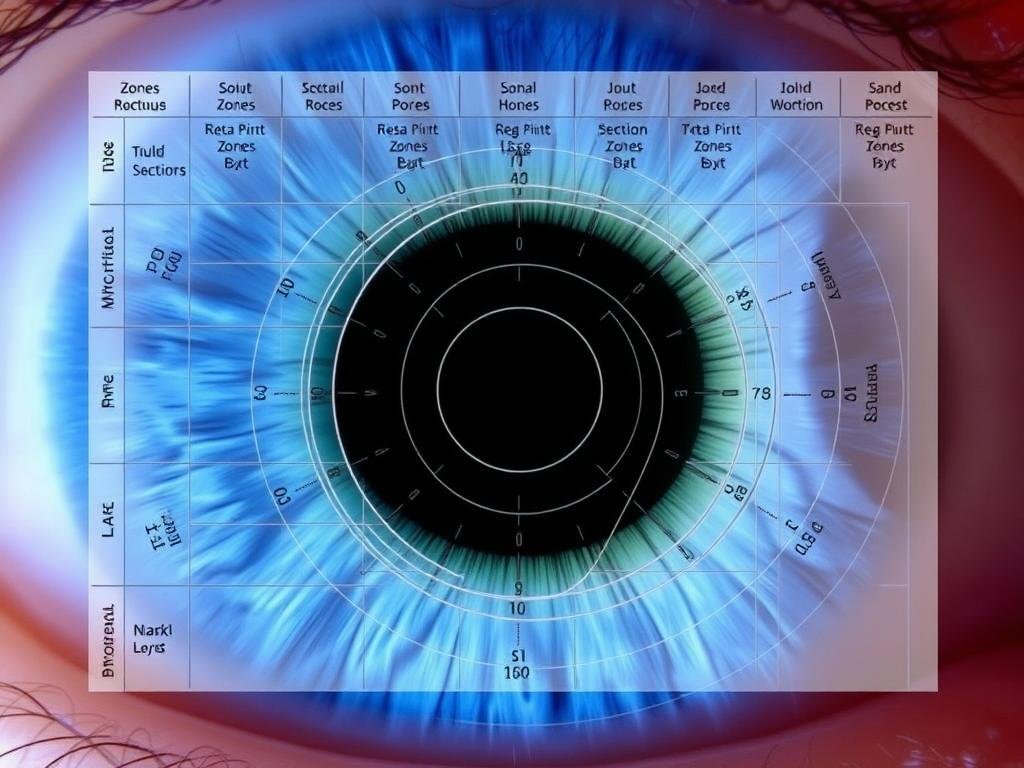
Iridology chart overlay on a human iris showing mapping zones
Primary Sections of an Iridology Chart
- منطقة الحدقة – The area immediately surrounding the pupil, associated with the digestive system and stomach
- Collarette/Autonomic Nerve Wreath – The jagged boundary separating the pupillary zone from the ciliary zone, representing the autonomic nervous system
- المنطقة الهدبية – The middle area of the iris, containing markings related to most organs and tissues
- Iris Edge/Periphery – The outer rim of the iris, associated with the skin, lymphatic system, and circulation
- Radial Zones – Pie-shaped sections extending from the pupil to the edge, each linked to specific organs
- lacunae – Closed, often darkened areas indicating potential inherent weaknesses
- الخبايا – Open, usually lighter areas suggesting acute conditions
Each iris is further divided into approximately 60 sectors corresponding to different body parts. The right iris generally reflects the right side of the body, while the left iris corresponds to the left side.
Right and Left Iris Interpretation
Iridology charts typically show different mappings for the right and left iris, as each is believed to correspond to different sides and systems of the body.

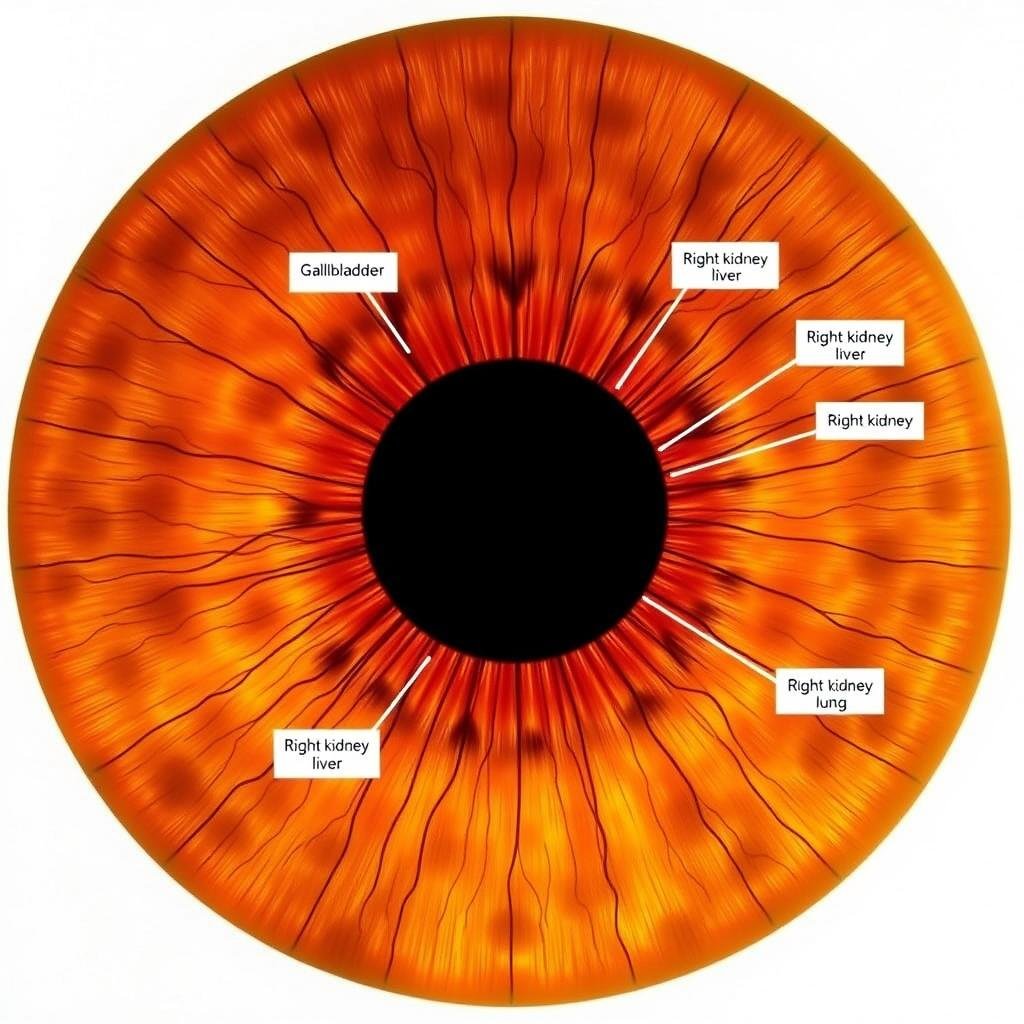
Right iris chart mapping
Right Iris Correlations
- Brain and right side of head
- الرئة اليمنى والشعب الهوائية
- الكبد والمرارة
- الكلى اليمنى
- Ascending and transverse colon
- الأعضاء التناسلية الصحيحة
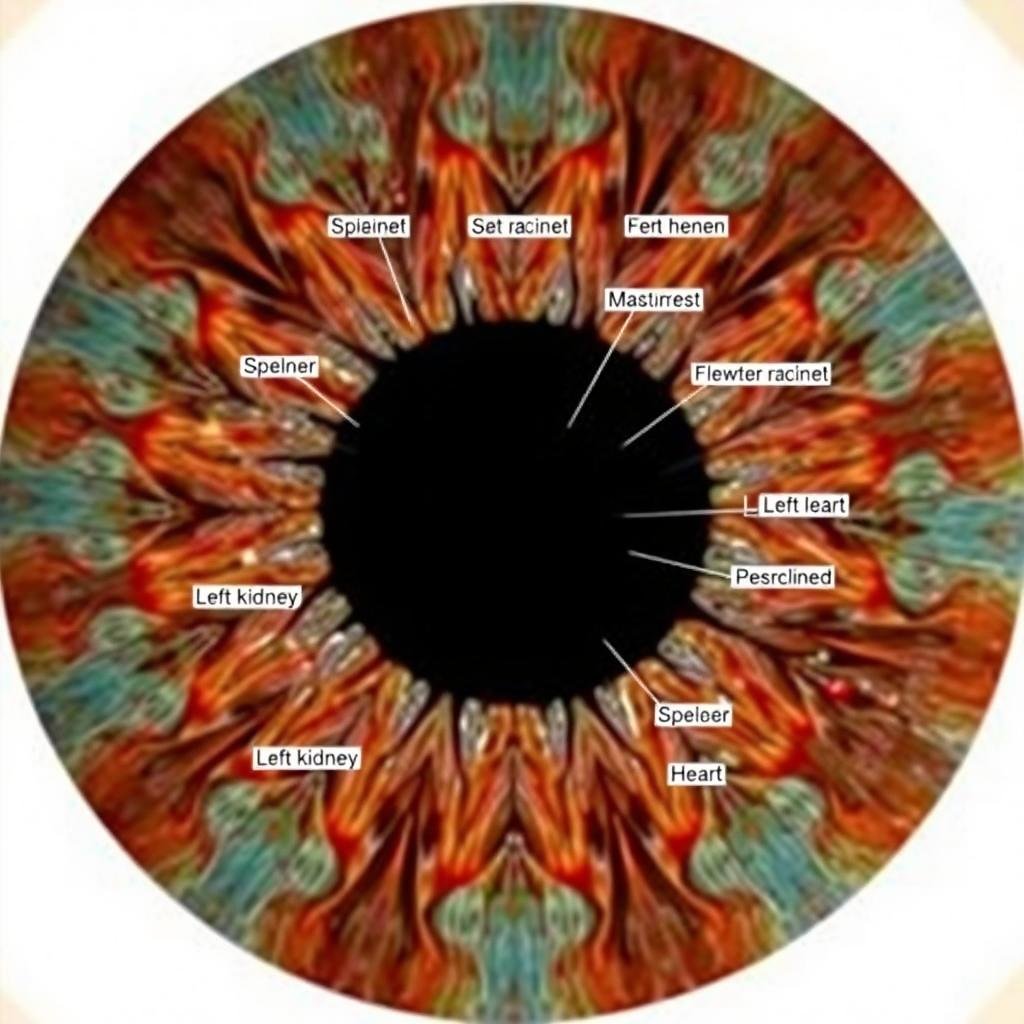
Left iris chart mapping
Left Iris Correlations
- Left side of brain and head
- القلب والرئة اليسرى
- المعدة والطحال
- الكلية اليسرى
- القولون النازل
- الأعضاء التناسلية اليسرى
Practitioners analyze both irises together to form a complete picture of the body’s health status. Asymmetries between the eyes may indicate imbalances requiring attention.
ولجعل التشخيص أكثر دقة، مخطط القزحية غالبًا ما يتم استخدامه مع طرق التشخيص الأخرى.

مخطط القزحية الرسم البياني للعين اليمنى -الرسم البياني للأياصة -العين اليمنى
العين اليمنى يعكس الجانب الأيمن جسم.
| موضع الساعة (العين اليمنى) |
يتوافق العضو/النظام |
تفاصيل |
| 1:CLOCK - 2:CLOCK |
الوجه الأيمن |
يتوافق مع الأعضاء التناسلية اليسرى ، وتشمل الرحم ، والمباضات (أنثى) أو الخصيتين (ذكر). |
| الساعة 2 - الساعة 3 |
الحلق الأيمن
|
تتضمن المفاصل اليسرى الصحي في Ringflectks ، وتشمل الركبتين والوركين والمرفقين والكتفين. |
| الساعة 3 - الساعة 4 |
اليمين العلوي الظهر
|
يتوافق مع العمود الفقري ، صحة العمود الفقري ، المحاذاة ، والمرونة. |
| الساعة 4 - الساعة 5 |
المثانة اليمنى |
Ringflects المثانة ونظام البول الجانبي الأيمن. |
| 5 - 6 - 6 |
الحوض الصحيح |
تركت Ringpresents القولون والأمعاء الدقيقة والصحة الجهاز الهضمي. |
| 6 - 7 - 7 |
يمين البطن السفلي
|
تركت الثرثرة الكلى ، التركيز على الترشيح ، إزالة السموم ، وتوازن السوائل. |
| الساعة 7 - الساعة 8 |
اليمين العلوي البطن
|
أعضاء معدة الذروة والأعضاء الجهاز الهضمي على الجانب الأيسر. |
| الساعة 8 - الساعة 9 |
الصدر الأيمن |
يتوافق مع الكبد الجانبي الأيسر ، وإزالة السموم المسؤولة وإنتاج الصفراء. |
| الساعة 9 - الساعة 10 |
الرئة اليمنى |
Ringpresents القلب الأيسر ، تؤثر على صحة القلب والأوعية الدموية. |
| الساعة 10 - 11 صباحًا |
الرقبة اليمنى |
رنين اليسار في الرئة ، صحة الجهاز التنفسي ، ووظيفة بريا. |
| الساعة 11 - الساعة 12 |
الدماغ اليمين
|
يتوافق مع دماغ نصف الكرة الأيسر والصحة العقلية والوظائف المعرفية. |
| الساعة 12 - من الساعة 1 |
الدماغ اليمين
|
يتوافق مع دماغ نصف الكرة الأيسر والصحة العقلية والوظائف المعرفية. |
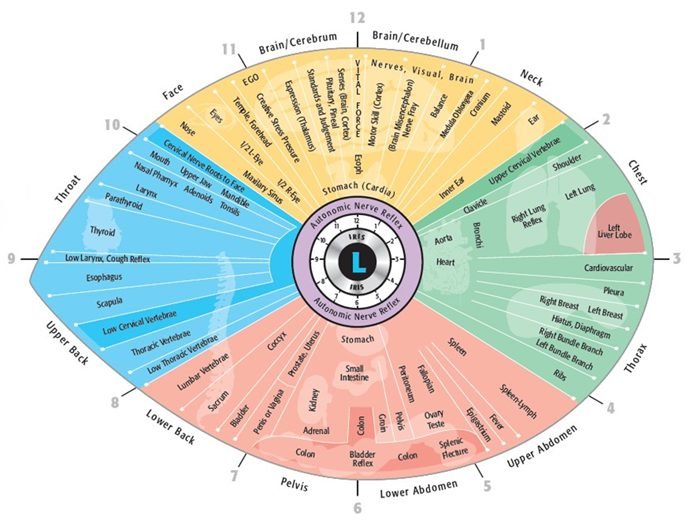
مخطط القزحية اليسرى - مخطط القزحية - العين اليسرى
عين اليسار يعكس الجانب الأيسر جسم.
| موضع الساعة (العين اليسرى) |
يتوافق العضو/النظام |
تفاصيل |
| 1:CLOCK - 2:CLOCK |
اليسار الرقبة
|
يتوافق مع الأعضاء التناسلية اليمنى ، وتشمل الرحم ، والمبيض (أنثى) أو الخصيتين (ذكر). |
| الساعة 2 - الساعة 3 |
الرئة اليسرى |
تتضمن المفاصل الصحيحة الصحيحة في الركبتين ، الركبتين ، الوركين ، المرفقين ، والكتفين. |
| الساعة 3 - الساعة 4 |
ترك الصدر |
يتوافق مع العمود الفقري ، صحة العمود الفقري ، المحاذاة ، والمرونة على الجانب الأيمن. |
| الساعة 4 - الساعة 5 |
غادر البطن العلوي
|
رنين المثانة ونظام البول الجانبي الأيسر. |
| 5 - 6 - 6 |
ترك البطن السفلي
|
Ringpresents القولون الأيمن والأمعاء الدقيقة والصحة الهضمية. |
| 6 - 7 - 7 |
اليسار الحوض
|
رنين اليمين الكلى ، التركيز على الترشيح ، إزالة السموم ، وتوازن السوائل. |
| الساعة 7 - الساعة 8 |
ترك أسفل الظهر
|
رنين المعدة والأعضاء الجهاز الهضمي على الجانب الأيمن. |
| الساعة 8 - الساعة 9 |
ترك الظهر العلوي
|
يتوافق مع الكبد الجانبي الأيمن ، وإزالة السموم المسؤولة وإنتاج الصفراء. |
| الساعة 9 - الساعة 10 |
اليسار الحلق
|
Ringpresents القلب الأيمن ، تؤثر على صحة القلب والأوعية الدموية. |
| الساعة 10 - 11 صباحًا |
الوجه الأيسر |
رنين الرئة اليمنى وصحة الجهاز التنفسي ووظيفة بريا. |
| الساعة 11 - الساعة 12 |
اليسار الدماغ |
يتوافق مع دماغ نصف الكرة الأيمن ، والصحة العقلية ، والوظائف المعرفية. |
| الساعة 12 - من الساعة 1 |
اليسار الدماغ |
يتوافق مع دماغ نصف الكرة الأيمن ، والصحة العقلية ، والوظائف المعرفية. |
- العين اليمنى: رنين الجانب الأيمن الجسم (على سبيل المثال ، يمين كلية، يمين رئة، يمين الأعضاء الإنجابية ، وما إلى ذلك).
- العين اليسرى: رنين الجانب الأيسر الجسم (على سبيل المثال ، غادر كلية، غادر رئة، غادر الأعضاء الإنجابية ، وما إلى ذلك).
Interpreting Iris Colors and Markings
Beyond the zonal mapping, iridology charts include guidelines for interpreting various colors, textures, and markings found in the iris. These features provide additional layers of information about potential health conditions.
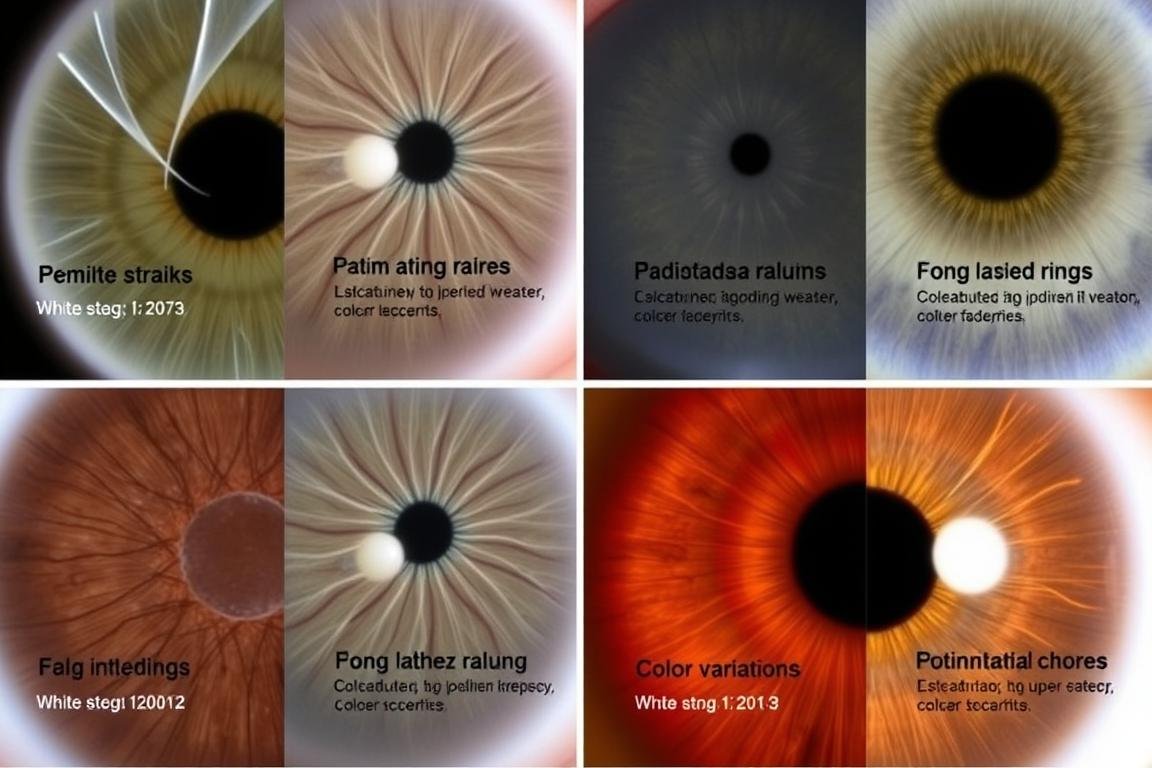
علامات القزحية الشائعة وتفسيراتها في علم القزحية
علامات القزحية المشتركة ومعانيها
| ميزة القزحية |
مظهر |
إشارة محتملة |
| White Rings |
Circular white lines around the iris |
Possible high cholesterol or arterial tension |
| بقع داكنة |
Brown or black flecks |
Potential toxin accumulation or organ damage |
| الخطوط الشعاعية |
Lines extending from pupil to iris edge |
Nerve stress or circulation issues |
| Yellow Tint |
تلون مصفر |
Possible kidney or liver stress |
| lacunae |
Closed, dark, often oval areas |
Inherent weakness in corresponding organ |
| الوردية اللمفاوية |
White dots forming a circle |
احتقان نظام اللمفاوية |
Iris color also plays a significant role in iridology analysis. Blue irises (lymphatic constitution) may indicate different tendencies than brown irises (hematogenic constitution) or mixed irises (biliary constitution).
How to Use an Iridology Chart at Home
While professional iridology requires training and experience, you can perform basic iris observation at home. This preliminary self-assessment might spark insights worth discussing with a qualified practitioner.

Basic self-examination using proper lighting and magnification
Steps for Basic Iris Self-Examination
- Gather equipment: A small flashlight, magnifying glass, and mirror in a well-lit area
- Position lighting: Place the light source at a 45-degree angle to your eye to avoid reflections
- Examine each iris: Look for color variations, markings, rings, and spots
- Compare with a chart: Reference a basic iridology chart to understand what you’re seeing
- Document observations: Take notes or photos to track changes over time
- Consult a professional: Share your observations with a trained iridologist for proper interpretation
Want to Learn More About Iris Analysis?
Download our comprehensive iridology chart reference guide to start your journey into understanding what your eyes might reveal about your health.
Download Free Iridology Chart Guide
Remember that self-assessment is merely educational and should not replace professional medical advice or diagnosis from qualified healthcare providers.
Health Conditions Iridology Claims to Detect
Practitioners of iridology believe that various markings and patterns in the iris can indicate potential health issues in corresponding body systems. While scientific evidence remains limited, these are some conditions that iridologists commonly claim to identify through iris analysis.
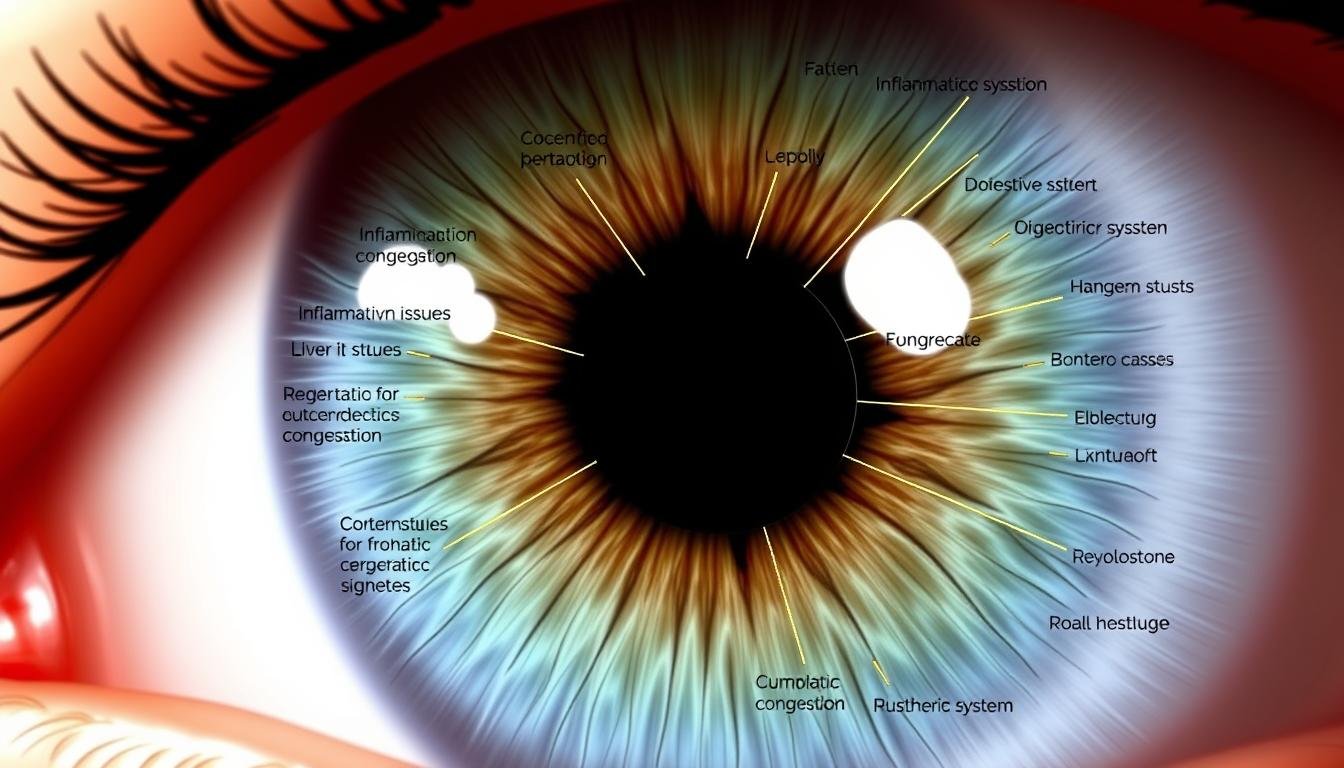
Iridology mapping of common health conditions to iris regions
الجهاز الهضمي
- التهاب معوي
- Stomach acidity issues
- Malabsorption concerns
نظام الدورة الدموية
- Blood pressure tendencies
- Circulation efficiency
- Cholesterol indications
Elimination Systems
- Kidney and bladder stress
- Liver congestion
- Lymphatic system stagnation
Iridologists emphasize that these indications represent tendencies or predispositions rather than definitive diagnoses. The iris may show constitutional weaknesses that could develop into health issues if not addressed through lifestyle modifications.
Curious About What Your Iris Reveals?
Connect with a certified iridology practitioner for a personalized analysis of your iris patterns and what they might indicate about your health tendencies.
ابحث عن أخصائي القزحية بالقرب منك
The Scientific Perspective on Iridology
While iridology has passionate advocates, it’s important to understand the scientific community’s perspective. Conventional medicine has conducted several controlled studies examining iridology’s diagnostic claims with mixed results.
يجادل المؤيدون
- The iris contains over 28,000 nerve fibers connected to the brain
- Anecdotal success stories support its effectiveness
- It offers a non-invasive approach to health assessment
- It may detect imbalances before symptoms appear
يشير النقاد
- Limited peer-reviewed research supports its claims
- Controlled studies show inconsistent diagnostic accuracy
- يتم تحديد أنماط القزحية إلى حد كبير عن طريق علم الوراثة
- Potential delay in seeking conventional medical treatment
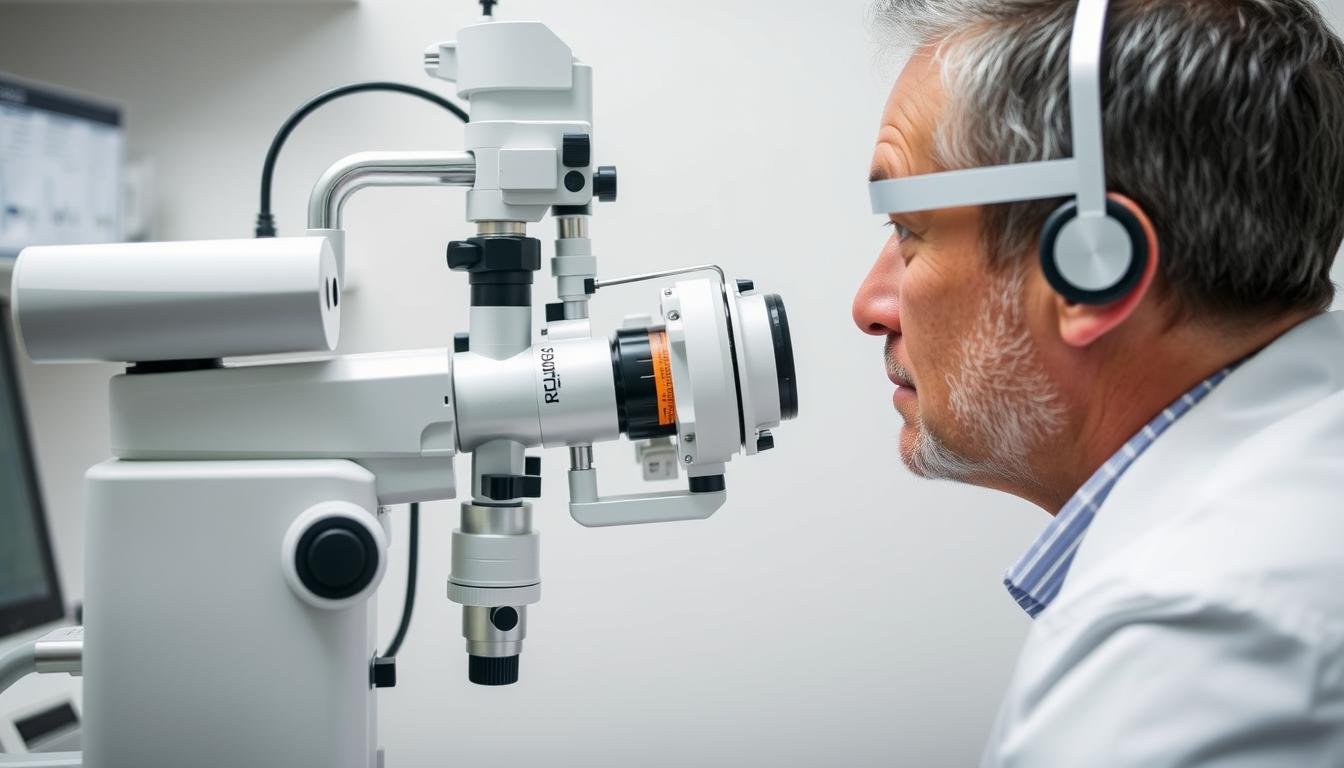
Modern ophthalmological examination differs from iridology analysis
Most medical organizations, including the American Academy of Ophthalmology, do not recognize iridology as a valid diagnostic method. However, some integrative health practitioners incorporate it as one component of a holistic health assessment rather than a standalone diagnostic tool.
كثيرا ما يتم طرح الأسئلة حول مخططات علم القزحية
How accurate are iridology charts in diagnosing health conditions?
The accuracy of iridology remains controversial. While practitioners report success in identifying health tendencies, scientific studies have produced inconsistent results. Most medical professionals consider iridology charts insufficient for medical diagnosis. They may provide insights into constitutional tendencies but should not replace conventional medical testing.
Can iridology charts detect serious conditions like cancer?
Responsible iridologists do not claim to diagnose specific diseases like cancer through iris analysis. Instead, they may identify areas of stress or weakness in body systems. Any concerning findings should prompt consultation with medical professionals for proper diagnostic testing.
هل تتغير أنماط القزحية مع مرور الوقت؟
While the basic structure and color of the iris remain relatively stable throughout life, iridologists believe that certain markings can change to reflect health status. These changes typically occur gradually and may reflect long-term health conditions rather than acute issues.
Are all iridology charts the same?
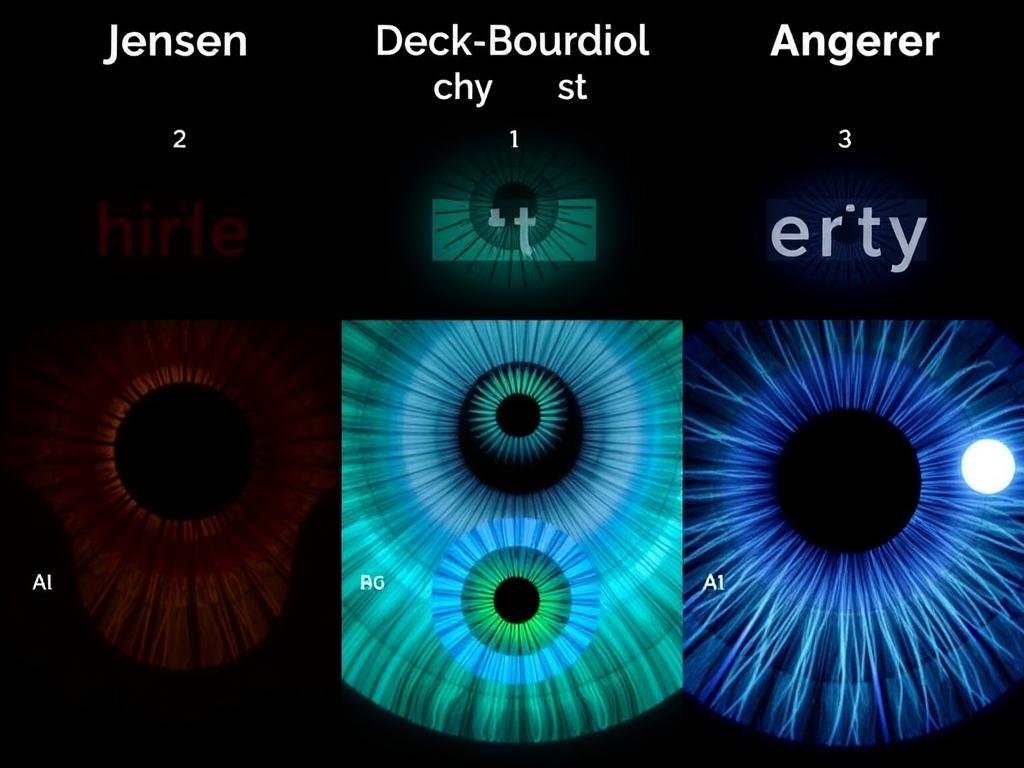
Comparison of three major iridology chart systems showing variations in mapping
Conclusion: The Place of Iridology Charts in Health Assessment
Iridology charts represent a fascinating intersection of ancient observation and alternative health practices. While they continue to generate debate in medical circles, many people find value in the holistic perspective they offer.
Whether you approach iridology with enthusiasm or skepticism, understanding these intricate iris maps provides insight into a unique health assessment method with a long historical tradition. As with any health approach, balance is key—consider iridology as one potential tool in a comprehensive health strategy rather than a standalone diagnostic system.
For those intrigued by what their eyes might reveal, consulting with both conventional medical professionals and qualified iridology practitioners offers the most balanced approach to health assessment and maintenance.
استكشاف علم القزحية بشكل أكبر
Ready to discover what your iris patterns might reveal about your health? Download our comprehensive guide and connect with certified practitioners.
Get Your Free Iridology Resource Kit


