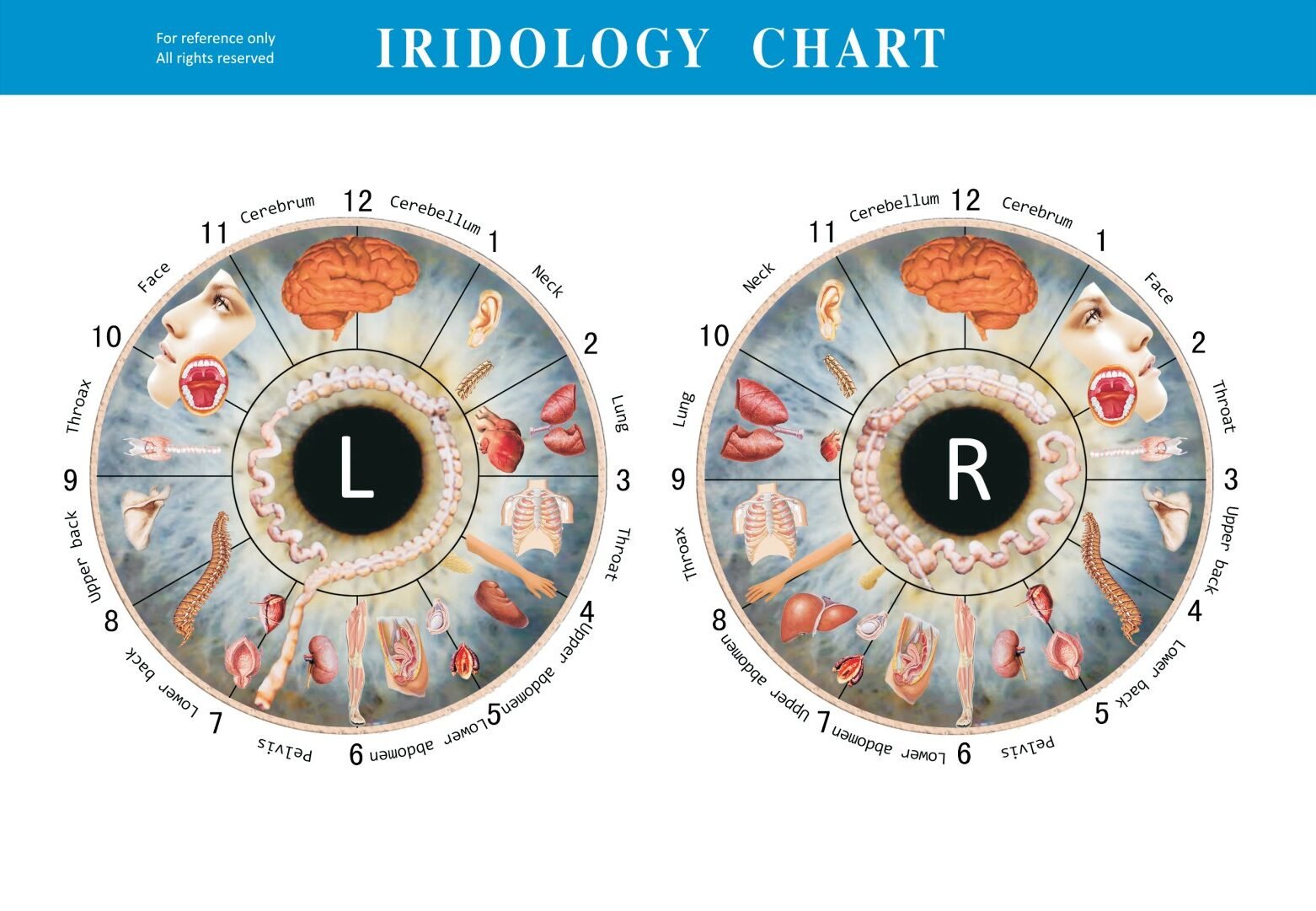
تحتوي القزحية البشرية على أنماط معقدة فريدة لكل فرد، ووفقًا لممارسي علم القزحية، فإن هذه الأنماط قد تكشف معلومات قيمة عن صحتنا. يعمل مخطط القزحية كخريطة تقسم القزحية إلى مناطق، تتوافق كل منها مع أعضاء وأنظمة مختلفة داخل الجسم. يستكشف هذا الدليل الشامل العالم الرائع لمخططات علم القزحية وجذورها التاريخية وكيفية استخدامها في الممارسات الصحية البديلة اليوم.
ما هو القزحية؟
علم القزحية هو دراسة القزحية – الجزء الملون من عينك – لتقييم الظروف الصحية المحتملة. يعتقد الممارسون أن مناطق مختلفة من القزحية تتوافق مع مختلف أعضاء وأنظمة الجسم. من خلال فحص اللون والملمس والعلامات في مناطق معينة من القزحية، يدعي علماء القزحية أنهم يستطيعون تحديد نقاط القوة والضعف والتغيرات في أجزاء مختلفة من الجسم.
تعتمد هذه الممارسة البديلة على النظرية القائلة بأن القزحية تتصل بكل عضو ونسيج عبر الجهاز العصبي وتعرض التغيرات في هذه الأنسجة من خلال النبضات العصبية التي تؤثر على ألياف القزحية. من المفترض أن تخلق الأنماط الناتجة صحة مفصلة “رسم خريطة” التي يستطيع الممارس ذو الخبرة قراءتها.

الخلفية التاريخية لعلم القزحية
إن مفهوم فحص القزحية للحصول على رؤى صحية له جذور يعود بعضها إلى آلاف السنين إلى مصر القديمة والصين والهند. ومع ذلك، فإن علم القزحية الحديث كما نعرفه اليوم بدأ يتشكل في القرن التاسع عشر.
المؤسس الأكثر شهرة لعلم القزحية الحديث هو إغناتز فون بيكزيلي، وهو طبيب مجري طور نظرياته في ستينيات القرن التاسع عشر. كما تقول القصة، لاحظ فون بيكزيلي تغيرات في قزحية البومة بعد أن أصيب الطائر بكسر في ساقه. أثارت هذه الملاحظة اهتمامه بالعلاقة بين علامات القزحية والصدمات الجسدية أو المرض.
في أوائل القرن العشرين، قام الدكتور برنارد جنسن بتطوير علم القزحية في الولايات المتحدة، حيث أنشأ مخططات تفصيلية للقزحية ترسم مناطق محددة من القزحية لأجزاء الجسم المقابلة. تظل مخططات جنسن مؤثرة في ممارسة علم القزحية الحديثة وتشكل الأساس للعديد من مخططات القزحية المعاصرة.

هيكل مخطط قزحية العين
يقسم مخطط القزحية القياسي القزحية إلى ما يقرب من 80-90 منطقة، مرتبة في حلقات متحدة المركز حول التلميذ. ويتم تعيين هذه المناطق لمختلف أعضاء وأنظمة الجسم، مما يؤدي إلى إنشاء خريطة طبوغرافية شاملة للجسم كما هو ممثل في القزحية.
التخطيط الأساسي لمخطط علم القزحية
يتم تنظيم المخطط عادةً على النحو التالي:
- القزحية اليمنى تتوافق مع الجانب الأيمن من الجسم
- القزحية اليسرى تتوافق مع الجانب الأيسر من الجسم
- ينقسم المخطط إلى حلقات متحدة المركز تمثل أنظمة الجسم المختلفة
- وينقسم المخطط أيضًا إلى مناطق شعاعية (مثل شرائح الفطيرة) تمثل أعضاء محددة
- تمثل منطقة الحدقة (الأقرب إلى حدقة العين) عادةً أعضاء الجهاز الهضمي
- غالبًا ما تمثل المنطقة الهدبية (المنطقة الوسطى) الأنظمة الأيضية
- تمثل المنطقة المحيطية (الحافة الخارجية) عادةً الجلد والأوعية اللمفاوية والأطراف


المناطق الرئيسية في مخطط القزحية
يرسم مخطط القزحية الخاص بعلم القزحية مناطق محددة من القزحية لأجزاء وأنظمة الجسم المقابلة. فيما يلي تفصيل للمناطق الرئيسية وما تمثله وفقًا لممارسي علم القزحية:
مناطق القزحية اليمنى (الجانب الأيمن من الجسم)
- المنطقة العليا – الدماغ والرأس والجيوب الأنفية
- الربع العلوي الأيمن – الرئتين والشعب الهوائية والثدي الأيمن
- المنطقة الوسطى اليمنى – الكبد والمرارة والبنكرياس
- الربع السفلي الأيمن – الزائدة الدودية والقولون الصاعد والكلية اليمنى
- المنطقة السفلية – الأعضاء التناسلية والساق اليمنى
مناطق القزحية اليسرى (الجانب الأيسر من الجسم)
- المنطقة العليا – الدورة الدموية الدماغية والوظيفة العقلية
- الربع العلوي الأيسر – القلب والطحال والثدي الأيسر
- المنطقة الوسطى اليسرى – المعدة والبنكرياس والغدد الكظرية
- الربع السفلي الأيسر – القولون النازل والكلية اليسرى
- المنطقة السفلية – الأعضاء التناسلية والساق اليسرى


مناطق حلقة متحدة المركز
- Digestive Ring – Encircles the pupil, representing the digestive tract
- إكليل العصب اللاإرادي – Separates the pupillary and ciliary zones, indicating nervous system function
- Lymphatic System Ring – Appears in the ciliary zone, showing lymphatic circulation
- Skin Zone – The outermost ring representing skin health and external organs

Download Your Free Detailed Iridology Chart
Get instant access to our comprehensive iridology iris chart with detailed zone descriptions and body correlations. Perfect for beginners and practitioners looking to deepen their understanding of iris analysis.
Download Free Chart PDF
تفسير علامات وألوان القزحية
وفقًا لنظرية علم القزحية، يمكن أن تشير العلامات والألوان والأنماط المختلفة في القزحية إلى حالات صحية أو استعدادات مختلفة. إليك كيفية تفسير الممارسين لهذه الميزات:
| ميزة القزحية |
تفسير علم القزحية |
| خطوط بيضاء أو خفيفة |
التهاب أو فرط النشاط في العضو ذي الصلة |
| بقع داكنة |
احتمال تراكم المواد السامة أو الضرر في المنطقة المقابلة |
| حلقات أو دوائر |
الإجهاد أو التوتر في الأنظمة ذات الصلة |
| القزحية الزرقاء أو الرمادية |
غالبًا ما يرتبط بالتكوين اللمفاوي |
| القزحية البنية أو المختلطة |
قد يشير إلى تكوين دموي (متعلق بالدم). |
| تلون مصفر |
مشاكل محتملة في الكلى أو المسالك البولية |


قراءة مخطط علم القزحية


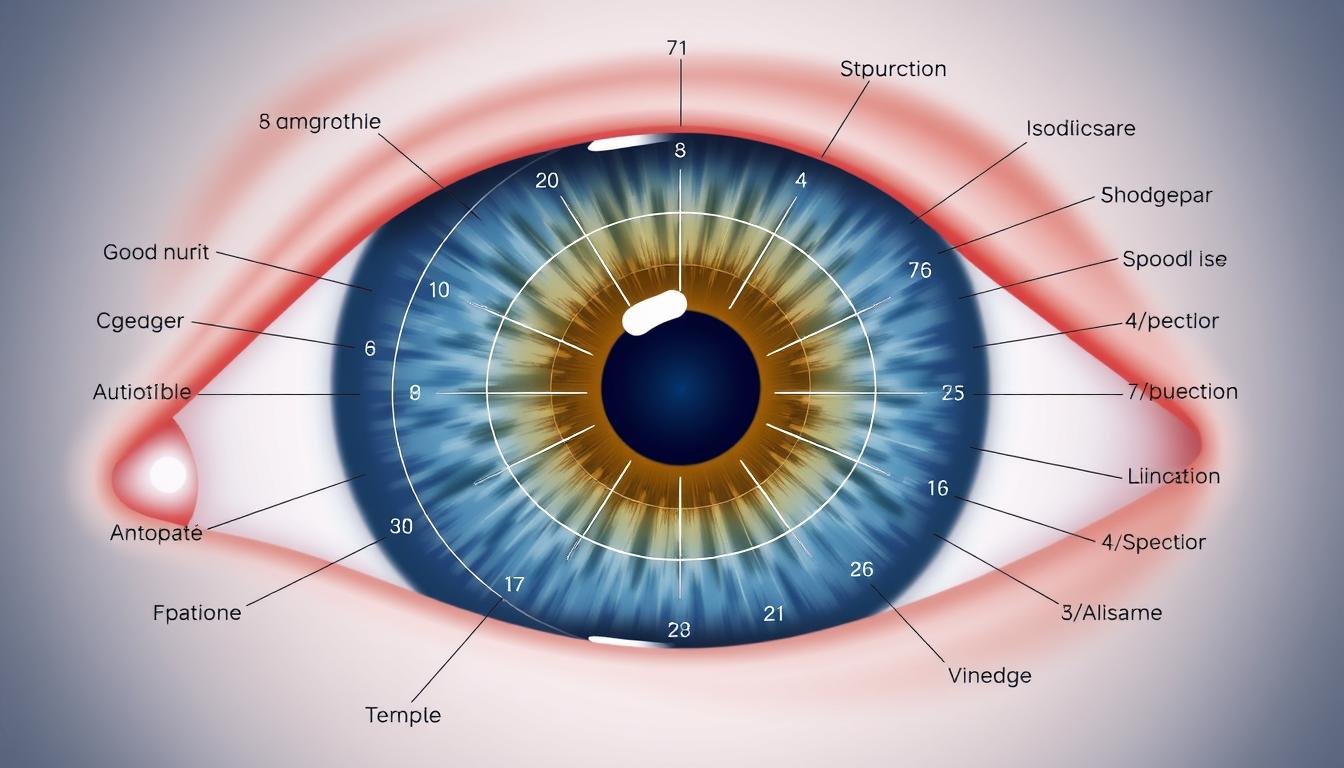
Sample HTML Iridology Iris Chart
Below is a simplified representation of an iridology iris chart showing the major zones and their corresponding body connections. This chart illustrates how practitioners map the iris to different body systems.


Comprehensive iridology iris chart showing 60 zones mapped to specific organs and body systems
The chart above divides the iris into 60 zones, each corresponding to specific organs and systems in the body. Practitioners use this map to identify potential health issues by examining changes in iris color, texture, and markings within these zones.
Modern Applications in Alternative Medicine
While controversial in conventional medicine, iridology continues to be practiced as a complementary assessment tool in various alternative health settings. Here are some of its modern applications:
تقييم الصحة الوقائية
Many iridologists use iris analysis as a preventive tool, claiming to identify constitutional weaknesses before symptoms manifest. This approach focuses on strengthening potentially vulnerable areas through lifestyle modifications, nutrition, and natural remedies.
Complementary Diagnosis
Some alternative practitioners use iridology alongside other diagnostic methods to form a more comprehensive health assessment. They may combine iris analysis with other techniques like pulse diagnosis, tongue examination, or conventional medical tests.
التوجيه الغذائي
Based on iris analysis, practitioners often recommend personalized nutritional protocols to address specific weaknesses or imbalances identified in the iris. These may include dietary changes, herbal supplements, or detoxification programs.

المنظور العلمي في علم القزحية
The scientific community has expressed significant skepticism about iridology, and several controlled studies have failed to validate its diagnostic claims. Here’s an overview of the scientific perspective:
Arguments Supporting Iridology
- يحتوي القزحية على الآلاف من النهايات العصبية المتصلة بالدماغ
- Some practitioners report consistent patterns in their observations
- May serve as a non-invasive screening tool when used cautiously
- Could potentially identify constitutional tendencies rather than specific diseases
الانتقادات العلمية
- Multiple controlled studies show iridologists cannot reliably diagnose conditions
- No physiological mechanism has been established to explain how internal organs would affect iris appearance
- The iris structure is largely determined by genetics and remains stable throughout life
- Diagnostic claims lack reproducibility in blind testing environments
A notable study published in the Journal of the American Medical Association tested the ability of iridologists to detect gallbladder disease from photographs of irises. The practitioners could not distinguish between healthy patients and those with confirmed gallbladder conditions at a rate better than chance.

Traditional vs. Modern Iridology Interpretations
Iridology has evolved over time, with some differences between traditional approaches and contemporary practice. The table below compares traditional and modern interpretations of iris signs:
| وجه |
التفسير التقليدي |
Modern Interpretation |
| النهج التشخيصي |
Direct disease diagnosis based on iris signs |
Assessment of tendencies and constitutional weaknesses |
| Iris Changes |
Believed to change rapidly with health conditions |
Recognized as relatively stable with gradual changes |
| Technology Use |
الفحص اليدوي بأدوات مكبرة |
Digital imaging and computer analysis |
| اندماج |
Standalone diagnostic system |
Complementary to other assessment methods |
| التركيز على العلاج |
Treating specific diseases identified |
Preventive approach and constitutional support |

التطبيقات العملية لمخططات علم القزحية
For those interested in exploring iridology, here are some practical ways the iris chart is applied in alternative health settings:
Self-Assessment Basics
While professional analysis is recommended, some basic self-observation can be done with a good quality mirror and adequate lighting. Look for obvious markings, color variations, and structural features in your iris, then reference them against a standard مخطط القزحية.
Working with Practitioners
Professional iridologists typically use specialized equipment to photograph and analyze the iris in detail. They may create personalized iris maps that track changes over time and develop customized health recommendations based on their findings.
Integrating with Other Health Approaches
Many holistic health practitioners use iridology as one component of a broader assessment that might include nutritional analysis, physical examination, and health history review. This integrated approach provides a more comprehensive picture than iris analysis alone.

تعميق فهمك لعلم القزحية
Ready to explore iridology in greater depth? Our comprehensive “Beginner’s Guide to Iridology” ebook includes detailed zone interpretations, case studies, and practical applications for personal health assessment.
تحميل الدليل الكامل
Conclusion: The Place of Iridology in Health Assessment
The iridology iris chart represents a fascinating intersection of traditional observation and alternative health theory. While scientific evidence doesn’t currently support many of the diagnostic claims made by iridology practitioners, the practice continues to be used as a complementary assessment tool in holistic health settings.
For those interested in exploring iridology, it’s important to approach it with an informed perspective—understanding both its limitations from a scientific standpoint and its potential value as one component of a broader health assessment. Whether viewed as a legitimate diagnostic tool or simply an interesting alternative perspective, the iridology iris chart offers a unique lens through which to consider the complex connections between different aspects of human health.