


Have you ever looked closely at someone’s eyes and noticed subtle color variations or unexpected changes over time? In the world of iridology, these shifts hold profound meaning. Jensen iridology what does changing eye color mean is a question that bridges ancient health wisdom with modern natural medicine practices.
Dr. Bernard Jensen pioneered the systematic study of iris patterns and colors. His work revealed that eye color changes aren’t random. They reflect specific shifts in body chemistry, organ function, and overall wellness.
This comprehensive guide unlocks the mysteries behind iridology color change. You’ll discover what blue eyes, brown eyes, hazel variations, and transitional colors reveal about internal health. We’ll explore the meaning of orange pigment, yellow tones, and the significance of blue brown mixed patterns.
Whether you’re a professional iridologist, natural health practitioner, or someone curious about holistic wellness, understanding iridology eye color meaning opens new diagnostic pathways. The iris serves as a living map of your body’s current state and historical health journey.
Through Bernard Jensen’s methodology, we can interpret markings, signs, color zones, and structural changes. This article provides the knowledge base you need to recognize meaningful patterns and understand what they indicate about organ system function, toxic accumulation, and constitutional type.
Understanding the Foundations of Jensen Iridology
Bernard Jensen spent over sixty years researching and refining iridology practices. His systematic approach transformed iris examination from folk observation into a structured health assessment tool. Jensen’s iridology charts map specific body regions to precise locations within the iris.
The fundamental principle is simple yet profound. The iris connects neurologically to every organ and tissue through the autonomic nervous system. Changes in tissue density, chemical balance, or functional capacity create visible alterations in iris structure and color.

Jensen identified three primary constitutional eye colors: blue (lymphatic), brown (hematogenic), and mixed (biliary). Each constitutional type carries distinct health tendencies and vulnerability patterns. Understanding your base constitutional color provides context for interpreting subsequent changes.
The study of iridology color analysis examines both inherited constitutional features and acquired changes. Inherited traits appear as stable fiber patterns and base coloration. Acquired changes manifest as pigment deposits, color shifts, and texture modifications.
Jensen emphasized that iridology doesn’t diagnose specific disease entities. Instead, it reveals tissue states, organ weaknesses, and constitutional predispositions. This distinction is crucial for proper interpretation and ethical practice.
Blue Eye Constitutional Type
The lymphatic constitution shows pure blue or gray-blue coloring. This type tends toward lymphatic congestion and mucus accumulation.
- Higher sensitivity to dairy products
- Tendency toward respiratory challenges
- Prone to skin conditions and allergies
- Benefits from lymphatic drainage support
Brown Eyes Constitutional Features
The hematogenic constitution displays various shades of brown. These individuals often show blood chemistry imbalances and mineral deficiencies.
- Predisposition to blood sugar irregularities
- Tendency toward mineral depletion
- Increased need for iron and calcium
- May experience circulatory challenges
Mixed Constitutional Patterns
The biliary constitution combines blue and brown elements. These eyes show green, hazel, or blue brown mixed coloring patterns.
- Combines challenges of both constitutional colors
- Often indicates liver and digestive system focus
- May show bile metabolism concerns
- Requires balanced approach to health support
Structural Markings Significance
Beyond color, Jensen analyzed fiber density, lacunae (tissue openings), and radial furrows. These structural elements reveal inherited weaknesses.
- Dense fibers indicate strong tissue integrity
- Loose fibers suggest weaker organ function
- Lacunae show specific organ vulnerabilities
- Radial furrows indicate nervous system patterns
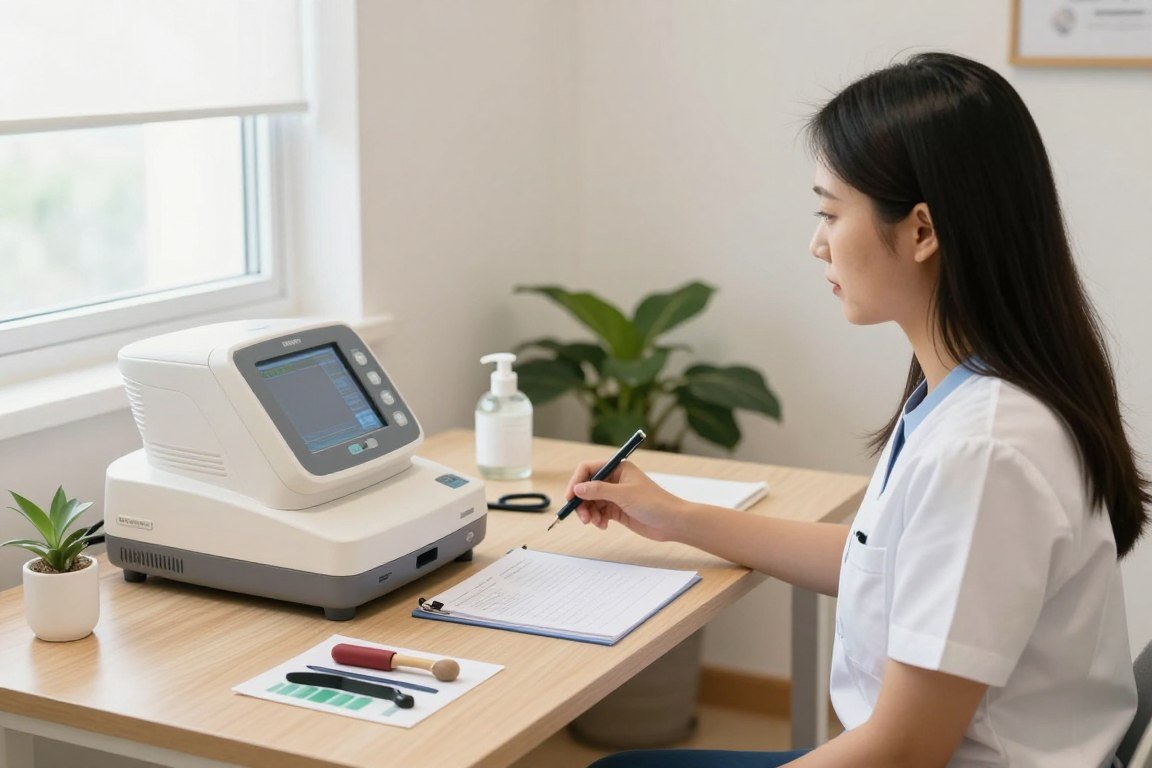
Professional iridology practice requires quality equipment for accurate observation. Modern iridology camera technology has revolutionized the field by enabling detailed documentation and comparison over time.
What Does Changing Eye Color Mean in Iridology?
The question “jensen iridology what does changing eye color mean” addresses one of the most fascinating aspects of iris analysis. Unlike the stable constitutional base color, acquired color changes reveal active processes within the body.
When practitioners observe iridology eye color change brown eyes developing darker pigment, this typically indicates accumulation of metabolic waste products. The liver and digestive system often struggle to process and eliminate toxins effectively.
Conversely, iridology lighten eye color phenomena occur when the body successfully eliminates accumulated wastes. Cleansing protocols, improved nutrition, and enhanced organ function can literally lighten iris coloration over months or years.
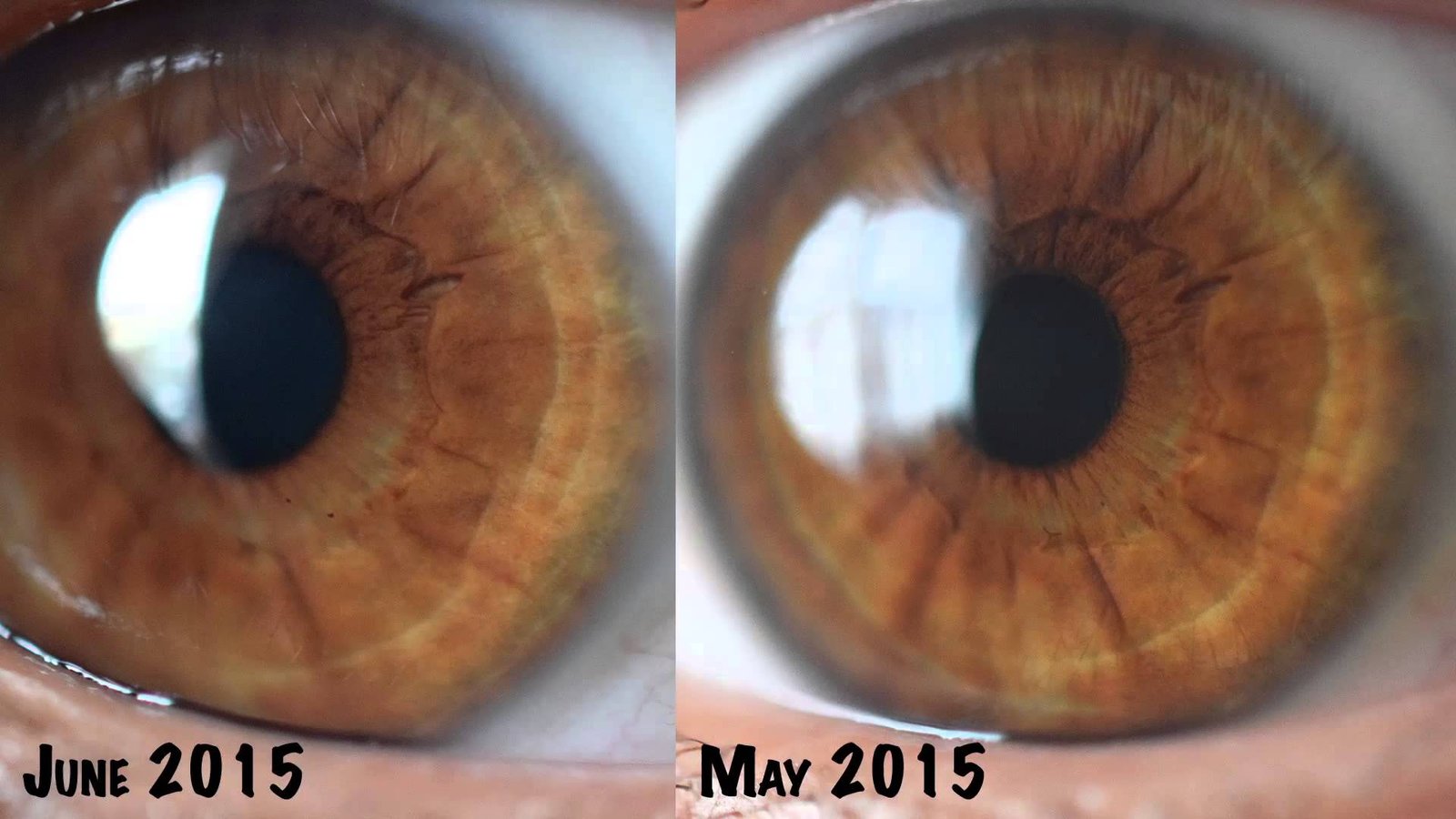
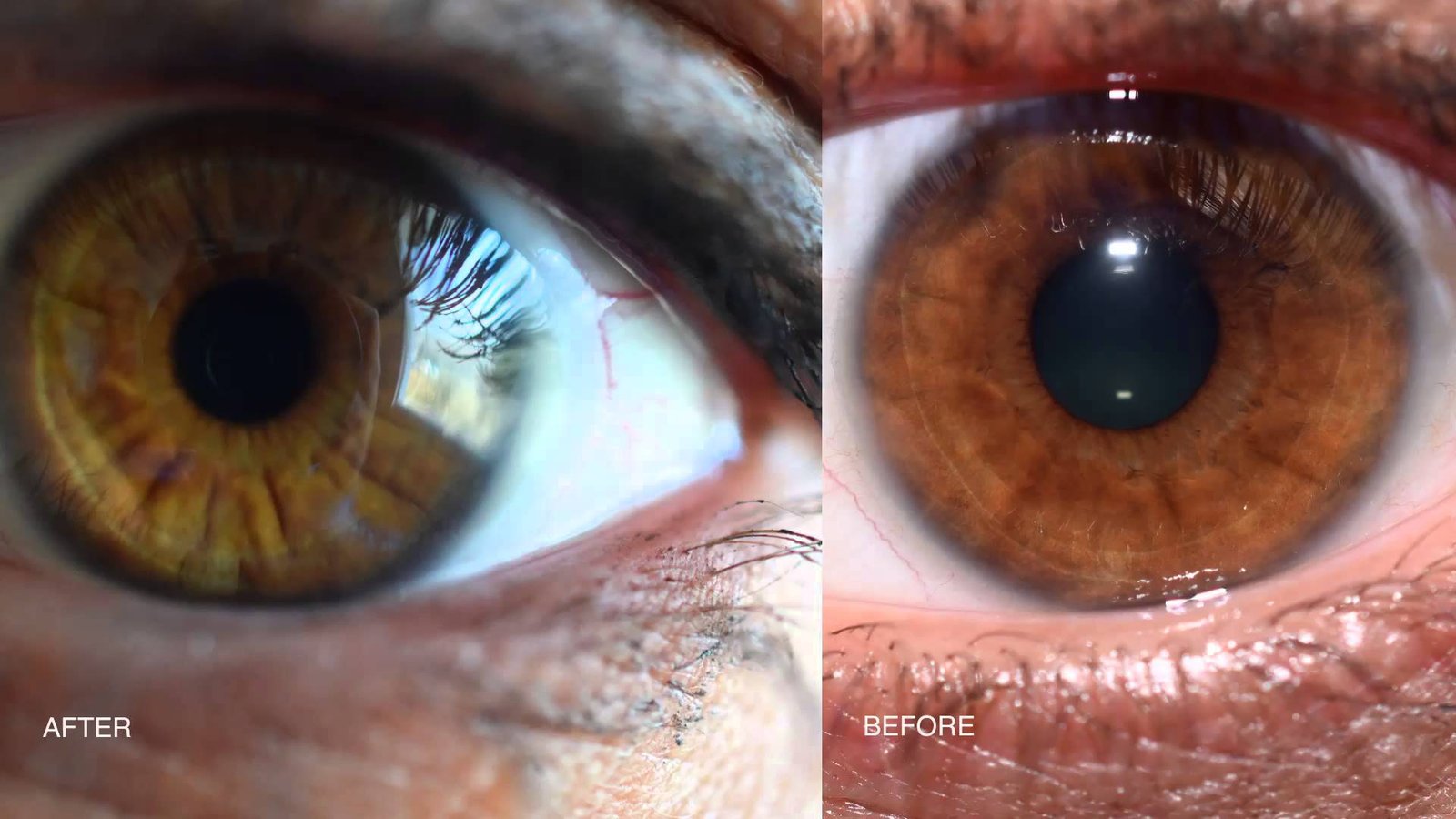
The appearance of iridology orange color or orange in eye color iridology patterns deserves special attention. Orange-yellow tones frequently appear in the digestive zone, particularly around the pupillary border. This coloring suggests pancreatic stress, blood sugar irregularities, or inflammatory conditions.
Iridology yellow in eye color manifestations indicate different processes depending on location and intensity. Bright yellow spots often relate to acute inflammatory responses. Dull yellow-brown tones suggest chronic congestion and sluggish elimination.
Important Note: Color changes occur gradually over weeks, months, or even years. Sudden dramatic color shifts warrant immediate medical evaluation as they may indicate serious conditions unrelated to typical iridology observations.
Iridology Eye Color Green and Mixed Tones
Green eye coloring in iridology represents a complex overlay condition. True green results from yellow-brown pigment deposited over a blue structural base. This combination creates the green appearance through optical color mixing.
The presence of iridology eye color green patterns indicates active processes affecting liver function, bile production, and toxic accumulation. The intensity and distribution of green tones provide insights into the severity and location of these challenges.
- Bright green suggests acute liver stress with active inflammation
- Dull olive green indicates chronic congestion and sluggish bile flow
- Green around the pupil shows digestive system involvement
- Green in outer zones suggests lymphatic and elimination challenges
Understanding iridology how to change eye color isn’t about cosmetic alteration. It’s about recognizing that improved health practices genuinely transform iris appearance. Detoxification, nutritional support, and lifestyle improvements create measurable changes.

Interpreting Specific Color Patterns and Pigment Deposits
Professional iridology color analysis extends beyond general color zones to examine specific pigment formations. These deposits appear as distinct spots, clouds, or streaks within the iris structure.
Dark brown or black spots indicate areas of concentrated toxicity or long-standing organ weakness. Their location corresponds to specific body regions on the iridology chart. The size and density suggest the degree of tissue compromise.
Orange-yellow deposits frequently cluster in the digestive zone. When examining iridology orange color appearances, practitioners assess pancreatic function, blood sugar regulation, and inflammatory processes. These signs often correlate with dietary habits and metabolic efficiency.
Constitutional Color Overlays and Health Implications
The concept of iridology color change includes understanding how acquired pigment overlays the constitutional base. A blue-eyed person developing brown pigment shows different health implications than someone born with brown eyes.
In blue eyes, the appearance of yellowish or brownish clouds suggests lymphatic overload and toxic accumulation. The lymphatic system struggles to clear waste products, leading to visible color changes. This pattern often accompanies symptoms of fatigue, frequent infections, and skin issues.
Pigment Type Classification
- Psoric spots (small dark points) indicate toxic residue
- Drug deposits (orange-rust tones) show medication accumulation
- Lymphatic rosary (white cloud formations) reveals congestion
- Scurf rim (darkened outer edge) indicates skin elimination problems

Practitioners trained in Bernard Jensen iridology learn to distinguish between superficial deposits and deep structural changes. Superficial pigment may respond relatively quickly to health improvements. Deep structural alterations require sustained therapeutic approaches.
The pattern and distribution of color changes tell a story. Localized deposits point to specific organ weaknesses. Generalized darkening suggests systemic challenges affecting multiple organ systems simultaneously.
Understanding Blue Brown Mixed Eye Patterns
The blue brown mixed eye pattern represents one of the most common yet complex configurations in iridology. These eyes don’t fit neatly into single constitutional categories. Instead, they combine features of both lymphatic and hematogenic types.
When examining blue brown eyes, practitioners observe the distribution and intensity of each color component. A predominantly blue iris with brown sectors suggests lymphatic constitution with specific areas of toxic accumulation or organ weakness.
Conversely, primarily brown eyes with blue sectors indicate hematogenic constitution with areas of tissue breakdown or demineralization. The blue zones may represent genetic weaknesses or areas responding to cleansing efforts.

Hazel Eyes in Iridology Context
Hazel eyes represent a specific subtype of mixed coloration. The term “hazel” describes eyes that shift appearance between green, brown, and golden tones depending on lighting conditions. This optical effect results from moderate pigment density over a light structural base.
In iridology assessment, hazel coloring suggests biliary constitution with emphasis on liver and gallbladder function. The varying appearance reflects complex interactions between structural iris features and overlying pigment layers.
- Golden-hazel tones indicate bile-related processes and liver activity
- Green-hazel suggests lymphatic overlay on biliary constitution
- Brown-hazel patterns show stronger hematogenic influence
- Variable hazel intensity reflects current metabolic state
The iridology and acupressure eye color change connection explores how therapeutic interventions affect iris appearance. Acupressure treatments targeting specific meridians may correlate with color changes in corresponding iris zones over time.
Practical Methods for Iridology Color Analysis
Accurate iridology color analysis requires proper equipment, consistent lighting, and systematic observation protocols. Modern iridology camera systems enable practitioners to capture high-resolution images for detailed examination and progress tracking.
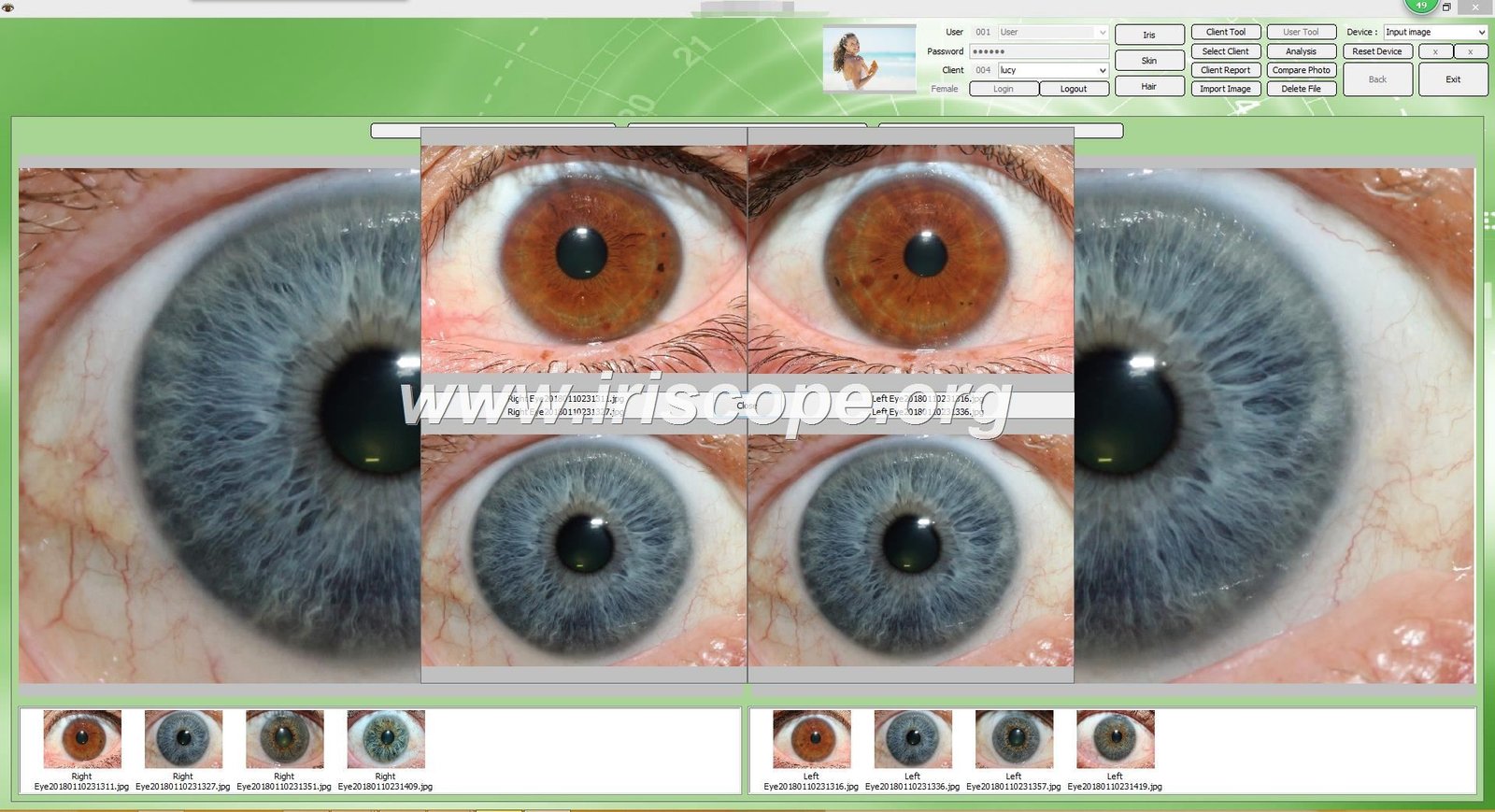
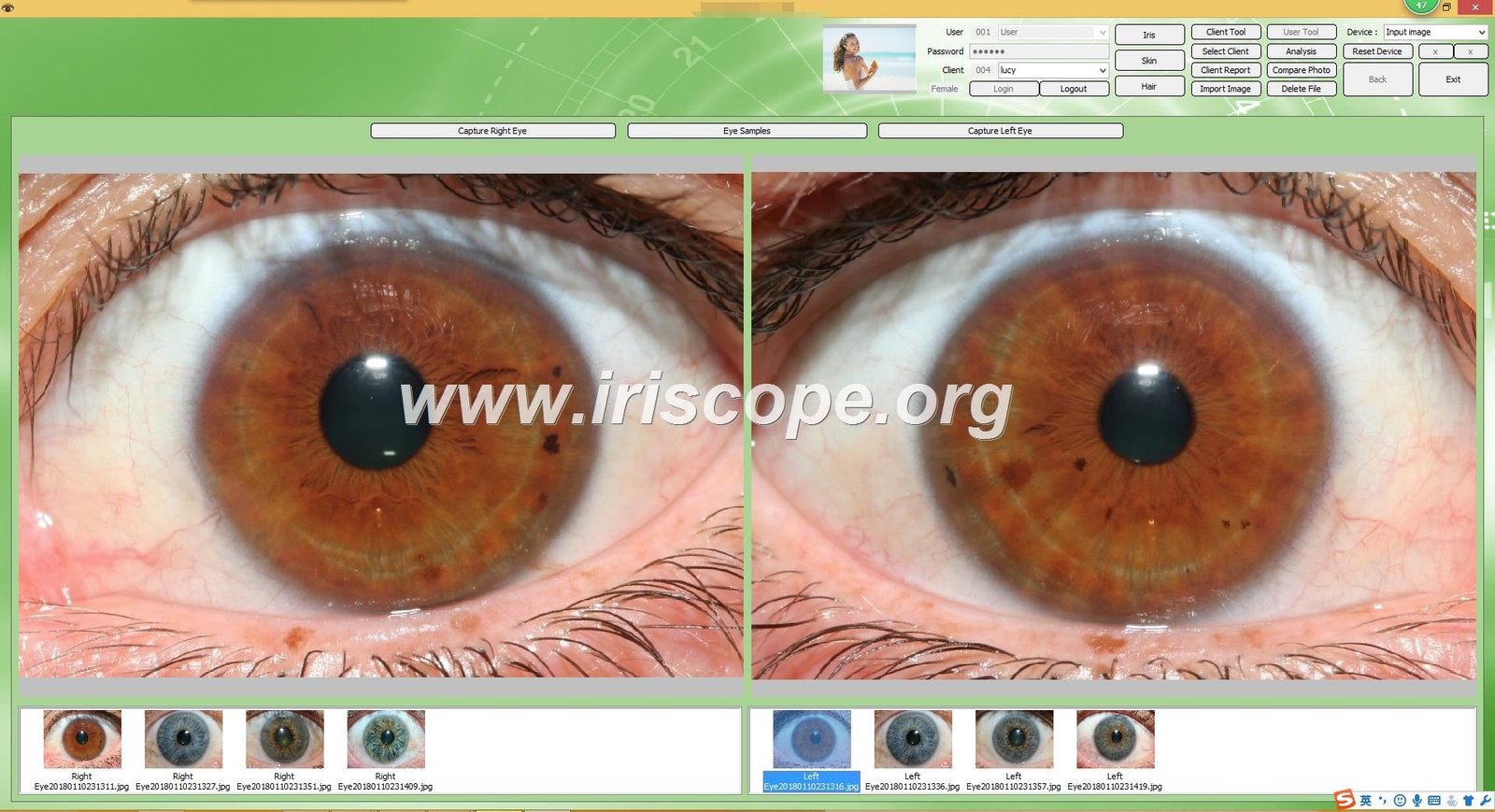
Professional equipment includes specialized magnification, calibrated lighting, and software for image enhancement. The iridology software allows practitioners to compare images taken months or years apart, documenting subtle color shifts that might otherwise go unnoticed.
Technical Support Available: For questions about iridology software operation, version iridology software compatibility, or iridology software apple mac installation, professional assistance is available through WhatsApp at +86 135 1090 7401.
Documentation and Comparison Protocols
Effective color change tracking requires standardized documentation procedures. Practitioners should maintain consistent lighting conditions, camera settings, and image positioning across all sessions. This consistency enables accurate comparison over time.

The onlineiridology software macinstall process has become streamlined with recent technological advances. Cross-platform compatibility ensures practitioners can access their documentation and analysis tools regardless of operating system preference.
When conducting chartmapadiagnosisiridology readingiridology color assessments, practitioners reference standardized charts showing organ zone locations. These maps guide interpretation of color changes, markings, and structural variations.
| Assessment Area | Equipment Needed | Key Observations | Documentation Method |
| Constitutional Color | Basic iridology camera | Base blue, brown, or mixed type | Initial baseline photography |
| Pigment Deposits | High magnification lens | Location, color, size, density | Detailed close-up images |
| Structural Markings | Enhanced contrast lighting | Fiber density, lacunae, furrows | Multiple angle captures |
| Color Changes | Calibrated color system | Shifts in hue, intensity, distribution | Time-series comparison |
| Zone Analysis | Chart overlay software | Organ-specific signs | Annotated digital charts |
Access to iridology software video tutorials and software apple macrussian language options expands the global accessibility of professional training. Practitioners worldwide can develop their skills regardless of location or native language.
Health Implications of Specific Color Changes
Understanding what specific color changes mean for health requires knowledge of both iridology principles and human physiology. Each color shift corresponds to particular metabolic processes, organ functions, or systemic imbalances.
When a patient shows iridology eye color change brown eyes developing darker tones, this often indicates accumulation of metabolic byproducts. The body‘s elimination organs—liver, kidneys, lungs, skin, and colon—may struggle to clear waste efficiently.
Darkening Patterns and Toxic Load
Progressive darkening in the iris generally suggests increasing toxic burden. The body deposits waste materials in connective tissues throughout the system. These deposits create visible changes in iris coloration and density.
- Dark brown clouds indicate chronic digestive waste accumulation
- Black spots suggest concentrated toxicity in specific organs
- Generalized darkening shows systemic elimination challenges
- Progressive changes over time reveal ongoing accumulation processes
The appearance of iridology yellow in eye color patterns, particularly bright yellow-orange tones, often correlates with acute inflammatory processes. The immune system actively responds to infection, injury, or irritation in the corresponding body region.


Lightening Trends and Healing Processes
The phenomenon described as iridology lighten eye color represents positive health developments. As the body successfully eliminates accumulated wastes and restores proper organ function, iris coloration can literally become lighter and clearer.
Practitioners observing color lightening document improvement in several areas. Detoxification protocols, improved nutrition, enhanced circulation, and restored organ function all contribute to these positive changes.
Factors Supporting Color Improvement
- Comprehensive detoxification programs
- Nutrient-dense whole foods diet
- Adequate hydration and lymphatic support
- Regular physical activity and circulation enhancement
- Stress reduction and adequate rest
- Targeted organ support therapies
Timeline Expectations
- Initial changes: 3-6 months of consistent practice
- Noticeable shifts: 6-12 months for significant improvement
- Substantial transformation: 1-3 years for deep changes
- Ongoing maintenance: Lifelong commitment to health practices
Understanding iridology how to change eye color through health improvements empowers individuals to take active roles in their wellness. The iris becomes a feedback mechanism showing the effectiveness of therapeutic interventions.
Specialized Color Phenomena in Advanced Iridology
Beyond basic constitutional colors and common pigment deposits, advanced iridology recognizes several specialized color phenomena. These unique patterns provide additional insights into specific health conditions and processes.
Iridology Eye Color Change Feline Research
Interestingly, iridology eye color change feline studies have contributed to understanding iris color dynamics. Veterinary iridology observes similar principles in animals. Cats demonstrate dramatic color changes from kittenhood to maturity, providing insights into developmental iris physiology.
These comparative studies reinforce that iris color reflects underlying physiological states across species. The mechanisms of pigment deposition, structural development, and metabolic influence operate universally.


Regional Color Zone Significance
The iris divides into concentric zones radiating from the pupil outward. Each zone corresponds to different physiological systems. Color changes in specific zones provide targeted information about body regions.
The pupillary zone (innermost ring) represents digestive organs. Orange in eye color iridology appearing here suggests pancreatic stress, stomach inflammation, or intestinal challenges. The intensity and distribution indicate severity and chronicity.
Pupillary Zone (Inner Ring)
- Stomach, pancreas, intestines
- Orange-yellow indicates digestive inflammation
- Dark brown shows chronic congestion
- Irregular edge suggests digestive dysfunction
Ciliary Zone (Middle Ring)
- Organs, glands, circulation
- Color deposits match specific organ locations
- Structural density indicates tissue integrity
- Markings reveal genetic predispositions
Peripheral Zone (Outer Ring)
- Skin, lymphatics, circulation
- Dark outer ring indicates elimination problems
- White clouds show lymphatic congestion
- Radial lines suggest nervous system patterns
Advanced practitioners correlate color changes with specific health symptoms and diagnostic findings. This integration creates comprehensive wellness assessments that guide therapeutic strategies.
Professional Equipment for Iridology Color Assessment
Accurate color analysis requires specialized equipment that captures true-to-life iris detail. Modern iridology camera systems have evolved significantly from early magnifying glasses and basic photography.
Professional-grade equipment includes high-resolution digital cameras with specialized macro lenses. These systems capture minute details invisible to the naked eye. Proper illumination systems ensure consistent, accurate color representation across all documentation sessions.
Essential Equipment Features
When selecting iridology equipment, practitioners should prioritize several key features. Image resolution directly impacts the ability to observe fine details and subtle color variations. Minimum recommended resolution is 12 megapixels for professional work.


- High-resolution sensor (12+ megapixels minimum)
- True macro capability for extreme close-up detail
- Calibrated LED lighting for accurate color rendering
- Comfortable patient positioning system
- Compatible software for image management and analysis
- Cross-platform support (Windows and Mac OS)
The availability of iridology software apple mac compatibility represents a significant advancement. Many practitioners prefer Mac systems for their color accuracy and reliability. First-generation cross-platform solutions often had limitations, but modern software fully supports both operating systems.
Professional Iridology Equipment from MAIKONG
MAIKONG brings over 20 years of specialized manufacturing experience to professional iridology equipment. Our iriscope and iridology camera systems represent the cutting edge of diagnostic imaging technology. We offer the world’s first truly cross-platform iridology software with full Windows 7/8/10/11 AND Apple Mac OS support.
Software Capabilities and Integration
Modern iridology software goes beyond simple image capture. Advanced systems offer chart overlays, comparison tools, patient management, and comprehensive reporting capabilities. The video teachingsoftware advanced features include tutorial integration for ongoing practitioner education.
When researching iridology software video demonstrations, practitioners can evaluate user interfaces and workflow efficiency. The camera software videoexhibition materials showcase practical applications and feature sets before purchase.
Multi-language support extends global accessibility. The software apple macrussian version iridology options, along with numerous other language packages, enable practitioners worldwide to work in their native language for maximum efficiency and accuracy.
Real-World Case Studies of Eye Color Changes
Clinical experience demonstrates that iridology color change patterns correlate with documented health improvements. While individual results vary, consistent patterns emerge across numerous cases.
Case Study: Digestive System Restoration
A 42-year-old female presented with chronic digestive complaints and fatigue. Initial iridology assessment revealed significant iridology orange color around the pupillary border, indicating pancreatic stress and digestive inflammation.
Documentation included detailed iridology camera images showing the extent and intensity of orange-yellow pigment. The patient implemented a comprehensive program including dietary modification, digestive enzyme support, and stress management.

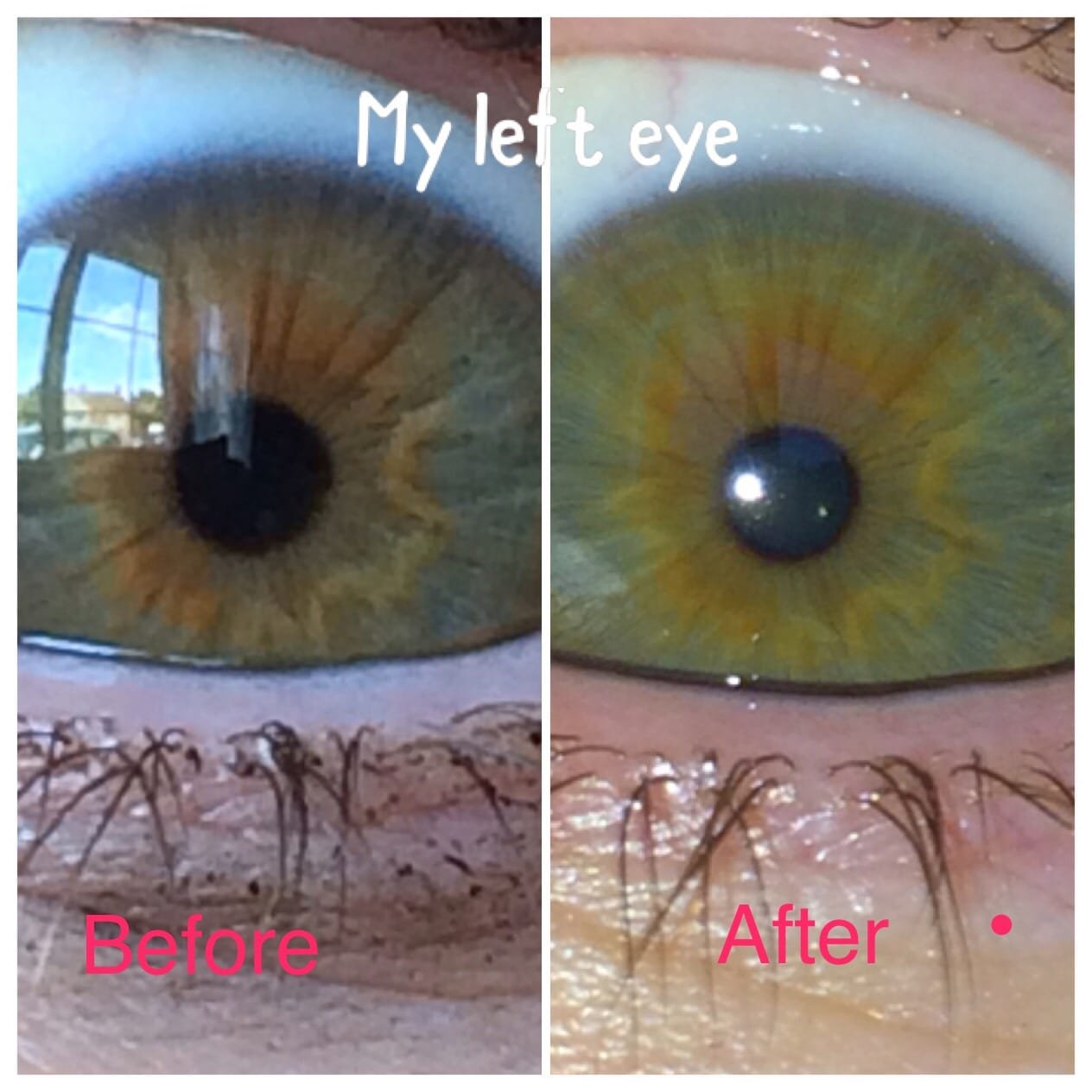

Follow-up imaging at 6-month intervals documented progressive improvement. The orange coloring gradually diminished as digestive function normalized. After 18 months, the pupillary zone showed significantly reduced pigment intensity with improved fiber clarity.
Case Study: Detoxification and Color Lightening
A 55-year-old male with brown eyes sought support for general wellness optimization. Initial assessment showed generalized darkening throughout the iris with multiple small deposits in the kidney and liver zones.
The patient engaged in structured detoxification protocols over 24 months. Progressive iridology camera documentation revealed gradual lightening of overall iris tone. Dark deposits diminished in size and intensity.
“The visual feedback from iris photography provided powerful motivation to continue my wellness program. Seeing measurable improvement in my eye color reinforced that my efforts were creating real physiological changes.”
Laboratory testing confirmed improvements in liver enzymes, kidney function markers, and inflammatory indicators. The correlation between iris changes and objective lab values supported the validity of iridology observations.
Iridology Colorado and Regional Practice Variations
The term iridology colorado often appears in searches as practitioners and patients seek local professional services. Regional variations in iridology practice exist, though fundamental Bernard Jensen principles remain consistent globally.
Colorado, with its strong natural health community, hosts numerous certified iridologists and training programs. The readingiridology color analysisiridologistcertificationstress pathway available through various schools follows Jensen’s systematic methodology.

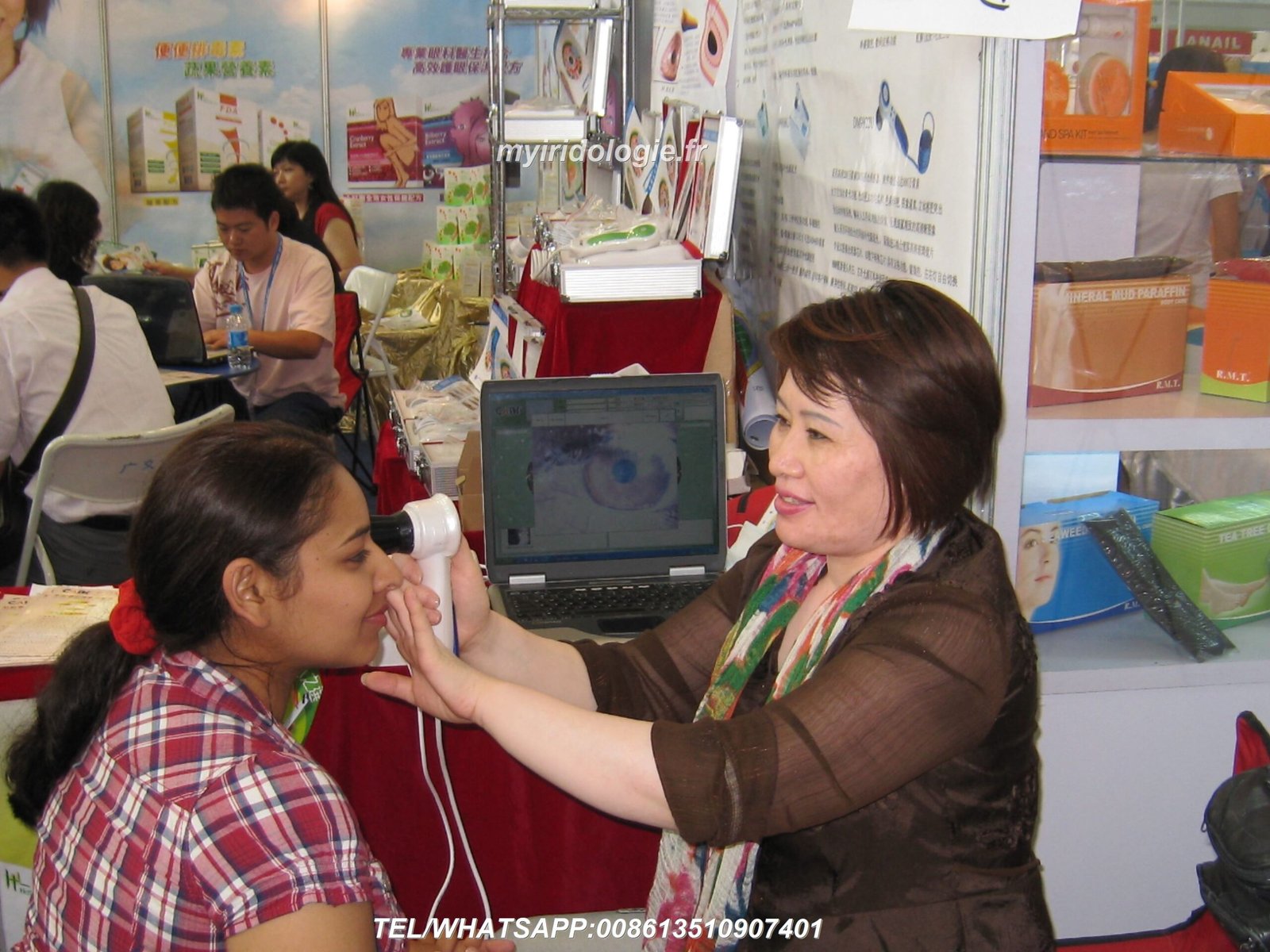

Practitioners in any location require proper training, quality equipment, and ongoing education. Whether searching for iridology colorado services or practitioners elsewhere, clients should verify certification credentials and experience levels.
Training and Certification Standards
Professional iridology training programs typically span 100-300 hours of instruction. Comprehensive courses cover anatomy, physiology, iris topography, color analysis, markings interpretation, and ethical practice standards.
Students learn to find iridology pic resources for reference and study. The sampleiridology camera factroyfactory documentation provides training materials showing diverse iris presentations and pathology examples.
- Basic certification: 100-150 hours covering fundamentals
- Advanced certification: 200-300 hours including clinical practice
- Continuing education: Ongoing requirement for maintaining credentials
- Practical examination: Demonstration of assessment competency
The videomaikong iridology software training materials support both initial education and continuing professional development. Video-based learning enables students to observe expert analysis techniques and develop their own assessment skills.
Integrating Iridology into Holistic Practice
Professional practitioners integrate iridology as one component within comprehensive wellness assessments. The iris provides valuable information that complements other diagnostic methods and patient history.
Effective integration requires understanding both the strengths and limitations of iridology. The practice excels at revealing constitutional tendencies, chronic patterns, and tissue states. It serves less effectively for acute disease diagnosis or emergency conditions.
Complementary Assessment Tools
Most iridologists combine iris analysis with other natural health assessment methods. These complementary approaches create comprehensive pictures of patient health status and needs.
Nutritional Assessment
Dietary analysis and nutritional status evaluation complement iridology findings. Deficiency patterns observed in the iris guide targeted supplementation strategies.
Lifestyle Evaluation
Sleep patterns, stress levels, exercise habits, and environmental exposures influence iris appearance. Comprehensive lifestyle assessment provides context for iridology observations.
Functional Testing
Laboratory tests measuring organ function, inflammatory markers, and metabolic indicators validate iridology findings with objective data.
The connection between iridology and acupressure eye color change demonstrates how multiple therapeutic modalities create synergistic effects. Acupressure treatments may influence organ function, which subsequently affects iris appearance over time.
Patient Education and Engagement
One of iridology‘s greatest strengths is its visual impact. Patients can see their own iris images and understand the significance of observed patterns. This visual feedback creates powerful engagement and motivation.
Practitioners should educate patients about realistic expectations. Color changes occur gradually over months and years. Dramatic overnight transformations don’t happen. Patience and consistency yield results.
Regular follow-up photography documents progress and maintains motivation. The iridology software comparison features allow side-by-side viewing of images taken months apart, making subtle changes visible and encouraging continued commitment to health practices.
The Future of Iridology Technology and Research
Technological advancement continues to enhance iridology capabilities and accessibility. High-resolution imaging, artificial intelligence analysis, and telemedicine integration represent emerging frontiers in the field.
Artificial Intelligence Applications
AI-powered iridology software can analyze thousands of iris images to identify patterns humans might miss. Machine learning algorithms recognize subtle correlations between specific iris features and health conditions.
These systems don’t replace human practitioners but augment their capabilities. AI assists with initial screening, pattern recognition, and comprehensive documentation. The practitioner’s expertise, intuition, and patient relationship remain essential.
- Automated pigment density mapping and tracking
- Statistical correlation with health outcomes
- Pattern recognition across large image databases
- Predictive modeling for health tendency assessment
Telemedicine and Remote Assessment
The video play listhow technologies enable remote consultations and training. Patients can capture their own iris images using smartphone attachments and submit them for professional analysis.
While in-person assessment remains ideal, telemedicine expands access to iridology services. Rural residents, mobility-limited individuals, and those in underserved areas gain access to professional expertise previously unavailable.
Quality control remains crucial in remote settings. Standardized imaging protocols, calibrated lighting, and proper technique training ensure accurate documentation regardless of location.
Important Consideration: Remote iridology should complement, not replace, appropriate medical care. Practitioners must clearly communicate scope of practice limitations and encourage patients to maintain relationships with licensed medical providers.
Frequently Asked Questions About Jensen Iridology and Eye Color Changes
Can eye color actually change based on health conditions?
Yes, iris color can change over time based on health conditions and lifestyle factors. These changes occur gradually as pigment deposits accumulate or diminish. Constitutional base color remains stable, but overlaying pigment creates visible shifts. Changes typically occur over months or years, not days or weeks.
What does orange color in the iris indicate?
Orange pigment in the iris, particularly around the pupillary border, typically indicates pancreatic stress, blood sugar irregularities, or digestive inflammation. The intensity and distribution provide information about severity and chronicity. Bright orange suggests acute processes, while dull orange-brown indicates chronic conditions.
How long does it take for eye color to lighten with improved health?
Visible lightening typically requires 6-12 months of consistent health improvements. Initial subtle changes may appear within 3-6 months. Significant transformation often takes 1-3 years of sustained wellness practices. The timeline varies based on individual constitution, initial toxic load, and intervention effectiveness.
Is iridology scientifically proven?
The scientific status of iridology remains debated. While extensive clinical observation and case documentation support its principles, controlled research studies show mixed results. Many practitioners report consistent clinical correlations, though mainstream medicine hasn’t universally accepted iridology. It functions best as a complementary assessment tool rather than standalone diagnostic method.
What equipment do I need to practice iridology professionally?
Professional iridology requires a high-resolution camera system (12+ megapixels), specialized macro lens, calibrated lighting, patient positioning equipment, and compatible software for image management and analysis. Modern systems should support both Windows and Mac OS platforms. Quality equipment represents a significant investment but is essential for accurate assessment.
Can iridology diagnose specific diseases?
No, iridology does not diagnose specific disease entities. Instead, it reveals tissue states, organ weaknesses, constitutional tendencies, and toxic accumulation patterns. These observations suggest areas requiring attention but don’t replace medical diagnosis. Iridologists should work within appropriate scope of practice and refer to licensed medical professionals when appropriate.
What’s the difference between blue eyes and brown eyes in iridology?
Blue eyes represent lymphatic constitution with tendencies toward lymphatic congestion, mucus accumulation, and sensitivity to dairy products. Brown eyes indicate hematogenic constitution with predisposition to blood chemistry imbalances, mineral deficiencies, and circulatory challenges. Each constitutional type requires different therapeutic approaches.
How does Bernard Jensen’s approach differ from other iridology methods?
Bernard Jensen developed comprehensive iris charts mapping specific body organs to precise iris locations. His systematic methodology emphasized constitutional analysis, color interpretation, and structural assessment. Jensen integrated iridology with nutrition and lifestyle medicine. His approach remains the foundation for most Western iridology practice today.
Professional Partnership Opportunities with MAIKONG
MAIKONG actively seeks qualified distributors and partners throughout the United States and globally. Our 20+ years of manufacturing experience in professional iridology equipment positions us as industry leaders in quality and innovation.
Why Partner with MAIKONG?
As direct factory manufacturers, we offer advantages unavailable from middleman distributors. Our equipment combines cutting-edge technology with reliable performance, backed by comprehensive technical support and competitive pricing structures.
Factory-Direct Pricing
Eliminate middleman costs and maximize your profit margins. Our direct manufacturing model ensures competitive pricing that benefits both partners and end customers.
Unique Mac OS Support
We offer the world’s first fully cross-platform iridology software supporting both Windows and Apple Mac OS. This unique feature expands your potential customer base significantly.
Comprehensive Support
Technical support via WhatsApp ensures rapid response to customer questions. Multilingual software options enable you to serve diverse markets effectively.
Customization Options
OEM and private labeling available for qualified partners. We can customize software interfaces, packaging, and branding to match your market requirements.
Quality Certifications
Our manufacturing facility maintains international quality standards with comprehensive certifications. This ensures product reliability and customer confidence.
Growing Market Demand
Natural health practices continue expanding in the United States and globally. Position yourself in this growing market with proven, professional equipment.

Ideal Partner Profile
We seek partners with established presence in natural health, alternative medicine, or medical equipment sectors. Ideal candidates include:
- Medical equipment distributors serving natural health practitioners
- Natural medicine supply companies with established customer bases
- Iridology training institutions seeking equipment solutions for students
- Wellness center chains requiring standardized assessment tools
- International distributors expanding product portfolios
- Entrepreneurial professionals passionate about natural health
Become a MAIKONG Distributor
Join our global network of successful partners serving the natural health community. We provide comprehensive onboarding, technical training, marketing support, and ongoing partnership development. Our team is committed to your success in this growing market.
Conclusion: The Journey of Understanding Jensen Iridology Eye Color Meaning
Understanding “jensen iridology what does changing eye color mean” opens fascinating windows into health assessment and body awareness. The iris serves as a dynamic map reflecting our internal landscape, constitutional tendencies, and ongoing physiological processes.
Bernard Jensen’s pioneering work established systematic methodologies for interpreting iris color, structure, and markings. His legacy continues through practitioners worldwide who apply these principles to support patient wellness and preventive care.
Eye color changes aren’t cosmetic curiosities. They represent measurable indicators of metabolic processes, toxic accumulation, organ function, and healing progress. Whether observing iridology orange color suggesting pancreatic stress, brown pigment indicating waste accumulation, or gradual lightening reflecting successful detoxification, each shift tells part of the health story.

The integration of modern technology with traditional iridology wisdom creates powerful assessment capabilities. High-resolution iridology camera systems, cross-platform software supporting both Windows and Mac OS, and AI-enhanced analysis tools expand what’s possible in iris examination.
For practitioners, iridology offers valuable complementary information enhancing comprehensive wellness assessments. For patients, it provides visual feedback that motivates sustained commitment to health improvement. For researchers, it presents ongoing opportunities to explore mind-body connections and physiological indicators.
The journey of understanding iridology color change phenomena continues evolving. Each practitioner adds to the collective knowledge base through careful observation and documentation. Every patient who experiences positive color shifts through health improvements validates the principles Jensen articulated decades ago.
Whether you’re a professional seeking quality equipment, a student exploring iridology training, or simply someone curious about what your eyes reveal, the field offers rich opportunities for discovery and application. The iris remains one of nature’s most accessible and informative diagnostic tools.
As we’ve explored throughout this comprehensive guide, jensen iridology what does changing eye color mean encompasses far more than simple observation. It represents a holistic approach to understanding health, constitution, and the body‘s remarkable capacity for transformation when properly supported.
Ready to Explore Iridology Further?
Whether you’re seeking professional equipment, technical support, or partnership opportunities, MAIKONG provides comprehensive solutions backed by 20+ years of manufacturing excellence. Our team supports practitioners, distributors, and health enthusiasts worldwide.
Email: Lucy@iriscope.org | Website: iriscope.org