Iridology software has revolutionized the practice of iris analysis by providing practitioners with powerful digital tools to examine, document, and interpret iris patterns with unprecedented precision. This technology bridges traditional holistic health assessment methods with modern digital capabilities, allowing for more accurate and consistent analysis of the iris’s intricate structures. Whether you’re an established iridologist looking to upgrade your toolkit or a holistic health practitioner considering adding iris analysis to your practice, understanding the capabilities and options available in today’s iridology software landscape is essential for making an informed decision.
What Is Iridology Software and How Does It Work?
Iridology software is specialized digital technology designed to assist practitioners in analyzing the patterns, colors, and structures of the iris to identify potential health conditions and constitutional strengths or weaknesses. These sophisticated programs transform traditional iris assessment into a precise digital science by providing tools for detailed examination and documentation.
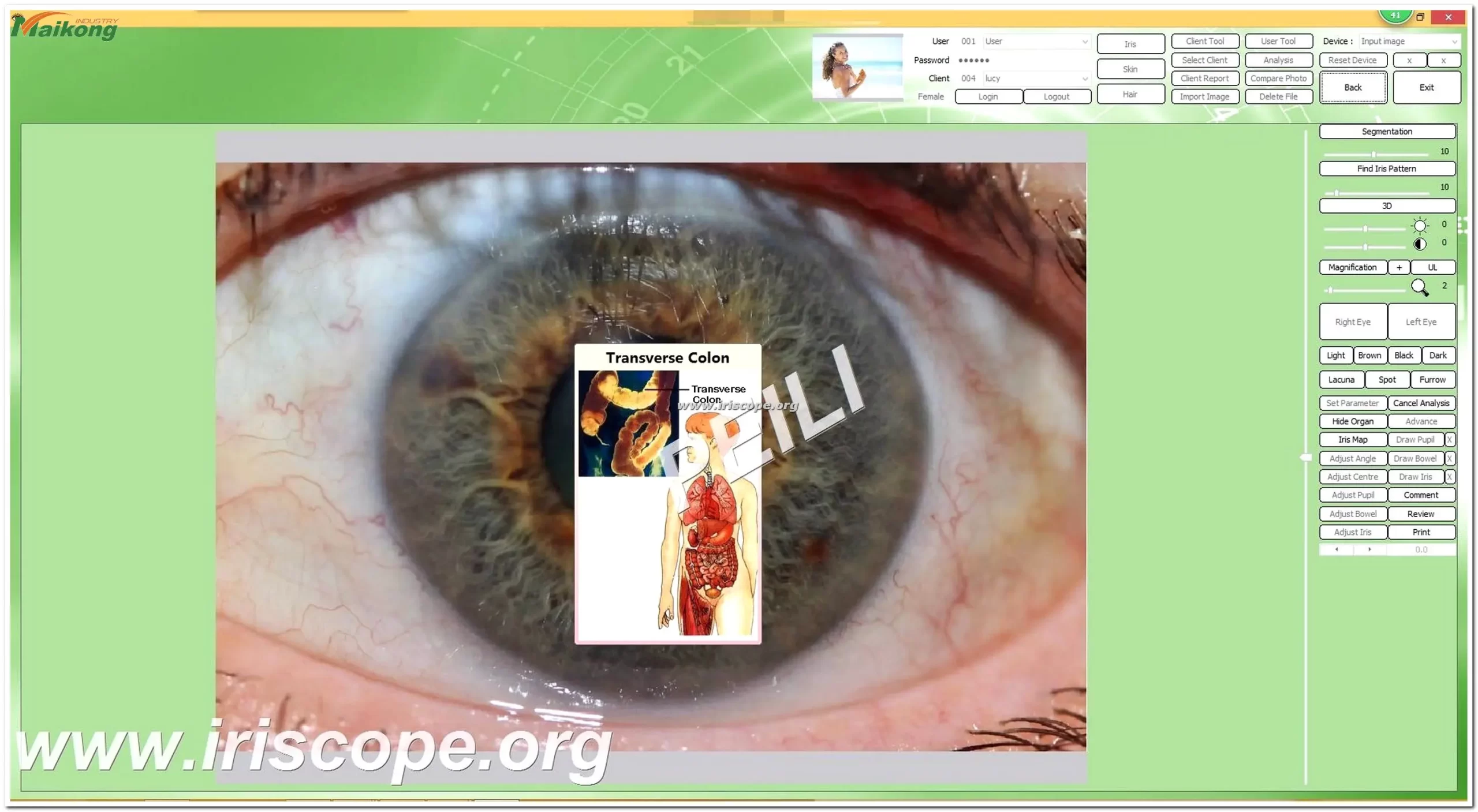
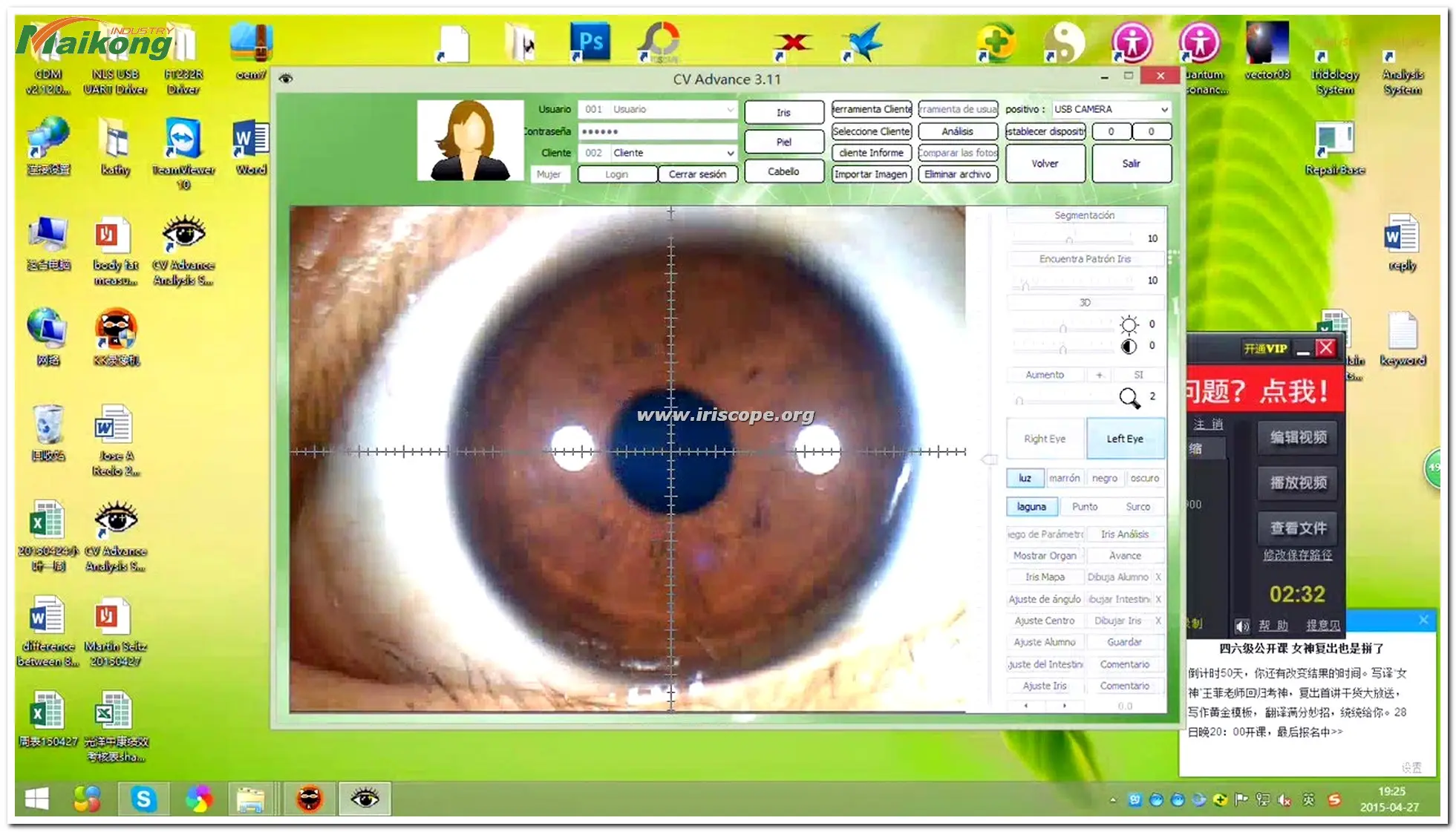
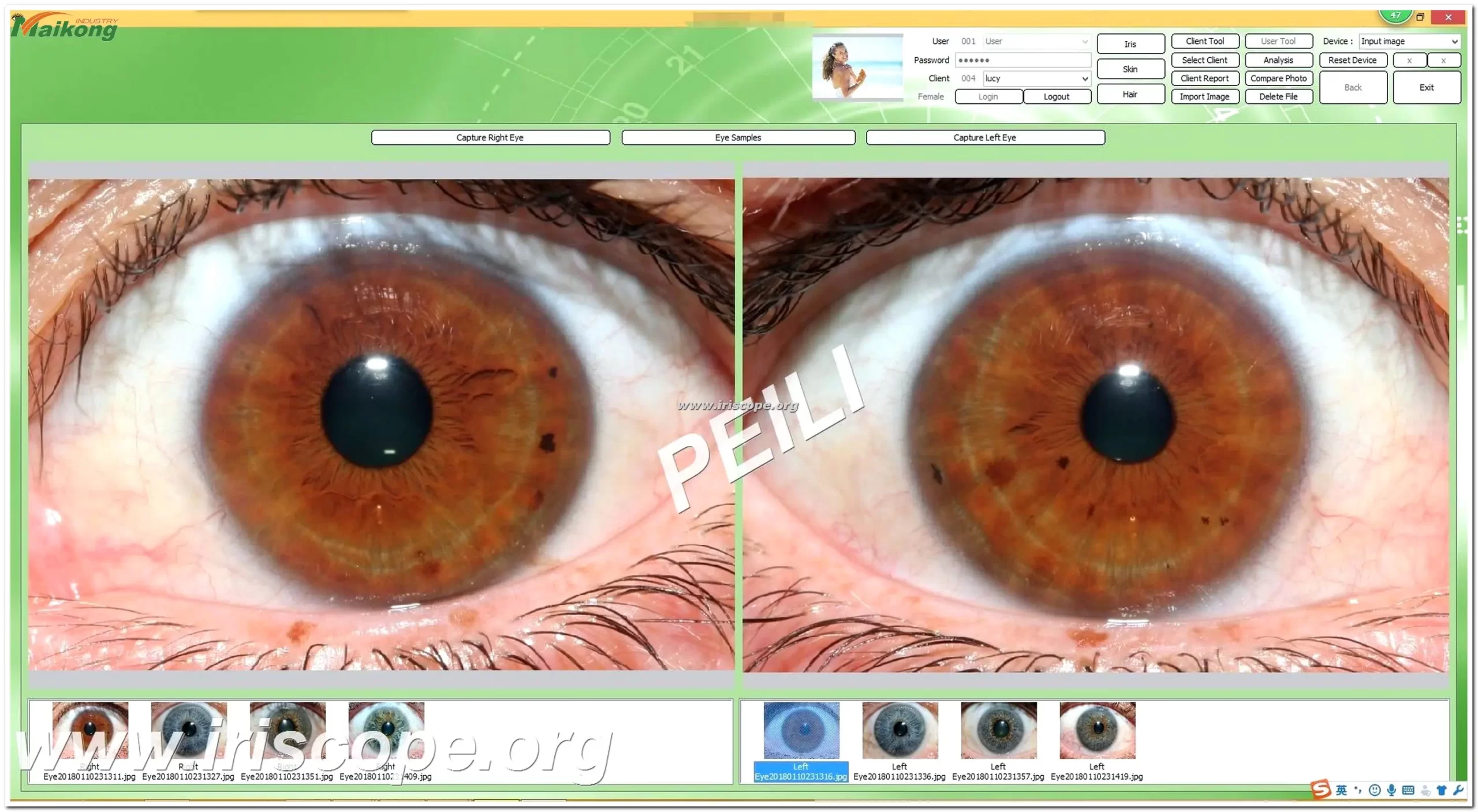
At its core, iridology software works by capturing high-resolution images of the iris using specialized cameras or iris scopes. These images are then imported into the software where they can be enhanced, magnified, and analyzed using various digital tools. The software typically overlays standardized iris charts onto the images, helping practitioners identify and interpret specific zones and markings according to established iridology principles.
Modern iridology software goes beyond simple visualization by incorporating advanced algorithms that can detect subtle patterns and changes in the iris structure. Some programs even utilize artificial intelligence to assist in identifying common iris signs and correlating them with potential health indicators based on clinical research and established iridology frameworks.
The Technical Foundation of Digital Iridology
The technological backbone of iridology software combines several key components:
- Image capture and processing systems that enhance iris details
- Mapping algorithms that accurately place iris charts over individual eyes
- Database integration that stores client records and analysis history
- Reporting modules that generate comprehensive health assessments
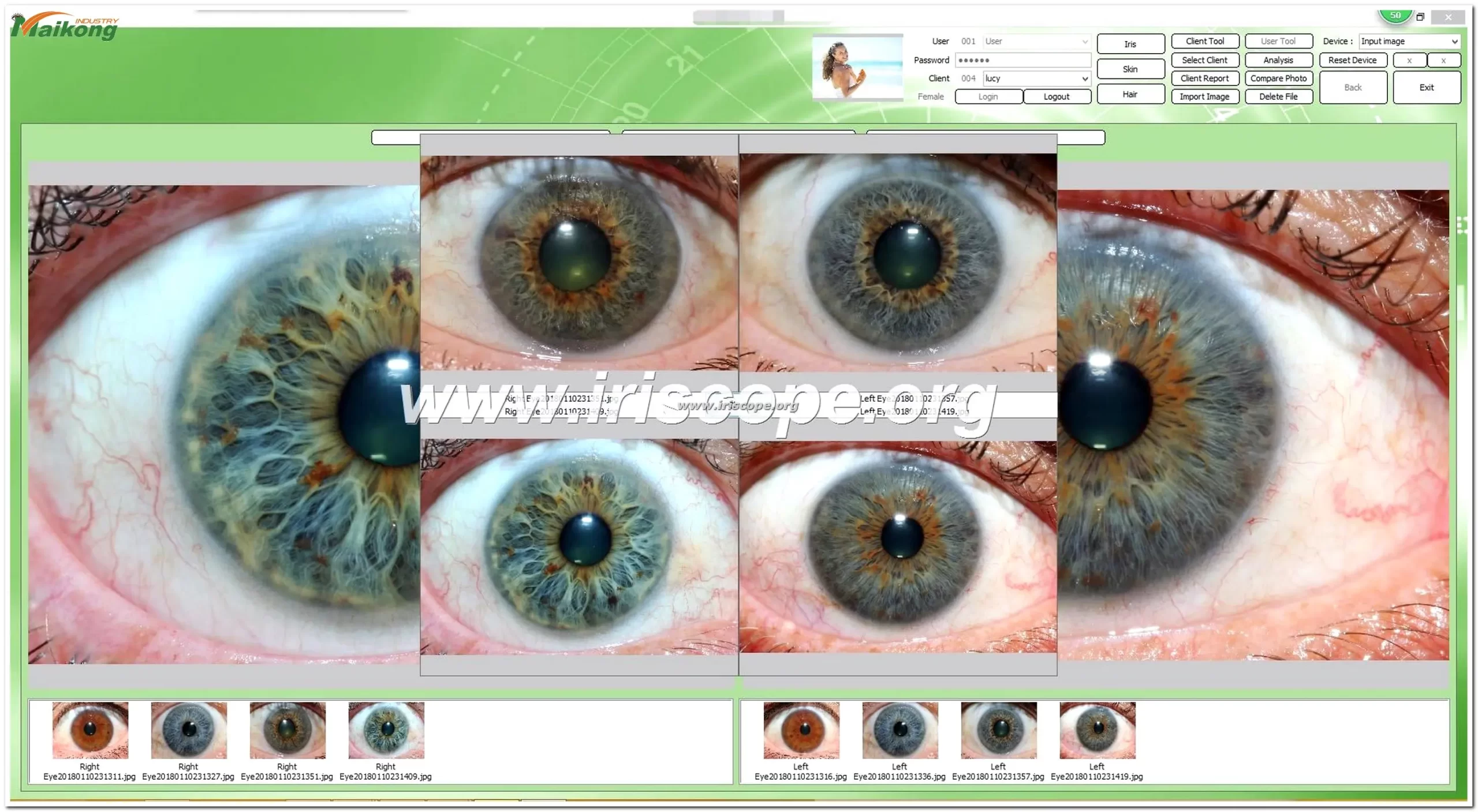
- Comparison tools that track changes in iris patterns over time
By digitizing the practice of iridology, these software solutions provide practitioners with objective measurement tools, standardized analysis frameworks, and detailed documentation capabilities that were previously unavailable in traditional practice.
Essential Features of Professional Iridology Software
When evaluating iridology software for professional use, several key features distinguish high-quality programs from basic options. Understanding these capabilities will help you select software that enhances your practice and delivers meaningful results for your clients.
Iris Mapping & Chart Overlay
Advanced software provides customizable chart overlays that adapt to individual iris structures. These mapping tools allow for precise alignment with various iris charts (Jensen, Pesek, etc.) and accommodate different iris sizes and shapes for accurate zone identification.
Image Enhancement & Analysis
Professional software includes comprehensive image manipulation tools for adjusting brightness, contrast, and sharpness to highlight specific iris features. Advanced programs offer magnification capabilities up to 30x with pixel-perfect clarity and specialized filters to isolate particular iris structures.
Measurement & Comparison Tools
Precise measurement tools calculate pupil size, collarette integrity, and sectoral analysis with mathematical accuracy. The best software includes comparison capabilities to track changes over time and document therapeutic progress through before/after analysis.
Client Database Management
Comprehensive client management systems store detailed records, assessment history, and iris images securely. Advanced programs include HIPAA-compliant data protection and easy retrieval of historical analyses for tracking health changes over time.
Reporting & Documentation
Sophisticated reporting modules generate customizable client reports with detailed findings and recommendations. Professional software allows for branded documentation with practitioner information and offers multiple report formats from brief summaries to comprehensive assessments.
Integration Capabilities
Leading software offers integration with practice management systems and other diagnostic tools. Advanced programs include data export capabilities in multiple formats and API connections for seamless workflow integration with existing health practice software.
Discover The Full Potential of Digital Iridology
Learn how these advanced features can transform your practice with our comprehensive guide to iridology software capabilities.
Download Feature Comparison Guide
Benefits of Using Iridology Software for Practitioners and Clients
For Practitioners
- Enhanced Accuracy and Precision – Digital tools provide mathematical measurements and standardized analysis that surpass traditional manual assessment methods.
- Improved Client Communication – Visual representations and detailed reports help explain findings to clients in an understandable and impactful way.
- Efficient Documentation – Automated reporting saves hours of manual documentation while creating more comprehensive records.
- Professional Credibility – Using advanced technology enhances practice reputation and demonstrates commitment to clinical excellence.
- Tracking Therapeutic Progress – Comparison tools objectively document changes in iris patterns following interventions or treatments.
For Clients
- Personalized Health Insights – Detailed analysis provides individualized assessment rather than generic health information.
- Visual Understanding – Seeing their own iris images with explanations creates deeper engagement with health recommendations.
- Measurable Progress – Before/after comparisons provide visible evidence of health improvements over time.
- Comprehensive Reports – Detailed documentation helps clients remember and implement health suggestions.
- Non-Invasive Assessment – Provides health insights without blood tests or invasive procedures.
“The analysis made seems to be quite accurate. We would ask for an Ecocardiogram and a gastrology evaluation to further evaluate the findings.”
Dr. Manuel Monasterio, Naturopathic Physician
Professional Applications and Use Cases
Iridology software has found valuable applications across various health disciplines and settings. Understanding these use cases can help you identify how this technology might benefit your specific practice.
Holistic Health Clinics
In integrative and holistic health settings, iridology software serves as a comprehensive assessment tool that complements other modalities. Practitioners use the software to create baseline health evaluations, identify priority areas for intervention, and track progress throughout treatment programs.
The detailed reports generated by the software help practitioners develop personalized wellness protocols and explain complex health concepts to clients using visual evidence from their own iris patterns.
Research and Clinical Studies
Advanced iridology software provides the standardized analysis tools necessary for conducting meaningful research. The mathematical precision and consistent methodology enable researchers to collect quantifiable data on iris changes related to health conditions.
Several institutions have utilized specialized research modules in iridology software to conduct studies on correlations between iris signs and specific health parameters, contributing to the growing body of evidence supporting iridological assessment.
Educational Institutions
Colleges and schools offering iridology certification utilize specialized software to train students in digital iris analysis. The software provides standardized learning tools, practice cases, and assessment capabilities that accelerate the learning process.
Educational versions often include additional tutorial features, annotated iris libraries, and guided analysis modules that help students develop proficiency in recognizing and interpreting iris signs.
Case Study: Integrative Medicine Practice
Dr. Long Mai, an Integrative Medical Doctor, reports: “I am using these reports combining with many other diagnosis tools for my integrative medicine treatment for my own patients.” This exemplifies how iridology software serves as one component in a comprehensive diagnostic approach, providing valuable insights that complement other assessment methods.
How to Choose the Right Iridology Software
Selecting the optimal iridology software for your practice requires careful consideration of several key factors. This evaluation framework will help you identify the solution that best meets your specific needs and practice requirements.
| Selection Criteria |
What to Evaluate |
Importance Level |
| Clinical Validation |
Research backing, clinical studies supporting the software’s methodology, professional endorsements |
Critical |
| Technical Specifications |
Operating system compatibility, hardware requirements, camera integration capabilities |
High |
| Feature Set |
Analysis tools, reporting capabilities, client management, comparison functions |
High |
| Ease of Use |
Interface design, learning curve, workflow efficiency, documentation quality |
Medium-High |
| Support & Training |
Available training resources, technical support options, user community |
Medium-High |
| Cost Structure |
One-time purchase vs. subscription, additional fees, upgrade costs |
Medium |
| Customization Options |
Branding capabilities, report customization, chart selection options |
Medium |
Questions to Ask Before Purchasing
- Is a free trial or evaluation version available to test the software?
- What type of technical support is included with purchase?
- Does the software receive regular updates and how are these delivered?
- What iris cameras or capture devices are compatible with the software?
- Can the software integrate with my existing practice management system?
- What security measures are in place to protect client data?
- Is training included with purchase or available separately?
Need Help Selecting the Right Software?
Our team of iridology experts can provide personalized recommendations based on your specific practice needs.
Request Free Consultation
Top 5 Iridology Software Solutions Compared
After extensive research and practitioner feedback, we’ve identified five leading iridology software solutions that offer exceptional capabilities for professional practice. Each has distinct strengths and potential limitations to consider.
1. Clinical Iridology Pro
Most Comprehensive
Developed through decades of clinical research, this software offers the most advanced analysis capabilities with precise mathematical parameters for eye, pupil, and collarette measurements. It features sectoral iris analysis based on extensive clinical studies and includes comprehensive research tools.
Strengths
- FDA-approved medical device status in some countries
- Highest precision measurement tools
- Extensive research database integration
- Comprehensive reporting capabilities
- Regular clinical validation updates
Limitations
- Steeper learning curve for beginners
- Higher price point than alternatives
- Requires more powerful computer specifications
- May have more features than needed for basic practice
“I loaded it up on my 13″ macbook and it ran fine! I ran through 2 long term patients and found the analysis quite relevant and accurate.”
Dr. Eric Blake, Naturopathic Physician and Diplomate of Acupuncture
2. Holistic Iris Analyzer
Best Reporting
This comprehensive analysis and reporting system includes 145 specific evaluations performed by the practitioner using their knowledge and skills. The software generates detailed 74-page holistic educational reports covering spiritual, mental, emotional, and physical aspects based on individual evaluations.
Strengths
- Most comprehensive reporting system (74 pages)
- Holistic approach covering multiple dimensions of health
- One-time purchase with no subscription fees
- Dynamic and interactive chart overlay
- Available in multiple languages
Limitations
- Not an automated scanning program
- Requires more practitioner knowledge to utilize fully
- Higher initial investment ($1,495)
- May generate more information than some clients need
3. Iridology Express
Most User-Friendly
Designed for practitioners new to digital iridology, this software offers an intuitive interface with guided analysis tools. While less comprehensive than advanced options, it provides essential features for basic iris assessment and client documentation with minimal learning curve.
Strengths
- Intuitive interface ideal for beginners
- Lower price point with tiered upgrade options
- Compatible with most basic iris cameras
- Simplified reporting suitable for most clients
- Excellent tutorial and support resources
Limitations
- Limited advanced measurement capabilities
- Fewer customization options
- Basic reporting compared to premium options
- May outgrow as practice advances
4. Iris Research Pro
Best for Research
Specifically designed for research applications, this software includes advanced statistical tools, database capabilities, and standardized analysis protocols. It’s ideal for clinical studies, educational institutions, and practitioners conducting formal research in iridology.
Strengths
- Advanced statistical analysis tools
- Research protocol templates
- Multi-user collaboration features
- Extensive data export capabilities
- Standardized measurement protocols
Limitations
- Less focused on clinical practice features
- More complex interface
- Higher cost for research-grade capabilities
- May require specialized training
5. Integrated Iris System
Best Integration
This software excels in seamless integration with other practice management systems and diagnostic tools. It offers comprehensive API connections, data export in multiple formats, and workflow integration capabilities that make it ideal for multi-modality practices.
Strengths
- Superior integration with other health systems
- Comprehensive API and data exchange
- Compatible with multiple camera systems
- Streamlined workflow for busy practices
- Regular compatibility updates
Limitations
- Requires more technical setup initially
- Some advanced features require subscription
- Less specialized in pure iridology analysis
- May have unnecessary features for solo practitioners
Future Trends in Iridology Software Development
The field of digital iridology continues to evolve rapidly, with several emerging technologies poised to transform how practitioners utilize iris analysis software. Understanding these trends can help you make forward-looking decisions when investing in technology for your practice.
Artificial Intelligence Integration
Machine learning algorithms are increasingly being incorporated into iridology software to enhance pattern recognition and diagnostic capabilities. These AI systems are trained on thousands of iris images with verified health correlations to identify subtle patterns that might escape human detection.
Future software will likely include more sophisticated neural networks that can suggest potential health indicators based on comprehensive analysis of iris structures while still maintaining practitioner oversight for final interpretation.
Mobile and Cloud Applications
The trend toward mobile-compatible iridology tools continues to accelerate, with several developers creating smartphone-compatible iris cameras and companion apps. These solutions offer unprecedented portability and accessibility for practitioners.
Cloud-based storage and processing will enable practitioners to access client records and perform analysis from any location, while also facilitating secure sharing of information with clients or other health professionals when appropriate.
Integration with Wearable Health Tech
Emerging systems are beginning to correlate iris analysis with data from wearable health devices to create more comprehensive health assessments. This integration allows practitioners to observe potential relationships between iris signs and measurable physiological parameters.
Future software may incorporate real-time health data alongside iris analysis to provide more dynamic and responsive health monitoring capabilities for ongoing client care.
Research Frontier
Several research institutions are currently exploring the correlation between specific iris signs and biomarkers for various health conditions. As this research progresses, we can expect future iridology software to incorporate more evidence-based analysis algorithms and reference databases.
Frequently Asked Questions About Iridology Software
What computer specifications are needed to run professional iridology software?
Most professional iridology software requires at minimum: Windows 10/11 or macOS (via Parallels for some programs), 8GB RAM (16GB recommended), 1GB free hard drive space, and a display resolution of at least 1920×1080. Some advanced programs may have higher requirements, particularly for processing high-resolution iris images. Always check the specific requirements for your chosen software before purchasing.
Can iridology software replace professional training in iris analysis?
No, software is a tool that enhances the capabilities of trained practitioners but cannot replace proper education and clinical experience. Even the most advanced software requires knowledgeable interpretation of the patterns it helps identify. Most software developers recommend completing professional iridology training before utilizing their programs for client assessment.
What types of cameras work with iridology software?
Most professional iridology software works with specialized iris cameras (iriscopes) that connect via USB. Some programs are also compatible with high-quality digital cameras equipped with macro lenses and proper lighting. Increasingly, software developers are creating compatibility with smartphone-based iris photography accessories. Check your software’s specifications for a list of compatible camera systems.
Is iridology software considered a medical device?
The classification varies by country and specific software. Some advanced iridology software has received medical device certification in certain countries (like Korea), while in other regions it may be classified as a wellness or assessment tool rather than a medical diagnostic device. This classification affects how practitioners can market their services and what claims can be made about the software’s capabilities.
How often is iridology software typically updated?
Update frequency varies by developer. One-time purchase software typically provides major updates every 1-2 years, sometimes with additional costs for significant upgrades. Subscription-based software generally offers more frequent updates, often quarterly or monthly. Updates may include compatibility improvements, new features, expanded databases, or refinements to analysis algorithms based on new research.
Conclusion: Selecting the Right Iridology Software for Your Practice
Choosing the optimal iridology software represents a significant investment in your practice’s capabilities and future growth. The right software can dramatically enhance your ability to provide accurate, detailed iris analysis while improving client communication and practice efficiency.
When evaluating options, consider your specific practice needs, technical capabilities, and long-term goals. The most expensive or feature-rich software isn’t necessarily the best choice for every practitioner. Instead, look for the solution that best aligns with your practice model, client base, and professional development trajectory.
As digital iridology continues to evolve, staying informed about emerging technologies and research will help you make strategic decisions about when to upgrade or expand your software capabilities. The field’s growing integration with other health technologies presents exciting opportunities for practitioners who embrace these digital tools.
Take Your Iridology Practice to the Next Level
Ready to explore how professional iridology software can enhance your practice? Request a free evaluation of leading software options tailored to your specific needs.
Request Free Software Evaluation