


The Science Behind Iridology Color Analysis
The iris develops during embryonic stages and maintains unique characteristics throughout life. This colored part eye contains intricate fiber structures, blood vessels, and specialized tissue that practitioners examine during health consultations. The patterns remain relatively stable, though subtle changes can occur over time.
Research into iris patterns began in the 19th century when physicians noticed correlations between eye markings and health conditions. Modern practitioners use advanced tools including specialized cameras and software to document detailed iris information. These technologies allow precise tracking of patterns and color variations.


The nervous system connects extensively to iris tissue through complex neural pathways. These connections form during early development and maintain communication with various body systems throughout life. Practitioners consider these neurological relationships when interpreting iris signs and patterns.
Questions about iris examination techniques? Our technical team provides professional guidance.
Constitutional Types and Base Colors
Practitioners identify three primary constitutional type categories based on iris coloration. These fundamental classifications provide baseline information about inherited tendencies and systemic characteristics. Understanding your constitutional type helps practitioners customize wellness recommendations.
Blue-Eyed Constitution
Individuals with blue iris coloration typically show what practitioners call a lymphatic constitutional type. This category may suggest particular tendencies related to mucous membrane tissues and immune system patterns. The specific shade and clarity of blue provides additional assessment information.
Common observations include sensitivity to environmental factors and specific dietary considerations. Practitioners examine fiber density, structural integrity, and any color modifications within the blue base. These details contribute to comprehensive health assessment protocols.
Brown-Eyed Constitution
Brown iris coloration indicates what traditional systems call a hematogenic constitutional type. This classification relates to particular blood system characteristics and metabolic patterns. The depth and distribution of brown pigmentation offers practitioners specific assessment information.
Variations range from light hazel to deep brown, each providing distinct details. Practitioners note areas where pigmentation appears concentrated or dispersed. These observations combine with other assessment findings for complete health evaluation.
Mixed Constitution
Many individuals display combination patterns showing both blue and brown characteristics. These mixed presentations indicate biliary constitutional tendencies. Practitioners carefully map the distribution of different color zones within the iris area.
The specific arrangement of colors provides valuable assessment information. Some mixed patterns show distinct sectors, while others display more gradual transitions. Each variation offers unique insights for personalized wellness planning.
Green Eye Variations
Green iris coloration results from specific pigment combinations creating unique assessment considerations. The iridology eye color green patterns often indicate particular constitutional characteristics. Practitioners examine the underlying blue structure combined with yellowish or brownish overlays.
These color combinations provide specific information about metabolic tendencies and system function. The exact shade and pattern distribution influences interpretation significantly. Practitioners document these details for comprehensive analysis.
Interpreting Color Changes and Patterns in Iridology
Beyond base constitutional colors, practitioners observe various hues and shadings that appear in specific iris locations. These color variations provide information about different body areas and potential health considerations. The iridology chart maps these zones to corresponding organs systems.

Yellow and Orange Colorations
When practitioners observe yellowish tones in iris tissue, this iridology yellow in eye color finding may suggest particular considerations. The intensity, location, and distribution of yellow pigmentation all contribute to interpretation. Some areas naturally show more pigment variation than others.
Orange pigmentation, or iridology orange color patterns, represents a distinct assessment finding. This coloration typically appears in specific iris zones and may suggest different health considerations than yellow tones. Practitioners document the precise location using standardized chart references.
Professional Insight: Color interpretation requires careful consideration of lighting conditions, photography equipment, and individual variations. Standardized imaging protocols ensure consistent, reliable assessment information.
Understanding Iridology Color Change Over Time
While basic constitutional type remains stable, certain iris characteristics can shift gradually. Practitioners track these modifications during follow-up consultations to monitor health patterns. The question of iridology how to change eye color relates to whether lifestyle modifications influence iris appearance.
Some practitioners report observing subtle changes in pigmentation density or distribution over extended periods. These potential modifications typically occur slowly and may correlate with significant health or lifestyle changes. Documentation through standardized photography allows objective tracking.

Research into iridology eye color change brown eyes explores whether individuals with darker pigmentation show detectable modifications. The dense pigmentation in brown eyes presents unique assessment challenges. Specialized equipment and techniques help practitioners identify subtle pattern changes.
Questions about iridology lighten eye color often arise regarding whether health improvements affect iris appearance. While dramatic color shifts remain uncommon, practitioners document various changes in iris signs and markings. These findings contribute to ongoing assessment and care planning.
Advanced Tools for Precise Iridology Color Analysis
Modern practice relies on specialized equipment to capture detailed iris information. High-resolution cameras with specific magnification and lighting capabilities ensure accurate color representation. Professional-grade systems eliminate variables that could affect assessment accuracy.
Professional Iridology Equipment Solutions
MAIKONG manufactures comprehensive iris examination systems with industry-leading features. Our equipment provides exceptional color accuracy and detail resolution for confident health assessment. The professional software supports both Windows and Apple Mac OS platforms—the only system offering complete Mac compatibility.
Digital Analysis Software Capabilities
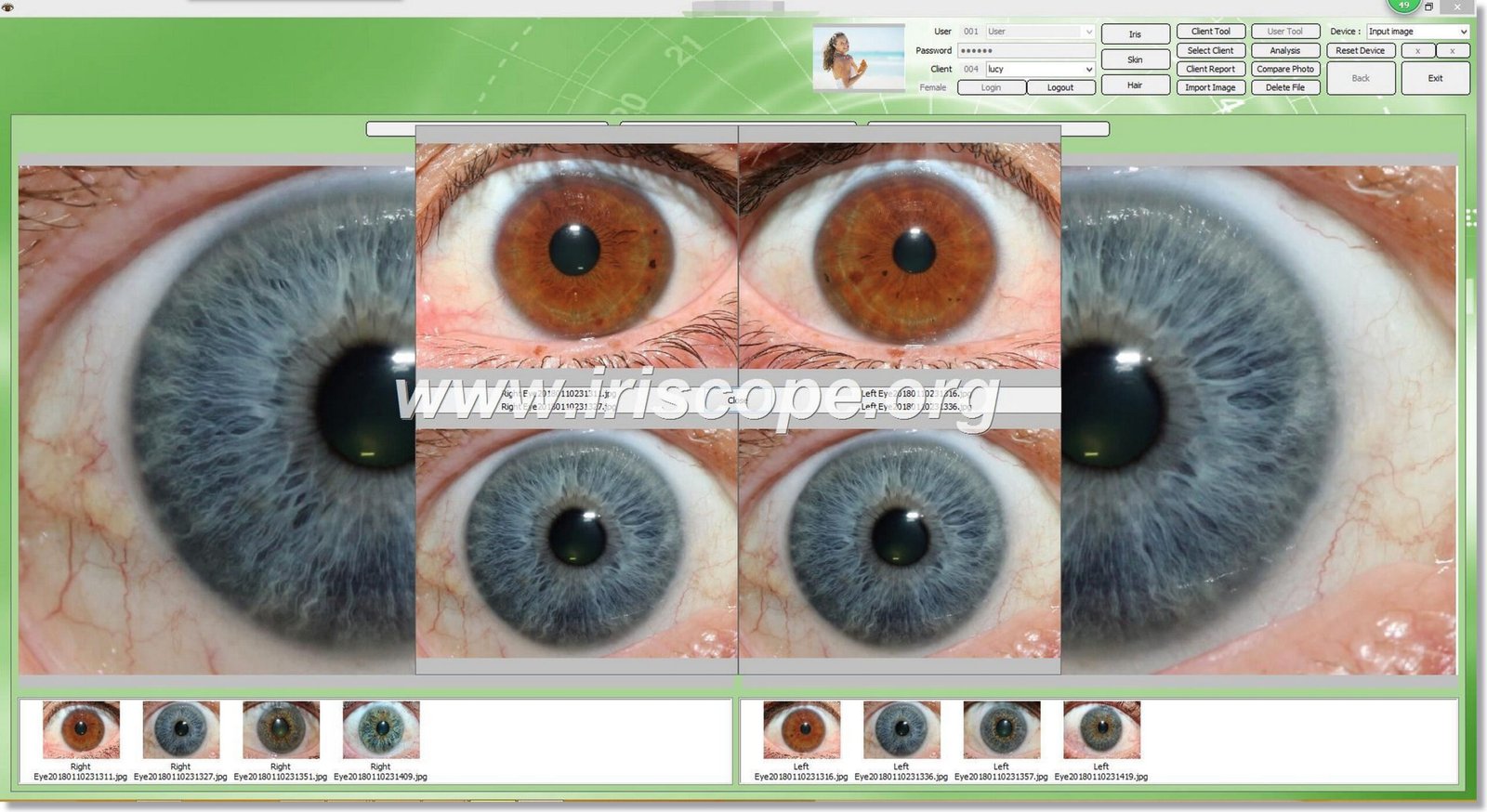
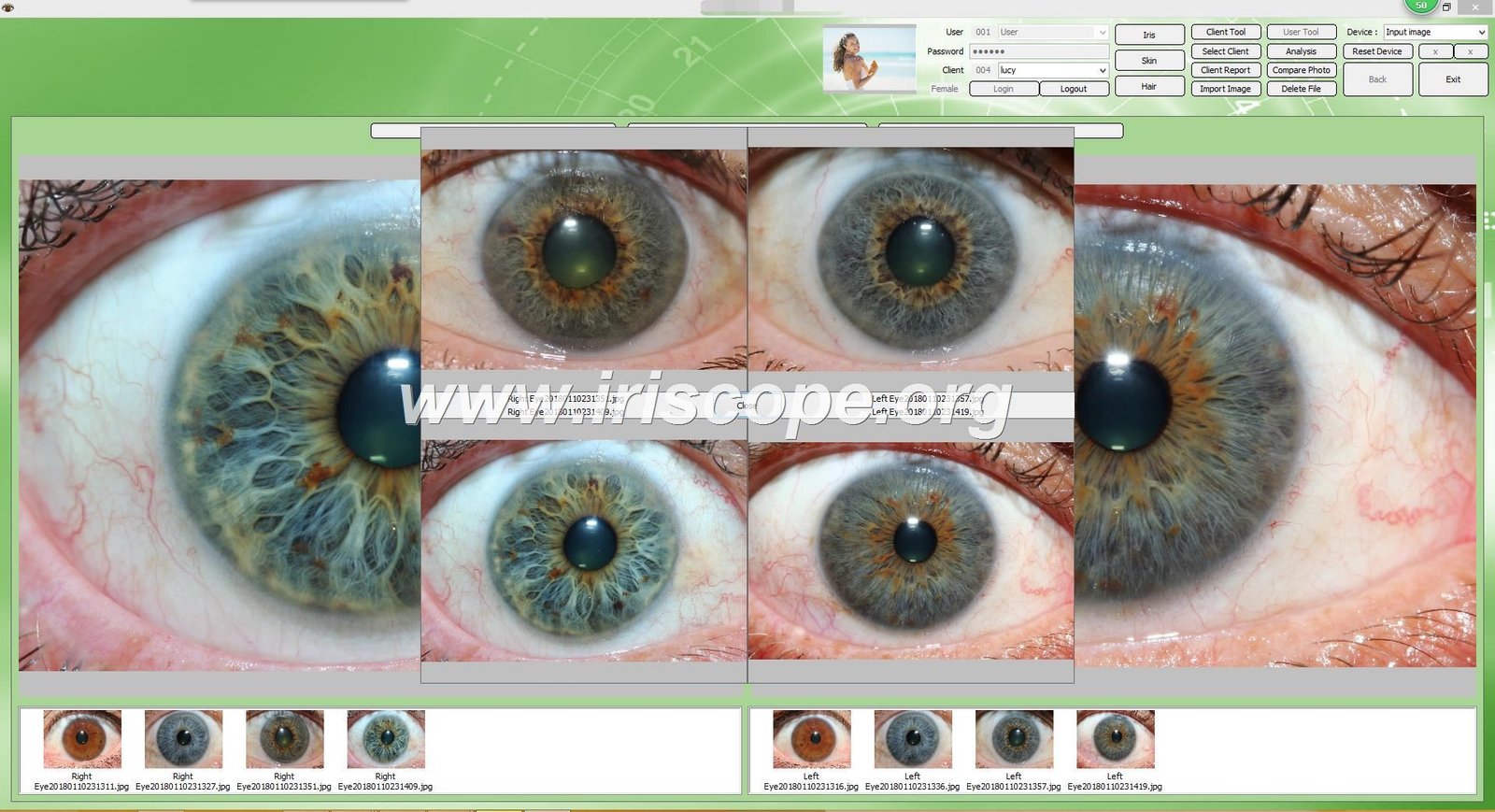
Sophisticated iridology software processes captured images to enhance specific features and standardize color representation. These programs allow practitioners to compare current findings with previous consultations, tracking changes over time. Advanced systems include comprehensive chart overlays and documentation tools.
The software maps iris zones to corresponding body areas using established chart systems. Practitioners can annotate specific findings, generate detailed reports, and maintain organized client records. Integration capabilities allow coordination with other health assessment tools.
Standardization in Professional Practice
Consistent lighting conditions and camera settings ensure reliable color reproduction. Professional protocols specify exact distances, angles, and illumination parameters. These standards allow meaningful comparison between different consultation sessions and among practitioners.
Quality equipment eliminates common variables like ambient light interference and reflections. Specialized iris cameras incorporate ring lights and polarizing filters to capture true color information. This technical precision supports accurate assessment and documentation.
Bernard Jensen Iridology and Color System Development
Dr. Bernard Jensen pioneered modern systematic approaches to iris examination in North America. His comprehensive research and clinical documentation established foundational principles still used today. Jensen iridology what does changing eye color mean remains a frequently researched question stemming from his extensive clinical observations.
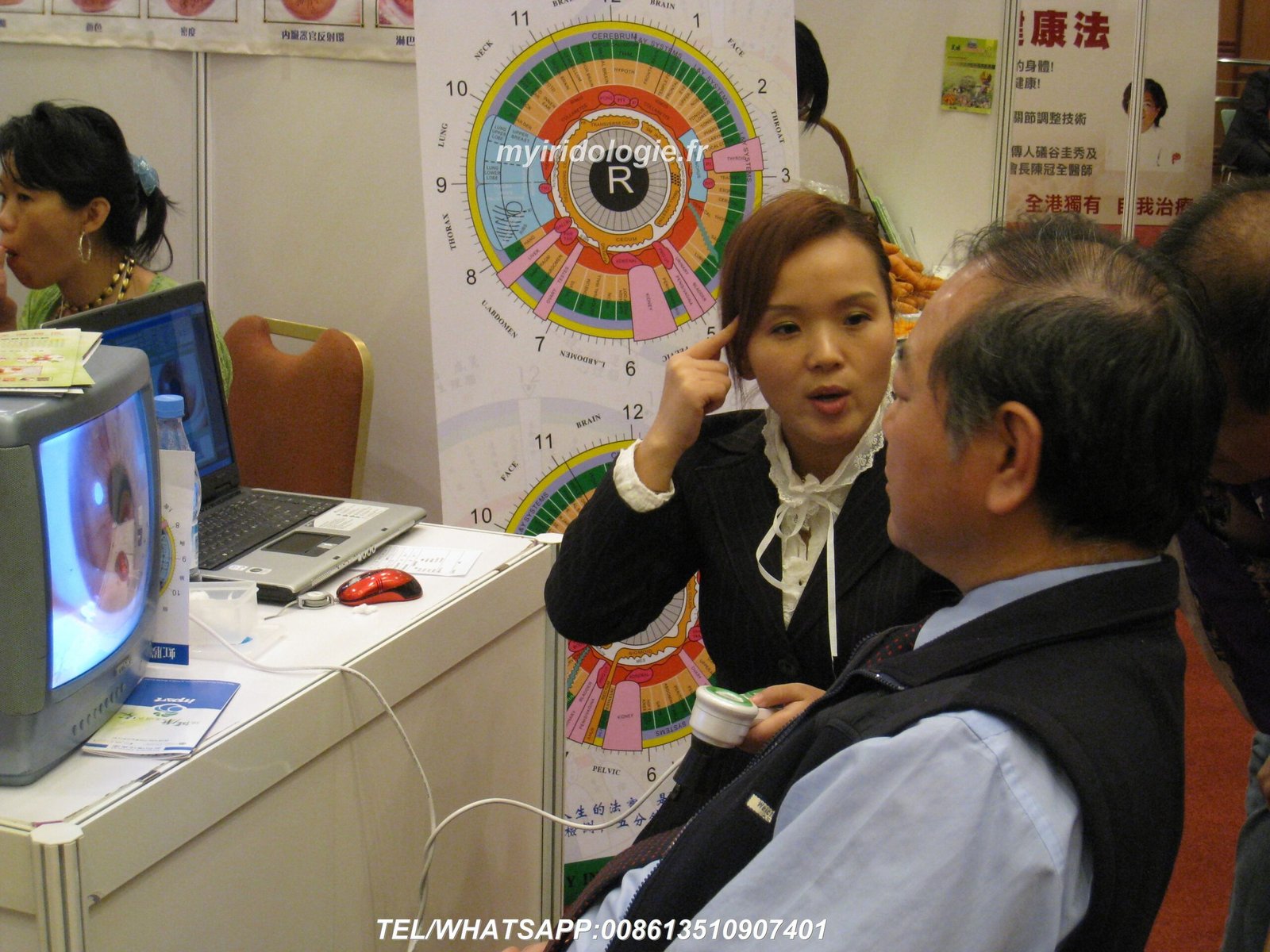
Jensen developed detailed chart systems mapping iris zones to specific organs and body areas. His color classification methods provided practitioners with standardized terminology and interpretation frameworks. These systems continue influencing contemporary practice approaches.
The Jensen methodology emphasized comprehensive health assessment combining iris findings with nutritional evaluation and lifestyle factors. This holistic approach recognized that iris patterns represent one component of complete health understanding. Modern practitioners build upon these integrated assessment principles.
Evolution of Interpretation Systems
Contemporary practice incorporates insights from various research traditions worldwide. European, American, and other international systems each contribute unique perspectives. Practitioners often integrate multiple approaches for comprehensive assessment protocols.
Ongoing clinical observation continues refining interpretation frameworks. Modern technology enables more precise documentation and pattern analysis than earlier practitioners could achieve. This evolution enhances assessment accuracy while respecting foundational principles.
Specialized Color Observations and Iridology Findings
Beyond basic constitutional colors and common pigmentation patterns, practitioners observe various specialized signs. These specific iris findings require careful interpretation within broader assessment context. Each observation contributes to the complete health picture.
Stress Rings and Structural Patterns
Circular patterns called stress rings appear as concentric lines within iris tissue. These structural signs relate to nervous system patterns and stress response characteristics. The number, depth, and location of these rings provide specific assessment information.
Practitioners examine fiber density and arrangement throughout the iris area. Tighter fiber patterns suggest certain constitutional characteristics, while looser arrangements indicate different tendencies. These structural observations complement color analysis findings.

Localized Color Concentrations
Specific color accumulations in particular iris zones attract practitioner attention during assessment. The orange in eye color iridology finding in certain locations may suggest different considerations than similar coloration elsewhere. Chart mapping helps correlate these zones to body areas.
Dark spots, light areas, and color variations all contribute meaningful information. Practitioners document precise locations using standardized terminology and chart references. This detailed mapping supports consistent interpretation and tracking.
Pigment Spots
Small, concentrated areas of darker pigmentation appear in various iris locations. These markings receive careful documentation during consultation.
- Location relative to chart zones
- Size and density characteristics
- Color intensity and shade
- Changes over time documentation
Structural Openings
Areas showing less fiber density or color appear lighter than surrounding tissue. These signs contribute to constitutional assessment.
- Size and shape documentation
- Depth and layering observations
- Surrounding tissue characteristics
- Zone location significance
Color Overlays
Secondary colors appearing over base constitutional hues provide additional assessment information about specific areas.
- Transparency and density levels
- Distribution patterns
- Interaction with base coloration
- Zone-specific significance
Radial Patterns
Lines and markings extending from pupil outward show particular structural characteristics and potential health considerations.
- Direction and pathway mapping
- Color and density variations
- Depth and prominence levels
- Associated zone implications
Veterinary Applications: Iridology Eye Color Change Feline and Animal Assessment
Iris examination extends beyond human health assessment to veterinary applications. Animal practitioners observe similar patterns and color variations in companion animals. The iridology eye color change feline field explores how these principles apply to cat health evaluation.
Feline iris assessment presents unique challenges due to species-specific anatomical differences. Cat eyes show different structural characteristics and color ranges than human eyes. Specialized training helps practitioners adapt human examination principles to veterinary contexts.

Veterinary practitioners document baseline iris characteristics and monitor changes during health consultations. Color shifts in animal eyes may indicate different considerations than similar patterns in humans. Species-specific interpretation frameworks guide veterinary assessment approaches.
Cross-Species Considerations
While fundamental examination principles remain consistent, interpretation requires species-appropriate frameworks. Animal iris patterns, color ranges, and structural characteristics differ significantly from human presentations. Veterinary practitioners receive specialized training in species-specific assessment protocols.
Research continues exploring correlations between animal iris findings and health conditions. This emerging field combines traditional observation with modern imaging technology. Veterinary applications demonstrate the broader potential of iris examination across species.
Iridology and Acupressure Eye Color Change: Integrated Approaches
Some practitioners explore connections between iris findings and traditional energy medicine systems. The concept of iridology and acupressure eye color change examines whether manual therapy techniques influence iris appearance. These integrated approaches combine multiple assessment and care modalities.
Traditional Chinese medicine recognizes eye zones corresponding to different organs systems. Practitioners trained in both disciplines may correlate iris findings with meridian assessment. These complementary perspectives can enhance comprehensive health evaluation.
Questions about whether specific interventions affect iris coloration remain subjects of ongoing observation. Some practitioners report changes following intensive care protocols, while others note stable iris characteristics. Standardized documentation helps clarify these observations over time.
Holistic Assessment Integration
Modern integrative practice often combines iris examination with various assessment tools. Nutritional evaluation, lifestyle analysis, and physical examination complement iris findings. This comprehensive approach provides more complete health understanding than any single method alone.
Practitioners document correlations between iris patterns and other assessment findings. These multi-modal approaches help identify priority areas for care planning. Integration respects the strengths and limitations of each individual assessment tool.
Regional Variations: Iridology Colorado and Practice Approaches
Practice styles and emphasis areas vary somewhat by geographic region. Iridology Colorado practitioners, for example, may emphasize particular assessment approaches reflecting regional health priorities. Local practice communities develop specific protocols and continuing education opportunities.
Regional professional organizations provide networking and training resources for practitioners. These groups often sponsor workshops, conferences, and certification programs. Geographic communities contribute to overall field development through shared clinical observations.

Climate, altitude, and environmental factors may influence health patterns in different regions. Practitioners consider these contextual elements when interpreting iris findings. Regional expertise develops through extensive clinical experience in specific geographic contexts.
Professional Community Networks
Collaborative learning among practitioners advances field knowledge and best practices. Professional networks facilitate case discussion, technique refinement, and standards development. These communities support both new practitioners and experienced professionals.
Geographic proximity enables in-person training opportunities and equipment demonstrations. Regional groups may establish preferred protocols and documentation standards. These local communities contribute to broader professional development initiatives.
Professional Partnership Opportunities in Iridology Equipment
The growing interest in comprehensive health assessment creates expanding market opportunities for quality equipment providers. Professional practitioners seek reliable manufacturers offering advanced technology and strong support services. Partnership arrangements provide mutual benefits for equipment providers and health professionals.
Become a MAIKONG Authorized Distributor
Join our global network of successful equipment distributors serving health professionals. MAIKONG offers exceptional factory-direct pricing, exclusive Mac OS compatible software, comprehensive technical support, and customization options. Our 20+ years manufacturing experience ensures product quality and reliability.
Distributor Benefits:
- Direct factory pricing with profitable margins
- Exclusive territory opportunities available
- Comprehensive technical training and support
- Marketing materials in local languages
- Software and hardware customization options
- Ongoing product development partnerships
Product Advantages:
- Industry-first Mac OS software compatibility
- Windows 7/8/10/11 full support
- Superior image resolution and color accuracy
- Comprehensive documentation tools
- Multi-language software interfaces
- Professional-grade build quality
Market Demand and Growth Potential
Health professionals increasingly seek comprehensive assessment tools supporting holistic care approaches. Quality iris examination equipment serves diverse practice settings including natural medicine clinics, wellness centers, and educational institutions. This expanding market creates opportunities for well-positioned distributors.
Technical innovation continues advancing equipment capabilities and ease of use. Features like Mac OS compatibility address previously underserved market segments. Distributors offering superior technology gain competitive advantages in growing markets.

Training and support services distinguish premium equipment providers from basic suppliers. Practitioners value manufacturers offering ongoing education, technical assistance, and upgrade pathways. These value-added services support long-term customer relationships and market success.
Conducting Comprehensive Iridology Consultations
Professional consultation sessions combine detailed iris examination with comprehensive health history review. Practitioners create comfortable environments supporting accurate image capture and thorough assessment. The consultation process balances technical precision with personal attention to client needs.
Consultation Protocols and Best Practices
Standardized procedures ensure consistent, reliable assessment information across different sessions. Practitioners begin with health history questionnaires and symptom documentation. This contextual information guides iris interpretation and care planning.
Pre-Consultation Preparation
- Client health history questionnaire completion
- Current symptoms and health concerns documentation
- Previous health records review
- Equipment calibration and testing
- Lighting and environment optimization
Examination Process
- Detailed iris photography both eyes
- Multiple image angles and magnifications
- Real-time preliminary observations
- Client education during examination
- Digital image quality verification
Post-Examination Analysis
- Detailed software-assisted iris mapping
- Specific findings documentation
- Chart correlation and zone identification
- Integration with health history data
- Care recommendations development
Image capture requires proper technique ensuring clear, accurate color representation. Practitioners position clients comfortably while maintaining optimal camera angles. Multiple images allow selection of highest quality representations for detailed analysis.
Documentation and Follow-Up
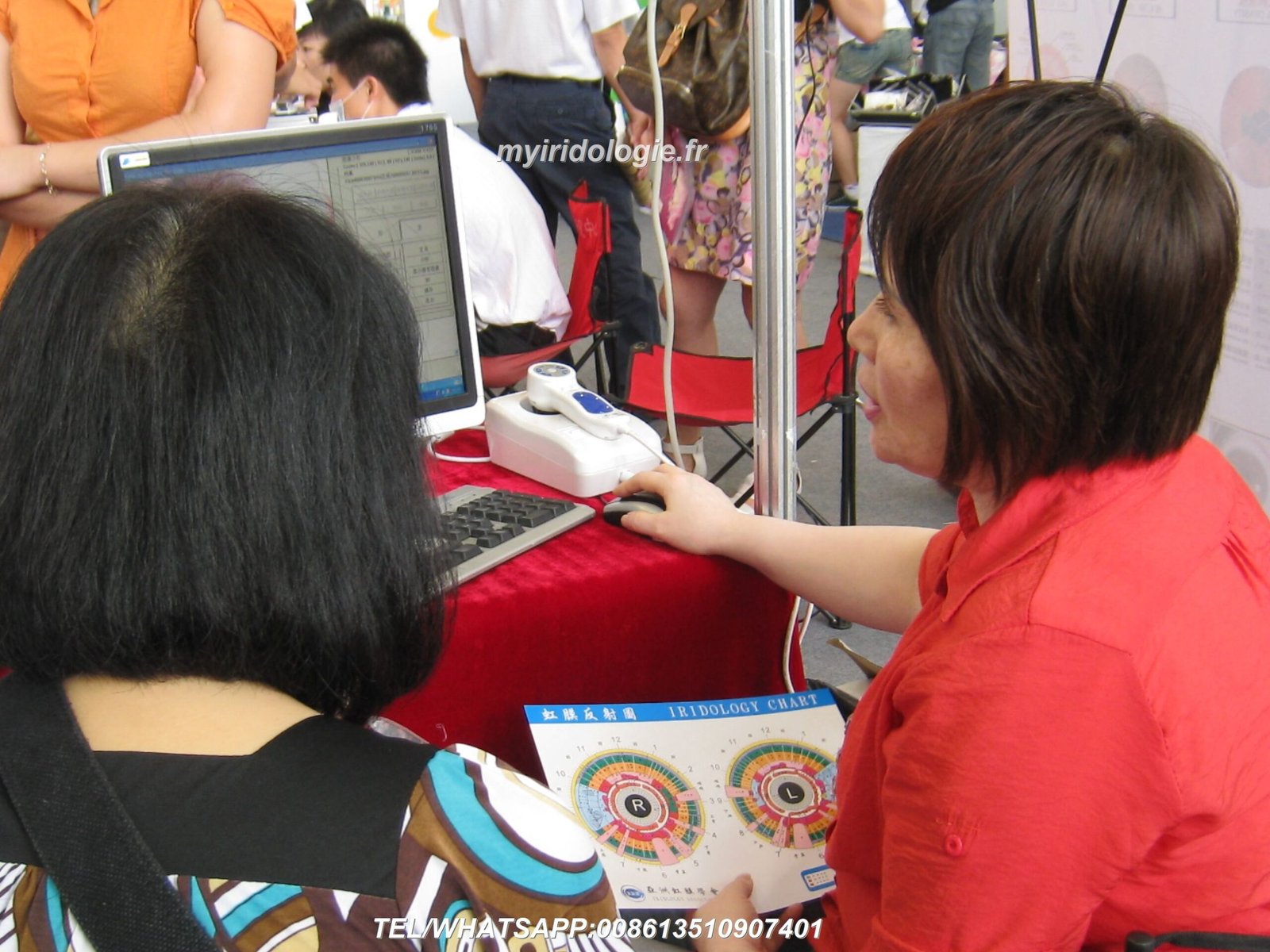
Comprehensive record keeping supports ongoing care and progress tracking. Digital systems organize images, findings, and recommendations efficiently. Practitioners can compare baseline assessments with follow-up examinations to identify changes.
Client education forms an essential consultation component. Practitioners explain findings in accessible language, helping clients understand observations and recommendations. This educational approach supports informed participation in health decisions.
Follow-up scheduling depends on individual needs and initial findings. Some clients benefit from regular monitoring, while others require only occasional reassessment. Practitioners customize follow-up intervals supporting optimal care continuity.
Professional Training and Iridology Certification
Quality education provides the foundation for competent, ethical practice. Iridology certification programs vary in depth, duration, and emphasis areas. Prospective practitioners should carefully evaluate training options based on career goals and practice intentions.
Comprehensive programs combine theoretical knowledge with extensive practical training. Students learn anatomical foundations, chart systems, interpretation principles, and consultation protocols. Hands-on practice with supervision develops essential examination skills.
Certification Pathways and Requirements
Various professional organizations offer certification programs with specific completion requirements. Most programs include minimum classroom hours, practical examinations, and case study submissions. Continuing education maintains certification status and supports ongoing professional development.
Training Considerations: Reputable programs emphasize ethical practice, scope of practice limitations, and appropriate referral protocols. Quality education prepares practitioners to work effectively within healthcare teams while respecting professional boundaries.
Advanced training options allow specialization in particular approaches or client populations. Some practitioners pursue additional certifications in complementary modalities supporting integrated practice. This comprehensive training enhances service offerings and professional credibility.

Practical experience under qualified supervision builds confidence and competence. Many programs include mentorship components connecting students with experienced practitioners. These relationships support skill development and professional network building.
Current Research and Evidence Base for Iridology
The scientific community continues examining correlations between iris findings and health conditions. Research methodologies include observational studies, case series, and comparative analyses. Study quality varies considerably, with ongoing discussion about appropriate research designs.
Some studies document correlations between specific iris signs and particular health patterns. Other research questions the reliability and validity of certain interpretation claims. This mixed evidence base reflects the complexity of establishing definitive correlations between iris characteristics and body systems.
Methodological Considerations
Research challenges include standardizing observation protocols, controlling for variables, and establishing clear outcome measures. Individual variation in iris characteristics complicates correlation studies. These methodological complexities require sophisticated research designs.
Technological advances enable more precise iris documentation and pattern analysis. Digital imaging and computer-assisted analysis reduce observer bias and improve reproducibility. These tools support more rigorous research protocols than previously possible.
Ongoing clinical observations by experienced practitioners contribute valuable insights. Systematic documentation of correlations between iris findings and health outcomes builds practical knowledge. This field-based evidence complements formal research studies.
Integration with Conventional Medicine
Some healthcare settings incorporate iris examination within integrative medicine programs. These environments combine evidence-based conventional care with complementary assessment approaches. Collaborative practice models respect both traditional and modern methodologies.
Practitioners working in integrated settings coordinate findings with conventional diagnostic information. This collaborative approach supports comprehensive care while maintaining appropriate professional boundaries. Integration requires clear communication and mutual respect among different disciplines.
Selecting Professional Iridology Equipment and Software
Equipment choices significantly impact assessment quality and practice efficiency. Professional-grade systems offer superior image resolution, color accuracy, and reliability compared to consumer devices. Investment in quality tools supports confident, accurate health assessment.
Essential Equipment Specifications
High-resolution cameras capture the fine detail necessary for comprehensive iris examination. Minimum resolution requirements ensure clear visualization of subtle patterns and color variations. Superior optics eliminate distortion and maintain true color representation.
| Feature Category | Professional Standard | Clinical Importance |
| Image Resolution | 12+ megapixels minimum | Ensures detailed pattern visualization and documentation accuracy |
| Lighting System | LED ring light with adjustable intensity | Eliminates shadows and reflections for true color capture |
| Magnification Range | Variable 5x to 30x magnification | Allows both overview and detailed examination of specific areas |
| Software Compatibility | Windows and Mac OS support | Ensures integration with existing practice computer systems |
| Documentation Tools | Chart overlay, annotation, comparison features | Supports detailed analysis and client education |
Software capabilities extend beyond simple image capture to comprehensive analysis tools. Chart overlays map iris zones to body areas, facilitating systematic examination. Annotation features allow detailed documentation of specific findings for client records.
Operating System Compatibility Considerations
Many health practitioners use Mac computers for their practice management systems. Traditional iris examination software supported only Windows platforms, creating compatibility challenges. MAIKONG pioneered true Mac OS compatibility, eliminating this barrier.
Cross-platform support allows practitioners to integrate iris examination seamlessly into existing workflows. The same software functions identically on Windows and Mac systems, supporting practice flexibility. This compatibility represents a significant advancement in professional tools availability.
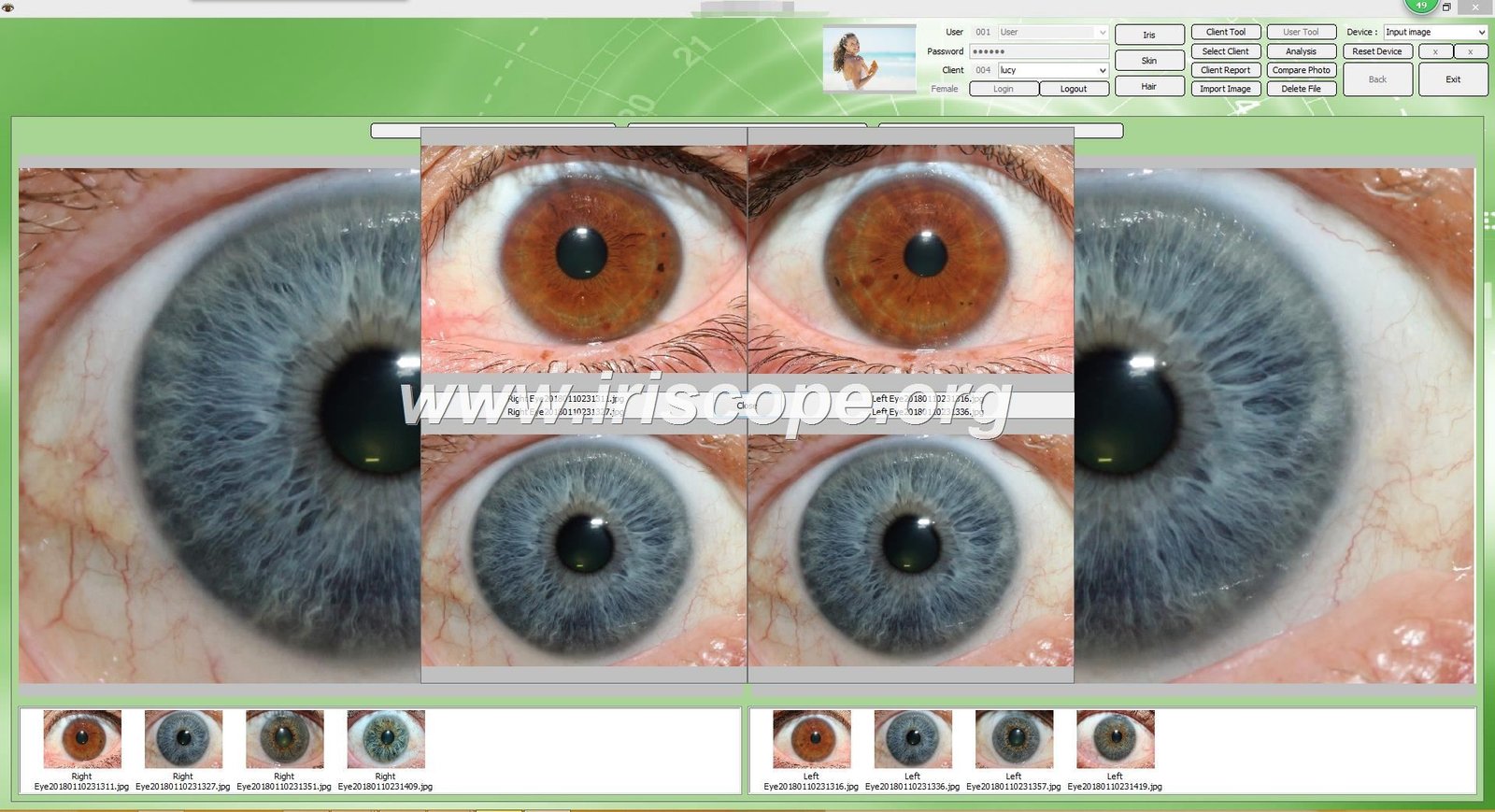
Regular software updates ensure continued compatibility with new operating system versions. Manufacturers committed to long-term support provide ongoing development and technical assistance. This sustained support protects equipment investment over years of practice.
Frequently Asked Questions About Iridology Color Analysis
What does iridology eye color meaning indicate about health?
Base iris color indicates constitutional type according to traditional systems. Blue eyes suggest lymphatic constitutional patterns, brown eyes indicate hematogenic characteristics, and mixed colors point to biliary constitutional tendencies. These classifications provide baseline information about inherited health patterns and systemic characteristics that practitioners consider during comprehensive health assessment.
Can iridology color change occur naturally over time?
While basic constitutional eye color remains stable throughout life, subtle changes in iris markings, pigmentation patterns, and specific signs can occur. These modifications typically happen gradually over extended periods and may correlate with significant health or lifestyle changes. Professional documentation through standardized photography allows objective tracking of any changes during follow-up consultations.
How accurate is iridology as a health assessment tool?
Iris examination serves as one component of comprehensive health assessment rather than a standalone diagnostic method. Practitioners combine iris findings with health history, symptoms, and other assessment tools for complete evaluation. Research continues examining correlations between specific iris signs and health patterns. Competent practitioners recognize appropriate scope and limitations of this assessment approach.
What equipment do professionals need for quality iridology color analysis?
Professional practice requires specialized iris cameras with high resolution (12+ megapixels), proper lighting systems (LED ring lights), and variable magnification capabilities. Comprehensive software supporting chart overlays, detailed documentation, and client education enhances examination quality. Modern systems should offer cross-platform compatibility supporting both Windows and Mac OS operating systems for seamless practice integration.
Does iridology eye color change feline assessment work similarly to human examination?
Veterinary iris examination applies similar observation principles but requires species-specific interpretation frameworks. Feline eyes show different anatomical structures, color ranges, and pattern characteristics than human eyes. Specialized training helps practitioners adapt examination techniques to animal health assessment. Research continues developing veterinary-specific protocols and interpretation guidelines.
What does orange in eye color iridology observation indicate?
Orange pigmentation in specific iris zones provides particular assessment information that practitioners interpret using standardized chart systems. The exact significance depends on precise location, intensity, distribution pattern, and relationship to surrounding tissue characteristics. Practitioners document these findings within comprehensive health assessment context rather than as isolated observations.
How long does professional iridology certification training require?
Certification program duration varies by organization and depth of training. Comprehensive programs typically require several months to years of study including classroom instruction, practical examination experience, and case study completion. Programs include anatomy, chart systems, interpretation principles, consultation protocols, and ethical practice guidelines. Continuing education maintains certification and supports ongoing professional development.
Why is Mac OS compatibility important in iridology software?
Many health practitioners use Mac computers for practice management and prefer integrated systems rather than maintaining separate Windows computers solely for iris examination. Until recently, professional iridology software supported only Windows platforms. MAIKONG developed the industry’s first fully Mac-compatible system, eliminating this barrier and allowing seamless practice integration regardless of computer platform preferences.
Moving Forward with Iridology Color Analysis
Comprehensive iris examination provides valuable insights supporting holistic health assessment and personalized wellness planning. Understanding color patterns, constitutional types, and specific iris signs enhances practitioner ability to identify health considerations and customize care approaches.
Quality education, professional equipment, and ongoing learning support competent, ethical practice. Practitioners who invest in superior tools and comprehensive training serve clients more effectively. The field continues evolving through technological advancement and collaborative professional development.
Whether you seek to enhance existing health practice, launch new professional services, or explore business opportunities in health equipment, iris examination offers meaningful possibilities. The growing interest in comprehensive, personalized health assessment creates expanding opportunities for qualified practitioners and quality equipment providers.
Your Next Steps in Professional Iridology
MAIKONG supports health professionals and business partners worldwide with superior equipment, comprehensive training resources, and ongoing technical assistance. Our 20+ years manufacturing experience ensures product quality, while our industry-first Mac OS compatible software provides practice integration flexibility unavailable elsewhere.
Health Practitioners
Explore our professional equipment line featuring the highest resolution imaging, true color accuracy, and comprehensive documentation tools.
Business Partners
Join our global distributor network offering profitable margins, exclusive territories, and comprehensive support services.
Technical Support
Connect with our expert team for equipment specifications, software demonstrations, or technical questions.
The practice of iris examination continues offering practitioners meaningful tools for comprehensive health assessment. With proper training, quality equipment, and ethical practice approaches, health professionals effectively serve clients seeking personalized wellness support. The future holds continued advancement in technology, research, and professional collaboration supporting this valuable health assessment tradition.