


Katzenaugenfarbe Entwicklung und Pigmentierung

Die Reise von Katzenaugenfarbe beginnt bei der Geburt und setzt sich durch die frühe Entwicklung fort. Kätzchen, die mit blauen Augen geboren werden, erfahren allmähliche Veränderungen, da die Melaninproduktion in der Iris zunimmt. Dieser natürliche Verlauf erfolgt typischerweise im Alter zwischen drei und acht Wochen, obwohl einige Rassen ihre blauen Augen ein Leben lang behalten.
Die Menge des in der Iris verteilten Melanins bestimmt die endgültige Augenfarbe. Katzen mit höheren Melaninkonzentrationen entwickeln dunklere Augen, die von Kupfer bis Dunkelbraun reichen. Diejenigen mit weniger Pigmentierung zeigen hellere Farbtöne, darunter Grün, Gelb oder Hellblau. Der farbige Teil des Auges enthält spezialisierte Zellen, sogenannte Melanozyten, die dieses Pigment produzieren und verteilen.
Melaninproduktion und Iridologische Farbanalyse
Das Verständnis, wie Melanin die Iris beeinflusst, liefert einen entscheidenden Kontext dafür Iridologische Farbanalyse. Das Verteilungsmuster der Pigmentzellen erzeugt einzigartige Markierungen, die Iridologen auf gesundheitliche Erkenntnisse untersuchen. Bei Katzen variieren diese Muster je nach Genetik, Rassemerkmalen und individueller Entwicklung erheblich.
Helle Katzenaugen
Helle Augenfarben bei Katzen weisen typischerweise auf eine geringere Melaninkonzentration hin. Diese Augen erscheinen oft grün, gelb oder hellblau. Weiße Katzen mit zwei blauen Augen bergen ein höheres Risiko für bestimmte Gesundheitszustände, einschließlich Hörproblemen. Die helle Farbe entsteht durch minimale Pigmentierung im Irisstroma.
- Grüne Augen zeigen mäßiges Melanin mit blauer Lichtstreuung
- Gelbe Augen weisen mehr Pigment auf als grüne Varianten
- Blaue Augen bei Erwachsenen weisen auf eine minimale Melaninproduktion hin
- Blasse Farben können auf die Genetik einer bestimmten Rasse hinweisen
Dunkle Katzenaugen
Dunklere Augenfarben entstehen durch konzentrierte Melaninablagerungen. Kupfer-, bernsteinfarbene und braune Augen enthalten reichlich Pigmentzellen. Diese Farben treten bei bestimmten Rassen häufiger auf und entwickeln sich typischerweise im Alter von sechs Monaten vollständig. Mit zunehmender Reife der Katze nimmt die Farbtiefe oft zu.
- Kupferfarbene Augen weisen auf eine maximale Melaninkonzentration hin
- Bernsteinfarbene Farbtöne deuten auf einen mäßigen bis hohen Pigmentgehalt hin
- Braune Augen kommen bei bestimmten Rassen wie Havana Browns vor
- Die Farbintensität kann sich mit dem Alter und der Gesundheit ändern
Normal Iridology Augenfarbwechsel bei Katzen Muster im Laufe des Lebens
Katzenaugen durchlaufen während der normalen Entwicklung mehrere vorhersehbare Übergänge. Das Erkennen dieser natürlichen Veränderungen hilft Ärzten, zwischen gesunden Variationen und potenziellen Gesundheitsproblemen zu unterscheiden. Die dramatischste Veränderung findet im Kätzchenalter statt, wenn blaue Augen in die Erwachsenenfarbe übergehen.
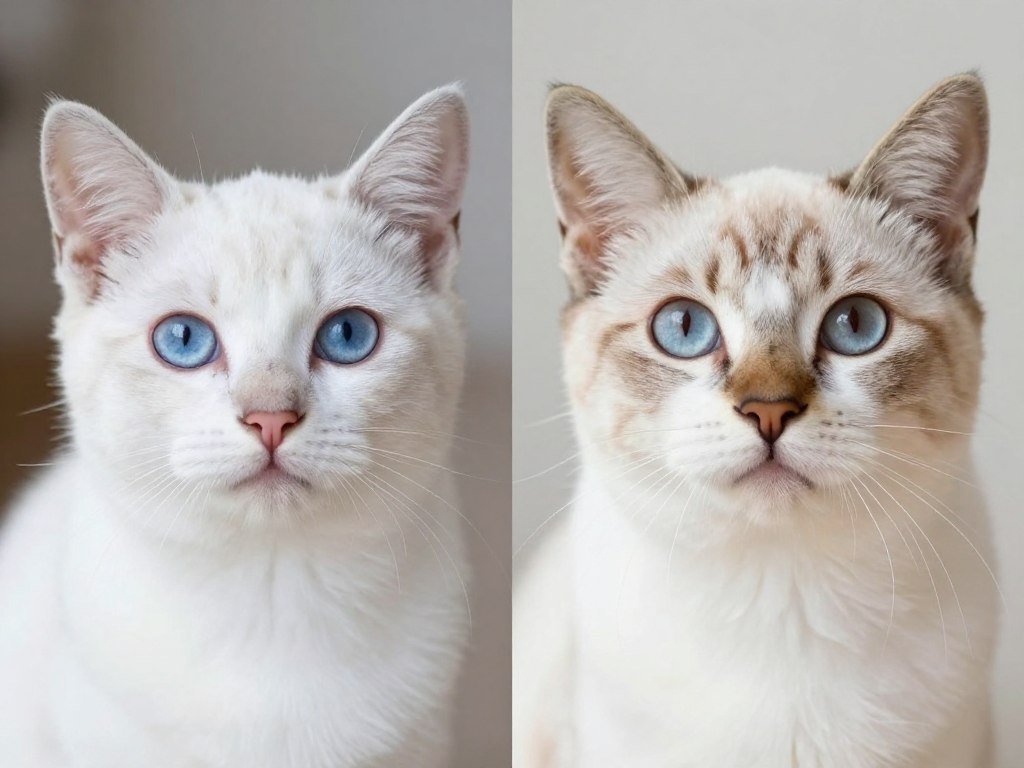
Zeitleiste für die Entwicklung der Augenfarbe eines Kätzchens
Kätzchen, die mit blauen Augen geboren werden, beginnen etwa im Alter von drei Wochen, Farbveränderungen zu zeigen. Die Iris sammelt nach und nach Melanin an, was zu einer Farbverschiebung führt. Mit der achten Woche zeigen die meisten Kätzchen ihre dauerhafte Augenfarbe, bei einigen Rassen dauert es jedoch länger, bis sich die Erwachsenenfärbung vollständig entwickelt hat.
Professionelle Beobachtungswerkzeuge für die Katzen-Iridologie
Das Verfolgen subtiler Veränderungen in den Mustern der Iris bei Katzen erfordert eine spezielle Ausrüstung, die in der Lage ist, hochauflösende Bilder aufzunehmen. Modern Iridologische Kameras Die speziell für Tierobjekte entwickelten Kameras bieten die für eine detaillierte Analyse erforderliche Vergrößerung und Beleuchtung. Diese Tools helfen Praktikern, Farbübergänge zu dokumentieren und Variationen zu identifizieren, die auf zugrunde liegende Erkrankungen hinweisen könnten.
Bei technischen Fragen zu Geräten, die für die Irisuntersuchung bei Katzen geeignet sind, bietet MAIKONG spezialisierte Unterstützung. Kontaktieren Sie unser technisches Team per WhatsApp unter +86 135 1090 7401 für Anleitungen zur Kameraauswahl und zu Verwendungstechniken.
Altersbedingt Augenfarbe Variationen
Mit zunehmendem Alter kann es bei Katzen zu geringfügigen Veränderungen der Irispigmentierung kommen. Ältere Katzen entwickeln aufgrund der Irisatrophie manchmal hellere Bereiche im farbigen Teil des Auges. Diese Veränderungen schreiten typischerweise langsam voran und betreffen beide Augen symmetrisch. Auch die Menge des von der Iris reflektierten Lichts kann sich mit zunehmendem Alter verändern.
- Frühes Erwachsenenalter (1–3 Jahre): Die Augenfarbe stabilisiert sich bei maximaler Intensität
- Mittleres Alter (4–10 Jahre): Die Farben bleiben mit minimalen Abweichungen stabil
- Ältere Jahre (ab 11 Jahren): Bei einigen Katzen kann es zu einer leichten Aufhellung kommen
- Sehr älter (15+ Jahre): Irisveränderungen machen sich deutlicher bemerkbar
Heterochromie verstehen: Wann Katzen Haben Zwei verschiedene Farbige Augen
Einige Katzen leiden unter Heterochromie, einem Zustand, bei dem die beiden Augen unterschiedliche Farben aufweisen. Ein Auge kann blau erscheinen, während das andere Grün- oder Kupfertöne entwickelt. Diese faszinierende Variation resultiert aus einer ungleichmäßigen Melaninverteilung zwischen den Augen. Besonders weiße Katzen zeigen dieses Merkmal, wobei ein oder zwei blaue Augen neben dunkleren Augen erscheinen.
Eine vollständige Heterochromie liegt vor, wenn jedes Auge völlig unterschiedliche Farben aufweist. Bei der partiellen Heterochromie handelt es sich um zwei unterschiedliche Farben innerhalb einer einzigen Iris. Beide Typen sind typischerweise gutartig und entstehen durch genetische Faktoren, die die Melaninproduktion während der Entwicklung beeinflussen.
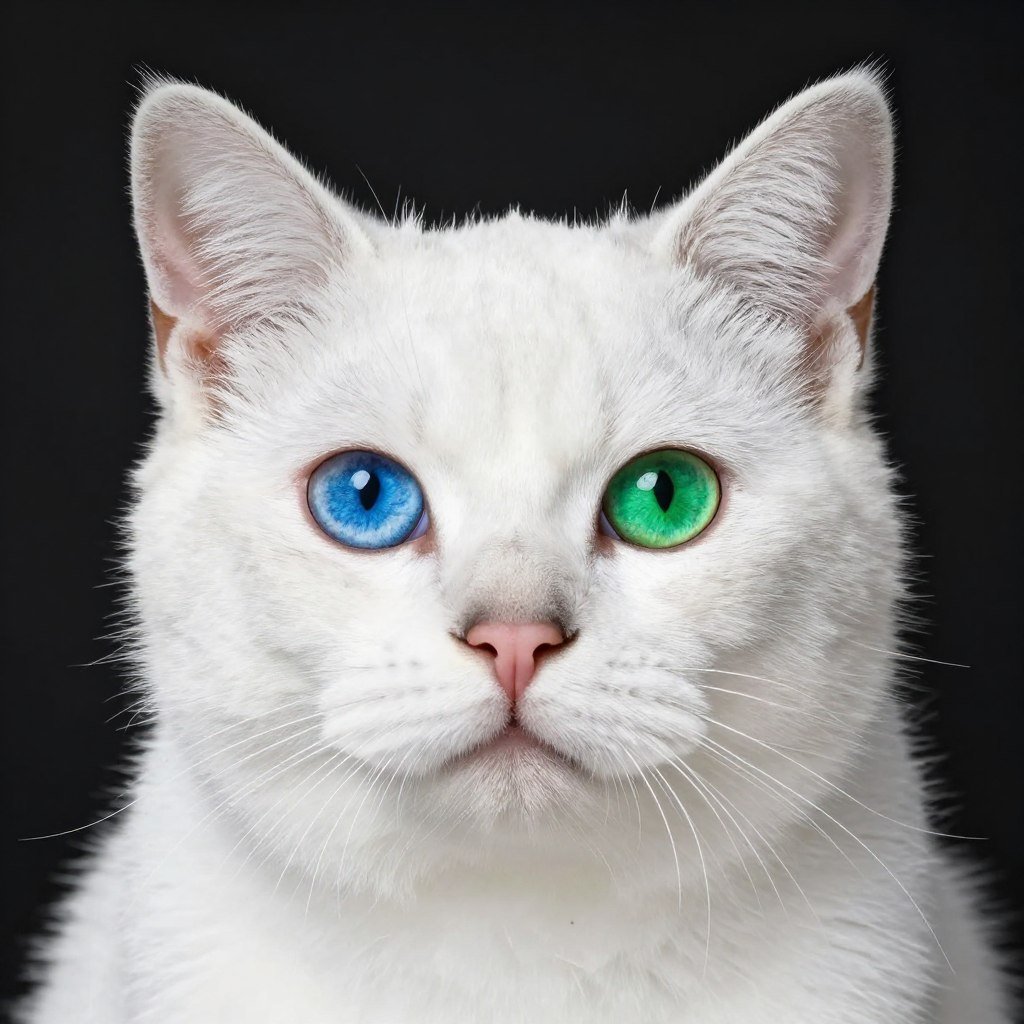
Weiße Katzen und Augenfarbenvariationen
Weiße Katzen mit zwei blauen Augen haben im Vergleich zu Katzen mit unterschiedlichen Augenfarbkombinationen ein höheres Risiko für eine Hörschädigung. Die genetischen Faktoren, die die weiße Fellfarbe und die blauen Augen verursachen, beeinflussen manchmal die Entwicklung des Innenohrs. Allerdings haben weiße Katzen mit einem blauen Auge und einem andersfarbigen Auge typischerweise ein normales Gehör auf dem Ohr, das dem nicht-blauen Auge entspricht.
Heterochromietypen bei Katzen
Zwei Hauptkategorien beschreiben Heterochromie bei Katzen. Vollständige Heterochromie äußert sich durch zwei völlig unterschiedliche Augenfarben. Die sektorale Heterochromie zeigt zwei Farben innerhalb einer Iris, was zu einem auffälligen Erscheinungsbild führt. Beide Typen sind auf Schwankungen der Melaninverteilung während der Augenentwicklung zurückzuführen.
- Vollständige Heterochromie: Jedes Auge zeigt eine andere Farbe
- Sektorale Heterochromie: Eine Iris enthält zwei Farben
- Am häufigsten bei weißen oder zweifarbigen Katzen
- Wird oft mit bestimmten Rassen in Verbindung gebracht
- Normalerweise von Geburt an oder im frühen Kätzchenalter vorhanden
- Zeigt selten gesundheitliche Probleme an
Gesundheitszustände im Mai Kat. ändern Augenfarbe
Während viele Farbvariationen harmlos sind, erfordern plötzliche Veränderungen im farbigen Teil des Auges professionelle Aufmerksamkeit. Verschiedene Gesundheitszustände können das Aussehen, die Pigmentierung oder die gesamte Augenfarbe der Iris verändern. Ärzte sollten diese Veränderungen als potenzielle Indikatoren erkennen, die eine tierärztliche Beratung erfordern.
Die Iris kann sich aufgrund einer Entzündung, eines erhöhten Augeninnendrucks, einer Blutung oder eines abnormalen Zellwachstums verfärben. Diese Veränderungen treten oft schleichend auf, können sich jedoch je nach Grunderkrankung schnell entwickeln. Die Überwachung beider Augen auf Symmetrie hilft dabei, pathologische Veränderungen im Vergleich zu normalen Abweichungen zu erkennen.
Entzündliche Erkrankungen, die die Pigmentierung der Iris beeinflussen
Uveitis, eine Entzündung der Uvealbahn, kann zu sichtbaren Veränderungen der Augenfarbe führen. Aufgrund zellulärer Veränderungen in der Iris kann das betroffene Auge dunkler oder heller als normal erscheinen. Entzündliche Erkrankungen gehen oft mit anderen Symptomen wie Rötung, Schielen oder Lichtempfindlichkeit einher.

Krankheit Prozesse, die Farbveränderungen verursachen
Verschiedene Krankheitszustände führen zu deutlichen Veränderungen der Augenfarbe bei Katzen. Obwohl Melanome bei Katzen selten sind, können sie zu einer Verdunkelung der Iris führen. Irismelanose äußert sich in Form brauner Flecken, die sich allmählich über den farbigen Teil des Auges ausbreiten. Diese Veränderungen erfordern eine Überwachung, um gutartige Variationen von potenziell schwerwiegenden Erkrankungen zu unterscheiden.
Wichtiger Hinweis: Jede schnelle Veränderung der Augenfarbe, das Auftreten neuer Pigmentierung oder die Entwicklung von Flecken auf der Iris sollte eine sofortige tierärztliche Untersuchung veranlassen. Die frühzeitige Erkennung von Irisveränderungen kann für die erfolgreiche Behandlung zugrunde liegender Erkrankungen von entscheidender Bedeutung sein.
Systemische Gesundheitsindikatoren in Katzenaugen
Von einem Iridologische Farbanalyse Perspektivisch können Irisveränderungen systemische Gesundheitsmuster widerspiegeln. In der Iridologie-Untersuchung geschulte Ärzte suchen nach Farbvariationen, Texturveränderungen und Musterveränderungen, die auf Ungleichgewichte im Organsystem zurückzuführen sein könnten. Dieser ganzheitliche Ansatz ergänzt die konventionelle veterinärmedizinische Diagnostik.
- Dokumentieren Sie das Ausgangsbild der Iris bei gesunden Katzen
- Beachten Sie alle Veränderungen im Pigmentmuster im Laufe der Zeit
- Vergleichen Sie beide Augen auf Symmetrie und Konsistenz
- Berücksichtigen Sie bei der Beurteilung Alter, Rasse und genetische Faktoren
- Bei plötzlich auftretenden Veränderungen ist eine tierärztliche Untersuchung erforderlich
Bringen Sie Ihre Iridologie-Praxis bei Katzen voran
Professionelle Praktiker benötigen spezielle Werkzeuge, um eine gründliche Irisanalyse bei Katzen durchzuführen. MAIKONG unterstützt seit über 20 Jahren ganzheitliche Gesundheitsexperten mit fortschrittlichen Diagnosegeräten, die sowohl für Menschen als auch für Tiere entwickelt wurden. Unsere Iridologie-Kameras und -Software bieten die Klarheit und Vergrößerung, die für eine detaillierte Irisuntersuchung erforderlich sind.
Sind Sie daran interessiert, Ihre Praxiskapazitäten zu erweitern oder Vertriebsmöglichkeiten in den Vereinigten Staaten zu erkunden? Unser Team kann Ausstattungsoptionen, technische Spezifikationen und Partnerschaftsprogramme besprechen, die auf Ihre beruflichen Anforderungen zugeschnitten sind.
Bewerben Iridologie Prinzipien der Augenanalyse bei Katzen
Die Praxis von Iridologie involves examining iris patterns, colors, and structures to gain insights into overall health status. While originally developed for human subjects, many practitioners have adapted these principles for animal companions including cats. The colored part of the eye in felines displays unique characteristics that require specialized interpretation.
Feline iris analysis considers factors including pigment distribution, fiber patterns, and color intensity. Unlike human eyes, cat eyes reflect light differently due to the tapetum lucidum, a reflective layer behind the retina. This structural difference must be accounted for when conducting Iridologische Farbanalyse in cats.
Iridology Eye Color Meaning in Felines
Unterschiedliche Augenfarben bei Katzen können im Rahmen der Iridologie unterschiedlich interpretiert werden. Grüne Augen können auf bestimmte Konstitutionsmuster hinweisen, während kupferfarbene oder bernsteinfarbene Augen auf unterschiedliche Melaninverteilungen hinweisen. Ärzte müssen jedoch bedenken, dass die Genetik der Rasse einen erheblichen Einfluss auf die Augenfarbe der Katze hat und daher eine individuelle Beurteilung von entscheidender Bedeutung ist.
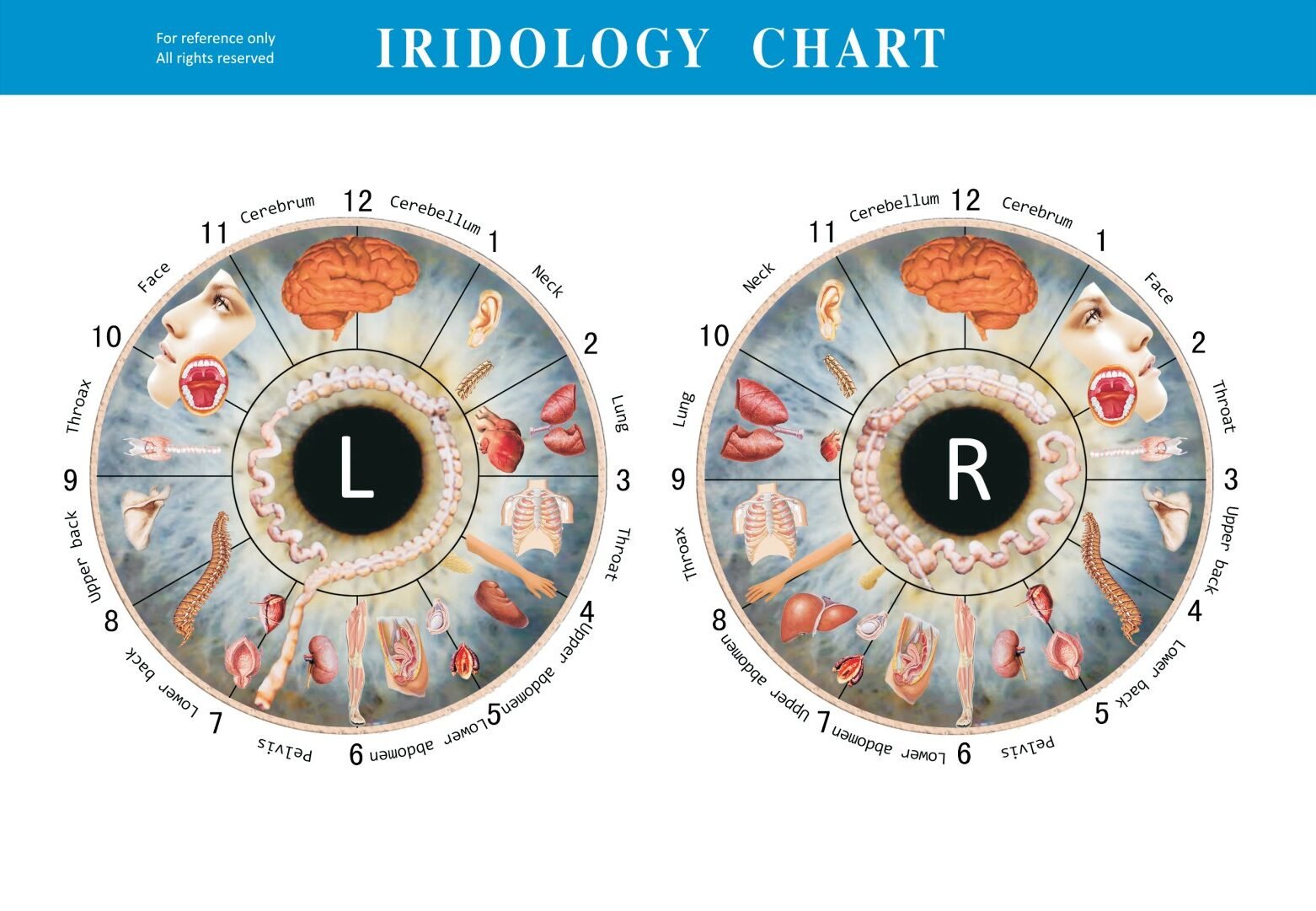
Konstitutionstypen und Variationen der Augenfarbe
Die Iridologie kategorisiert Probanden traditionell anhand der Irisfärbung und -muster in Konstitutionstypen. Bei Katzen müssen diese Klassifizierungen geändert werden, um artspezifischen Unterschieden Rechnung zu tragen. Die Menge des vorhandenen Pigments, das Muster der Faserverteilung und das Vorhandensein von Markierungen tragen alle zur konstitutionellen Beurteilung bei.
Helläugige Katzen
Katzen mit grünen, gelben oder hellen Augen weisen eine geringere Melaninkonzentration auf. Diese Augen zeigen oft klarere Fasermuster, die der Arzt leichter untersuchen kann. Helle Augen können im Vergleich zu dunkeläugigen Katzen auf andere konstitutionelle Tendenzen hinweisen.
- Klare Sichtbarkeit der Irisfasern
- Geringere Melanindichte
- Deutliche Mustererkennung
Mitteltönende Augen
Amber, gold, and moderate copper eyes represent middle-range pigmentation. These eyes balance melanin concentration with visible structure. Many domestic cats display this eye color range, making it a common baseline for assessment.
- Moderate pigmentation levels
- Balanced fiber visibility
- Versatile for analysis
Dark-Eyed Cats
Deep copper, brown, or very dark amber eyes contain high melanin concentrations. These eyes require specialized lighting and magnification for detailed examination. Pattern recognition may be more challenging but remains possible with proper equipment.
- High melanin density
- Requires enhanced imaging
- Distinct constitutional type
Specific Color Variations: From Iridology Eye Color Green Zu Iridology Orange Color
Jede Augenfarbkategorie in der Katzen-Iridologie birgt mögliche Interpretationen. Das Verständnis dieser farbspezifischen Bedeutungen hilft Praktikern bei der Entwicklung umfassender Beurteilungen. Diese Interpretationen sollten jedoch immer zusammen mit der konventionellen tierärztlichen Beurteilung und den individuellen Merkmalen der Katze berücksichtigt werden.
Grüne und blaugrüne Augenfarben
Iridologie Augenfarbe grün Unterschiede bei Katzen resultieren aus moderaten Melaninwerten in Kombination mit Lichtstreuungseffekten. Diese Augen weisen häufig klare Irisstrukturen und deutliche Fasermuster auf. Grünäugige Katzen zeigen möglicherweise andere gesundheitliche Tendenzen als Katzen mit wärmeren Augenfarben, obwohl die wissenschaftliche Forschung zu diesen Zusammenhängen noch begrenzt ist.
Die grüne Färbung entsteht, wenn gelbes Pigment die blaue Strukturfarbe überlagert. Diese Kombination erzeugt den charakteristischen Grünton, der bei vielen Hauskatzen zu sehen ist. Farbvariationen von hellgrün bis tief smaragdgrün spiegeln unterschiedliche Melaninverteilungen in der Iris wider.
Gelb- und Bernsteintöne
Iridologie in der Augenfarbe gelb stellt eine erhöhte Pigmentierung im Vergleich zu grünen Augen dar. Gelbe Augen enthalten mehr Melanin, was zu wärmeren Tönen führt. Der farbige Teil des Auges zeigt je nach Pigmentkonzentration goldene bis tiefgelbe Farbtöne. Diese Farben kommen bei vielen Katzenrassen vor und verstärken sich oft mit zunehmendem Alter.
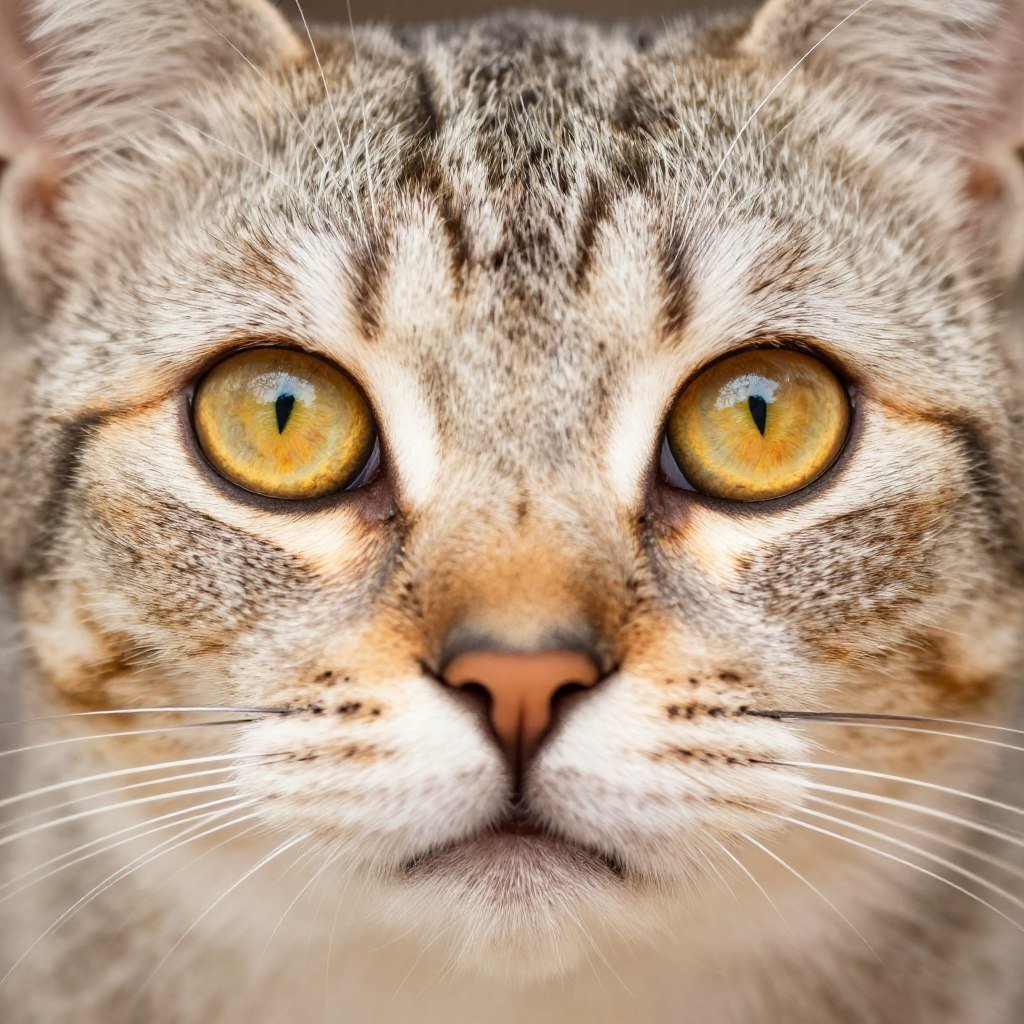
Variationen in Orange und Kupfer
Iridologie orange Farbe interpretations address the warmer spectrum of feline eye colors. True orange eyes contain high melanin levels, creating rich, warm tones. These colors often appear in specific breeds and may intensify as cats mature. The Orange in der Augenfarbe Iridologie framework considers these warm tones as indicators of specific constitutional patterns.
Copper eyes represent maximum melanin concentration in the iris. These deep, rich colors appear almost metallic in certain lighting conditions. Breeds such as Persian cats often display these intense copper tones as a breed standard characteristic.
Color Intensity Factors
Several factors influence the intensity of feline eye color. Genetics play the primary role, with breed-specific traits determining baseline coloration. Age affects color depth, with many cats developing richer tones as they mature. Lighting conditions significantly impact perceived color, making standardized examination conditions important.
- Genetic background determines base color
- Age influences color intensity development
- Lighting affects color perception
- Health status may subtly alter appearance
- Breed standards specify expected colors
Jensen Iridology Was bedeutet eine Veränderung der Augenfarbe? in Feline Subjects
The pioneering work of Bernard Jensen in human iridology provides frameworks that some practitioners adapt for animal subjects. Jensen-Iridologie: Was bedeutet eine Veränderung der Augenfarbe? in the context of cats requires careful consideration of species differences. While Jensen’s principles focus on human iris interpretation, the fundamental concepts of observing changes over time translate to feline analysis.
Jensen emphasized documenting baseline iris characteristics and monitoring for changes that might indicate health shifts. In cats, this approach involves photographing the iris at regular intervals and comparing images to detect subtle alterations. Changes in the colored part of the eye may reflect age-related processes, health conditions, or environmental factors.
Documenting Farbveränderung in der Iridologie in Cats Over Time
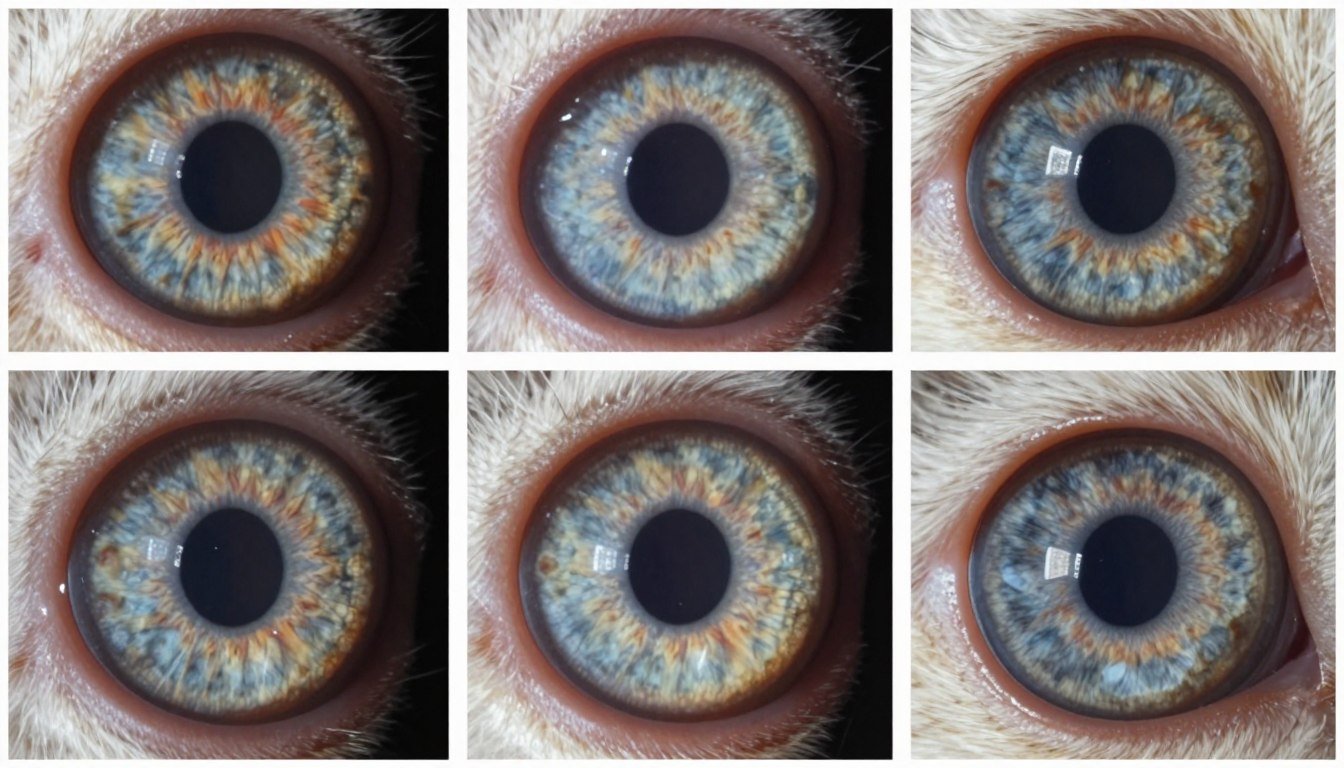
Systematic documentation of feline iris characteristics allows practitioners to track Farbveränderung der Iridologie patterns. Regular photographic records create a timeline showing how the iris evolves. This longitudinal approach helps distinguish normal aging changes from potentially concerning variations.
Professional Documentation Standards
Maintaining consistent documentation standards ensures reliable comparisons. Practitioners should photograph cat eyes under similar lighting conditions, using the same equipment and magnification. This standardization allows accurate assessment of true color changes versus lighting or equipment variations.
- Establish baseline iris photographs in young adult cats
- Use consistent lighting and magnification for all images
- Document both eyes to compare symmetry
- Record date, age, and any relevant health information
- Review images periodically to identify gradual changes
- Note any sudden alterations for veterinary evaluation
Equipment Considerations for Feline Iris Documentation
High-quality iris photography requires specialized equipment capable of capturing fine details in the colored part of the eye. Professional Iridologische Kameras designed for animal subjects provide necessary magnification, lighting, and stability. Modern digital systems allow for easy storage and comparison of images over time.
MAIKONG’s iridology equipment supports comprehensive documentation with user-friendly software for organizing and analyzing iris images. Our systems work with both Windows and Mac OS, providing flexibility for practitioners using different computer platforms.
Professionelle Ausrüstung für Iridologie und Akupressur-Änderung der Augenfarbe Analyse
Conducting thorough feline iris analysis requires appropriate diagnostic tools. Professional-grade Iridologische Kameras provide magnification, lighting, and image quality necessary for detailed examination. These specialized devices differ significantly from standard cameras, offering features specifically designed for iris capture.
Modern Iridologie-Software complements camera hardware by providing tools for image analysis, comparison, and documentation. Practitioners can overlay charts, measure features, and track changes over time using these digital systems. The combination of quality hardware and comprehensive software creates a powerful diagnostic platform.
Essential Features for Feline Iris Imaging
Equipment used for feline subjects must accommodate certain unique requirements. Cats require gentle handling and may not tolerate prolonged examination. Therefore, cameras must capture high-quality images quickly with minimal subject stress. Adequate illumination without excessive brightness helps keep cats comfortable during the process.
Kameraspezifikationen
Professional iridology cameras for animal subjects should provide at least 5-megapixel resolution with optical magnification capabilities. Built-in LED lighting systems offer consistent illumination without generating excessive heat. Compact, handheld designs facilitate examination of feline patients who may move during capture.
- Minimum 5MP resolution
- Optical magnification 10x-30x
- Integrated LED lighting
- Quick capture capability
- Compact, portable design
Softwareanforderungen
Umfassend Iridologie-Software should support image storage, comparison tools, and basic analysis features. Cross-platform compatibility ensures practitioners can work on their preferred operating systems. MAIKONG offers the first globally available iridology software supporting both Windows and Mac OS.
- Image storage and organization
- Side-by-side comparison tools
- Chart overlay capabilities
- Windows and Mac compatibility
- Customizable analysis features
Unterstützung und Schulung
Technical support ensures practitioners can maximize equipment capabilities. MAIKONG provides ongoing assistance via WhatsApp, email, and website resources. Training materials help users understand equipment operation and optimize image quality for feline subjects.
- WhatsApp technical support
- Email assistance available
- Online resource library
- Equipment operation guides
- Troubleshooting assistance
Iridologie Colorado and Regional Equipment Availability
Practitioners throughout the United States, including those in iridology Colorado regions and beyond, benefit from access to quality diagnostic equipment. MAIKONG actively seeks distributors and agents across the US market to ensure practitioners have local access to equipment, support, and training resources.
Regional distribution networks provide faster shipping, localized support, and opportunities for hands-on equipment demonstrations. This approach helps practitioners evaluate equipment before purchase and ensures ongoing technical assistance remains readily accessible.
Practical Techniques for Feline Iris Prüfung
Examining cat eyes requires patience, proper technique, and appropriate equipment. The Iris structure in felines differs from humans in several ways, requiring adapted examination approaches. Cats may resist prolonged eye examination, making efficient technique essential for capturing quality images.
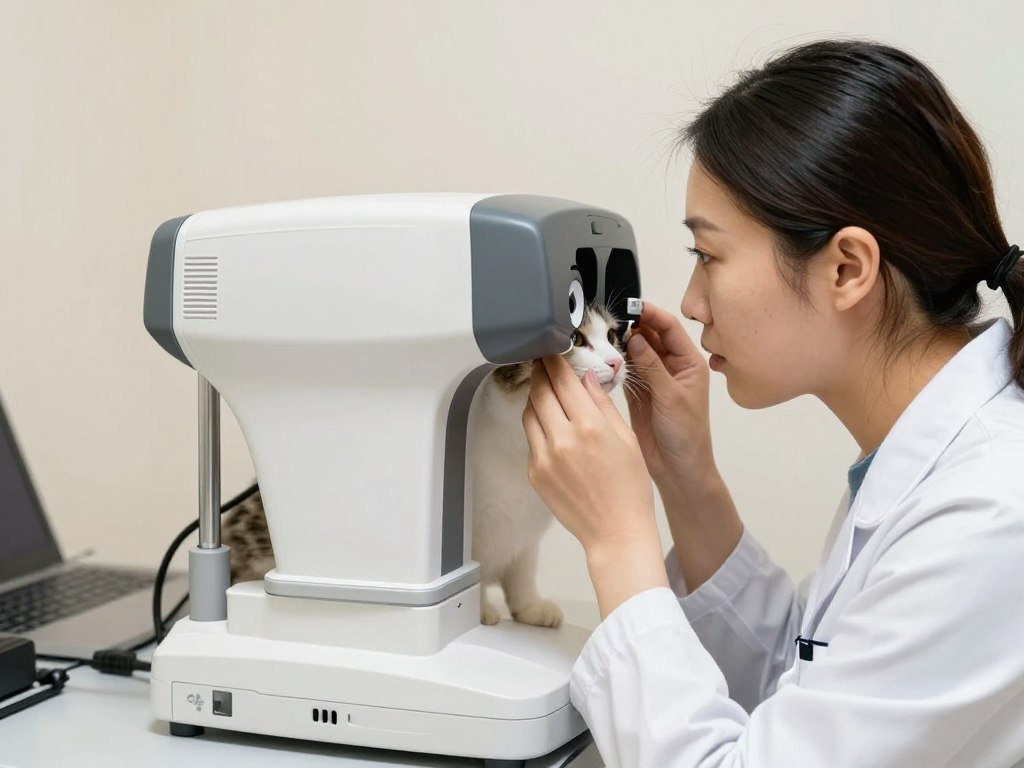
Proper positioning, lighting, and handling minimize stress while maximizing image quality. Practitioners should work in calm environments with minimal distractions. Having an assistant to gently restrain the cat while you operate the camera often produces better results than working alone.
Preparation and Positioning
Before beginning examination, ensure the cat is relatively calm and comfortable. A quiet room with moderate lighting helps reduce stress. Position the cat on a stable surface at a comfortable height for both the animal and examiner. Having treats available can help maintain cooperation during the process.
Examination Steps
- Allow cat to acclimate to examination room
- Position cat comfortably on stable surface
- Prepare camera with appropriate settings
- Gently approach with camera from side
- Capture images quickly but carefully
- Examine both eyes for comparison
- Reward cat with treats after completion
The entire examination process should take only a few minutes to minimize cat stress. Quick, confident movements work better than hesitant approaches. If the cat becomes agitated, pause and allow time for calming before continuing.
Focus on one eye at a time, capturing multiple images to ensure at least some show clear iris details. The colored part of the eye should appear sharp and well-lit in successful images.
Lighting Considerations for Optimal Image Quality
Proper lighting is crucial for capturing detailed iris images. The amount of light must be sufficient to reveal iris structures without causing excessive pupil constriction or discomfort. Many professional iridology cameras include integrated lighting systems optimized for iris photography.
Natural lighting combined with camera-mounted LEDs often produces excellent results. Position the light source to minimize reflections while evenly illuminating the colored part of the eye. Avoid direct overhead lighting which can create shadows and glare.
When to See Vet: Recognizing Zustand Changes Requiring Professional Evaluation
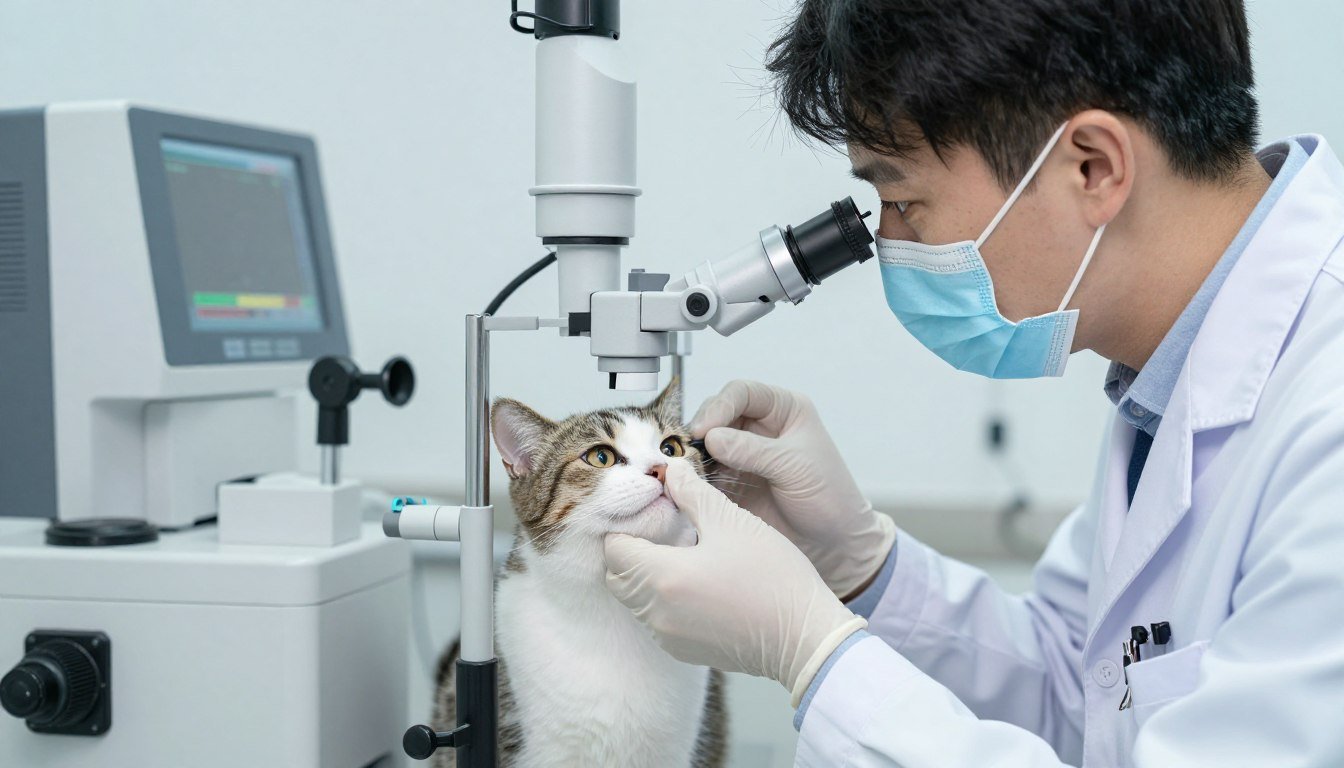
While iridology provides holistic insights, certain eye changes require prompt veterinary attention. Practitioners should recognize situations warranting immediate referral to ensure cats receive appropriate medical care. The ability to distinguish normal variations from potential health problems represents an essential skill.
Any sudden change in eye color, appearance of new spots or darkening in the iris, or development of cloudiness warrants veterinary evaluation as soon as possible. These changes may indicate condition requiring medical intervention. Early detection often improves treatment outcomes for various eye diseases.
Warning Signs Requiring Immediate Attention
Certain symptoms accompanying eye color changes suggest urgent health concerns. Redness, discharge, squinting, or apparent vision loss indicate the cat should see a veterinarian promptly. Changes affecting only one eye or progressing rapidly require particularly urgent evaluation.
Urgent Veterinary Referral Indicators
- Sudden color change in one or both eyes
- New dark spots or patches on the iris
- Cloudiness in the colored part of the eye
- Redness or inflammation around the eye
- Squinting or keeping eye closed
- Discharge from the eye
- Apparent vision loss or bumping into objects
- Pupil size differences between two eyes
Collaborative Care Approach
Holistic practitioners work most effectively when collaborating with conventional veterinary medicine. Iridology analysis complements but does not replace standard veterinary examination and diagnostic testing. This integrative approach provides cats with comprehensive care addressing both immediate medical needs and long-term wellness.
Maintaining professional relationships with local veterinarians facilitates appropriate referrals and shared patient care. Many veterinarians appreciate holistic perspectives when presented respectfully alongside conventional medical information.
Breeds and Eye Color Characteristics
Different cat breeds display characteristic eye colors as part of their breed standards. Understanding these breed-specific traits helps practitioners distinguish normal variations from unusual changes. Some breeds consistently show particular eye colors while others display wider variation.
Siamese cats, for example, typically have blue eyes due to a genetic trait affecting pigment production. Persian cats often display copper or deep orange eyes. Russian Blues characteristically show vivid green eyes. These breed standards reflect generations of selective breeding for specific eye color traits.
Common Breed Eye Color Patterns
Recognizing typical eye colors for various breeds provides useful context when evaluating individual cats. While mixed-breed cats display wide color variation, purebred cats generally conform to breed standard expectations. Deviations from typical breed colors may warrant additional attention.
Siamese
Deep blue eyes represent the breed standard. The intensity of blue varies but all Siamese should display blue eye color. Any deviation from blue suggests mixed ancestry.
persisch
Copper to deep orange eyes are most common. Blue eyes appear in colorpoint Persians. Green or odd-eyed variants exist but copper remains most typical.
Russian Blue
Vivid green eyes define the breed. Kittens are born with blue eyes that transition to green by four months. The green shade intensifies with maturity.
British Shorthair
Copper, gold, or blue eyes depending on coat color. Blue or odd-eyed variants appear in white cats. Eye color corresponds to coat genetics.
Ragdoll
Blue eyes are characteristic of the breed. The blue shade ranges from pale to deep sapphire. All Ragdolls should display blue eyes regardless of coat pattern.
Maine Coon
Gold, green, or copper eyes are most common. Blue or odd-eyed variants occur in white cats. Eye color shows considerable individual variation.
Expanding Your Practice: Iridology How to Change Eye Color Verständnis
The question “Iridologie, wie man die Augenfarbe ändert” often arises among practitioners and clients. It’s important to clarify that iridology does not claim to change eye color. Rather, the practice involves observing and interpreting existing colors and patterns. Some holistic approaches suggest that improving overall health may subtly influence iris appearance over time, though scientific evidence for such changes remains limited.
Iridology lighten eye color claims should be approached with caution. While anecdotal reports describe subtle color shifts with health improvements, dramatic color changes are not typical outcomes of iridology practice. The primary value lies in assessment and monitoring rather than color alteration.
Educational Opportunities in Feline Iridology
Practitioners interested in specializing in animal iridology can benefit from continuing education opportunities. While formal certification programs focus primarily on human iridology, many principles transfer to animal subjects with appropriate modifications. Self-directed study combined with practical experience develops expertise in feline iris analysis.
Partner with MAIKONG: US Distributor and Agent Opportunities
MAIKONG actively seeks qualified distributors and agents throughout the United States to represent our professional iridology equipment line. With over 20 years of manufacturing experience, we offer comprehensive support for business partners including competitive pricing, technical training, marketing materials, and ongoing customer service assistance.
Our product range includes Iriskope, Iridologische Kameras, Iriskop systems, Iridologie-Diagramme, and proprietary Iridologie-Software compatible with both Windows and Mac OS platforms. We’re the first manufacturer to offer full Mac OS support, providing a significant competitive advantage in the North American market.
Distribution partners benefit from factory-direct pricing, customization options including OEM branding, comprehensive technical support via WhatsApp and email, and marketing support to help build your customer base. Whether you’re an established medical equipment distributor or an iridology practitioner looking to expand into equipment sales, we offer flexible partnership structures.
Contact our partnership team: Lucy@iriscope.org | WhatsApp: +86 135 1090 7401
Best Practices for Documenting Iridology Eye Color Change Brown Eyes and Other Variations
Systematic case documentation builds a valuable reference library for practitioners. Recording Iridologie Augenfarbe ändern braune Augen examples and other color variations creates resources for future comparison and analysis. Comprehensive documentation includes photographs, written observations, and relevant health history information.
Digital organization systems help manage growing image libraries. Practitioners should establish consistent file naming conventions, backup procedures, and retrieval methods. Cloud-based storage solutions provide accessibility across multiple devices while protecting against data loss.
Creating Comprehensive Case Records
Each case record should include standardized information elements. Demographic details, health history, baseline iris photographs, and follow-up images create complete patient profiles. Adding dates, cat age at examination, and any relevant health events provides context for interpreting changes over time.
Comparative Analysis Techniques
Side-by-side image comparison reveals subtle changes that might be missed when viewing images individually. Professional Iridologie-Software facilitates these comparisons by allowing simultaneous display of multiple images. Practitioners can align images, adjust brightness and contrast, and mark areas of interest.
Comparing the part eye features between left and right sides helps identify asymmetries that may indicate developing conditions. Bilateral comparison forms a standard part of thorough iris examination in both human and animal subjects.

Integrating Feline Iridology into Holistic Gesundheit Üben
Feline iris analysis fits naturally within comprehensive holistic Gesundheit assessments. Combined with nutritional evaluation, lifestyle factors, and other diagnostic approaches, iridology contributes to well-rounded patient understanding. This integrative perspective addresses cats as complete beings rather than isolated symptoms.
Practitioners might combine iridology observations with Iridologie und Akupressur verändern die Augenfarbe considerations, examining how various therapeutic interventions influence iris appearance over time. While direct cause-and-effect relationships remain difficult to establish, longitudinal observation provides insights into individual patient responses to treatment protocols.
Holistic Assessment Framework
Comprehensive feline health assessment incorporates multiple evaluation methods. Iris analysis represents one component alongside physical examination, behavioral observation, dietary review, and environmental assessment. This multi-faceted approach provides the most complete picture of feline wellbeing.
Physical Assessment Components
- General body condition evaluation
- Coat quality and skin health
- Dental examination
- Musculoskeletal assessment
- Cardiovascular evaluation
- Respiratory system observation
Iris Analysis Elements
- Eye color documentation
- Iris pattern examination
- Pigment distribution assessment
- Fiber structure observation
- Comparison between eyes
- Longitudinal change tracking
Supporting Evaluations
- Nutritional intake review
- Environmental factors assessment
- Behavioral pattern observation
- Stress level evaluation
- Exercise and activity analysis
- Social interaction assessment
MAIKONG Equipment Advantages for Professional Practitioners
Selecting appropriate diagnostic equipment significantly impacts practice capabilities and patient outcomes. MAIKONG has specialized in iridology equipment manufacturing for over two decades, developing products specifically designed for professional holistic health practitioners. Our experience supporting practitioners worldwide informs continuous product development and improvement.
The MAIKONG product line addresses common challenges practitioners face including equipment reliability, software compatibility, technical support availability, and affordability. We understand that professional-grade equipment represents a significant investment, and we’re committed to providing exceptional value through quality construction, comprehensive features, and ongoing support.
Unique Features Supporting Feline Analysis
While many iridology systems focus exclusively on human subjects, MAIKONG equipment adapts well to animal iris examination. The handheld camera design facilitates positioning for subjects who may not remain perfectly still. Quick capture capabilities minimize examination time, reducing stress for feline patients.
Software Innovation: Cross-Platform Compatibility
MAIKONG proudly offers the world’s first Iridologie-Software with full Mac OS support alongside traditional Windows compatibility. This breakthrough eliminates the platform limitations that previously forced Mac users to maintain separate Windows systems for iridology work.
Our software provides comprehensive image management, analysis tools, and chart overlay features on both platforms. Regular updates ensure compatibility with the latest operating systems, protecting your technology investment long-term.
The software supports multiple languages, making it accessible for practitioners serving diverse communities. Customization options allow you to configure the interface and features to match your specific practice needs.

Technical Support and Training Resources
Equipment purchase represents only the beginning of the practitioner-manufacturer relationship. MAIKONG provides ongoing technical support to ensure you maximize equipment value throughout its service life. Our support team understands both the technical aspects of the equipment and the practical challenges of holistic practice.
WhatsApp support offers immediate assistance when questions arise. Our technicians respond promptly to troubleshooting inquiries, software questions, and usage optimization requests. This real-time support minimizes downtime and keeps your practice running smoothly.
Anpassungs- und OEM-Optionen
Practitioners developing branded product lines or distributors serving specific markets benefit from MAIKONG’s customization capabilities. We offer OEM services including custom software interfaces, branded hardware, specialized packaging, and tailored documentation. These options help you differentiate your offerings and build brand recognition.
Minimum order quantities for customized products remain reasonable, making personalization accessible even for smaller practices or emerging distributors. Our team works collaboratively to understand your specific needs and develop solutions that support your business goals.

Häufig gestellte Fragen zu Iridology Augenfarbwechsel bei Katzen
Can cats’ eye color actually change after kittenhood?
Yes, subtle changes can occur throughout a cat’s life. While the most dramatic color transitions happen during kittenhood as melanin develops, adult cats may experience gradual lightening with advanced age or color shifts due to health conditions. Normal age-related changes progress slowly and affect both eyes symmetrically. Sudden or asymmetric changes warrant veterinary evaluation to rule out health concerns.
How does iridology analysis differ between cats and humans?
Feline iridology requires significant modifications to human-based frameworks. Cat eyes contain the tapetum lucidum, a reflective layer absent in humans, affecting how light interacts with the iris. Feline pupils also dilate and constrict more dramatically than human pupils, requiring different examination timing. Additionally, breed-specific eye color standards in cats lack equivalent in human iridology, necessitating breed-aware interpretation.
What equipment do I need to start practicing feline iridology?
At minimum, you need a quality iridology camera capable of capturing detailed iris images in feline subjects, appropriate lighting to illuminate the colored part of the eye without causing discomfort, and software for storing and analyzing captured images. Professional systems like those from MAIKONG integrate these components, providing cameras designed for both human and animal subjects along with comprehensive analysis software. A stable examination surface and methods for gentle cat restraint complete the basic equipment list.
Are certain eye colors in cats associated with specific health risks?
White cats with two blue eyes face higher risk for congenital deafness compared to cats with other eye color combinations. However, eye color itself doesn’t directly cause health problems – rather, the genetic factors producing certain colors sometimes associate with other traits. Within iridology frameworks, practitioners observe that different constitutional types corresponding to various eye colors may show tendencies toward different health patterns, though scientific research on these correlations remains limited.
How often should I photograph cat eyes for iridology monitoring?
For healthy adult cats, annual iris photography provides adequate baseline monitoring to detect gradual changes. Senior cats (over 10 years) benefit from semi-annual documentation as age-related changes become more likely. Cats with known health conditions or those showing suspicious iris changes may require more frequent photography as determined by the holistic practitioner in consultation with the veterinarian. Always photograph both eyes during each session to compare symmetry.
Can iridology detect eye diseases like glaucoma or cataracts in cats?
Iridology examination focuses on the iris (colored part of the eye) rather than other eye structures. While some conditions affecting the iris may be visible during iridology examination, comprehensive eye disease diagnosis requires full veterinary ophthalmologic evaluation including intraocular pressure measurement, lens examination, and retinal assessment. Iridology serves as a complementary observation method but should never replace conventional veterinary eye examination when disease is suspected.
What makes MAIKONG equipment suitable for feline iridology?
MAIKONG iridology cameras feature handheld designs that accommodate examination of moving subjects, rapid capture capabilities that minimize cat stress during photography, and built-in LED lighting systems that provide adequate illumination without excessive brightness. The accompanying software works on both Windows and Mac OS platforms, offering flexibility for practitioners. With over 20 years of manufacturing experience, MAIKONG understands the practical needs of holistic practitioners working with both human and animal patients.
Should I refer cats to veterinarians if I notice iris color changes?
Yes, any unusual or sudden iris color changes warrant veterinary evaluation. While gradual, symmetric changes may represent normal aging, rapid changes, new pigmentation, spots developing on the iris, or changes affecting only one eye can indicate health conditions requiring medical attention. Holistic practitioners serve cats best by maintaining collaborative relationships with veterinarians and making appropriate referrals when indicated.
How can I become a MAIKONG distributor in the United States?
MAIKONG welcomes inquiries from qualified distributors, agents, and business partners throughout the United States. Ideal partners include established medical equipment distributors, holistic health practitioners interested in equipment sales, iridology training institutions, and entrepreneurs with relevant market knowledge. Contact our partnership team at Lucy@iriscope.org or via WhatsApp at +86 135 1090 7401 to discuss distribution opportunities, pricing structures, support programs, and territory availability.
Does MAIKONG offer training on feline iridology techniques?
MAIKONG primarily provides equipment operation training and technical support rather than clinical iridology instruction. We ensure practitioners understand how to use our cameras and software effectively for capturing and analyzing iris images. For clinical training in iridology interpretation techniques, we recommend connecting with established iridology education programs and adapting human-focused principles to feline subjects through continued professional development and practical experience.
Conclusion: Advancing Your Understanding of Iridology Augenfarbwechsel bei Katzen
Das Studium von Iridologie Augenfarbe ändern Katze patterns offers holistic practitioners valuable insights into feline health and wellbeing. By understanding normal eye color development, recognizing breed-specific variations, and identifying changes that warrant attention, practitioners can provide more comprehensive care to feline patients.
Professional practice requires appropriate equipment, systematic documentation, and collaborative relationships with veterinary professionals. The intersection of holistic assessment and conventional medicine creates the most beneficial outcomes for cats and their caregivers.
As you develop expertise in feline iris analysis, remember that each cat presents unique characteristics deserving individual attention. Baseline documentation, longitudinal monitoring, and careful observation form the foundation of meaningful iridology practice. The colored part of the eye holds information waiting for practitioners willing to look closely and interpret thoughtfully.
Whether you’re an established iridologist expanding into animal subjects, a holistic veterinary practitioner adding new assessment tools, or an entrepreneur exploring opportunities in this growing field, quality equipment and ongoing education support your professional development. MAIKONG stands ready to support your journey with reliable equipment, comprehensive software, and responsive technical assistance.
The future of integrative animal health care lies in combining the best of conventional veterinary medicine with thoughtful holistic assessment approaches. Feline iridology represents one piece of this comprehensive puzzle, offering practitioners additional perspectives on the cats they serve.
Connect With MAIKONG Today
Ready to enhance your feline iridology practice or explore business opportunities in professional holistic health equipment? MAIKONG offers comprehensive solutions for practitioners at all levels, from those just beginning feline iris assessment to established professionals seeking to upgrade their diagnostic capabilities.
Our experienced team can answer your technical questions, discuss equipment options suitable for your specific needs, provide distributor partnership information, and connect you with resources to support your professional growth.
Visit our comprehensive resource center: iriscope.org
Explore our equipment: Iridologische Kameras | Analysesoftware | Distributor Programs
Thank you for your commitment to advancing holistic health care for feline companions. Your dedication to understanding the intricate details revealed in cat eyes contributes to the wellbeing of countless animals. We look forward to supporting your continued professional development and practice growth.