El iris humano, con sus patrones intrincados y su coloración única, ha fascinado durante mucho tiempo tanto a los profesionales médicos como a los profesionales de la salud alternativa. Más allá de determinar el color de tus ojos, algunos creen que el iris contiene información valiosa sobre tu salud general. iridología sugiere que marcas, colores y patrones específicos en su iris pueden revelar información sobre las condiciones de salud pasadas, presentes y potenciales de su cuerpo en el futuro. Esta práctica ha ganado atención como método no invasivo para la evaluación de la salud, aunque sigue siendo controvertida en los círculos médicos convencionales.
En esta guía completa, exploraremos los fundamentos científicos de iridología, examinando tanto las perspectivas históricas como la investigación moderna. Profundizaremos en cómo los profesionales asignan los patrones del iris a los sistemas de órganos, la anatomía detrás de estas conexiones y el debate en curso sobre su validez como herramienta de diagnóstico. Si usted es un profesional de la salud, un practicante de medicina alternativa o simplemente tiene curiosidad por los enfoques holísticos para la evaluación de la salud, este artículo proporciona una exploración basada en evidencia de iridologíaPrincipios y aplicaciones.
Qué es iridología? Una perspectiva histórica y moderna
iridología es una práctica de medicina alternativa que implica examinar los patrones, colores y otras características del iris para evaluar la salud general de una persona. Practicantes de iridologíaLos iridólogos, conocidos como iridólogos, creen que cada área del iris corresponde a un órgano o sistema corporal específico, y que los cambios en estas áreas pueden reflejar cambios en la salud de las partes correspondientes del cuerpo.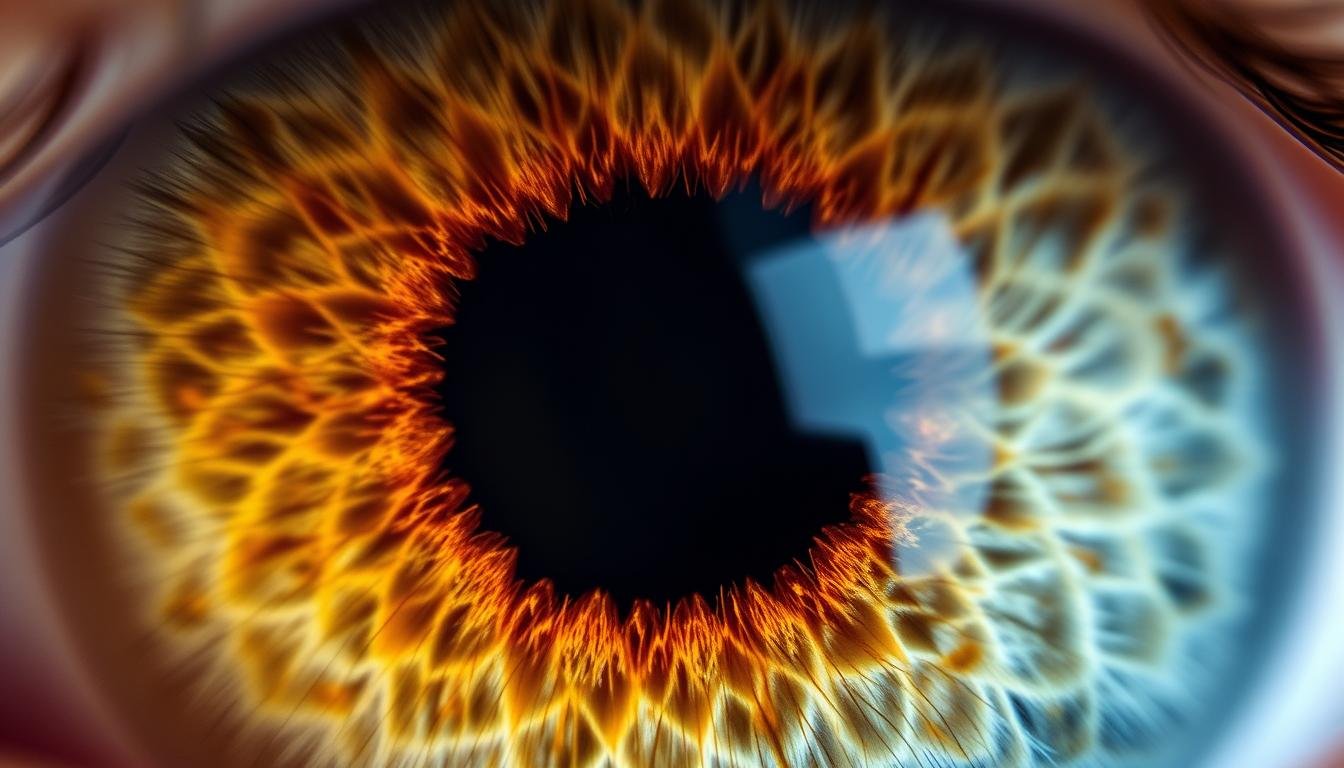
Los intrincados patrones del iris humano que los iridólogos analizan para evaluar la salud
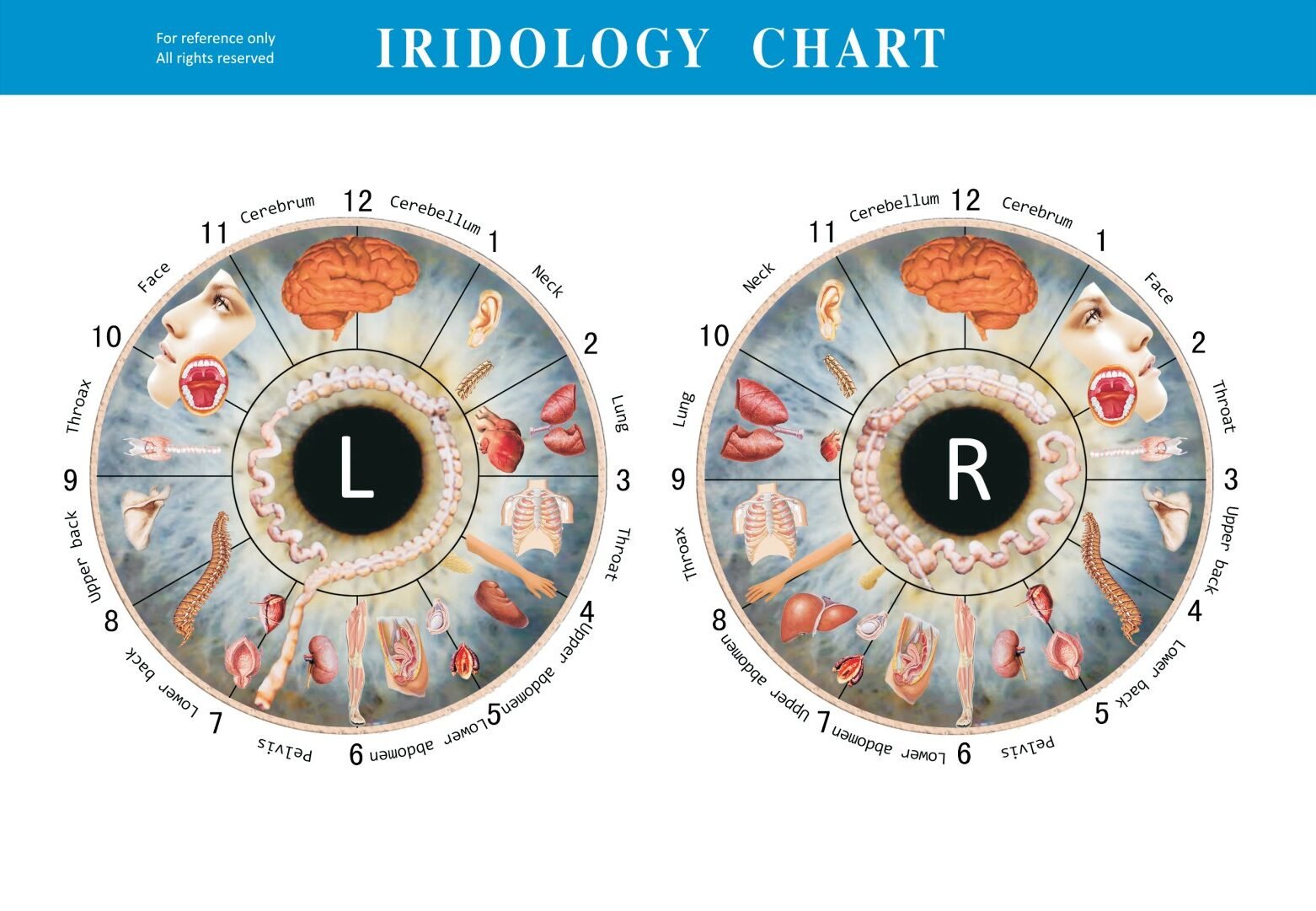
La premisa central de iridología es que el iris sirve como “mapa” del cuerpo, con diferentes zonas correspondientes a diferentes órganos y sistemas. Según esta teoría, cuando un órgano o sistema experimenta estrés, inflamación u otros problemas de salud, aparecen los cambios correspondientes en el iris. Estos cambios pueden incluir manchas, líneas, decoloraciones o alteraciones estructurales que un iridólogo interpreta para evaluar su estado de salud.
Desarrollo histórico de iridología
Si bien algunos defensores afirman que las formas de examen del iris se remontan a civilizaciones antiguas en Egipto, China e India, las modernas iridología tal como lo conocemos hoy comenzó a tomar forma en el siglo XIX.

Ignaz von Peczely, el médico húngaro considerado el padre de la iridología moderna
Los fundamentos de la modernidad. iridología a menudo se atribuyen a Ignaz von Peczely, un médico húngaro del siglo XIX. Según relatos populares, cuando era niño, von Peczely notó una raya oscura en el iris de un búho cuya pata se había roto accidentalmente. Esta observación despertó su curiosidad y más tarde desarrolló la teoría de que los cambios en el iris podrían reflejar lesiones o enfermedades en partes correspondientes del cuerpo.
En 1881, von Peczely publicó su primer libro sobre el tema, “Descubrimientos en el campo de las ciencias naturales y la medicina: instrucción en el estudio del diagnóstico desde el ojo,” que incluyó el primer gráfico de iris conocido que mapeaba diferentes áreas del iris en varias partes del cuerpo.
Otra figura significativa en el desarrollo de iridología Fue Nils Liljequist, un homeópata sueco que desarrolló de forma independiente teorías similares casi al mismo tiempo. Liljequist afirmó haber observado cambios en su propio iris después de tomar medicamentos como quinina y yodo, lo que lo llevó a crear sus propios gráficos de iris.
En los Estados Unidos, iridología Ganó popularidad en la década de 1950 gracias al trabajo de Bernard Jensen, un quiropráctico estadounidense que desarrolló su propio método de análisis del iris y creó gráficos detallados del iris que todavía utilizan muchos profesionales en la actualidad. El trabajo de Jensen ayudó a popularizar iridología como parte del movimiento más amplio de salud natural en Estados Unidos.
La ciencia detrás iridología: Mapeo de patrones del iris a sistemas de órganos
la práctica de iridología Se basa en la premisa de que el iris contiene una gran cantidad de información sobre la salud del cuerpo. Comprender la metodología y las herramientas utilizadas por los iridólogos proporciona información sobre cómo se lleva a cabo esta práctica y los principios científicos que pretende seguir.
Anatomía del iris y su relevancia para iridología
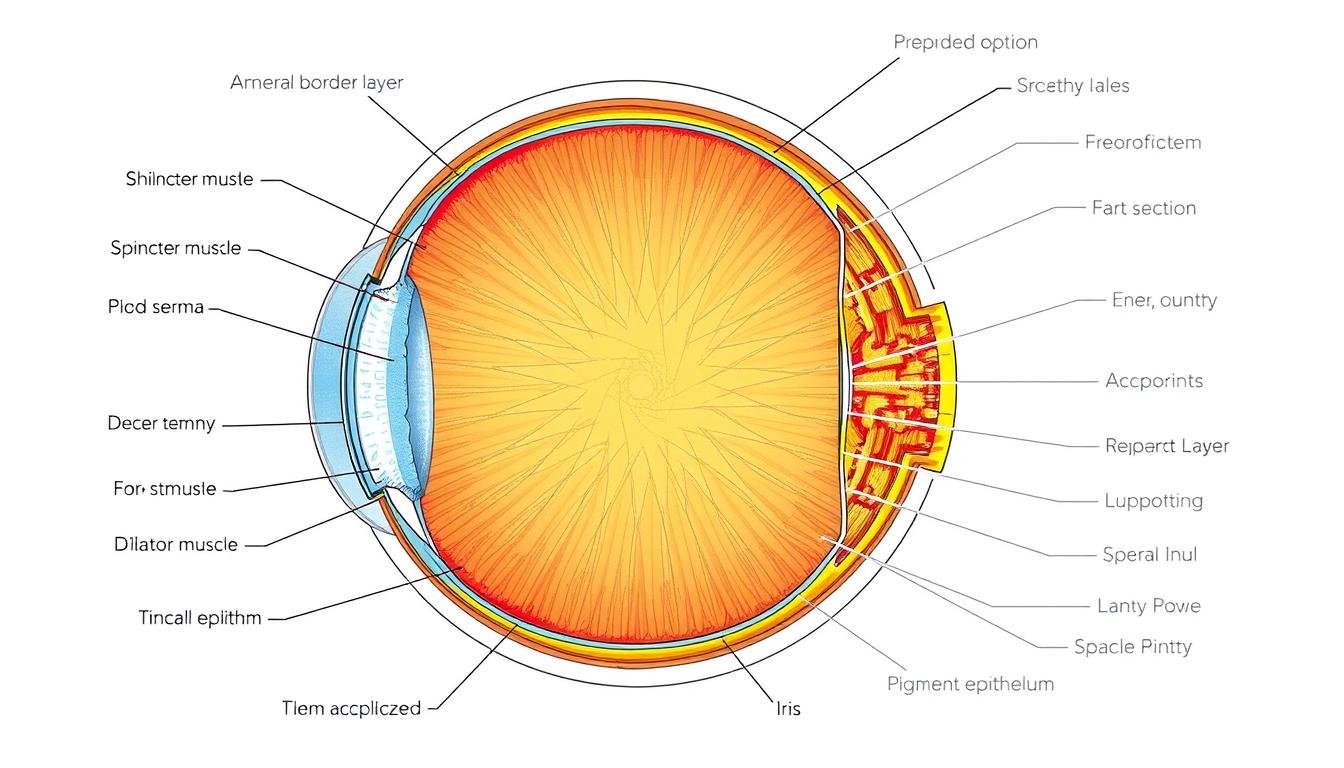
Estructura anatómica del iris que muestra las distintas capas examinadas en iridología.
El iris es una estructura compleja compuesta de múltiples capas y características:
- La capa del borde anterior (la superficie frontal visible durante el examen)
- El estroma (tejido conectivo con vasos sanguíneos, nervios y fibras musculares)
- El esfínter y los músculos dilatadores (que controlan el tamaño de la pupila)
- El epitelio posterior (que contiene el pigmento que le da color al iris)
Los iridólogos creen que la intrincada estructura del iris, con sus miles de terminaciones nerviosas, vasos sanguíneos microscópicos y fibras musculares, crea una conexión única con el resto del cuerpo a través del sistema nervioso. De acuerdo a iridología En teoría, esta conexión neurológica permite que el iris refleje cambios en órganos y tejidos distantes.
El iridología Gráfico: Mapeo del cuerpo
La piedra angular de iridología Una práctica práctica es la carta del iris, que divide el iris en aproximadamente 60 zonas, cada una de las cuales corresponde a una parte diferente del cuerpo humano. Estos gráficos suelen seguir algunos principios clave:
Organización estructural
- El iris derecho generalmente corresponde al lado derecho del cuerpo.
- El iris izquierdo generalmente corresponde al lado izquierdo del cuerpo.
- El iris está dividido en zonas concéntricas que representan diferentes sistemas corporales.
- El gráfico suele estar organizado como la esfera de un reloj, con órganos y sistemas ubicados en puntos específicos. “horas”
Elementos de interpretación
- Variaciones de color y cambios de pigmentación.
- Características estructurales como fibras, anillos y criptas.
- Lesiones, manchas y otras marcas.
- Características y reacciones de los alumnos.
Mejore su comprensión del análisis del iris
Descargue nuestra tabla iridológica completa y nuestra guía para principiantes para comenzar a aprender cómo identificar patrones clave del iris y sus posibles correlaciones con la salud.
Descargar la lista de iridología gratuita
Herramientas y técnicas de examen
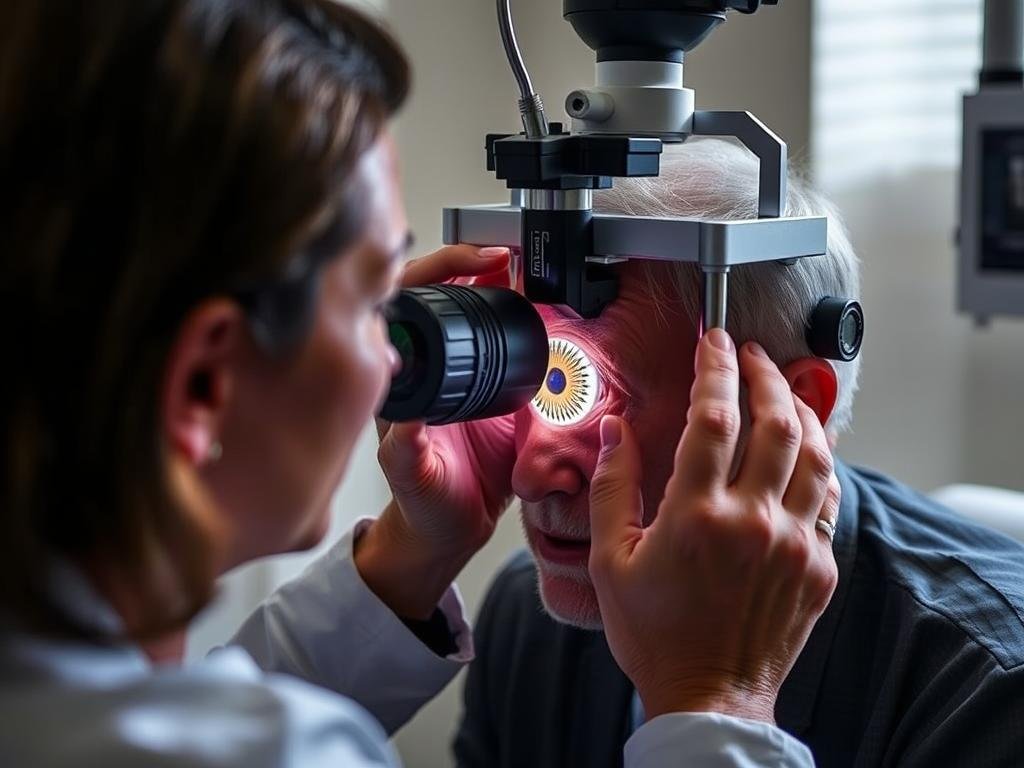
Un iridólogo realizando un examen utilizando equipo especializado.
Los iridólogos modernos suelen utilizar varias herramientas para realizar sus exámenes:
- Linterna o linterna para iluminar el iris
- Lupa o lupa para una inspección más cercana
- Cámaras digitales con lentes macro para fotografías detalladas
- Cámaras de iris especializadas diseñadas específicamente para iridología
- Software informático para analizar fotografías de iris.
Durante un examen, el iridólogo primero observa detalladamente ambos iris, observando su color general, estructura y cualquier marca visible. Pueden tomar fotografías para analizarlas más tarde o utilizar software de computadora que ayude a identificar patrones y compararlos con tablas de iridología establecidas.
Condiciones de salud identificadas a través de iridología
Practicantes de iridología afirman que pueden identificar una amplia gama de condiciones de salud y predisposiciones examinando el iris. Si bien estas afirmaciones carecen de validación científica en la medicina convencional, comprender lo que los iridólogos creen que pueden detectar ayuda a explicar el atractivo de la práctica para aquellos interesados en enfoques de salud holísticos.
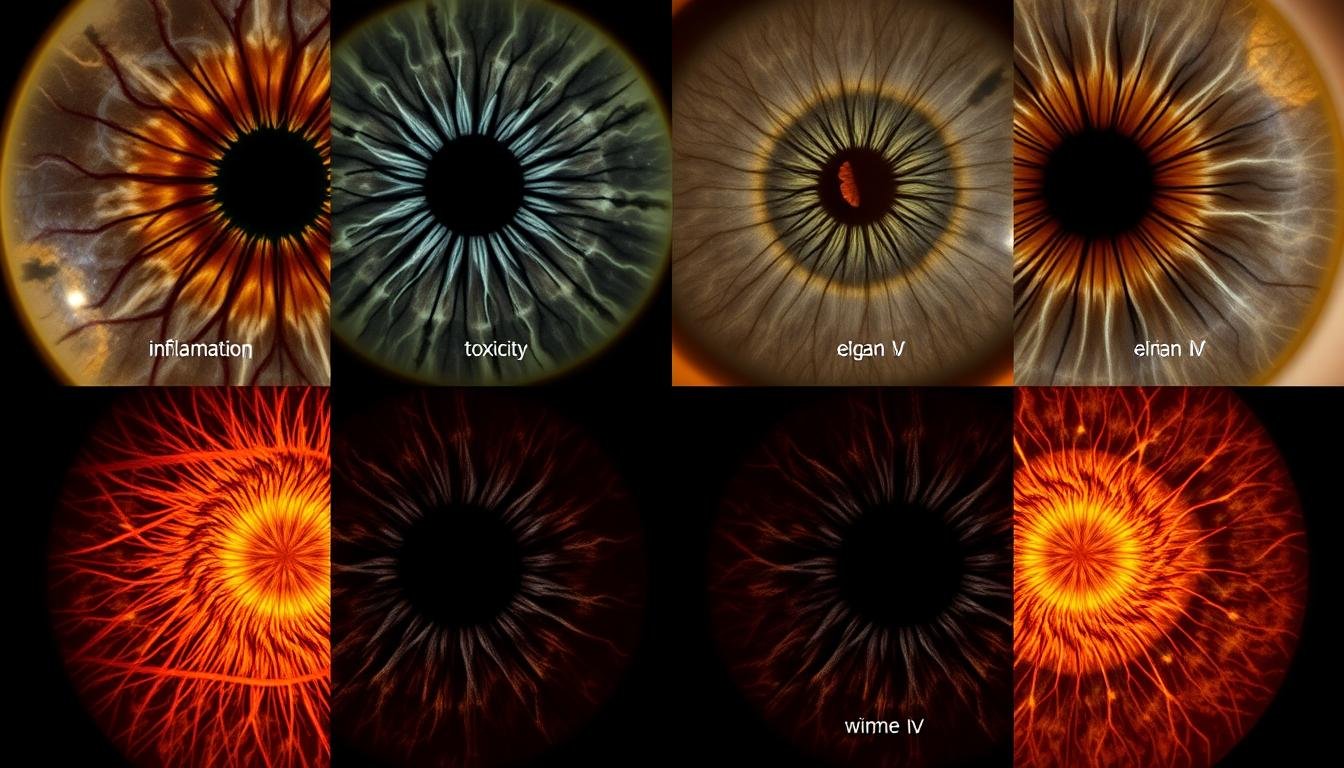
Comparación de patrones de iris que muestran lo que los iridólogos interpretan como indicadores del estado de salud.
Problemas de salud comunes supuestamente revelados a través de iridología
Función de los órganos
- Disfunción hepática
- Estrés renal
- Trastornos digestivos
- Debilidades del corazón
- Condiciones pulmonares
Condiciones sistémicas
- Inflamación en todo el cuerpo.
- acumulación de toxinas
- Congestión del sistema linfático
- Problemas circulatorios
- Desequilibrios hormonales
Indicadores Generales de Salud
- Deficiencias nutricionales
- Niveles de estrés y ubicación.
- Predisposiciones genéticas
- Lesiones o traumas pasados
- Fortaleza constitucional general
Los iridólogos también afirman que pueden detectar problemas de salud antes de que aparezcan los síntomas, lo que sugiere que los cambios en el iris preceden al desarrollo de los síntomas físicos. Esta afirmación de la detección temprana es particularmente atractiva para quienes están interesados en enfoques de salud preventiva.
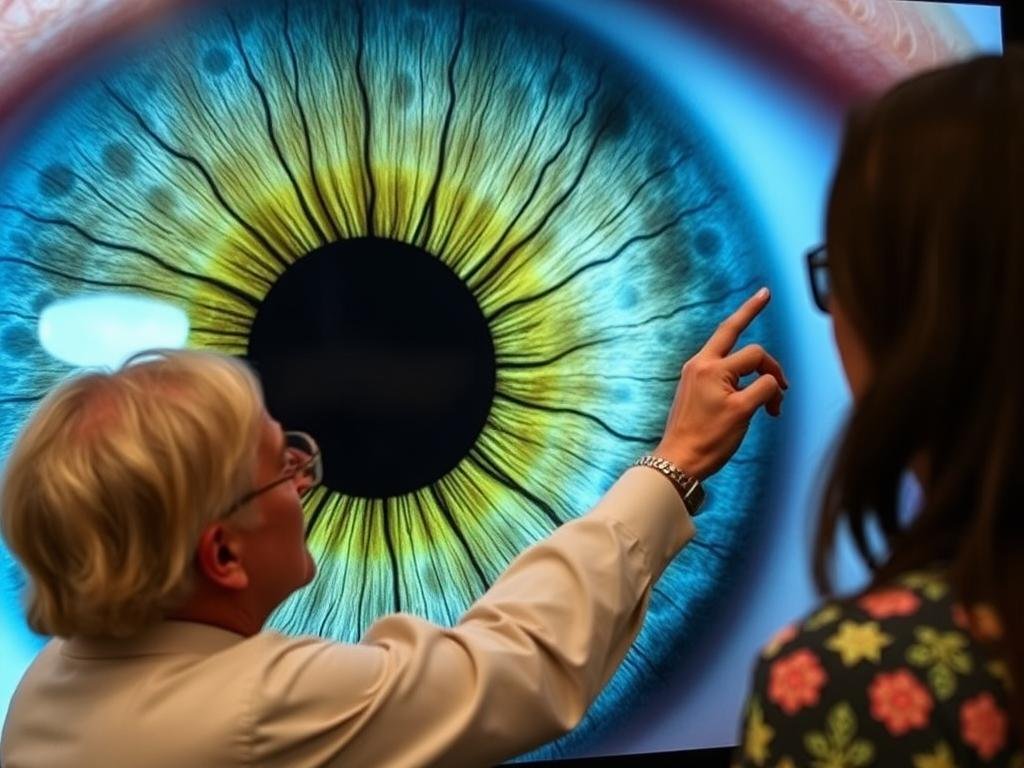
Un iridólogo que identifica marcas específicas del iris y explica su interpretación.
Es importante tener en cuenta que, si bien los iridólogos hacen estas afirmaciones, la capacidad de diagnosticar afecciones de salud específicas mediante el examen del iris no ha sido validada por investigaciones científicas, como exploraremos en la siguiente sección.
Descubra lo que su iris puede revelar sobre su salud
¿Tienes curiosidad por saber qué podrían indicar los patrones de tu iris? Programe una consulta con un iridólogo certificado para una evaluación personalizada y conocimientos de salud.
Encuentra un iridólogo certificado
Críticas y controversias en torno iridología
A pesar de su larga historia y práctica continua, iridología ha sido objeto de escrutinio científico y la mayoría de las investigaciones no respaldan sus afirmaciones fundamentales. Comprender la perspectiva científica ayuda a proporcionar una visión equilibrada de esta práctica alternativa.

Investigación científica que examina la validez de las afirmaciones de iridología.
Estudios de investigación y sus hallazgos
Varios estudios controlados han investigado la precisión diagnóstica de iridología:
- Una revisión sistemática publicada en 1999 en la revista Complemento de investigación examinó cuatro estudios de casos y controles y concluyó que la eficacia de la iridología no estaba respaldada por evaluaciones científicas.
- Un estudio publicado en 2000 en el Archivos de Oftalmología descubrió que los iridólogos no podían detectar consistentemente la enfermedad renal mediante el examen del iris.
- Investigación publicada en el Revista de Medicina Alternativa y Complementaria no pudo encontrar evidencia de que los iridólogos pudieran diagnosticar con precisión la enfermedad de la vesícula biliar examinando el iris.
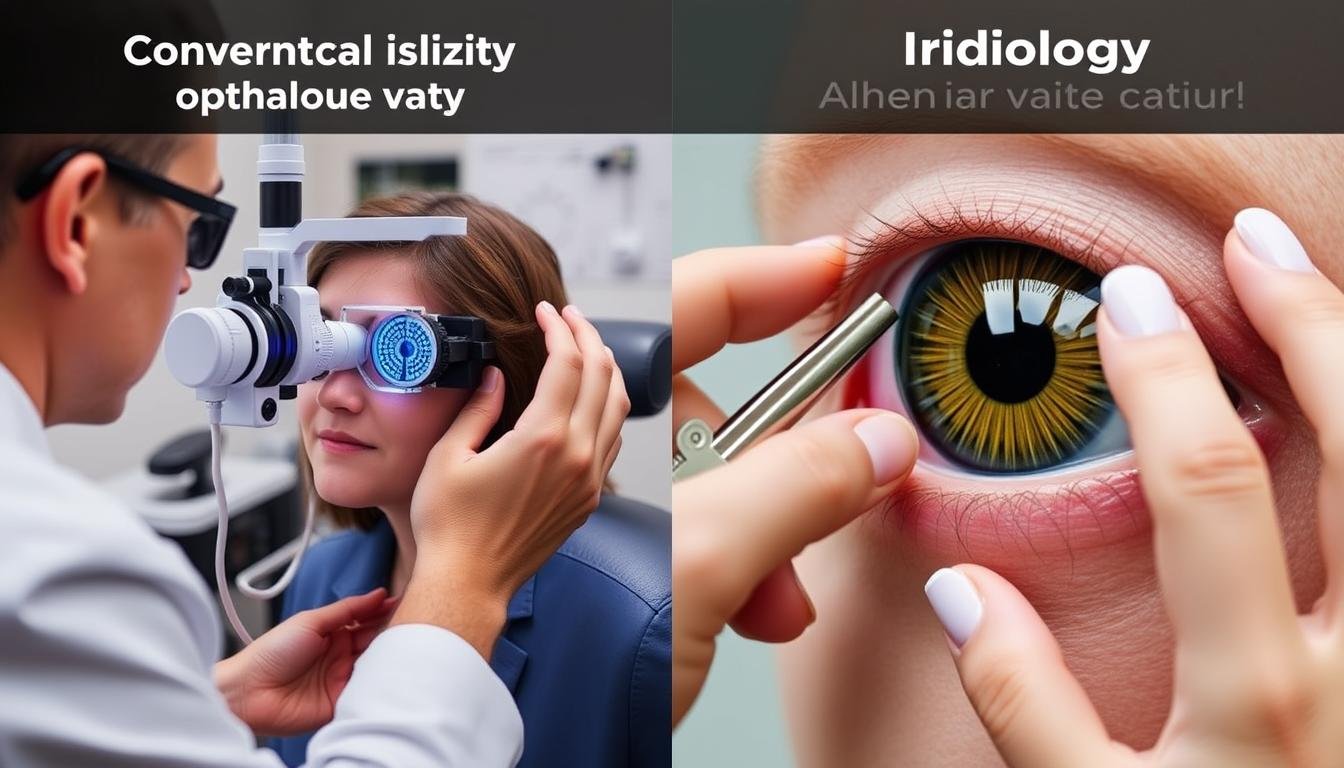
Comparación entre el examen ocular médico convencional y la evaluación iridológica
La mayoría de los estudios científicos han concluido que iridología ha mostrado poco o ningún valor diagnóstico cuando se prueba en condiciones controladas. Los investigadores han descubierto consistentemente que los iridólogos no pueden identificar de manera confiable a personas con enfermedades específicas examinando sus iris.
Perspectiva de la comunidad médica
La comunidad médica convencional generalmente no apoya iridología como herramienta de diagnóstico por varias razones:
Preocupaciones científicas sobre la iridología
- Falta de conexión anatómica entre el iris y la mayoría de los órganos del cuerpo.
- Ausencia de un mecanismo fisiológico para explicar cómo las condiciones de los órganos internos afectarían la apariencia del iris
- Resultados inconsistentes cuando varios iridólogos examinan al mismo paciente
- No demostrar precisión diagnóstica en estudios controlados
- La estructura del iris está determinada en gran medida por la genética y permanece relativamente estable durante toda la vida.
Los profesionales médicos expresan su preocupación por el hecho de que la dependencia de iridología para el diagnóstico podría conducir potencialmente a un retraso en el tratamiento de enfermedades graves si los pacientes renuncian al diagnóstico médico convencional en favor de las lecturas iridológicas.
Si bien el consenso científico no respalda iridología Como método de diagnóstico, algunos investigadores sugieren que más estudios con una metodología mejorada podrían ser valiosos para evaluar completamente cualquier posible correlación entre las características del iris y las condiciones de salud.
Aplicaciones modernas de iridología en Salud Holística
A pesar de la falta de validación científica, iridología continúa practicándose en varias partes del mundo, particularmente dentro de comunidades de salud holística y alternativa. Comprender sus aplicaciones contemporáneas proporciona una idea de por qué algunas personas todavía buscan esta práctica.

Práctica moderna de iridología en un entorno de salud holístico contemporáneo.
Integración con prácticas de salud holística
En el panorama del bienestar actual, iridología A menudo se integra con otros enfoques de salud alternativos y complementarios:
- Como parte de evaluaciones naturopáticas para guiar las recomendaciones de tratamiento.
- Junto con asesoramiento nutricional para sugerir modificaciones dietéticas.
- Junto con las hierbas medicinales para informar las recetas a base de hierbas
- Dentro de las evaluaciones de salud holísticas que incluyen múltiples métodos de evaluación
- Como herramienta complementaria en algunas prácticas de medicina integrativa
Practicantes que usan iridología hoy en día a menudo lo ven como una herramienta entre muchas para evaluar los patrones de salud generales, más que como un método de diagnóstico definitivo para enfermedades específicas.
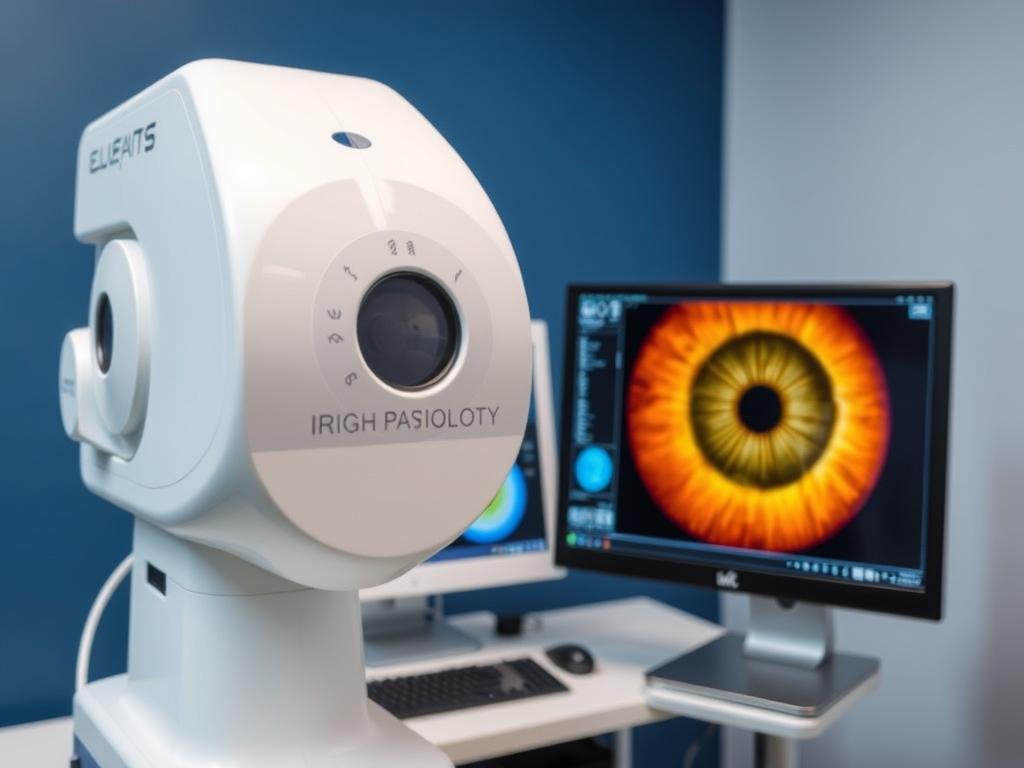
Tecnología digital moderna utilizada en la práctica de la iridología contemporánea.
Avances tecnológicos
La tecnología ha influido en cómo iridología se practica en el siglo XXI:
- Las cámaras digitales de alta resolución capturan imágenes detalladas del iris
- Programas de software especializados analizan patrones y marcas del iris.
- Plataformas online ofrecen consultas de iridología a distancia
- Las aplicaciones móviles permiten el análisis preliminar del iris
Estos avances tecnológicos han hecho iridología más accesibles, pero no necesariamente han aumentado su precisión diagnóstica de acuerdo con los estándares científicos.
Mejore su práctica de salud holística
Para los profesionales de la salud interesados en agregar la iridología a su conjunto de habilidades, nuestro programa de certificación integral brinda la capacitación y las herramientas que necesitan.
Explorar programas de certificación
Estudios de caso: iridología en la práctica
Si bien la validación científica sigue siendo limitada, los defensores de iridología A menudo se citan estudios de casos para demostrar su valor potencial en la evaluación de la salud. Estos ejemplos proporcionan información sobre cómo los profesionales aplican los principios de la iridología en escenarios del mundo real.
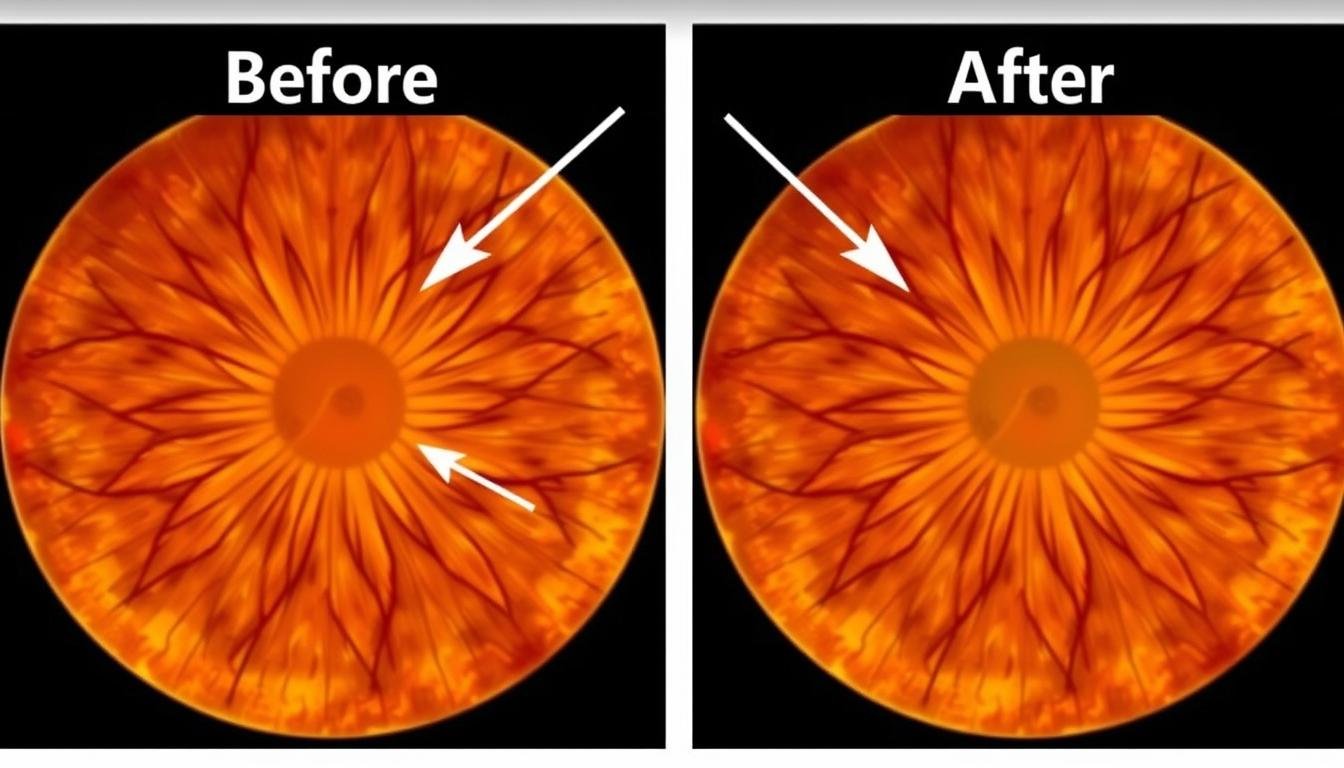
Imágenes de antes y después del iris que muestran cambios después de intervenciones de salud según los profesionales de la iridología
Estudio de caso 1: Evaluación del sistema digestivo
Una mujer de 42 años consultó a un iridólogo después de experimentar problemas digestivos crónicos que las pruebas convencionales no habían explicado completamente. El iridólogo notó marcas específicas en la zona digestiva de su iris que sugerían inflamación y posibles sensibilidades alimentarias. Basándose en estas observaciones, el médico recomendó una dieta de eliminación y suplementos herbales específicos.
La clienta informó una mejoría en sus síntomas después de seguir las recomendaciones durante tres meses. Si bien este resultado no puede atribuirse definitivamente a la precisión de la evaluación iridológica, representa el tipo de evidencia anecdótica que los profesionales suelen citar.
Estudio de caso 2: Reclamaciones de detección temprana

Fotografía del iris con marcas que indican posibles problemas de salud según la interpretación iridológica
Un hombre de 55 años se sometió a un examen iridológico de rutina como parte de un control de salud integral. El iridólogo identificó marcas en el área correspondiente al sistema cardiovascular y sugirió que el cliente podría estar experimentando estrés cardiovascular temprano, a pesar de no tener síntomas. El cliente realizó un seguimiento con pruebas médicas convencionales, que revelaron niveles de presión arterial y colesterol moderadamente elevados que no habían sido diagnosticados previamente.
Si bien la detección convencional probablemente habría detectado estos problemas eventualmente, sus defensores sugieren que este caso demuestra cómo iridología podría complementar la atención sanitaria tradicional fomentando las pruebas preventivas.
Es importante señalar que estos estudios de casos representan evidencia anecdótica más que una investigación científica controlada. Los resultados positivos podrían atribuirse a varios factores, incluido el efecto placebo, los cambios en el estilo de vida recomendados junto con la evaluación iridológica o el momento coincidente.
Preguntas frecuentes sobre iridología
¿Es la iridología lo mismo que un examen ocular habitual?
No, iridología es fundamentalmente diferente de un examen ocular convencional. Un examen ocular periódico realizado por un optometrista u oftalmólogo se centra en evaluar la visión y detectar enfermedades oculares como glaucoma, cataratas o degeneración macular. Estos profesionales utilizan métodos estandarizados y científicamente validados para evaluar la salud ocular y la visión.
iridología, por el contrario, implica examinar el iris para supuestamente determinar el estado de salud de otros órganos y sistemas del cuerpo, no para diagnosticar afecciones oculares en sí. Si bien un examen ocular convencional tiene un valor diagnóstico comprobado y es una parte esencial de la atención médica, iridología carece de validación científica para sus afirmaciones sobre el diagnóstico de afecciones de salud no oculares.
¿Puede la iridología detectar enfermedades graves como el cáncer?
No hay evidencia científica que respalde la afirmación de que iridología Puede detectar cáncer u otras enfermedades graves. Múltiples estudios controlados no han logrado demostrar que los iridólogos puedan identificar de manera confiable enfermedades específicas mediante el examen del iris.
Para afecciones graves como el cáncer, es fundamental confiar en métodos de diagnóstico médico basados en evidencia, como estudios de imágenes, biopsias, análisis de sangre y exámenes físicos realizados por profesionales de la salud calificados. Retrasar el diagnóstico y tratamiento médico convencional mientras se confía en iridología potencialmente podría conducir a peores resultados de salud en enfermedades graves.
¿Qué calificaciones suelen tener los iridólogos?
Las calificaciones de los iridólogos varían ampliamente ya que no existe una certificación o licencia estandarizada y universalmente reconocida específicamente para iridología en la mayoría de los países. Algunos profesionales pueden haber completado cursos o programas de certificación en iridología ofrecido por diversas escuelas u organizaciones dedicadas a la medicina alternativa. Estos programas pueden variar desde breves cursos de fin de semana hasta programas de capacitación más extensos.
Algunos iridólogos también pueden ser profesionales de la salud autorizados, como médicos naturópatas, quiroprácticos o acupunturistas, que han agregado iridología a su práctica. Otros pueden no tener ninguna formación sanitaria formal. Al considerar consultar a un iridólogo, es recomendable preguntar sobre su formación específica, su enfoque y si recomiendan iridología como complemento, y no como sustituto, de la atención médica convencional.
¿Cuánto cuesta normalmente una consulta de iridología?
El costo de un iridología La consulta varía ampliamente según la experiencia del profesional, la ubicación y si la sesión incluye servicios adicionales como asesoramiento nutricional o recomendaciones de suplementos. Generalmente, los precios oscilan entre 0 y 0 para una consulta inicial, que suele durar entre 30 y 90 minutos.
Las sesiones de seguimiento suelen ser menos costosas y oscilan entre 0 y 0. Algunos profesionales pueden ofrecer paquetes que incluyen la consulta inicial, visitas de seguimiento y planes de salud personalizados. Es importante señalar que iridología Las consultas rara vez están cubiertas por el seguro médico, por lo que estos costos suelen ser gastos de bolsillo.

Un enfoque equilibrado de la salud combina la atención convencional con una conciencia holística
Conclusión: El lugar de iridología en las prácticas de salud modernas
iridología presenta un concepto intrigante: que el iris podría servir como una ventana a nuestra salud general. Si bien la práctica tiene una larga historia y continúa atrayendo interés, particularmente en comunidades de salud holística, es importante abordarla con una perspectiva informada.
La evidencia científica actualmente no respalda iridología como método diagnóstico fiable. Múltiples estudios controlados no han logrado demostrar que los iridólogos puedan identificar consistentemente condiciones de salud específicas mediante el examen del iris. La comunidad médica generalmente considera iridología por carecer de fundamento científico y ser potencialmente problemático si lleva a las personas a retrasar la búsqueda de atención médica convencional para afecciones graves.
Sin embargo, para aquellos interesados en enfoques holísticos de la salud, iridología podría verse como una de las muchas herramientas para la evaluación de la salud general más que como una técnica de diagnóstico definitiva. Algunos encuentran valor en la perspectiva holística que ofrece, incluso si las afirmaciones diagnósticas específicas siguen sin demostrarse.
Si tienes curiosidad sobre iridología, considere estas recomendaciones equilibradas:
- Acercarse iridología como una herramienta complementaria en lugar de un reemplazo del diagnóstico médico convencional
- Mantener controles periódicos con proveedores de atención médica calificados.
- Sea escéptico ante los diagnósticos de salud definitivos realizados únicamente mediante el examen del iris.
- Investigue las calificaciones y el enfoque de cualquier profesional de iridología que considere consultar.
- Considere el valor potencial de la conversación sobre salud holística que podría surgir de una sesión de iridología, incluso si las afirmaciones diagnósticas específicas se ven de manera crítica.
En última instancia, su salud merece un enfoque integral que considere prácticas basadas en evidencia y al mismo tiempo permanezca abierto a los conocimientos potenciales que podrían ofrecer diversas perspectivas. Los ojos son realmente órganos extraordinarios, dignos de cuidado, protección y tal vez incluso un poco de asombro, independientemente de la opinión que uno tenga sobre ellos. iridología.
Explore la iridología aún más
Si usted es un profesional de la salud que busca ampliar sus conocimientos o una persona interesada en enfoques de salud holísticos, ofrecemos recursos para profundizar su comprensión de la iridología.