The human iris, with its intricate patterns and unique coloration, has long fascinated both medical professionals and alternative health practitioners. Beyond determining your eye color, some believe the iris holds valuable information about your overall health. Iridologie suggests that specific markings, colors, and patterns in your iris can reveal information about your body’s past, present, and potential future health conditions. This practice has gained attention as a non-invasive method for health assessment, though it remains controversial in conventional medical circles.
In this comprehensive guide, we’ll explore the scientific foundations of Iridologie, examining both historical perspectives and modern research. We’ll delve into how practitioners map iris patterns to organ systems, the anatomy behind these connections, and the ongoing debate about its validity as a diagnostic tool. Whether you’re a healthcare professional, alternative medicine practitioner, or simply curious about holistic approaches to health assessment, this article provides an evidence-based exploration of Iridologie‘s principles and applications.
Ce este Iridologie? A Historical and Modern Perspective
Iridologie is an alternative medicine practice that involves examining the patterns, colors, and other characteristics of the iris to evaluate a person’s overall health. Practitioners of Iridologie, known as iridologists, believe that each area of the iris corresponds to a specific organ or body system, and that changes in these areas can reflect changes in the health of the corresponding body parts.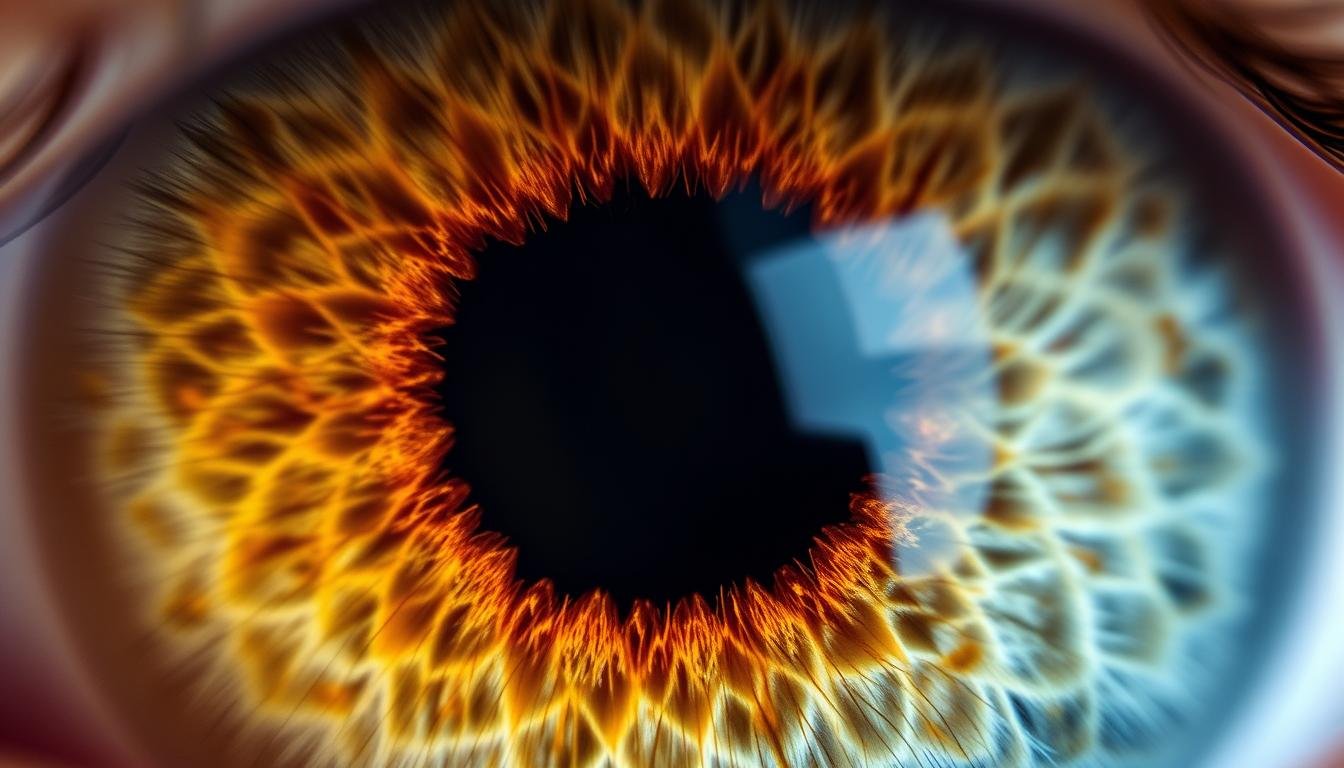
Modelele complicate ale irisului uman pe care iridologii le analizează pentru evaluarea sănătății
The core premise of Iridologie is that the iris serves as a “hartă” a corpului, cu zone diferite corespunzătoare unor organe și sisteme diferite. Conform acestei teorii, atunci când un organ sau un sistem se confruntă cu stres, inflamație sau alte probleme de sănătate, în iris apar modificări corespunzătoare. Aceste modificări pot include pete, linii, decolorări sau modificări structurale pe care un iridolog le interpretează pentru a vă evalua starea de sănătate.
Historical Development of Iridologie
În timp ce unii susținători susțin că formele de examinare a irisului datează din civilizațiile antice din Egipt, China și India, modernul Iridologie așa cum o știm astăzi a început să prindă contur în secolul al XIX-lea.

Ignaz von Peczely, medicul maghiar considerat părintele iridologiei moderne
The foundations of modern Iridologie are often attributed to Ignaz von Peczely, a Hungarian physician in the 1800s. According to popular accounts, as a child, von Peczely noticed a dark streak in the iris of an owl whose leg he had accidentally broken. This observation sparked his curiosity, and he later developed the theory that changes in the iris could reflect injuries or diseases in corresponding parts of the body.
În 1881, von Peczely a publicat prima sa carte pe acest subiect, “Descoperiri în domeniul științelor naturale și medicinei: instrucțiuni în studiul diagnosticului din ochi,” which included the first known iris chart mapping different areas of the iris to various body parts.
Another significant figure in the development of Iridologie was Nils Liljequist, a Swedish homeopath who independently developed similar theories around the same time. Liljequist claimed to have observed changes in his own iris after taking medications like quinine and iodine, which led him to create his own iris charts.
In the United States, Iridologie gained popularity in the 1950s through the work of Bernard Jensen, an American chiropractor who developed his own method of iris analysis and created detailed iris charts that are still used by many practitioners today. Jensen’s work helped popularize Iridologie as part of the broader natural health movement in America.
Știința din spate Iridologie: Mapping Iris Patterns to Organ Systems
Practica de Iridologie is based on the premise that the iris contains a wealth of information about the body’s health. Understanding the methodology and tools used by iridologists provides insight into how this practice is conducted and the scientific principles it claims to follow.
Iris Anatomy and Its Relevance to Iridologie
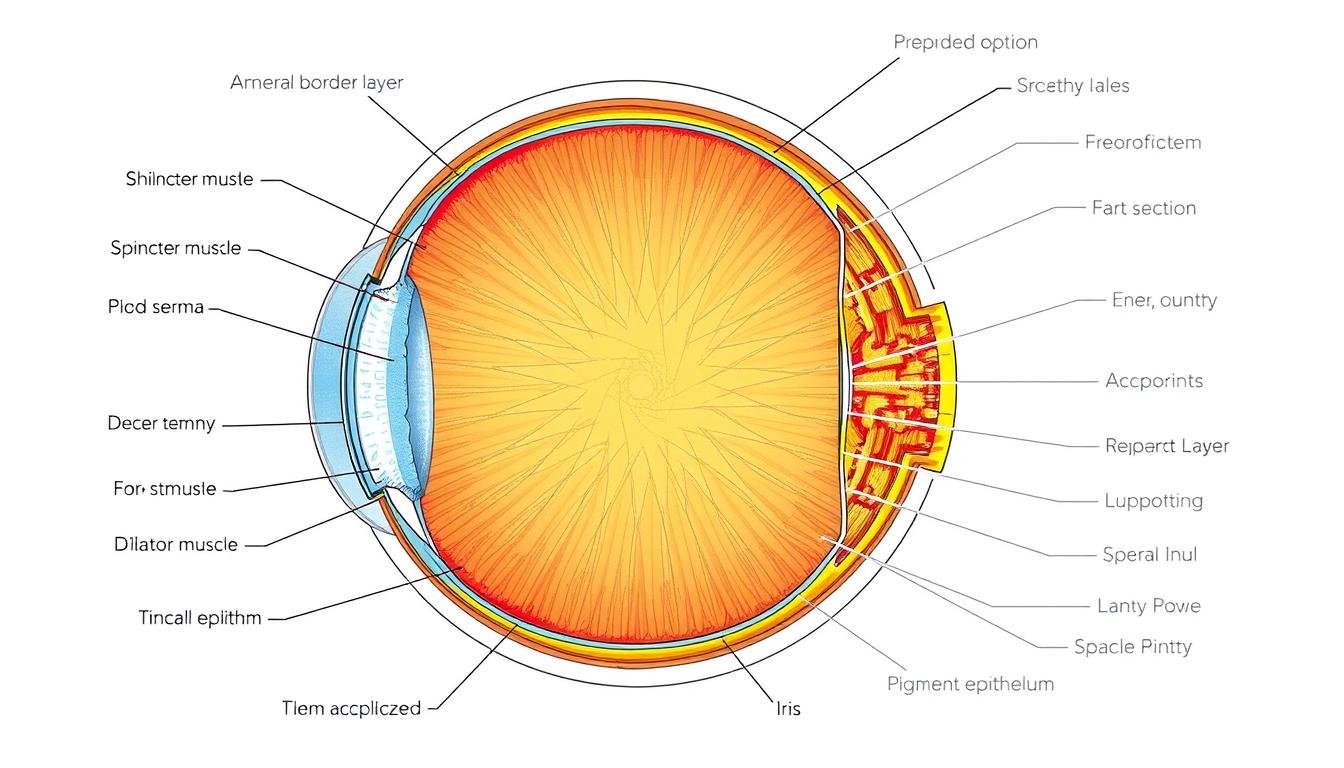
Anatomical structure of the iris showing the various layers examined in iridology
The iris is a complex structure composed of multiple layers and features:
- The anterior border layer (the front surface visible during examination)
- The stroma (connective tissue with blood vessels, nerves, and muscle fibers)
- The sphincter and dilator muscles (controlling pupil size)
- The posterior epithelium (containing pigment that gives the iris its color)
Iridologists believe that the iris’s intricate structure, with its thousands of nerve endings, microscopic blood vessels, and muscle fibers, creates a unique connection to the rest of the body through the nervous system. According to Iridologie theory, this neurological connection allows the iris to reflect changes in distant organs and tissues.
The Iridologie Chart: Mapping the Body
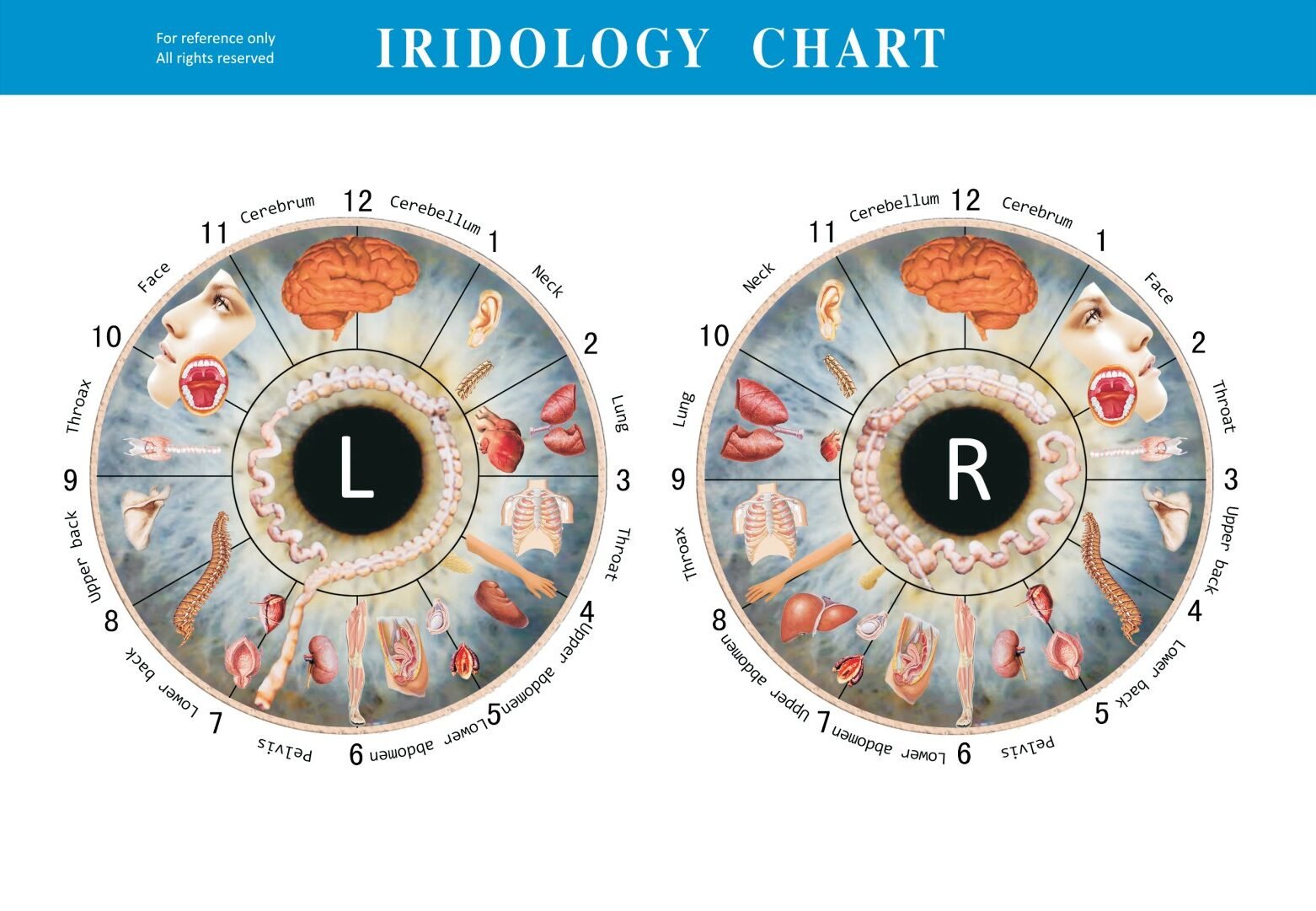
Piatra de temelie a Iridologie practice is the iris chart, which divides the iris into approximately 60 zones, each corresponding to a different part of the human body. These charts typically follow a few key principles:
Structural Organization
- Irisul drept corespunde în general cu partea dreaptă a corpului
- Irisul stâng corespunde în general cu partea stângă a corpului
- Irisul este împărțit în zone concentrice reprezentând diferite sisteme ale corpului
- Diagrama este adesea organizată ca un cadran de ceas, cu organe și sisteme poziționate la anumite puncte “ore”
Interpretation Elements
- Variațiile de culoare și schimbările de pigmentare
- Structural features like fibers, rings, and crypts
- Lesions, spots, and other markings
- Pupil characteristics and reactions
Enhance Your Understanding of Iris Analysis
Download our comprehensive iridology chart and beginner’s guide to start learning how to identify key iris patterns and their potential health correlations.
Descărcați graficul de iridologie gratuit
Instrumente și tehnici de examinare
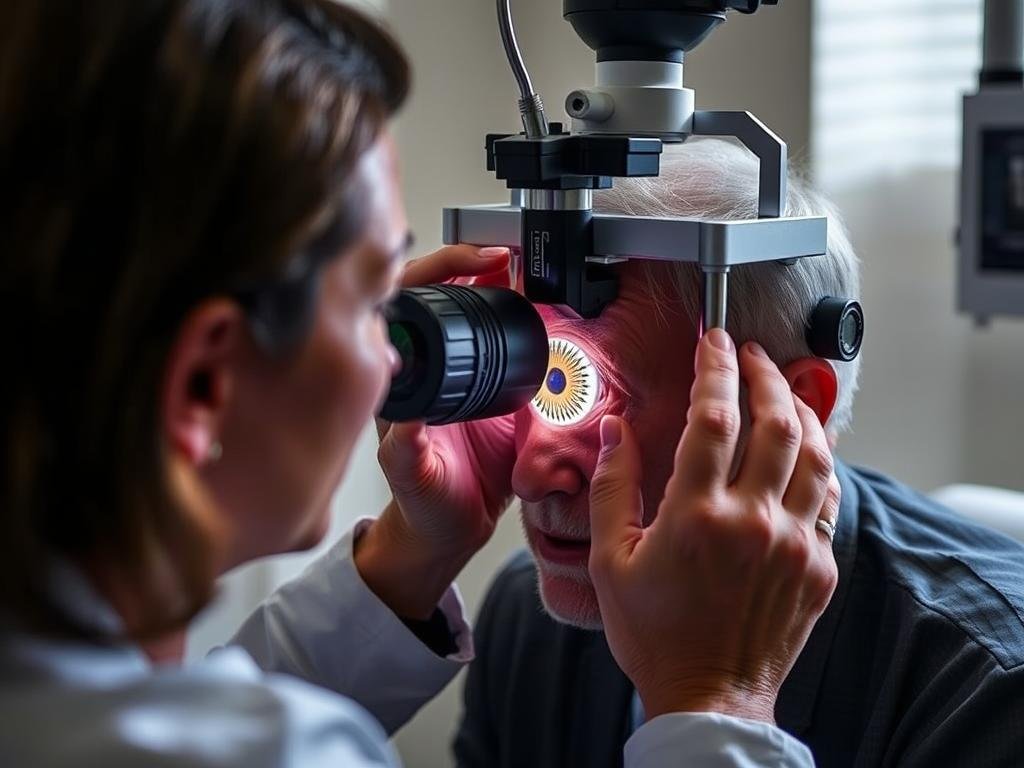
Un iridolog care efectuează o examinare folosind echipament specializat
Iridologii moderni folosesc de obicei mai multe instrumente pentru a-și efectua examinările:
- Penlight sau lanternă pentru a ilumina irisul
- Lupă sau lupă pentru o inspecție mai atentă
- Camere digitale cu obiective macro pentru fotografie detaliată
- Camere specializate cu iris concepute special pentru iridologie
- Software de calculator pentru analiza fotografiilor irisului
During an examination, the iridologist first takes a detailed look at both irises, noting their overall color, structure, and any visible markings. They may take photographs to analyze later or use computer software that helps identify patterns and compare them to established iridology charts.
Condiții de sănătate identificate prin Iridologie
Practicanții de Iridologie claim they can identify a wide range of health conditions and predispositions by examining the iris. While these claims lack scientific validation in conventional medicine, understanding what iridologists believe they can detect helps explain the practice’s appeal to those interested in holistic health approaches.
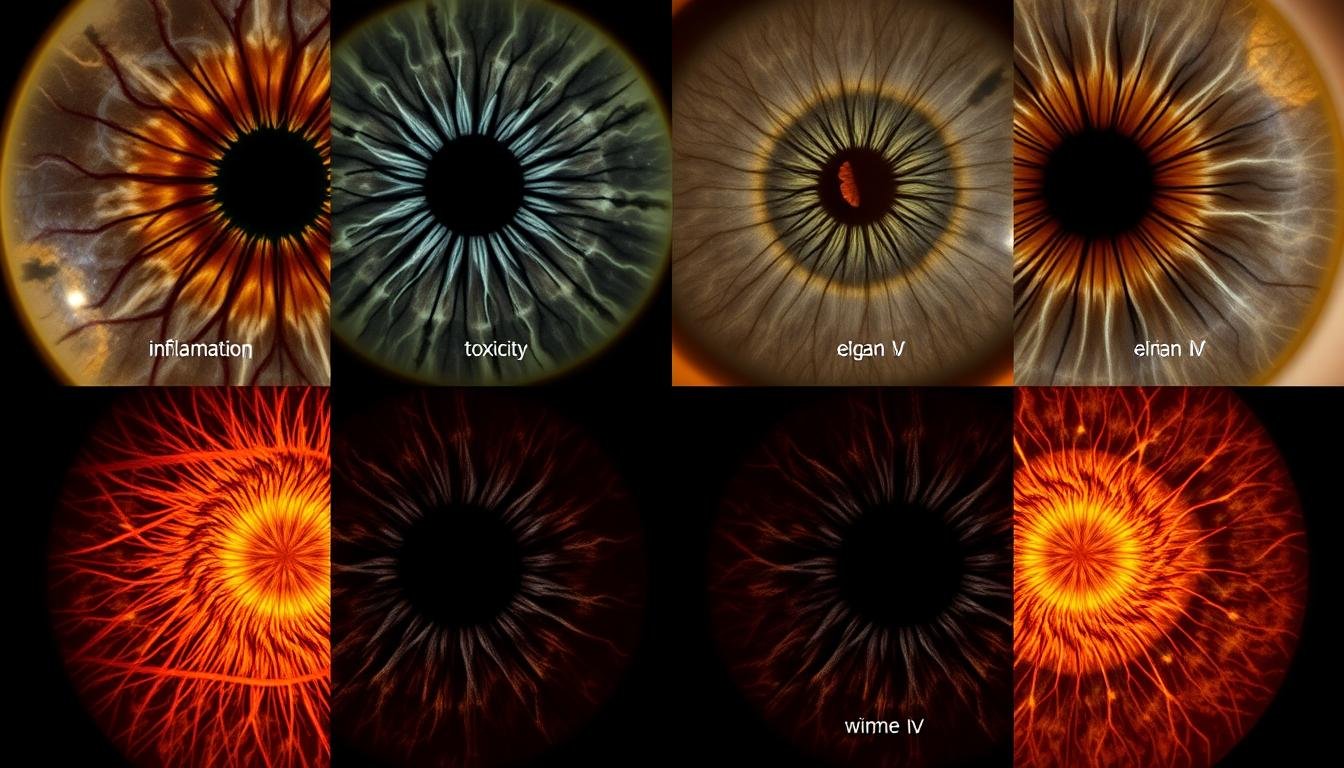
Comparația modelelor irisului care arată ceea ce iridologii interpretează ca indicatori ai stării de sănătate
Common Health Issues Supposedly Revealed Through Iridologie
Funcția de organ
- Disfuncție hepatică
- Stresul la rinichi
- Tulburări digestive
- Slăbiciuni ale inimii
- Afecțiuni pulmonare
Condiții sistemice
- Inflamație în tot corpul
- Acumularea de toxine
- Congestionarea sistemului limfatic
- Probleme circulatorii
- Dezechilibre hormonale
Indicatori generali de sănătate
- Deficiențe nutriționale
- Nivelul de stres și locația
- Predispoziții genetice
- Leziuni sau traume din trecut
- Forța constituțională generală
Iridologii susțin, de asemenea, că pot detecta probleme de sănătate înainte de apariția simptomelor, sugerând că modificările la nivelul irisului preced dezvoltarea simptomelor fizice. Această afirmație de depistare precoce este deosebit de atrăgătoare pentru cei interesați de abordări preventive ale sănătății.
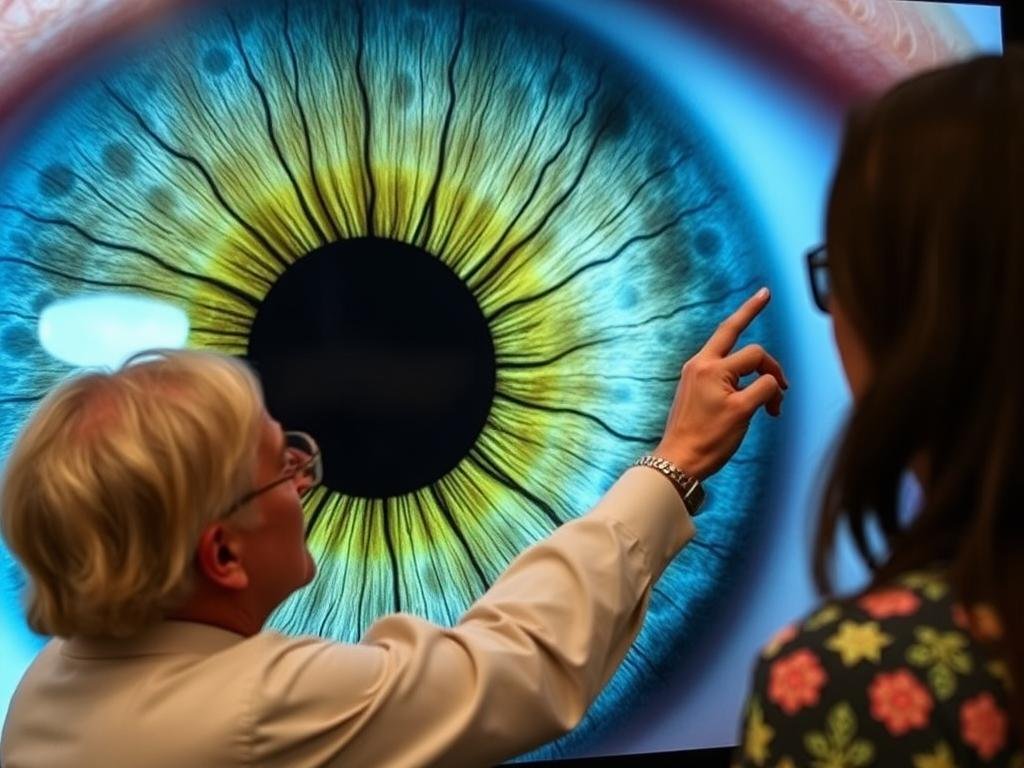
Un iridolog identificând semnele specifice irisului și explicând interpretarea acestora
Este important de reținut că, în timp ce iridologii fac aceste afirmații, capacitatea de a diagnostica anumite condiții de sănătate prin examinarea irisului nu a fost validată de cercetarea științifică, așa cum vom explora în secțiunea următoare.
Discover What Your Iris May Reveal About Your Health
Curious about what your iris patterns might indicate? Schedule a consultation with a certified iridologist for a personalized assessment and health insights.
Find a Certified Iridologist
Criticisms and Controversies Surrounding Iridologie
Despite its long history and continued practice, Iridologie has been subject to scientific scrutiny, with most research failing to support its fundamental claims. Understanding the scientific perspective helps provide a balanced view of this alternative practice.
Cercetări științifice care examinează validitatea afirmațiilor iridologiei
Studii de cercetare și constatările lor
Several controlled studies have investigated the diagnostic accuracy of Iridologie:
- O revizuire sistematică publicată în 1999 în jurnal Cercetare complementară Med a examinat patru studii caz-control și a concluzionat că eficacitatea iridologiei nu a fost susținută de evaluări științifice.
- Un studiu publicat în 2000 în Arhivele Oftalmologiei a constatat că iridologii nu au putut detecta în mod constant boala renală prin examinarea irisului.
- Cercetare publicată în Journal of Alternative and Complementary Medicine nu a reușit să găsească dovezi că iridologii ar putea diagnostica cu exactitate boala vezicii biliare examinând irisul.
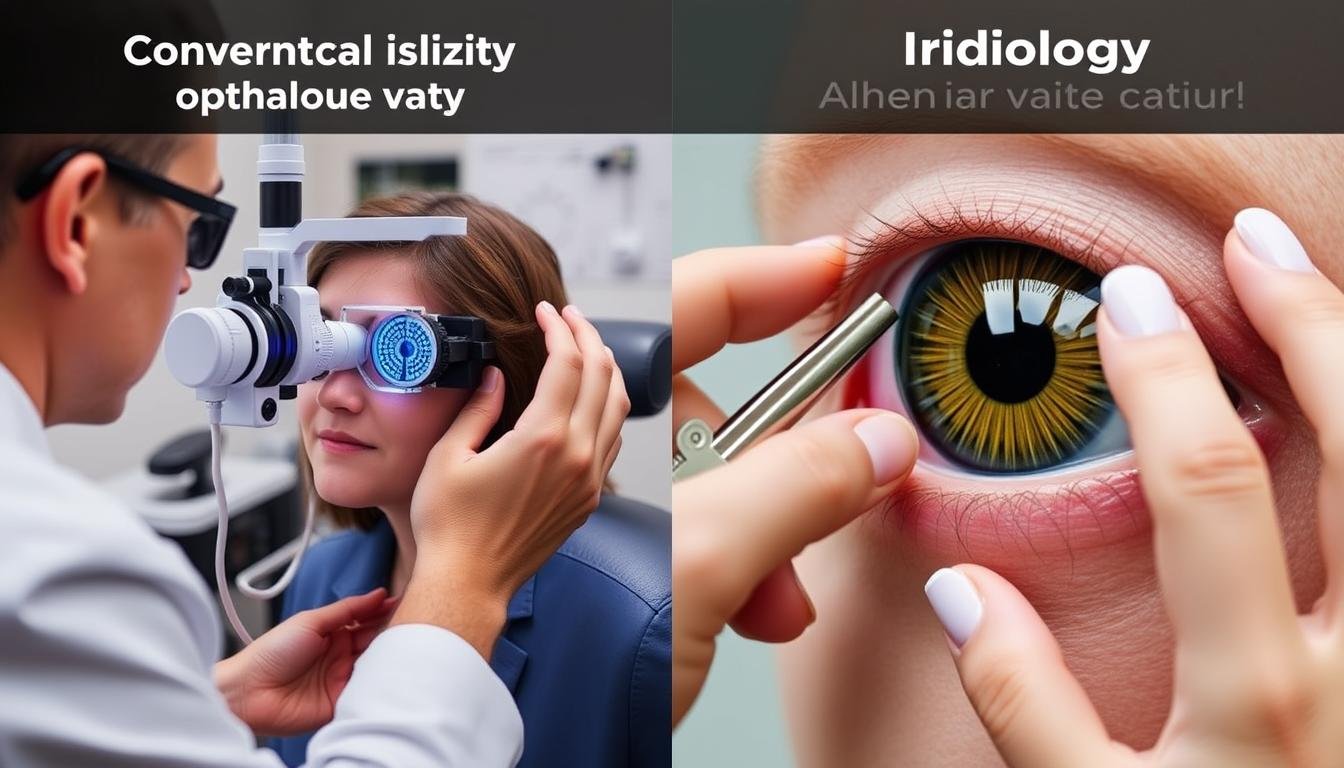
Comparație între examinarea medicală convențională a ochiului și evaluarea iridologiei
Most scientific studies have concluded that Iridologie has shown little to no diagnostic value when tested under controlled conditions. Researchers have consistently found that iridologists cannot reliably identify people with specific diseases by examining their irises.
Perspectiva comunității medicale
The mainstream medical community generally does not support Iridologie as a diagnostic tool for several reasons:
Preocupări științifice despre iridologie
- Lipsa conexiunii anatomice între iris și majoritatea organelor corpului
- Absența unui mecanism fiziologic care să explice modul în care condițiile organelor interne ar afecta aspectul irisului
- Rezultate inconsecvente atunci când mai mulți iridologi examinează același pacient
- Eșecul de a demonstra acuratețea diagnosticului în studiile controlate
- Structura irisului este determinată în mare măsură de genetică și rămâne relativ stabilă pe tot parcursul vieții
Medical professionals express concern that reliance on Iridologie for diagnosis could potentially lead to delayed treatment of serious conditions if patients forego conventional medical diagnosis in favor of iridology readings.
While the scientific consensus does not support Iridologie as a diagnostic method, some researchers suggest that further studies with improved methodology could be valuable to fully evaluate any potential correlations between iris features and health conditions.
Aplicații moderne ale Iridologie in Holistic Health
Despite the lack of scientific validation, Iridologie continues to be practiced in various parts of the world, particularly within holistic and alternative health communities. Understanding its contemporary applications provides insight into why some people still seek out this practice.

Practică modernă de iridologie într-un cadru de sănătate holistic contemporan
Integrarea cu practicile holistice de sănătate
In today’s wellness landscape, Iridologie is often integrated with other alternative and complementary health approaches:
- Ca parte a evaluărilor naturiste pentru a ghida recomandările de tratament
- În combinație cu consilierea nutrițională pentru a sugera modificări ale dietei
- Alături de medicina pe bază de plante pentru a informa prescripțiile pe bază de plante
- În cadrul evaluărilor holistice de sănătate care includ mai multe metode de evaluare
- Ca instrument complementar în unele practici de medicină integrativă
Practitioners who use Iridologie today often view it as one tool among many for assessing overall health patterns rather than as a definitive diagnostic method for specific diseases.
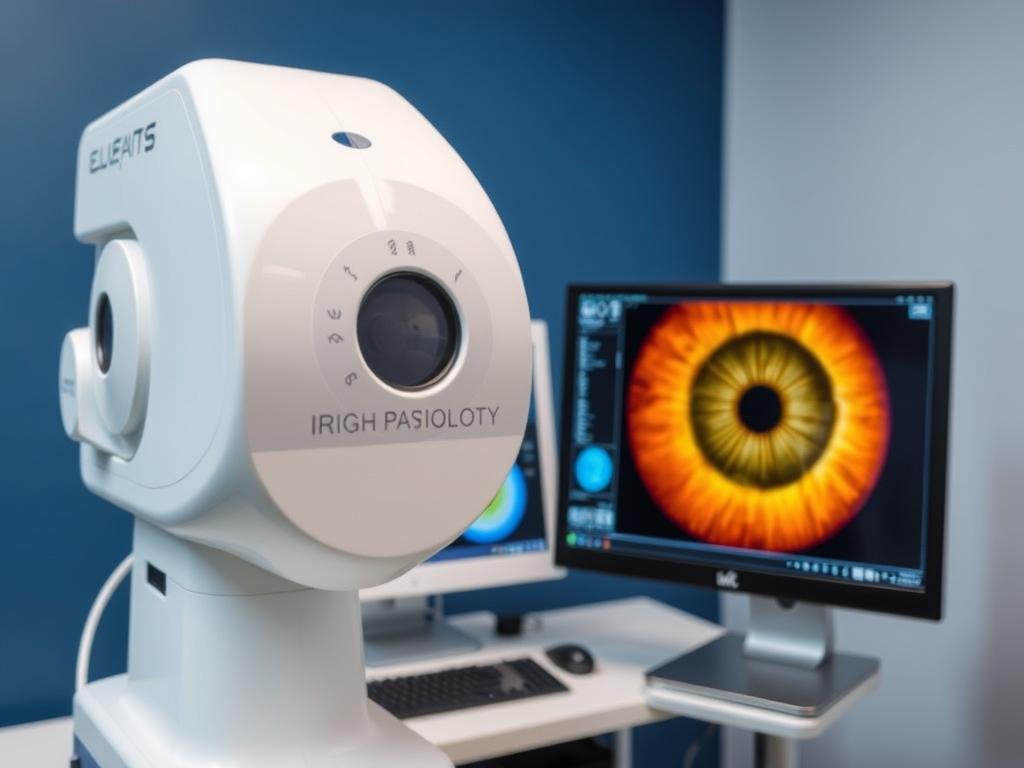
Tehnologia digitală modernă utilizată în practica iridologiei contemporane
Progrese tehnologice
Technology has influenced how Iridologie is practiced in the 21st century:
- Camerele digitale de înaltă rezoluție captează imagini detaliate ale irisului
- Programele software specializate analizează modelele irisului și marcajele
- Platformele online oferă consultații de iridologie la distanță
- Aplicațiile mobile permit analiza preliminară a irisului
Aceste progrese tehnologice au făcut Iridologie more accessible but haven’t necessarily increased its diagnostic accuracy according to scientific standards.
Enhance Your Holistic Health Practice
For health practitioners interested in adding iridology to their skill set, our comprehensive certification program provides the training and tools you need.
Explore Certification Programs
Studii de caz: Iridologie în practică
While scientific validation remains limited, proponents of Iridologie often cite case studies to demonstrate its potential value in health assessment. These examples provide insight into how practitioners apply iridology principles in real-world scenarios.
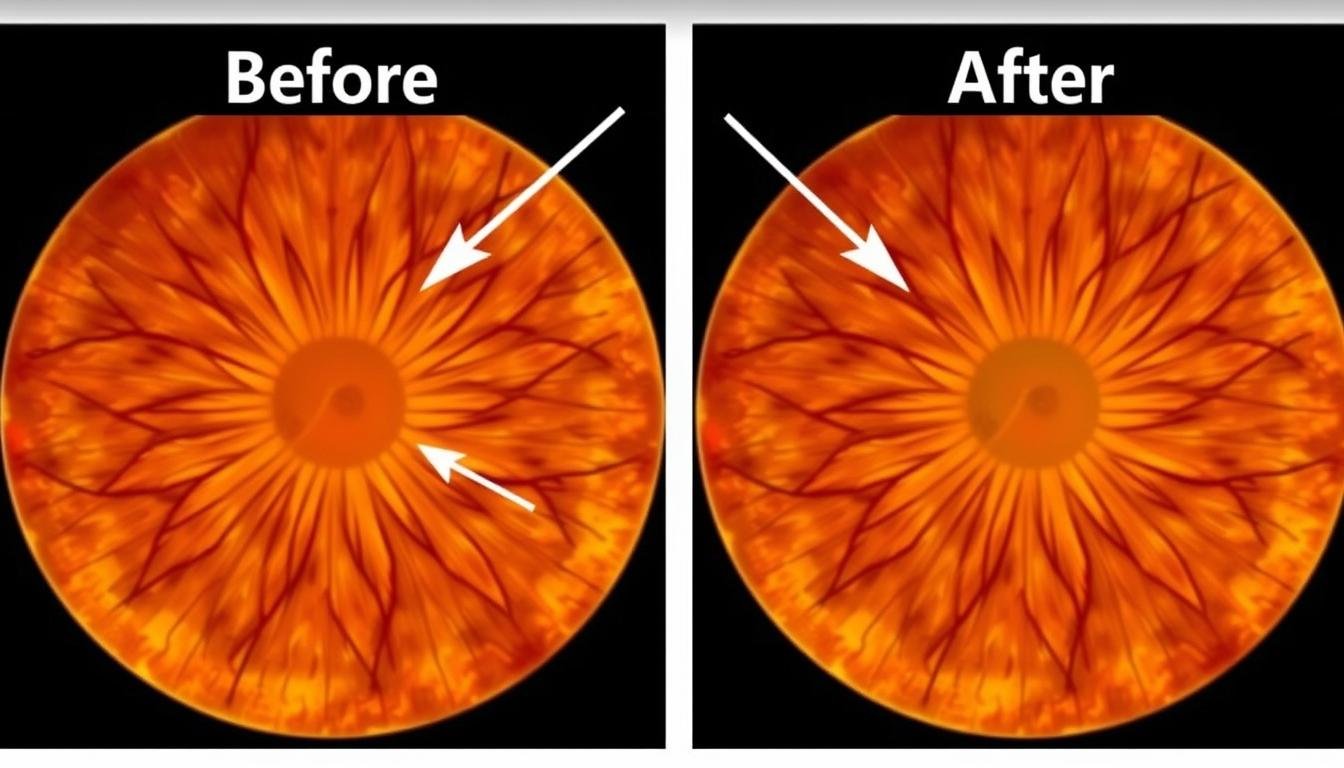
Before and after iris images showing changes following health interventions according to iridology practitioners
Studiul de caz 1: Evaluarea sistemului digestiv
A 42-year-old woman consulted an iridologist after experiencing chronic digestive issues that conventional testing had not fully explained. The iridologist noted specific markings in the digestive zone of her iris that suggested inflammation and potential food sensitivities. Based on these observations, the practitioner recommended an elimination diet and specific herbal supplements.
The client reported improvement in her symptoms after following the recommendations for three months. While this outcome cannot definitively be attributed to the accuracy of the iridology assessment, it represents the type of anecdotal evidence often cited by practitioners.
Case Study 2: Early Detection Claims

Iris photograph with markings indicating potential health concerns according to iridology interpretation
A 55-year-old man underwent routine iridology screening as part of a holistic health check. The iridologist identified markings in the area corresponding to the cardiovascular system and suggested the client might be experiencing early cardiovascular stress, despite having no symptoms. The client followed up with conventional medical testing, which revealed moderately elevated blood pressure and cholesterol levels that had not been previously diagnosed.
While conventional screening would likely have detected these issues eventually, proponents suggest this case demonstrates how Iridologie might complement traditional healthcare by encouraging preventive testing.
It’s important to note that these case studies represent anecdotal evidence rather than controlled scientific research. The positive outcomes could be attributed to various factors, including the placebo effect, lifestyle changes recommended alongside the iridology assessment, or coincidental timing.
Întrebări frecvente despre Iridologie
Is iridology the same as a regular eye exam?
Nu, Iridologie is fundamentally different from a conventional eye examination. A regular eye exam performed by an optometrist or ophthalmologist focuses on assessing vision and detecting eye diseases such as glaucoma, cataracts, or macular degeneration. These professionals use standardized, scientifically validated methods to evaluate eye health and vision.
Iridologie, in contrast, involves examining the iris to allegedly determine the health status of other body organs and systems—not to diagnose eye conditions themselves. While a conventional eye exam has proven diagnostic value and is an essential part of healthcare, Iridologie lacks scientific validation for its claims about diagnosing non-ocular health conditions.
Can iridology detect serious diseases like cancer?
There is no scientific evidence supporting the claim that Iridologie can detect cancer or other serious diseases. Multiple controlled studies have failed to demonstrate that iridologists can reliably identify specific diseases through iris examination.
For serious conditions like cancer, it’s crucial to rely on evidence-based medical diagnostic methods such as imaging studies, biopsies, blood tests, and physical examinations performed by qualified healthcare professionals. Delaying conventional medical diagnosis and treatment while relying on Iridologie could potentially lead to worse health outcomes for serious conditions.
What qualifications do iridologists typically have?
The qualifications of iridologists vary widely as there is no standardized, universally recognized certification or licensing specifically for Iridologie in most countries. Some practitioners may have completed courses or certification programs in Iridologie offered by various schools or organizations dedicated to alternative medicine. These programs can range from brief weekend courses to more extensive training programs.
Some iridologists may also be licensed healthcare practitioners such as naturopathic doctors, chiropractors, or acupuncturists who have added Iridologie to their practice. Others may have no formal healthcare training at all. When considering consulting an iridologist, it’s advisable to inquire about their specific training, approach, and whether they recommend Iridologie as a complement to, rather than a replacement for, conventional medical care.
How much does an iridology consultation typically cost?
The cost of an Iridologie consultation varies widely depending on the practitioner’s experience, location, and whether the session includes additional services such as nutritional counseling or supplement recommendations. Generally, prices range from to 0 for an initial consultation, which typically lasts 30-90 minutes.
Follow-up sessions are usually less expensive, ranging from to 0. Some practitioners may offer package deals that include the initial consultation, follow-up visits, and personalized health plans. It’s important to note that Iridologie consultations are rarely covered by health insurance, so these costs are typically out-of-pocket expenses.

A balanced approach to health combines conventional care with holistic awareness
Concluzie: Locul de Iridologie in Modern Health Practices
Iridologie presents an intriguing concept—that the iris might serve as a window into our overall health. While the practice has a long history and continues to attract interest, particularly in holistic health communities, it’s important to approach it with an informed perspective.
The scientific evidence does not currently support Iridologie as a reliable diagnostic method. Multiple controlled studies have failed to demonstrate that iridologists can consistently identify specific health conditions through iris examination. The medical community generally views Iridologie as lacking scientific foundation and potentially problematic if it leads people to delay seeking conventional medical care for serious conditions.
However, for those interested in holistic approaches to health, Iridologie might be viewed as one of many tools for general health assessment rather than as a definitive diagnostic technique. Some find value in the holistic perspective it offers, even if specific diagnostic claims remain unproven.
If you’re curious about Iridologie, consider these balanced recommendations:
- Abordare Iridologie as a complementary tool rather than a replacement for conventional medical diagnosis
- Păstrați controale regulate cu furnizorii de asistență medicală calificați
- Fii sceptic cu privire la diagnosticele definitive de sănătate făcute exclusiv prin examinarea irisului
- Cercetați calificările și abordarea oricărui practician în iridologie pe care considerați să îl consultați
- Consider the potential value of the holistic health conversation that might arise from an iridology session, even if specific diagnostic claims are viewed critically
Ultimately, your health deserves a comprehensive approach that considers evidence-based practices while remaining open to the potential insights that various perspectives might offer. The eyes are indeed remarkable organs—worthy of care, protection, and perhaps even a bit of wonder—regardless of one’s view on Iridologie.
Explorați mai departe iridologia
Whether you’re a healthcare professional looking to expand your knowledge or an individual interested in holistic health approaches, we offer resources to deepen your understanding of iridology.