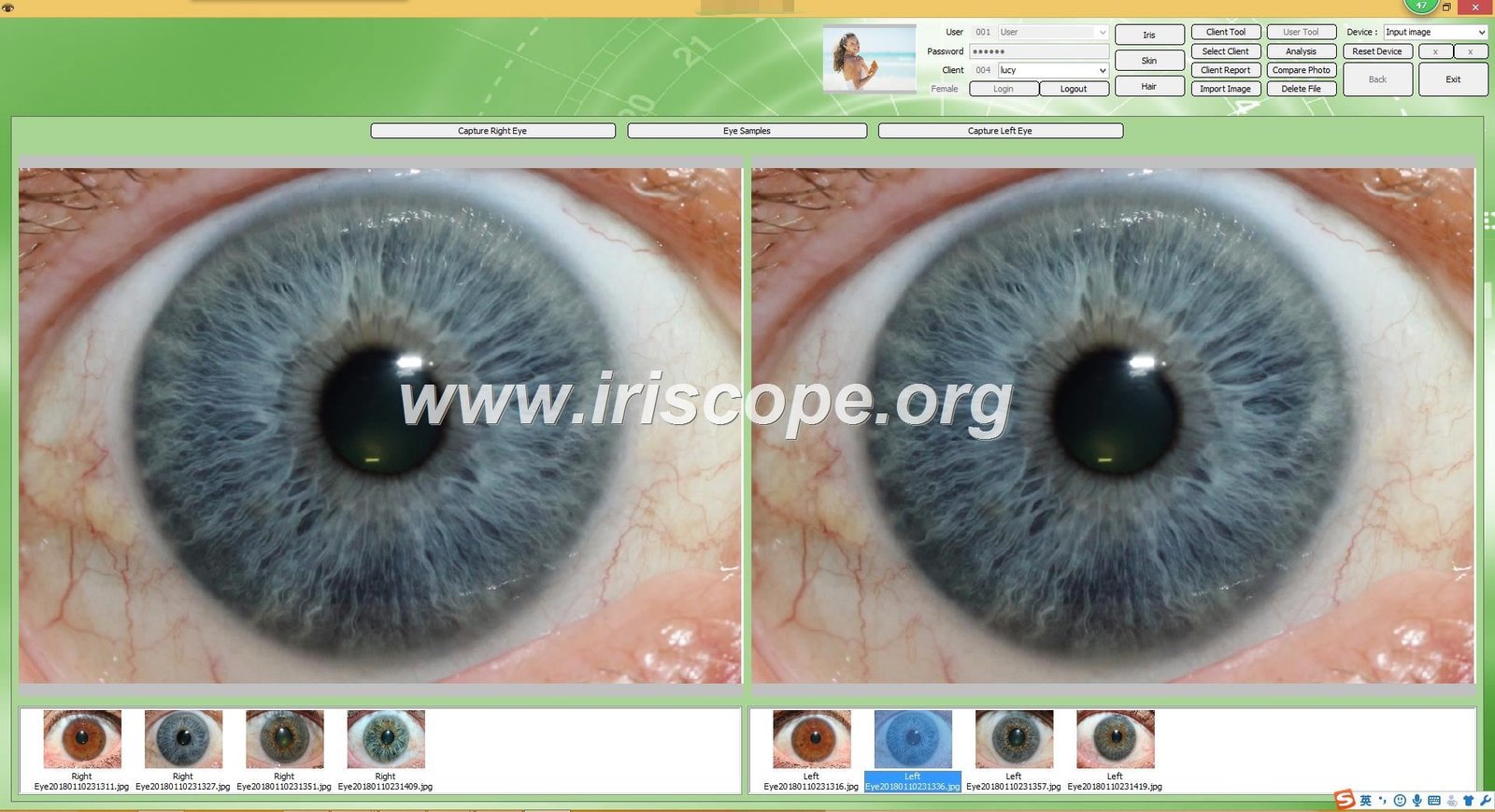
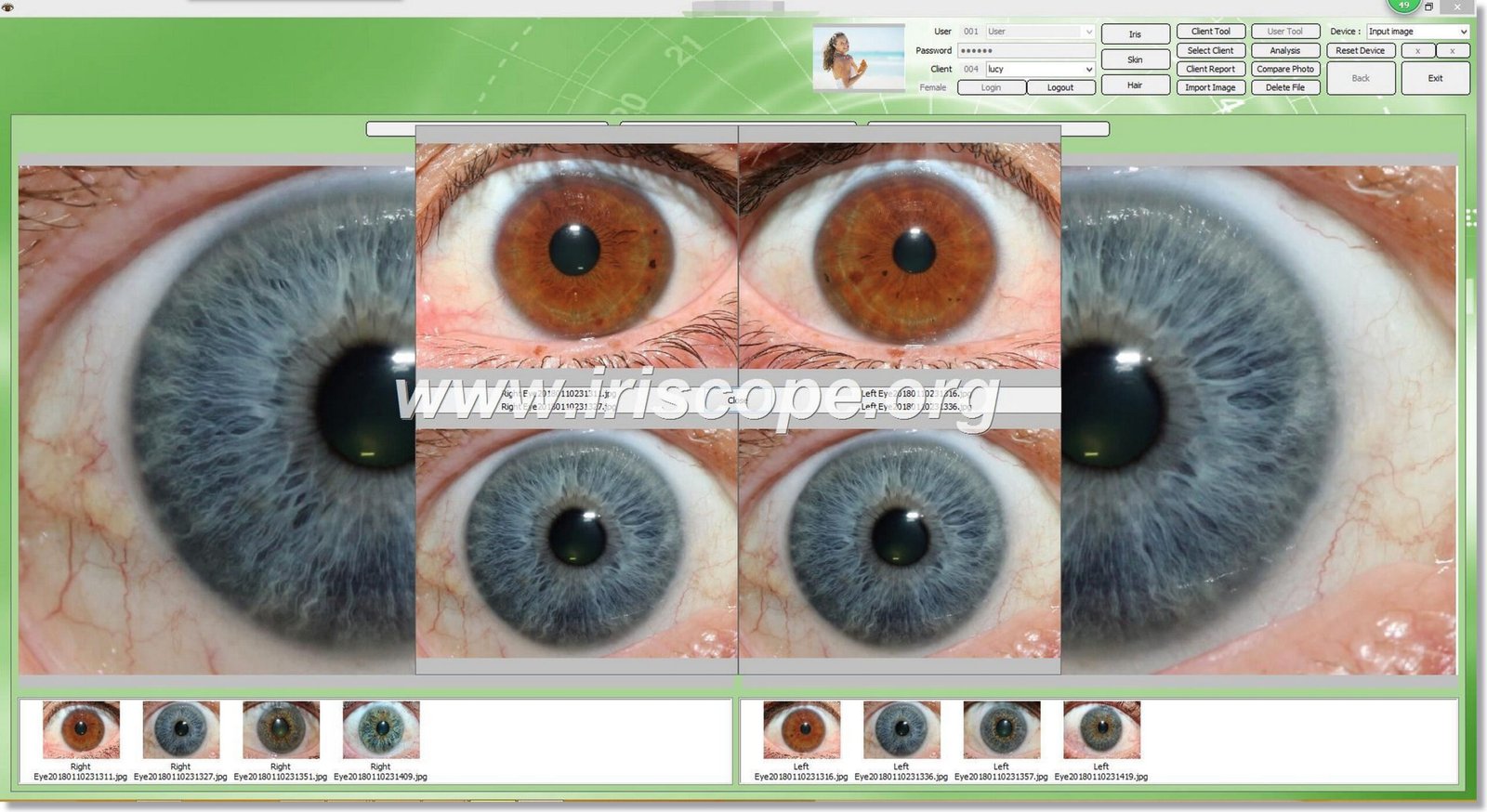
Bienvenido a la guía completa de MAIKONG para conceptos básicos de iridología. La iridología es el fascinante estudio de los patrones y estructuras del iris en relación con las condiciones de salud del cuerpo. Esta antigua práctica ha evolucionado hasta convertirse en un método moderno de evaluación de la salud complementaria utilizado por profesionales de todo el mundo. Como fabricante líder con más de 20 años de experiencia en equipos de iridología, nos complace compartir nuestro conocimiento sobre esta práctica reveladora. Ya sea que sea un profesional de la salud que busca ampliar su conjunto de herramientas de diagnóstico, un estudiante que comienza su viaje hacia la salud natural o simplemente tiene curiosidad sobre lo que sus ojos pueden revelar sobre su bienestar, esta guía le brindará una base sólida en los conceptos básicos de la iridología.
¿Qué son los conceptos básicos de la iridología? Una introducción

Una fotografía detallada del iris que muestra varias marcas estudiadas en los conceptos básicos de iridología.
Los conceptos básicos de la iridología comienzan con la comprensión de que el iris (la parte coloreada del ojo) contiene miles de terminaciones nerviosas conectadas a varias partes del cuerpo a través del cerebro y el sistema nervioso. Según la teoría de la iridología, estas conexiones crean un mapa detallado que refleja el estado de los órganos y sistemas de todo el cuerpo.
La iridología se basa en el estudio científico del iris. Como marcas en un mapa, el iris revela condiciones fisiológicas, riesgos para la salud psicológica, desafíos y fortalezas de varios órganos y rasgos de personalidad. A través de los conceptos básicos de la iridología, los profesionales pretenden comprender las condiciones de salud pasadas, presentes y potenciales futuras mediante la evaluación de varios sistemas corporales.
Los iridólogos modernos utilizan especializados. cámaras de iridología o iroscopios para capturar imágenes de alta resolución del iris. Estas herramientas permiten un examen detallado de las estructuras del iris que podrían no ser visibles a simple vista. Luego las imágenes se analizan utilizando gráficos de iridología que asignan diferentes áreas del iris a las partes y sistemas correspondientes del cuerpo.
Explore el equipo de iridología profesional MAIKONG
Con más de 20 años de R&D y experiencia en fabricación, MAIKONG ofrece cámaras y software de iridología de última generación para profesionales y entusiastas.
Vea nuestras cámaras de iridología
Los fundamentos históricos de los conceptos básicos de la iridología
La práctica de examinar el iris en busca de conocimientos sobre la salud se remonta a siglos atrás, y el estudio formal de los conceptos básicos de la iridología comenzó a finales del siglo XVII. Comprender esta rica historia ayuda a apreciar cómo la práctica ha evolucionado hasta su forma moderna.
Orígenes tempranos
Las primeras observaciones registradas sobre las conexiones entre el iris y la salud provienen de civilizaciones antiguas. Sin embargo, el estudio sistemático de los conceptos básicos de la iridología a menudo se atribuye a Philippus Meyens, quien publicó “Quiromática médica” en 1670, describiendo la conexión entre las marcas del iris y los órganos del cuerpo.
La práctica cobró un impulso significativo en el siglo XIX cuando el médico húngaro Ignaz von Peczely publicó sus observaciones sobre los patrones del iris y su correlación con las condiciones de salud. Cuando era niño, von Peczely notó cambios en el iris de un búho después de que el pájaro sufriera una fractura en una pata, lo que provocó su estudio de toda la vida sobre las conexiones entre el iris y el cuerpo.
Desarrollo moderno
En el siglo XX, Dr. Bernard Jensen avanzó significativamente los conceptos básicos de iridología en los Estados Unidos, desarrolló gráficos integrales del iris y capacitó a muchos profesionales. Su trabajo ayudó a estandarizar las prácticas de iridología y aportó un mayor reconocimiento al campo.
Hoy en día, la tecnología moderna ha revolucionado la práctica de la iridología. digitales de alta definición cámaras de iridología y análisis sofisticado software han hecho que el examen del iris sea más preciso y accesible que nunca, permitiendo un estudio más detallado de los conceptos básicos de la iridología.

Cronología que muestra la evolución de los conceptos básicos de la iridología a lo largo de la historia.
Principios básicos de los conceptos básicos de la iridología
Comprender los principios fundamentales que forman la base de los conceptos básicos de la iridología es esencial para cualquier persona interesada en esta práctica. Estos principios explican cómo y por qué funciona la iridología como herramienta de evaluación de la salud.

Los cuatro pilares de los conceptos básicos de la iridología
Los cuatro principios que forman las piedras angulares de los conceptos básicos de la iridología son:
- La condición de los nervios
- La condición del sistema de sangre y linfa
- Circulación adecuada
- Nutrición, calidad del descanso, respiración y estado de ánimo.
Los defensores de los conceptos básicos de la iridología aprecian su naturaleza no invasiva, que contrasta con muchos procedimientos de diagnóstico convencionales que pueden resultar costosos, consumir mucho tiempo y, en ocasiones, incómodos. Sin embargo, es importante tener en cuenta que la iridología suele utilizarse como una herramienta de evaluación complementaria y no como un reemplazo del diagnóstico médico convencional.
“El ojo es la ventana a la salud del cuerpo y revela patrones y signos que nos ayudan a comprender a la persona en su totalidad, no solo a los síntomas aislados.”
– Principio de evaluación holística en iridología.
Y MAIKONG, nuestro cámaras de iridología y software están diseñados con estos principios en mente, brindando a los profesionales las herramientas que necesitan para aplicar los conceptos básicos de la iridología de manera efectiva en su práctica.
Zonas del iris y mapeo: conceptos básicos esenciales de iridología
Un aspecto fundamental de los conceptos básicos de la iridología es comprender cómo se asigna el iris para corresponder con diferentes órganos y sistemas corporales. Estos mapas sirven como guías de referencia para los profesionales a la hora de analizar los patrones del iris y sus significados.
Zonas principales en conceptos básicos de iridología
Zona pupilar (anillo interior)
La zona más cercana a la pupila corresponde al sistema digestivo y órganos internos. Los cambios en esta zona pueden indicar condiciones relacionadas con el estómago, los intestinos y las funciones digestivas básicas.
Zona Ciliar (Anillo Medio)
Esta sección central representa los sistemas metabólicos, incluidos los sistemas respiratorio, circulatorio, muscular y esquelético. La mayoría de las condiciones de salud crónicas se reflejan en esta área.
Corona de nervio autónomo
Esto aparece como un límite irregular o festoneado entre las zonas pupilar y ciliar. Representa el sistema nervioso autónomo y la pared intestinal. Su integridad puede indicar la salud del sistema nervioso.
Zona periférica (anillo exterior)
La zona más externa del iris corresponde a la piel, el sistema linfático y las extremidades. Los signos en esta región a menudo se relacionan con los procesos de eliminación del cuerpo y las estructuras externas.
Además, el iris se divide en sectores en forma de reloj, y cada sección corresponde a órganos o partes del cuerpo específicos. Por ejemplo, el hígado suele aparecer entre las 7 y las 8 en punto ojo derecho, mientras que el corazón está representado entre las 2 y las 3 horas en el ojo izquierdo.
¿Sabías? Makong's software de iridología incluye mapas de iris detallados tanto para el bien y izquierda ojos, lo que facilita a los profesionales la aplicación de los conceptos básicos de la iridología en su práctica.
Marcas comunes del iris en conceptos básicos de iridología
Aprender a reconocer e interpretar las marcas comunes del iris es una parte crucial de los conceptos básicos de la iridología. Estas marcas pueden aparecer como manchas, líneas, decoloraciones o variaciones estructurales dentro del iris, cada una con su propio significado en el análisis iridológico.

Varias marcas del iris comúnmente analizadas en los conceptos básicos de iridología
Marcas estructurales
Lagunas
Aparecen como áreas ovaladas o en forma de rombo con escasas fibras. Las diferentes formas de lagunas indican diversas condiciones:
- Lagunas cerradas: Áreas encapsuladas que sugieren condiciones crónicas.
- Lagunas abiertas: Áreas que aún experimentan actividad metabólica.
- Laguna de torpedos: Asociado con tumores glandulares.
Radio solar
Estas líneas en forma de radios se irradian desde la pupila o la corona nerviosa autónoma hacia el iris externo. Se parecen a los radios de una bicicleta y pueden indicar condiciones tóxicas en los órganos correspondientes.
Anillos y marcas circulares
Anillos nerviosos (anillos de estrés)
Aparecen como anillos circulares concéntricos o depresiones en el estroma del iris. Indican tensión nerviosa y niveles de ansiedad. Más información sobre anillos de estrés en los ojos.
Anillo de colesterol (anillo de sodio)
Un anillo blanco opaco que aparece alrededor del borde exterior del iris. Sugiere desequilibrios químicos relacionados con el exceso de sodio y posibles problemas de colesterol.
Marcas de color y pigmentos
Manchas de pigmento
Estas manchas de colores aparecen en varias ubicaciones del iris y se pueden clasificar por color:
- Manchas psóricas: Decoloraciones de color marrón rojizo que indican depósitos de toxinas.
- Manchas de melanina: Pigmentos marrones o negros que sugieren tendencias degenerativas.
- Techo: Pigmentos rojizos relacionados con afecciones del hígado y páncreas.
Rosario linfático
Una serie de puntos blancos que forman un patrón de anillo en el iris, lo que indica congestión del sistema linfático.
Indicadores de pupila en conceptos básicos de iridología.
Indicadores de alumnos
El propio alumno proporciona información valiosa en el análisis de iridología:
- Pupila agrandada: Puede indicar fatiga suprarrenal o efectos de medicamentos.
- Pupila pequeña: A menudo sugiere estrés interno o influencia de medicamentos.
- Pupila irregular: Puede indicar problemas de columna o de espalda.
- Borde de la pupila aplanado: Puede estar relacionado con problemas específicos de la columna vertebral.
Aplicación práctica de los conceptos básicos de iridología
La aplicación de los conceptos básicos de la iridología en la práctica implica varios pasos clave, desde la captura adecuada de imágenes hasta el análisis y la interpretación. Esta sección cubre los aspectos prácticos de la realización de una evaluación iridológica.
Equipos para conceptos básicos de iridología
Equipo esencial
- cámara de iridología: Una cámara especializada con capacidades macro para capturar imágenes detalladas del iris.
- Iriscopio: Un dispositivo integrado que combina cámara e iluminación para obtener imágenes óptimas del iris
- Software de iridología: Programas que ayudan a analizar imágenes del iris y aplicar gráficos de iridología.
- Cartas de iridología: Mapas de referencia que muestran la correspondencia entre las zonas del iris y los sistemas del cuerpo.
Técnica de captura de imágenes
La captura de imágenes adecuada es crucial para una aplicación precisa de los conceptos básicos de la iridología:
- Coloque al sujeto en un ambiente cómodo y bien iluminado.
- Asegúrese de tener una iluminación adecuada para evitar la constricción de la pupila o el deslumbramiento.
- Capture ambos ojos por separado para un análisis completo
- Tome varias imágenes para garantizar la claridad y el detalle.
- Almacene imágenes correctamente para compararlas a lo largo del tiempo.
Proceso de análisis en conceptos básicos de iridología
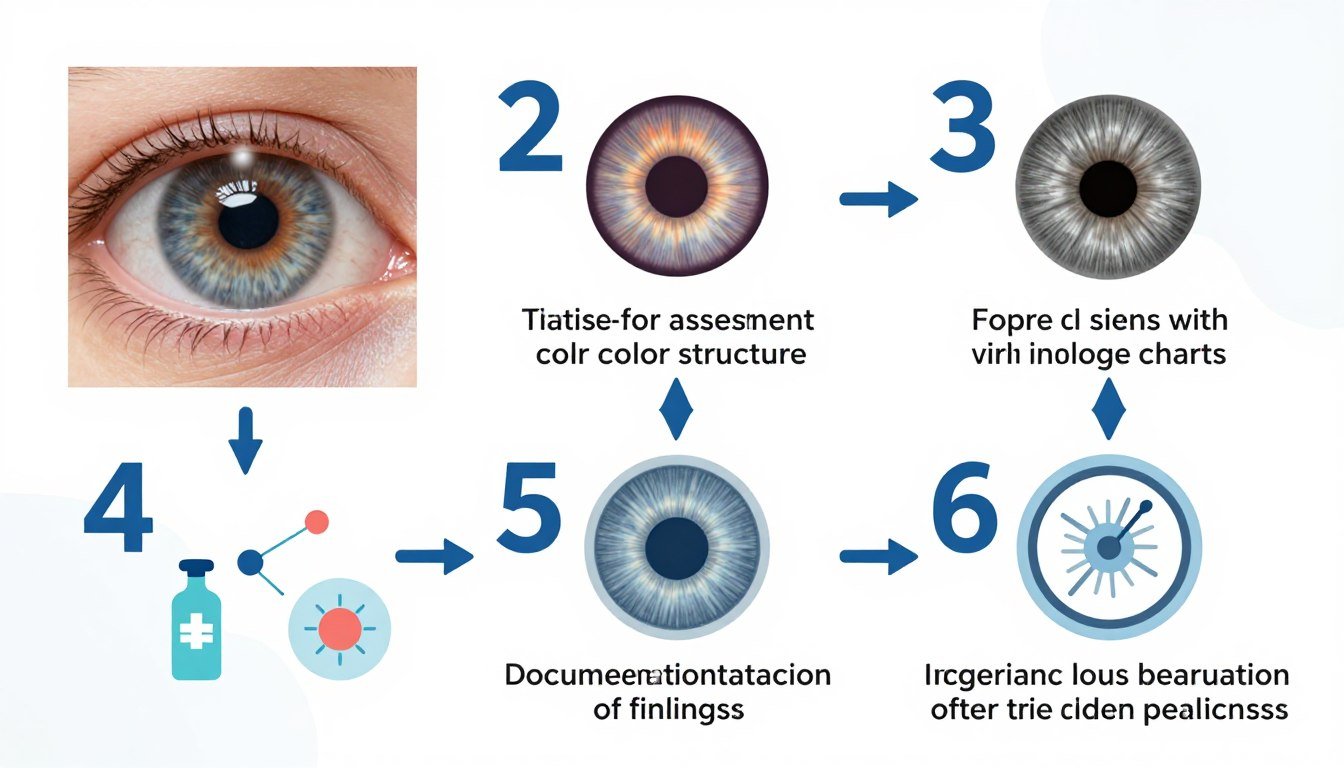
Proceso de análisis iridológico paso a paso
Un enfoque sistemático para el análisis del iris incluye:
- Evaluación inicial: Observe el color, la estructura y la integridad general del iris.
- Examen de zona: Analizar sistemáticamente cada zona del iris (pupilar, ciliar, periférica)
- Identificación de marcado: Identificar marcas específicas (lagunas, pigmentos, anillos, etc.)
- Comparación de gráficos: Comparar los resultados con el estándar gráficos de iridología
- Documentación: Registre las observaciones para futuras referencias y comparaciones.
- Interpretación: Desarrollar una comprensión holística de los hallazgos.
Consejo profesional: Makong's software de iridología incluye funciones de análisis automatizado que ayudan a los profesionales a aplicar los conceptos básicos de la iridología de manera más eficiente, con herramientas para marcar la identificación y la superposición de gráficos.
Beneficios y limitaciones de los conceptos básicos de iridología
Comprender tanto los beneficios potenciales como las limitaciones de los conceptos básicos de la iridología es esencial para tener una perspectiva equilibrada de esta práctica. Este conocimiento ayuda a los profesionales y clientes a mantener expectativas realistas sobre lo que la iridología puede y no puede ofrecer.
Beneficios de la iridología
- Evaluación no invasiva: Sólo requiere fotografías del iris sin molestias físicas.
- Enfoque preventivo: Puede identificar tendencias antes de que se desarrollen los síntomas.
- Perspectiva holística: Considera la interconexión de los sistemas corporales.
- Fundamento histórico: Basado en siglos de práctica de observación.
- Herramienta complementaria: Puede funcionar junto con enfoques médicos convencionales.
Limitaciones a considerar
- Validación científica limitada: Pocos estudios controlados respaldan las afirmaciones diagnósticas
- Variaciones interpretativas: Diferentes profesionales pueden llegar a diferentes conclusiones.
- No es un reemplazo: Debe complementar, no reemplazar, la atención médica convencional.
- Factores genéticos: Muchas características del iris se heredan en lugar de desarrollarse.
- Desafíos de estandarización: Variación en los estándares de capacitación y certificación.
La comunidad científica generalmente ve la iridología con distintos grados de aceptación. Si bien algunos estudios han cuestionado su precisión diagnóstica, muchos profesionales consideran valioso utilizar los conceptos básicos de la iridología como un componente de una evaluación de salud integral, junto con otros métodos como la historia clínica, el examen físico y las pruebas de laboratorio cuando sea apropiado.

Evaluación iridológica profesional con equipos MAIKONG
“La iridología se entiende mejor como una evaluación de las tendencias constitucionales y el terreno corporal que como una herramienta de diagnóstico para enfermedades específicas.”
– Perspectiva moderna de la práctica de la iridología.
Introducción a los conceptos básicos de la iridología
Para aquellos interesados en explorar los conceptos básicos de la iridología, ya sea como practicante o por conocimiento personal, existen varios caminos para comenzar su viaje. Esta sección proporciona orientación sobre las necesidades de educación, certificación y equipos.
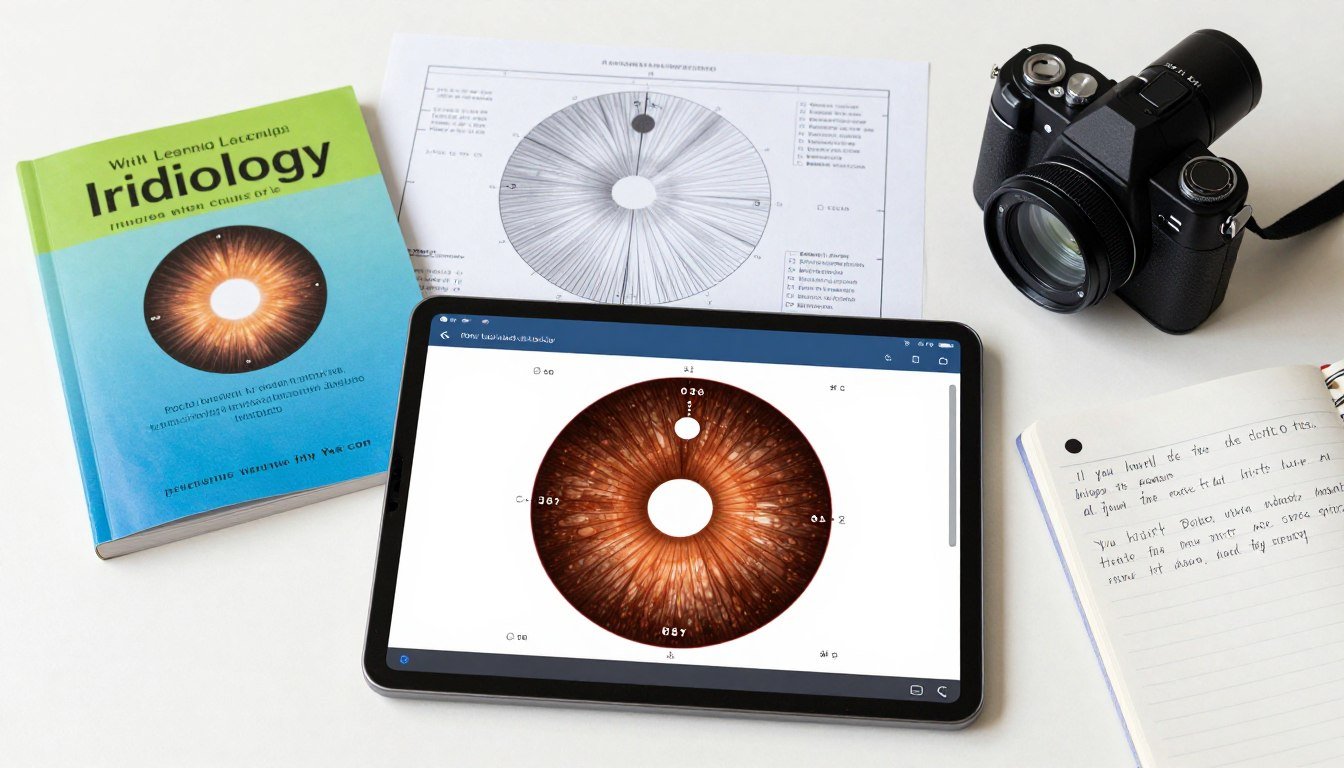
Recursos educativos para aprender los conceptos básicos de la iridología.
Educación y certificación
Construir una base sólida en los conceptos básicos de la iridología generalmente implica:
- Educación formal: Cursos de fundamentos de iridología, anatomía y fisiología.
- Formación práctica: Experiencia práctica con análisis de iris bajo supervisión.
- Proceso de dar un título: Obtención certificación de iridología de organizaciones reconocidas
- Educación continua: Mantenerse actualizado con las últimas investigaciones y técnicas.
Equipo esencial para practicantes
Para aplicar eficazmente los conceptos básicos de la iridología en la práctica, es necesario cierto equipo:
Cámaras de iridología
Profesional cámaras de iridología Proporcionar las imágenes de alta resolución necesarias para un análisis preciso. MAIKONG ofrece una gama de cámaras adecuadas tanto para principiantes como para profesionales experimentados.
Iriscopios
Un iroscopio combina la funcionalidad de la cámara con la iluminación adecuada para obtener imágenes óptimas del iris. Nuestros modelos están diseñados para ofrecer facilidad de uso y claridad de imagen.
Software de análisis
Makong's software de iridología mejora las capacidades de análisis con funciones como superposición de gráficos, herramientas de comparación y gestión de registros de clientes.
Conviértase en distribuidor de Makong
¿Está interesado en representar los equipos de iridología premium de MAIKONG en el mercado estadounidense? Buscamos distribuidores y agentes para nuestros productos de calidad profesional.
Obtenga más información sobre la distribución
Conclusión: adoptar los conceptos básicos de la iridología para obtener conocimientos sobre la salud
Los conceptos básicos de iridología ofrecen una ventana fascinante a la salud del cuerpo a través del examen detallado de los patrones y marcas del iris. Esta práctica combina la antigua sabiduría observacional con la moderna tecnología de imágenes para brindar una perspectiva única sobre la evaluación de la salud. Los intrincados patrones, colores y marcas visibles en el iris crean un mapa que, según los principios de la iridología, refleja el estado de varios órganos y sistemas en todo el cuerpo.
A medida que continúa su viaje hacia la iridología, recuerde que un equipo de calidad marca una diferencia significativa en la precisión y eficacia de su práctica. Los más de 20 años de experiencia de MAIKONG en la fabricación de equipos de iridología profesionales garantizan que los profesionales tengan acceso a las mejores herramientas para aplicar los conceptos básicos de la iridología en su trabajo.
Si es un profesional de la salud que busca ampliar su conjunto de herramientas, un estudiante que comienza su viaje en iridología o está interesado en distribuir equipos de iridología de calidad, lo invitamos a conectarse con MAIKONG y descubrir cómo nuestra experiencia y productos pueden respaldar sus objetivos.
Comience su viaje de iridología con Maikong
Explore nuestra gama de equipos de iridología profesionales y lleve su práctica al siguiente nivel.
Visite nuestro sitio web