The human iris, with its intricate patterns and unique coloration, has long fascinated both medical professionals and alternative health practitioners. Beyond determining your eye color, some believe the iris holds valuable information about your overall health. عبادت suggests that specific markings, colors, and patterns in your iris can reveal information about your body’s past, present, and potential future health conditions. This practice has gained attention as a non-invasive method for health assessment, though it remains controversial in conventional medical circles.
In this comprehensive guide, we’ll explore the scientific foundations of عبادت, examining both historical perspectives and modern research. We’ll delve into how practitioners map iris patterns to organ systems, the anatomy behind these connections, and the ongoing debate about its validity as a diagnostic tool. Whether you’re a healthcare professional, alternative medicine practitioner, or simply curious about holistic approaches to health assessment, this article provides an evidence-based exploration of عبادت‘s principles and applications.
چیست عبادت? A Historical and Modern Perspective
عبادت is an alternative medicine practice that involves examining the patterns, colors, and other characteristics of the iris to evaluate a person’s overall health. Practitioners of عبادت, known as iridologists, believe that each area of the iris corresponds to a specific organ or body system, and that changes in these areas can reflect changes in the health of the corresponding body parts.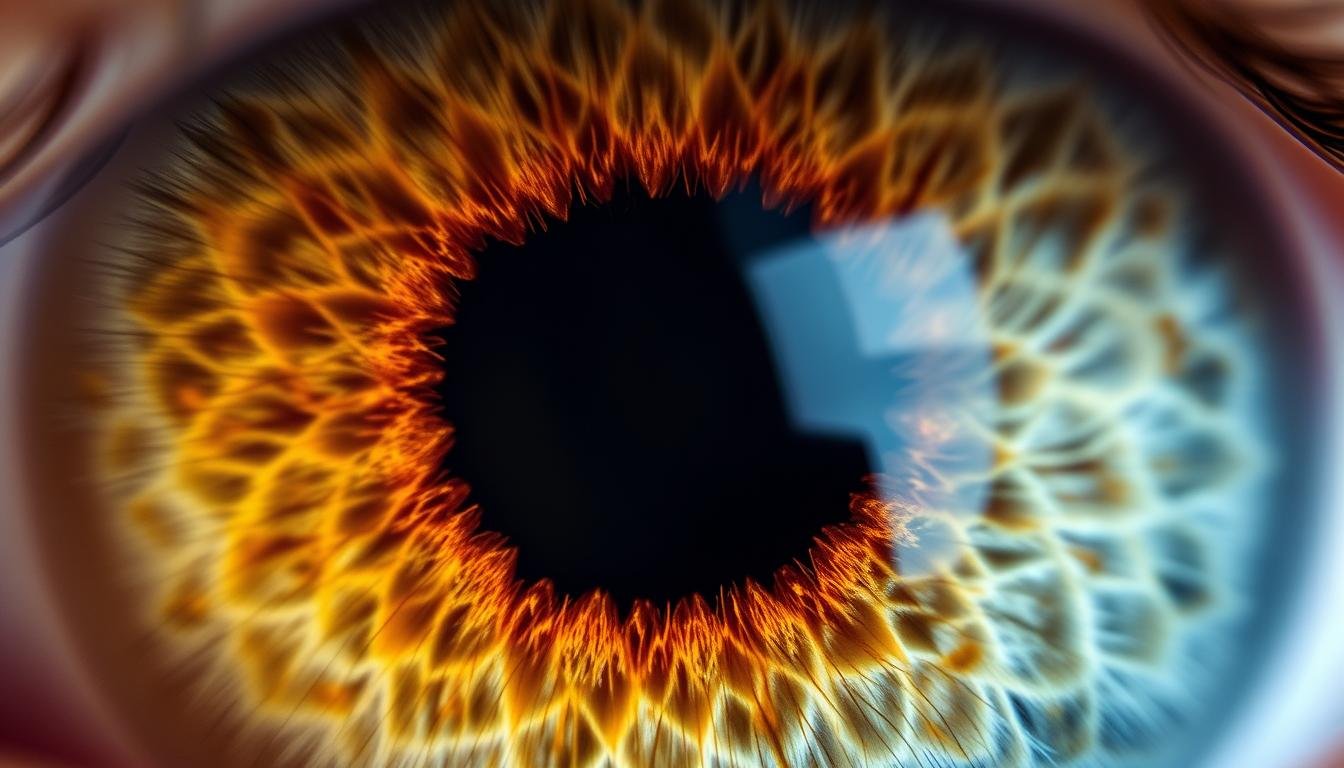
الگوهای پیچیده عنبیه انسان که iridologists برای ارزیابی سلامت تجزیه و تحلیل می کند
The core premise of عبادت این است که عنبیه به عنوان یک “نقشه” از بدن، با مناطق مختلف مربوط به اندام ها و سیستم های مختلف. بر اساس این تئوری، هنگامی که یک عضو یا سیستم استرس، التهاب یا سایر مشکلات سلامتی را تجربه می کند، تغییرات مربوطه در عنبیه ظاهر می شود. این تغییرات ممکن است شامل لکه ها، خطوط، تغییر رنگ یا تغییرات ساختاری باشد که متخصص ایریدولوژی برای ارزیابی وضعیت سلامتی شما تفسیر می کند.
توسعه تاریخی عبادت
در حالی که برخی از طرفداران ادعا می کنند که اشکال معاینه عنبیه به تمدن های باستانی در مصر، چین و هند برمی گردد، اما مدرن عبادت همانطور که امروز می دانیم در قرن نوزدهم شروع به شکل گیری کرد.

ایگناز فون پچلی، پزشک مجارستانی، پدر ایریدولوژی مدرن به حساب می آید
مبانی مدرن عبادت are often attributed to Ignaz von Peczely, a Hungarian physician in the 1800s. According to popular accounts, as a child, von Peczely noticed a dark streak in the iris of an owl whose leg he had accidentally broken. This observation sparked his curiosity, and he later developed the theory that changes in the iris could reflect injuries or diseases in corresponding parts of the body.
در سال 1881 ، فون پکنلی اولین کتاب خود را در این زمینه منتشر کرد ، “اکتشافات در زمینه علوم طبیعی و پزشکی: آموزش در مطالعه تشخیص از چشم ،” which included the first known iris chart mapping different areas of the iris to various body parts.
Another significant figure in the development of عبادت was Nils Liljequist, a Swedish homeopath who independently developed similar theories around the same time. Liljequist claimed to have observed changes in his own iris after taking medications like quinine and iodine, which led him to create his own iris charts.
In the United States, عبادت gained popularity in the 1950s through the work of Bernard Jensen, an American chiropractor who developed his own method of iris analysis and created detailed iris charts that are still used by many practitioners today. Jensen’s work helped popularize عبادت as part of the broader natural health movement in America.
علم پشت عبادت: Mapping Iris Patterns to Organ Systems
عمل عبادت is based on the premise that the iris contains a wealth of information about the body’s health. Understanding the methodology and tools used by iridologists provides insight into how this practice is conducted and the scientific principles it claims to follow.
Iris Anatomy and Its Relevance to عبادت
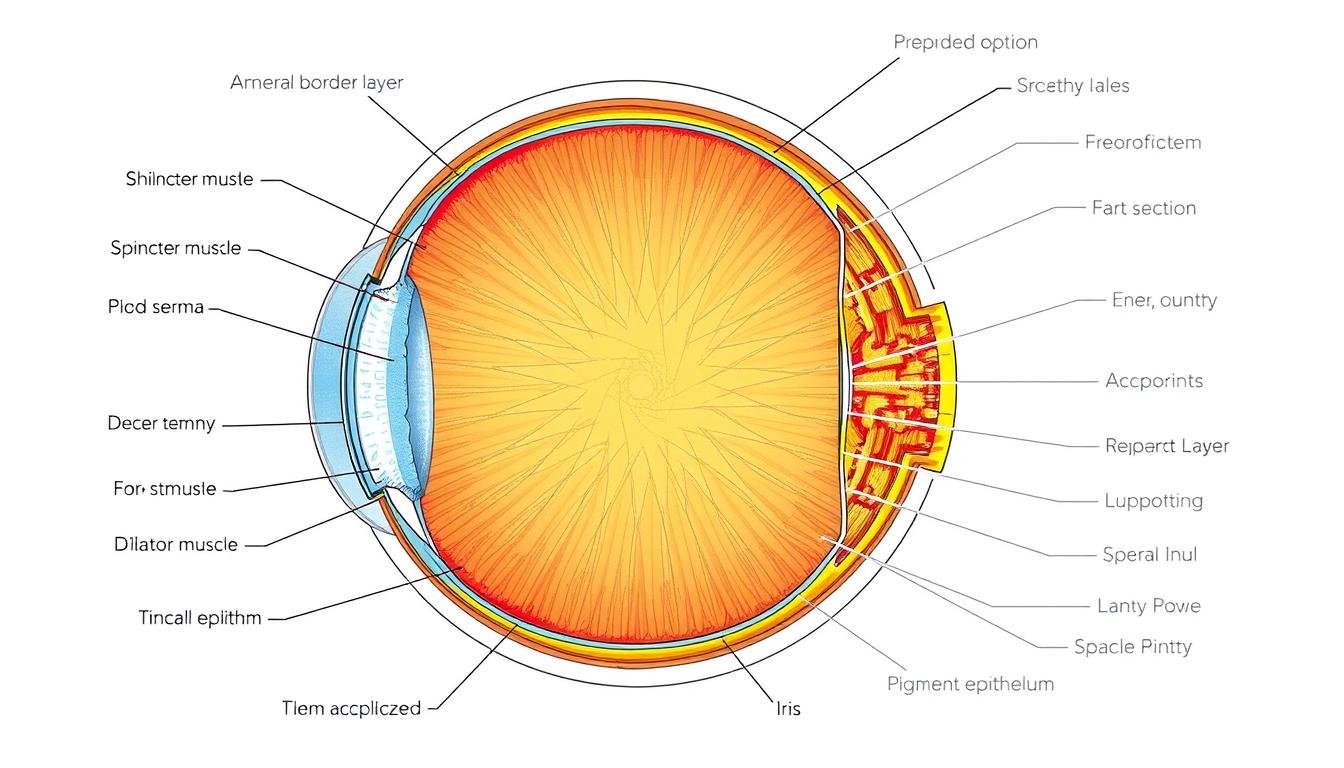
Anatomical structure of the iris showing the various layers examined in iridology
The iris is a complex structure composed of multiple layers and features:
- The anterior border layer (the front surface visible during examination)
- The stroma (connective tissue with blood vessels, nerves, and muscle fibers)
- The sphincter and dilator muscles (controlling pupil size)
- The posterior epithelium (containing pigment that gives the iris its color)
Iridologists believe that the iris’s intricate structure, with its thousands of nerve endings, microscopic blood vessels, and muscle fibers, creates a unique connection to the rest of the body through the nervous system. According to عبادت theory, this neurological connection allows the iris to reflect changes in distant organs and tissues.
در عبادت Chart: Mapping the Body
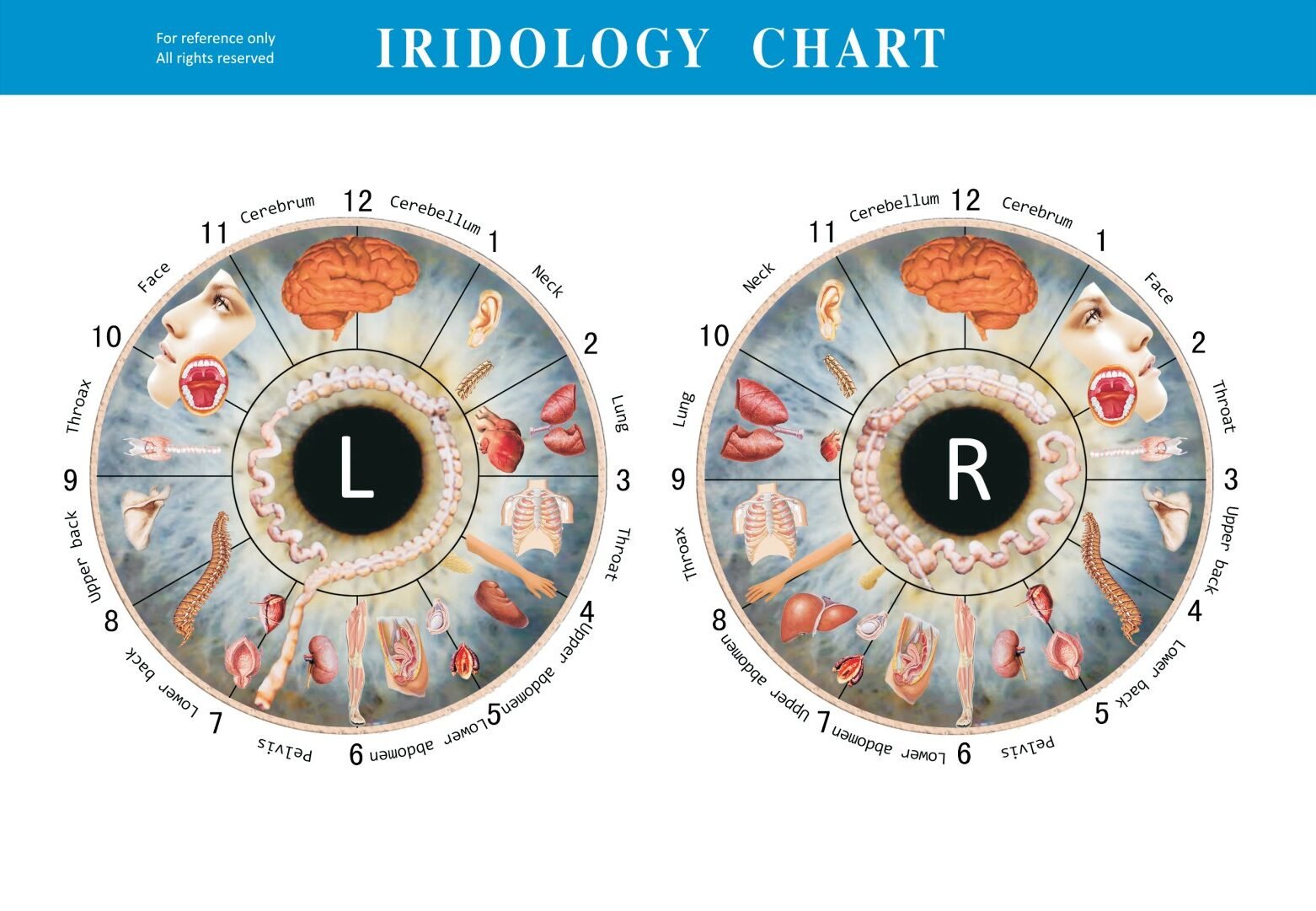
The cornerstone of عبادت practice is the iris chart, which divides the iris into approximately 60 zones, each corresponding to a different part of the human body. These charts typically follow a few key principles:
Structural Organization
- عنبیه راست به طور کلی با سمت راست بدن مطابقت دارد
- عنبیه چپ به طور کلی با سمت چپ بدن مطابقت دارد
- عنبیه به مناطق متحدالمرکز تقسیم می شود که نشان دهنده سیستم های مختلف بدن است
- نمودار اغلب مانند یک صفحه ساعت سازماندهی می شود که اندام ها و سیستم ها در موقعیت خاصی قرار دارند “ساعت”
Interpretation Elements
- تغییرات رنگ و تغییرات رنگدانه
- Structural features like fibers, rings, and crypts
- Lesions, spots, and other markings
- Pupil characteristics and reactions
Enhance Your Understanding of Iris Analysis
Download our comprehensive iridology chart and beginner’s guide to start learning how to identify key iris patterns and their potential health correlations.
دانلود نمودار Iridology رایگان
ابزار و تکنیک های امتحان
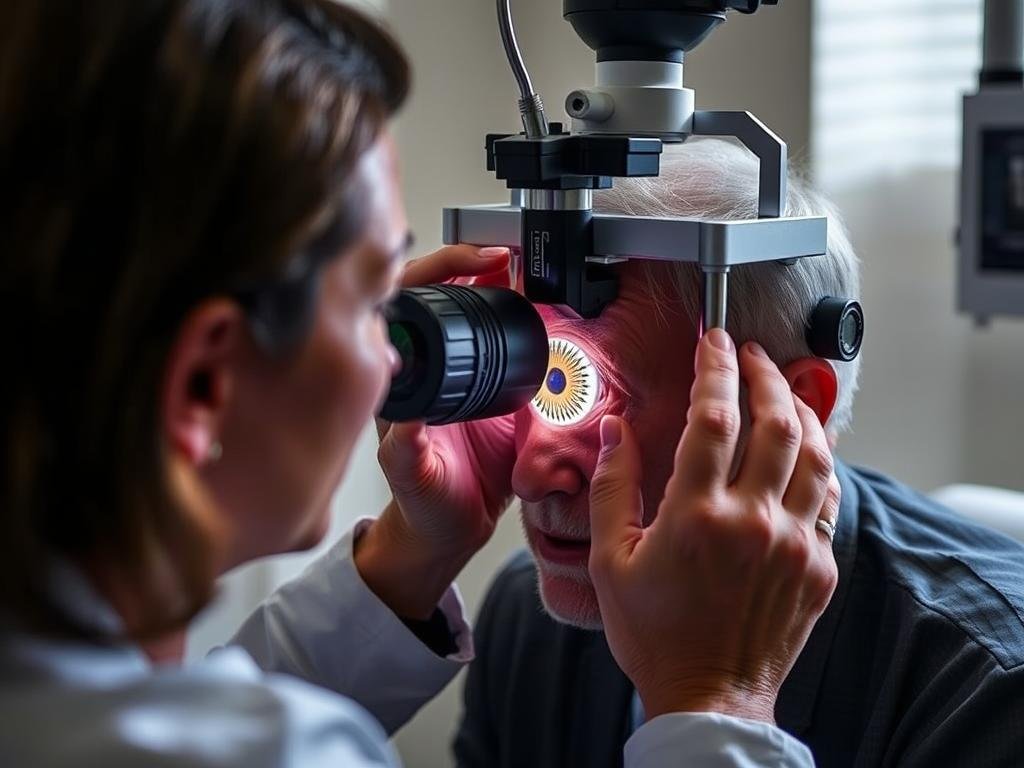
متخصص ایریدولوژیست با استفاده از تجهیزات تخصصی معاینه را انجام می دهد
ایریدولوژیست های مدرن معمولاً از چندین ابزار برای انجام معاینات خود استفاده می کنند:
- چراغ قوه یا خودکار برای روشن کردن عنبیه
- ذره بین یا لوپ برای بررسی دقیق تر
- دوربین های دیجیتال با لنزهای ماکرو برای عکاسی دقیق
- دوربین های تخصصی عنبیه که به طور خاص برای ایریدولوژی طراحی شده اند
- نرم افزار کامپیوتری برای تجزیه و تحلیل عکس های عنبیه
During an examination, the iridologist first takes a detailed look at both irises, noting their overall color, structure, and any visible markings. They may take photographs to analyze later or use computer software that helps identify patterns and compare them to established iridology charts.
شرایط بهداشتی شناسایی شده از طریق عبادت
تمرین کنندگان از عبادت claim they can identify a wide range of health conditions and predispositions by examining the iris. While these claims lack scientific validation in conventional medicine, understanding what iridologists believe they can detect helps explain the practice’s appeal to those interested in holistic health approaches.
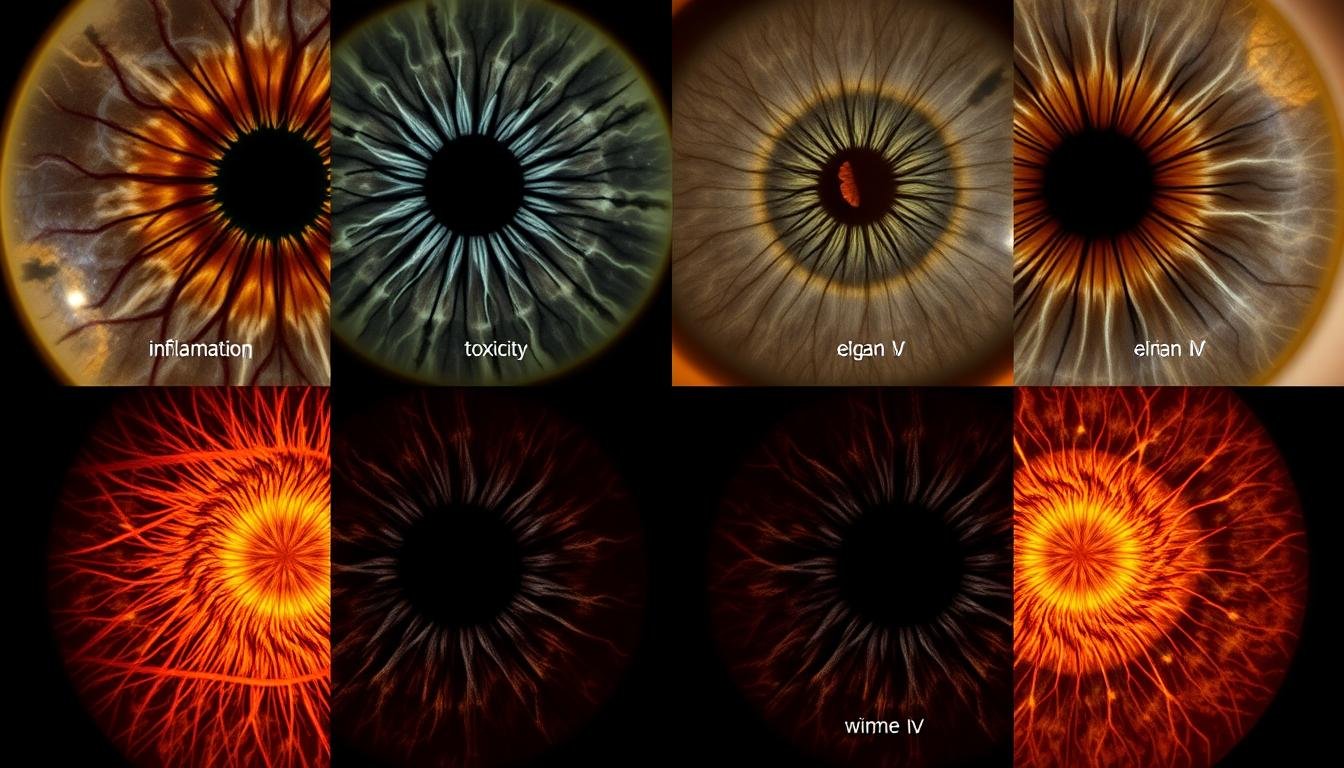
مقایسه الگوهای عنبیه نشان می دهد که ایریدولوژیست ها چه چیزی را به عنوان شاخص وضعیت سلامت تفسیر می کنند
Common Health Issues Supposedly Revealed Through عبادت
عملکرد اندام
- اختلال عملکرد کبد
- استرس کلیه
- اختلالات گوارشی
- ضعف های قلبی
- شرایط ریوی
شرایط سیستمیک
- التهاب در سراسر بدن
- تجمع سم
- احتقان سیستم لنفاوی
- مشکلات گردش خون
- عدم تعادل هورمونی
شاخص های سلامت عمومی
- کمبودهای تغذیه ای
- سطوح استرس و مکان
- استعدادهای ژنتیکی
- صدمات یا آسیب های گذشته
- قدرت کلی قانون اساسی
عنبیه شناسان همچنین ادعا می کنند که می توانند مشکلات سلامتی را قبل از ظاهر شدن علائم تشخیص دهند، که نشان می دهد تغییرات در عنبیه قبل از ایجاد علائم فیزیکی است. این ادعای تشخیص زودهنگام به ویژه برای کسانی که علاقه مند به رویکردهای بهداشتی پیشگیرانه هستند جذاب است.
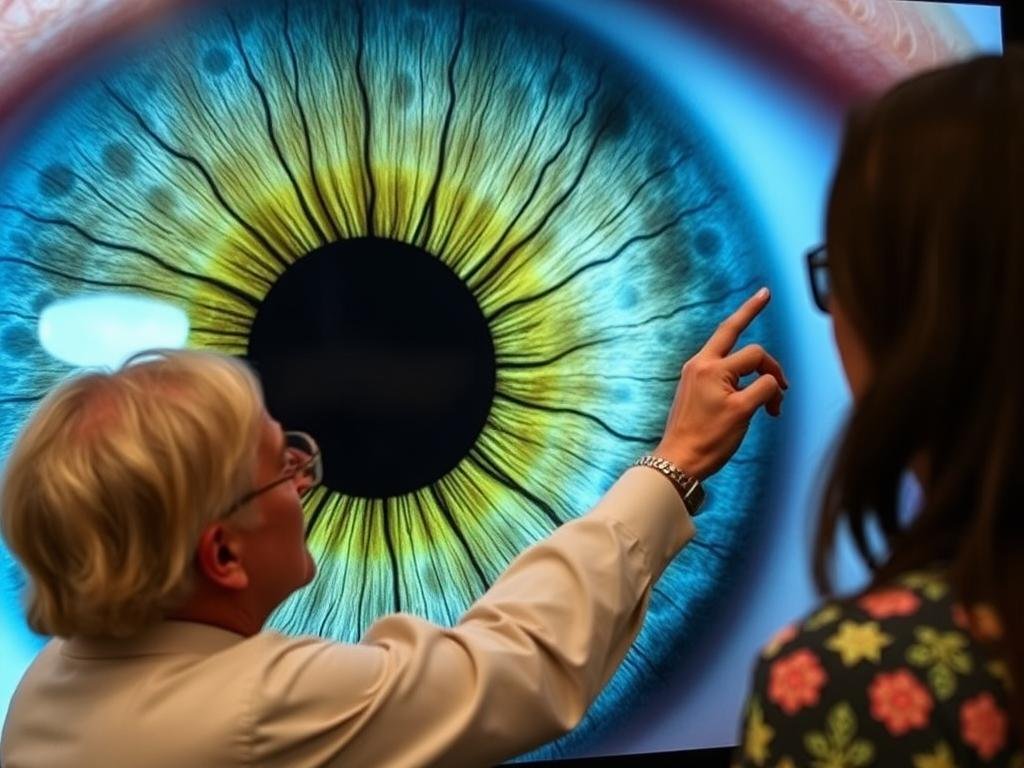
یک ایریدولوژیست که نشانههای خاص عنبیه را شناسایی میکند و تفسیر آنها را توضیح میدهد
توجه به این نکته مهم است که در حالی که iridologists این ادعاها را مطرح می کند، توانایی تشخیص بیماری های خاص از طریق معاینه عنبیه توسط تحقیقات علمی تایید نشده است، همانطور که در بخش بعدی بررسی خواهیم کرد.
Discover What Your Iris May Reveal About Your Health
Curious about what your iris patterns might indicate? Schedule a consultation with a certified iridologist for a personalized assessment and health insights.
یک ایریدولوژیست خبره پیدا کنید
Criticisms and Controversies Surrounding عبادت
Despite its long history and continued practice, عبادت has been subject to scientific scrutiny, with most research failing to support its fundamental claims. Understanding the scientific perspective helps provide a balanced view of this alternative practice.
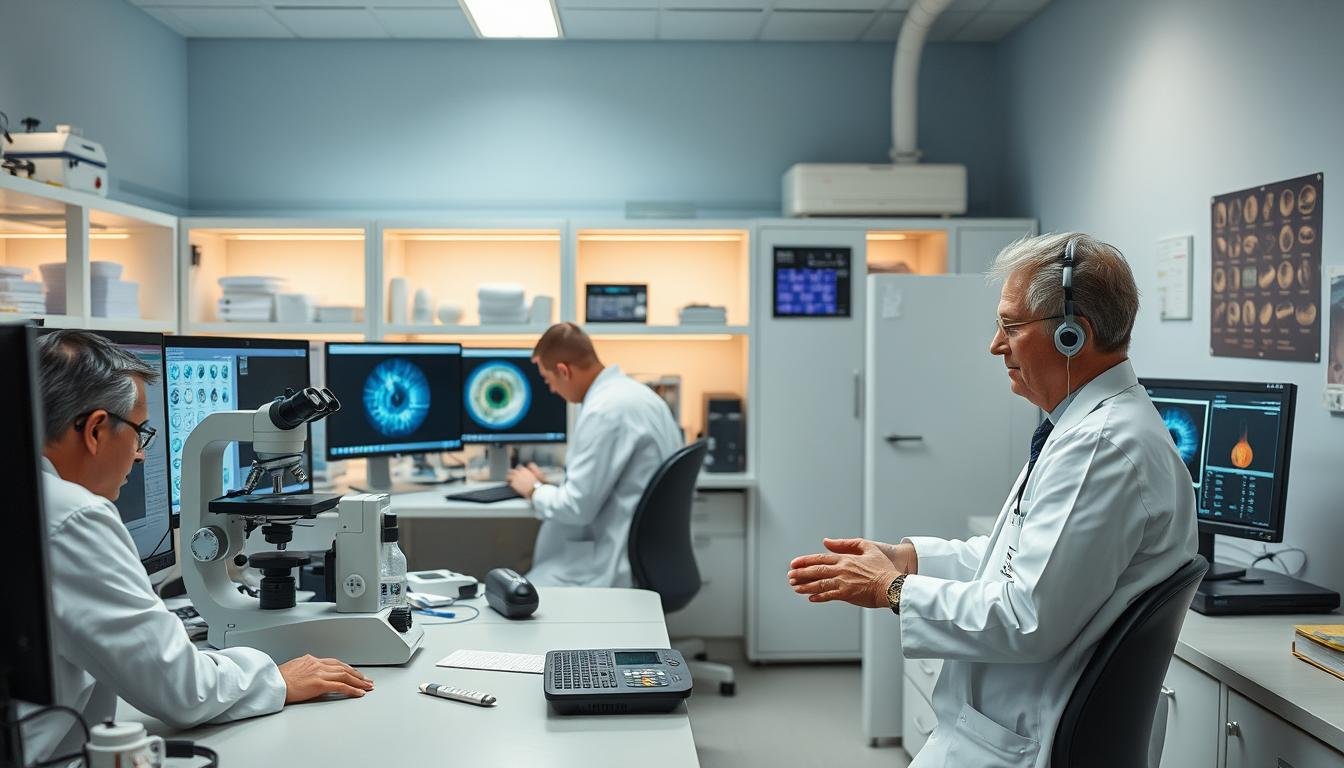
تحقیق علمی به بررسی اعتبار ادعاهای ایریدولوژی
مطالعات پژوهشی و یافته های آنها
Several controlled studies have investigated the diagnostic accuracy of عبادت:
- یک مرور سیستماتیک در سال 1999 در مجله منتشر شد پزشکی مکمل تحقیقاتی چهار مطالعه مورد-شاهدی را بررسی کرد و به این نتیجه رسید که اثربخشی iridology توسط ارزیابیهای علمی پشتیبانی نمیشود.
- مطالعه ای که در سال 2000 در آرشیو چشم پزشکی دریافتند که ایریدولوژیست ها نمی توانند به طور مداوم بیماری کلیوی را از طریق معاینه عنبیه تشخیص دهند.
- تحقیقات منتشر شده در مجله طب جایگزین و مکمل موفق به یافتن شواهدی نشدند مبنی بر اینکه ایریدولوژیست ها می توانند بیماری کیسه صفرا را با بررسی عنبیه به طور دقیق تشخیص دهند.
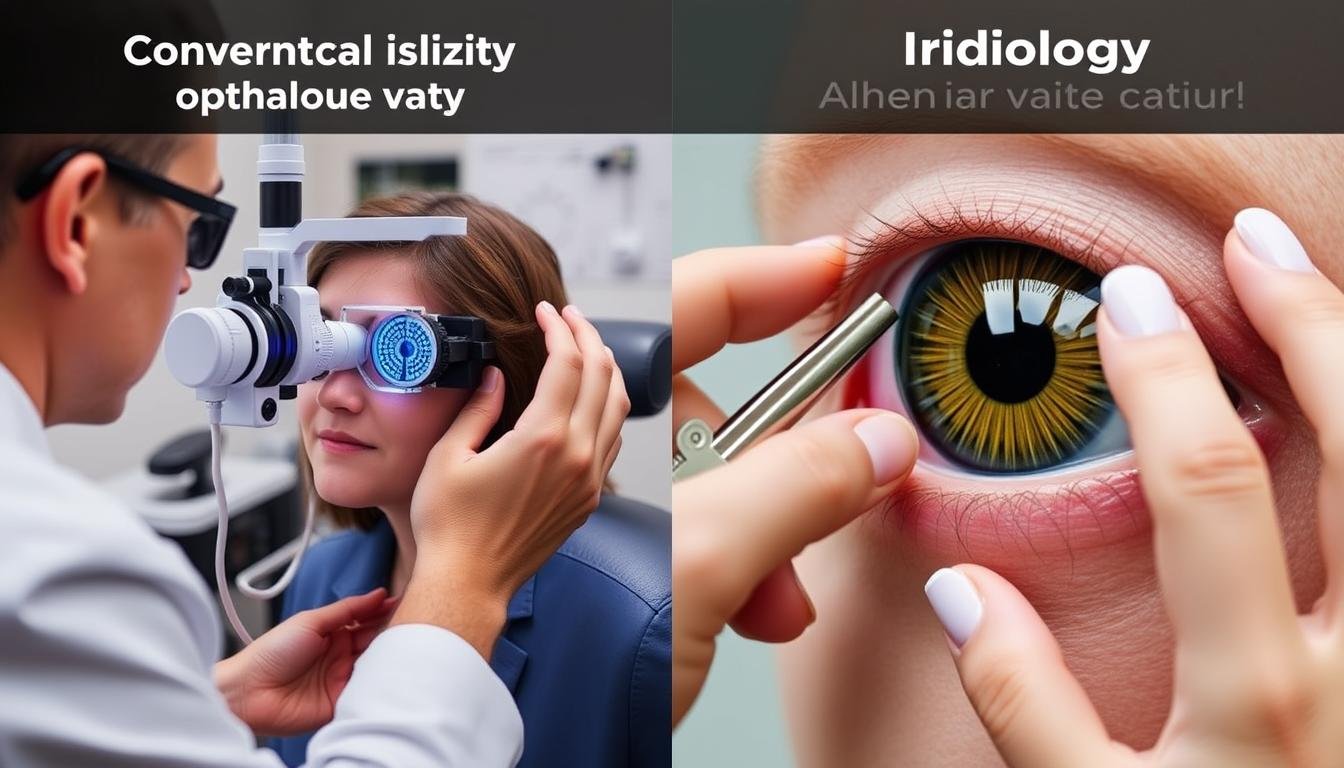
مقایسه معاینه چشم پزشکی مرسوم و ارزیابی ایریدولوژی
Most scientific studies have concluded that عبادت has shown little to no diagnostic value when tested under controlled conditions. Researchers have consistently found that iridologists cannot reliably identify people with specific diseases by examining their irises.
دیدگاه جامعه پزشکی
The mainstream medical community generally does not support عبادت as a diagnostic tool for several reasons:
نگرانی های علمی درباره ایریدولوژی
- فقدان ارتباط آناتومیکی بین عنبیه و اکثر اعضای بدن
- عدم وجود مکانیسم فیزیولوژیکی برای توضیح اینکه چگونه شرایط اندام داخلی بر ظاهر عنبیه تأثیر می گذارد
- نتایج متناقض زمانی که ایریدولوژیست های متعدد یک بیمار را معاینه می کنند
- عدم نشان دادن دقت تشخیصی در مطالعات کنترل شده
- ساختار عنبیه تا حد زیادی توسط ژنتیک تعیین می شود و در طول زندگی نسبتاً پایدار می ماند
Medical professionals express concern that reliance on عبادت for diagnosis could potentially lead to delayed treatment of serious conditions if patients forego conventional medical diagnosis in favor of iridology readings.
While the scientific consensus does not support عبادت as a diagnostic method, some researchers suggest that further studies with improved methodology could be valuable to fully evaluate any potential correlations between iris features and health conditions.
برنامه های مدرن از عبادت در سلامت کل نگر
Despite the lack of scientific validation, عبادت continues to be practiced in various parts of the world, particularly within holistic and alternative health communities. Understanding its contemporary applications provides insight into why some people still seek out this practice.

تمرین ایریدولوژی مدرن در یک محیط سلامت جامع معاصر
ادغام با شیوه های بهداشتی جامع
In today’s wellness landscape, عبادت is often integrated with other alternative and complementary health approaches:
- به عنوان بخشی از ارزیابی های طبیعی برای هدایت توصیه های درمانی
- همراه با مشاوره تغذیه پیشنهاد اصلاح رژیم غذایی
- در کنار داروهای گیاهی برای اطلاع رسانی نسخه های گیاهی
- در ارزیابی های سلامت کل نگر که شامل چندین روش ارزیابی است
- به عنوان یک ابزار مکمل در برخی از شیوه های پزشکی یکپارچه
Practitioners who use عبادت today often view it as one tool among many for assessing overall health patterns rather than as a definitive diagnostic method for specific diseases.
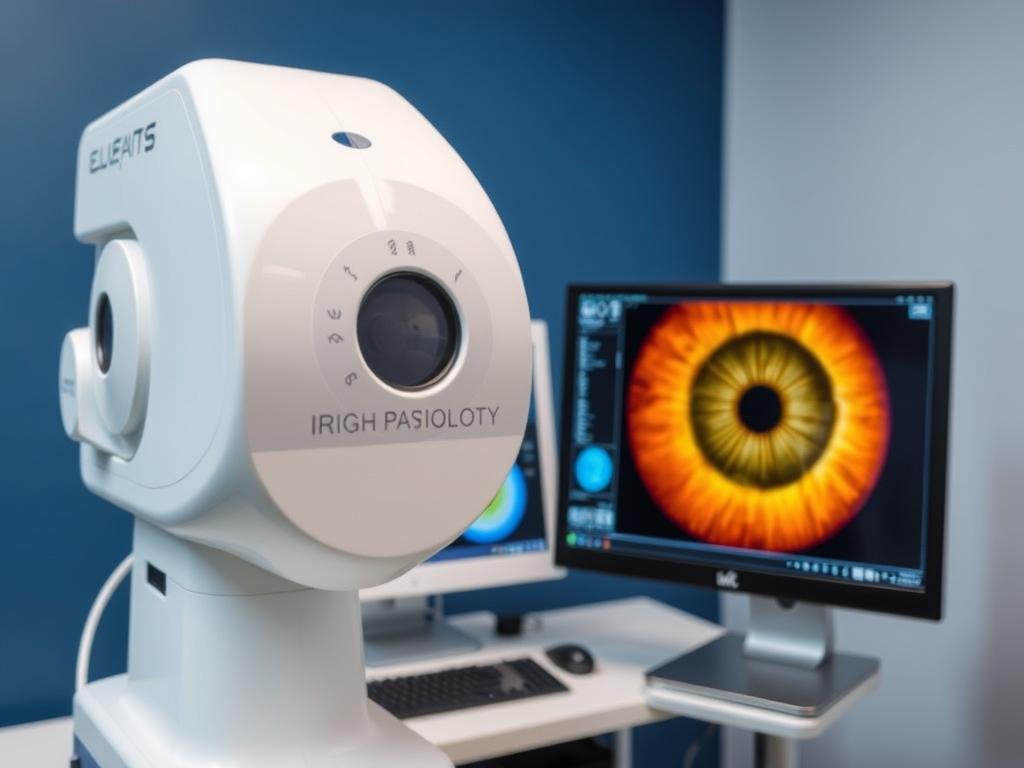
فن آوری دیجیتال مدرن مورد استفاده در عمل ایریدولوژی معاصر
پیشرفت های تکنولوژیکی
Technology has influenced how عبادت is practiced in the 21st century:
- دوربین های دیجیتال با وضوح بالا تصاویر دقیق عنبیه را ثبت می کنند
- برنامه های نرم افزاری تخصصی الگوها و نشانه های عنبیه را تجزیه و تحلیل می کنند
- پلتفرم های آنلاین مشاوره های ایریدولوژی از راه دور را ارائه می دهند
- برنامه های موبایل امکان تجزیه و تحلیل اولیه عنبیه را فراهم می کنند
این پیشرفت های تکنولوژیکی ایجاد کرده است عبادت more accessible but haven’t necessarily increased its diagnostic accuracy according to scientific standards.
Enhance Your Holistic Health Practice
For health practitioners interested in adding iridology to their skill set, our comprehensive certification program provides the training and tools you need.
برنامه های صدور گواهینامه را کاوش کنید
مطالعات موردی: عبادت in Practice
While scientific validation remains limited, proponents of عبادت often cite case studies to demonstrate its potential value in health assessment. These examples provide insight into how practitioners apply iridology principles in real-world scenarios.
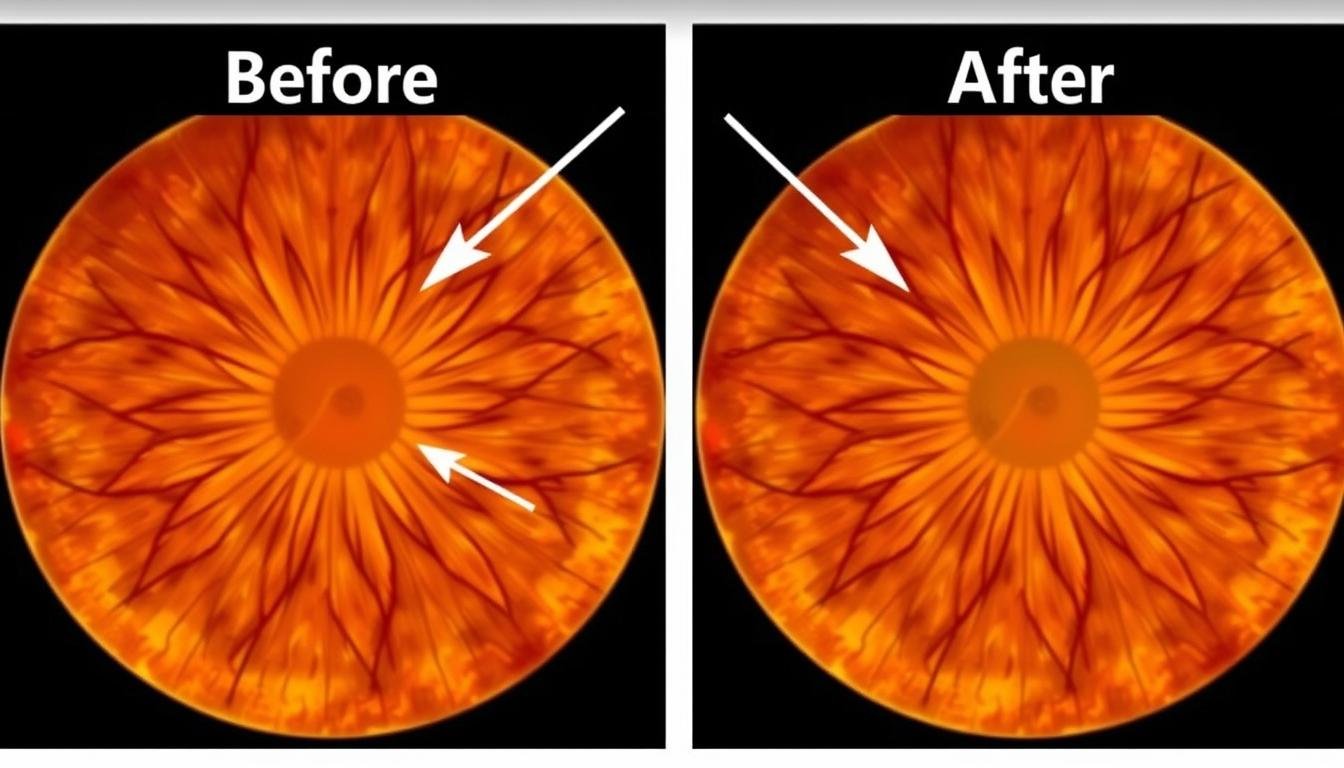
Before and after iris images showing changes following health interventions according to iridology practitioners
مطالعه موردی 1: ارزیابی سیستم گوارش
A 42-year-old woman consulted an iridologist after experiencing chronic digestive issues that conventional testing had not fully explained. The iridologist noted specific markings in the digestive zone of her iris that suggested inflammation and potential food sensitivities. Based on these observations, the practitioner recommended an elimination diet and specific herbal supplements.
The client reported improvement in her symptoms after following the recommendations for three months. While this outcome cannot definitively be attributed to the accuracy of the iridology assessment, it represents the type of anecdotal evidence often cited by practitioners.
Case Study 2: Early Detection Claims

Iris photograph with markings indicating potential health concerns according to iridology interpretation
A 55-year-old man underwent routine iridology screening as part of a holistic health check. The iridologist identified markings in the area corresponding to the cardiovascular system and suggested the client might be experiencing early cardiovascular stress, despite having no symptoms. The client followed up with conventional medical testing, which revealed moderately elevated blood pressure and cholesterol levels that had not been previously diagnosed.
While conventional screening would likely have detected these issues eventually, proponents suggest this case demonstrates how عبادت might complement traditional healthcare by encouraging preventive testing.
It’s important to note that these case studies represent anecdotal evidence rather than controlled scientific research. The positive outcomes could be attributed to various factors, including the placebo effect, lifestyle changes recommended alongside the iridology assessment, or coincidental timing.
سوالات متداول در مورد عبادت
آیا ایریدولوژی همان معاینه معمولی چشم است؟
نه، عبادت is fundamentally different from a conventional eye examination. A regular eye exam performed by an optometrist or ophthalmologist focuses on assessing vision and detecting eye diseases such as glaucoma, cataracts, or macular degeneration. These professionals use standardized, scientifically validated methods to evaluate eye health and vision.
عبادت, in contrast, involves examining the iris to allegedly determine the health status of other body organs and systems—not to diagnose eye conditions themselves. While a conventional eye exam has proven diagnostic value and is an essential part of healthcare, عبادت lacks scientific validation for its claims about diagnosing non-ocular health conditions.
آیا ایریدولوژی می تواند بیماری های جدی مانند سرطان را تشخیص دهد؟
There is no scientific evidence supporting the claim that عبادت can detect cancer or other serious diseases. Multiple controlled studies have failed to demonstrate that iridologists can reliably identify specific diseases through iris examination.
For serious conditions like cancer, it’s crucial to rely on evidence-based medical diagnostic methods such as imaging studies, biopsies, blood tests, and physical examinations performed by qualified healthcare professionals. Delaying conventional medical diagnosis and treatment while relying on عبادت could potentially lead to worse health outcomes for serious conditions.
ایریدولوژیست ها معمولاً چه مدارکی دارند؟
The qualifications of iridologists vary widely as there is no standardized, universally recognized certification or licensing specifically for عبادت in most countries. Some practitioners may have completed courses or certification programs in عبادت offered by various schools or organizations dedicated to alternative medicine. These programs can range from brief weekend courses to more extensive training programs.
Some iridologists may also be licensed healthcare practitioners such as naturopathic doctors, chiropractors, or acupuncturists who have added عبادت to their practice. Others may have no formal healthcare training at all. When considering consulting an iridologist, it’s advisable to inquire about their specific training, approach, and whether they recommend عبادت as a complement to, rather than a replacement for, conventional medical care.
How much does an iridology consultation typically cost?
The cost of an عبادت consultation varies widely depending on the practitioner’s experience, location, and whether the session includes additional services such as nutritional counseling or supplement recommendations. Generally, prices range from to 0 for an initial consultation, which typically lasts 30-90 minutes.
Follow-up sessions are usually less expensive, ranging from to 0. Some practitioners may offer package deals that include the initial consultation, follow-up visits, and personalized health plans. It’s important to note that عبادت consultations are rarely covered by health insurance, so these costs are typically out-of-pocket expenses.

A balanced approach to health combines conventional care with holistic awareness
Conclusion: The Place of عبادت in Modern Health Practices
عبادت presents an intriguing concept—that the iris might serve as a window into our overall health. While the practice has a long history and continues to attract interest, particularly in holistic health communities, it’s important to approach it with an informed perspective.
The scientific evidence does not currently support عبادت as a reliable diagnostic method. Multiple controlled studies have failed to demonstrate that iridologists can consistently identify specific health conditions through iris examination. The medical community generally views عبادت as lacking scientific foundation and potentially problematic if it leads people to delay seeking conventional medical care for serious conditions.
However, for those interested in holistic approaches to health, عبادت might be viewed as one of many tools for general health assessment rather than as a definitive diagnostic technique. Some find value in the holistic perspective it offers, even if specific diagnostic claims remain unproven.
If you’re curious about عبادت, consider these balanced recommendations:
- رویکرد عبادت as a complementary tool rather than a replacement for conventional medical diagnosis
- معاینات منظم را با ارائه دهندگان مراقبت های بهداشتی واجد شرایط انجام دهید
- نسبت به تشخیص های قطعی سلامتی که صرفاً از طریق معاینه عنبیه انجام می شود، شک داشته باشید
- در مورد صلاحیت ها و رویکرد هر متخصص ایریدولوژی که قصد مشاوره دارید تحقیق کنید
- ارزش بالقوه مکالمه سلامتی جامع را که ممکن است از یک جلسه ایریدولوژی ناشی شود، در نظر بگیرید، حتی اگر ادعاهای تشخیصی خاص به طور انتقادی مشاهده شوند.
Ultimately, your health deserves a comprehensive approach that considers evidence-based practices while remaining open to the potential insights that various perspectives might offer. The eyes are indeed remarkable organs—worthy of care, protection, and perhaps even a bit of wonder—regardless of one’s view on عبادت.
ایریدولوژی را بیشتر کاوش کنید
Whether you’re a healthcare professional looking to expand your knowledge or an individual interested in holistic health approaches, we offer resources to deepen your understanding of iridology.