عمل ایریدولوژی دارای تاریخ غنی و شگفت انگیزی است که قرن ها را در بر می گیرد. از مشاهدات باستانی تا تکنیک های تشخیصی مدرن، شناسان یک رویکرد منحصر به فرد برای درک سلامت از طریق عنبیه چشم ایجاد کرده اند. این راهنمای جامع، منشأ، تکامل و چهرههای کلیدی را که این شیوه درمانی جایگزین را شکل دادهاند، بررسی میکند، و در عین حال چگونگی مدرن بودن را بررسی میکند. شناسان امروزه به توسعه و به کارگیری این تکنیک ها ادامه دهید.
چیست شناس شناس؟

در شناس شناس معاینه عنبیه بیمار با استفاده از تجهیزات تخصصی
در شناس شناس تمرینکنندهای است که الگوها، رنگها و سایر ویژگیهای عنبیه چشم را تجزیه و تحلیل میکند تا اطلاعات مربوط به سلامت فرد را تعیین کند. بر اساس این نظریه که عنبیه از طریق سیستم عصبی به هر اندام و بافتی متصل می شود، شناسان معتقدند که این اتصالات از طریق علائم و نشانه های متمایز در عنبیه منعکس می شوند.
بر خلاف چشم پزشکان معمولی که بر سلامت چشم و اصلاح بینایی تمرکز می کنند، شناسان از عنبیه به عنوان یک ابزار تشخیصی برای شناسایی مشکلات بالقوه سلامت در کل بدن استفاده کنید. آنها عنبیه را با استفاده از نمودارهای تخصصی که آن را به مناطقی که هر کدام مربوط به اندام ها و سیستم های مختلف بدن است، تجزیه و تحلیل می کنند.
“چشمها نه تنها پنجرهای به روح هستند، بلکه نقشهای برای درک وضعیت سلامتی بدن در گذشته، حال و بالقوه آینده هستند.” – برنارد جنسن، پیشگام شناس شناس
در طب جایگزین، شناسان اغلب در کنار سایر پزشکان کل نگر کار می کنند یا ممکن است ایریدولوژی را با سایر روش های درمانی مانند درمان طبیعی، گیاه درمانی یا تغذیه درمانی ادغام کنند. هدف اصلی آنها شناسایی علائم التهاب، تجمع سم و ضعف اندام ها قبل از اینکه به عنوان مشکلات جدی سلامت ظاهر شوند، است.
روش های تشخیصی ایریدولوژیست ها
مدرن شناسان از چندین تکنیک و ابزار تشخیصی برای تجزیه و تحلیل موثر عنبیه استفاده کنید:


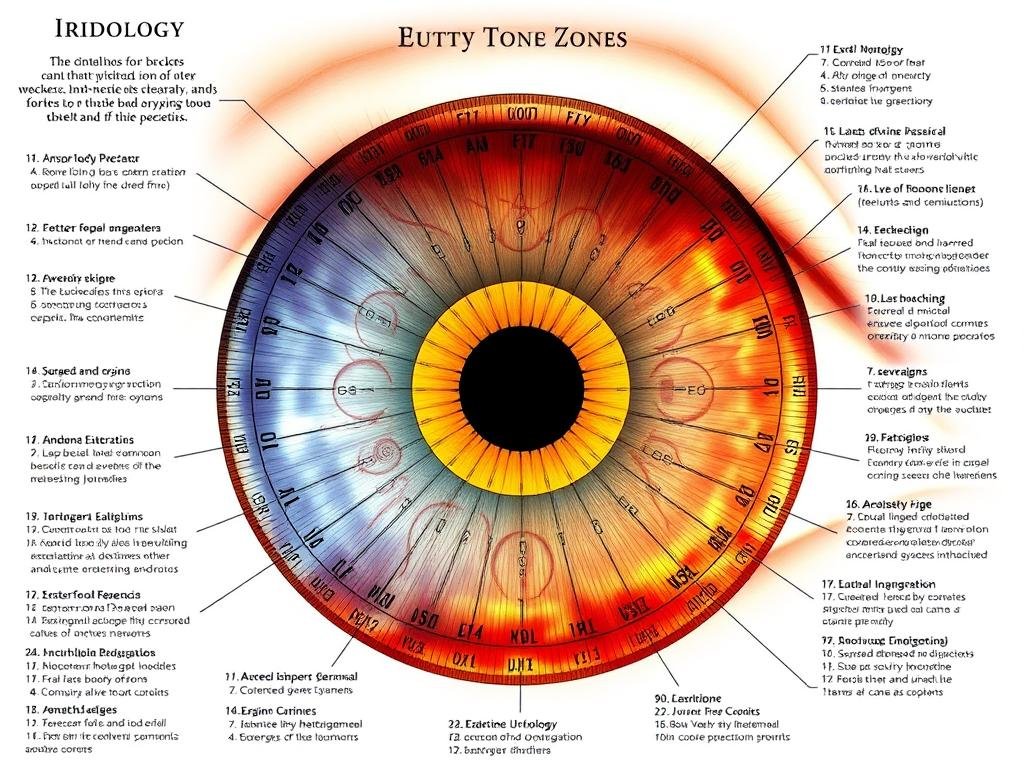
نمودار ایریدولوژی استفاده شده توسط شناسان برای ترسیم مناطق عنبیه به سیستم های بدن
نقشه برداری آیریس
پایه و اساس یک ایریدولوژیست تمرین نمودار یا نقشه عنبیه است. این نمودارها عنبیه را به حدود 80 تا 90 ناحیه تقسیم میکنند که هر کدام مربوط به اندامها و سیستمهای مختلف بدن است. عنبیه راست به طور کلی با سمت راست بدن مرتبط است، در حالی که عنبیه سمت چپ مربوط به سمت چپ است.
ایریدولوژیست ها هر منطقه را به دقت بررسی کنید تا علائمی مانند تغییر رنگ، لکه های تیره، حلقه ها و الگوهای ساختاری که ممکن است وضعیت سلامتی در نواحی مربوطه بدن را نشان دهد، بررسی کنید.
تجهیزات و فناوری
حرفه ای شناسان از تجهیزات تخصصی برای بررسی دقیق عنبیه استفاده کنید:
- اریست ها – میکروسکوپ های تخصصی که به طور خاص برای بررسی عنبیه طراحی شده اند
- دوربین های دیجیتال با وضوح بالا با لنزهای ماکرو
- لامپ های شکاف – ارائه نور متمرکز
- نرم افزار کامپیوتری برای تجزیه و تحلیل عنبیه و ثبت سوابق
این ابزارها امکان مستندسازی دقیق و مقایسه تغییرات عنبیه را در طول زمان فراهم می کنند.
در طول یک جلسه معمولی، یک شناس شناس ابتدا عکس می گیرد یا مستقیماً هر دو عنبیه را تحت بزرگنمایی بررسی می کند. آنها سپس ساختارهای عنبیه را تجزیه و تحلیل می کنند و هر گونه ناهنجاری را طبق اصول iridology ذکر می کنند. بر اساس یافته های خود، آنها ممکن است تغییرات رژیم غذایی، مکمل های گیاهی، پروتکل های سم زدایی یا اصلاح شیوه زندگی را برای رفع عدم تعادل سلامتی بالقوه توصیه کنند.
خاستگاه های ایریدولوژی و اولیه ایریدولوژیست ها
عمل بررسی عنبیه برای بینش سلامتی ریشه های قدیمی دارد، با شواهدی که اشکال اولیه تجزیه و تحلیل عنبیه را در فرهنگ های مختلف در سراسر جهان نشان می دهد. با این حال، توسعه سیستماتیک iridology همانطور که امروزه می شناسیم در قرن نوزدهم شروع به شکل گیری کرد.
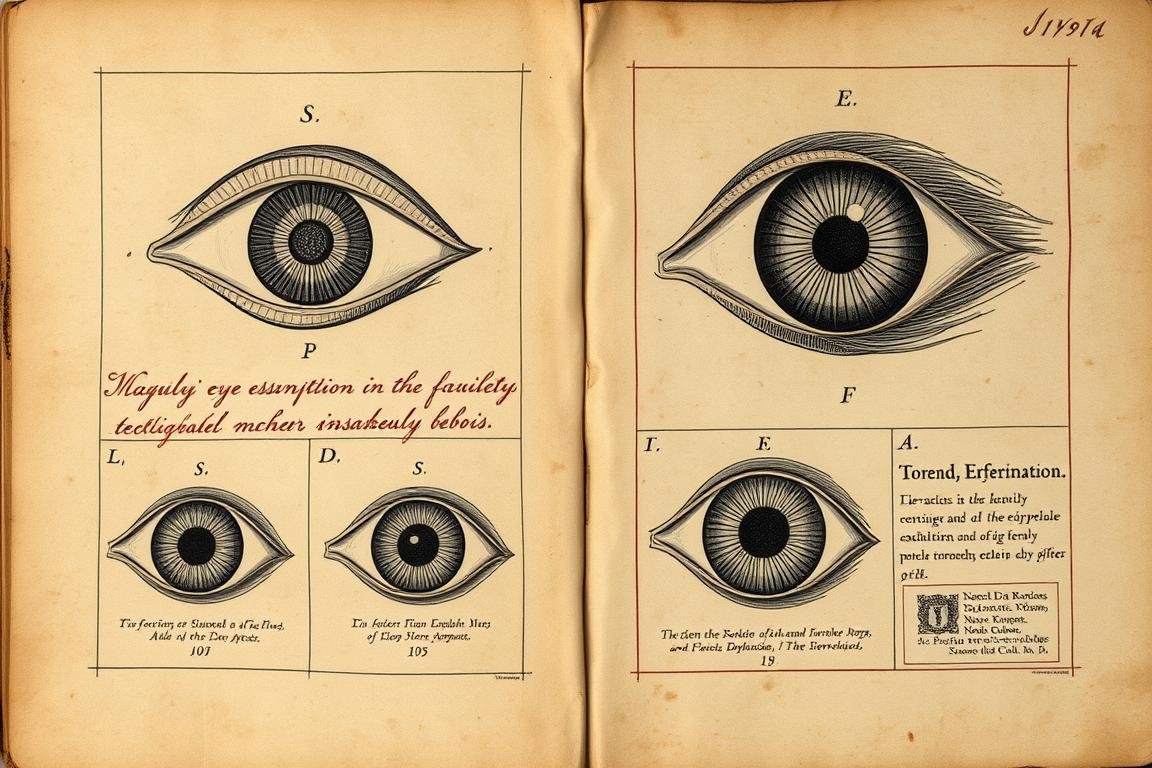
دستنوشتهای باستانی که تکنیکهای معاینه چشم اولیه را نشان میدهد که قبل از ایریدولوژی مدرن بود
برخی از سوابق تاریخی نشان می دهد که اشکالی از تجزیه و تحلیل عنبیه در مصر باستان وجود داشته است، با هیروگلیف که ارتباط احتمالی بین علائم چشم و سلامتی را نشان می دهد. به طور مشابه، متون باستانی چینی و یونانی حاوی ارجاعاتی به معاینه چشم برای اهداف تشخیصی هستند، اگرچه این متون به اندازه ایریدولوژی مدرن نظاممند نبودند.
اولین اشاره مستند به شکلی از iridology در فیلیپوس میئوس ظاهر می شود’ کتاب پزشکی کروماتیکادر سال 1665 منتشر شد. میئوس در این کار توضیح داد که چگونه تغییرات در عنبیه می تواند نشان دهنده مشکلات سلامتی قبل از ظاهر شدن علائم فیزیکی در سایر نقاط بدن باشد.
با این حال، تا قرن 19 بود که iridology به لطف کار چندین پیشگام شروع به تبدیل شدن به یک عمل ساختارمندتر کرد. شناسان.
دکتر ایگناتیوس از پچلی – اولین مدرن شناس شناس

دکتر ایگناز فون پچلی، پدر ایریدولوژی مدرن به حساب می آید
شناخته شده ترین بنیانگذار ایریدولوژی مدرن، دکتر ایگناز فون پچلی (1826-1911)، یک پزشک مجارستانی است. داستان منشا کشف او تا حدودی افسانه ای شده است شناس شناس حلقه ها
گزارش شده است که در کودکی، فون پچلی جغدی را گرفت که در حالی که برای فرار تلاش می کرد، پایش شکست. در آن لحظه متوجه شد که یک رگه تیره در عنبیه جغد ظاهر می شود. این مشاهده کنجکاوی او را در مورد ارتباط بین آسیب های بدن و تغییرات عنبیه برانگیخت.
سال ها بعد، فون پزلی به عنوان یک پزشک شروع به مطالعه سیستماتیک این پدیده در بیماران خود کرد. او مشاهده کرد که صدمات و بیماری های خاص با علائم خاصی در عنبیه مطابقت دارد. او در سال 1881 یافته های خود را در این کتاب منتشر کرد اکتشافات در زمینه علوم طبیعی و پزشکی: دستورالعمل مطالعه تشخیص از چشم.
Von Peczely اولین نمودار جامع عنبیه را ایجاد کرد که عنبیه را به مناطقی که با اندام ها و سیستم های مختلف بدن مطابقت دارد ترسیم کرد. این نمودار پایه و اساس آینده شد شناسان عمل خود را می ساختند.
مشارکت های نیلز لیلژکوئیست در شناس شناس تمرین کنید
هومیوپات سوئدی نیلز لیلژکوئیست (1851-1936) با کار مستقل و بی اطلاع از تحقیقات فون پزلی، اکتشافات مشابهی در مورد عنبیه انجام داد. علاقه او به تجزیه و تحلیل عنبیه ناشی از تجربه شخصی بود – پس از دریافت داروهای حاوی کینین و ید برای مالاریا و سایر بیماری ها، متوجه تغییراتی در رنگ عنبیه خود شد.
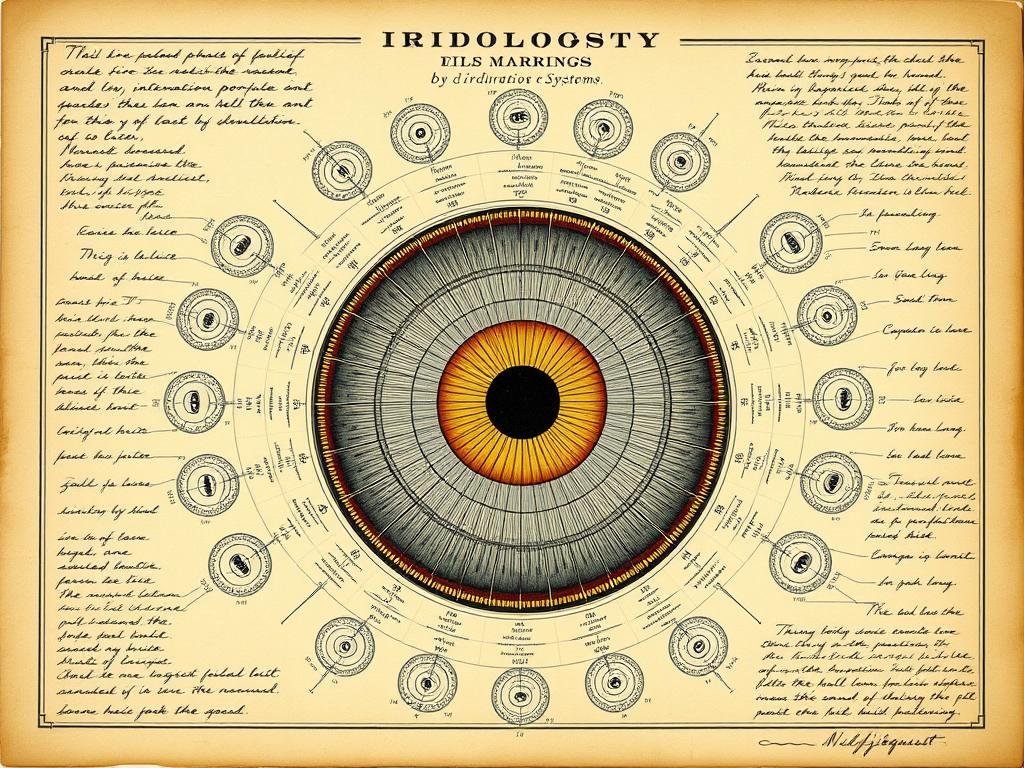
نمودار عنبیه شناسی اولیه که توسط نیلز لیلژکوئیست ایجاد شد و نشانه های عنبیه و اهمیت آنها را نشان می دهد.
لیلژکوئیست این تغییرات را با دقت ثبت کرد و مشاهدات خود را در آن منتشر کرد در مورد تشخیص چشم (درباره تشخیص چشم) در سال 1893. کار او به ویژه بر چگونگی تأثیر رسوبات دارو بر عنبیه متمرکز بود و اشاره کرد که داروها می توانند باعث تغییر رنگ خاص شوند.
مشارکت فون پزلی و لیلژکوئیست قابل توجه بود زیرا آنها نظریه های مشابه و نمودارهای عنبیه را به طور مستقل توسعه دادند و به مفاهیم بنیادی iridology اعتبار بخشیدند. کار آنها اصول اصلی را ایجاد کرد که شناسان امروزه هنوز استفاده می شود:
- عنبیه از طریق سیستم عصبی به تمام اندام ها و بافت ها متصل می شود
- تغییرات در بدن در مناطق خاصی از عنبیه منعکس می شود
- عنبیه می تواند نقاط قوت و ضعف ذاتی بدن را آشکار کند
- علامت گذاری عنبیه می تواند شرایط سلامتی گذشته، حال و بالقوه آینده را نشان دهد
اینها اوایل شناسان زمینه را برای آنچه که در قرن بیستم به یک روش بهداشتی جایگزین جهانی تبدیل می شود، ایجاد کرد.
تحولات قرن بیستم در شناس شناس تمرین کنید
قرن بیستم شاهد پیشرفتهای قابل توجهی در ایریدولوژی بود، که پزشکان جدید بر اساس کار بنیادی فون پزلی و لیلژکوئیست بنا شدند. در این دوره، ایریدولوژی در سطح جهانی گسترش یافت و به عنوان یک عمل بیشتر نظام مند شد.
در اوایل دهه 1900، آلمانی شناس شناس کشیش امانوئل فلکه تکنیکهای iridology را بیشتر توسعه داد و آنها را با سایر روشهای درمانی طبیعی ادغام کرد. رویکرد او، ترکیب ایریدولوژی با هومیوپاتی، به عنوان معروف شد “درمان فلکه.” او چندین کلینیک شفای طبیعی را در آلمان تأسیس کرد که در آنها ایریدولوژی یک ابزار تشخیصی اولیه بود.
تقریباً در همان زمان، دکتر هنری ادوارد لین ایریدولوژی را به آمریکا آورد و منتشر کرد ایریدولوژی: تشخیص از چشم در سال 1904، به رواج این عمل در ایالات متحده کمک کرد.
برنارد جنسن – عمومی کردن شناس شناس تکنیک ها

دکتر برنارد جنسن، که مدرن را استاندارد کرد شناس شناس تکنیک ها
شاید تأثیرگذارترین شخصیت در ایریدولوژی مدرن، دکتر برنارد جنسن (1908-2001)، متخصص کایروپراکتیک و متخصص تغذیه آمریکایی باشد. جنسن زیر نظر اروپایی های مختلف تحصیل کرد شناسان قبل از توسعه رویکرد جامع خود برای تجزیه و تحلیل عنبیه.
در دهه 1950، جنسن یک نمودار عنبیه دقیق ایجاد کرد که بر روی کارهای قبلی گسترش یافت و عنبیه را در مناطق خاص تری ترسیم کرد. نمودار او هنوز به طور گسترده توسط شناسان امروزه استاندارد در این زمینه محسوب می شود. رویکرد جنسن بر ارتباط بین نشانههای عنبیه و کمبودهای تغذیهای تأکید میکرد و توصیههای غذایی را به بخش مرکزی تمرین او تبدیل میکرد.
جنسن کتاب های متعددی در مورد ایریدولوژی تألیف کرد، از جمله علم و عمل ایریدولوژی (1952) و ایریدولوژی: علم و عمل در هنرهای شفابخش (1982). این آثار جامع به استانداردسازی شیوههای iridology کمک کرد و این رشته را به مخاطبان گستردهتری رساند.
“عنبیه هرگز دروغ نمی گوید. این یک ضبط از آنچه در بدن می گذرد است.” – دکتر برنارد جنسن
جنسن همچنین اولین مدرسه بزرگ ایریدولوژی را در ایالات متحده تأسیس کرد و هزاران پزشک را آموزش داد و استانداردهای حرفه ای را ارتقا داد. شناسان. His emphasis on scientific documentation and systematic analysis helped bring more credibility to the practice.
Technological Advancements for ایریدولوژیست ها
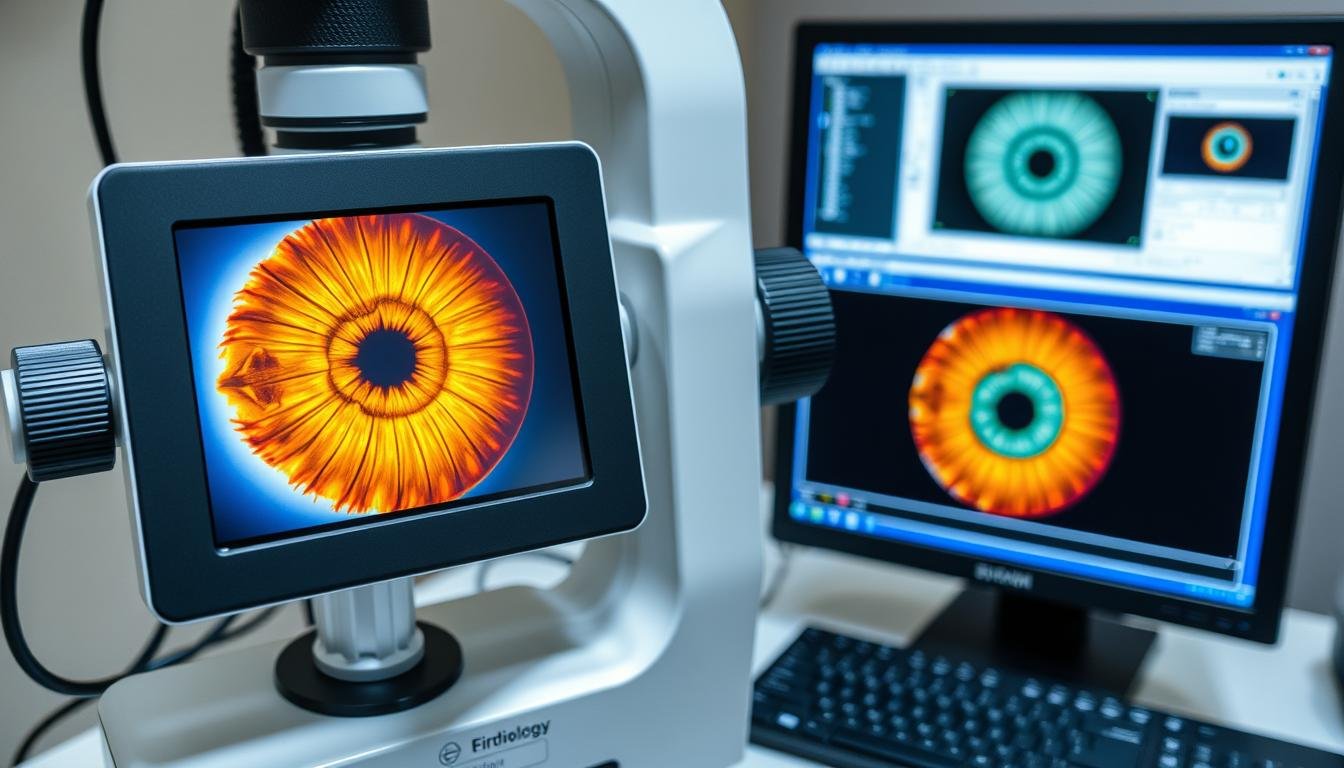
Modern digital iriscope used by contemporary شناسان
The latter half of the 20th century brought significant technological advancements that transformed how شناسان practice. These innovations included:
Improved Imaging Technology
The development of high-resolution cameras and specialized iriscopes allowed شناسان to capture detailed images of the iris. These tools provided much clearer visualization of iris structures than was previously possible with simple magnifying glasses.
Digital photography further revolutionized the field, enabling شناسان to document iris changes over time and compare images with precision.
Computer Analysis
The introduction of computer software designed specifically for iris analysis represented a major advancement. These programs could:
- Enhance iris images for better visibility of details
- Map iris zones automatically
- Compare current images with previous ones to track changes
- Generate detailed reports based on iris findings
By the end of the 20th century, iridology had evolved from a relatively simple observational practice to a more sophisticated system utilizing advanced technology. Modern شناسان could document their findings with greater precision and maintain detailed records of their patients’ iris changes over time.
Despite these technological advances, the core principles established by the early pioneers remained fundamental to شناس شناس practice. The iris chart, though refined and expanded, still followed the basic mapping concept introduced by von Peczely and developed by Jensen.
How to Become a Certified شناس شناس Today
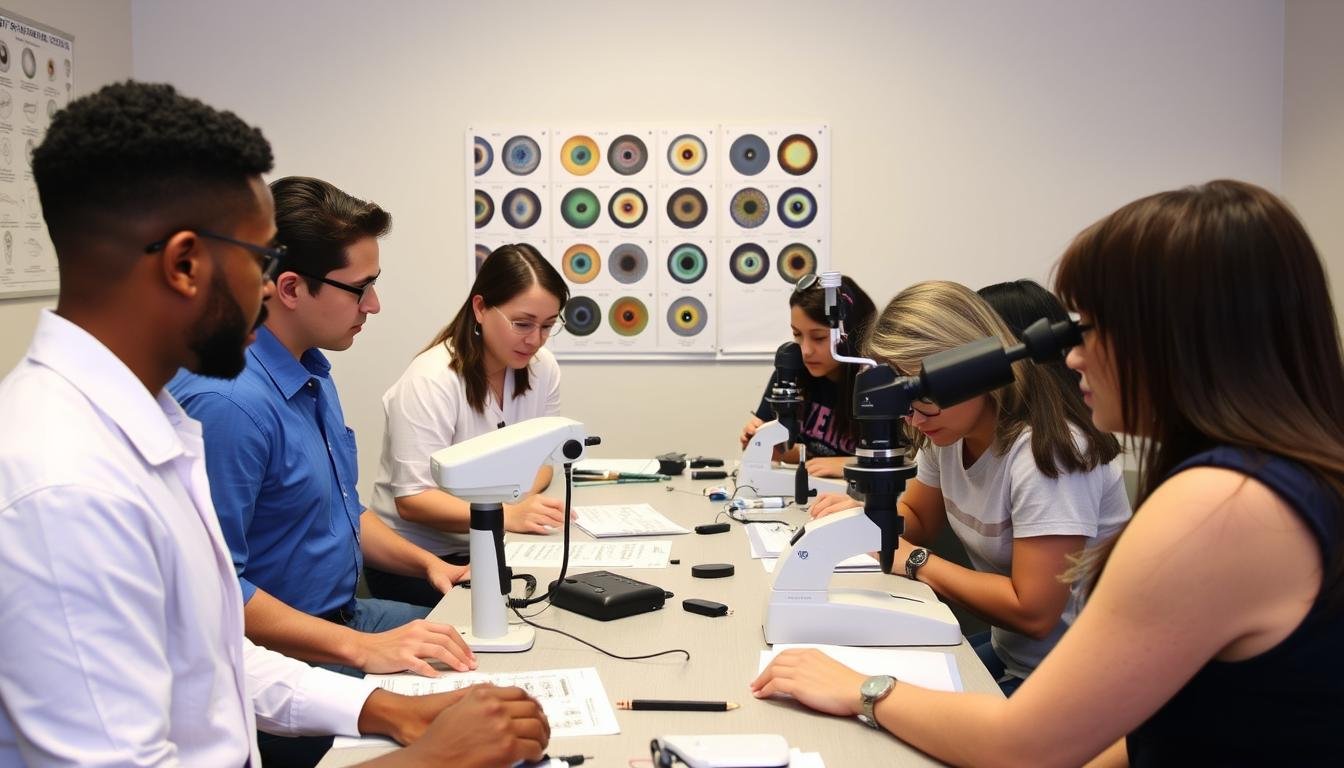
Students learning iris analysis techniques in an شناس شناس certification program
For those interested in pursuing a career as an شناس شناس, there are several educational paths available today. While iridology is not regulated by governmental medical boards in most countries, there are reputable certification programs that provide comprehensive training.
Explore Professional Iridology Certification
برای تعمیق درک خود از iridology و کسب اعتبار حرفه ای آماده هستید؟ برنامه جامع صدور گواهینامه ما مهارت ها و دانش مورد نیاز برای تمرین به عنوان یک واجد شرایط را فراهم می کند شناس شناس.
گزینه های صدور گواهینامه را کشف کنید
بیشتر برنامه های آموزشی ایریدولوژی شامل اجزای زیر است:
| جزء آموزشی |
شرح |
مدت زمان معمولی |
| نظریه بنیادی |
تاریخچه ایریدولوژی، اصول اولیه، توپوگرافی عنبیه و انواع قانون اساسی |
40-60 ساعت |
| تجزیه و تحلیل عنبیه |
مطالعه دقیق علائم عنبیه، نشانه ها، رنگ ها و تفسیر آنها |
80-100 ساعت |
| تمرین بالینی |
جلسات تمرین تحت نظارت که عکسهای عنبیه واقعی و مطالعات موردی را تجزیه و تحلیل میکنند |
50-100 ساعت |
| آموزش تجهیزات |
آموزش استفاده از عنبیه، دوربین و نرم افزارهای آنالیز |
20-30 ساعت |
| مطالعات تکمیلی |
آناتومی پایه، فیزیولوژی، تغذیه و درمان های طبیعی |
60-100 ساعت |
Several organizations offer respected certification programs for aspiring شناسان:
- انجمن پزشکان بین المللی ایریدولوژی (IIPA)
- National Iridology Research Association (NIRA)
- Guild of Naturopathic Iridologists International (GNI)
- Institute of Applied Iridology
- Bastyr University (offers courses in iridology as part of naturopathic programs)
زیاد شناسان also pursue additional education in complementary fields such as naturopathy, nutrition, herbalism, or other holistic health practices. This integrated approach allows practitioners to offer more comprehensive health guidance based on their iris analysis findings.
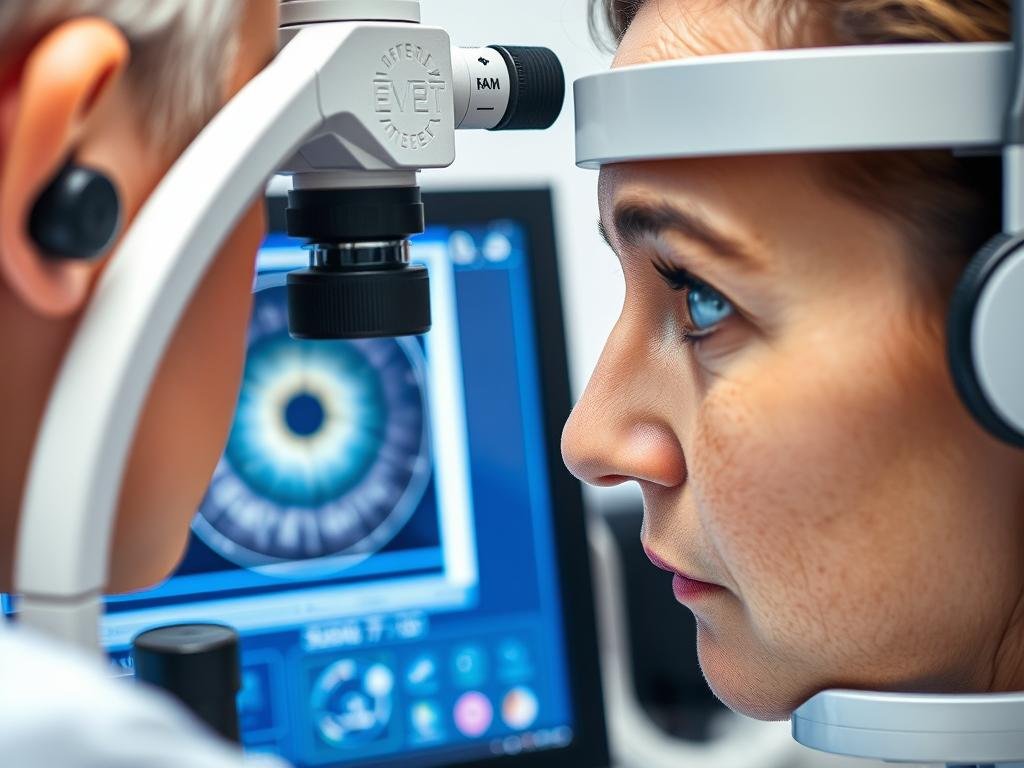
مدرن شناس شناس using digital equipment for precise iris analysis
Continuing education is an important aspect of an ایریدولوژیست career, as the field continues to evolve with new research and technological advancements. Most certification programs require ongoing education to maintain credentials.
دیدگاه علمی در شناس شناس Practices
While iridology has a dedicated following among alternative health practitioners, it’s important to understand how the conventional medical and scientific communities view this practice.

Scientific research examining claims made by شناسان
The scientific community has conducted several studies to evaluate the efficacy and validity of iridology as a diagnostic tool. Most of these studies have not supported the fundamental claims made by شناسان.
استدلال های پشتیبان
- عنبیه حاوی هزاران انتهای عصبی است که از طریق عصب بینایی به مغز متصل می شوند
- Some health conditions do cause visible changes in the eyes (though not necessarily in the iris patterns)
- Anecdotal success stories from patients who have benefited from شناس شناس consultations
- Potential value as a complementary assessment tool when used alongside conventional diagnostics
چشم اندازهای بحرانی
- Lack of consistent scientific evidence supporting diagnostic accuracy
- Controlled studies have not shown شناسان can reliably identify specific diseases
- No proven physiological mechanism explaining how internal organs would affect iris patterns
- Risk of missed or delayed diagnosis if used instead of conventional medical testing
Several peer-reviewed studies have examined the diagnostic accuracy of iridology. A notable study published in the Journal of the American Medical Association in 1979 tested the ability of شناسان to detect kidney disease by examining photographs of irises. The study found that the شناسان could not distinguish between healthy individuals and those with kidney disease.
Similar studies have been conducted for other conditions with comparable results. A systematic review published in 2000 examined all available controlled studies of iridology and concluded that “اعتبار ایریدولوژی به عنوان یک ابزار تشخیصی توسط ارزیابی های علمی پشتیبانی نمی شود.”
“While the historical development of iridology is fascinating, and many practitioners are sincere in their beliefs, we must acknowledge that conventional medicine requires evidence-based validation of diagnostic methods.”
– مجله طب جایگزین و مکمل
Despite these scientific challenges, many شناسان continue to practice and report positive outcomes for their clients. Some suggest that the benefits may come from the holistic health advice that often accompanies an iridology session, such as improved nutrition and lifestyle changes, rather than from the iris analysis itself.
It’s worth noting that some medical professionals have taken an interest in exploring potential correlations between iris characteristics and certain genetic predispositions, suggesting there may be some aspects of iridology worthy of further scientific investigation.
Conclusion: The Legacy of ایریدولوژیست ها Through History
The history of iridology and the contributions of pioneering شناسان represent a fascinating chapter in the development of alternative health practices. From the early observations of Ignaz von Peczely to the systematic approach of Bernard Jensen, شناسان have built a unique system of analysis that continues to attract interest worldwide.
While scientific validation remains a challenge for the field, the historical significance of iridology cannot be denied. The practice has evolved considerably over the centuries, adapting new technologies and refining its methodologies while maintaining its core principles.
For those interested in holistic approaches to health, understanding the historical context and development of iridology provides valuable perspective. Whether viewed as a complementary assessment tool or approached with scientific skepticism, the story of iridology and its practitioners offers insights into humanity’s ongoing quest to understand the connections between different aspects of health and the body.
Deepen Your Knowledge of Iridology
Whether you’re considering becoming an شناس شناس or simply want to learn more about this fascinating field, we offer comprehensive resources to support your journey.
Explore Iridology Resources
سوالات متداول در مورد ایریدولوژیست ها
What qualifications should I look for when choosing an شناس شناس؟
هنگام انتخاب یک شناس شناس, look for certification from recognized organizations such as the International Iridology Practitioners Association (IIPA) or the Guild of Naturopathic Iridologists. Additionally, consider their years of experience, client testimonials, and whether they have complementary training in fields like nutrition or naturopathy.
How does an ایریدولوژیست approach differ from conventional medical diagnosis?
در شناس شناس takes a holistic approach, looking for patterns in the iris that may indicate constitutional weaknesses or tendencies rather than diagnosing specific diseases. Conventional medical diagnosis relies on symptoms, laboratory tests, and imaging studies to identify specific pathologies. ایریدولوژیست ها often focus on prevention and identifying potential health issues before they manifest as clinical symptoms.
قوطی شناسان detect all health conditions through iris analysis?
نه، شناسان do not claim to detect all health conditions. The practice is considered most useful for identifying constitutional tendencies, potential weaknesses in certain organs or systems, inflammation, and toxin accumulation. Acute conditions, infections, and many specific diseases require conventional medical diagnosis. Most responsible شناسان recommend working in conjunction with conventional healthcare providers.
How long does it take to become a certified شناس شناس؟
The time required to become a certified شناس شناس varies depending on the program. Basic certification courses may take 3-6 months of part-time study, while comprehensive programs can take 1-2 years. Many practitioners continue their education throughout their careers, adding specialized knowledge and techniques to their practice.
What is the relationship between eye color and an ایریدولوژیست تحلیل؟
ایریدولوژیست ها consider eye color an important factor in their analysis. They classify eyes into different constitutional types: blue (lymphatic), brown (hematogenic), and mixed (biliary). Each type is believed to have different inherent strengths and weaknesses. For example, blue-eyed individuals may be more prone to lymphatic and respiratory issues, while brown-eyed people might have more challenges with blood, liver, and digestive functions according to iridology theory.
About the Author
This article was written by Dr. Sarah Chen, a certified شناس شناس with over 15 years of experience in the field. Dr. Chen holds certifications from the International Iridology Practitioners Association and has trained with leading شناسان across Europe and North America. She maintains a holistic health practice where she integrates iridology with nutritional counseling and herbal medicine.


