


 Your iris holds thousands of nerve fibers. These structures can shift in appearance throughout your life due to various factors.
Many people wonder whether iris color shifts indicate health changes. Some practitioners believe certain patterns may reflect body conditions. This article examines what current understanding reveals about color variations in the iris, how iridologists interpret these changes, and what scientific studies have documented about this assessment method.
You will discover the most common color variations observed, their proposed meanings in practice, and how modern equipment helps practitioners perform detailed analysis. Whether you are a health professional considering adding this assessment tool or someone curious about what iris variations might indicate, this comprehensive guide provides clear, evidence-based information.
What Is Iridology Color Change and Why Does It Occur?
Iridology represents a practice where trained observers examine the iris to assess potential connections with body systems. The core concept suggests that different iris zones may correspond to specific organs or body regions.
Color changes in the iris happen naturally. Your eye color at birth may differ from what you see decades later.
Several factors contribute to iris appearance shifts. Pigment distribution can alter over time. Melanin levels in the iris stroma may increase or decrease with age. Environmental influences, dietary habits, and circulation patterns may also play roles that practitioners observe during examinations.
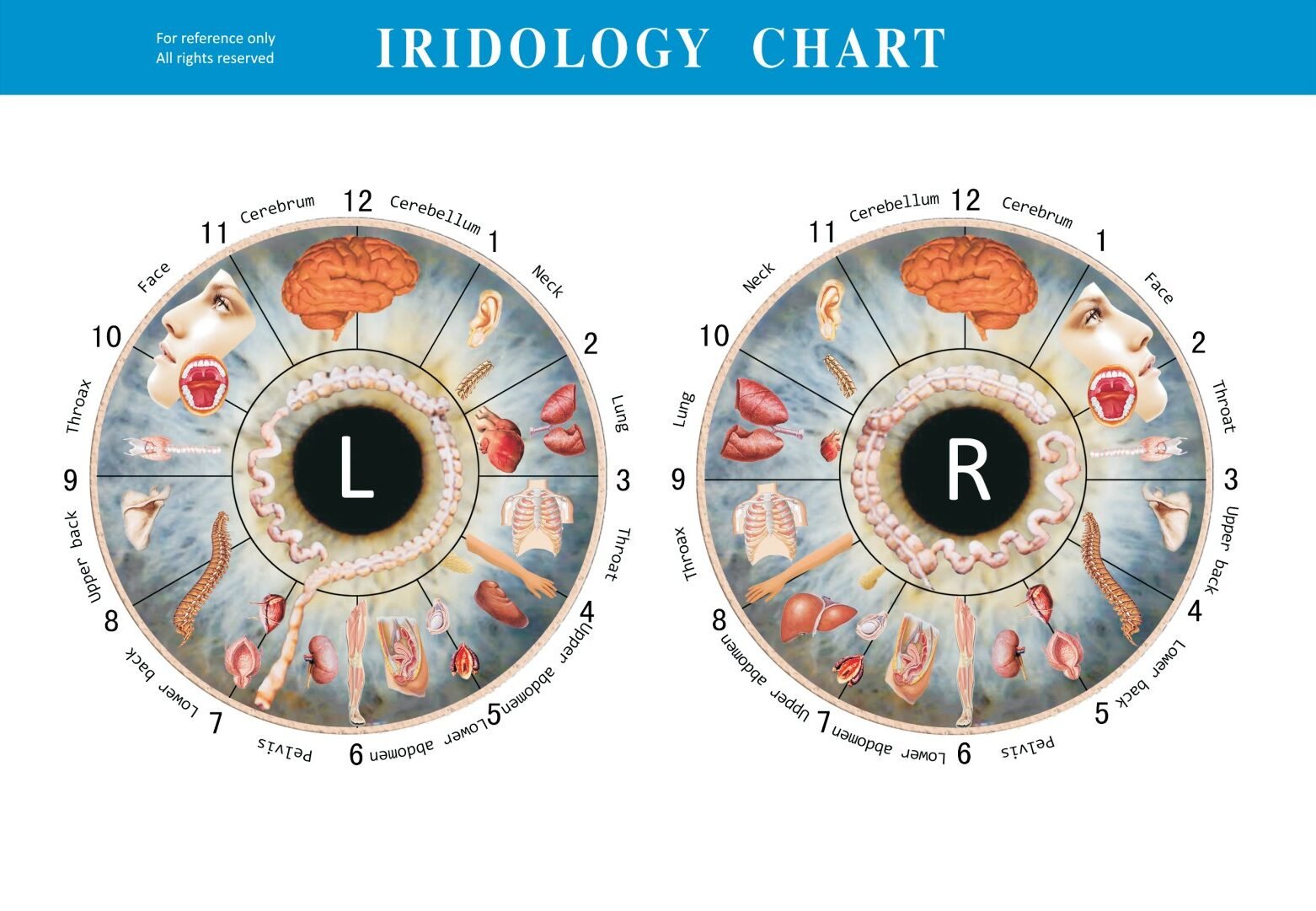
The iris contains two primary layers. The anterior border layer holds most visible pigmentation. The posterior layer contains pigment epithelium. Changes in either layer can modify overall iris appearance.
Iridologists document several common variation types. Some people develop darker spots or patches. Others notice lightening in certain iris areas. Circular rings, called stress rings or nerve rings, may appear or become more pronounced. Textural changes in iris fibers represent another observation category.
Traditional iridology theory proposes that these variations might reflect body processes. For example, darker pigmentation in specific zones could suggest toxin accumulation according to some practitioners. Lighter areas might indicate tissue weakness or reduced function in corresponding body regions.
It is important to note that mainstream medical science does not recognize iridology as a diagnostic tool. Multiple studies have examined whether trained iridologists can accurately identify health conditions through iris examination. Most research has not supported diagnostic accuracy claims.
Nevertheless, many practitioners worldwide continue using iris analysis as part of holistic health assessments. They view it as one component among multiple evaluation methods rather than a standalone diagnostic approach.
Physical Factors Affecting Iris Color
Your iris responds to physical influences throughout life. Age represents a primary factor as melanin distribution naturally shifts over decades.
- Melanin production changes with hormonal fluctuations
- Circulation patterns influence nutrient delivery to iris tissues
- Medication can affect pigmentation in some cases
- Trauma or inflammation may create localized color changes
- Genetic factors determine baseline iris structure and color potential
Environmental and Lifestyle Influences
External factors can contribute to iris appearance modifications over time according to some practice observations.
- Dietary patterns may influence overall tissue health including iris
- Toxin exposure is theorized to create visible markings by some practitioners
- Stress levels might affect nerve ring prominence
- Sun exposure can impact eye pigmentation over years
- Hydration status may influence iris fiber appearance
Understanding these foundational concepts helps frame how practitioners approach iridology color analysis in clinical settings. The next section explores specific color patterns and their interpretations.
Common Iris Color Patterns and Their Meanings in Iridology Practice
Practitioners categorize iris appearances into several baseline types. These classifications form the foundation for more detailed iridology color change analysis.

The three primary iris types recognized in traditional systems include blue, brown, and mixed categories. Blue irises typically show fiber structure more clearly. Brown irises have denser pigmentation that can obscure underlying patterns. Mixed irises combine characteristics of both types.
Blue and Light-Colored Iris Patterns
Light blue or gray irises allow practitioners to observe fiber details easily. These eyes often display distinct radial fibers extending from the pupil margin outward.
In iridology eye color interpretation, lighter irises may show white or cream-colored areas. Some practitioners associate these with lymphatic constitution types. Darker markings against the light background stand out prominently, making pattern recognition simpler during examination.
Blue irises sometimes develop brownish spots over time. These pigment additions are called pigment nevi or iris freckles. While mainstream ophthalmology considers most harmless, iridologists may interpret their location according to iris chart mappings.
Brown and Dark-Colored Iris Characteristics
Darker brown irises present different observation challenges. The dense pigmentation can hide subtle fiber changes that might be visible in lighter eyes.
Iridology eye color change brown eyes analysis requires specialized lighting equipment. High-quality cameras with proper illumination help practitioners see through pigmentation layers to identify underlying patterns.
Brown irises may develop lighter patches over time. These depigmented areas create contrast against the darker background. Some practice theories suggest these could indicate tissue changes in corresponding body areas per iris chart mappings.
Green, Hazel, and Mixed Iris Types
Green and hazel irises combine blue fiber structure with brown pigment overlay. This creates unique appearance characteristics that change based on lighting conditions.
The iridology eye color green category often shows both fiber detail and pigmentation variations. Practitioners can observe multiple pattern types within single iris examinations.
These mixed types may shift appearance more noticeably with environmental factors. Lighting, clothing colors, and even emotional states can temporarily affect how these irises appear to observers.
| Iris Color Type | Fiber Visibility | Common Variations | Analysis Considerations |
| Blue/Gray | High clarity | Dark spots, white areas, stress rings | Easiest for detailed pattern observation |
| Brown | Low clarity | Light patches, texture changes | Requires enhanced lighting equipment |
| Green/Hazel | Medium clarity | Pigment shifts, fiber exposure | Variable appearance with lighting |
| Mixed | Variable | Multiple pattern types | Requires experience for interpretation |
Specific Color Markings and Their Interpretations
Beyond baseline iris types, practitioners observe specific color markings that may appear anywhere in the iris field.
Iridology orange color markings sometimes appear as small patches or streaks. Traditional interpretations often associate orange-yellow tones with pancreatic zones or digestive system areas depending on location.
Yellow colorations receive attention in practice. Iridology yellow in eye color observations may occur in the sclera border area or within iris tissue itself. Some practitioners connect these with liver function zones on iris charts, though scientific validation for such connections remains absent.
White or very light areas create stark contrast in darker irises. These could represent loss of pigmentation over time. Practice theories vary on interpretation, with some viewing them as indicators of tissue weakness in mapped body regions.
Dark brown or black spots stand out against lighter iris backgrounds. The orange in eye color iridology assessment framework sometimes classifies reddish-brown spots differently from pure dark markings, assigning varied significance based on hue and location.

Practitioners document these findings during examinations. Many use specialized photography systems to create permanent records for comparison over time. This allows tracking of any iridology color change progression during ongoing client relationships.
Professional Equipment for Accurate Color Analysis
Precise iris examination requires quality imaging equipment. MAIKONG manufactures professional-grade iridology cameras with advanced color accuracy and cross-platform software compatibility. Our systems support detailed documentation for practice use.
The variety of color patterns and their traditional interpretations creates a complex assessment framework. Practitioners typically spend considerable time studying iris charts and pattern recognition before applying these concepts in client consultations.
How Iridologists Analyze and Document Color Changes
The practice methodology for iridology color analysis involves systematic observation and documentation processes. Trained practitioners follow specific protocols to ensure consistent examinations.
Initial Iris Assessment Process
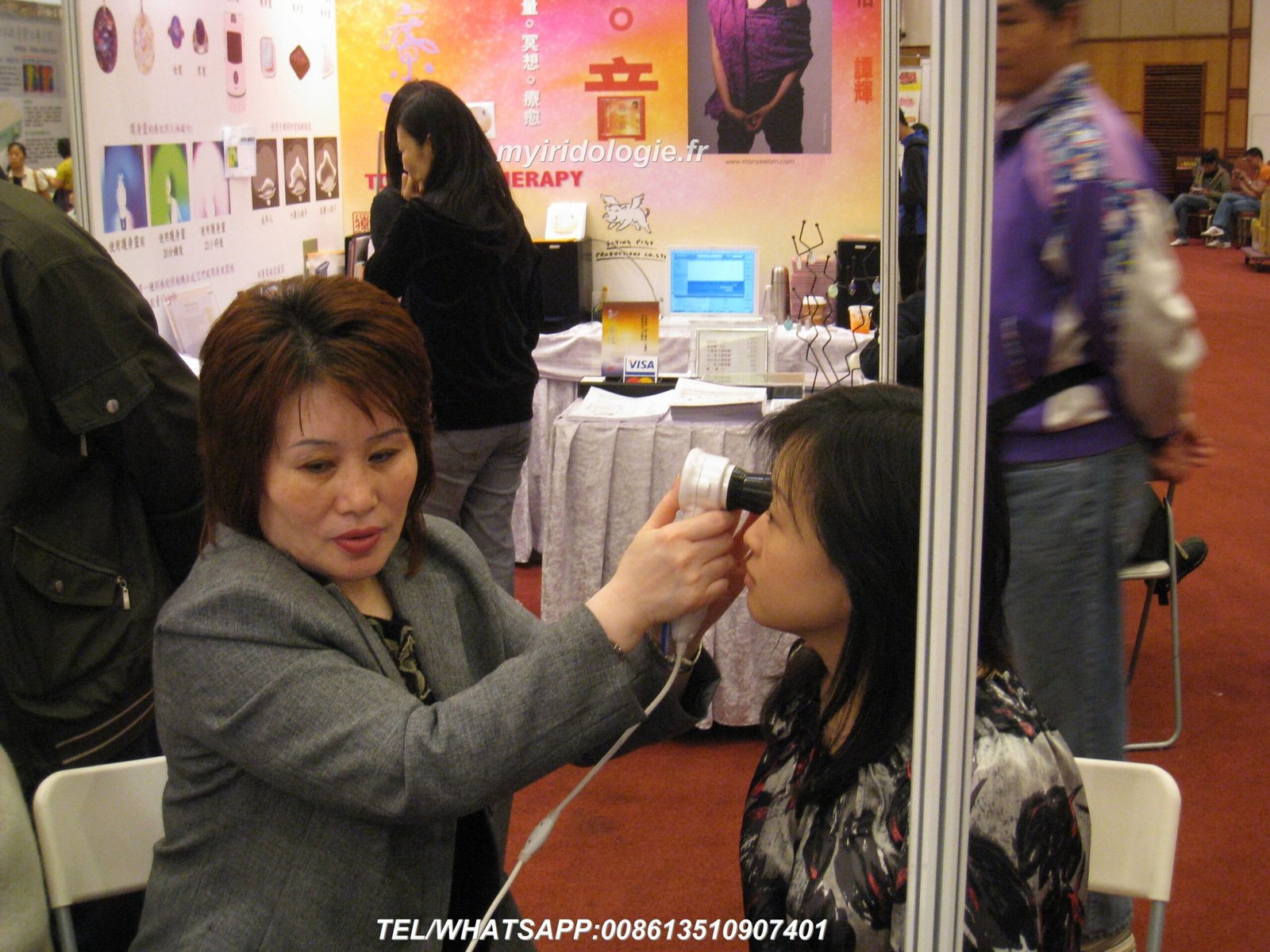
A typical session begins with baseline photography. The iridologist captures high-resolution images of both irises under controlled lighting conditions.
Proper lighting proves critical for accurate observation. Specialized equipment provides even illumination across the entire iris surface without creating reflections that obscure details.
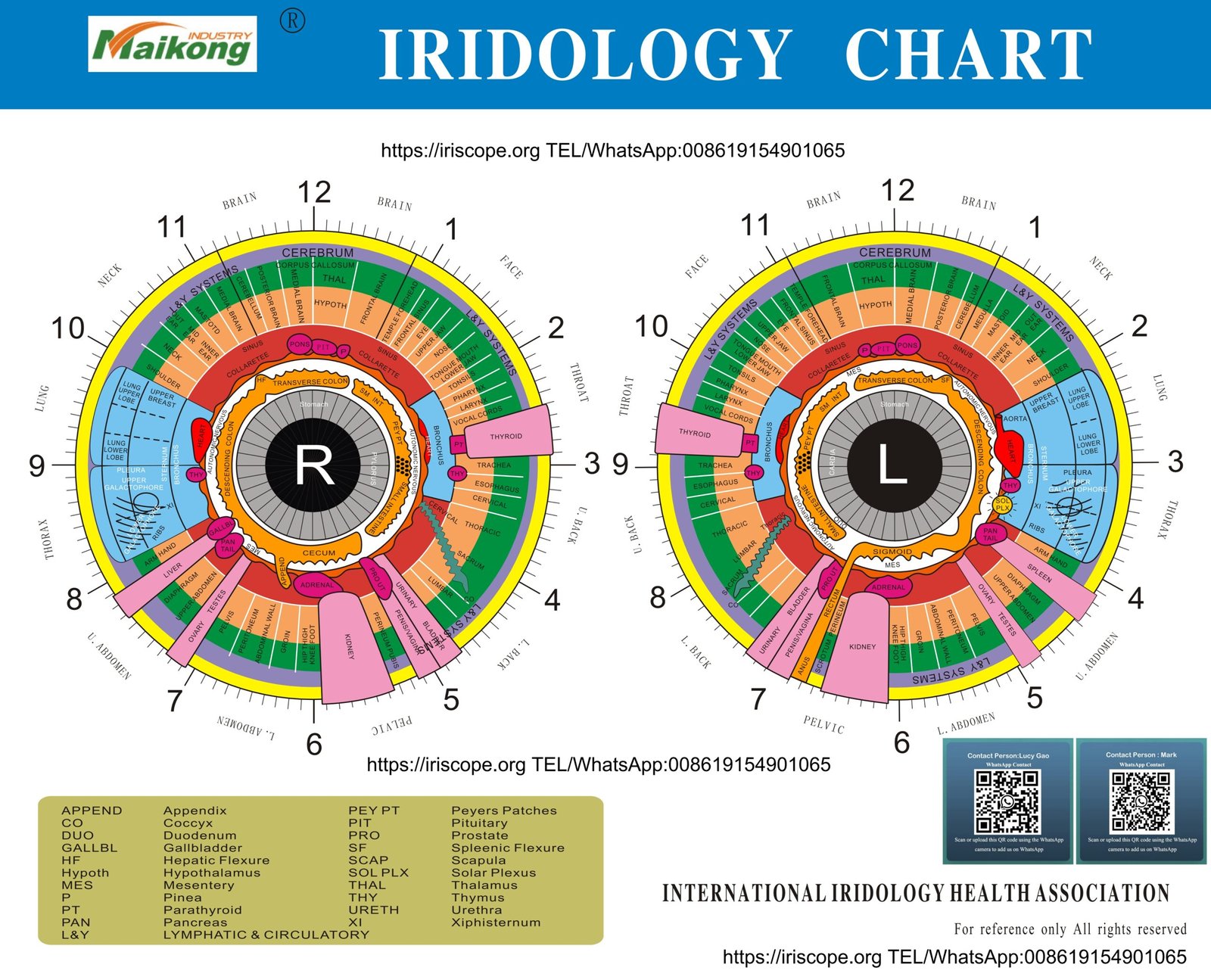
The practitioner examines each iris zone according to standard chart mappings. Most systems divide the iris into 12 primary zones corresponding to clock positions. These zones then subdivide into smaller segments representing different body regions or organ systems.
Documentation includes noting the baseline iris type, overall color, fiber density, and any distinctive markings. This creates a reference point for future comparison if the client returns for follow-up assessments.
Identifying and Categorizing Color Variations
Experienced practitioners develop visual recognition skills through extensive training and practice. They learn to distinguish between normal iris features and variations that might warrant notation.
Common categories documented include pigmentation spots, fiber disruptions, lacunae (small gaps in fiber structure), crypts (deeper indentations), and rings or circles concentric to the pupil.
Each marking receives classification based on color, size, density, and precise location. The location mapping uses iris chart reference systems that have developed over years of practice refinement.
For example, a dark brown spot appearing at the 2 o’clock position in the right iris might be noted differently than an identical marking at 8 o’clock, as these positions correspond to different body system zones on standard charts.
Using Iris Charts for Interpretation
The iridology chart serves as the primary reference tool. Multiple chart versions exist, with the most widely used being those developed by pioneers like Bernard Jensen and Josef Deck.
These charts map body organs and systems onto iris zones. The right and left eyes typically show mirror-image mappings with some variations depending on the chart system used.
When a practitioner identifies a color variation, they reference its location against the chart. This provides context for interpretation within that particular practice framework.
Different chart systems sometimes assign different meanings to identical iris locations. This creates interpretation variance between practitioners who follow different methodological schools.
Traditional Assessment Steps
- Capture baseline iris photographs with calibrated equipment
- Examine overall iris constitution type and base color
- Systematically scan each iris zone for variations
- Document specific markings with location and characteristics
- Compare findings against standard iris chart mappings
- Correlate observations with client health history when available
- Create interpretation notes for client consultation discussion
- Store images for potential future comparison tracking
Technology and Modern Analysis Methods
Contemporary practice has embraced digital technology. Advanced cameras capture iris details that were difficult to observe with older examination methods.
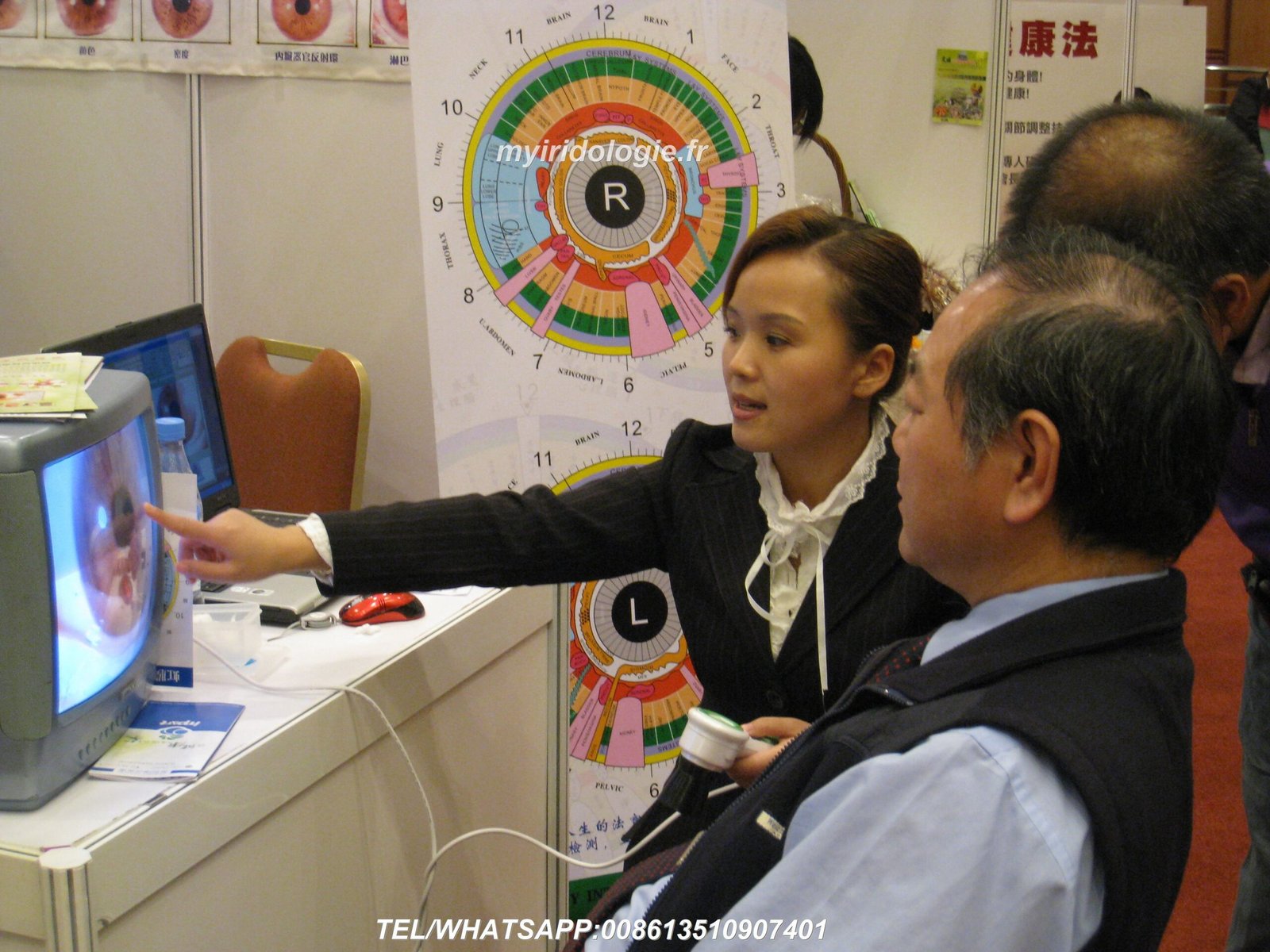
Modern iridology software systems offer several advantages. They provide image enhancement capabilities, allowing practitioners to zoom into specific iris regions for detailed examination. Some programs include chart overlay features that superimpose traditional iris maps onto captured images.
Digital storage enables long-term documentation. Practitioners can compare images taken years apart to track any progressive iridology color change over time. This proves particularly valuable for monitoring clients through extended practice relationships.
Image analysis software sometimes includes measurement tools. These allow quantification of marking sizes, ring diameters, and other features that practitioners might track numerically rather than through qualitative description alone.
Cross-platform compatibility has become important for practice flexibility. Equipment that functions with both Windows and Mac operating systems provides practitioners greater workflow options regardless of their preferred computer platform.
Technical Support Available: For practitioners using professional iris analysis equipment, technical questions can arise during setup or operation. MAIKONG provides dedicated support through WhatsApp for immediate assistance. Contact our technical team at +86-135-1090-7401 for equipment-related inquiries.
Bernard Jensen’s Contributions to Color Analysis
Dr. Bernard Jensen significantly influenced modern iridology practice in the United States. His work spanning decades helped standardize observation protocols and chart systems.
Jensen iridology what does changing eye color mean formed a central question in his research and teaching. He documented thousands of iris photographs paired with health records, creating extensive reference materials.
Jensen’s chart system remains one of the most widely used references in North American practice. His books and training programs shaped how many current practitioners approach iris assessment.
He emphasized that iridology should complement rather than replace conventional medical diagnosis. This perspective continues in ethical practice standards today.
The analysis methodologies continue evolving as new practitioners bring fresh perspectives while building on foundational work from pioneers like Jensen. Technology advances provide tools that earlier generations could not access, potentially refining observation capabilities.
Scientific Research and Medical Perspective on Iris Color Changes
Understanding the scientific context around iridology color change requires examining what controlled studies have revealed about iris-health connections and the medical perspective on iris variations.
Research Studies on Iridology Accuracy
Multiple research teams have tested whether trained iridologists can accurately identify disease conditions through iris examination. The results from these controlled trials have been consistently negative.
A notable study published examined whether experienced practitioners could distinguish between patients with kidney disease and healthy control subjects based solely on iris photographs. The iridologists performed no better than chance in identifying which subjects had confirmed renal conditions.
Similar trials have tested iridology diagnostic accuracy for gallbladder conditions, cancer, and various other diseases. Across these investigations, practitioners could not reliably identify health conditions from iris examination alone.
These research findings led major medical organizations to conclude that iridology lacks scientific validity as a diagnostic tool. The American Medical Association and similar bodies do not recognize it as an evidence-based practice.
However, study limitations exist. Most research tested diagnostic accuracy rather than examining whether subtle iris changes might correlate with physiological states. The distinction matters because diagnostic claims differ from observational correlations.
Medical Understanding of Iris Changes
Ophthalmology recognizes several legitimate reasons for iris appearance changes unrelated to systemic health assessment claims.
Normal aging causes gradual iris modifications. Melanin distribution shifts over decades. Stromal thinning can alter color perception. These represent natural processes without disease implications.
Certain medications affect iris pigmentation. Prostaglandin analogs used for glaucoma treatment can darken iris color over months of use. This represents a documented pharmaceutical side effect.
Trauma or inflammation creates visible iris changes. Scarring from injury appears as textural or color modifications. Inflammatory conditions like iritis produce specific findings that ophthalmologists diagnose through slit-lamp examination.
Some systemic conditions do manifest iris signs. Wilson’s disease creates a characteristic copper ring called Kayser-Fleischer ring. Arcus senilis, a gray ring near the iris border, correlates with age and sometimes lipid levels. These specific findings differ from general iridology color analysis frameworks.
Genetic Factors in Iris Appearance
Genetics primarily determine baseline iris characteristics. Multiple genes influence pigmentation, with variations creating the spectrum of eye colors observed across human populations.
The OCA2 and HERC2 genes play major roles in blue versus brown eye determination. Other genetic factors contribute to green, hazel, and intermediate colors.
Genetic conditions sometimes affect iris appearance. Albinism reduces pigmentation across body tissues including irises. Heterochromia causes different colors between eyes or within segments of one iris due to genetic or developmental factors.
These genetic influences explain much natural variation in iris appearance without requiring health-condition explanations. Two people with identical health status might show completely different iris patterns simply due to hereditary factors.
Acknowledged Iris Examination Benefits
- Creates detailed visual documentation for health records
- May serve as part of comprehensive wellness assessment when combined with validated methods
- Provides talking points for client-practitioner health discussions
- Encourages detailed observation skills in holistic practice
- Can complement other alternative assessment approaches in integrative settings
Scientific Limitations and Concerns
- No controlled studies support diagnostic accuracy claims
- May delay seeking conventional medical care for serious conditions
- Interpretation varies significantly between different practitioners and systems
- Lacks standardized training and certification requirements in many regions
- Can create unwarranted health anxiety based on normal iris variations
The Gap Between Practice and Evidence
A significant disconnect exists between traditional iridology claims and scientific validation. Practitioners often report observational correlations between iris features and client health histories. However, anecdotal observations differ from controlled experimental verification.
Confirmation bias represents a recognized challenge. When practitioners expect certain iris patterns to correlate with specific conditions, they may unconsciously notice confirming cases while overlooking contradictory examples.
The placebo effect and therapeutic context also influence client experiences. Patients receiving attention, lifestyle advice, and supportive interaction may report health improvements regardless of the specific assessment method used during consultation.
Some researchers suggest that even if iris examination itself provides no diagnostic information, the practice framework might serve other valuable functions. It creates structured client engagement, encourages detailed health history discussion, and may motivate positive lifestyle changes through the consultation process.
This perspective views iridology more as a consultation tool than diagnostic instrument. While scientific studies have not validated health-condition identification through iris observation, the practice continues finding acceptance in certain alternative and complementary medicine contexts worldwide.
Understanding both the practice perspective and scientific limitations helps people make informed decisions about incorporating iris assessment into their health approaches or professional practices.
Practical Applications of Iridology Color Analysis in Wellness Settings
Despite scientific limitations, many wellness practitioners integrate iridology color change observation into holistic health assessment protocols. Understanding how it functions in real-world practice contexts provides insight into its continued use.
Integration with Holistic Health Assessment
Most ethical practitioners position iris examination as one component within comprehensive wellness evaluation rather than standalone diagnosis.

A typical intake might include health history questionnaire, lifestyle assessment, dietary evaluation, and physical observations including iris photography. This multi-faceted approach provides context that single-method assessment cannot offer.
The iris examination contributes to pattern recognition across multiple assessment dimensions. When iris findings align with other observations and client-reported symptoms, practitioners may develop hypotheses about potential health focus areas.
For example, if a client reports digestive concerns, follows dietary patterns associated with gut problems, and shows certain iris markings in digestive-mapped zones, a practitioner might emphasize nutritional counseling and gut health support regardless of iris findings alone.
Client Education and Engagement
Visual tools create powerful engagement opportunities. Showing clients magnified images of their own irises generates interest and facilitates health discussions.
Many people have never seen detailed photographs of their eyes. The novelty creates receptive moments for educational conversations about lifestyle factors, body systems, and wellness practices.
Practitioners can use iris features as anchors for explaining physiological concepts. Discussing stress rings while explaining nervous system function, or exploring pigmentation while addressing detoxification concepts, creates concrete visual references for abstract health topics.
This educational application differs from diagnostic claims. Rather than asserting that specific iris features prove particular conditions exist, practitioners frame observations as starting points for exploration and client empowerment.
Documentation and Progress Tracking
Regular iris photography creates visual health records over time. While medical validity of change interpretation remains unproven, clients often appreciate having detailed documentation as part of their wellness journey.
Comparing images from initial consultation with those taken months or years later provides visual feedback that clients find meaningful. Whether actual physiological changes correspond to observed iris modifications remains scientifically unclear, but the documentation process itself serves record-keeping and client relationship functions.
Some practitioners report that clients feel more committed to wellness recommendations when they anticipate future comparison photographs. This motivational effect exists independently from whether iris changes validly reflect health improvements.
Complementary Use with Other Modalities
Iridology frequently appears alongside other alternative assessment methods. Practitioners might combine it with tongue diagnosis, pulse assessment, applied kinesiology, or various energy medicine approaches.
This integration creates comprehensive alternative medicine protocols. While none of these individual methods have strong scientific validation for diagnostic purposes, practitioners and clients within holistic health frameworks often value the multi-dimensional assessment approach.
The combination also allows cross-referencing between different observation systems. When multiple assessment methods suggest similar focus areas, practitioners may feel increased confidence in their wellness recommendations even absent conventional diagnostic confirmation.
Professional Practice Settings Using Iris Assessment
- Naturopathic clinics combining multiple alternative diagnostic approaches
- Wellness centers offering integrative health services
- Nutrition practices emphasizing personalized dietary guidance
- Holistic spas providing health consultations alongside treatments
- Alternative medicine schools teaching traditional assessment methods
- Functional medicine practices incorporating diverse evaluation tools
Client Types Seeking Iris Analysis
- People interested in alternative and complementary medicine approaches
- Individuals seeking second opinions outside conventional medicine
- Wellness enthusiasts exploring preventive health strategies
- Those dissatisfied with conventional care experiences
- Patients with chronic conditions trying comprehensive approaches
- Health-conscious individuals pursuing self-knowledge
Ethical Practice Considerations
Responsible practitioners maintain clear boundaries around what iris examination can and cannot provide. Ethical standards include several important elements.
Practitioners should not claim diagnostic capability beyond what evidence supports. Presenting iridology as offering insights or observations rather than definitive diagnosis maintains appropriate scope.
Clients must receive clear communication that iris assessment does not replace conventional medical care. Anyone with concerning symptoms should seek appropriate medical evaluation regardless of iris findings.
Privacy and documentation standards matter. Professional-quality equipment and secure image storage protect client information while enabling proper practice record-keeping.
Continuing education keeps practitioners current with both traditional iridology knowledge and evolving scientific understanding. Awareness of research findings, even when they challenge practice assumptions, supports informed client interactions.
Transparent communication about the speculative nature of iris-health connections respects client autonomy. People can then make informed decisions about incorporating this assessment into their wellness approaches.
Support for Wellness Practitioners
Establishing or expanding an iris analysis component in your practice requires reliable equipment and ongoing support. MAIKONG has served wellness practitioners for over 20 years with professional-grade systems designed for clinical environments. Our cross-platform software works seamlessly on both Windows and Mac OS systems, providing flexibility for diverse practice needs.
The practical application landscape continues evolving as practitioners refine approaches and technology improves documentation capabilities. Understanding current practice contexts helps both providers and clients navigate this alternative assessment field.
Specialized Applications: Color Change Analysis in Specific Contexts
Beyond general practice, certain specialized areas have developed around iridology color change observation. These niche applications demonstrate the diversity of approaches within the broader field.
Iridology and Acupressure Integration
Some practitioners combine iris assessment with acupressure or reflexology protocols. The theory suggests that reflex zones in feet, hands, or ears might correspond to body areas also mapped on iris charts.
Iridology and acupressure eye color change work together in practices that use both modalities. A practitioner might identify iris features suggesting particular body system focus, then apply acupressure techniques targeting corresponding reflex points.
This integration creates multi-modal wellness sessions. Clients receive both assessment (through iris examination) and intervention (through acupressure application) within single appointments.
No scientific evidence validates whether this combination provides advantages over either method alone. However, practitioners report that clients appreciate the comprehensive approach and may experience relaxation benefits from the acupressure component regardless of theoretical frameworks.

Animal Iridology Applications
A small subset of practitioners apply iris observation principles to animals, particularly horses, dogs, and cats. Iridology eye color change feline assessment represents one example of this specialized application.
Animal iridology faces even greater validation challenges than human applications. Controlled studies in veterinary settings are essentially absent. Different species have distinct iris anatomy, making human chart systems inapplicable.
Nevertheless, some holistic veterinary practices or animal wellness consultants offer iris assessment as part of comprehensive animal health evaluations. This typically combines with other alternative approaches like herbal medicine or energy work.
The primary challenge involves obtaining clear iris images from animals who cannot cooperate like human subjects. Specialized veterinary ophthalmology cameras exist but remain expensive for routine wellness use.
Regional Practice Variations
Geographic differences influence how iridology practice develops. Iridology colorado might reference the concentration of alternative medicine practitioners in that region of the United States, where natural health approaches find significant acceptance.
European practice traditions sometimes differ from American approaches. German iridology schools developed distinct chart systems and interpretation frameworks. Russian practitioners contributed unique theoretical perspectives over decades of practice development.
These regional variations create diversity within the field. A practitioner trained in one tradition might interpret identical iris features differently than someone educated in another system.
This lack of standardization presents challenges for establishing universal practice standards. However, it also reflects the empirical, observation-based development of iridology across different cultural and practice contexts.
Focus on Specific Body Systems
Some practitioners specialize in using iris assessment for particular body system evaluation. Digestive system focus represents a common specialization area.
Gallbladder and liver zones receive particular attention in some practice frameworks. Practitioners might correlate specific iris markings in these mapped areas with digestive symptoms or dietary patterns.
Kidney function assessment through iris observation formed part of early iridology development. Despite research studies failing to validate diagnostic accuracy for kidney disease, some practitioners continue emphasizing renal zones during evaluations.
The cardiovascular system, nervous system, and endocrine system similarly receive focused attention from specialized practitioners who develop particular expertise in those iris chart regions.
Can Iris Color Actually Change From Health Interventions?
Anecdotal reports from practitioners suggest some clients show iris appearance changes following lifestyle modifications or wellness interventions. However, no controlled studies have documented that dietary changes, detoxification programs, or other natural health approaches produce measurable iris modifications. Any observed changes might reflect photographic variables, lighting differences, or observer interpretation rather than actual physiological transformation. Mainstream ophthalmology recognizes very few circumstances where adult iris color changes significantly, primarily limited to certain medications or pathological conditions.
How Does Iridology Training Prepare Practitioners to Analyze Color Changes?
Training programs vary considerably in depth and duration. Some certification courses last weeks while others extend months or years. Curriculum typically includes iris anatomy, chart system study, pattern recognition practice, and use of photography equipment. Students examine hundreds of iris images to develop observational skills. However, no standardized licensing exists in most regions, and training quality differs significantly between programs. Prospective students should research instructor credentials, program reputation, and alignment with their intended practice context before enrolling.
What Equipment Do Professionals Use for Color Analysis?
Professional iris examination requires specialized cameras providing high magnification and precise lighting. Modern systems capture detailed digital images showing individual iris fibers and subtle color variations. Quality equipment includes adjustable illumination to manage different iris pigmentation types, sufficient resolution for detailed observation (typically 5+ megapixels for iris photography), and software enabling image management and chart overlay features. Cross-platform compatibility allows practitioners flexibility in computer system choice for practice integration.
These specialized applications demonstrate how iridology has diversified beyond its original foundations. Whether these variations represent meaningful refinements or simply practice fragmentation remains debated within the field itself.
Selecting Professional Equipment for Iridology Color Analysis
For practitioners considering adding iris assessment to their services, equipment selection significantly impacts practice quality and client experience. Understanding key considerations helps make informed investment decisions.
Essential Camera Features for Iris Photography
Image quality forms the foundation of effective iris examination. Several technical specifications deserve attention when evaluating equipment options.
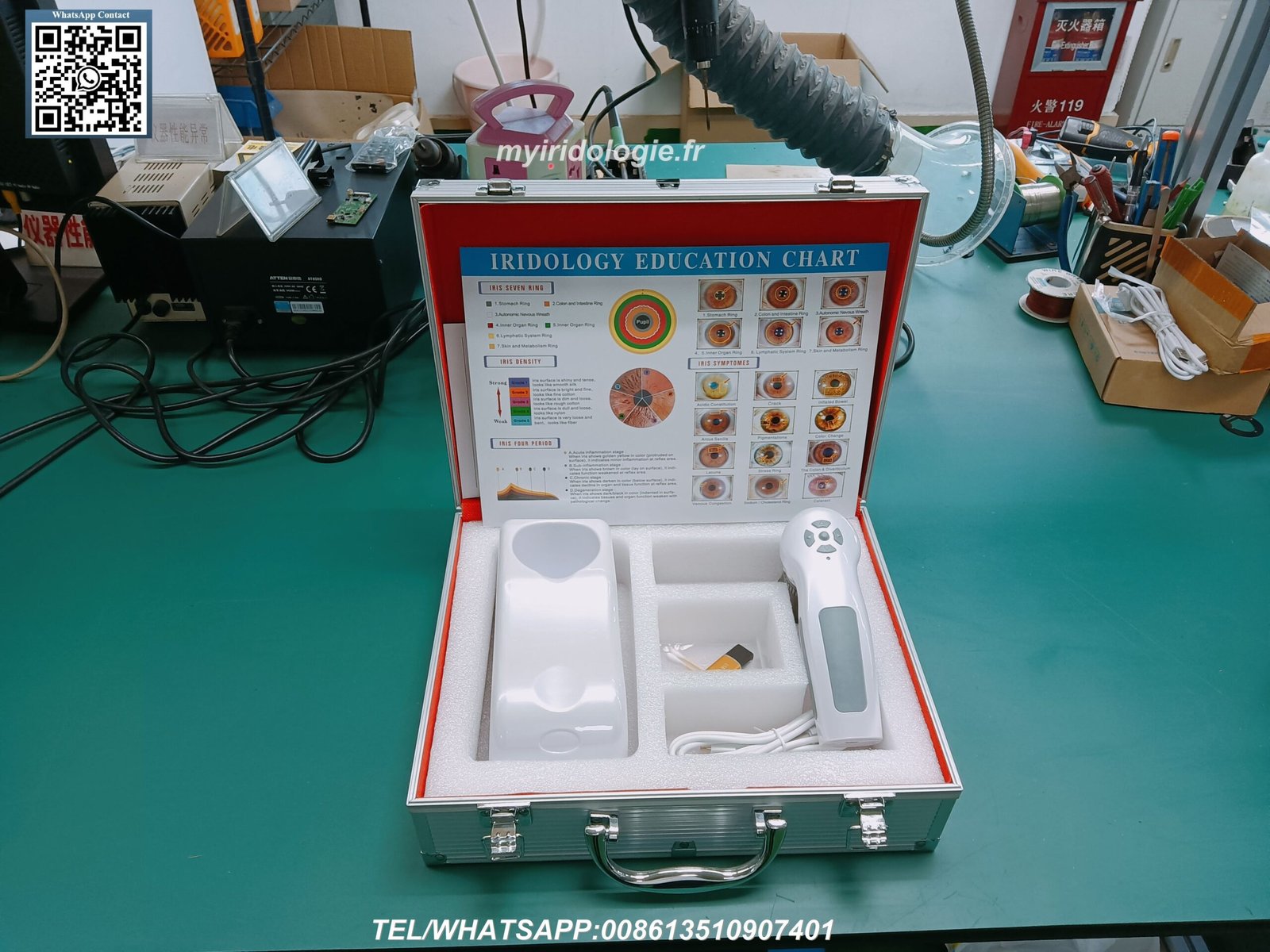
Resolution determines detail visibility. Cameras should provide sufficient megapixels to capture individual iris fibers and small color variations. Professional systems typically offer 5-12 megapixel sensors optimized for close-range iris photography.
Lighting consistency ensures comparable images across sessions. Quality equipment includes calibrated LED illumination that provides even, color-accurate lighting without creating harsh reflections that obscure iris details.
Magnification capability allows practitioners to fill the image frame with iris detail. Appropriate magnification shows the entire iris clearly while maintaining sharp focus across the curved surface.
Ease of use matters for practice flow. Systems should allow quick image capture without complicated setup between clients. Simple operation maintains appointment efficiency while ensuring consistent results.
Software Capabilities and Compatibility
Modern iris analysis depends heavily on software functionality. The program managing captured images should offer features supporting professional practice needs.
Image management capabilities include client databases where images link to individual records. This organization enables easy comparison between sessions and maintains documentation for practice record-keeping.
Chart overlay features allow practitioners to superimpose standard iris maps onto captured images. This visual reference aids interpretation and client education during consultations.
Measurement tools enable practitioners to quantify features like ring diameters or marking sizes. While interpretation remains largely qualitative, some practitioners appreciate numerical documentation options.
Cross-platform compatibility provides practice flexibility. Software functioning on both Windows and Mac OS systems accommodates different practitioner preferences without limiting equipment options.
Support and Training Considerations
Equipment represents only part of successful practice integration. Manufacturer support and training resources significantly impact practitioner confidence and competence.
Technical support availability helps resolve equipment issues quickly. Access to knowledgeable assistance through convenient channels like WhatsApp or email prevents prolonged practice disruptions when technical questions arise.
Training materials should accompany equipment purchases. Video tutorials, user manuals, and software guides help practitioners master system capabilities without external training dependencies.
Some manufacturers offer practice development support. This might include marketing materials, client education resources, or consultation protocol suggestions that help practitioners integrate iris assessment effectively.
Warranty coverage and repair services protect equipment investments. Understanding what maintenance support the manufacturer provides prevents unexpected costs if equipment needs servicing.
Cost Considerations and Return on Investment
Professional iris camera systems represent significant practice investments. Costs typically range from moderate to substantial depending on features and capabilities.
Direct factory purchasing often provides better pricing than third-party distributors. Manufacturers selling directly to practitioners can offer competitive rates while maintaining quality standards.
Return on investment depends on several factors. How many clients will receive iris assessment? What fee structure makes sense for your practice context? Will equipment use attract new clients or primarily serve existing relationships?
Some practitioners justify equipment costs through dedicated iris consultation packages. Others include photography as complimentary service within comprehensive wellness programs, viewing it as practice differentiation rather than direct revenue source.
Equipment longevity matters for cost justification. Durable systems from established manufacturers typically provide years of reliable service, spreading investment costs across many client interactions.
Key Equipment Selection Criteria
- Image resolution sufficient for detailed fiber observation
- Consistent, color-accurate lighting system
- User-friendly operation for efficient practice flow
- Comprehensive software with chart overlay capabilities
- Cross-platform compatibility (Windows and Mac OS)
- Reliable manufacturer with established track record
- Accessible technical support through convenient channels
- Competitive pricing through direct factory purchase
- Adequate warranty coverage and repair services
- Training resources and practice support materials
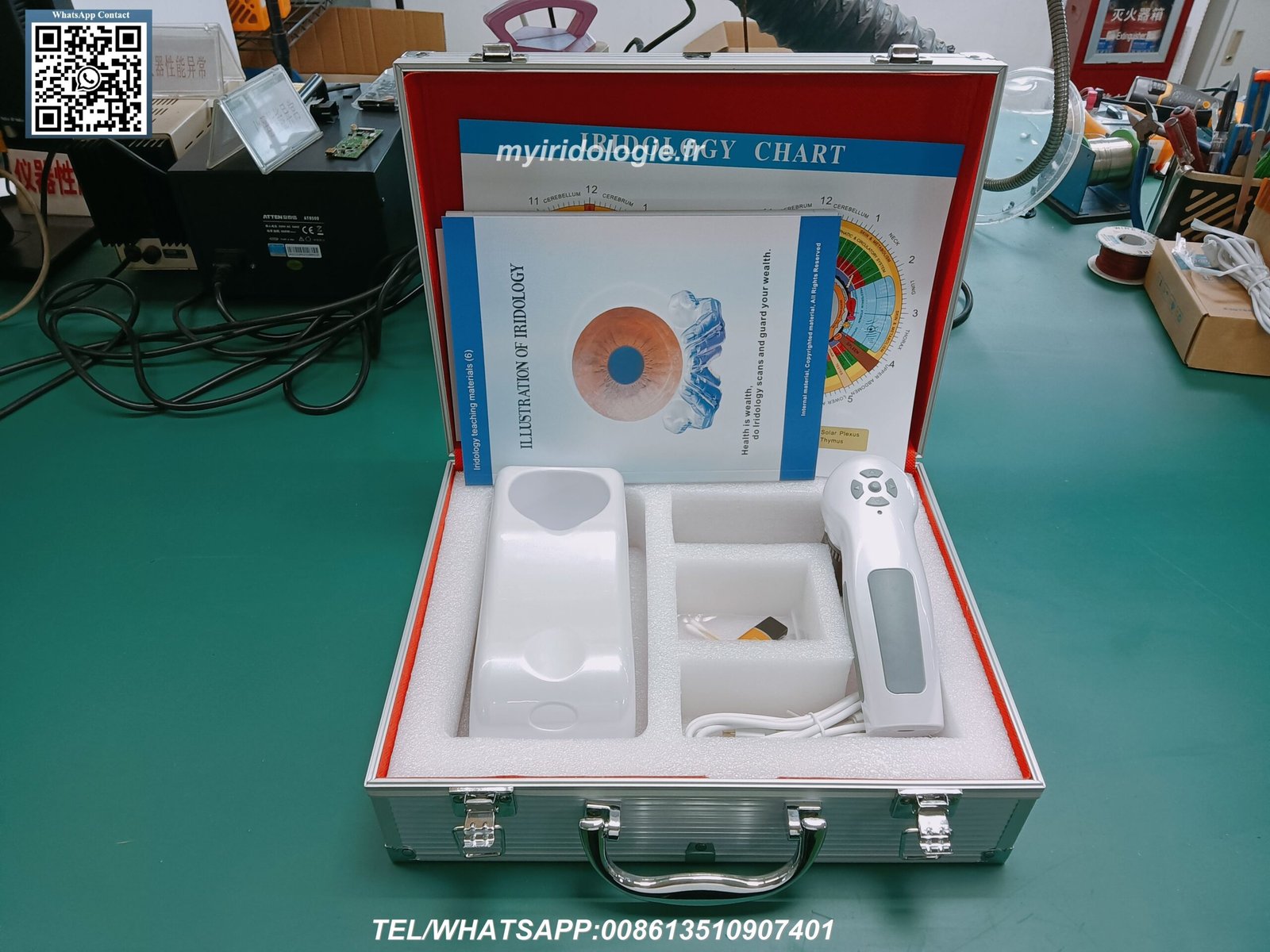
Customization and OEM Options
Some manufacturers offer customization for practitioners or distributors seeking branded solutions. OEM (Original Equipment Manufacturer) arrangements allow practices to offer equipment under their own branding.
This proves particularly relevant for larger practices, training organizations, or distributors serving multiple practitioners. Custom branding can include practice logos on equipment and software interfaces.
Language customization supports international practice or multicultural client bases. Software available in multiple languages expands accessibility for diverse populations.
These options typically require minimum order quantities and involve longer lead times than standard purchases. However, they provide differentiation opportunities for practice brands or distributor businesses.
Manufacturer Direct Benefits: MAIKONG manufactures professional iridology equipment with over 20 years of industry experience. Our factory-direct pricing provides value without compromising quality. The iriscope systems include industry-leading cross-platform software supporting both Windows and Mac OS – the first globally to offer this compatibility. For distributorship inquiries or equipment consultations, contact us at Lucy@iriscope.org or through our website at iriscope.org.
Thoughtful equipment selection supports practice success whether you are establishing a new iris assessment service or upgrading existing capabilities. Quality tools enable confident, professional client service while reliable support ensures smooth ongoing operation.
Common Questions About Iridology Color Change
What Does It Mean When Your Eye Color Changes According to Iridology?
In iridology practice frameworks, eye color changes are interpreted based on the specific nature and location of the variation. Darkening in certain zones might be viewed as indicating toxin accumulation or increased metabolic activity in corresponding body areas per iris chart mappings. Lightening could suggest tissue depletion or reduced function according to some theories. However, it is critical to understand that these interpretations lack scientific validation. Controlled studies have not confirmed that iris color changes reliably correlate with specific health conditions. Many factors influence iris appearance including normal aging, genetics, lighting conditions, and photography variables.
Can Diet or Detoxification Programs Change Eye Color?
Some practitioners and clients report observing iris appearance changes following dietary modifications or detoxification protocols. However, no peer-reviewed scientific research has documented that nutritional interventions produce measurable iris color modifications. Ophthalmology recognizes very limited circumstances where adult iris color genuinely changes, primarily involving certain medications or pathological conditions. Any perceived changes following wellness programs might reflect improved photography technique, different lighting, observer expectation bias, or natural variations rather than actual physiological transformation. If you notice significant eye color change, consult an ophthalmologist to rule out medical conditions requiring attention.
How Accurate Is Iridology for Detecting Health Problems?
Multiple controlled scientific studies have tested whether trained iridologists can accurately identify health conditions through iris examination. The research consistently shows that practitioners perform no better than chance at diagnosing specific diseases from iris photographs. For example, studies testing identification of kidney disease, gallbladder conditions, and cancer found no diagnostic accuracy beyond random guessing. Major medical organizations including the American Medical Association do not recognize iridology as scientifically valid for diagnosis. Some practitioners frame iris assessment differently – as a holistic observation tool rather than diagnostic method – and use it alongside other wellness approaches. This represents a different application than diagnostic claims that research has not supported.
What Is the Difference Between Iridology Eye Color Types?
Traditional iridology systems classify irises into basic constitution types primarily based on color. Blue or gray irises typically show fiber structure clearly, making pattern observation easier. These are sometimes called lymphatic types in certain frameworks. Brown irises have denser pigmentation that can obscure underlying structures, requiring better lighting and equipment for detailed examination. These may be classified as hematogenic types in some systems. Green, hazel, and mixed irises combine characteristics of both categories. Different iridology schools assign varied constitutional meanings to these basic types, though interpretations vary between practice traditions. Importantly, your baseline iris color primarily reflects genetic factors rather than health status, as mainstream ophthalmology recognizes.
What Equipment Do I Need to Practice Iridology Color Analysis?
Professional iris examination requires specialized photography equipment. The essential components include a high-resolution camera system designed specifically for iris imaging, providing sufficient magnification and detail. Proper lighting is critical – quality equipment includes calibrated illumination that evenly lights the iris without harsh reflections. Modern systems connect to computers running specialized software that manages images, enables chart overlay, and organizes client records. For practice flexibility, cross-platform software compatible with both Windows and Mac OS offers advantages. Additional items include iris chart references, client documentation materials, and potentially training resources. Professional-grade systems represent significant investments but provide the image quality necessary for detailed color and pattern observation that lower-quality equipment cannot deliver.
Is There Training or Certification Required for Iridology Practice?
Training requirements vary significantly by location and practice context. Most regions do not regulate iridology practice specifically, meaning no mandatory licensing exists. However, responsible practice typically involves completing training from recognized schools or programs. These range from short certification courses to comprehensive year-long programs. Training covers iris anatomy, chart systems, observation techniques, and equipment use. Some practitioners pursue certification from iridology organizations, though these represent voluntary credentials rather than government-mandated licenses. If iridology is offered within a larger practice (like naturopathy or nutrition), relevant professional licensing for that primary field usually applies. Prospective students should research program quality, instructor credentials, and alignment with their intended practice approach before investing in training.
Can Iridology Detect Serious Diseases Like Cancer?
No, scientific research has not validated that iridology can detect cancer or other serious diseases. Controlled studies specifically testing whether iridologists could identify cancer patients from iris photographs found no diagnostic accuracy. The same applies to other serious conditions including heart disease, kidney disease, and diabetes. Major medical organizations emphasize that iridology should not replace conventional medical diagnosis and screening. Anyone experiencing concerning symptoms or at risk for serious conditions should seek appropriate medical evaluation through evidence-based methods. Using iridology alone to assess serious disease risk could delay necessary medical care and potentially harm health outcomes. Ethical practitioners clearly communicate these limitations and encourage clients to maintain appropriate conventional medical relationships.
Why Does Eye Color Appear Different in Various Lighting Conditions?
Iris appearance changes with lighting primarily due to how different wavelengths interact with iris pigmentation and structure. The iris contains multiple layers with varying pigment densities. Different light sources emphasize different structural and color aspects. Natural daylight, incandescent bulbs, and fluorescent lighting each create distinct appearance effects. Additionally, pupil size changes with light exposure – larger pupils in dim light show less iris area while smaller pupils in bright light reveal more. Surrounding colors also influence perception through optical contrast effects. These variables explain why your eyes might look different colors in photographs or different environments. For consistent iridology examination, standardized lighting conditions are essential, which is why professional equipment includes calibrated illumination systems to eliminate these variables.
Moving Forward with Iridology Color Change Understanding
The study of iridology color change exists at the intersection of traditional practice and modern scientific scrutiny. This comprehensive exploration has covered the theoretical foundations, practical applications, scientific perspective, and equipment considerations surrounding iris assessment.
Several key points emerge from this examination. First, while iridology has developed extensive practice frameworks over more than a century, scientific validation for diagnostic claims remains absent. Controlled research consistently fails to demonstrate that trained observers can identify health conditions from iris examination with accuracy exceeding chance.
Second, iris color and appearance genuinely do vary between individuals and can change over time. However, these variations primarily reflect genetic factors, normal aging processes, and specific medical conditions recognized by ophthalmology rather than the broad systemic correlations proposed by traditional iridology theory.
Third, despite limited scientific support, iridology continues finding acceptance in alternative and complementary medicine contexts worldwide. Many practitioners integrate iris assessment as one component within holistic wellness evaluations rather than standalone diagnostic tools.

For health professionals considering whether to incorporate iris assessment, several factors warrant consideration. Does this align with your practice philosophy and client expectations? Can you ethically frame iris observation within appropriate scope, avoiding unsupported diagnostic claims? Will quality equipment investment provide reasonable return within your business model?
For individuals curious about what their eye color variations might indicate, balanced perspective proves valuable. While iridology offers interesting frameworks for thinking about body systems holistically, it cannot replace conventional medical evaluation for diagnosing health conditions. Anyone noticing significant eye changes should consult ophthalmology professionals to rule out conditions requiring medical attention.
The future of iridology likely involves continued parallel development. Practice traditions will evolve as new practitioners bring fresh perspectives and improved technology enables better documentation. Simultaneously, scientific research may explore whether any correlations exist between iris features and physiological states using more sophisticated methodology than past studies employed.
Technology particularly offers opportunities for advancement. Modern cameras capture iris details invisible to previous generations. Digital image analysis might identify subtle patterns beyond human observational capabilities. Whether such technological enhancement could validate aspects of traditional iridology theory or simply better document the complexity of iris anatomy remains to be seen.
For Health Practitioners
If iris assessment interests you professionally, approach with clear ethical boundaries and realistic expectations.
- Complete quality training from established programs with experienced instructors
- Invest in professional-grade equipment providing image quality necessary for detailed observation
- Frame iris assessment appropriately within holistic wellness context rather than diagnostic capability
- Maintain transparent client communication about scientific limitations and speculative nature
- Encourage clients to maintain conventional medical relationships for appropriate health concerns
- Stay informed about research developments in both iridology practice and scientific investigation
For Interested Individuals
Curiosity about iris variations and their potential meanings represents legitimate health interest.
- Understand that scientific evidence does not support iridology diagnostic accuracy claims
- Seek qualified ophthalmology evaluation for any concerning eye changes or vision problems
- If pursuing iridology consultation, view it as complementary to rather than replacing medical care
- Ask practitioners about their training, approach, and how they position iris assessment scope
- Recognize that lifestyle recommendations might provide value independent of iris interpretation validity
- Appreciate iris examination as one among many possible health awareness tools without requiring scientific validation for personal exploration
The conversation around iridology color change ultimately reflects broader discussions about integrative medicine, holistic health assessment, and the relationship between traditional practices and scientific validation. These conversations continue evolving as both alternative medicine and conventional science develop new understanding.
Whether iridology represents primarily historical interest or continues as viable wellness practice tool may depend less on definitive scientific answers and more on how thoughtfully practitioners and clients navigate its appropriate scope and limitations.
Your irises do change throughout life. What those changes mean – physiologically, diagnostically, or symbolically – remains a question where practice tradition and scientific evidence offer quite different answers. Understanding both perspectives enables informed decision-making about whether and how iris assessment might fit within your health journey or professional practice.
Professional Partnership and Distribution Opportunities
For established wellness practitioners, equipment distributors, or health industry entrepreneurs, professional-grade iridology equipment represents a business opportunity beyond personal practice use.

MAIKONG has served the natural health equipment industry for over two decades. Our manufacturing experience encompasses complete iriscope systems including cameras, illumination components, and comprehensive software platforms.
Direct Factory Advantages
Working directly with manufacturing sources provides several competitive advantages for distributors and larger practices.
Pricing structures prove more favorable when eliminating intermediary markup layers. Factory-direct purchasing allows better margins whether you are outfitting multiple practice locations or reselling equipment to other practitioners.
Customization options become accessible at reasonable order volumes. This includes branded software interfaces, custom packaging, or equipment modifications meeting specific market requirements.
Technical support connects directly with engineering and manufacturing expertise. Rather than working through distribution channels, factory relationships provide access to the knowledge base that created the equipment.
Market Differentiation Through Technology
The iridology equipment market includes numerous suppliers. Distinguishing your offering requires genuine technical advantages.
MAIKONG pioneered cross-platform software compatibility, creating the first iridology software system fully functional on both Windows and Mac OS platforms. This technological leadership addresses real practitioner needs as Mac adoption continues growing in professional environments.
This compatibility advantage provides concrete differentiation when approaching potential customers. Many practitioners previously faced equipment limitations based on their computer platform preferences. Offering universal compatibility removes this barrier.
Support Infrastructure for Distributor Success
Successful equipment distribution requires more than quality products. Supporting resources help distributors serve their markets effectively.
Our factory provides comprehensive technical documentation in multiple languages. This supports international distribution and multicultural markets within regions like the United States where diverse practitioner populations exist.
Training materials assist distributors in demonstrating equipment capabilities and educating potential customers. Video resources, user guides, and application examples create sales tools that communicate value effectively.
Marketing support includes product photography, specification sheets, and communication templates adaptable to distributor branding. These resources reduce the investment required for distributors to create professional market presence.
Regional Distributor Partnerships
Established wellness equipment distributors serving defined geographic territories can access exclusive regional representation arrangements. Benefits include protected territories, preferential pricing structures, and dedicated account management supporting your market development efforts.
OEM and Private Label Options
Larger organizations, training institutions, or established health brands can explore custom manufacturing arrangements. OEM programs allow equipment branded under your company identity, creating differentiated product lines that build your brand equity while leveraging our manufacturing expertise.
Multi-Location Practice Procurement
Wellness organizations operating multiple clinic locations benefit from coordinated equipment procurement. Volume pricing, standardized training, and centralized technical support create operational efficiencies while ensuring consistent client experience across all practice sites.
International Market Considerations
The natural health equipment market extends globally. Different regions present unique opportunities and requirements.
Certification and compliance requirements vary by jurisdiction. Our factory maintains relevant certifications for major markets, facilitating smoother import and regulatory processes for international distributors.
Language localization proves important for software-based products. Our development team can implement additional language interfaces at scale, supporting distributors serving non-English speaking markets.
Shipping logistics and warranty service require coordination across distances. Established international shipping partnerships and regional service arrangements support distributors in various geographic markets.
Starting Your Partnership Conversation
Whether you represent an established distribution business, operate multiple practice locations, or are exploring entrepreneurial opportunities in wellness equipment, initial conversations clarify potential fit and partnership structures.
We welcome inquiries from qualified parties interested in exploring business relationships. Productive initial discussions typically cover your current market position, target customer base, volume projections, and specific requirements or customization interests.
Connect With Our Business Development Team
For distributor inquiries, OEM discussions, or multi-location procurement consultation, contact our business development specialists. We can provide detailed information about partnership structures, pricing models, and customization options suited to your specific situation.
Visit our complete product and company information at iriscope.org or explore our certifications and manufacturing credentials.
The wellness equipment industry continues growing as alternative and integrative health approaches gain broader acceptance. Quality suppliers who combine proven manufacturing with technological innovation and responsive support create valuable partnerships for distributors and practices seeking reliable long-term relationships.
Our two-decade presence in this specialized market reflects commitment to the iridology professional community and ongoing investment in product development that serves evolving practitioner needs. Partnership conversations explore how our capabilities might align with your business objectives and market opportunities.