A íris, aquela parte colorida do olho, pode conter mais informações sobre sua saúde do que você imagina. Para os praticantes da medicina alternativa, o gráfico de iridologia serve como um mapa detalhado para interpretar os padrões, cores e marcas em sua íris. Esta fascinante ferramenta de diagnóstico divide a íris em zonas que correspondem a diferentes órgãos e sistemas em todo o corpo. Esteja você curioso sobre práticas alternativas de saúde ou procurando entender o que esses padrões únicos em seus olhos podem significar, este guia completo irá guiá-lo por tudo o que você precisa saber sobre gráficos de iridologia e sua interpretação.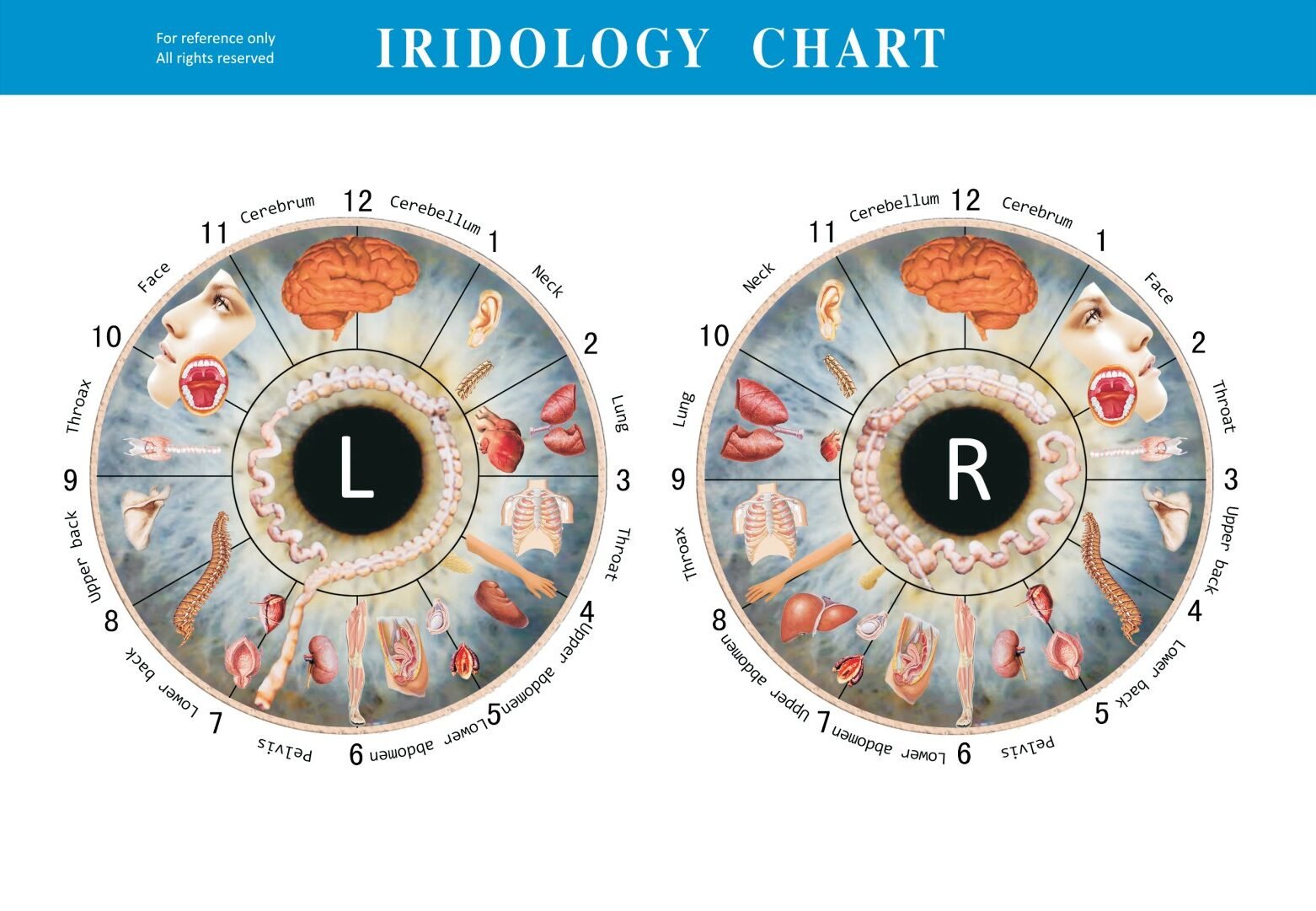

Um abrangente gráfico de iridologia mapeando a íris para vários órgãos e sistemas do corpo
O que é um Gráfico de Iridologia?
Um gráfico de iridologia é uma ferramenta de diagnóstico usada por iridologistas para mapear diferentes áreas da íris em órgãos e sistemas correspondentes do corpo. Esses gráficos servem como guias de referência que ajudam os profissionais a identificar possíveis problemas de saúde, examinando alterações, marcas ou descolorações em regiões específicas da íris. A prática da iridologia baseia-se na teoria de que a íris contém um mapa completo do corpo, com cada seção refletindo a condição de um órgão ou parte específica do corpo.
O conceito de iridologia remonta ao século XVII, mas foi o Dr. Ignatz von Peczely, um médico húngaro, quem desenvolveu o primeiro conceito abrangente gráfico de iridologia em 1800. Segundo a história, ele notou mudanças na íris de uma coruja depois que o pássaro quebrou a perna, o que o inspirou a estudar a conexão entre os padrões da íris e a saúde física. O moderno de hoje gráficos de iridologia evoluíram significativamente, mas mantêm o mesmo princípio fundamental: a íris reflete o estado de saúde de todo o corpo.
A evolução de gráficos de iridologia desde mapas históricos desenhados à mão até versões digitais modernas
Compreendendo as zonas de um Gráfico de Iridologia
O gráfico de iridologia divide a íris em múltiplas zonas, cada uma correspondendo a diferentes partes do corpo. Essas zonas estão dispostas em um padrão radial, semelhante a um mostrador de relógio, com a pupila no centro. O gráfico normalmente distingue entre a íris direita e esquerda, pois muitas vezes representam diferentes lados ou aspectos do corpo.
Mapeamento da Íris Direita no Gráfico de Iridologia
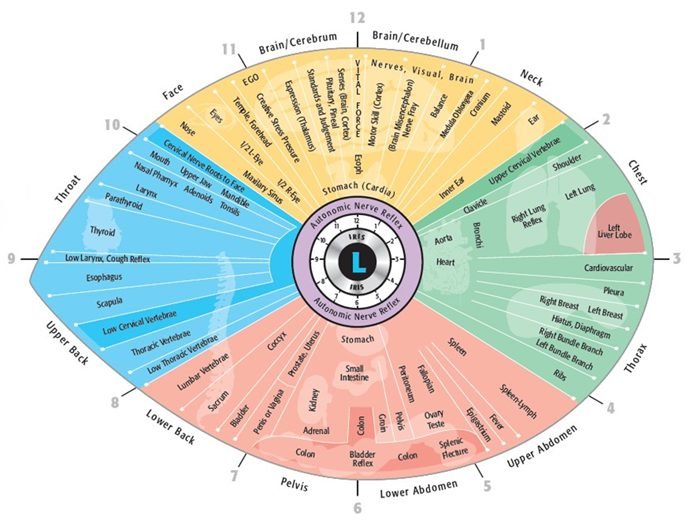
Gráfico de iridologia para o olho esquerdo - gráfico de iridologia - olho esquerdo
olho esquerdo reflete lado esquerdo corpo.
| Posição do relógio (olho esquerdo) |
Corresponde Organ/System |
Detalhes |
| 1 hora - 2 horas |
Pescoço esquerdo
|
Corresponde a órgãos reprodutivos corretos, incluem útero, ovários (mulheres) ou testículos (masculinos). |
| 2 horas - 3 horas |
Pulmão esquerdo |
As articulações à direita de saúde dos elevadores de saúde incluem joelhos, quadris, cotovelos e ombros. |
| 3 horas - 4 horas |
Tórax esquerdo |
Corresponde à coluna vertebral, saúde da coluna vertebral, alinhamento e flexibilidade no lado direito. |
| 4 horas - 5 horas |
Abdômen superior esquerdo
|
Anel Flacks bexiga e sistema urinário do lado esquerdo. |
| 5 horas - 6 horas |
Abdômen inferior esquerdo
|
RingPresents Direito Cólon, intestino delgado e saúde digestiva. |
| 6 horas - 7 horas |
Esquerdo pélvico
|
Os elegantes do rim direito, foco na filtração, desintoxicação e equilíbrio de fluidos. |
| 7 horas - 8 horas |
Esquerda na região lombar
|
Os flutuadores do estômago e os órgãos digestivos no lado direito. |
| 8 horas - 9 horas |
Esquerda na parte superior das costas
|
Corresponde ao fígado do lado direito, desintoxicação responsável e produção biliar. |
| 9 horas - 10 horas |
Garganta esquerda
|
RingPresents Heart Lado direito, saúde cardiovascular e circulação afetada. |
| 10 horas - 11 horas |
Rosto esquerdo |
Os elegantes do pulmão direito, a saúde respiratória e a função BRA. |
| 11 horas - 12 horas |
Cerebro esquerdo |
Corresponde ao cérebro do hemisfério direito, à saúde mental e às funções cognitivas. |
| 12 horas - 1 hora |
Cerebro esquerdo |
Corresponde ao cérebro do hemisfério direito, à saúde mental e às funções cognitivas. |
- OLHO DIREITO: Toques Lado direito corpo (por exemplo, Certo rim, Certo pulmão, Certo órgãos reprodutivos, etc.).
Mapeamento da Íris Esquerda no Gráfico de Iridologia

Gráfico de iridologia e olho direito -Iridologia -olho direito
OLHO DIREITO reflete lado direito corpo.
| Posição do relógio (olho direito) |
Corresponde Organ/System |
Detalhes |
| 1 hora - 2 horas |
Rosto direito |
Corresponde aos órgãos reprodutivos esquerdos, incluem útero, ovários (mulheres) ou testículos (masculino). |
| 2 horas - 3 horas |
Garganta direita
|
Os elevadores de saúde deixaram as juntas, incluem joelhos, quadris, cotovelos e ombros. |
| 3 horas - 4 horas |
Parte superior da parte superior da parte de trás
|
Corresponde à coluna vertebral, saúde da coluna vertebral, alinhamento e flexibilidade. |
| 4 horas - 5 horas |
Bexiga direita |
Anel Flacks bexiga e sistema urinário do lado direito. |
| 5 horas - 6 horas |
Pélvico direito |
RingPresents deixaram o cólon, o intestino delgado e a saúde digestiva. |
| 6 horas - 7 horas |
Abdômen inferior direito
|
Os elegantes do rim esquerdo, foco na filtração, desintoxicação e balanço de fluidos. |
| 7 horas - 8 horas |
Abdômen superior direito
|
Os elegantes do estômago e os órgãos digestivos no lado esquerdo. |
| 8 horas - 9 horas |
Tórax direito |
Corresponde ao fígado do lado esquerdo, desintoxicação responsável e produção biliar. |
| 9 horas - 10 horas |
Pulmão direito |
RingPresents Lado esquerdo Coração, saúde cardiovascular e circulação afetada. |
| 10 horas - 11 horas |
Pescoço direito |
Os elegantes deixaram o pulmão, a saúde respiratória e a função BRA. |
| 11 horas - 12 horas |
Cérebro direito
|
Corresponde ao cérebro do hemisfério esquerdo, à saúde mental e às funções cognitivas. |
| 12 horas - 1 hora |
Cérebro direito
|
Corresponde ao cérebro do hemisfério esquerdo, à saúde mental e às funções cognitivas. |
Detalhamento detalhado da zona de um gráfico de iridologia mostrando correspondências de órgãos específicos
Interpretando Marcações da Íris em um Gráfico de Iridologia
Além do mapeamento zonal, os iridologistas analisam marcações, cores e padrões específicos na íris. Esses recursos são cruzados com o gráfico de iridologia para identificar potenciais problemas de saúde. Aqui estão algumas marcas comuns da íris e suas interpretações de acordo com a iridologia:
Variações de cores
- Íris Azul ou Clara – Frequentemente associado à constituição linfática, pode indicar sensibilidade a problemas digestivos
- Íris Marrom ou Escura – Frequentemente ligado à constituição hematogênica, pode sugerir funções hepáticas e digestivas mais fortes
- Cores Misturadas – Pode indicar um tipo constitucional misto com tendências de saúde variadas
Sinais Estruturais
- Sulcos radiais – Linhas que se estendem da pupila para fora podem indicar predisposições genéticas
- Lacunas – Áreas escurecidas fechadas que podem sugerir fraquezas nos órgãos
- Criptas – Depressões semelhantes a poços que podem indicar pontos fortes ou fracos inerentes
Marcações comuns e seus significados
- Anéis Brancos (Anel de Sódio) – Um anel branco ao redor da borda externa da íris pode indicar desequilíbrios minerais ou pressão alta.
- Manchas escuras – Pode sugerir acúmulo de toxinas ou danos no órgão correspondente
- Listras Brancas – Frequentemente interpretado como inflamação ou irritação na área corporal relacionada
- Tons Amarelos – Pode indicar estresse renal ou hepático
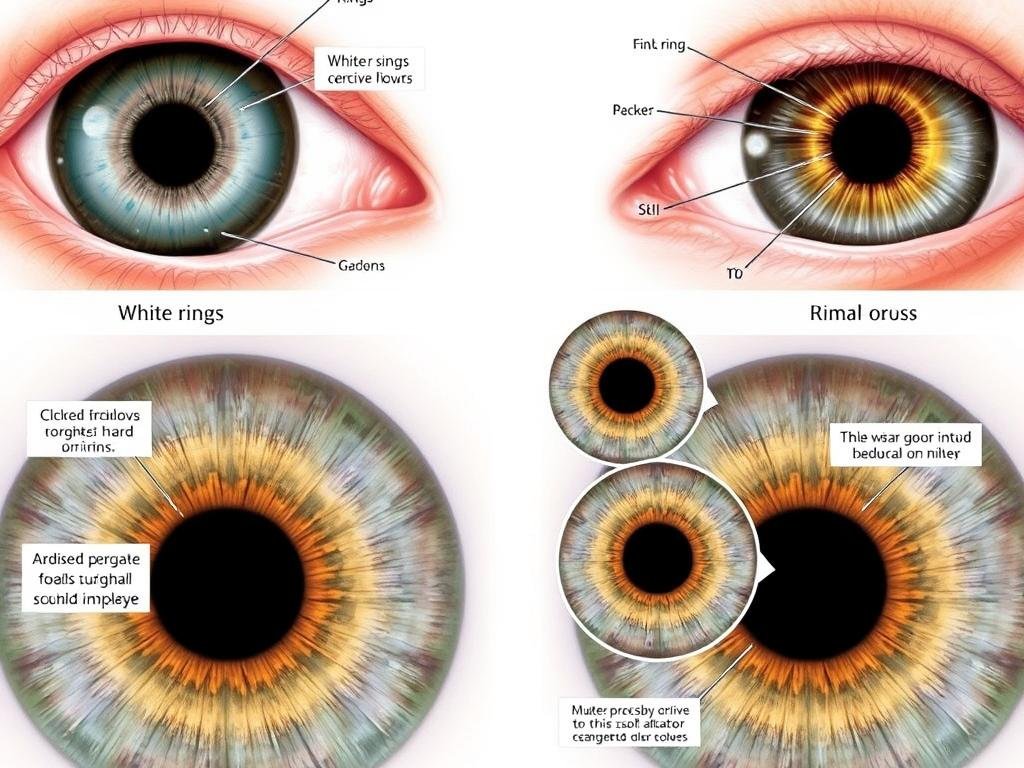
Marcações comuns da íris e suas interpretações de acordo com gráficos de iridologia
Baixe seu gráfico de iridologia abrangente e gratuito
Obtenha acesso instantâneo à nossa alta resolução gráfico de iridologia com mapeamentos detalhados de zonas e um guia para iniciantes na interpretação da íris. Perfeito para estudantes de saúde alternativa ou qualquer pessoa curiosa sobre o que seus olhos podem revelar.
Baixe o gráfico de iridologia grátis
Tipos Constitucionais em Gráficos de Iridologia
Os iridologistas costumam classificar as pessoas em diferentes tipos constitucionais com base nas características predominantes de suas íris. Esses tipos constitucionais, conforme representados em gráficos de iridologia, acredita-se que indiquem pontos fortes e fracos inerentes ao perfil de saúde de uma pessoa.
Tipo linfático
Caracterizado por íris azuis ou de cor clara. De acordo com a iridologia, esses indivíduos podem ter sistemas linfáticos mais fortes, mas podem ser mais suscetíveis a problemas respiratórios e digestivos.
Tipo hematogênico
Identificado por íris marrons ou mais escuras. Acredita-se que esses indivíduos tenham sistemas circulatórios e função hepática mais fortes, mas podem ser mais propensos a doenças inflamatórias.
Tipo misto
Apresenta uma combinação de cores e padrões. Este tipo sugere uma mistura de características de diferentes tipos constitucionais, com forças variadas e potenciais problemas de saúde.

Os três principais tipos constitucionais representados em gráficos de iridologia
Perspectiva Científica sobre Gráficos de Iridologia
Enquanto gráficos de iridologia são amplamente utilizados na medicina alternativa, é importante compreender a perspectiva da comunidade científica sobre esta prática. A medicina convencional tem uma visão diferente sobre a validade e confiabilidade da iridologia como ferramenta de diagnóstico.
Proponentes’ Visualizar
- A íris contém milhares de terminações nervosas conectadas ao cérebro
- Mudanças nos tecidos do corpo podem ser refletidas no tecido da íris através de conexões neurológicas
- Evidências anedóticas sugerem avaliações de saúde bem-sucedidas por meio da iridologia
- Pode servir como ferramenta complementar a outros métodos de diagnóstico
Preocupações científicas
- Pesquisa limitada revisada por pares que apoia alegações de diagnóstico
- Estudos controlados não validaram consistentemente a eficácia da iridologia
- Falta de padronização entre diferentes gráficos de iridologia e sistemas
- Potencial para atraso no diagnóstico médico adequado se for confiado exclusivamente
Vários estudos clínicos examinaram a eficácia da iridologia. Um estudo notável publicado no Journal of the American Medical Association testou a capacidade dos iridologistas de detectar doenças da vesícula biliar por meio do exame da íris. Os resultados mostraram que a iridologia não foi eficaz no diagnóstico dessa condição. No entanto, os proponentes argumentam que a iridologia é mais adequada para identificar tendências e predisposições, em vez de diagnosticar doenças específicas.
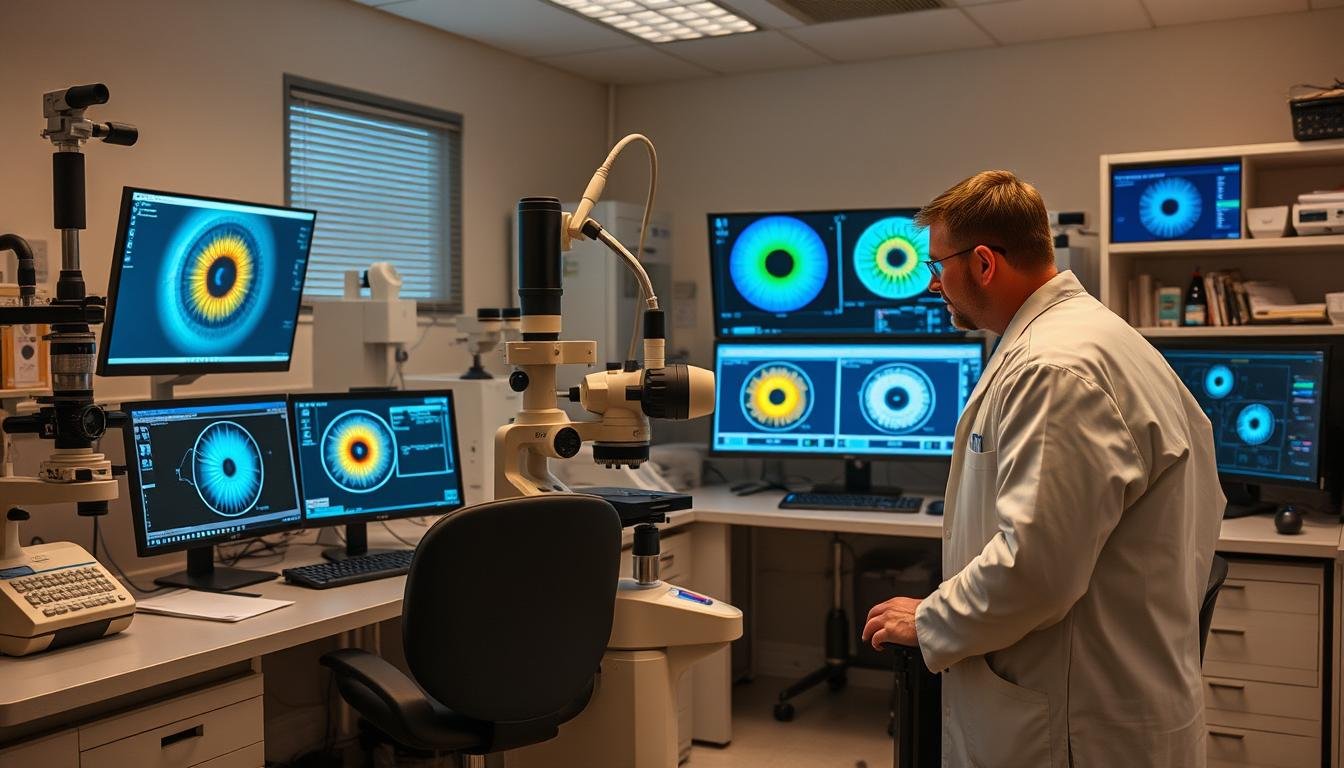
Pesquisa científica examinando a validade de gráficos de iridologia e reivindicações de diagnóstico
Aplicações Práticas de Gráficos de Iridologia
Apesar do debate contínuo sobre a sua validade científica, muitos profissionais e indivíduos encontram valor na utilização gráficos de iridologia como parte de uma abordagem holística de saúde. Aqui estão algumas maneiras práticas de aplicar esses gráficos:
Como os profissionais usam Gráficos de Iridologia
- Avaliação de Saúde – Identificar possíveis áreas de fraqueza ou estresse no corpo
- Orientação Preventiva – Sugerir modificações no estilo de vida com base em tendências constitucionais
- Análise Complementar – Usando junto com outras ferramentas de diagnóstico para formar um quadro de saúde mais completo
- Acompanhamento de alterações – Monitorar as alterações da íris ao longo do tempo para avaliar melhorias ou deteriorações
Ferramentas e Tecnologia
A iridologia moderna evoluiu para incorporar tecnologia avançada:
- Iriscopes – Câmeras especializadas que capturam imagens de alta resolução da íris
- Software de análise digital – Programas que ajudam a analisar padrões de íris e compará-los com gráficos de iridologia
- Aplicativos móveis – Aplicativos de smartphone que permitem análise básica da íris usando câmeras de telefone
- Gráficos Eletrônicos – Versões digitais de gráficos de iridologia com recursos interativos
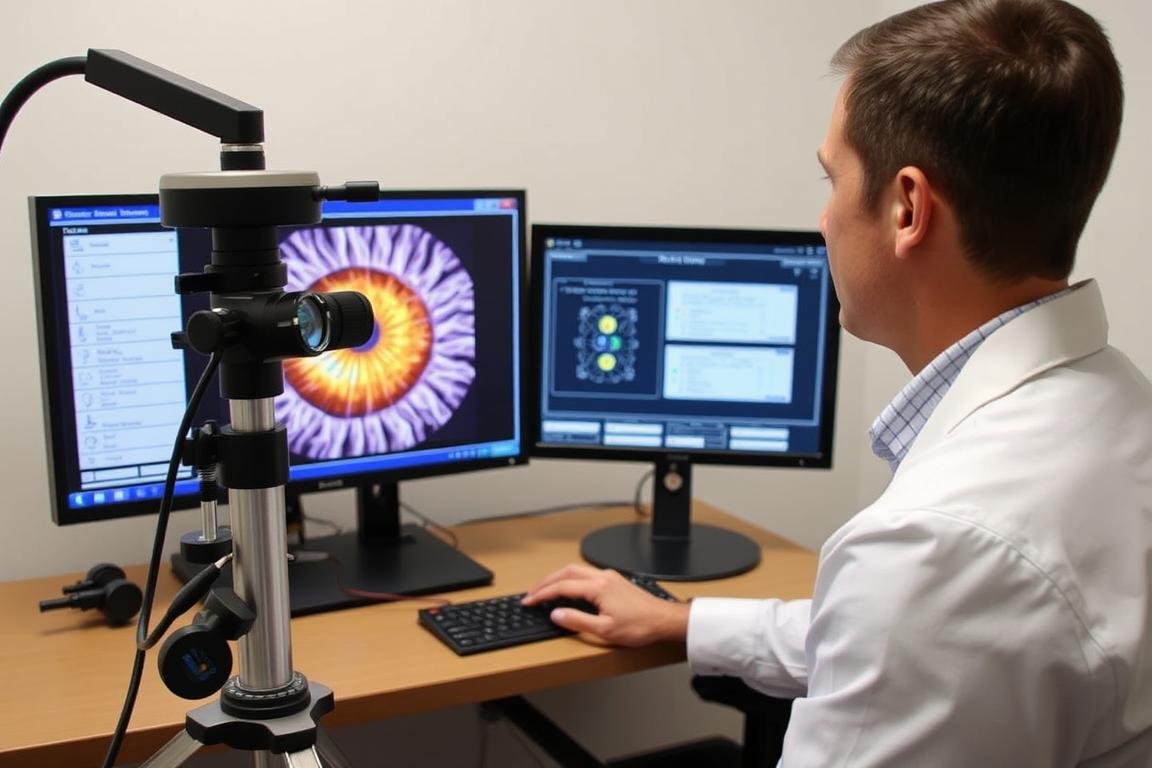
Tecnologia moderna usada em conjunto com a tradicional gráficos de iridologia para uma análise mais precisa
Primeiros passos com Gráficos de Iridologia
Se você estiver interessado em explorar a iridologia por si mesmo, aqui estão algumas etapas para começar:
- Eduque-se – Aprenda o básico de gráficos de iridologia e interpretação da íris por meio de livros, cursos ou recursos on-line
- Encontre um gráfico confiável – Compre ou baixe um detalhado gráfico de iridologia de uma fonte confiável
- Obtenha ferramentas adequadas – No mínimo, você precisará de uma lupa; idealmente, uma câmera de íris especializada ou acessório para seu smartphone
- Consulte profissionais – Considere visitar um iridologista treinado para sua primeira avaliação
- Mantenha registros – Tire fotos de suas íris periodicamente para monitorar quaisquer alterações
Dicas para autoexame
Embora a consulta profissional seja recomendada, você pode realizar um autoexame básico:
- Use luz natural ou uma fonte de luz branca brilhante
- Fique perto de um espelho ou use um espelho de aumento
- Compare o que você vê com um padrão gráfico de iridologia
- Procure marcações, cores e padrões óbvios
- Lembre-se de que o autodiagnóstico nunca deve substituir o aconselhamento médico profissional

Configuração básica para autoexame usando um gráfico de iridologia em casa
Explore o mundo da análise holística de saúde
Aprofunde sua compreensão da iridologia e de outros métodos naturais de avaliação da saúde com nossos recursos abrangentes. Junte-se a milhares de entusiastas da saúde que descobriram novos insights sobre seu bem-estar.
Baixe seu guia gratuito de iridologia
Considerações finais sobre Gráficos de Iridologia
O gráfico de iridologia representa uma intersecção fascinante entre sabedoria antiga e práticas alternativas de saúde. Embora a validação científica permaneça limitada, muitos encontram valor nesta abordagem holística para compreender os potenciais pontos fortes e fracos do corpo. Quer você adote a iridologia como uma ferramenta complementar de saúde ou a aborde com ceticismo saudável, o estudo dos padrões da íris oferece uma perspectiva intrigante sobre a conexão entre as diferentes partes do nosso corpo.
Como acontece com qualquer prática de saúde, é importante manter uma abordagem equilibrada. Gráficos de iridologia podem fornecer informações interessantes, mas devem complementar, em vez de substituir, os cuidados médicos convencionais. Ao compreender as possibilidades e limitações da iridologia, você poderá tomar decisões informadas sobre a incorporação desta prática em sua jornada de saúde.

Integrando gráfico de iridologia análise em uma consulta de saúde abrangente


