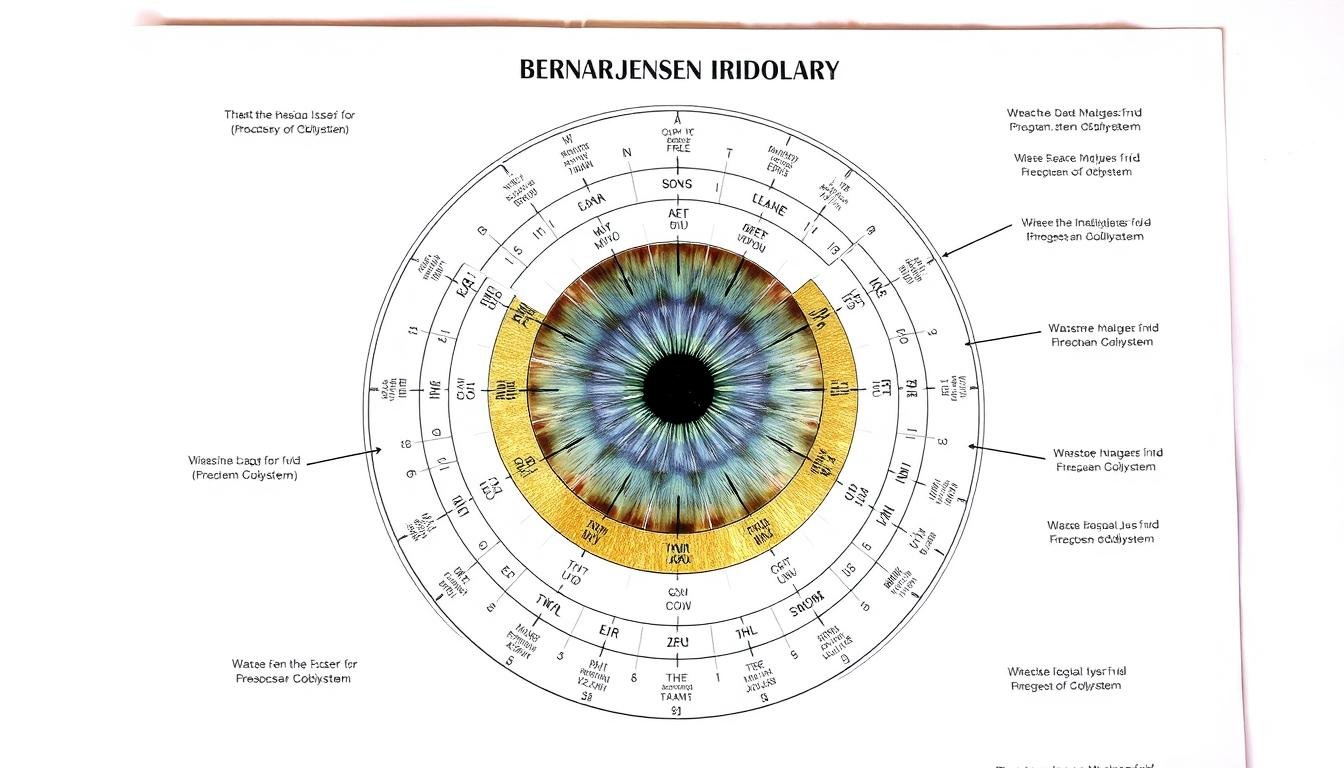
bernard jensen iridology chart-Iridology, the study of iris patterns and their correlation to health conditions, has been practiced for centuries. Among the pioneers in this field, Dr. Bernard Jensen stands out for his significant contributions to modern iridology. His detailed iris charts have become fundamental tools for practitioners worldwide who use them to assess health conditions through iris examination. This comprehensive guide explores Jensen’s revolutionary approach to iridology, breaking down his chart’s structure, and explaining how to interpret iris markings according to his methodology.

Dr. Bernard Jensen’s Legacy in Iridology
Bernard Jensen (1908-2001) was an American chiropractor who dedicated over 50 years to researching and developing iridology as a diagnostic tool. In the 1950s, Jensen began teaching his methods across the United States, significantly advancing the field’s popularity and credibility within alternative medicine circles.
Jensen’s approach was unique because he combined traditional European iridology concepts with his clinical observations from thousands of patients. His work culminated in the creation of detailed iris charts that mapped specific areas of the iris to corresponding body organs and systems.
Unlike earlier practitioners, Jensen emphasized the importance of toxin exposure in health assessment and advocated for natural foods as detoxifiers. His holistic approach connected iris analysis with nutrition, making his methodology particularly appealing to those interested in natural health practices.
جينسن iridology تي ڪيترائي ڪتاب لکيا، جن ۾ شامل آهن “سائنس ۽ ارادي جي مشق” ۽ “Iridology Simplified,” which remain influential texts in the field today. His dedication to documenting iris-tissue changes and correlating them with health conditions created a systematic approach that practitioners still follow.
Structure and Zones of the Bernard Jensen Iridology Chart
جي Bernard Jensen iridology chart divides the iris into approximately 80-90 zones through a 360-degree mapping system. Each zone corresponds to specific organs, glands, or body systems. Understanding this structure is essential for accurate iris interpretation.
The 360-Degree Mapping System
Jensen’s chart uses a clock-face approach to map the iris. The chart is oriented with the nose at position 3 o’clock for the right eye and 9 o’clock for the left eye. This orientation creates a mirrored mapping between the two eyes.
The chart divides the iris into concentric rings radiating from the pupil to the outer edge. These rings represent different body systems, with areas closer to the pupil generally corresponding to digestive organs and those near the outer edge relating to skin, lymphatics, and extremities.

Major Zones and Their Correlations
Jensen’s chart identifies several critical zones that practitioners focus on during analysis:
- The digestive system forms an inner ring around the pupil
- The lymphatic system appears in the middle iris zone
- The skin, representing the elimination boundary, forms the outer ring
- The nervous system radiates from the center like spokes on a wheel
- Specific organs have designated positions (e.g., heart at 2-3 o’clock in the left eye)
bernard jensen iridology chart-Jensen’s chart is unique in its detailed subdivision of these major zones into more specific regions, allowing for precise identification of potential health concerns.

Iridology چارٽ ساڄي اک - Iridology چارٽ - ساڄي اک
ساڄي اک عڪاسي ڪري ٿو ساڄي پاسي جسم.
| گھڙي جي پوزيشن (ساڄي اک) |
ملندڙ عضوو/سسٽم |
تفصيل |
| 1 وڳي – 2 وڳي |
ساڄو منهن |
کاٻي جي پيدائش واري عضون سان ملندڙ جلندڙ آهي، شامل آهن uterus، ovaries (عورت) يا testes (نر). |
| 2 وڳي - 3 وڳي |
ساڄي ڳلي
|
صحت جي کاٻي جوڑوں کي ڇڪي ٿو، جنهن ۾ گوڏن، ڪلهن، ڪلهن ۽ ڪلهن تي مشتمل آهي. |
| 3 وڳي - 4 وڳي |
ساڄي UPPER BACK
|
اسپائن، اسپينل صحت، ترتيب، ۽ لچڪ سان ملندو آهي. |
| 4 وڳي - 5 وڳي |
ساڄي مثاني |
مثاني ۽ ساڄي پاسي جي پيشاب جي نظام کي ڦٽو ڪري ٿو. |
| 5 وڳي - 6 وڳي |
ساڄي PELVIC |
انگن اکرن کي کاٻي پاسي، ننڍي آنت، ۽ هاضمي جي صحت کي پيش ڪري ٿو. |
| 6 وڳي - 7 وڳي |
ساڄي هيٺان پيٽ
|
کاٻي گردي کي ڇڪي ٿو، فلٽريشن، detoxification، ۽ سيال توازن تي ڌيان ڏئي ٿو. |
| 7 وڳي - 8 وڳي |
ساڄي مٿي جو پيٽ
|
کاٻي پاسي کان معدي ۽ هاضمي جي عضون کي ڇڪي ٿو. |
| 8 وڳي - 9 وڳي |
حق THORAX |
کاٻي پاسي جي جگر سان ملندڙ، ذميوار detoxification ۽ بائل جي پيداوار. |
| 9 وڳي - 10 وڳي |
ساڄي LUNG |
انگن اکرن کي کاٻي پاسي دل جي نمائندگي ڪري ٿو، دل جي صحت ۽ گردش کي متاثر ڪري ٿو. |
| 10 وڳي - 11 وڳي |
ساڄي NECK |
کاٻي پاسي جي ڦڦڙن، تنفس جي صحت، ۽ بيريا جي ڪم کي ڇڪي ٿو. |
| 11 وڳي - 12 وڳي |
ساڄي دماغ
|
کاٻي اڌ گول دماغ، ذهني صحت، ۽ سنجيدگي واري ڪم سان ملندڙ جلندڙ آهي. |
| 12 وڳي - 1 وڳي |
ساڄي دماغ
|
کاٻي اڌ گول دماغ، ذهني صحت، ۽ سنجيدگي واري ڪم سان ملندڙ جلندڙ آهي. |
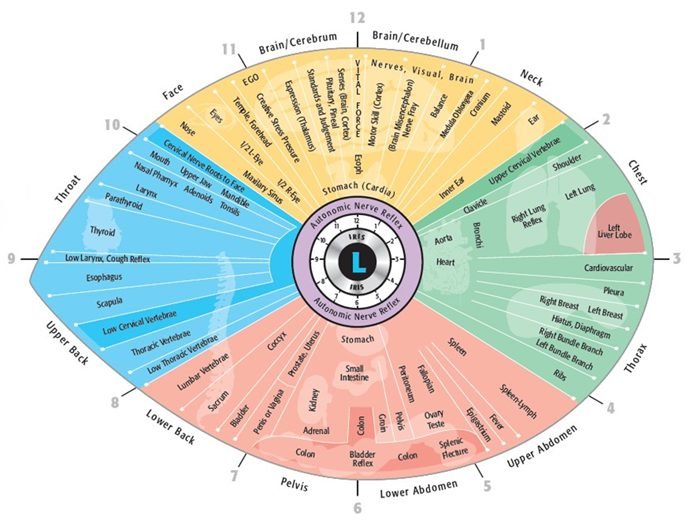
Iridology چارٽ کاٻي اک - Iridology چارٽ - کاٻي اک
کاٻي اک عڪاسي ڪري ٿو کاٻي پاسي جسم.
| گھڙي جي پوزيشن (کاٻي اک) |
ملندڙ عضوو/سسٽم |
تفصيل |
| 1 وڳي – 2 وڳي |
کاٻي NECK
|
ساڄي پيدائشي عضون سان ملندڙ جلندڙ آهي، جن ۾ رحم، بيضوي (عورت) يا ٽيسٽس (مرد) شامل آهن. |
| 2 وڳي - 3 وڳي |
کاٻي LUNG |
انگن اکرن کي صحت جي ساڄي جوڑوں ۾ شامل ڪري ٿو، گوڏن، هپس، کلون، ۽ ڪلهن شامل آهن. |
| 3 وڳي - 4 وڳي |
کاٻي THORAX |
اسپائن، اسپينل صحت، صفائي، ۽ ساڄي پاسي تي لچڪ سان ملندڙ آهي. |
| 4 وڳي - 5 وڳي |
کاٻي مٿي جو پيٽ
|
مثاني ۽ کاٻي پاسي جي پيشاب جي نظام کي ڦٽو ڪري ٿو. |
| 5 وڳي - 6 وڳي |
کاٻي هيٺان پيٽ
|
انگوزي ساڄي ڪالون، ننڍي آنت، ۽ هاضمي جي صحت کي پيش ڪري ٿو. |
| 6 وڳي - 7 وڳي |
کاٻي PELVIC
|
ساڄي گردي کي ڇڪي ٿو، فلٽريشن تي ڌيان ڏئي ٿو، detoxification، ۽ سيال توازن. |
| 7 وڳي - 8 وڳي |
کاٻي هيٺيون پوئتي
|
ساڄي پاسي معدي ۽ هاضمي جي عضون کي ڇڪي ٿو. |
| 8 وڳي - 9 وڳي |
کاٻي UPPER BACK
|
ساڄي پاسي جي جگر سان ملندڙ، ذميوار detoxification ۽ بائل جي پيداوار. |
| 9 وڳي - 10 وڳي |
کاٻي گلا
|
انگوزي ساڄي پاسي دل کي پيش ڪري ٿو، دل جي صحت ۽ گردش کي متاثر ڪري ٿو. |
| 10 وڳي - 11 وڳي |
کاٻي FACE |
ساڄي ڦڦڙن، تنفس جي صحت، ۽ بري جي ڪم کي رد ڪري ٿو. |
| 11 وڳي - 12 وڳي |
کاٻي CEREBRUM |
ساڄي اڌ گول دماغ، دماغي صحت، ۽ سنجيدگي واري ڪم سان ملندڙ جلندڙ آهي. |
| 12 وڳي - 1 وڳي |
کاٻي CEREBRUM |
ساڄي اڌ گول دماغ، دماغي صحت، ۽ سنجيدگي واري ڪم سان ملندڙ جلندڙ آهي. |
- ساڄي اک: انگ اکر ساڄي پاسي جسم (مثال طور، ساڄو گردو، ساڄو ڦڦڙن، ساڄو پيدائشي عضوا وغيره).
- کاٻي اک: انگ اکر کاٻي پاسي جسم (مثال طور، کاٻو گردو، کاٻو ڦڦڙن، کاٻو پيدائشي عضوا وغيره).
Get Your Free Basic Iridology Zone Guide
Download our simplified version of Bernard Jensen’s iridology zones to start learning how to identify key areas in the iris.
مفت گائيڊ ڊائون لوڊ ڪريو
Interpreting Iris Markings According to Jensen’s System
Bernard Jensen’s methodology for interpreting iris markings is based on the premise that the iris reveals both acute and chronic conditions through specific signs. Understanding these markings is crucial for accurate iridology assessment.
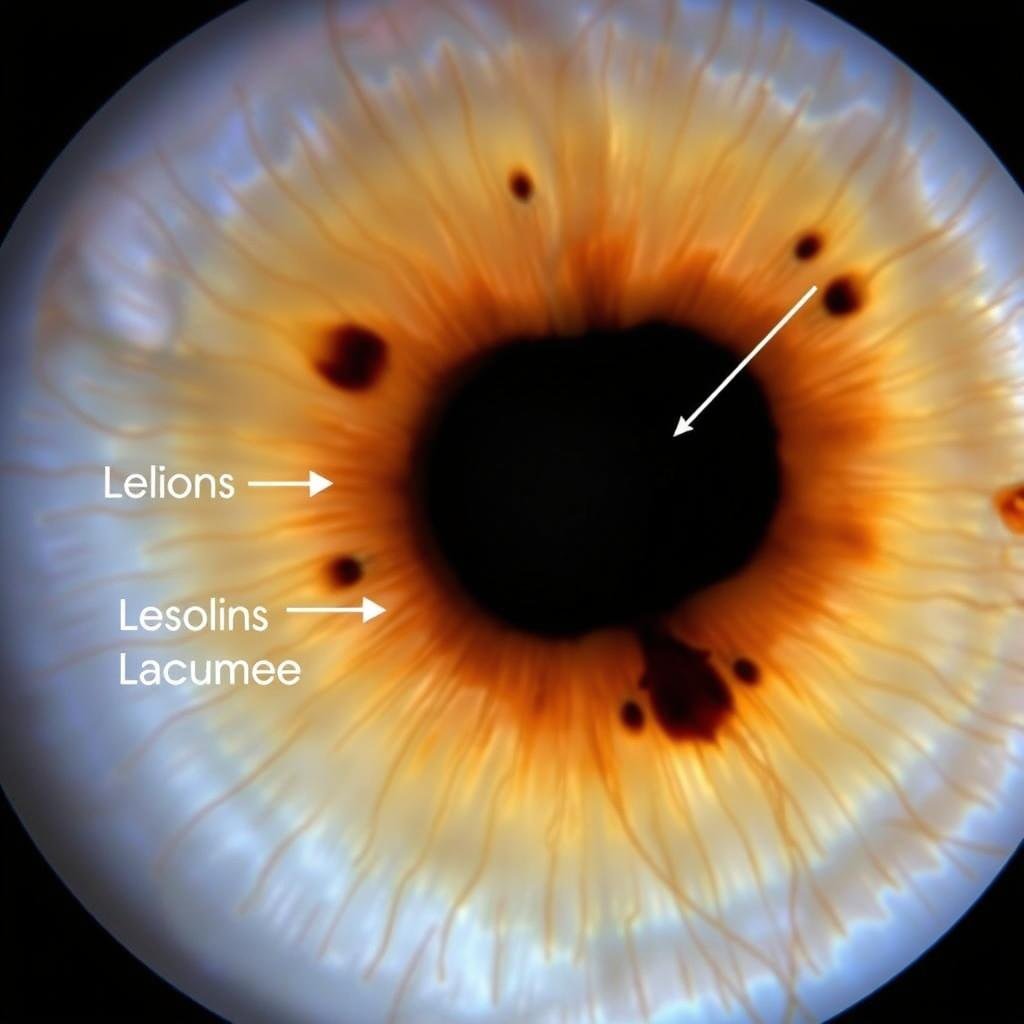
Lesions and Lacunae
These appear as dark spots or openings in the iris fiber structure. According to Jensen, they indicate tissue damage or inherent weaknesses in corresponding organs. The depth and darkness of lesions suggest the severity of the condition.
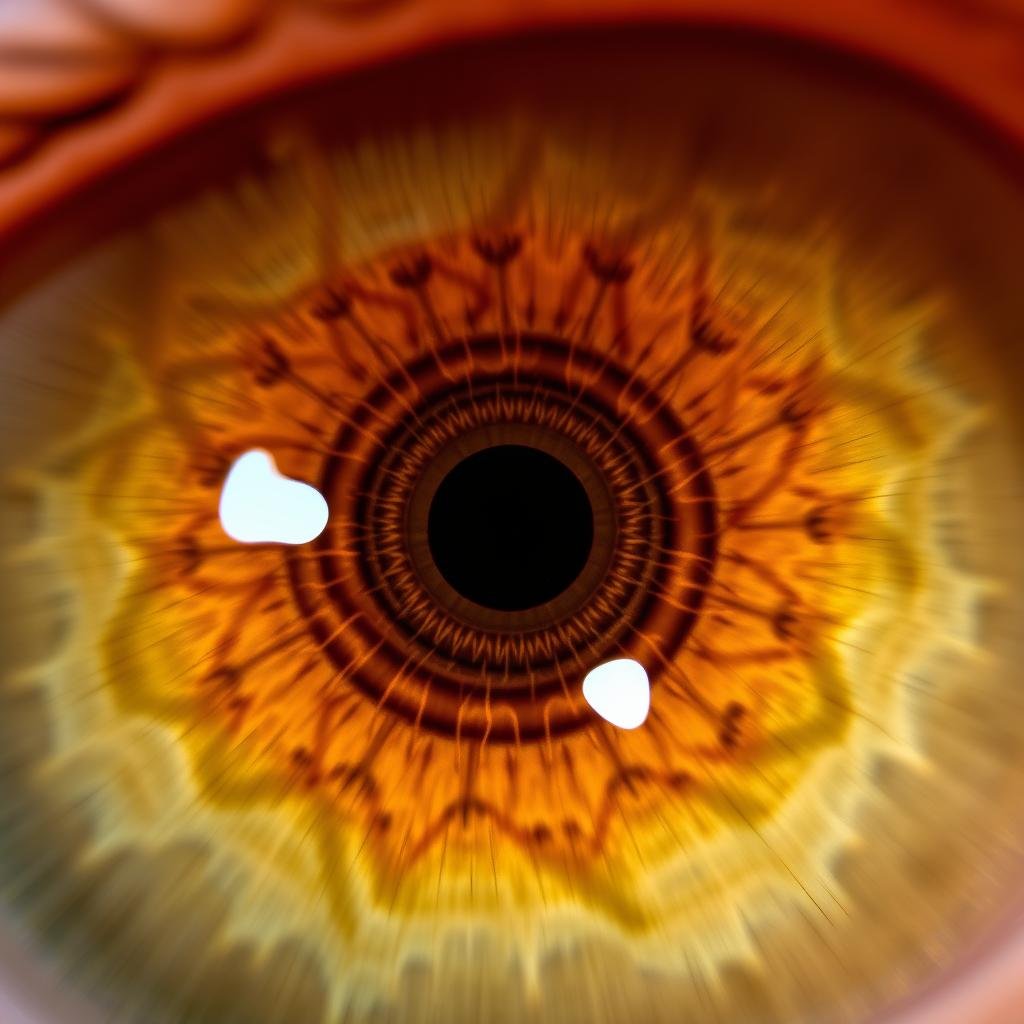
Rings and Zones
Contraction rings appear as circular arcs or complete circles in the iris. Jensen interpreted these as signs of tension or stress in the nervous system. The location of these rings indicates which body systems are affected by this tension.
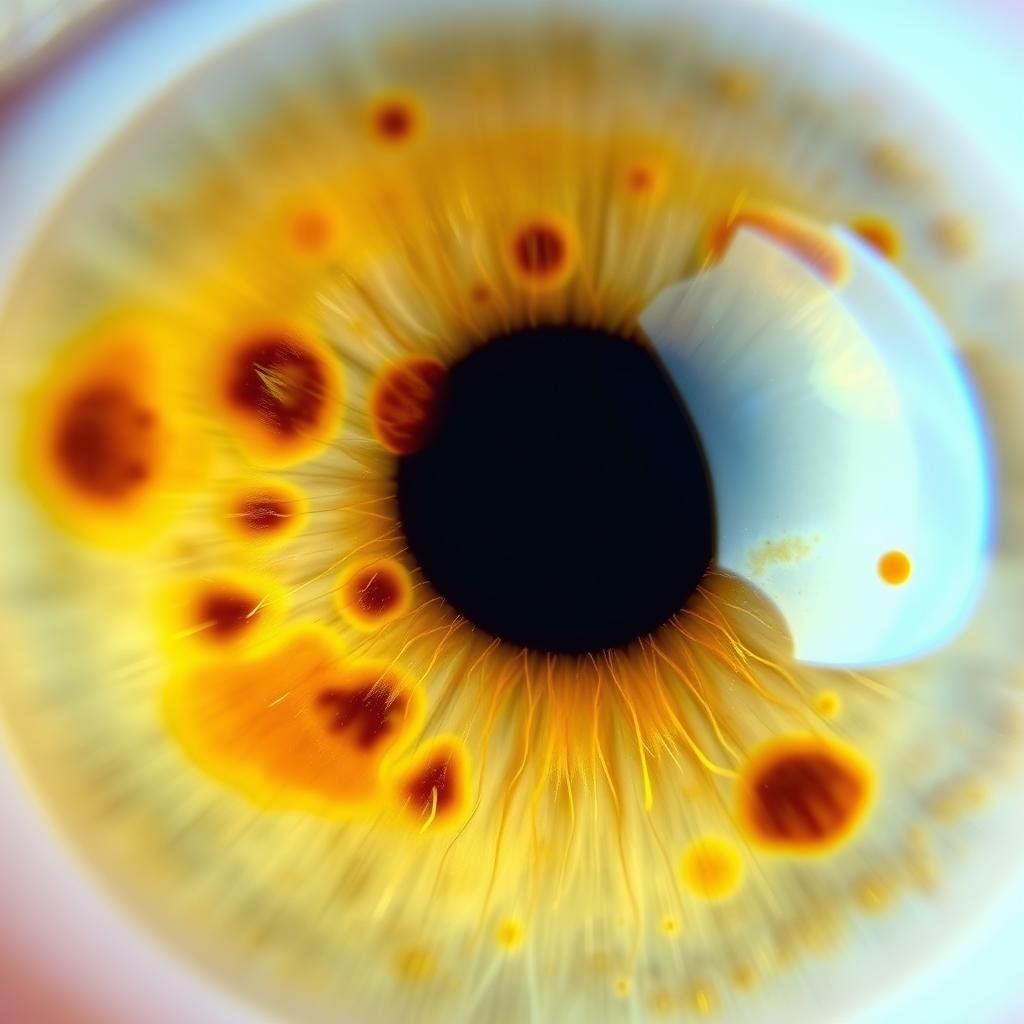
Pigmentation and Colors
Jensen’s system places significant importance on iris coloration. Yellow areas may indicate kidney or urinary issues, while brown spots might suggest liver or spleen involvement. White indicates inflammation or acute activity in the corresponding organ.
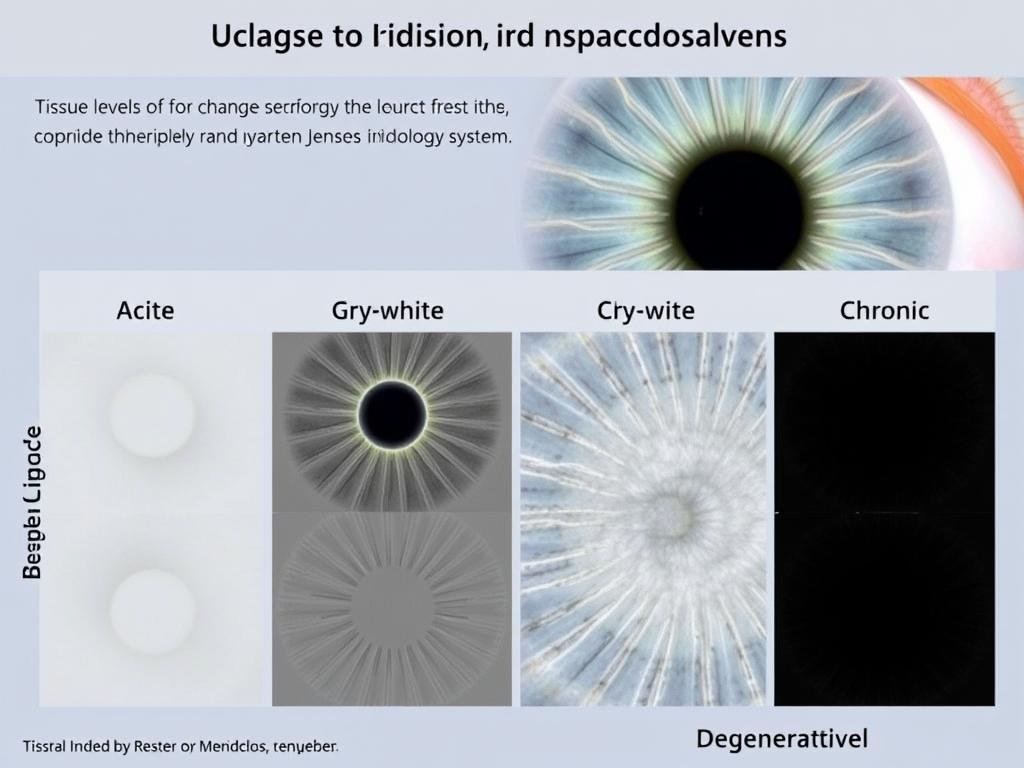
The Four Levels of Tissue Change
Jensen identified four progressive levels of tissue change visible in the iris:
| Level |
آئرس جي نشاني |
تعبير |
| Acute |
White fibers, inflammation signs |
Active inflammation, body fighting condition |
| Subacute |
Gray-white areas |
Chronic inflammation, less active |
| Chronic |
Darker markings, lesions |
Long-term tissue damage or weakness |
| Degenerative |
Black lesions, closed lacunae |
Tissue destruction, organ failure |
“آئيرس ۾ اعصاب فائبر جسم جي بافتن ۾ تبديلين جو جواب ڏئي ٿو هڪ ريفليڪس فزيولوجي کي ظاهر ڪندي جيڪو مخصوص بافتن جي تبديلين ۽ هنڌن سان ملندو آهي.”
– ڊاڪٽر برنارڊ جينسن
Practical Applications in Holistic Health Practice
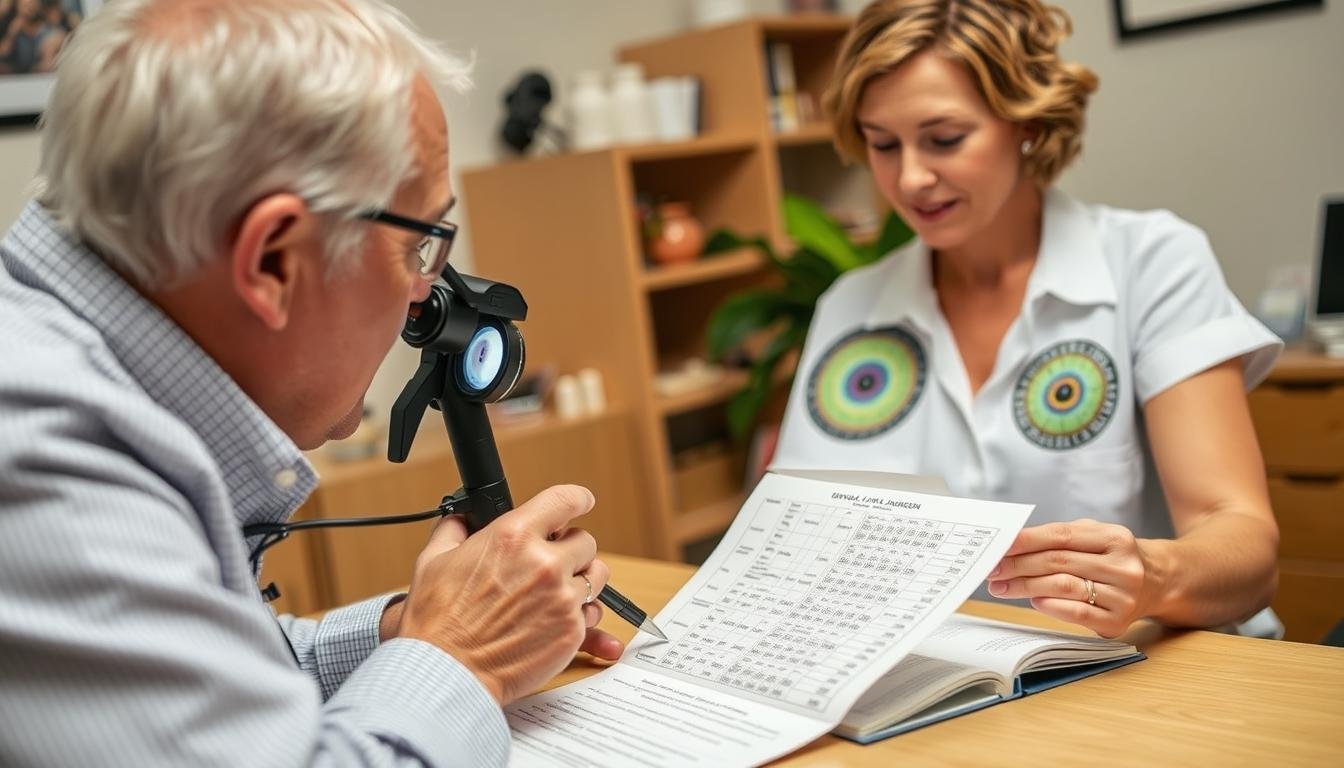
Jensen’s iridology chart serves as a practical tool for holistic health practitioners to assess overall health and identify potential areas of concern. While not intended to diagnose specific diseases, it provides insights into constitutional strengths and weaknesses.
Case Study: Nutritional Assessment
Practitioners often use Jensen’s chart to identify nutritional needs. For example, white markings in the pancreas zone (around 7 o’clock in the right eye) might suggest inflammation that could benefit from anti-inflammatory foods and supplements. This approach aligns with Jensen’s emphasis on nutrition as a cornerstone of health.
Integration with Other Holistic Practices
Modern holistic practitioners often combine Jensen’s iridology with other assessment methods:
- Nutritional counseling based on iris indications of mineral deficiencies
- Herbal recommendations targeting systems identified as weak in the iris
- Detoxification protocols for organs showing stress patterns
- Stress management techniques for areas showing nervous tension
Comprehensive Iridology Interpretation Guide
Take your understanding further with our detailed guide to interpreting iris markings using Bernard Jensen’s methodology.
Get Your Complete Guide
Modern Adaptations of Jensen’s Methodology
Contemporary iridologists have built upon Jensen’s foundation, incorporating technological advances and new research:
ڊجيٽل Iridology
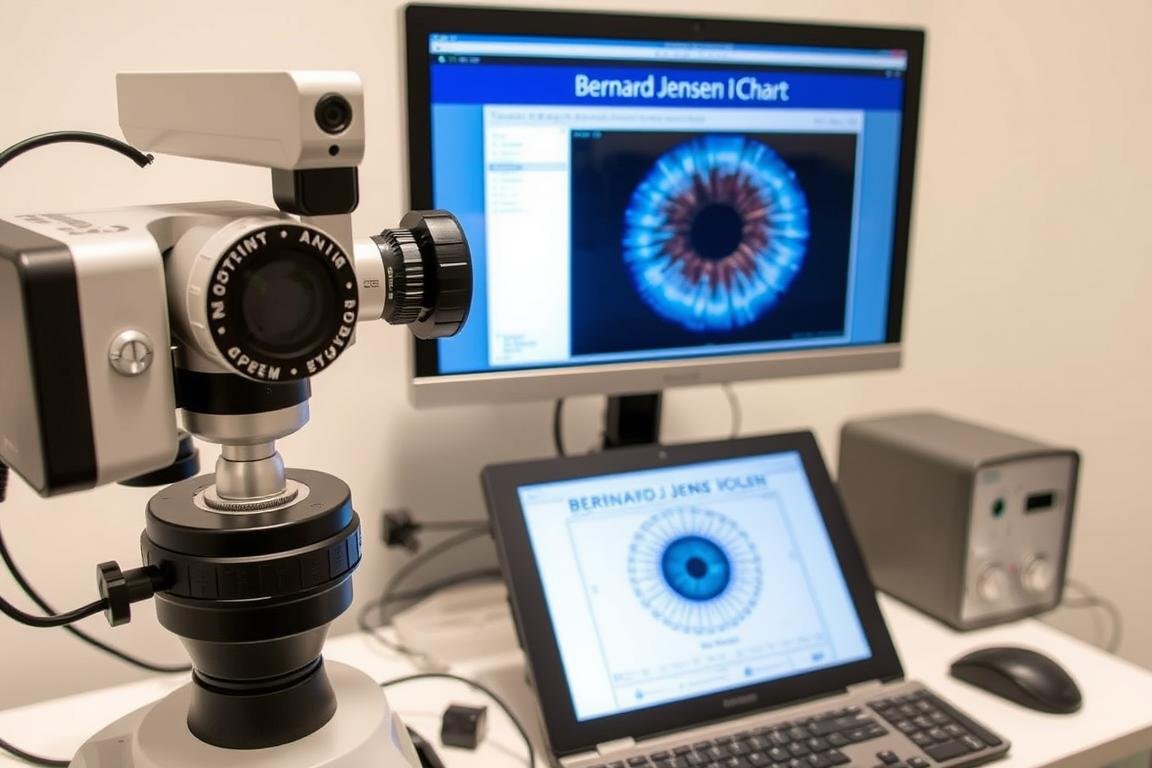
Modern practitioners often use high-resolution digital cameras and specialized software to capture and analyze iris images. This technology allows for more precise documentation and comparison over time, enhancing the practical application of Jensen’s chart system.
Integrated Assessment
Today’s holistic practitioners typically use iridology as one component of a broader health assessment, rather than as a standalone diagnostic tool. This integrated approach aligns with Jensen’s holistic philosophy while acknowledging the limitations of any single assessment method.
Scientific Perspectives and Critical Analysis
While Bernard Jensen’s iridology chart remains popular in alternative medicine circles, it’s important to address the scientific community’s perspective on this practice. Understanding both supportive evidence and criticisms provides a balanced view.
مددگار دليل
- آئيرس ۾ دماغ سان ڳنڍيل هزارين اعصاب ختم ٿي ويندا آهن
- ڪيترن ئي عملي جي طرفان ڄاڻايل ڪاميابي
- غير ناجائز تشخيص جو طريقو
- Potential early warning system for developing conditions
- حفاظتي صحت جي طريقن کي حوصلا افزائي ڪري ٿو
سائنسي تنقيد
- Lack of controlled studies supporting diagnostic accuracy
- Iris structure remains largely stable throughout life
- Failed blind trials (e.g., 1979 study with Jensen himself)
- No established physiological mechanism for organ-iris connection
- Risk of delayed proper medical diagnosis
A notable 1979 study involved Bernard Jensen himself and two other iridologists examining photographs of 143 patients’ irises to identify kidney disease. The practitioners could not accurately distinguish between patients with kidney disease and those with normal kidney function, raising significant questions about the method’s diagnostic reliability.

Important Note: While iridology can be an interesting complementary assessment tool, it should not replace conventional medical diagnosis. Always consult qualified healthcare providers for medical concerns.
Conclusion: The Role of Jensen’s Iridology Chart in Complementary Medicine
Bernard Jensen’s iridology chart represents a significant contribution to the field of holistic health assessment. While scientific validation remains limited, many practitioners and enthusiasts find value in its systematic approach to understanding potential health patterns through iris observation.
The most balanced approach views Jensen’s iridology as a complementary tool rather than a diagnostic replacement. When used alongside conventional medical assessment and other holistic practices, it can contribute to a more comprehensive understanding of individual health patterns and constitutional tendencies.
Whether you’re a holistic health practitioner looking to expand your assessment tools or simply curious about alternative approaches to health, understanding Jensen’s methodology provides valuable insights into one of the most influential systems in modern iridology.

Explore Our Complete Iridology Resource Collection
Access our full library of iridology resources, including printable charts, interpretation guides, and educational materials based on Bernard Jensen’s methodology.
Access Resources


