The colored part of your eye holds more than just beauty—it may contain a map to your overall health. For centuries, practitioners have studied the intricate patterns of the iris using ارڊولوجيٽر چارٽ to identify potential health concerns. This ancient practice has evolved from simple observations to detailed mapping systems that continue to intrigue both alternative health enthusiasts and skeptics alike. Join us as we explore the fascinating journey of how these eye maps developed and how they’re used today.


سمجھڻ Iridology چارٽس and Their Purpose
Iridology is the study of the iris—the colored part of the eye—to assess potential health conditions. Practitioners believe that different zones of the iris correspond to various organs and systems in the body. An ارڊولوجيٽر چارٽ serves as a map that helps interpret these connections.
هڪ عام ارڊولوجيٽر چارٽ showing how different areas of the iris correspond to various body systems
These specialized charts divide the iris into multiple sections, each linked to specific body parts. By examining changes in color, texture, and markings within these zones, iridologists claim they can identify areas of the body experiencing stress or potential health issues. While conventional medicine doesn’t recognize iridology as a diagnostic tool, many alternative health practitioners continue to use these charts as part of their holistic assessment approach.
The Origins of the Iridology چارٽ
The practice of examining the iris for health insights has ancient roots, though the formalized charts we recognize today emerged much later. Let’s explore how this fascinating system developed through the ages.
Ancient Beginnings of Iris Analysis
References to iris examination can be found in ancient Egyptian and Babylonian texts dating back over 3,000 years. Hippocrates, the father of modern medicine, reportedly studied the eyes for signs of health conditions in the 5th century BCE. Chinese medicine also incorporated eye diagnosis as part of its comprehensive approach to health assessment.
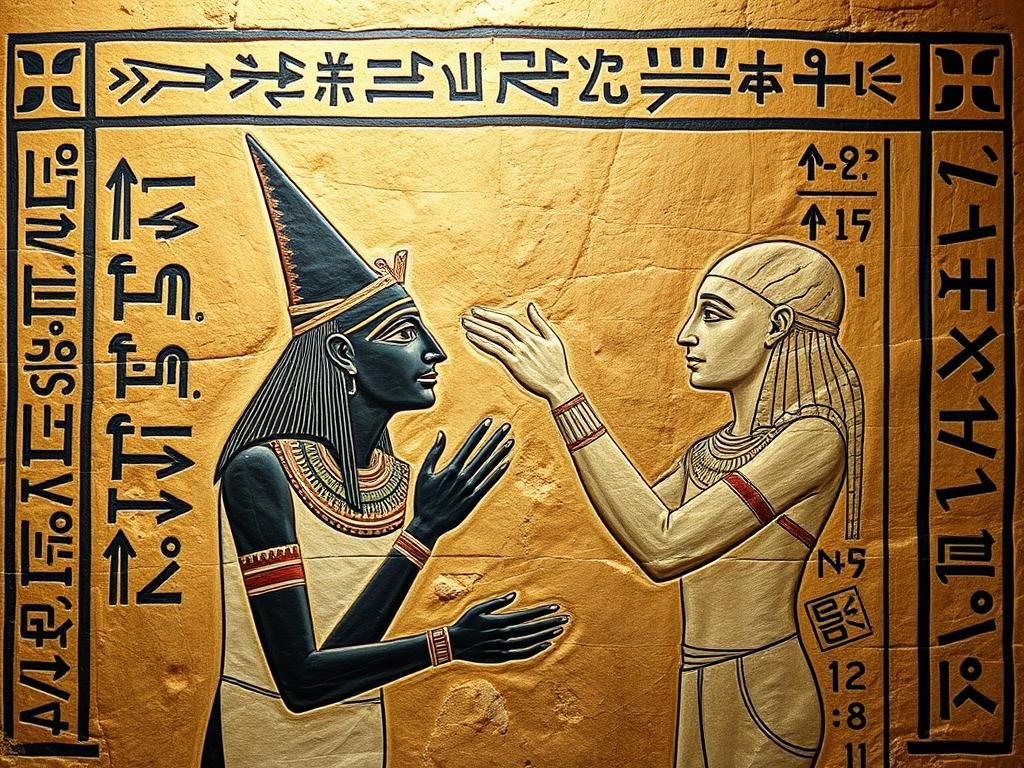
Ancient Egyptian depictions of eye examination, precursors to modern iridology
Dr. Ignaz von Peczely: Father of Modern Iridology چارٽس
The first formal ارڊولوجيٽر چارٽ is credited to Dr. Ignaz von Peczely, a Hungarian physician in the 19th century. As the story goes, as a child, von Peczely noticed changes in an owl’s iris after the bird suffered a broken leg. This observation sparked his lifelong study of the connection between iris markings and physical conditions.
In 1881, von Peczely published his groundbreaking book “قدرتي سائنس ۽ دوائن جي ميدان ۾ دريافتون: اکين مان تشخيص جي مطالعي ۾ هدايتون،” which included the first detailed ارڊولوجيٽر چارٽ. His map divided the iris into approximately 80 zones, each corresponding to different organs and body systems.

Dr. Ignaz von Peczely’s original ارڊولوجيٽر چارٽ from 1881
جي ارتقا Iridology چارٽ Designs
From von Peczely’s initial work, iridology charts have undergone significant refinement and expansion. Different schools of thought have emerged, each with their own approach to iris mapping.
Key Contributors to Iridology چارٽ ترقي
Several pioneers have shaped modern iridology through their research and chart innovations:
- Dr. Josef Deck (1914-1984) – German practitioner who developed a more detailed sectoral analysis system, dividing the iris into 60 sectors
- Dr. Bernard Jensen (1908-2001) – American chiropractor who popularized iridology in North America and created comprehensive charts used widely today
- Denny Johnson – Developer of Rayid Iridology, which focuses on psychological and emotional patterns in the iris
- ڊاڪٽر ايلن ٽارٽ جينسن – Modern practitioner who refined charts to include nutritional correlations

The evolution of ارڊولوجي چارٽس from the 1880s to modern digital versions
جديد Iridology چارٽ سسٽم
Today’s iridology charts vary in complexity and approach, but most share common elements:
Topographic Zone Systems
Modern charts typically divide the iris into concentric rings and radial zones. The outer ring often represents the skin, muscles, and extremities, while inner rings correspond to deeper organs and systems. This topographic approach allows for precise mapping of body regions.
Color Coding Systems
Contemporary charts often use color coding to indicate different types of conditions. For example, white markings might indicate inflammation, while dark spots could suggest toxin accumulation. These color systems help practitioners quickly identify potential areas of concern.

A modern digital ارڊولوجيٽر چارٽ with color-coded zones and detailed organ correlations
Right and Left Iris Differences in Iridology چارٽس
Most iridology systems distinguish between the right and left iris, assigning different body correlations to each eye.
ساڄي Iris (جسم جي ساڄي پاسي سان ڳنڍيل)
- مٿيون علائقو - دماغ، مٿي، ۽ سينوس
- Upper Quadrants – Lungs and heart
- Middle Area – Liver, gallbladder, pancreas
- Lower Region – Kidneys, intestines, reproductive organs
کاٻي Iris (جسم جي کاٻي پاسي سان ڳنڍيل)
- مٿيون علائقو – Cerebral circulation, mental function
- Upper Quadrants – Spleen, stomach, lymphatic system
- Middle Area – Small intestine, colon, spine
- Lower Region – Bladder, reproductive system
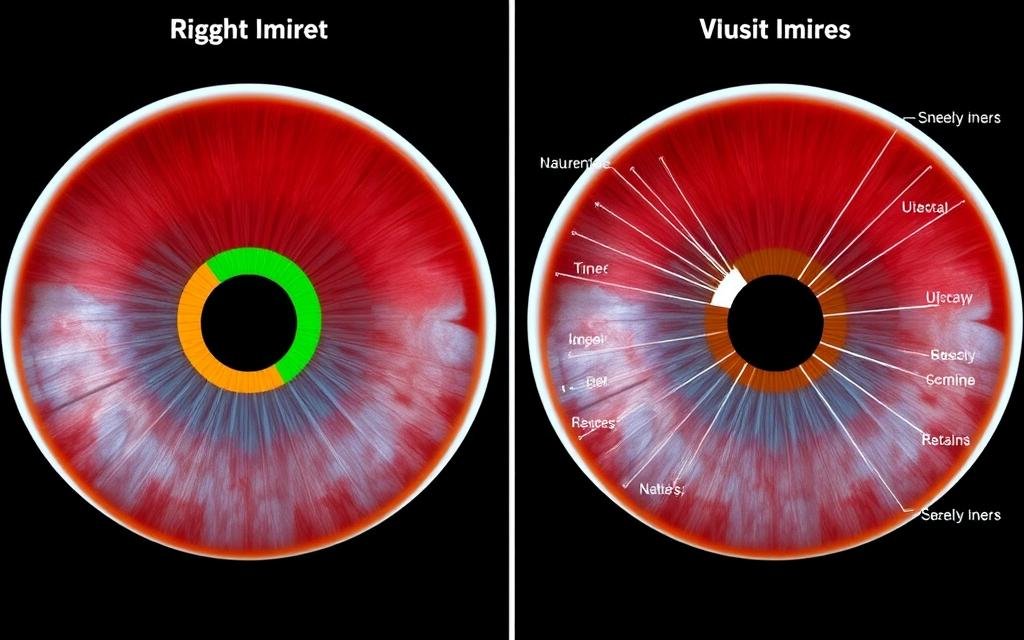
Comparison of right and left iris mappings in a standard ارڊولوجيٽر چارٽ
Interpreting Iris Markings Using an Iridology چارٽ
Beyond the basic mapping of zones, iridologists analyze specific markings and colorations within the iris. These features form an essential part of any comprehensive ارڊولوجيٽر چارٽ.
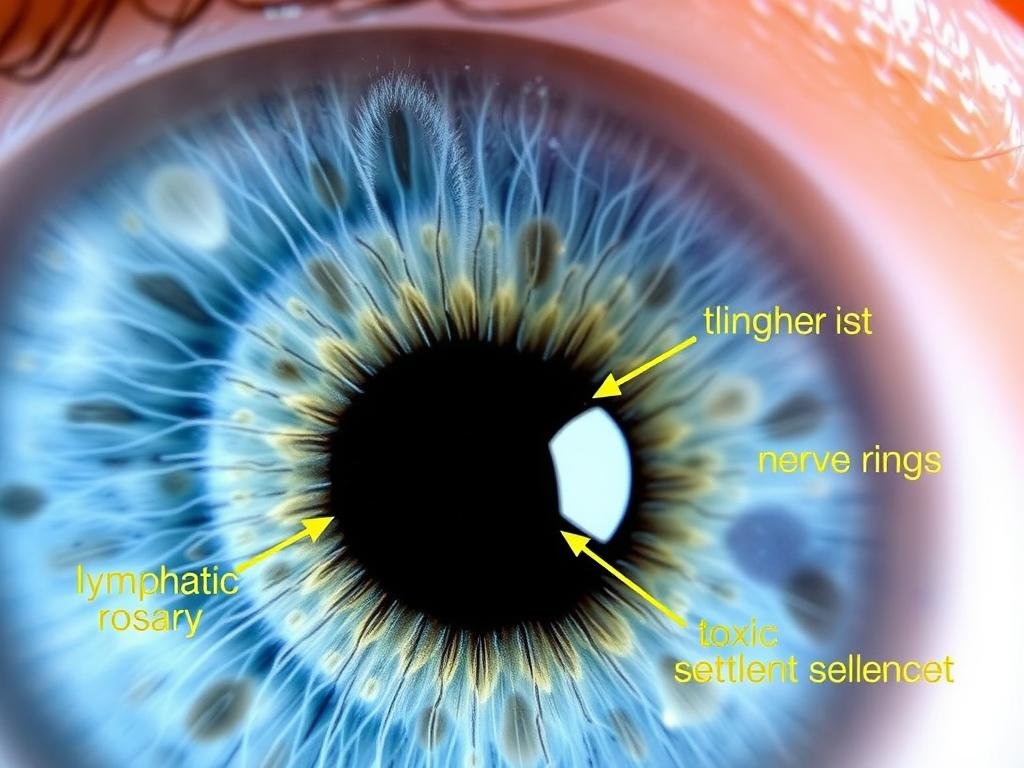
Common iris markings and their interpretations according to iridology
| آئيس مارڪنگ |
ظهور |
Iridology تعبير |
| White Rings (Nerve Rings) |
Circular white lines surrounding the pupil |
دٻاء، اعصابي تڪرار، يا پريشاني |
| ريڊيل فروز |
Spoke-like lines extending from pupil to outer iris |
Digestive system issues or weaknesses |
| Lymphatic Rosary |
White cloud-like formations in outer iris |
Lymphatic system congestion |
| رنگ جا نشان |
ڳاڙها داغ يا داغ |
Toxin accumulation or organ damage |
| اسڪرف رم |
Dark ring around outer edge of iris |
Skin elimination issues, poor circulation |
| آرڪ بزرگ |
White or grayish ring around iris edge |
Cholesterol deposits, potential cardiovascular issues |
Digital Advancements in Iridology چارٽس
The digital age has revolutionized iridology practice through advanced imaging technology and software analysis.
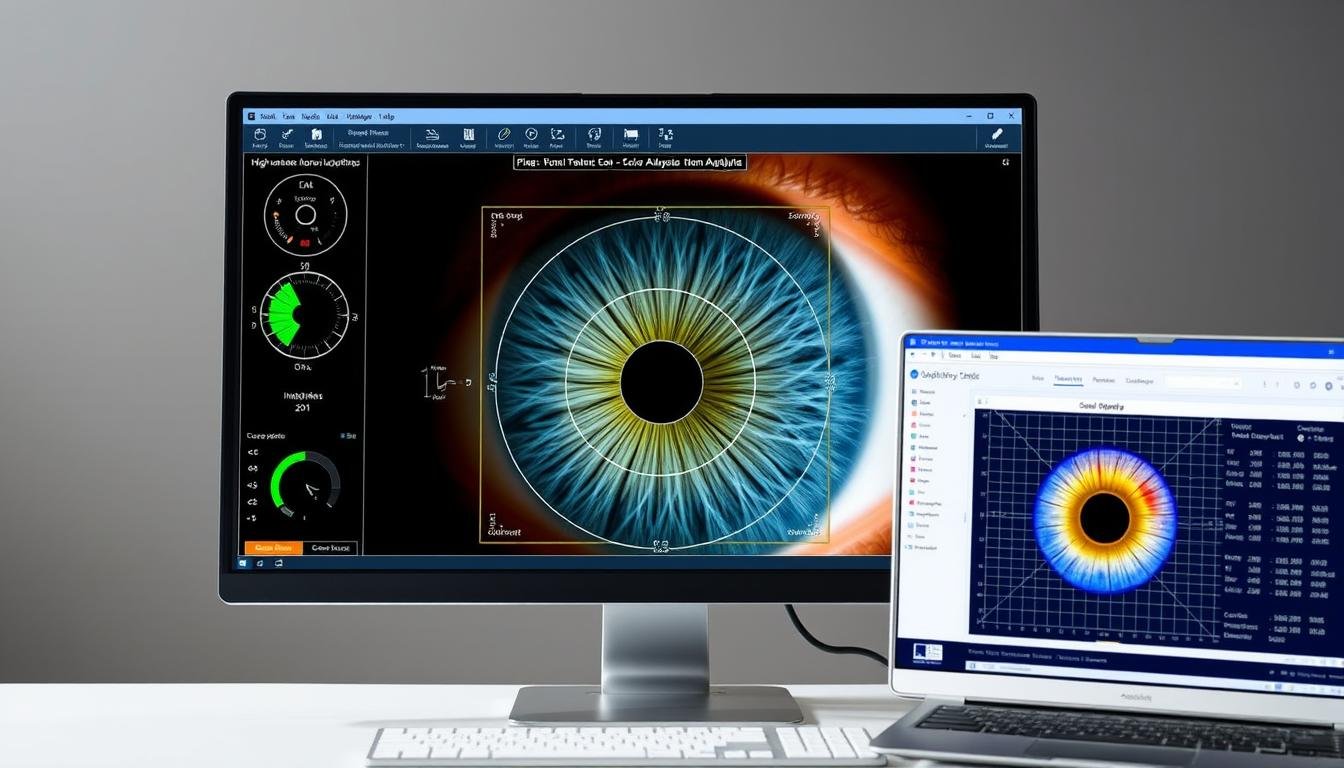
Modern digital iridology software analyzing iris patterns with AI assistance
Technology Transforming Iridology چارٽ درخواستون
Today’s iridologists often use specialized equipment and software that have significantly enhanced the precision and capabilities of traditional charts:
- High-resolution iris cameras – Capture minute details invisible to the naked eye
- Digital mapping software – Automatically maps iris zones and identifies markings
- تقابلي تجزيو جا اوزار – Track changes in the iris over time
- AI integration – Some systems now incorporate artificial intelligence to assist with pattern recognition
- 3D modeling – Advanced systems create three-dimensional representations of the iris for more detailed analysis
Explore Digital Iridology Resources
Discover how modern technology is transforming the ancient practice of iridology. Our comprehensive guide to digital iridology tools can help you understand the latest advancements in this fascinating field.
Download Free Digital Iridology Guide
سائنسي نقطه نظر تي Iridology چارٽس
Despite its long history and continued practice, iridology remains controversial in the scientific and medical communities. Understanding both sides of the debate is important for anyone exploring this field.
مددگار دليل
- آئيرس ۾ دماغ سان ڳنڍيل هزارين اعصاب ختم ٿي ويندا آهن
- Some practitioners report consistent correlations between iris signs and health conditions
- غير عدم عدم عدم نوعيت ان کي اپيلنگ مڪمل تشخيصي جو اوزار ٺاهي ٿو
- Some small-scale studies have shown positive correlations for specific conditions
- May serve as an early warning system for developing health issues
نازڪ تناظر
- Lack of large-scale, peer-reviewed studies validating iridology claims
- Controlled studies have failed to show iridologists can consistently diagnose conditions
- No established physiological mechanism explaining how internal organs would affect iris appearance
- Risk of missed diagnoses if used instead of conventional medical testing
- Significant variations between different iridology systems and charts

سائنسي تحقيق iridology جي دعوي جي صحيحيت جي جانچ ڪندي
“While iridology has not been validated by large-scale scientific studies, it continues to be practiced as a complementary assessment tool by many holistic health practitioners who find value in its whole-person approach to health evaluation.”
جرنل آف متبادل ۽ ضمني دوائون
جي عملي ايپليڪيشنون Iridology چارٽس اڄ
Despite scientific controversy, iridology continues to be practiced worldwide as a complementary health assessment tool. Here’s how practitioners typically use ارڊولوجي چارٽس in modern practice:

An iridology consultation using modern examination equipment
Common Uses of Iridology چارٽس in Alternative Health
- مجموعي صحت جو اندازو – Identifying potential areas of weakness or stress in the body
- Preventative Health Guidance – Suggesting lifestyle modifications based on constitutional tendencies
- Complementary Analysis – Using alongside other diagnostic methods for a more complete picture
- Tracking Health Changes – Monitoring iris changes over time in relation to health interventions
- غذائيت جو مشاورت – Recommending dietary adjustments based on constitutional patterns
Important Note: Iridology is not intended to diagnose, treat, cure, or prevent any disease. It should be used as a complementary tool alongside conventional medical care, not as a replacement for proper medical diagnosis and treatment.
Learning to Use an Iridology چارٽ
For those interested in exploring iridology further, there are various educational resources available to learn about iris analysis and chart interpretation.

A student learning to interpret iris patterns using an ارڊولوجيٽر چارٽ
سان شروع ڪرڻ Iridology چارٽس
If you’re interested in learning more about iridology, consider these starting points:
- Basic Education – Start with introductory books or online courses that explain fundamental principles
- Chart Familiarization – Study standard ارڊولوجي چارٽس to understand the basic mapping system
- Iris فوٽوگرافي – Learn to take clear, well-lit photographs of the iris for analysis
- Supervised Practice – Work with experienced practitioners to develop your observation skills
- جاري تعليم – Attend workshops and seminars to refine your knowledge
توهان جي Iridology سفر شروع ڪريو
Ready to explore the fascinating world of iris analysis? Our comprehensive beginner’s guide includes printable ارڊولوجي چارٽس, step-by-step tutorials, and expert insights to help you get started.
Get Your Free Beginner’s Guide
Conclusion: The Continuing Evolution of Iridology چارٽس
From ancient observations to digital analysis, ارڊولوجي چارٽس have evolved significantly while maintaining their core purpose—mapping the iris to gain insights into overall health. Whether viewed as a scientifically unproven practice or a valuable complementary health tool, iridology continues to fascinate and intrigue people worldwide.
As technology advances and research continues, we may gain new perspectives on the relationship between iris patterns and health. For now, ارڊولوجي چارٽس remain an interesting intersection of ancient wisdom and modern holistic health practices—a reminder that the human body contains many fascinating connections we are still working to fully understand.
Explore Professional Iridology Resources
Whether you’re a health practitioner looking to incorporate iridology into your practice or simply curious about what your iris might reveal, our comprehensive resources can help you navigate this fascinating field.
Discover Certified Iridology Resources
ڇا iridology سائنسي طور تي ثابت ٿيو آهي؟
Iridology has not been validated by large-scale scientific studies, and most medical authorities do not recognize it as a diagnostic tool. However, many holistic practitioners find value in its use as a complementary assessment method when used alongside conventional medical care.
ڪيڏا صحيح آهن ارڊولوجي چارٽس؟
The accuracy of iridology charts is debated. While some practitioners report consistent correlations between iris signs and health conditions, controlled studies have not demonstrated reliable diagnostic accuracy. Many practitioners view iridology as one tool among many for health assessment rather than a definitive diagnostic method.
How can I find a qualified iridologist?
Look for practitioners who have completed formal training through recognized iridology organizations. Many naturopaths, holistic health practitioners, and some chiropractors incorporate iridology into their practice. Always check credentials and ask about their specific training in iridology chart interpretation.


