ایریدولوژی یک عمل جذاب است که به پزشکان اجازه میدهد با بررسی الگوها، رنگها و نشانهها در عنبیه چشم، بینشی در مورد سلامت فرد به دست آورند. یادگیری نحوه انجام ایریدولوژی به درستی مستلزم درک مبانی نظری و تکنیک های عملی است. این راهنمای جامع شما را در کل فرآیند، از اصول اولیه تا تجزیه و تحلیل پیشرفته راهنمایی میکند و شما را به دانش و مهارتهای مورد نیاز برای انجام ارزیابیهای iridology دقیق مجهز میکند.

مبانی ایریدولوژی
قبل از فرو رفتن در جنبه های عملی نحوه انجام ایریدولوژی، درک اینکه این عمل مستلزم چه چیزی است ضروری است. عبادت مطالعه عنبیه، قسمت رنگی چشم، برای تعیین اطلاعات در مورد سلامت یک فرد است. پزشکان بر این باورند که عنبیه حاوی نقشه دقیقی از بدن است که دارای مناطق مختلف مربوط به اندام ها و سیستم های خاص است.
تاریخچه و توسعه ایریدولوژی
ایریدولوژی ریشه ای به هزاران سال قبل دارد و شواهدی از تجزیه و تحلیل عنبیه در تمدن های مصر، چین و یونان باستان دارد. با این حال، iridology مدرن با پزشک مجارستانی دکتر Ignatz von Peczely در سال 1800 آغاز شد. فون پزلی پس از مشاهده تغییرات در عنبیه جغد به دنبال آسیب دیدگی پا، اولین نمودار ایریدولوژی را ایجاد کرد که عنبیه را در قسمتهای مختلف بدن ترسیم میکرد. بعداً، دکتر. برنارد جنسن این زمینه را در قرن بیستم به طور قابل توجهی پیشرفت داد و نمودارهای جامع عنبیه را ایجاد کرد که امروزه نیز تأثیرگذار هستند.
مبانی علمی و محدودیت ها
در حالی که iridology در سراسر جهان به عنوان یک ابزار ارزیابی تکمیلی انجام می شود، درک دامنه آن مهم است. ایریدولوژی نباید برای تشخیص بیماری های خاص استفاده شود، بلکه باید برای شناسایی نقاط بالقوه ضعف یا عدم تعادل در بدن استفاده شود. این به عنوان مکمل ارزشمندی برای سایر ارزیابیهای سلامت عمل میکند و بینشهایی را ارائه میکند که میتواند تحقیقات بیشتر را راهنمایی کند و از استراتژیهای سلامت کلی حمایت کند.
تجهیزات ضروری برای تمرین ایریدولوژی
برای یادگیری موثر نحوه انجام ایریدولوژی، به تجهیزات مناسب نیاز خواهید داشت. کیفیت ابزار شما به طور مستقیم بر دقت تجزیه و تحلیل شما تأثیر می گذارد.
تجهیزات پایه ایریدولوژی
- ذره بین (حداقل بزرگنمایی 10 برابر)
- Penlight یا دیگر منبع نور متمرکز
- نمودارهای ایریدولوژی برای مرجع
- دفترچه ای برای ثبت مشاهدات
تجهیزات ایریدولوژی حرفه ای
تجهیزات حرفه ای تفاوت ایجاد می کند
برای بیش از 20 سال، MAIKONG در حال توسعه و تولید تجهیزات iridology با کیفیت بالا است که مورد اعتماد پزشکان در سراسر جهان است. ما دوربین های ایریدولوژی وت عنبیه ها دقت و وضوح مورد نیاز برای تجزیه و تحلیل دقیق را فراهم می کند.
تجهیزات ما را کاوش کنید
آماده شدن برای یک جلسه ایریدولوژی
آماده سازی مناسب برای انجام یک ارزیابی ایریدولوژی موثر بسیار مهم است. ایجاد محیط مناسب و آماده سازی هم خود و هم مشتری، کیفیت تحلیل شما را به میزان قابل توجهی بهبود می بخشد.
تنظیم محیط امتحان
فضایی راحت و با نور مناسب برای جلسات ایریدولوژی خود ایجاد کنید. نور طبیعی روز ایده آل است، اما اگر این امکان پذیر نیست، از نورپردازی با طیف کامل استفاده کنید که نور طبیعی را تقلید می کند. تجهیزات خود را در دسترس قرار دهید و اطمینان حاصل کنید که مشتری شما می تواند به راحتی در سطح چشم با شما یا دوربین شما بنشیند.
آماده سازی مشتری و ملاحظات اخلاقی
قبل از شروع معاینه، روند را برای مشتری خود توضیح دهید و رضایت آگاهانه را دریافت کنید. روشن کنید که ایریدولوژی یک ابزار ارزیابی مکمل است، نه یک روش تشخیصی. اطلاعات مربوط به تاریخچه سلامت را جمع آوری کنید تا زمینه مشاهدات خود را فراهم کنید. اگر مشتری از لنزهای تماسی استفاده می کند، از او بخواهید حداقل 30 دقیقه قبل از معاینه لنزها را خارج کند تا عنبیه به حالت طبیعی خود بازگردد.
آیا مراجعین باید قبل از جلسه ایریدولوژی از مصرف برخی مواد اجتناب کنند؟
بله، توصیه می شود از مراجعین بخواهید حداقل 24 ساعت قبل از جلسه از مصرف کافئین، الکل و داروهای تفریحی اجتناب کنند، زیرا این موارد می توانند بر گشاد شدن مردمک چشم تأثیر بگذارند و به طور بالقوه بر مشاهدات شما تأثیر بگذارند.
مرحله 1: گرفتن تصاویر عنبیه با کیفیت بالا

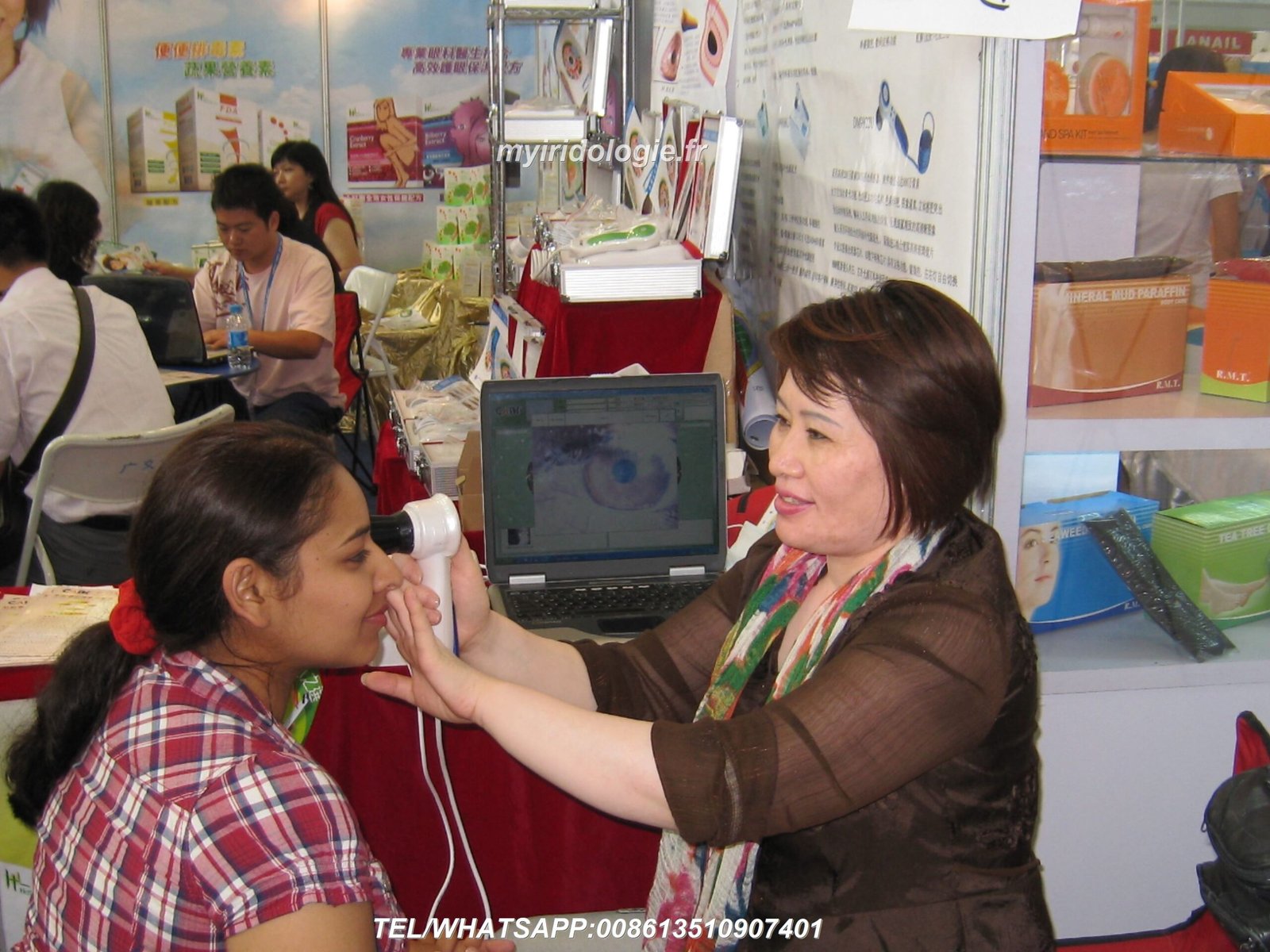
اولین قدم عملی در یادگیری نحوه انجام ایریدولوژی در حال گرفتن تصاویر واضح و دقیق از عنبیه های مشتری است. این مرحله اساسی کیفیت کل تحلیل شما را تعیین می کند.
استفاده از دوربین Iridology یا Iriscope
هنگام استفاده از یک دوربین ایریدولوژی یا عنبیه، آن را با رعایت دستورالعمل های سازنده در فاصله صحیح از چشم مشتری قرار دهید. نور را طوری تنظیم کنید که بازتاب ها را به حداقل برسانید و از روشنایی یکنواخت در کل عنبیه اطمینان حاصل کنید. چندین عکس از هر چشم بگیرید تا زوایای مختلف را ثبت کنید و مطمئن شوید که نماهای واضحی از تمام مناطق عنبیه دارید.
نکته حرفه ای: Makong's Advanced اریسکوپی این مدل ها دارای نور قابل تنظیم و قابلیت فوکوس خودکار هستند که گرفتن تصاویر ثابت و با کیفیت را حتی برای مبتدیان آسان تر می کند.
تکنیک های آزمون دستی
اگر از ذره بین استفاده می کنید، خود را هم سطح چشم مشتری خود در نور مناسب قرار دهید. ذره بین را تقریباً 2 تا 3 اینچ از چشم مشتری نگه دارید و از یک نور قلمی که با زاویه کمی هدایت می شود برای روشن کردن عنبیه بدون ایجاد ناراحتی استفاده کنید. هر بار یک چشم را معاینه کنید و از مشتری بخواهید کمی به پهلو نگاه کند تا انقباض مردمک در اثر نور مستقیم کاهش یابد.
مرحله 2: مشاهده ناخالص اولیه
قبل از تجزیه و تحلیل علائم خاص، ارزیابی کلی اولیه عنبیه را انجام دهید. این زمینه ارزشمندی را برای تحلیل دقیق شما فراهم می کند.
ارزیابی رنگ زنبق و ساختار
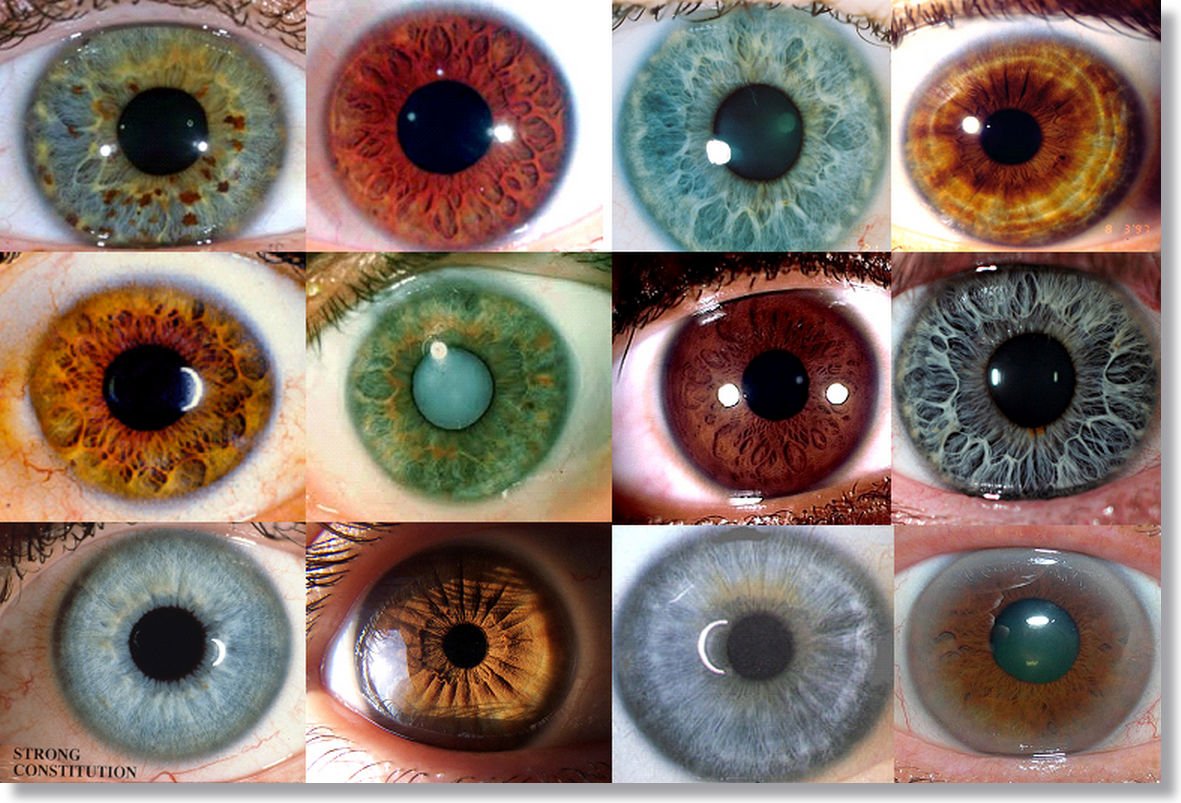
به رنگ پایه عنبیه توجه کنید که نشان دهنده نوع اصلی مشتری است. انواع اصلی قانون اساسی عبارتند از:
- آبی/لنفاوی: به طور کلی نشان دهنده اصل و نسب اروپایی است و ممکن است مستعد ابتلا به بیماری های لنفاوی و تنفسی باشد.
- قهوه ای/هماتوژنیک: در افراد با اصل و نسب آفریقایی، آسیایی یا اسپانیایی شایع است و ممکن است نشان دهنده تمایل به بیماری های خونی و کبدی باشد.
- مخلوط / صفراوی: هم رنگ آبی و هم قهوه ای را نشان می دهد که نشان دهنده ساختار ترکیبی با حساسیت های احتمالی دستگاه گوارش است.
ارزیابی چگالی و ساختار عنبیه
چگالی کلی و ساختار فیبر عنبیه را مشاهده کنید. ساختار الیافی فشرده و محکم بافته شده معمولاً نشان دهنده سرزندگی ذاتی قوی است، در حالی که یک ساختار الیاف آزادتر و جداتر ممکن است نشان دهنده استحکام ساختاری کمتر باشد. به دنبال یکپارچگی یقه (نوار دایره ای که عنبیه را به مناطق مرکزی و محیطی تقسیم می کند) باشید، زیرا بی نظمی در اینجا می تواند نشان دهنده عدم تعادل سیستم عصبی خودمختار باشد.
مرحله 3: تجزیه و تحلیل دقیق بخش با استفاده از نمودارهای ایریدولوژی
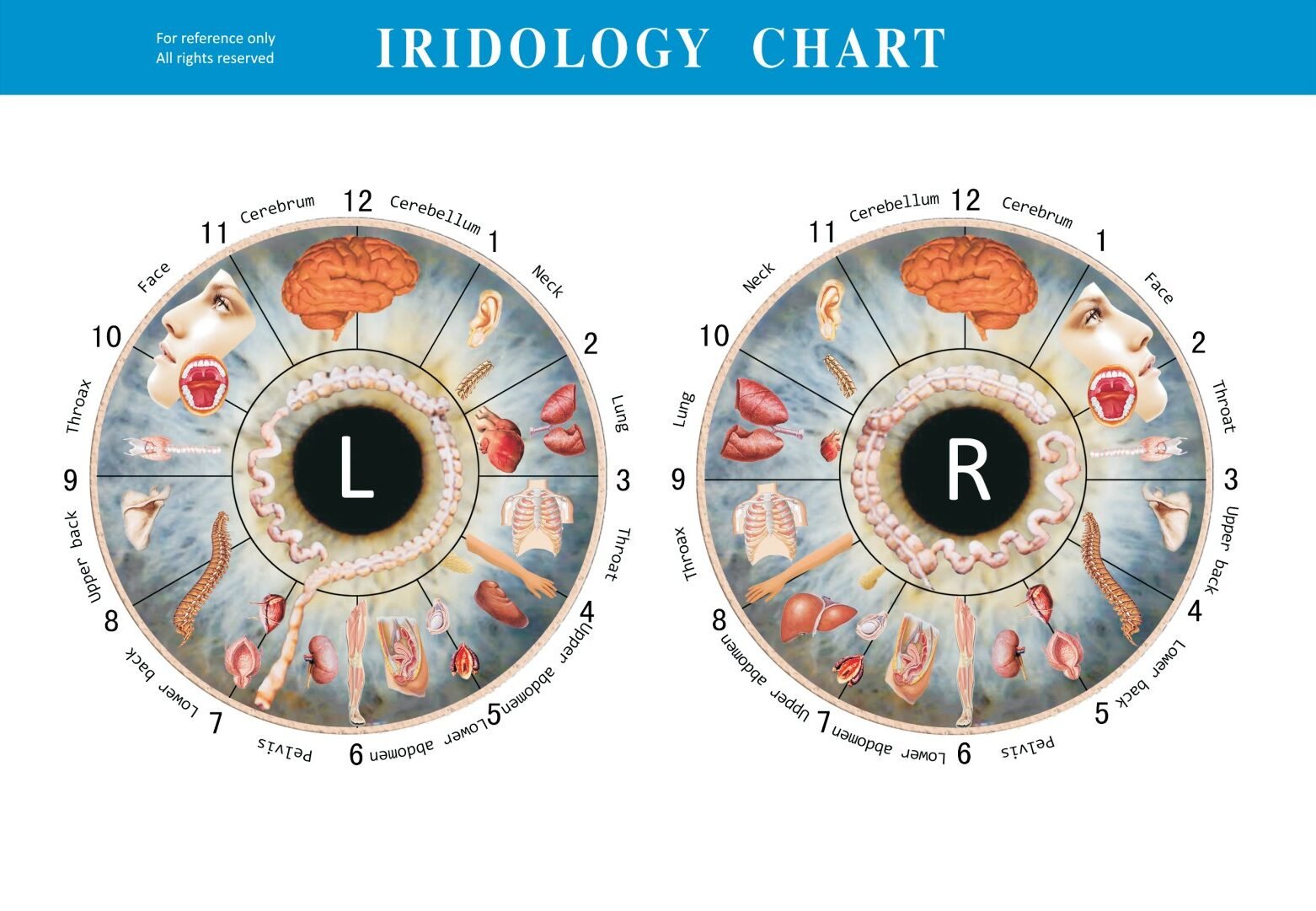

اکنون که ارزیابی اولیه را تکمیل کردید، نوبت به تجزیه و تحلیل دقیق می رسد که هسته اصلی آن را تشکیل می دهد نحوه انجام ایریدولوژی به طور موثر
درک نمودارها و نقشه های ایریدولوژی
نمودارهای ایریدولوژی عنبیه را به مناطق مربوط به سیستم ها و اندام های مختلف بدن تقسیم می کنند. با هر دوی اینها آشنا شوید نمودار ایریدولوژی چشم راست وت نمودار ایریدولوژی چشم چپ، زیرا تفاوت های مهمی دارند. عنبیه راست به طور کلی مربوط به سمت راست بدن و اندام هایی مانند کبد است، در حالی که عنبیه سمت چپ مربوط به سمت چپ و اندام هایی مانند قلب و طحال است.
برای تمرینکنندگان اسپانیایی زبان، الف نقشه ایریدولوژیکی همین اطلاعات را به زبان اسپانیایی ارائه می دهد.
تجزیه و تحلیل مناطق مختلف عنبیه
با کار سیستماتیک، هر ناحیه از عنبیه را مطابق نمودار مرجع خود بررسی کنید. از مردمک به سمت بیرون در جهت عقربه های ساعت حرکت کنید و به هر گونه نشانه گذاری یا تغییرات رنگی چشمگیر توجه کنید. توجه ویژه به:
- ناحیه گوارشی (در اطراف مردمک)
- نواحی گردش خون و لنفاوی (عنبیه میانی)
- پوست، عضلات و نواحی اسکلتی (عنبیه خارجی)
نمودارهای ایریدولوژی برتر
MAIKONG نمودارهای iridology حرفه ای طراحی شده را بر اساس دهه ها تحقیق و کاربرد عملی ارائه می دهد. نمودارهای ما نقشه دقیقی از تمام مناطق عنبیه برای تجزیه و تحلیل دقیق ارائه می دهند.
نمودارهای ما را مشاهده کنید
مرحله 4: شناسایی علائم و نشانه های کلیدی
جنبه انتقادی یادگیری نحوه انجام ایریدولوژی در حال توسعه توانایی تشخیص و تفسیر علائم مختلف عنبیه است.
علائم رایج زنبق و معانی آنها
به دنبال این نشانه های رایج باشید و اهمیت بالقوه آنها را درک کنید:
- Lacunae: مناطق تیره محصور که ممکن است نشان دهنده ضعف های ذاتی یا تغییرات دژنراتیو باشد
- شعاع Solaris ؛ خطوط اسپک مانندی که از مردمک ساطع میشوند، به طور بالقوه نشاندهنده سمیت یا التهاب هستند
- رنگدانه ها: لکه های رنگی که ممکن است نشان دهنده رسوبات سمی یا رسوبات متابولیک باشند
- تسبیح لنفاوی: تشکیلات ابری سفید در عنبیه خارجی که احتمالاً نشان دهنده احتقان لنفاوی است
- حلقه های عصبی: خطوط دایره ای در عنبیه که ممکن است نشان دهنده تنش عصبی باشد
- حلقه های استرس: دایره های متحدالمرکز که می تواند نشان دهنده استرس مزمن یا خستگی آدرنال باشد
تمایز بین علائم حاد و مزمن
یاد بگیرید که بین شرایط حاد و مزمن بر اساس علامت های عنبیه تمایز قائل شوید:
- علائم حاد: معمولاً به صورت علائم سفید یا روشن ظاهر می شود که نشان دهنده التهاب فعال یا تغییرات اخیر است
- علائم مزمن: معمولاً رنگ تیرهتر است که نشاندهنده شرایط طولانی مدت یا ضعفهای ذاتی است
- علائم شفابخش: اغلب به صورت خطوط سفید اطراف علائم تیرهتر ظاهر میشوند که به طور بالقوه نشاندهنده فرآیندهای بهبودی است
مرحله 5: ارتباط یافته ها با سیستم های بدن
آخرین مرحله تحلیلی در نحوه انجام ایریدولوژی شامل ارتباط مشاهدات شما با سیستم های خاص بدن و پیامدهای بالقوه سلامتی است.
تفسیر علائم عنبیه در زمینه
مشاهدات خود را با سابقه سلامتی مشتری و علائم فعلی مرتبط کنید. به یاد داشته باشید که علائم عنبیه باید به عنوان شاخص تمایلات یا عدم تعادل بالقوه تفسیر شود، نه به عنوان تشخیص قطعی. به دنبال الگوها و دستههایی از نشانهها باشید که ممکن است به مسائل سیستمیک اشاره کنند نه اینکه منحصراً بر نشانههای جدا شده تمرکز کنید.
ایجاد یک ارزیابی سلامت کل نگر
یافته های خود را در یک ارزیابی جامع ترکیب کنید که در نظر گرفته شود:
- نقاط قوت قانون اساسی و ضعف های ذاتی
- مناطق فعلی استرس یا عدم تعادل
- اولویت های درمانی بالقوه بر اساس برجسته بودن علائم
- روابط بین سیستم های مختلف بدن همانطور که با الگوهای عنبیه نشان داده شده است
این رویکرد کل نگر به تشخیص Iridology Iris بینش های ارزشمندی را ارائه می دهد که می تواند تحقیقات بهداشتی بیشتر و استراتژی های پشتیبانی را راهنمایی کند.
اسناد و تجزیه و تحلیل نرم افزار
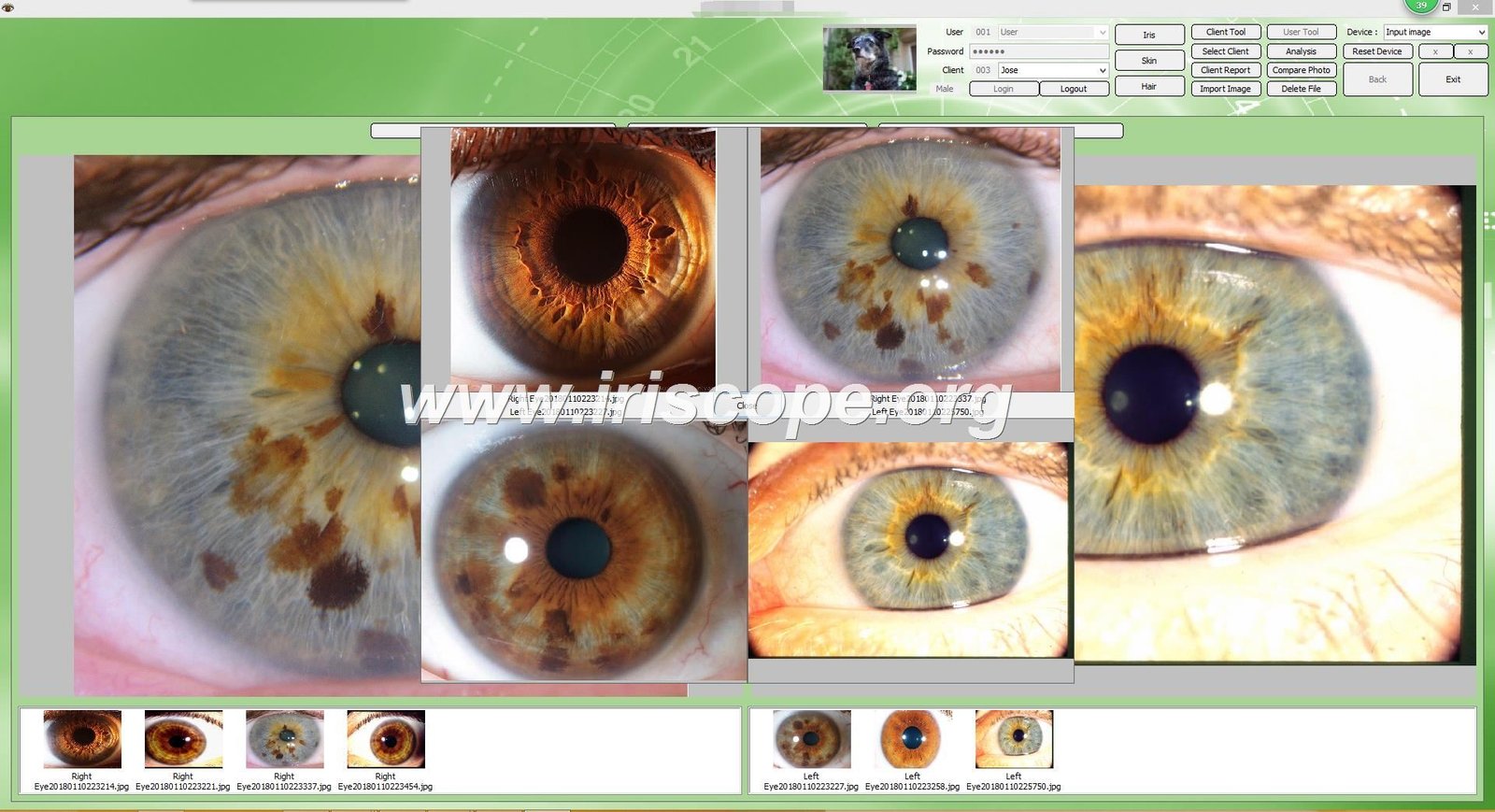
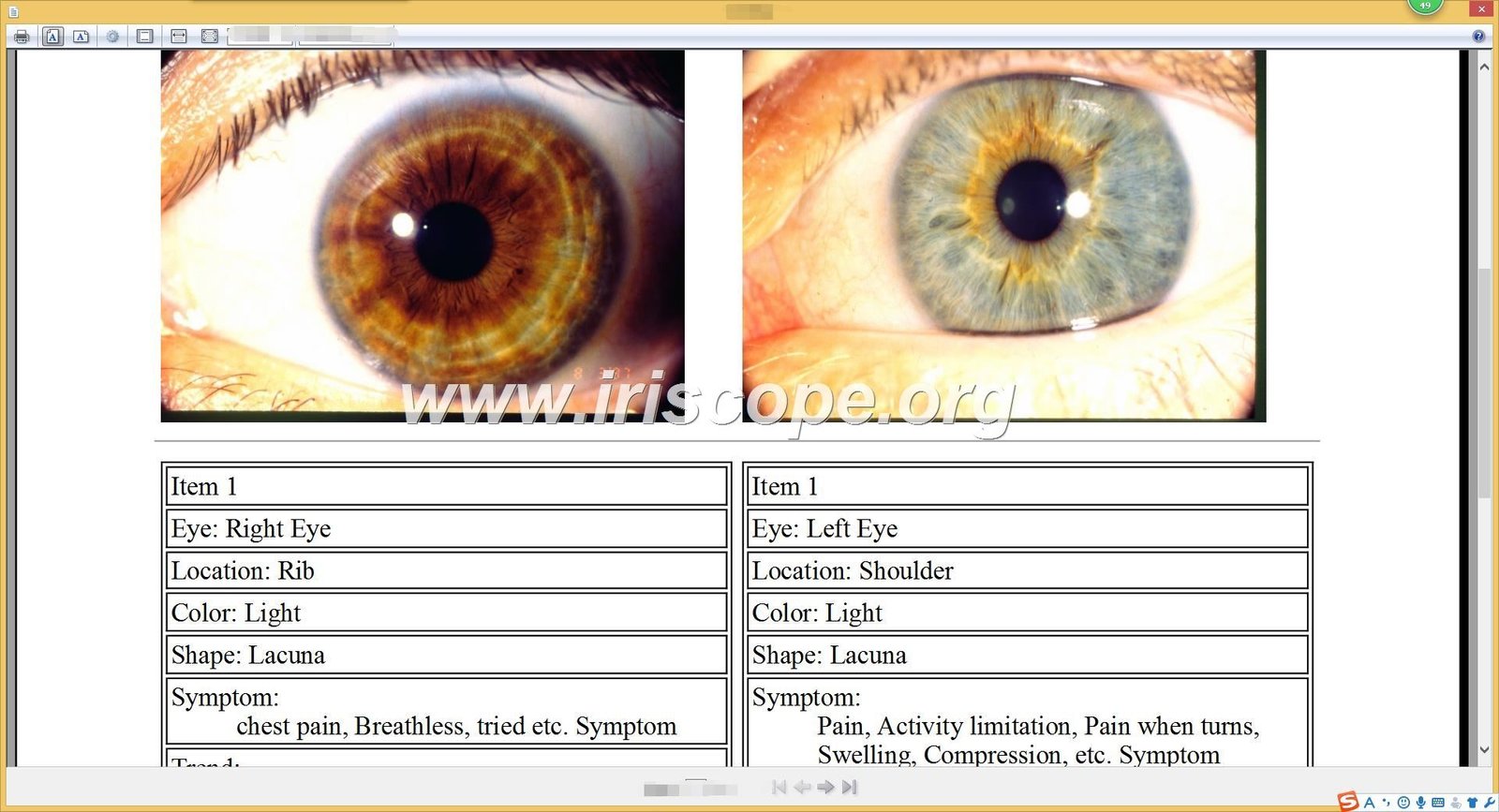
مستندات مناسب برای ردیابی تغییرات در طول زمان و ارائه ارزیابی های حرفه ای به مشتریان ضروری است.
ثبت یافته های خود
سوابق دقیق مشاهدات خود را ایجاد کنید، از جمله:
- تصاویر با کیفیت از هر دو زنبق
- یادداشت هایی در مورد علامت های مهم و مکان آنها
- تفاسیر و ارتباط شما با سیستم های بدن
- هر گونه توصیه برای تحقیقات یا پشتیبانی بیشتر
استفاده از نرم افزار Iridology برای تجزیه و تحلیل پیشرفته
تخصصی نرم افزار ایریدولوژی می تواند تمرین شما را به طور قابل توجهی افزایش دهد:
- ارائه پوشش های دیجیتالی نمودارهای ایریدولوژی برای نقشه برداری دقیق
- امکان بهبود تصویر برای تجسم بهتر علائم ظریف
- تسهیل مقایسه قبل و بعد برای پیگیری تغییرات
- ایجاد گزارش های حرفه ای برای مشتریان
راه حل های نرم افزار ایریدولوژی پیشرفته
نرم افزار iridology اختصاصی MAIKONG به طور یکپارچه با دوربین ها و عنبیه های ما ادغام می شود و ابزارهای تجزیه و تحلیل قدرتمند و رابط های بصری را برای پزشکان در همه سطوح ارائه می دهد.
نرم افزار ما را کشف کنید
انتقال نتایج به مشتریان
برقراری ارتباط موثر یافتههای شما برای هر متخصص ایریدولوژی یک مهارت حیاتی است.
تبیین یافته های ایریدولوژی
هنگام بحث در مورد نتایج با مشتریان:
- از زبان واضح و غیر فنی استفاده کنید
- تاکید کنید که ایریدولوژی گرایش ها و عدم تعادل های بالقوه را شناسایی می کند، نه بیماری ها
- به جای یافته های مجزا، بر الگوها و روابط سیستمی تمرکز کنید
- اطلاعات را به شیوه ای مثبت و توانمند ارائه دهید که فرصت های پشتیبانی را برجسته می کند
ملاحظات و محدودیت های اخلاقی
اخلاق حرفه ای را رعایت کنید:
- هرگز بیماری های خاص پزشکی را تنها بر اساس ایریدولوژی تشخیص نمی دهند
- توصیه به پیگیری پزشکی مناسب در صورت مشاهده علائم مربوطه
- به عنوان یک متخصص ایریدولوژی در محدوده فعالیت خود باقی بمانید
- برای اصلاح مهارت ها و دانش خود به تحصیلات خود ادامه دهید
پیشبرد تمرین ایریدولوژی
واقعا مسلط شدن نحوه انجام ایریدولوژی، آموزش مداوم و توسعه حرفه ای ضروری است.
آموزش و صدور گواهینامه
پیگیری رسمی را در نظر بگیرید گواهی ایریدولوژی از طریق برنامه های شناخته شده اینها معمولاً عبارتند از:
- مطالعه جامع اصول و فنون ایریدولوژی
- تمرین تحت نظارت با مربیان مجرب
- فرآیندهای آزمون و صدور گواهینامه
- فرصت های تحصیل مداوم
ایجاد یک تمرین حرفه ای ایریدولوژی
همانطور که مهارت های خود را به عنوان یک شناس شناس، در نظر بگیرید:
- سرمایه گذاری در تجهیزات حرفه ای برای تجزیه و تحلیل دقیق
- ایجاد روابط با سایر پزشکان برای ارجاع
- ایجاد مواد آموزشی برای کمک به مشتریان برای درک ارزش iridology
- به اصلاح تکنیک خود از طریق تمرین منظم و بررسی همتایان ادامه دهید
همکاری با MAIKONG برای تمرین Iridology شما
انتخاب شریک تجهیزات مناسب برای ایجاد یک عمل موفق ایریدولوژی بسیار مهم است.
چرا MAIKONG را انتخاب کنید
MAIKONG با بیش از 20 سال تجربه در تحقیق، توسعه و ساخت تجهیزات iridology ارائه می دهد:
توزیع کننده ماکونگ شوید
به شبکه جهانی توزیع کنندگان ما بپیوندید و تجهیزات ایریدولوژی ممتاز MAIKONG را برای پزشکان منطقه خود بیاورید. ما پشتیبانی جامع، قیمت رقابتی و محصولات اثبات شده را ارائه می دهیم.
فرصت های توزیع کننده
راه حل های سفارشی برای تمرین شما
MAIKO ارائه می دهد راه حل های OEM برای پزشکان و مشاغلی که به دنبال توسعه تجهیزات iridology مارک هستند. ما گواهینامه های کارخانه اطمینان حاصل کنید که همه محصولات دارای بالاترین کیفیت و استانداردهای ایمنی هستند.
نتیجه گیری: تسلط بر هنر و علم ایریدولوژی


یادگیری نحوه انجام ایریدولوژی سفری است که دانش علمی، مهارت های عملی و درک شهودی را ترکیب می کند. با پیروی از فرآیند گام به گام ذکر شده در این راهنما و سرمایه گذاری در تجهیزات و آموزش با کیفیت، می توانید تخصص مورد نیاز برای ارائه بینش های ارزشمند سلامتی را از طریق تجزیه و تحلیل عنبیه ایجاد کنید.
به یاد داشته باشید که iridology یک ابزار ارزیابی تکمیلی است که بهترین عملکرد را در صورت ادغام با سایر رویکردهای بهداشتی دارد. همانطور که تمرین خود را توسعه می دهید، تعهد خود را به استانداردهای اخلاقی، یادگیری مستمر و مراقبت مشتری محور حفظ کنید.
برای تقویت تمرین ایریدولوژی خود آماده اید؟
MAIKONG اینجاست تا با تجهیزات ممتاز، منابع جامع و راهنمایی متخصص از سفر شما پشتیبانی کند. امروز با ما تماس بگیرید تا در مورد نیازهای خاص خود صحبت کنید.
ایمیل: lucy@iriscope.org
تماس با ما
بازدید کنید https://iriscope.org برای کشف طیف کامل تجهیزات و منابع ایریدولوژی ما، یا کسب اطلاعات بیشتر در مورد ما و تعهد ما به پیشبرد عمل ایریدولوژی در سراسر جهان.


