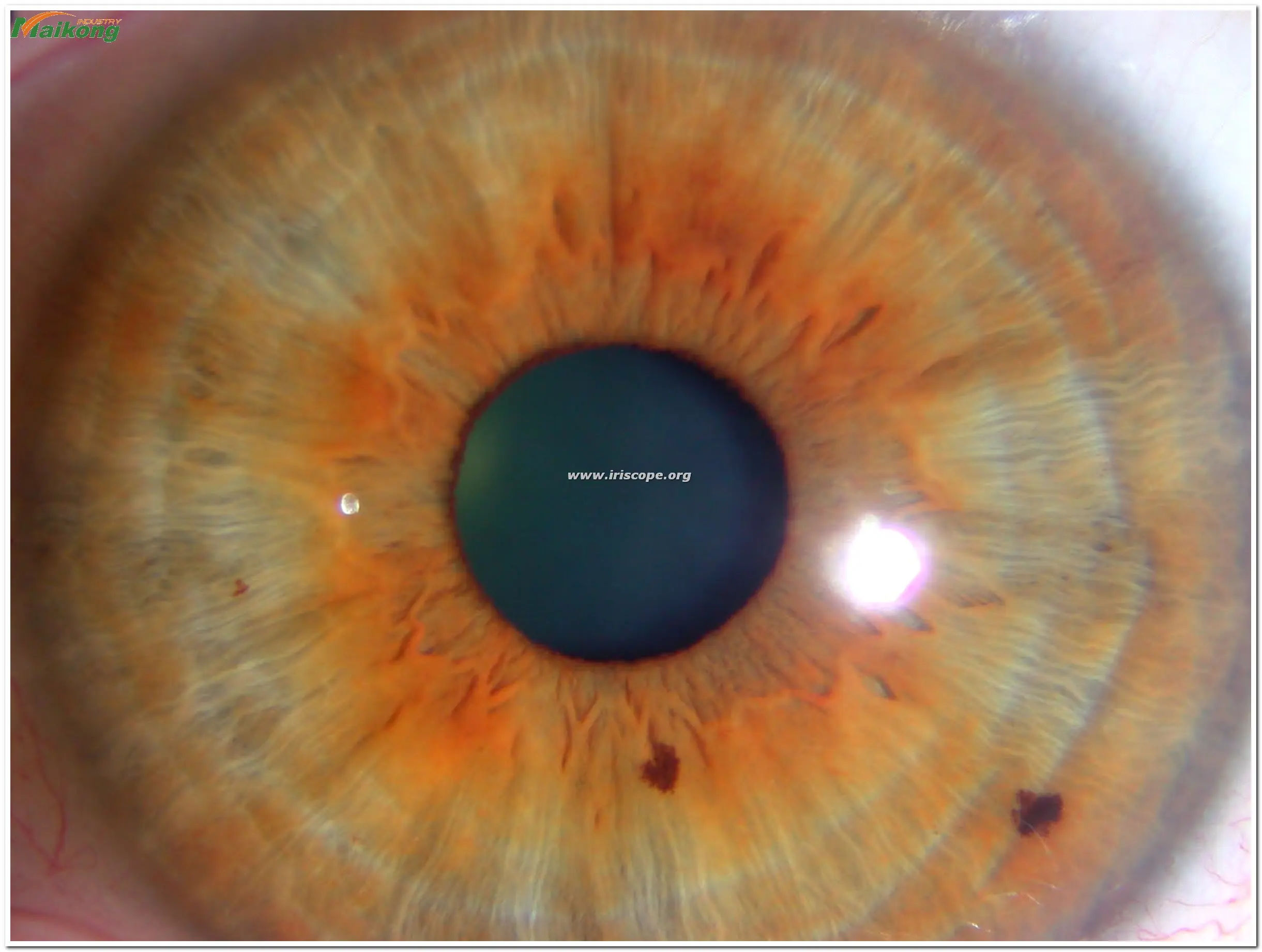
Have you ever noticed unusual orange tones or patches appearing in someone’s iris? These distinctive colorations are not random accidents of genetics. They represent specific health indicators that trained practitioners can interpret through iridology. The presence of orange in eye color iridology analysis carries significant diagnostic meaning that connects directly to internal organ function and systemic health challenges.
For professional iridologists and holistic health practitioners, accurately identifying and interpreting these colour variations forms the foundation of effective health assessment. The appearance of orange pigmentation in the iris typically signals particular physiological processes occurring within the body.
This comprehensive guide explores the clinical significance of orange colorations in iris analysis, helping practitioners deliver more precise health evaluations for their clients.
What Does Orange in Eye Color Iridology Indicate?
The appearance of orange hues within the iris structure represents a specific category of pigmentation that experienced practitioners recognize immediately. Unlike the natural base colour iris determined by genetics, these orange tones appear as acquired markings that develop over time in response to physiological conditions.
Orange discoloration in iridology color analysis primarily indicates accumulation of specific substances or metabolic byproducts within particular body systems. The liver and pancreatic function show strong correlation with these color manifestations.
Primary Health Associations of Orange Iris Pigmentation
When performing iridology color analysis, practitioners observe orange pigmentation most frequently in connection with digestive system imbalances. The liver, as the primary detoxification organ, shows its functional status through various iris color changes, with orange being particularly significant.
Liver-Related Indicators
The liver processes countless substances daily. When liver function becomes compromised or overburdened, the iris frequently displays orange-toned markings. These typically appear in the zone corresponding to liver location on the iridology chart.
- Bile metabolism irregularities
- Fat digestion challenges
- Toxic substance accumulation
- Reduced detoxification capacity
Pancreatic Function Signals
The pancreas shares close functional relationship with liver activity. Orange pigmentation may indicate pancreatic stress or imbalance, particularly affecting digestive enzyme production and blood sugar regulation mechanisms.
- Enzyme production insufficiency
- Blood sugar regulation issues
- Inflammatory processes
- Digestive system strain
Understanding the Iridology Orange Color Spectrum
Not all orange appearances in the iris look identical. Practitioners skilled in iridology eye color meaning interpretation distinguish between various shades and intensities. The specific tone of orange provides additional diagnostic information.
Clinical Note: Bright orange typically suggests acute conditions or recent onset issues, while deeper, brownish-orange tones often indicate chronic or longstanding imbalances requiring sustained intervention approaches.
The colour variations professionals observe include pale peachy-orange, bright tangerine orange, rust-orange, and amber-orange presentations. Each shade carries distinct implications for the underlying health condition and appropriate therapeutic response.
Comprehensive Iridology Color Analysis: Reading Orange Pigmentation
Accurate iridology color analysis requires understanding how orange pigmentation interacts with other iris features. Experienced practitioners never evaluate colour in isolation but consider the complete picture including iris structure, markings, density, and overall constitution.
Location Matters: Where Orange Appears in the Iris
The specific area where orange pigmentation manifests provides critical diagnostic clues. The iris maps to different body areas and organs according to established iridology  systems.
The iris divides into concentric zones radiating outward from the pupil. The innermost zone relates to the digestive tract, particularly the stomach and intestinal areas. The middle zone corresponds to major organs including liver, kidney, and pancreas. The outer zone represents elimination channels and body periphery.
When orange colour appears in the middle zone, practitioners pay particular attention to liver function and metabolic processes. Appearance near the stomach zone suggests digestive enzyme issues or bile-related concerns.

Orange Pigmentation Combined with Other Iris Features
Professional iridology eye color meaning interpretation combines colour assessment with evaluation of iris structure elements. Orange pigmentation gains additional significance when appearing alongside specific structural features.
Structural Elements to Assess
- Contraction rings (also called stress rings or nerve rings)
- Radial furrows extending from pupil outward
- Lacuna formations (fiber defects appearing as gaps)
- Density variations in iris fibres
- Pigment spots versus diffuse coloration
- Tophi deposits appearing as white/yellow elevations
The combination of orange pigmentation with lacuna formations suggests inherent organ weakness compounded by functional stress. When orange appears with dense contraction rings, the pattern indicates chronic stress affecting metabolic function.
Practitioners must evaluate whether orange colour appears as concentrated spots or diffuse spread across broader areas. Concentrated spots typically indicate specific toxic accumulation, while diffuse patterns suggest systemic metabolic imbalance.
The Iridology Yellow in Eye Color Connection
Understanding iridology yellow in eye color helps contextualize orange pigmentation interpretation. Yellow and orange tones share similar physiological origins, primarily relating to bile pigments and liver metabolic byproducts.
The progression from yellow to orange coloration often reflects increasing severity or chronicity of the underlying condition. Fresh bile-related issues may present as bright yellow, while prolonged metabolic stress produces deeper orange tones as substances oxidize and accumulate over time.
| Color Presentation | Primary Association | Typical Time Frame | Clinical Significance |
| Bright Yellow | Acute liver stress, bile stasis | Recent onset (weeks to months) | Active detoxification burden |
| Pale Orange | Mild chronic liver load | Several months | Developing metabolic imbalance |
| Bright Orange | Significant metabolic stress | Months to year | Active compensation required |
| Rust Orange | Chronic liver/pancreas burden | Multiple years | Long-term functional compromise |
| Brown-Orange | Advanced chronic condition | Many years | Significant structural changes likely |
Orange Pigmentation Across Different Iris Type Classifications
The base constitution and structure iris classification significantly influences how orange pigmentation manifests and what it indicates. The three primary constitutional types each display unique characteristics when orange coloration develops.
Blue Iris Constitution (Lymphatic Type)
Individuals with naturally blue iris genetics represent the lymphatic constitution. When orange pigmentation appears in blue eyes, it stands out dramatically against the lighter base color. This high contrast makes identification straightforward for practitioners.
In lymphatic constitutions, orange tones typically indicate greater significance because they represent substantial metabolic stress sufficient to create visible pigmentation despite the light base color. The liver and elimination system burden must be considerable to produce such obvious discoloration.


Brown Iris Constitution (Hematogenic Type)
Brown iris individuals possess the hematogenic constitution. Detecting orange pigmentation in iridology eye color change brown eyes requires greater skill because the darker base color can mask subtle color variations.
Practitioners examining brown eyes use specialized equipment to identify orange tones that might otherwise blend with the natural pigmentation. When visible orange appears in brown iris tissue, it often indicates advanced or intense metabolic conditions.
Professional Equipment for Accurate Color Analysis
Precise identification of subtle orange pigmentation in darker iris types requires professional-grade imaging equipment. MAIKONG manufactures advanced iridology camera systems with superior color accuracy and resolution. Our equipment features specialized lighting and magnification optimized for detailed colour differentiation across all iris types. With over 20 years of manufacturing experience, MAIKONG provides the diagnostic tools professionals trust for accurate assessments.
Mixed Iris Constitution (Biliary Type)
Mixed or hazel iris patterns represent the biliary constitution. These iris types naturally display color variations, making differentiation between constitutional pigmentation and acquired orange tones more complex.
Experienced practitioners learn to distinguish the natural iridology eye color green and brown mixing from pathological orange development. The key lies in recognizing patterns inconsistent with the normal bilateral color distribution, particularly when orange appears concentrated in specific organ zones rather than following genetic patterns.
Orange Pigmentation and Common Iris Markings
The iris displays numerous structural features that practitioners evaluate alongside color analysis. Understanding how orange pigmentation interacts with these iris markings enhances diagnostic accuracy.
Stress Rings in Eyes Combined with Orange Coloration
The appearance of stress rings in eyes, also called contraction rings or nerve rings, provides important information about nervous system tension and overall stress levels. These concentric circular formations appear as raised ridges in the iris structure.
When orange pigmentation develops in areas showing prominent stress rings, the combination suggests that chronic stress contributes to the metabolic burden visible through color changes. The nervous system stress may compromise liver function or digestive processes, leading to the pigmentation development.

Lacuna and Orange Pigment Deposits
A lacuna represents a structural defect in the iris where fibres appear incomplete or missing, creating a gap-like appearance. These formations indicate inherent organ weakness in corresponding body areas.
The combination of lacuna with orange pigmentation carries significant implications. The lacuna shows genetic predisposition to weakness, while the orange color demonstrates that the weak organ currently experiences functional stress or toxic burden.
- Open lacuna with orange edges suggests active inflammation or congestion
- Closed lacuna filled with orange pigment indicates chronic accumulation
- Multiple lacuna with orange in single organ zone shows significant vulnerability
- Large lacuna with bright orange requires priority attention
Sodium Ring Versus Orange Pigmentation
Practitioners must distinguish orange pigmentation from the sodium ring, a white or grayish arc appearing at the iris edge. The sodium ring, also called arcus senilis, indicates mineral deposit accumulation, particularly sodium and calcium, in peripheral tissues.
While both features may appear in the same iris, they represent different physiological processes. The sodium ring appears at the extreme outer edge of the iris, while orange pigmentation typically manifests in inner or middle zones corresponding to internal organs.
Diagnostic Caution: In some case presentations, heavy mineral deposits can create yellowish or tan discoloration that inexperienced practitioners might confuse with orange pigmentation. Careful evaluation of location, distribution pattern, and accompanying features helps differentiate these conditions.
Specific Health Conditions Associated with Orange in Eye Color Iridology
The appearance of orange tones in the iris correlates with various health conditions affecting primarily the digestive and detoxification systems. Understanding these associations helps practitioners provide targeted recommendations.
Liver-Related Disorders and Orange Iris Coloration
The liver performs over 500 distinct functions in maintaining body health. When liver function becomes compromised, the iris frequently displays orange pigmentation as a visible marker of this internal stress.
Common Liver Conditions
- Fatty liver disease (hepatic steatosis)
- Chronic hepatitis (viral or toxic)
- Biliary stasis and bile flow obstruction
- Cirrhotic changes (advanced cases)
- Medication-induced hepatotoxicity
- Alcohol-related liver damage
- Environmental toxin accumulation
Manifestation Patterns
Acute liver stress often produces brighter orange tones, while chronic conditions develop deeper, more brownish-orange pigmentation. The intensity of coloration does not always correlate directly with severity, as individual variation affects pigment expression.
Location within the liver zone of the iris helps identify which part of liver function experiences the greatest challenge. Right-side placement suggests issues with the right lobe, while left-side appearance may indicate left lobe involvement.

Pancreatic Function and Digestive Enzyme Disorders
The pancreas produces essential digestive enzymes and regulates blood sugar through insulin production. Pancreatic stress frequently manifests through orange pigmentation in the corresponding iris zone.
Practitioners observe orange coloration associated with various pancreatic conditions including chronic pancreatitis, enzyme insufficiency, and blood sugar regulation problems. The zone representing pancreatic function sits adjacent to the liver area in iridology chart mapping.
Pancreatic-Related Symptoms Often Accompanying Orange Pigmentation
- Poor fat digestion with fatty stool
- Abdominal discomfort after meals
- Blood sugar fluctuations
- Difficulty maintaining stable energy levels
- Nutritional deficiencies despite adequate diet
- Gas and bloating following fat consumption
Gallbladder and Bile Flow Disturbances
Bile production and flow represent critical functions for fat digestion and toxin elimination. The gallbladder stores and concentrates bile produced by the liver. Disorders affecting bile quality or flow often produce orange pigmentation patterns in the iris.
Practitioners evaluate whether orange appears more concentrated near the gallbladder zone specifically or spreads across the broader hepatobiliary area. Concentrated orange in the gallbladder zone suggests primary gallbladder involvement, while diffuse patterns indicate liver-bile system dysfunction.
Clinical Pearl: Individuals suffering from gallbladder problems often display orange pigmentation that appears more intense after consuming high-fat meals, as the system attempts to process dietary fats. This temporal variation provides additional diagnostic information.
Kidney Function and Orange Pigmentation
While orange coloration primarily associates with hepatic and pancreatic function, some practitioners observe orange-yellow tones in the kidney zone of the iris. This typically indicates metabolic waste accumulation that the kidney struggles to eliminate efficiently.
The kidney zone sits in the lower part of the iris on the iridology chart. Orange pigmentation here may suggest reduced filtration capacity, chronic dehydration affecting kidney concentration ability, or mineral deposit formation within kidney tissue.
Professional Diagnostic Interpretation of Iridology Eye Color Meaning
Accurate interpretation of iridology eye color meaning, particularly regarding orange pigmentation, requires systematic evaluation following established protocols. Professional practitioners follow structured assessment procedures.
Step-by-Step Orange Pigmentation Assessment
- Document base iris constitution – Identify whether the individual possesses blue, brown, or mixed iris type before evaluating pigmentation.
- Map pigmentation location – Precisely identify which iris zones display orange coloration using standard iridology chart references.
- Assess color intensity and shade – Evaluate whether the orange appears bright, pale, rust-toned, or brownish, as each variation carries different implications.
- Evaluate distribution pattern – Determine if orange appears as concentrated spots, diffuse clouds, or sector-based distributions.
- Identify accompanying structural features – Note presence of lacuna, contraction rings, radial furrows, or density changes in areas showing orange pigmentation.
- Compare bilateral symmetry – Assess whether orange appears symmetrically in both eyes or shows unilateral presentation.
- Correlate with health history – Connect iris findings with the individual’s health complaints, medical history, and lifestyle factors.
- Develop therapeutic recommendations – Based on complete assessment, formulate appropriate interventions addressing identified imbalances.
Documentation and Tracking Changes
Professional practice requires thorough documentation of iris findings. High-quality photography proves essential for tracking iridology color change over time as individuals implement therapeutic interventions.
Practitioners use specialized iridology camera equipment to capture detailed images showing colour, structure, and markings clearly. These baseline images allow objective comparison during follow-up assessments to evaluate whether orange pigmentation lightens, intensifies, or remains stable.

Documentation Best Practices: Capture images under standardized lighting conditions, maintain consistent camera settings, photograph both eyes during each session, record date and any relevant health status changes, and store images securely with proper patient identification.
Understanding Jensen Iridology What Does Changing Eye Color Mean
Dr. Bernard Jensen pioneered modern iridology practice in the United States. His extensive research established many foundational principles practitioners still follow today. Regarding jensen iridology what does changing eye color mean, Dr. Jensen emphasized that color changes reflect physiological state shifts.
According to Jensen’s teachings, improvement in health status often correlates with lightening of pathological pigmentation. When individuals address underlying liver burden, improve dietary habits, reduce toxic exposures, and support detoxification pathways, the orange pigmentation may gradually fade.
However, Jensen cautioned that iris changes occur slowly. Dramatic color shifts happen rarely. Practitioners should set realistic expectations, explaining that even with excellent therapeutic compliance, noticeable iris color improvement may require many months or years, particularly for chronic conditions.
Iridology How to Change Eye Color: What’s Possible and What’s Not
Many people search for iridology how to change eye color hoping to alter their base iris color. Understanding what actually changes helps clarify realistic expectations.
What Cannot Change: Genetic Base Color
The fundamental iris color determined by genetics remains fixed throughout life. An individual born with blue eyes will not develop naturally brown eyes, and vice versa. The melanin content and distribution established genetically stays constant.
No dietary intervention, supplement protocol, or therapeutic approach will alter the genetic colour iris foundation. Claims suggesting otherwise lack scientific validity.
What Can Change: Acquired Pigmentation
The orange, yellow, brown, and white pigmentations that develop throughout life in response to health conditions represent acquired changes. These additions to the base iris color can potentially lighten or reduce through therapeutic intervention.
When discussing iridology lighten eye color, practitioners refer specifically to reducing pathological pigmentation overlaying the natural iris color. Success depends on addressing the underlying physiological imbalances that created the pigmentation initially.
Changes That Are Possible
- Reduction of orange pigmentation intensity
- Fading of toxic spots and deposits
- Lightening of the sodium ring
- Improvement in iris clarity and brightness
- Reduction of congestion patterns
Changes That Are Not Possible
- Altering genetic base iris color
- Completely removing constitutional markings
- Changing fundamental iris structure
- Eliminating inherited lacuna formations
- Modifying base constitution type
Therapeutic Approaches for Reducing Orange Pigmentation
Practitioners who identify significant orange pigmentation typically recommend interventions supporting liver function, enhancing detoxification pathways, and reducing toxic burden on the body. Specific approaches vary based on individual assessment.
Dietary Modifications
- Reducing processed foods and additives
- Eliminating or minimizing alcohol consumption
- Increasing bitter greens supporting bile flow
- Adding liver-supportive foods (artichoke, dandelion, beets)
- Ensuring adequate hydration
- Reducing unhealthy fats while including healthy omega-3 sources
Lifestyle and Environmental Changes
Beyond diet, practitioners recommend reducing environmental toxic exposures that burden the liver. This includes choosing natural cleaning products, minimizing pesticide exposure, filtering drinking water, and reducing pharmaceutical medication when medically appropriate.
Stress management proves essential, as chronic stress directly impairs liver function and digestive processes. Adequate sleep supports the body‘s natural detoxification cycles that occur primarily during rest.
Special Cases: Iridology Eye Color Change Feline and Animal Applications
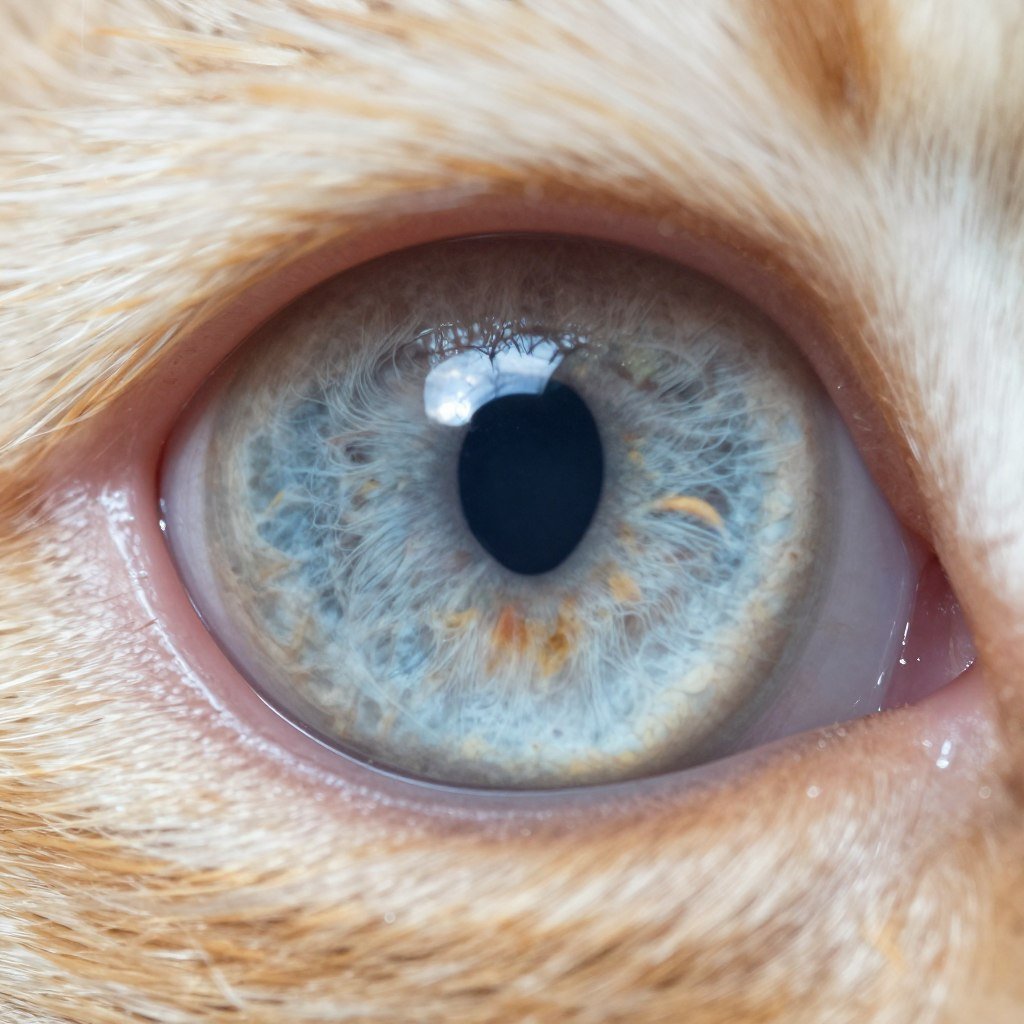
While this article focuses primarily on human iridology, some practitioners also apply iris analysis to animal health assessment. The field of iridology eye color change feline represents a specialized application of iridology principles to cats.
Feline Iris Analysis Considerations
Cats display different iris structure and pigmentation patterns compared to humans. However, the fundamental principle that iris changes reflect internal health status still applies. Veterinary practitioners trained in animal iridology observe colour changes, spots, and structural features in feline eyes.
Orange or yellowish pigmentation in cat iris tissue may indicate liver or kidney challenges similar to human presentations. However, interpretation requires understanding species-specific normal variations and pathological indicators.
Differences in Animal Versus Human Iridology
Animal iridology remains less developed than human practice, with fewer established research studies and standardized protocols. Practitioners applying iridology to animals must exercise additional caution in interpretation and rely heavily on correlating iris findings with clinical symptoms and laboratory diagnostics.
The equipment requirements for animal iridology mirror human practice, requiring high-quality cameras capable of capturing detailed iris images. Patient cooperation presents additional challenges with animals compared to willing human clients.
Iridology Colorado and Regional Practice Variations
Iridology practice varies somewhat by geographic region, influenced by local regulatory environments, practitioner training backgrounds, and cultural acceptance. The term iridology colorado reflects searches from practitioners or clients in Colorado seeking local iridology services.
Regulatory Considerations in Different Regions
Iridology practice faces different regulatory frameworks across various states and countries. Some regions classify iridology under naturopathic medicine scope of practice, while others consider it complementary assessment not requiring specific licensure.
Practitioners must understand their local legal environment regarding health claims, diagnostic terminology, and scope of practice limitations. Responsible practitioners position iridology as a complementary assessment tool rather than definitive medical diagnosis.
Training and Certification Standards
Professional iridology certification programs provide standardized training in iris analysis techniques, anatomy correlation, and ethical practice guidelines. Reputable certification requires extensive study of iris anatomy, iridology chart systems, constitutional types, and clinical application.
Practitioners seeking to offer iridology services should pursue recognized training programs that include practical skills development, supervised case studies, and examination of competency. Continuing education helps practitioners stay current with evolving understanding and techniques.
Professional Practice Equipment
Establishing a professional iridology practice requires investment in quality diagnostic equipment. Superior image capture capabilities directly impact diagnostic accuracy and client confidence.
MAIKONG’s iridology camera systems provide exceptional image quality with true color reproduction essential for accurate iridology color analysis. Our iriscope equipment features advanced LED illumination eliminating reflections and shadows that can obscure subtle markings.
Software Technology Advantage
MAIKONG offers the industry’s first iridology software supporting both Windows (7/8/10/11) and Apple Mac OS platforms. This cross-platform compatibility provides flexibility for practitioners using diverse computer systems.
Our software includes comprehensive iridology chart overlays, image comparison tools for tracking changes, report generation features, and multi-language support. The intuitive interface streamlines analysis workflow while maintaining professional documentation standards.
Partnership Opportunities
MAIKONG actively seeks qualified distributors and agents in the United States market. As a factory-direct manufacturer with 20+ years experience, we offer competitive wholesale pricing, comprehensive technical support, and customization options.
Partners receive exclusive territory rights, marketing support materials, training resources, and responsive after-sales service. Our commitment to quality and innovation creates profitable opportunities for growth-oriented distributors.
Iridology and Acupressure Eye Color Change: Understanding the Relationship
Some alternative health practices explore connections between different diagnostic and therapeutic modalities. The concept of iridology and acupressure eye color change suggests potential relationships between acupressure stimulation and iris appearance changes.
Theoretical Connections Between Systems
Both iridology and acupressure operate within holistic health frameworks recognizing interconnected body systems. Acupressure techniques aim to influence organ function and energy flow through specific point stimulation. Theoretically, if acupressure successfully improves organ function, corresponding iris changes might eventually manifest.
However, scientific research specifically documenting iris color changes resulting from acupressure interventions remains limited. Practitioners should maintain realistic expectations regarding the relationship between these modalities.
Indirect Effects on Iris Appearance
More plausibly, acupressure or acupuncture supporting liver function, digestive health, or stress reduction might indirectly contribute to gradual reduction of pathological iris pigmentation over extended timeframes. This would represent the same mechanism as any therapeutic intervention that successfully addresses underlying imbalances.
The iris changes would result from improved physiological function rather than direct acupressure effects on eye tissue. Practitioners combining these modalities should clearly communicate the realistic timeline and indirect nature of any potential iris improvements.
Frequently Asked Questions About Orange in Eye Color Iridology
What causes orange coloration to appear in the iris?
Orange pigmentation in the iris typically develops in response to metabolic stress, particularly affecting liver function and digestive processes. The coloration results from accumulation of bile pigments, oxidized metabolic byproducts, or toxic substances that the body struggles to eliminate efficiently. The intensity and shade of orange reflect the chronicity and severity of the underlying condition.
Can orange iris pigmentation disappear completely?
In many case presentations, orange pigmentation can lighten significantly with appropriate therapeutic intervention addressing the root cause. However, complete disappearance depends on multiple factors including how long the pigmentation has been present, the severity of organ compromise, and consistency of therapeutic compliance. Long-standing pigmentation may lighten but not vanish entirely. Realistic expectations involve gradual improvement over months or years rather than rapid resolution.
Is orange pigmentation in the iris dangerous?
The orange pigmentation itself does not pose danger, as it represents a visual indicator rather than a pathological process directly harming eye health. However, the underlying conditions causing the pigmentation require appropriate attention. Significant liver dysfunction, pancreatic insufficiency, or toxic accumulation can affect overall health and warrant professional evaluation and intervention. Iridology findings should prompt comprehensive health assessment rather than standalone diagnosis.
How accurate is iridology for diagnosing health conditions?
Iridology serves as a complementary assessment tool providing insights into constitutional strengths, weaknesses, and functional imbalances. It does not replace conventional medical diagnosis or laboratory testing. Research on iridology accuracy shows mixed results, with some studies supporting correlations between iris features and health conditions while others question reliability. Responsible practitioners use iridology alongside, not instead of, conventional diagnostic methods and maintain appropriate scope of practice boundaries.
What equipment do I need to perform professional iridology assessments?
Professional iridology practice requires high-quality imaging equipment capable of capturing detailed iris photographs with accurate color reproduction. Essential components include a specialized iridology camera or iriscope with appropriate magnification (typically 20-30x), LED illumination system preventing reflections, and professional iridology software for image analysis and documentation. Quality equipment ensures practitioners can identify subtle colour variations, structural markings, and changes over time with confidence.
Can I perform iridology analysis on myself using smartphone photos?
While smartphone cameras continue improving in quality, they lack the specialized magnification, controlled lighting, and color accuracy required for professional iridology assessment. Standard phone photos typically cannot capture the fine detail necessary to identify subtle markings, fibres density variations, or precise colour differentiation. Self-assessment also introduces interpretation bias. Professional evaluation using appropriate equipment provides significantly more reliable information and objective documentation.
How long does it take to see iris color changes with health improvements?
The iris responds slowly to physiological changes. Even with excellent therapeutic compliance and significant health improvements, visible iris color lightening typically requires minimum six months to one year before becoming noticeable. Chronic conditions that developed over many years will naturally require extended periods for reversal. Practitioners should set realistic expectations emphasizing that iris changes serve as long-term progress markers rather than short-term outcome measures.
Does orange pigmentation appear the same in all eye colors?
No, orange pigmentation appears quite differently across various iris constitutional types. In blue eyes, orange stands out dramatically against the light base color. In brown eyes, orange tones blend more subtly with natural pigmentation, requiring skilled observation and proper equipment for identification. Mixed or hazel eyes present intermediate challenges. The diagnostic significance remains consistent regardless of base iris color, but identification difficulty varies substantially.
Professional Resources and Continuing Education
Practitioners committed to excellence in iridology benefit from ongoing education and connection with professional communities. Staying current with evolving understanding and techniques enhances practice quality and client outcomes.
Recommended Study Areas for Advanced Practice
Beyond basic iris analysis training, practitioners pursuing mastery should study related disciplines that enhance iridology application. Understanding nutritional biochemistry, functional medicine principles, and holistic therapeutic approaches provides context for translating iris findings into effective interventions.
Complementary Knowledge Domains
Expanding expertise beyond iridology creates more comprehensive practice capabilities and better serves client needs.
- Nutritional science and therapeutic diet design
- Herbal medicine and botanical therapeutics
- Functional laboratory assessment interpretation
- Mind-body medicine and stress management
Technical Skill Development
Mastering the technical aspects of iris photography and analysis ensures consistent, high-quality assessments.
- Advanced photography techniques for optimal image capture
- Software proficiency for efficient analysis workflow
- Pattern recognition across diverse constitutional types
- Documentation and tracking protocols
Ethical Practice Standards
Maintaining professional ethics and appropriate scope protects both practitioners and clients while supporting field credibility.
- Clear communication about iridology limitations
- Appropriate referral to medical professionals when indicated
- Privacy and confidentiality protocols
- Evidence-based practice within holistic framework
Business Development Skills
Building sustainable practice requires business acumen alongside clinical expertise to serve communities effectively.
- Professional marketing within ethical guidelines
- Practice management and client retention
- Insurance and liability considerations
- Integration with complementary practitioners

Clinical Case Examples: Orange Pigmentation Assessment
Understanding theoretical principles gains practical meaning through examination of real-world clinical presentations. The following anonymized case examples illustrate typical scenarios practitioners encounter involving orange iris pigmentation.
Case One: Bright Orange in Liver Zone
A 42-year-old male presented with fatigue, digestive discomfort after fatty meals, and occasional right upper quadrant abdominal tenderness. Iris examination revealed bright orange pigmentation concentrated in the liver zone of both eyes, more prominent on the right side. The client reported regular alcohol consumption and high-fat diet patterns.
Assessment Findings: The bright orange coloration suggested acute or subacute liver stress rather than long-standing chronic condition. The intensity indicated significant metabolic burden requiring intervention. Additional iris features included moderate contraction rings suggesting nervous system stress contribution.
Recommendations included alcohol elimination, dietary modification reducing saturated fats while adding liver-supportive foods, stress management techniques, and appropriate nutritional supplementation. Follow-up iris photography six months later showed noticeable lightening of the orange pigmentation, correlating with reported symptom improvement and laboratory liver function test normalization.
Case Two: Rust-Orange with Lacuna Formation
A 58-year-old female with long history of digestive challenges presented for assessment. Iris examination revealed deep rust-orange pigmentation filling a significant lacuna in the pancreatic zone. The client reported decades of poor fat digestion, fluctuating energy levels, and sweet cravings.
The combination of lacuna (indicating inherent weakness) with long-standing orange pigmentation (showing chronic functional stress) suggested substantial pancreatic insufficiency requiring comprehensive intervention. The deep orange tone indicated the condition developed over many years.
Therapeutic protocol included digestive enzyme supplementation, blood sugar stabilization through dietary modification, pancreas-supportive botanicals, and lifestyle changes addressing stress and sleep patterns. The practitioner set realistic expectations that iris changes would occur slowly given the chronic nature. After 18 months of consistent intervention, the orange pigmentation showed modest lightening, while client symptoms improved substantially.
Case Three: Orange Appearing with Sodium Ring
A 65-year-old male presented with general health maintenance goals. Iris examination revealed moderate orange pigmentation in the liver and kidney zones along with prominent sodium ring at the iris periphery. Client history included hypertension, metabolic syndrome diagnosis, and standard American diet patterns.
The combination of findings suggested multiple metabolic challenges including compromised detoxification, mineral imbalances, and cardiovascular stress patterns. Intervention required comprehensive lifestyle modification addressing diet quality, sodium reduction, increased vegetable consumption, regular physical activity, and stress management.
This case illustrates the importance of addressing multiple iris findings holistically rather than focusing narrowly on single features like orange pigmentation alone.
Conclusion: Integrating Orange Iris Analysis into Professional Practice
The appearance of orange in eye color iridology assessments provides valuable information about internal physiological states, particularly regarding liver, pancreatic, and digestive system function. Professional practitioners who develop expertise in identifying and interpreting these color variations enhance their ability to provide meaningful health insights.
Accurate assessment requires quality equipment, comprehensive training, systematic evaluation protocols, and realistic understanding of iridology’s role as a complementary tool rather than standalone diagnostic method. The iris offers a unique window into body function, but responsible practice integrates this information with comprehensive health history, symptom assessment, and when appropriate, conventional medical evaluation.
For practitioners establishing or expanding iridology services, investment in professional-grade equipment directly impacts assessment quality and client confidence. Superior image capture, accurate color reproduction, and efficient documentation systems create the foundation for excellent practice outcomes.
Establish Your Professional Iridology Practice with MAIKONG Equipment
MAIKONG has supported iridology practitioners worldwide for over 20 years with industry-leading diagnostic equipment. Our comprehensive product line includes advanced iridology camera systems, professional iriscope devices, innovative cross-platform iridology software, and complete accessory packages. We serve professional iridologists, naturopathic clinics, wellness centers, and training institutions throughout the United States and globally.
As a factory-direct manufacturer, we offer competitive wholesale pricing unavailable through intermediary distributors. Our equipment features superior optical quality, true color accuracy essential for iridology color analysis, and robust construction ensuring years of reliable service. The iridology software supporting both Windows and Mac OS platforms provides unprecedented flexibility for diverse practice environments.
We actively seek qualified distributors and agents throughout the United States. Partnership opportunities include exclusive territory rights, comprehensive technical training, marketing support materials, responsive after-sales service, and customization options for OEM/ODM requirements. Our commitment to quality, innovation, and partner success creates mutually beneficial long-term relationships.
Technical Support: +86 135-1090-7401
Whether you’re an established practitioner seeking to upgrade equipment, a new graduate building your first practice, or an entrepreneur exploring distributorship opportunities, MAIKONG provides the tools and support necessary for success in professional iridology practice.
The ability to accurately identify and interpret orange pigmentation and other iris features depends fundamentally on equipment quality. Invest in professional tools that support excellence in client service, enhance diagnostic confidence, and build practice reputation through consistently superior results.