The ancient practice of iridology visual diagnosis offers a fascinating window into human health through careful examination of the iris. As practitioners seek deeper insights into this holistic approach, having reliable equipment and proper understanding becomes essential. With over two decades of specialized manufacturing experience, MAIKONG has established itself as a trusted partner for professionals seeking quality iridology equipment and knowledge. This comprehensive guide explores the principles, techniques, and applications of iridology visual diagnosis while highlighting how our precision-engineered tools can enhance your practice.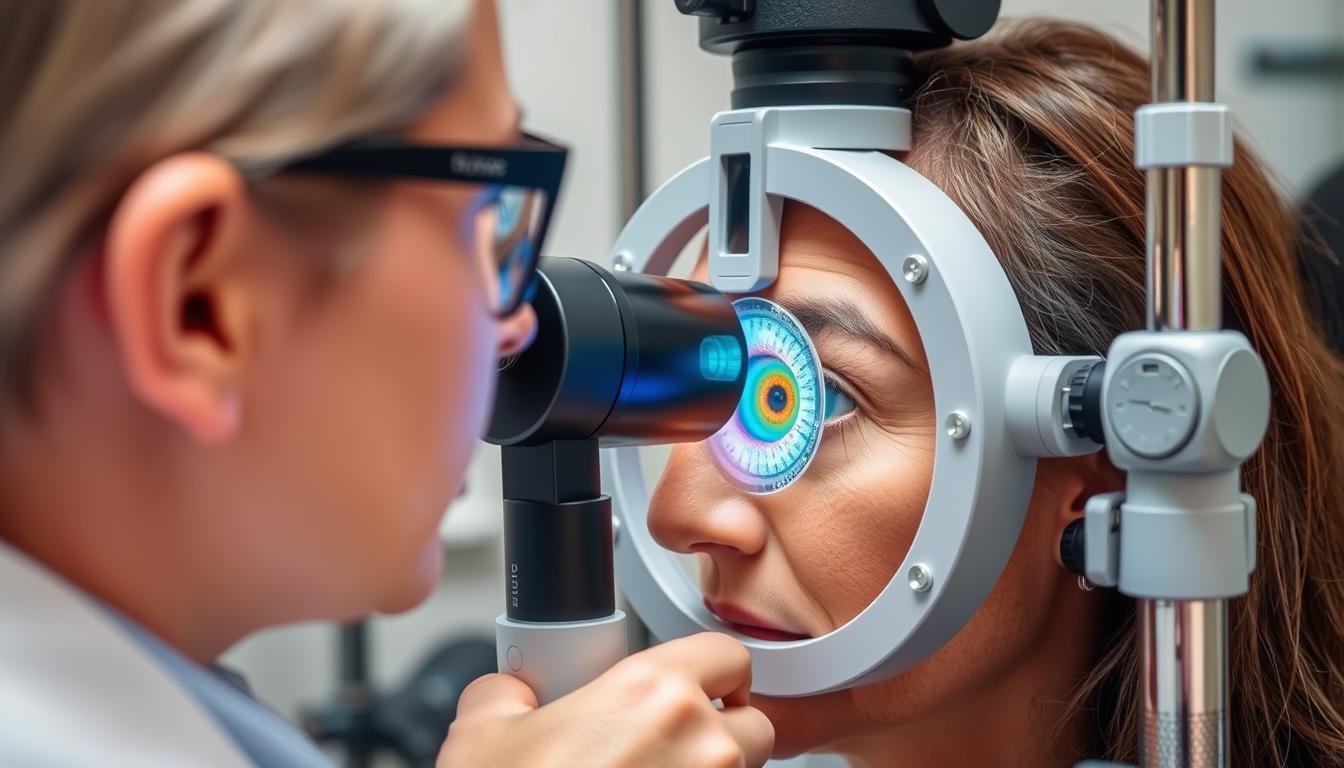

Understanding Iridology Visual Diagnosis: Principles and Foundations
Iridology visual diagnosis is a non-invasive assessment method that examines the colored part of the eye—the iris—to evaluate overall health and identify potential areas of concern in the body. This practice is based on the principle that the iris contains over 28,000 nerve fibers connected to every tissue and organ through the nervous system, making it a potential map of the entire body’s condition.
The science behind iridology centers on the concept that the iris reflects the condition of tissues throughout the body through these neurological connections. When an organ or system experiences stress or dysfunction, these changes may be reflected in the corresponding iris zone according to standardized iridology charts.
Key Principles of Iridology Visual Diagnosis
- Constitutional Assessment: Evaluating inherent strengths and weaknesses in body systems
- Inflammation Markers: Identifying areas of acute or chronic inflammation
- Toxicity Indicators: Recognizing signs of toxic accumulation
- Nutritional Status: Assessing potential nutritional deficiencies
- Stress Response: Evaluating how the body responds to physical and emotional stress
While conventional medicine approaches illness after symptoms appear, iridology visual diagnosis aims to identify potential weaknesses before they manifest as disease. This preventative approach aligns with growing interest in proactive health management and complementary assessment methods.
The Historical Evolution of Iridology Visual Diagnosis
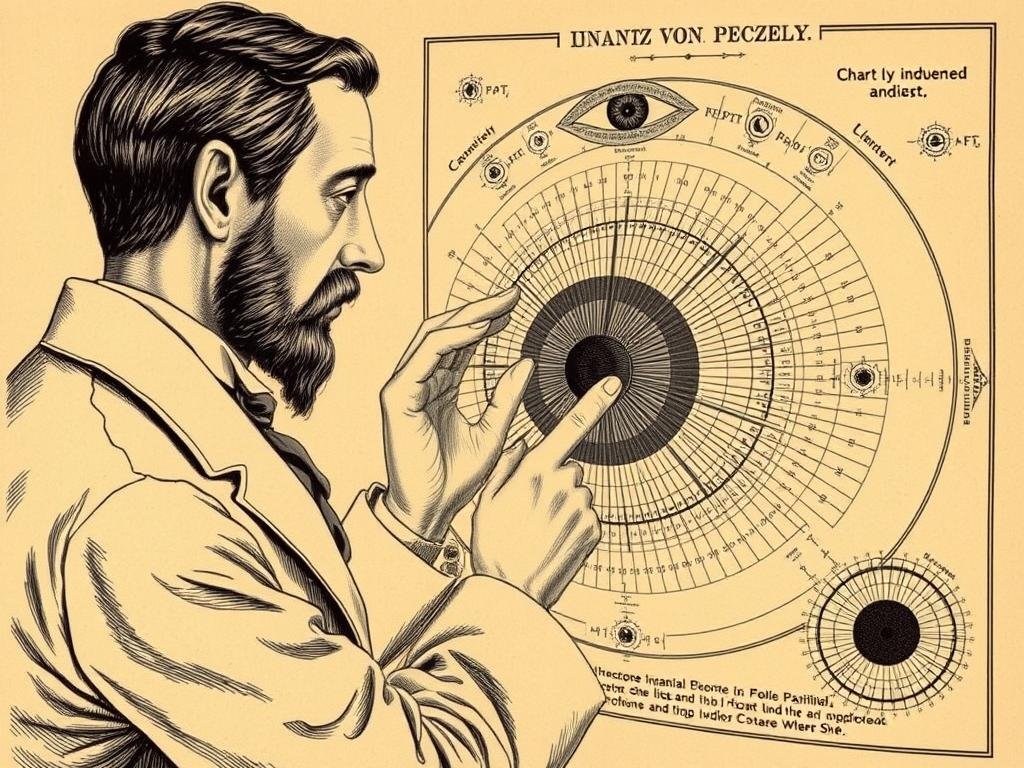
The practice of examining the iris for health insights dates back thousands of years. Some historical records suggest that aspects of iridology visual diagnosis emerged in ancient Egypt, China, and India over 3,000 years ago. However, modern iridology as we know it today is often credited to Hungarian physician Dr. Ignatz von Peczely in the 19th century.
As the story goes, young von Peczely accidentally broke the leg of an owl he was playing with. As time passed, he noticed a distinct change in the coloring and characteristics of the owl’s iris. This observation sparked his curiosity and led him to study the effects that various illnesses have on the iris. In 1880, he created the first modern iris chart to reflect his findings.
Throughout the 20th century, iridology continued to evolve with contributions from practitioners worldwide. Dr. Bernard Jensen significantly advanced the field in the United States, developing comprehensive iris charts and training materials that remain influential today. With the advent of digital technology, iridology visual diagnosis has entered a new era of precision and documentation capabilities.
Essential Equipment for Professional Iridology Visual Diagnosis
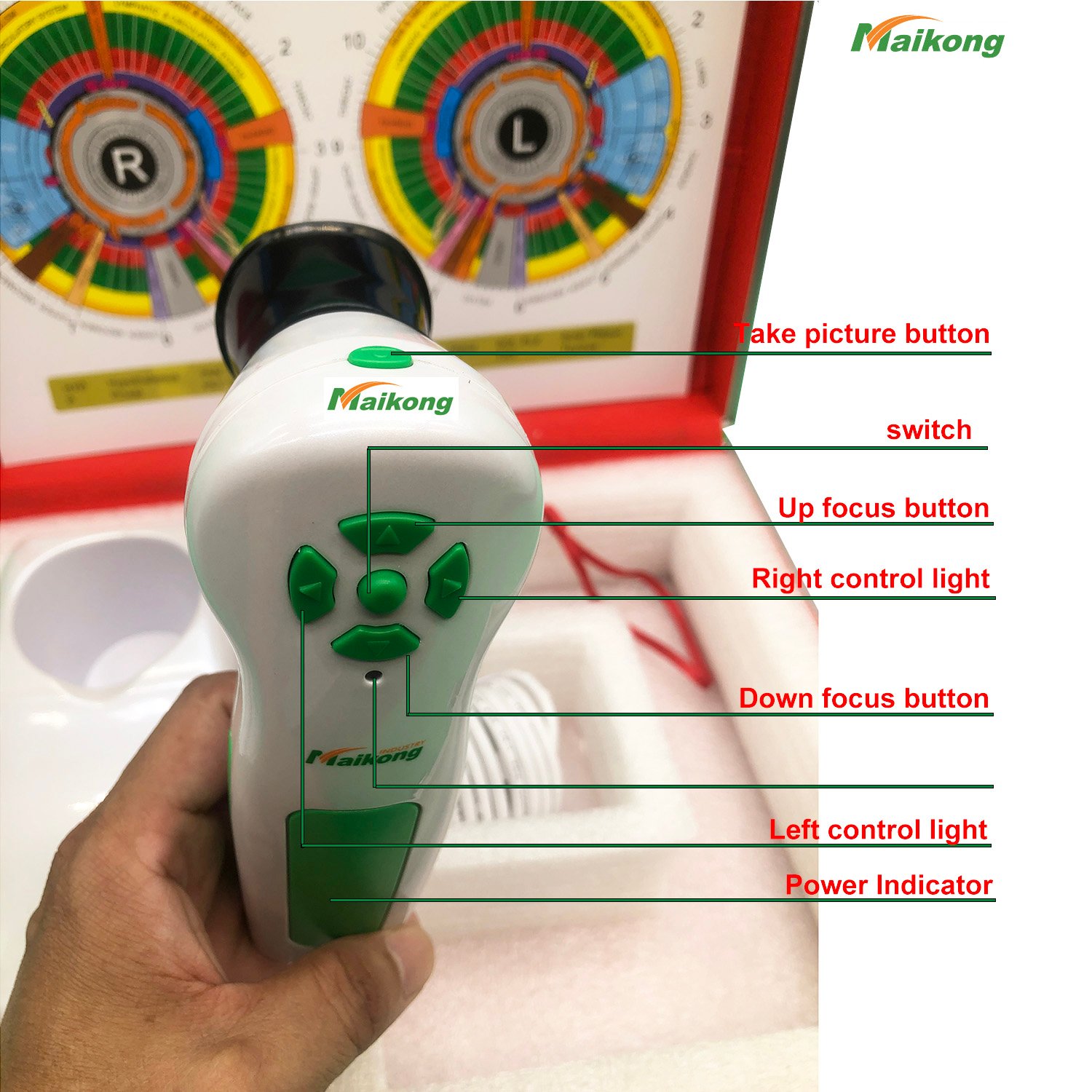


Conducting accurate iridology visual diagnosis requires specialized equipment designed to capture and analyze the intricate details of the iris. As technology has advanced, so too have the tools available to practitioners.
Iriscopes: The Primary Tool for Iridology Visual Diagnosis
The iriscope is the fundamental instrument used in professional iridology. These specialized devices combine high-magnification optical systems (typically 10-30x), specialized lighting to illuminate iris details, adjustable focus mechanisms, and comfortable positioning systems for patients.
MAIKONG’s professional iriscopes feature precision optics and ergonomic design, allowing practitioners to capture clear, detailed images of the iris with minimal patient discomfort. Our flagship models include adjustable lighting conditions to reveal different layers of iris tissue for comprehensive analysis.
Digital Imaging Systems
Digital technology has revolutionized iridology visual diagnosis by enabling high-resolution image capture, storage for comparison over time, and enhanced visualization of subtle iris details. MAIKONG’s digital iridology cameras integrate seamlessly with our software solutions, creating a complete system for professional practice.
Iridology Software
Specialized software enhances the practitioner’s ability to analyze iris patterns, compare findings to reference databases, and document changes over time. MAIKONG’s iridology software includes comprehensive iris mapping tools, client management systems, and report generation capabilities.
MAIKONG Professional Equipment
Discover our complete range of professional iridology equipment including iriscopes, digital cameras, and analysis software. With 20+ years of manufacturing expertise, we provide the tools you need for accurate iridology visual diagnosis.
Explore Our Products
Contact via WhatsApp
The Iridology Visual Diagnosis Process: Step-by-Step
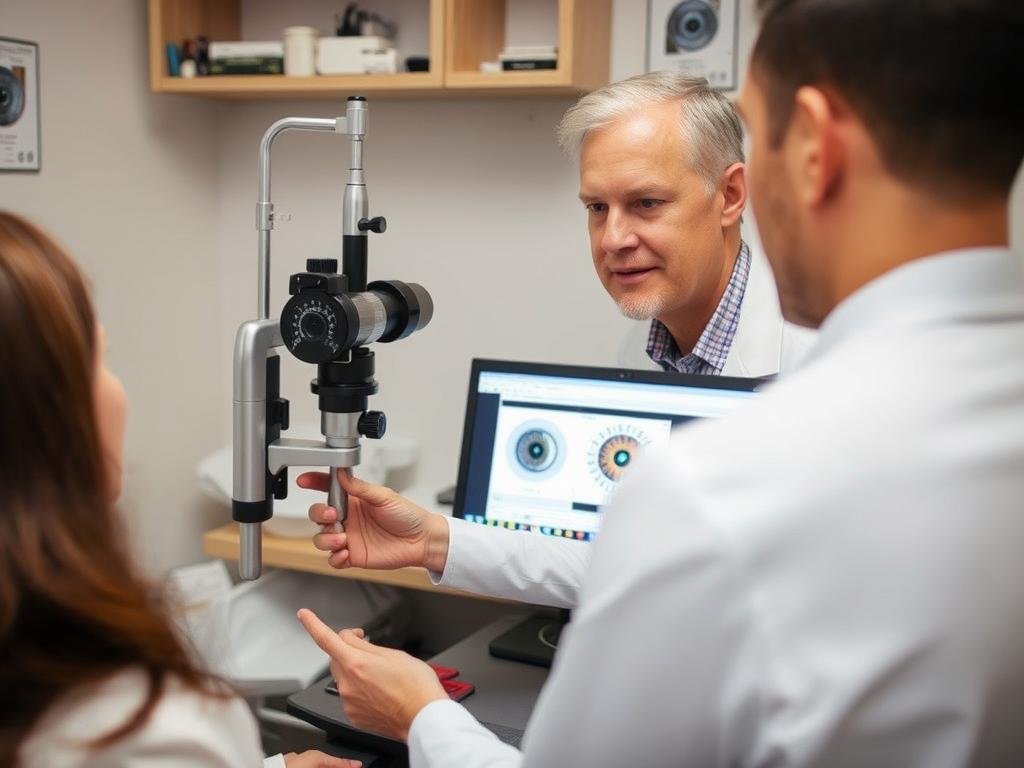
A professional iridology visual diagnosis examination follows a structured approach to ensure comprehensive assessment and accurate interpretation. The following steps outline the typical process used by qualified practitioners.
1. Pre-Examination Consultation
Before examining the iris, a professional iridologist conducts a detailed consultation to gather essential background information. This typically includes a comprehensive health history review, current symptoms and concerns, family health history, lifestyle factors, and current medications or supplements.
This information provides crucial context for interpreting iris signs and helps the practitioner develop a more personalized assessment. The consultation also establishes rapport and helps the client understand what to expect during the examination.
2. Iris Imaging
Capturing clear, detailed images of the iris is essential for accurate analysis. Using a professional iriscope or digital iridology camera, the practitioner will typically capture images of both the left and right irises, as well as close-up sections of specific areas of interest.
MAIKONG’s digital imaging systems ensure optimal lighting and magnification, producing high-resolution images that reveal the subtle details necessary for thorough iridology visual diagnosis.
3. Analysis of Iris Markings
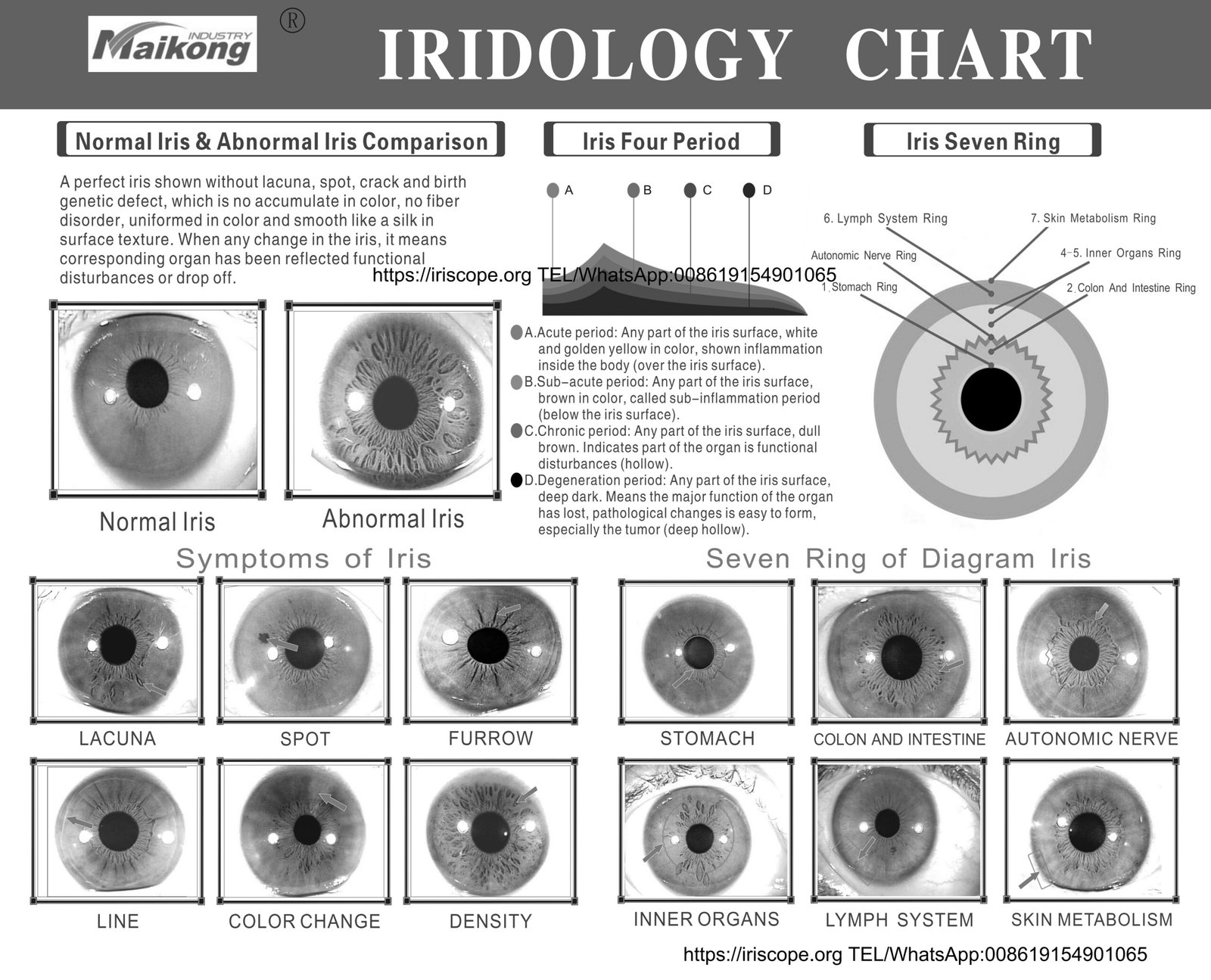
The core of iridology visual diagnosis lies in the systematic analysis of iris characteristics. Practitioners evaluate iris color and pigmentation variations, structural integrity of iris fibers, presence of specific markings (lacunae, crypts, radii solaris), pupil size and shape, and sclera coloration.
Using standardized iridology charts, the practitioner maps these observations to corresponding body systems. MAIKONG’s advanced software assists in identifying patterns and providing reference comparisons for more accurate interpretation.
4. Diagnostic Reporting
After completing the analysis, the practitioner prepares a comprehensive report of their findings. This typically includes an overview of constitutional strengths and weaknesses, identification of potential areas of concern, correlation with symptoms and health history, and personalized recommendations for health optimization.
The practitioner reviews these findings with the client, explaining the significance of various iris signs and answering questions. This educational component helps clients understand the connections between iris markings and their health status.
Understanding Iridology Charts: The Map for Iridology Visual Diagnosis


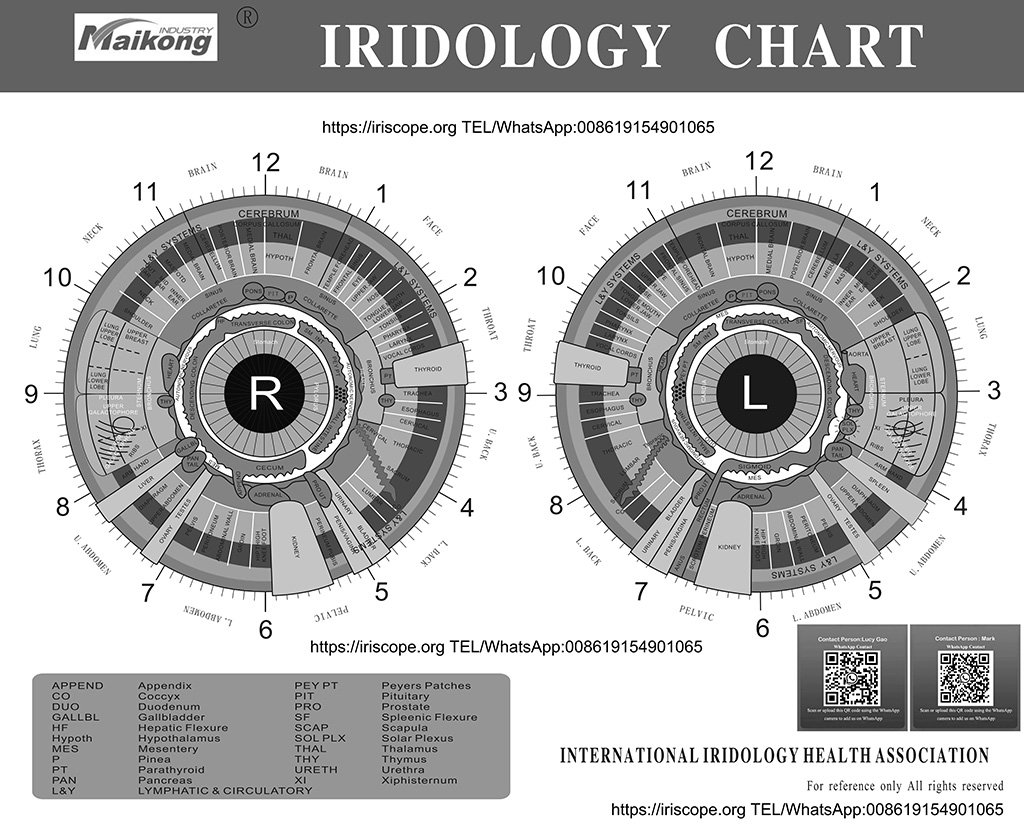
Iridology charts serve as essential reference tools that map specific iris zones to corresponding body systems. These charts are the foundation of iridology visual diagnosis, providing a standardized framework for interpretation.
Chart Organization
Most iridology charts divide the iris into approximately 60 different sections, each corresponding to a specific part of the body. The chart typically follows a clock-face organization, with the pupil at the center. Each iris is analyzed separately, with the left iris generally corresponding to the left side of the body and the right iris to the right side.
The chart is further divided into concentric rings, with areas closer to the pupil often representing internal organs and digestive systems, while outer regions may correspond to skin, extremities, and lymphatic systems.
Left vs. Right Iris Interpretation
In traditional iridology, the left iris generally corresponds to the left side of the body and is associated more with the lymphatic system, while the right iris corresponds to the right side and relates more to the hepatic (liver) system. Some schools of iridology also associate the left eye with feminine/receptive energy and the right with masculine/projective energy.
MAIKONG’s professional iridology charts include detailed segmentation of iris regions, organ and system correspondences, left/right eye differentiation, color and marking interpretation guides, and constitutional type references.
Professional Iridology Charts
MAIKONG offers comprehensive iridology charts developed through decades of research and clinical application. Our charts provide the detailed mapping necessary for accurate iridology visual diagnosis.
Email for Chart Information
Call: +86-13-51090-74-01
Clinical Applications of Iridology Visual Diagnosis
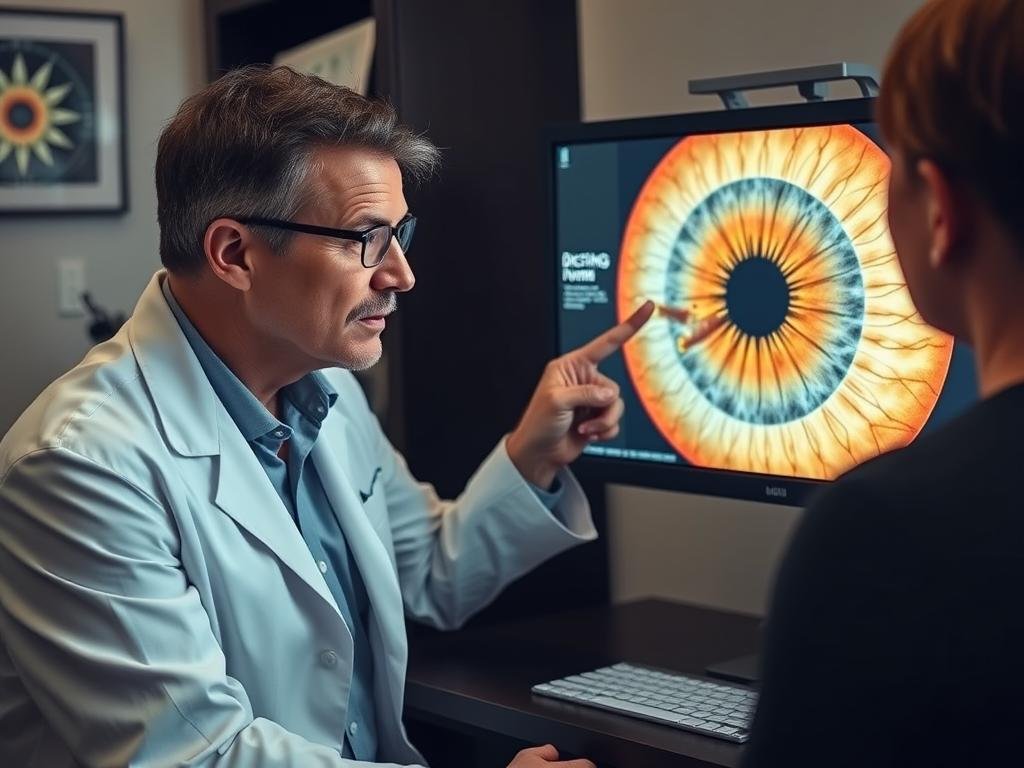
Iridology visual diagnosis has numerous practical applications in holistic health assessment. While not a replacement for conventional medical diagnosis, it can provide valuable insights when used as part of a comprehensive health evaluation.
Preventative Health Screening
One of the strongest applications of iridology is preventative health screening. By identifying constitutional weaknesses and potential problem areas before symptoms develop, iridology visual diagnosis can guide targeted preventative strategies. This proactive approach aligns with the growing emphasis on preventative healthcare and personalized wellness protocols.
Digestive System Assessment
The digestive system is prominently represented in the iris, making iridology visual diagnosis particularly useful for identifying potential digestive weaknesses. Practitioners can observe signs that may correlate with issues in the stomach, intestines, pancreas, and liver, often before symptoms become pronounced.
Stress and Nervous System Evaluation
Stress patterns in the iris, such as nerve rings (circular lines) and stress fibers, can provide insights into how an individual’s nervous system responds to stress. This information can be valuable for developing targeted stress management approaches and supporting nervous system health.
Inflammation and Toxicity Assessment
Iridology visual diagnosis can help identify areas of potential inflammation and toxicity in the body. White marks, cloudy areas, or specific discolorations may indicate areas where detoxification support or anti-inflammatory approaches might be beneficial.
Case Study: Identifying Digestive System Weaknesses
Client Profile: 42-year-old female with chronic fatigue, bloating, and intermittent digestive discomfort
Iris Observations: Iridology visual diagnosis revealed significant lacunae (hollow areas) in the zones corresponding to the small intestine and pancreas, with a darkened area in the liver zone of the right iris.
Outcome: Based on these findings, the client consulted with her physician who ordered additional testing. Lab work confirmed mild pancreatic enzyme insufficiency and elevated liver enzymes. A targeted treatment plan addressing these specific issues led to significant symptom improvement.
MAIKONG Professional Equipment for Iridology Visual Diagnosis
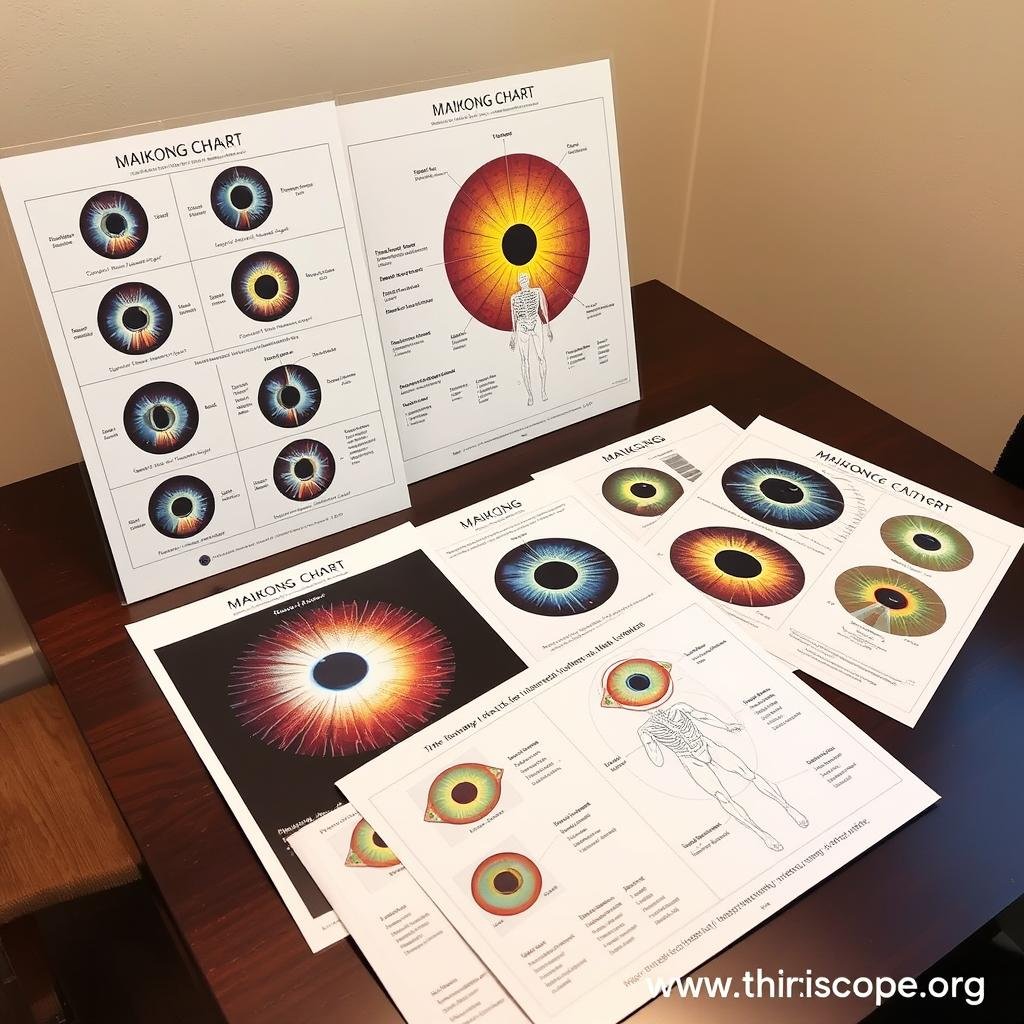
Professional Iridology Charts
Our research-based iridology charts provide detailed mapping for accurate iridology visual diagnosis:
- Comprehensive organ and system mapping
- Left and right iris differentiation
- Color-coded for easy reference
- Durable laminated construction
- Available in multiple languages
- Based on 20+ years of clinical research
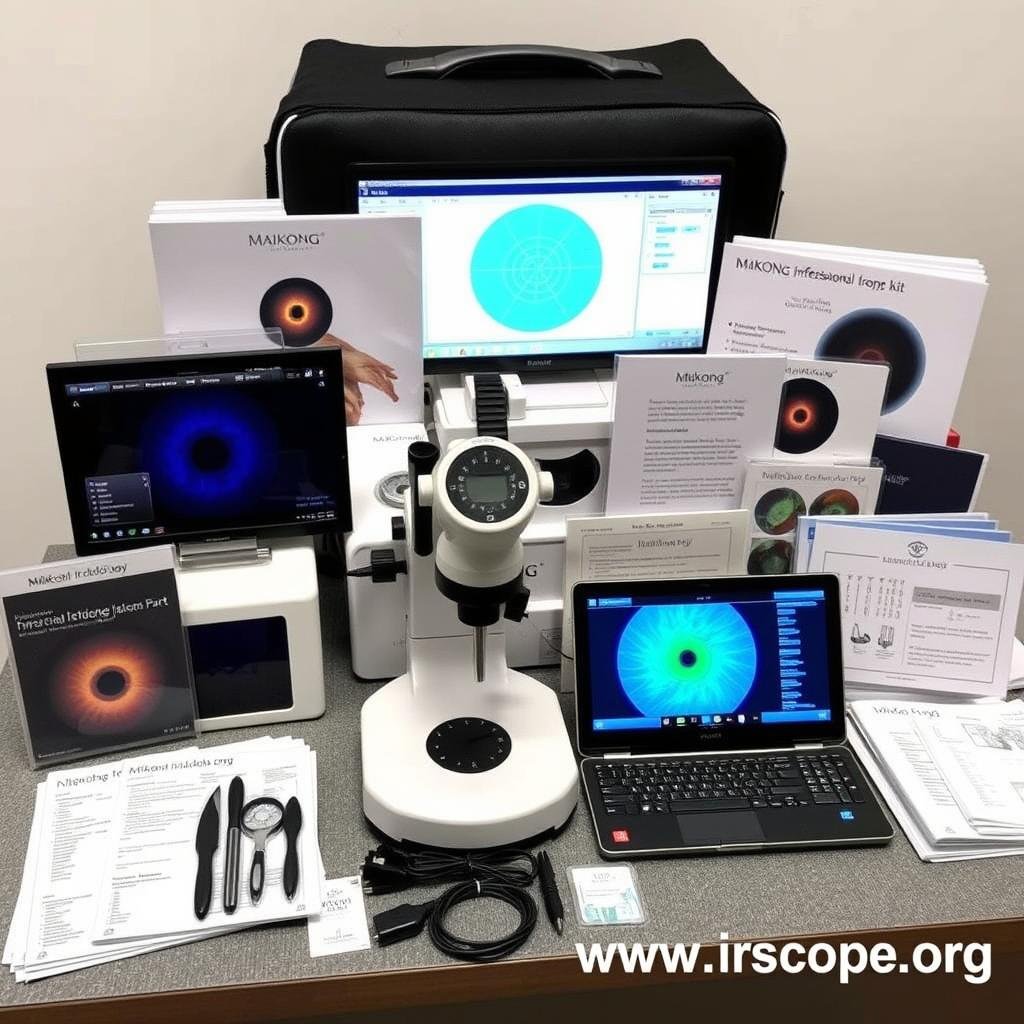
Complete Professional Kits
Our integrated professional kits provide everything needed for iridology visual diagnosis:
- Digital iriscope with adjustable stand
- Professional software license
- Comprehensive iridology charts
- Training materials and guides
- Protective carrying case
- Technical support and updates
Elevate Your Iridology Practice
With over 20 years of manufacturing expertise, MAIKONG provides the highest quality equipment for iridology visual diagnosis. Our products are used by professionals worldwide.
View Our Complete Catalog
Contact via WhatsApp
Frequently Asked Questions About Iridology Visual Diagnosis
Is iridology visual diagnosis scientifically validated?
The scientific status of iridology remains contested. While some studies have questioned its diagnostic reliability, others have shown correlations between iris signs and certain health conditions. Iridology visual diagnosis is best viewed as a complementary assessment tool rather than a definitive diagnostic method. It can provide insights into constitutional tendencies and potential areas of weakness, but should be used alongside conventional medical evaluation.
How long does a professional iridology examination take?
A comprehensive iridology visual diagnosis session typically takes 60-90 minutes. This includes the initial consultation (15-20 minutes), iris imaging (10-15 minutes), analysis (20-30 minutes), and review of findings with recommendations (15-25 minutes). Follow-up sessions are usually shorter, focusing on changes and progress.
What qualifications should I look for in an iridologist?
Look for practitioners with formal training from recognized iridology institutions, certification from professional organizations, and continuing education in the field. Many qualified iridologists also have backgrounds in healthcare professions such as naturopathy, chiropractic, or nursing. Ask about their experience, approach, and whether they work collaboratively with other healthcare providers.
How do iris signs change over time?
While the basic constitutional pattern of the iris remains relatively stable throughout life, certain iris signs can change in response to health developments. Acute conditions may be reflected in temporary changes, while chronic issues may lead to more persistent markings. Regular iridology visual diagnosis examinations can help track these changes and provide insights into the effectiveness of health interventions.
What equipment do I need to start practicing iridology?
To begin practicing iridology visual diagnosis, you’ll need at minimum a quality iriscope or digital iridology camera, reference charts, and basic analysis software. MAIKONG offers starter kits for new practitioners that include all essential equipment along with training materials. As your practice grows, you may want to invest in more advanced digital systems with enhanced analysis capabilities.
Advancing Your Practice with Professional Iridology Visual Diagnosis
Iridology visual diagnosis offers a unique perspective on health assessment by examining the intricate patterns of the iris. While not a replacement for conventional medical diagnosis, this non-invasive approach can provide valuable insights into constitutional tendencies, potential areas of weakness, and overall health patterns.
The effectiveness of iridology depends significantly on the practitioner’s training, experience, and the quality of equipment used. When performed by qualified professionals using modern tools and standardized methods, iridology visual diagnosis can contribute meaningful information to a comprehensive health assessment.
With over 20 years of manufacturing expertise, MAIKONG remains committed to advancing the field of iridology through innovative equipment, comprehensive training resources, and ongoing support for practitioners worldwide. Our complete range of professional tools—from digital iriscopes and cameras to specialized software and reference materials—is designed to enhance the accuracy and efficiency of your iridology visual diagnosis practice.
Partner with MAIKONG for Your Iridology Practice
Join thousands of practitioners worldwide who trust MAIKONG for their iridology visual diagnosis equipment needs. Contact us today to discuss your specific requirements.
Call: +86-13-51090-74-01
Visit Our Website


