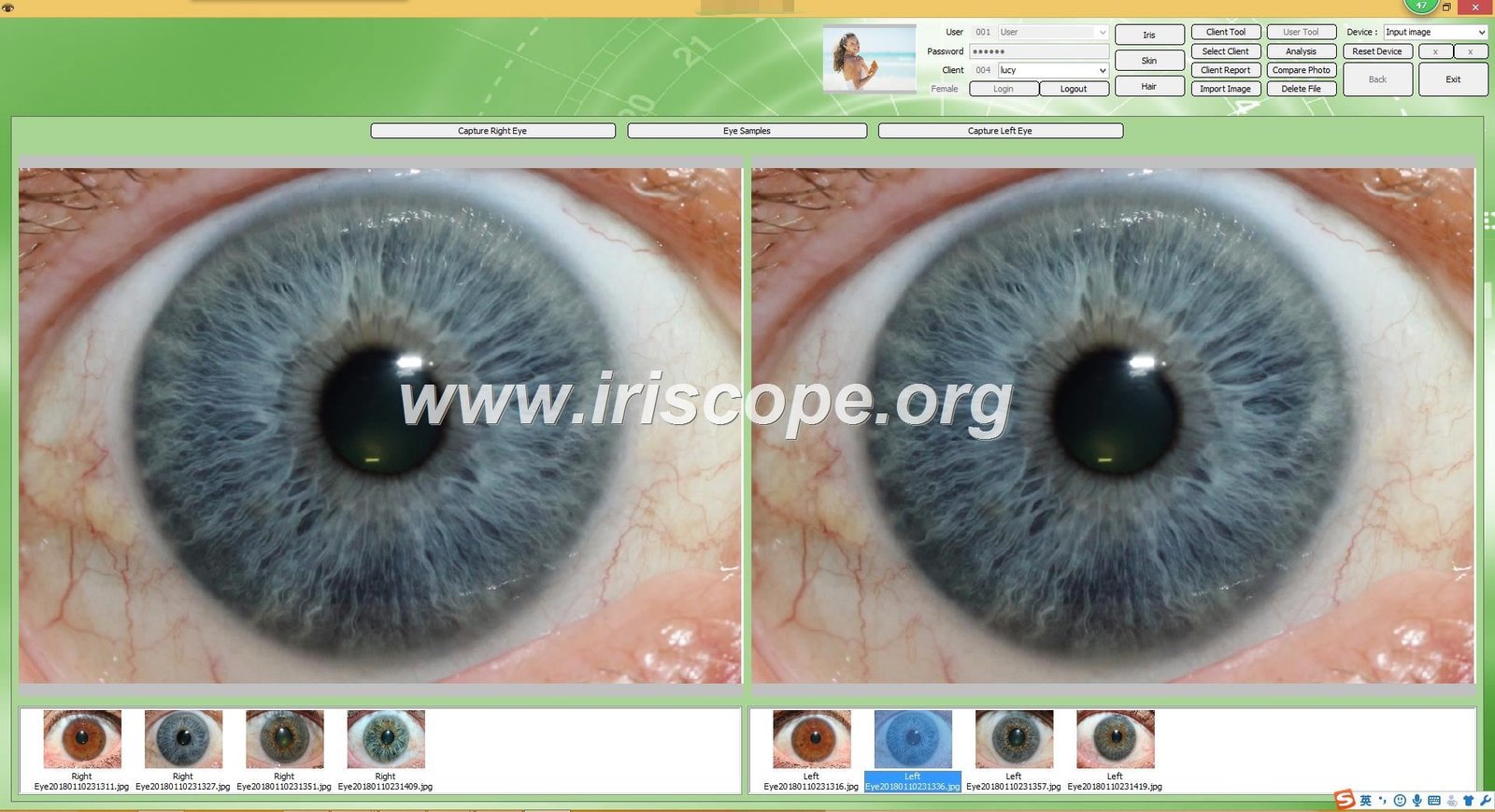
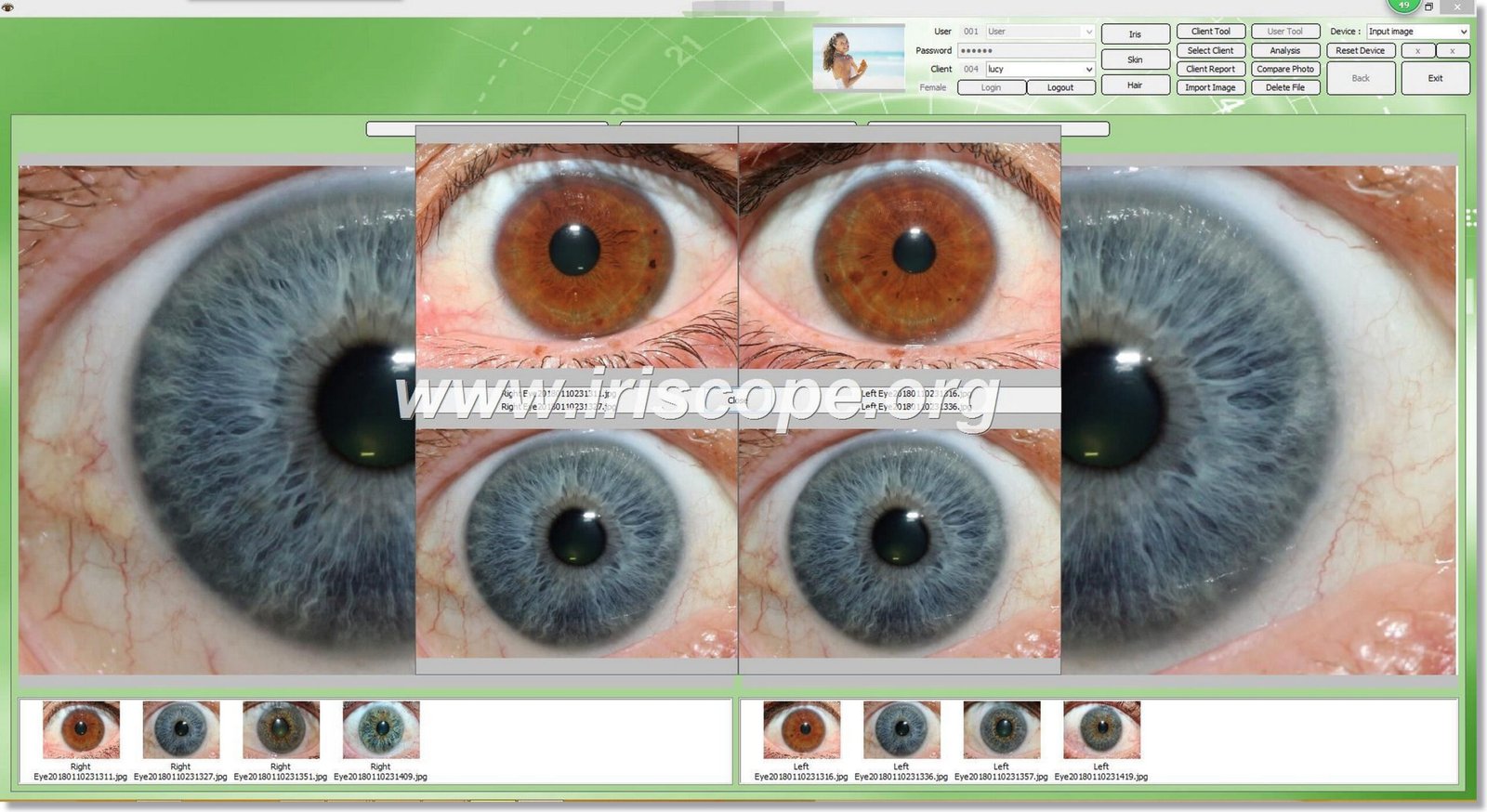
Welcome to MAIKONG’s comprehensive guide to iridology basics. Iridology is the fascinating study of iris patterns and structures as they relate to health conditions in the body. This ancient practice has evolved into a modern complementary health assessment method used by practitioners worldwide. As a leading manufacturer with over 20 years of experience in iridology equipment, we’re excited to share our knowledge about this insightful practice.Whether you’re a healthcare professional looking to expand your diagnostic toolkit, a student beginning your journey into natural health, or simply curious about what your eyes might reveal about your wellbeing, this guide will provide you with a solid foundation in iridology basics.
What Is Iridology Basics: An Introduction

A detailed iris photograph showing various markings studied in iridology basics
Iridology basics start with understanding that the iris—the colored part of the eye—contains thousands of nerve endings connected to various parts of the body through the brain and nervous system. According to iridology theory, these connections create a detailed map that reflects the condition of organs and systems throughout the body.
Iridology is based on the scientific study of the iris. Like markings on a map, the iris reveals physiological conditions, psychological health risks, challenges, and strengths of various organs and personality traits. Through iridology basics, practitioners aim to understand past, present, and potential future health conditions by assessing various body systems.
Gli iridologi moderni usano specialisti telecamere iridologiche O iriscopi to capture high-resolution images of the iris. These tools allow for detailed examination of iris structures that might not be visible to the naked eye. The images are then analyzed using grafici iridologici that map different areas of the iris to corresponding body parts and systems.
Explore MAIKONG Professional Iridology Equipment
With over 20 years of R&D and manufacturing experience, MAIKONG offers state-of-the-art iridology cameras and software for practitioners and enthusiasts.
View Our Iridology Cameras
The Historical Foundations of Iridology Basics
The practice of examining the iris for health insights dates back centuries, with the formal study of iridology basics beginning in the late 1600s. Understanding this rich history helps appreciate how the practice has evolved into its modern form.
Prime origini
The earliest recorded observations of iris-health connections come from ancient civilizations. However, the systematic study of iridology basics is often attributed to Philippus Meyens, who published “Chiromatica Medica” in 1670, describing the connection between iris markings and body organs.
The practice gained significant momentum in the 19th century when Hungarian physician Ignaz von Peczely published his observations on iris patterns and their correlation to health conditions. As a child, von Peczely noticed changes in an owl’s iris after the bird suffered a broken leg, which sparked his lifelong study of iris-body connections.
Sviluppo moderno
In the 20th century, Dr. Bernard Jensen significantly advanced iridology basics in the United States, developing comprehensive iris charts and training many practitioners. His work helped standardize iridology practices and brought greater recognition to the field.
Today, modern technology has revolutionized iridology practice. High-definition digital telecamere iridologiche and sophisticated analysis software have made iris examination more precise and accessible than ever before, allowing for more detailed study of iridology basics.
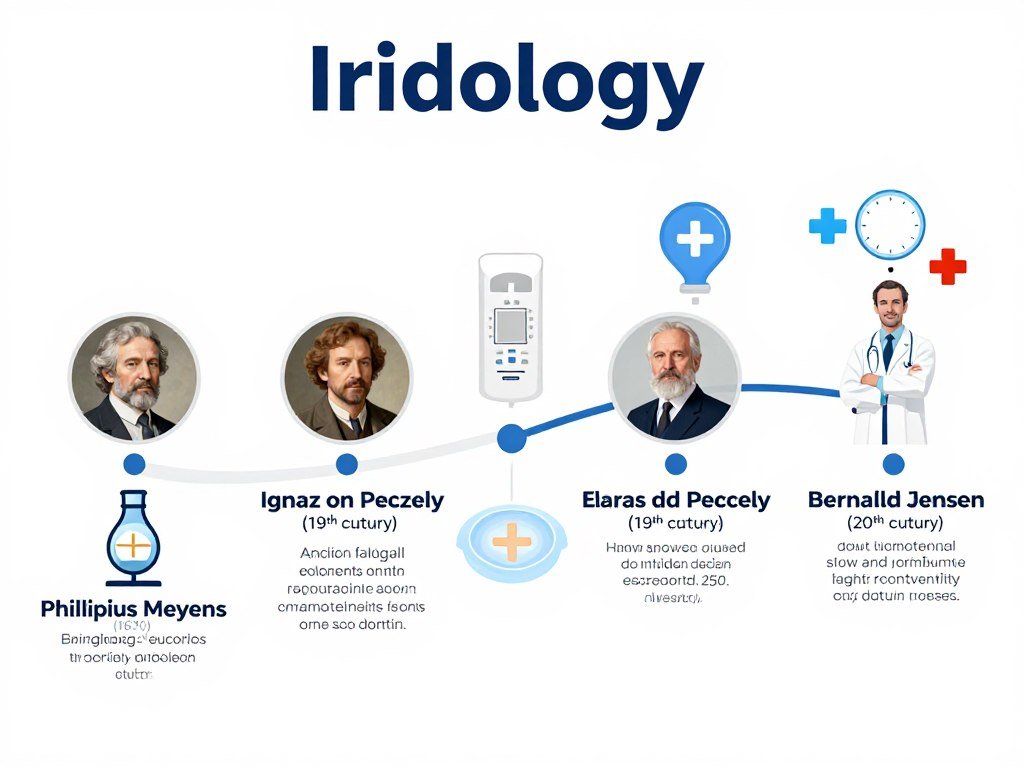
Timeline showing the evolution of iridology basics through history
Core Principles of Iridology Basics
Understanding the fundamental principles that form the foundation of iridology basics is essential for anyone interested in this practice. These principles explain how and why iridology works as a health assessment tool.

The four cornerstones of iridology basics
The four principles that form the cornerstones of iridology basics are:
- La condizione dei nervi
- La condizione del sistema sanguigno e linfatico
- Circolazione adeguata
- Alimentazione, qualità del riposo, respirazione e stato d'animo
Proponents of iridology basics appreciate its non-invasive nature, which contrasts with many conventional diagnostic procedures that can be expensive, time-consuming, and sometimes uncomfortable. However, it’s important to note that iridology is typically used as a complementary assessment tool rather than a replacement for conventional medical diagnosis.
“The eye is the window to the body’s health, revealing patterns and signs that help us understand the whole person, not just isolated symptoms.”
– Principle of holistic assessment in iridology
At MAIKONG, our telecamere iridologiche E software are designed with these principles in mind, providing practitioners with the tools they need to apply iridology basics effectively in their practice.
Iris Zones and Mapping: Essential Iridology Basics
A fundamental aspect of iridology basics is understanding how the iris is mapped to correspond with different organs and body systems. These maps serve as reference guides for practitioners when analyzing iris patterns and their meanings.
Main Zones in Iridology Basics
Zona pupillare (anello interno)
L'area più vicina alla pupilla corrisponde al sistema digestivo e agli organi interni. I cambiamenti in questa zona possono indicare condizioni legate allo stomaco, all’intestino e alle funzioni digestive principali.
Zona ciliare (anello centrale)
Questa sezione centrale rappresenta i sistemi metabolici, compresi i sistemi respiratorio, circolatorio, muscolare e scheletrico. La maggior parte delle condizioni di salute croniche si riflettono in quest’area.
Corona nervosa autonoma
Questo appare come un confine frastagliato o smerlato tra le zone pupillari e ciliari. Rappresenta il sistema nervoso autonomo e la parete intestinale. La sua integrità può indicare la salute del sistema nervoso.
Zona periferica (anello esterno)
L'area più esterna dell'iride corrisponde alla pelle, al sistema linfatico e alle estremità. I segnali in questa regione si riferiscono spesso ai processi di eliminazione del corpo e alle strutture esterne.
Additionally, the iris is divided into clock-like sectors, with each section corresponding to specific organs or body parts. For example, the liver typically appears between 7 and 8 o’clock in the occhio destro, while the heart is represented between 2 and 3 o’clock in the occhio sinistro.
Lo sapevate? Makong software per iridologia includes detailed iris maps for both the right E Sinistra eyes, making it easier for practitioners to apply iridology basics in their practice.
Common Iris Markings in Iridology Basics
Learning to recognize and interpret common iris markings is a crucial part of iridology basics. These markings can appear as spots, lines, discolorations, or structural variations within the iris, each with its own significance in iridology analysis.

Various iris markings commonly analyzed in iridology basics
Segni strutturali
Lacune
Questi appaiono come aree ovali o a forma di losanga con fibre sparse. Diverse forme di lacune indicano varie condizioni:
- Lacune chiuse: Aree incapsulate che suggeriscono condizioni croniche
- Lacune aperte: Aree ancora in fase di attività metabolica
- Laguna dei siluri: Associato a tumori ghiandolari
Raggio solare
These spoke-like lines radiate from the pupil or autonomic nerve wreath toward the outer iris. They resemble bicycle spokes and may indicate toxic conditions in corresponding organs.
Anelli e contrassegni circolari
Anelli nervosi (anelli di stress)
These appear as circular concentric rings or depressions in the iris stroma. They indicate nervous tension and anxiety levels. Learn more about Anelli di stress negli occhi.
Anello del colesterolo (anello del sodio)
A white, opaque ring appearing around the outer edge of the iris. It suggests chemical imbalances related to sodium excess and potential cholesterol issues.
Segni di colore e pigmenti
Macchie di pigmento
Queste macchie colorate appaiono in varie posizioni dell'iride e possono essere classificate in base al colore:
- Macchie psoriche: Scolorimenti bruno-rossastri che indicano depositi di tossine
- Macchie di melanina: Pigmenti marroni o neri che suggeriscono tendenze degenerative
- Tetto: Pigmenti rossastri legati a patologie del fegato e del pancreas
Rosario linfatico
A series of white dots forming a ring pattern in the iris, indicating lymphatic system congestion.
Pupil indicators in iridology basics
Indicatori degli alunni
L’alunno stesso fornisce preziose informazioni nell’analisi iridologica:
- Pupilla ingrandita: Può indicare affaticamento surrenale o effetti di farmaci
- Piccolo allievo: Spesso suggerisce stress interno o influenza di farmaci
- Pupilla irregolare: Può indicare problemi alla colonna vertebrale o alla schiena
- Bordo della pupilla appiattito: Può riguardare problemi specifici della colonna vertebrale
Practical Application of Iridology Basics
Applying iridology basics in practice involves several key steps, from proper image capture to analysis and interpretation. This section covers the practical aspects of conducting an iridology assessment.
Equipment for Iridology Basics
Essential Equipment
- Fotocamera di iridologia: A specialized camera with macro capabilities for capturing detailed iris images
- Iriscopio: An integrated device that combines camera and illumination for optimal iris imaging
- Software di iridologia: Programs that assist in analyzing iris images and applying iridology charts
- Grafici di iridologia: Mappe di riferimento che mostrano la corrispondenza tra zone dell'iride e sistemi corporei
Image Capture Technique
Proper image capture is crucial for accurate iridology basics application:
- Position the subject in a comfortable, well-lit environment
- Ensure proper lighting to avoid pupil constriction or glare
- Capture both eyes separately for comprehensive analysis
- Take multiple images to ensure clarity and detail
- Store images properly for comparison over time
Analysis Process in Iridology Basics
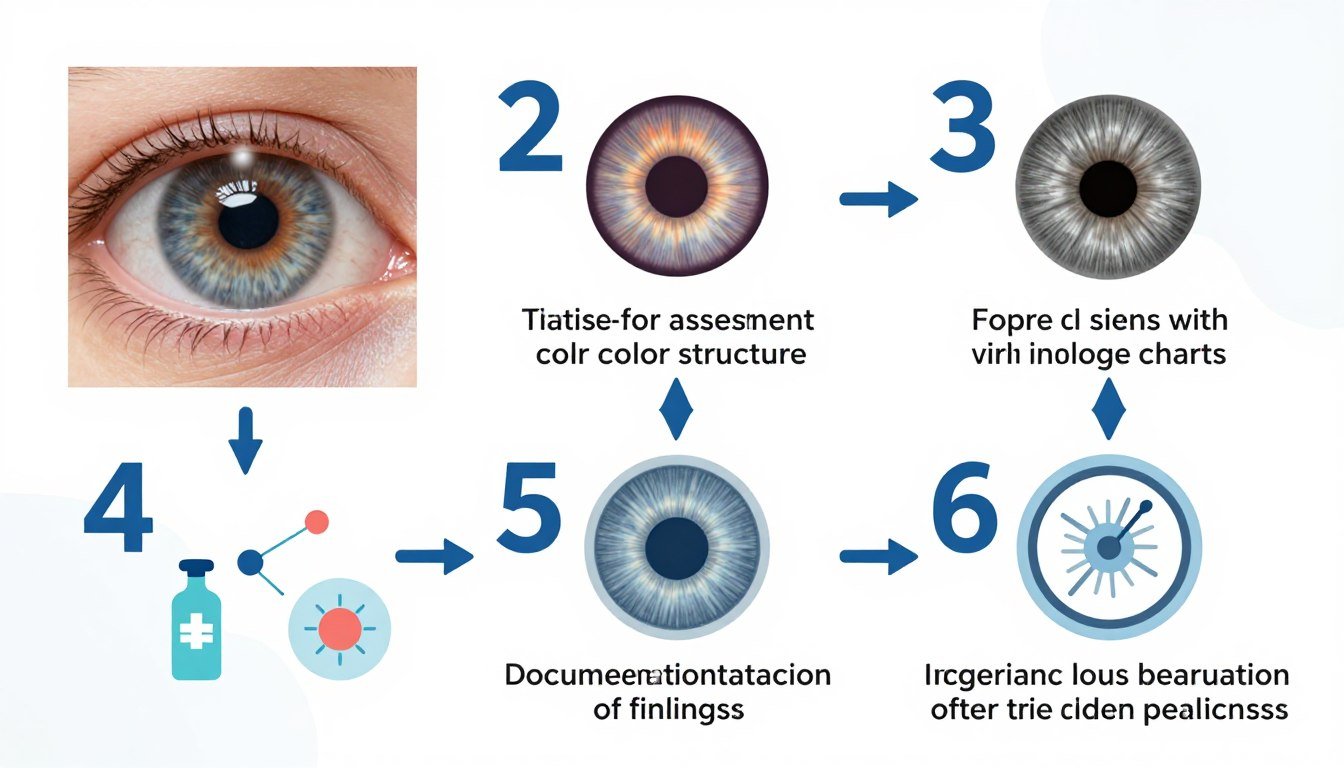
Step-by-step iridology analysis process
A systematic approach to iris analysis includes:
- Initial assessment: Observe the overall iris color, structure, and integrity
- Zone examination: Systematically analyze each iris zone (pupillary, ciliary, peripheral)
- Marking identification: Identify specific markings (lacunae, pigments, rings, etc.)
- Confronto del grafico: Compare findings with standard grafici iridologici
- Documentazione: Record observations for future reference and comparison
- Interpretazione: Develop a holistic understanding of the findings
Suggerimento professionale: Makong software per iridologia includes automated analysis features that help practitioners apply iridology basics more efficiently, with tools for marking identification and chart overlay.
Benefits and Limitations of Iridology Basics
Understanding both the potential benefits and limitations of iridology basics is essential for a balanced perspective on this practice. This knowledge helps practitioners and clients maintain realistic expectations about what iridology can and cannot offer.
Benefici dell'Iridologia
- Valutazione non invasiva: Richiede solo fotografie dell'iride senza disagio fisico
- Approccio preventivo: Può identificare le tendenze prima che si sviluppino i sintomi
- Prospettiva olistica: Considera l'interconnessione dei sistemi corporei
- Fondazione storica: Basato su secoli di pratica di osservazione
- Strumento complementare: Può funzionare insieme agli approcci medici convenzionali
Limitazioni da considerare
- Convalida scientifica limitata: Pochi studi controllati supportano affermazioni diagnostiche
- Interpretive variations: Professionisti diversi possono giungere a conclusioni diverse
- Not a replacement: Should complement, not replace, conventional medical care
- Fattori genetici: Molte caratteristiche dell'iride vengono ereditate piuttosto che sviluppate
- Standardization challenges: Variazione degli standard di formazione e certificazione
The scientific community generally views iridology with varying degrees of acceptance. While some studies have questioned its diagnostic precision, many practitioners find value in using iridology basics as one component of a comprehensive health assessment, alongside other methods such as case history, physical examination, and laboratory testing when appropriate.

Professional iridology assessment using MAIKONG equipment
“Iridology is best understood as an assessment of constitutional tendencies and bodily terrain rather than as a diagnostic tool for specific diseases.”
– Modern perspective on iridology practice
Getting Started with Iridology Basics
For those interested in exploring iridology basics, whether as a practitioner or for personal knowledge, there are several pathways to begin your journey. This section provides guidance on education, certification, and equipment needs.
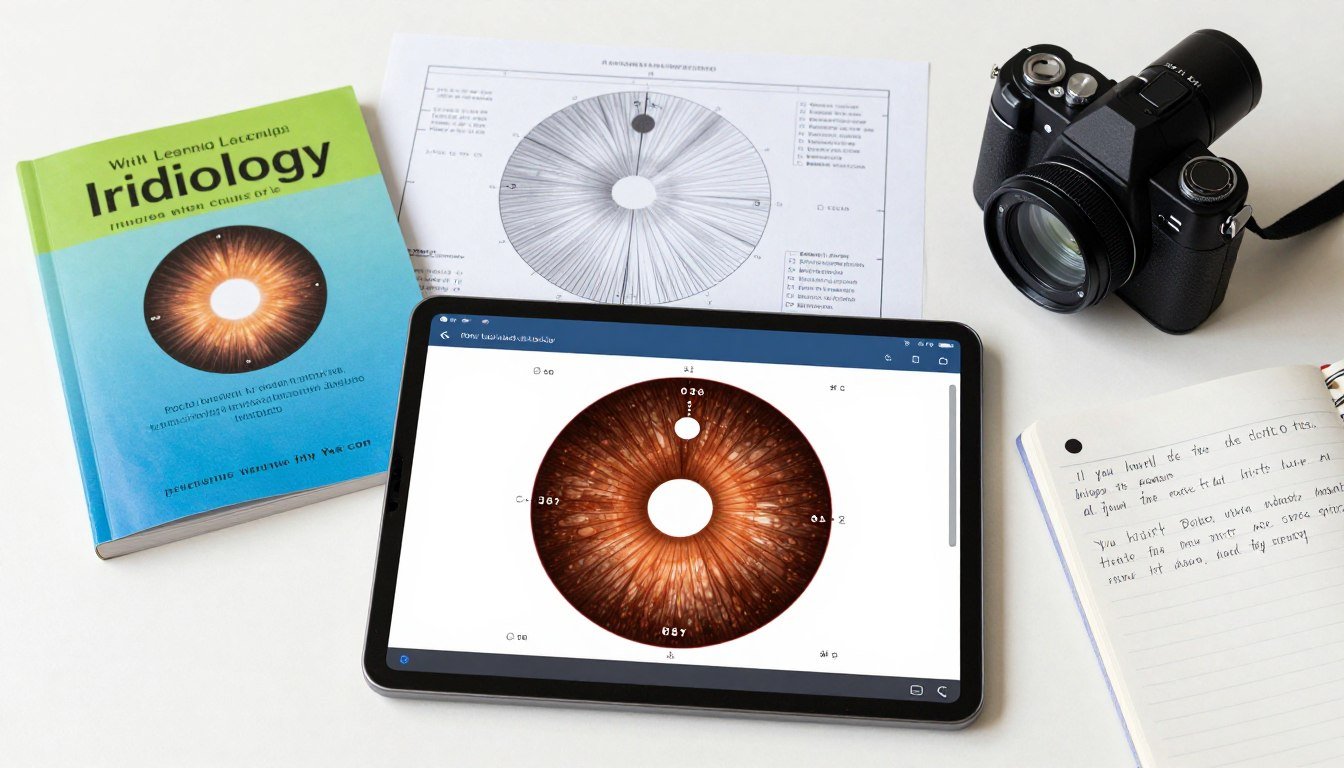
Educational resources for learning iridology basics
Formazione e certificazione
Building a strong foundation in iridology basics typically involves:
- Formal education: Courses in iridology fundamentals, anatomy, and physiology
- Practical training: Hands-on experience with iris analysis under supervision
- Certificazione: Obtaining certificazione iridologica from recognized organizations
- Continuing education: Staying updated with the latest research and techniques
Essential Equipment for Practitioners
To effectively apply iridology basics in practice, certain equipment is necessary:
Telecamere per iridologia
Professionale telecamere iridologiche provide the high-resolution images needed for accurate analysis. MAIKONG offers a range of cameras suitable for both beginners and experienced practitioners.
Iriscopi
UN iriscopio combines camera functionality with proper illumination for optimal iris imaging. Our models are designed for ease of use and image clarity.
Software di analisi
Makong software per iridologia enhances analysis capabilities with features like chart overlay, comparison tools, and client record management.
Diventa distributore Makong
Are you interested in representing MAIKONG’s premium iridology equipment in the US market? We’re seeking distributors and agents for our professional-grade products.
Learn About Distributorship
Conclusion: Embracing Iridology Basics for Health Insights
Iridology basics offer a fascinating window into the body’s health through the detailed examination of iris patterns and markings. This practice combines ancient observational wisdom with modern imaging technology to provide a unique perspective on health assessment. The intricate patterns, colors, and markings visible in the iris create a map that, according to iridology principles, reflects the condition of various organs and systems throughout the body.
As you continue your journey into iridology, remember that quality equipment makes a significant difference in the accuracy and effectiveness of your practice. MAIKONG’s 20+ years of experience in manufacturing professional iridology equipment ensures that practitioners have access to the best tools for applying iridology basics in their work.
Whether you’re a healthcare professional looking to expand your toolkit, a student beginning your iridology journey, or interested in distributing quality iridology equipment, we invite you to connect with MAIKONG and discover how our expertise and products can support your goals.
Inizia il tuo viaggio di iridologia con Maikong
Explore our range of professional iridology equipment and take your practice to the next level.
Visita il nostro sito web